
Momentum matters. So does showing up.
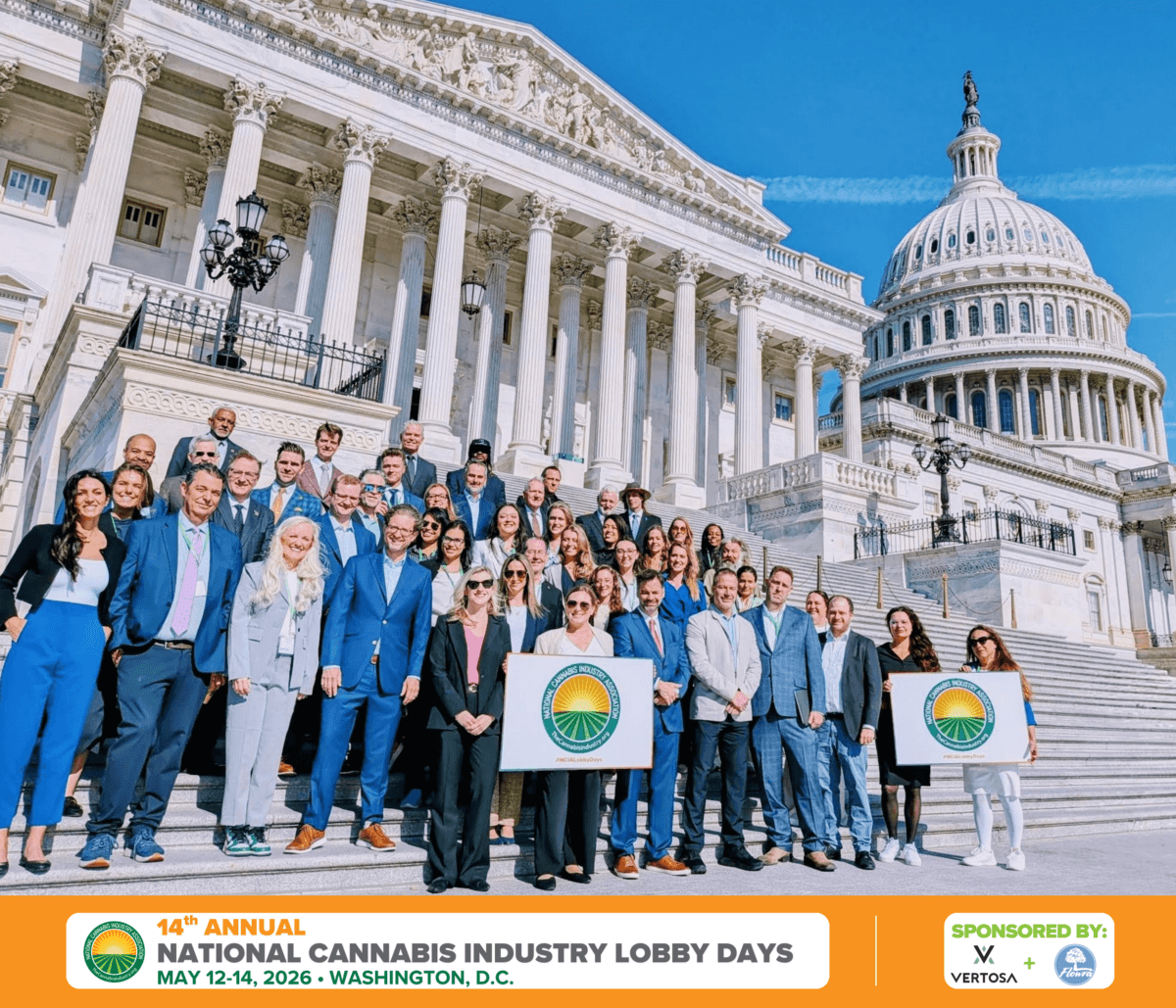
From May 12–14, 2026, cannabis business owners, operators, and advocates from across the country gathered in Washington, D.C. for the National Cannabis Industry Association’s 14th Annual National Cannabis Industry Lobby Days. Over a day and a half, NCIA members brought the realities of running a state-legal cannabis business directly to Congress at one of the most consequential moments for cannabis policy in decades.
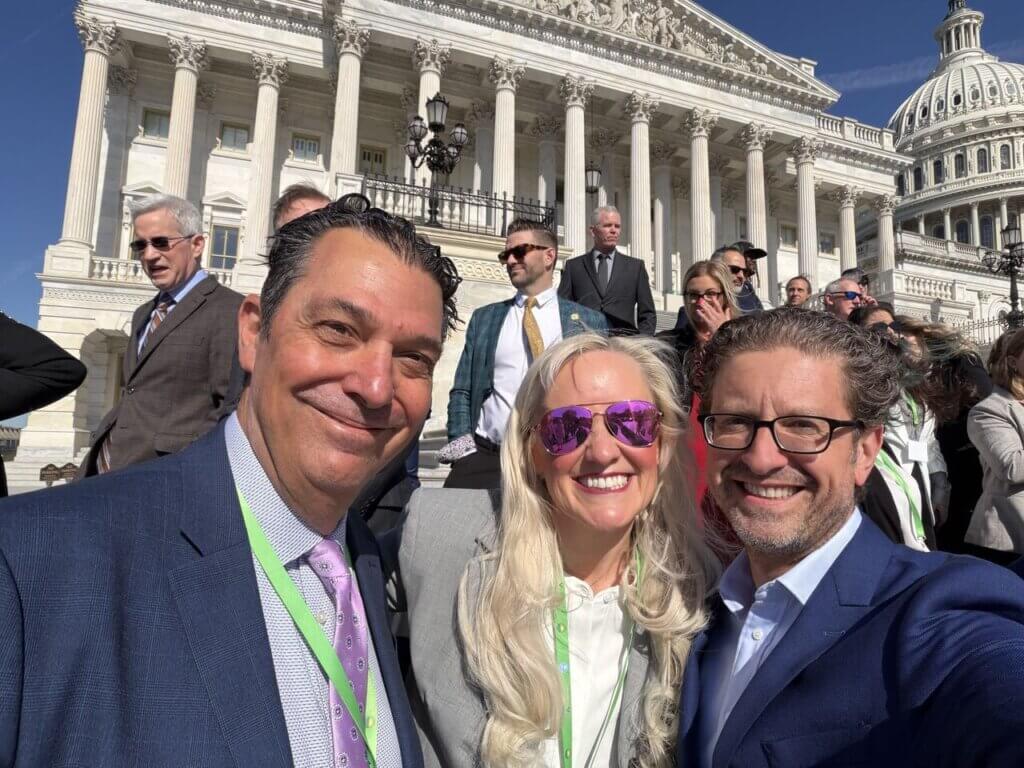
The message was clear: historic progress has been made, but the work is far from finished.
This year’s Lobby Days came just weeks after the U.S. Department of Justice’s April final order rescheduling state-regulated medical cannabis to Schedule III of the Controlled Substances Act. For many in the industry, it marked a long-overdue acknowledgment of medical cannabis and the legitimacy of state programs. But as conversations on Capitol Hill quickly revealed, rescheduling also created new questions, uncertainty, and urgency.
Congress still has work to do.
Bringing Clarity to a Changing Policy Landscape
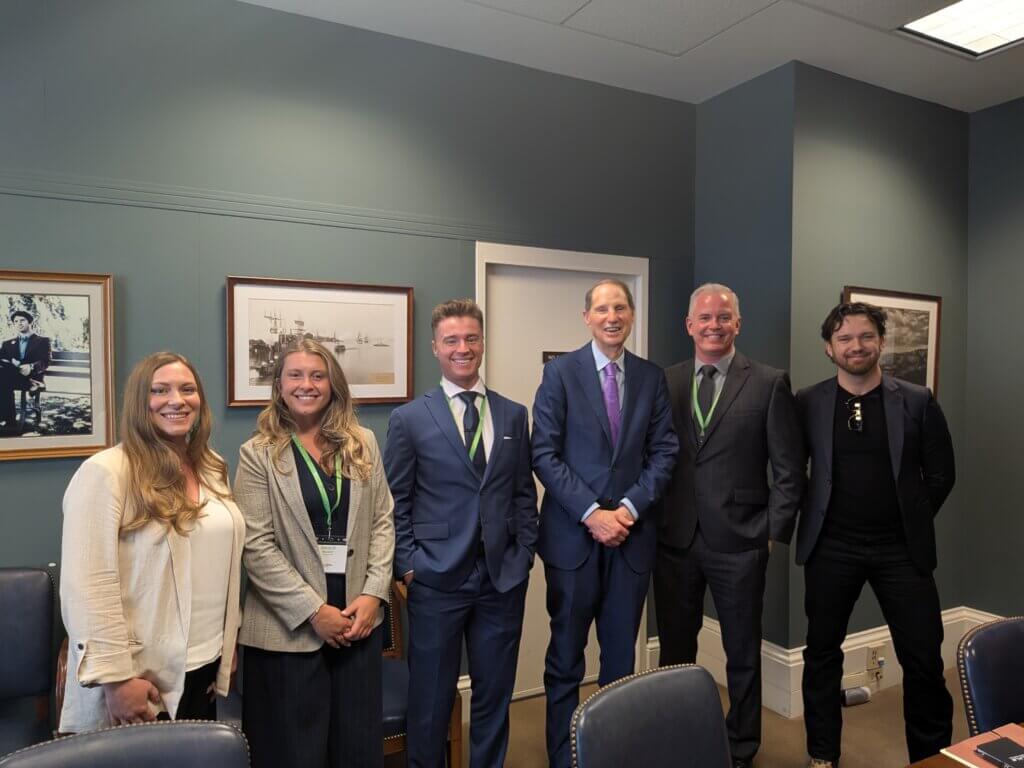
Over the course of 78 meetings, 71 participants representing 25 states and Washington, D.C. met with congressional offices and committee staff during one of the busiest legislative weeks on Capitol Hill.
Participants represented a broad cross-section of the cannabis economy, from cultivators, manufacturers, and retailers to ancillary businesses, financial professionals, and service providers. Together, they brought real-world experience into offices representing adult-use, medical, and emerging markets, as well as states without regulated cannabis programs.
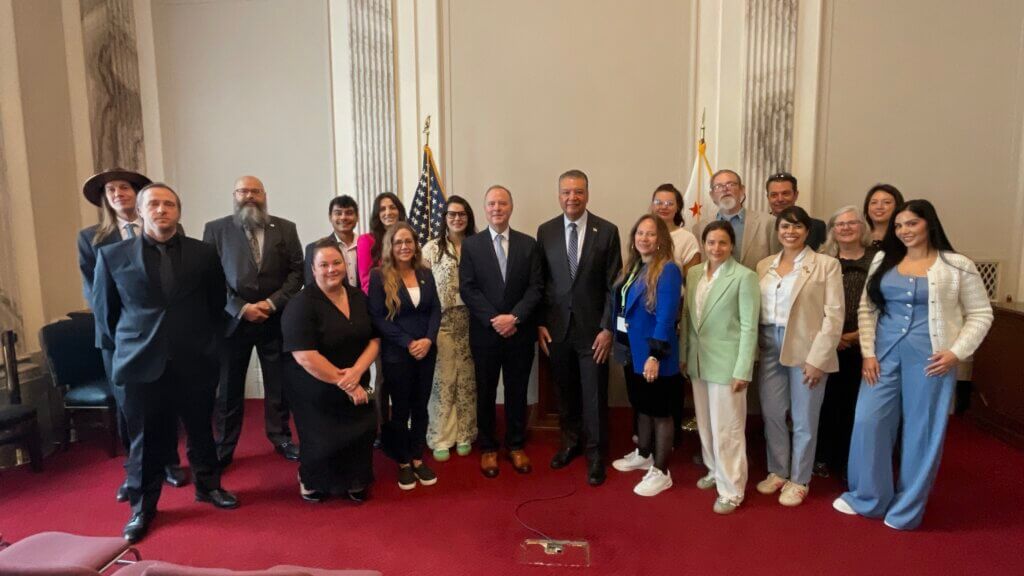
What emerged from those conversations was revealing.
Even among long-time congressional champions, many offices were still navigating what April’s rescheduling order actually means in practice.
Would tax fairness finally become reality? How would medical and adult-use markets interact under a partially rescheduled framework? What role would Congress play if litigation delays or disrupts implementation? How should federal law treat businesses operating across state-regulated systems?
These are not theoretical questions for cannabis operators. They are business realities.
That made constituent voices essential.
NCIA members used their lived experiences to help offices understand how continued conflicting state and federal policies affect hiring, investments, banking access, tax obligations, public safety, access, and the ability to compete against illicit operators who face none of the same burdens.
Policy conversations become stronger when lawmakers hear directly from the businesses operating in their own communities.
Lobby Days reinforced something we know well: progress happens when the people living the consequences of federal policy help shape the conversation around fixing it.
Turning Momentum Into Action
The focus of this year’s advocacy was straightforward: ensure Congress understands that rescheduling alone does not solve the structural challenges facing cannabis businesses.
NCIA members urged offices to support policies that protect state markets, provide certainty, and support regulated businesses competing against an untaxed, unregulated illicit market.
Conversations centered on bipartisan legislation such as the STATES 2.0 Act, which would align federal law with individual state cannabis policies and provide long-term certainty for both medical and adult-use markets. Members also discussed the need to protect ongoing rescheduling efforts from political or bureaucratic disruption while preparing federal agencies for the future of cannabis policy.
For operators, one issue consistently rose to the top: tax fairness.
While April’s rescheduling order could eventually provide relief from Section 280E for some state-regulated medical businesses, uncertainty remains for those holding dual licenses in medical and adult-use programs, adult-use operators, and other businesses awaiting implementation clarity.
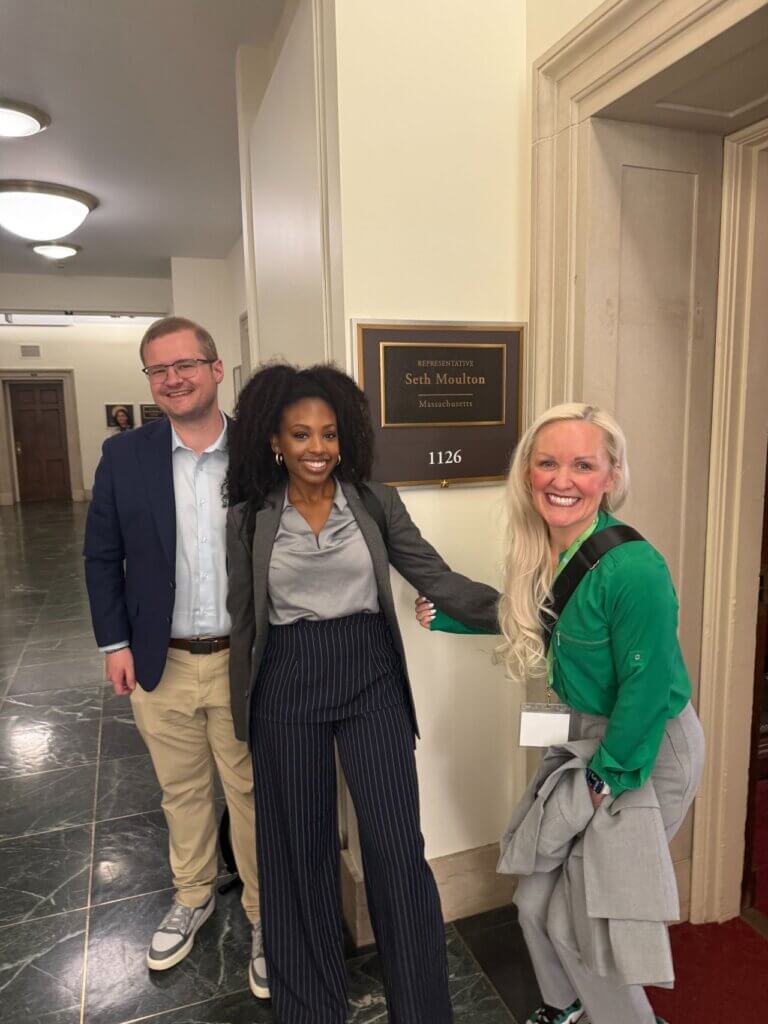
During Lobby Days, NCIA members reinforced the need for immediate federal guidance and congressional action to prevent additional uncertainty for compliant operators already navigating narrow margins, rising costs, and inconsistent federal treatment.
In one example of that work, NCIA members met with congressional offices helping lead efforts to provide greater clarity on federal tax treatment following rescheduling, including Congressman Steven Horsford’s office, which is spearheading outreach to the Internal Revenue Service and Treasury Department regarding implementation guidance for qualifying state-legal cannabis businesses. These conversations reinforced the urgent need for certainty around Section 280E and tax treatment as operators navigate an evolving federal landscape.
Members also pressed offices to strongly oppose proposals that would permanently preserve punitive federal tax treatment for cannabis businesses regardless of future legal status, including efforts that would extend the burden of Section 280E even in the event of broader reform. For an industry already operating under extraordinary regulatory and financial constraints, codifying unfair tax treatment would move federal policy in the wrong direction.
Relationships That Move Policy
One of the strongest signals from this year’s Lobby Days was not simply support for reform. It was appreciation for partnerships.
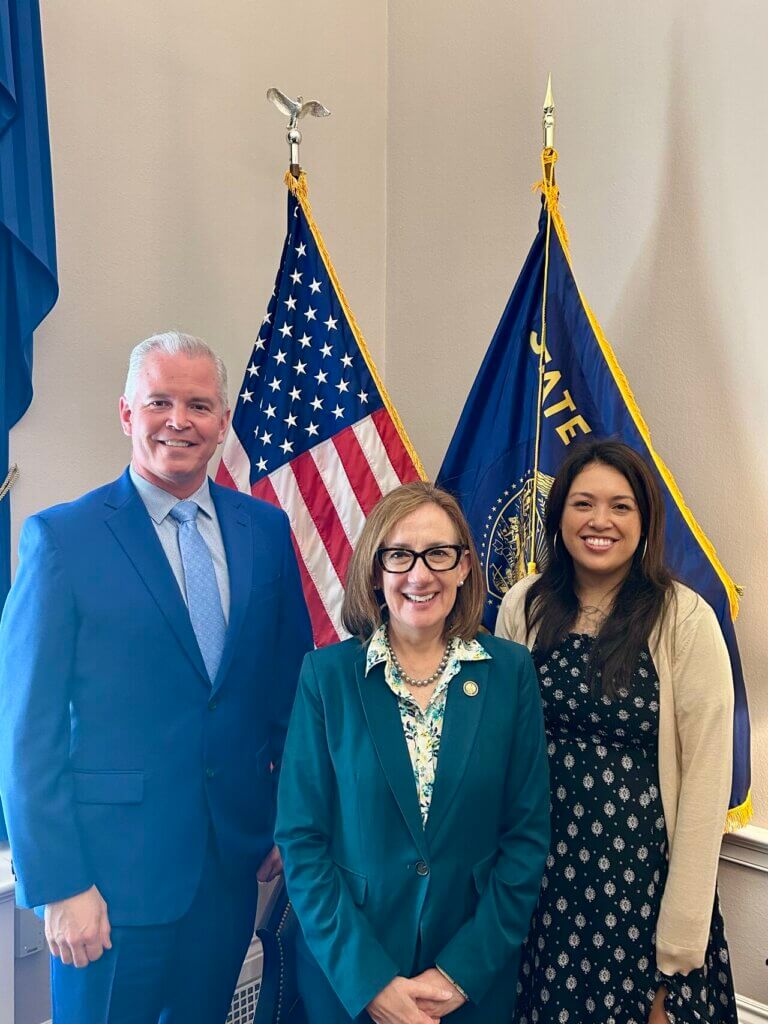
Across meetings — including with longtime allies and newer offices — congressional staff repeatedly emphasized the value of having trusted industry constituent voices to help navigate fast-moving cannabis policy developments.
That relationship matters.
The cannabis industry has spent years operating in the gap between state legalization and federal prohibition. Progress requires more than headlines or hearing dates. It requires education, credibility, and consistent engagement.
Lobby Days exists to strengthen those relationships so that when legislative opportunities emerge, Congress already understands the stakes.
This year’s advocacy footprint reflected that commitment, with meetings spanning both Democrat and Republican offices. Whether the conversation centered on small business growth, public safety, states’ rights, veterans’ access, job creation, or creating a regulated market capable of outcompeting illicit operators, one thing remained clear: durable reform requires broad coalitions.
Recognizing Congressional Leadership and Service
Lobby Days also offered an opportunity to recognize leaders whose commitment continues to move cannabis policy forward through sustained action, partnership, and persistence.
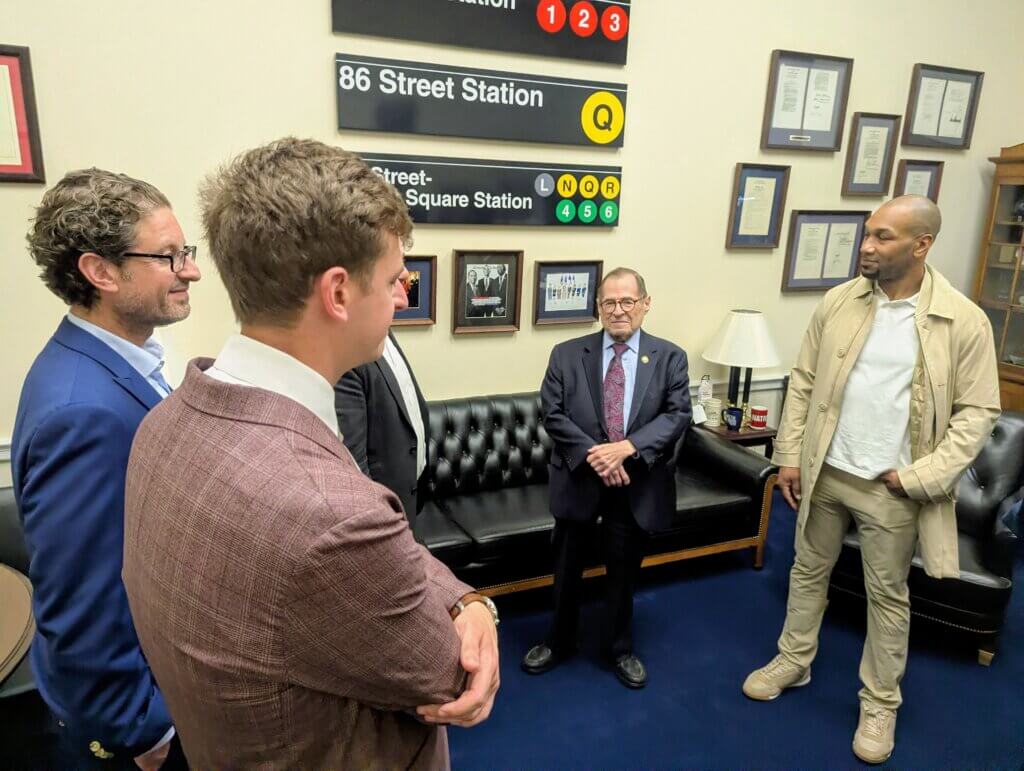
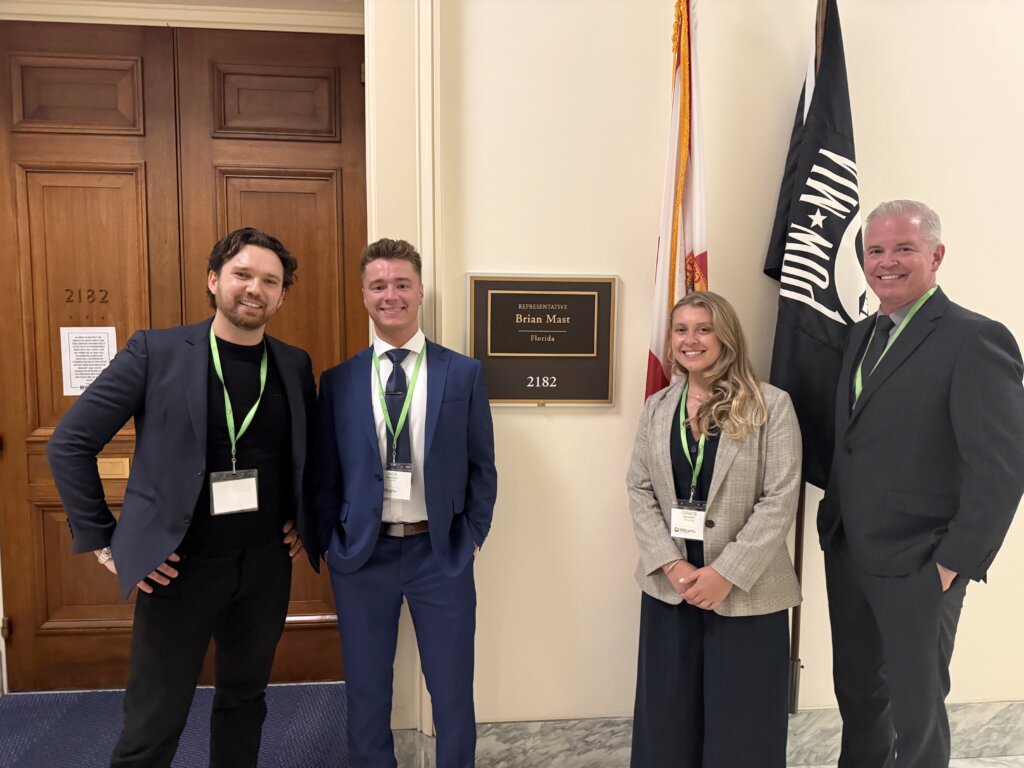
This year, NCIA honored two congressional champions with our Legislator of the Year Award: Congressman Jerrold Nadler (D-NY-12) and Congressman Brian Mast (R-FL-21).
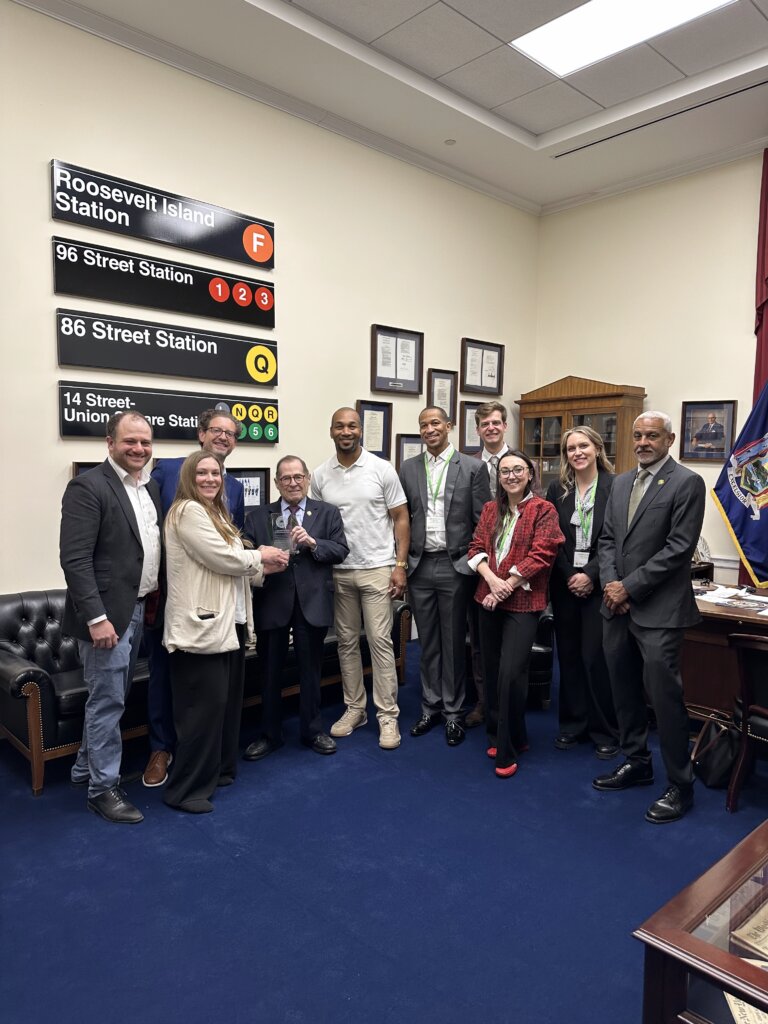
Congressman Nadler, who will retire at the conclusion of this congressional term, has spent years advancing federal cannabis reform and helping move the conversation from political possibility to legislative reality. As the longtime sponsor of the MORE Act, one of Congress’s most comprehensive proposals to end federal cannabis prohibition, Rep. Nadler has consistently championed policies aimed at modernizing federal law while addressing the lasting harms of prohibition. His leadership helped elevate cannabis reform from a fringe issue to a serious legislative conversation in Congress.
“I am honored to accept the Legislator Lifetime Achievement Award from the National Cannabis Industry Association. I am proud to have led responsible, commonsense cannabis reform legislation, such as the MORE Act, throughout my career in public office and look forward to continuing the fight for fair and equitable federal policy reform on this issue,” Congressman Jerrold Nadler (D-NY-12) said.
Congressman Mast, a combat-wounded veteran and co-chair of the Congressional Cannabis Caucus, has remained a leading voice for veterans seeking access to medical cannabis. Through efforts such as the bipartisan Veterans Equal Access Act, Rep. Mast has fought to ensure U.S. Department of Veterans Affairs physicians can discuss and recommend medical cannabis to veterans living in states where it is legal. His work reflects a broader commitment to ensuring those who served this country are not denied access to treatment options available to other Americans.
At a moment when cannabis reform continues to require bipartisan leadership, both lawmakers have demonstrated what meaningful engagement looks like: listening to constituents, advancing practical policy solutions, and staying committed to progress.
This year’s event also included a moment of recognition from within the organization itself. The NCIA Board of Directors presented the inaugural Heart of NCIA Award to Brooke Gilbert, Chief Operating Officer of NCIA, and Michael Cooper, NCIA’s Policy Chair, in recognition of their extraordinary loyalty, leadership, and dedication to the association’s mission and membership.

Advocacy is powered by relationships, trust, and people willing to do the work day after day. Strong industries are built not only through moments of visibility, but through the steady commitment required to keep moving forward.
The Work Ahead
Lobby Days is not an endpoint.
It is relationship-building in motion.
Every meeting on Capitol Hill helps shape future legislation. Every operator who shares their story helps lawmakers better understand the real-world consequences of federal inaction. Every conversation strengthens the case that regulated cannabis businesses deserve the same certainty, fairness, and opportunity as any other legal industry.
The cannabis industry did not get this far by waiting for permission. It moved forward because people organized, educated, and showed up.
To everyone who joined us for NCIA’s 14th Annual Cannabis Industry Lobby Days, thank you for continuing to move this work forward. We are stronger when we advocate together. And together, we will keep building what comes next.

Thank You To Our Sponsors
Title Sponsor
Platinum Sponsor

Gold Sponsor
Silver Sponsors







Advocate Sponsors
A Therapeutic Alternative
Thorburn Law Group LLC
Follow NCIA
Newsletter
Facebook
Twitter
LinkedIn
Instagram
–