Committee Blog: Finance for Cultivators – How to Get Out of the No-Profit Loop
You’re growing great weed, but the money isn’t adding up. Your profits are either inconsistent or worse- non-existent. With so much to manage- from production to inventory to cash flow- it’s hard to track it all. You are not alone.
If you’re stuck in a loop of too little profits, too many bills, and not enough time, our upcoming webinar “Cannabis Cultivation Finance: What You’re Missing For Better Profitability” is a must-attend. We’ll break down the three biggest financial blind spots that trip up cultivators. No overwhelming accounting jargon and numbers, just practical advice you can act on now.
You’ll learn:
- How to calculate your true cost of production, including value-adds like trim and smalls.
- Simple inventory tracking systems so you always know where your products and money are.
- Cash flow tools to smooth out the long turnaround from planting to getting paid, so you don’t get surprised by shortfalls.
You’ll be empowered with the knowledge you need to move from survival mode to strategic growth, even when the government takes its cut.
Your speakers, from NCIA’s Cannabis Cultivation Committee:
- Velvet Kavanagh, a cannabis business consultant with experience in the legacy and legal sectors. With 20+ years of business ownership in emerging and tight-margin sectors, she helps cannabis leaders build profitable, lasting companies.
- Raymond Guns, CPA, a Dope CFO accountant who understands cultivation management and how to simplify complex tracking systems. He talks about money in plain language so you have the financial knowledge to make more confident decisions.
With visual tools, time for q + a, and free resources, this webinar is a must-attend whether you are new to money numbers or a finance wiz looking for cultivation-specific insight.
Don’t let another week go by losing time and money to financial systems that aren’t working for you. It’s time to take control so you can break out of the no-profit loop.
Register for this game-changing free webinar today.
Committee Blog: What is Craft Cannabis? Understanding Small-Batch Cultivation and Artisanal Products

What is Craft Cannabis?
Following state legalization and/or decriminalization, it doesn’t take long for dispensaries to be fully stocked with cannabis brands eager to get their products on shelves. Unfortunately, the flood of flower from cultivators that invest early into the new markets quickly turns into a creek as small independent farmers struggle to meet margins to remain profitable. The price per pound of cannabis quickly drops, and many of those hopeful farmers have no other alternative but to sell their business or close down.
Not unlike the alcohol and tobacco industries, some brands are creating a lane for themselves by differentiating their product as Craft or Artisanal.
Industry Comparison – Craft Beer
We can look to cannabis’ distant cousin, hops, to get a taste of what it means to have a successful craft market alongside thriving value products like domestic beer. According to the Brewer’s Association, a non-profit trade association of craft brewers, a brewer is considered craft if they meet the definitions for “small” and “independent” listed below:
Small: Annual production of 6 million barrels of beer or less (approximately 3 percent of U.S. annual sales). Beer production is attributed to a brewer according to rules of alternating proprietorships.
Independent: Less than 25 percent of the craft brewery is owned or controlled (or equivalent economic interest) by a beverage alcohol industry member that is not itself a craft brewer.
In short, craft brewers measure production throughput and ownership share to be considered craft. Some argue that the 25% ownership plays the biggest role in the success of a craft brand since even a smaller stake in ownership from a large corporation could give them enough capital to outcompete their non-corporate funded counterparts.
Can similar qualifiers be applied to cannabis cultivation and manufacturing?
Putting the Craft in Craft Cannabis
Unlike its distant alcoholic relative, cannabis is used to produce more than one type of product. While the most common craft product is flower, it can also be extended through the manufacturing process to make edibles, pre-rolls, tinctures, and more.
The process of cannabis cultivation and manufacturing is far more complex to narrow the craft definition to just the final weight of the yield. For flower alone, multiple variables are considered when defining craft—lot size, total yield, harvesting techniques, pest control solutions—just to name a few.
California has taken an impactful step forward by introducing the Cannabis Appellations Program to the cannabis industry. “An appellation of origin is a protected designation that identifies the geographical origin of a product and typically includes production requirements.” The most common use of appellations are in the wine (true Champagne must come from grapes grown in the province of Champagne, France) and coffee industries.
Craft Cannabis Webinar Series
Consumers play the largest role in the success of a cannabis brand and, with the help of small business advocates like NCIA, are now learning about the smaller craft cannabis brands available in their state. So then, what does it mean when your jar of fresh flower says “Craft Cannabis” on the label? What and who defines the craft? What does this new appellation program mean for craft cultivators? How can consumers and retailers support these specialized brands?
NCIA’s Cannabis Manufacturing Committee has partnered with the Retail and Cultivation Committees to present a series of #IndustryEssentials webinars to answer these questions. Starting next month, we’ll speak with industry leaders across the country to gain their perspectives on this topic and learn about their craft.
Stay Connected with NCIA
As the cannabis industry continues to evolve, staying informed about the latest trends and insights is crucial. To keep up with everything happening in the world of craft cannabis and beyond, we encourage you to follow us on LinkedIn for updates, event announcements, and industry discussions. Join our community on LinkedIn today!
Don’t miss out on valuable information—sign up for our newsletter to receive the latest news, resources, and event updates straight to your inbox. Stay ahead of the curve and be part of the growing cannabis community. Sign up for NCIA’s newsletter here!
We look forward to keeping you informed and engaged with the best in the cannabis industry!
Committee Blog: Understanding the Nutritional Demands of Cannabis
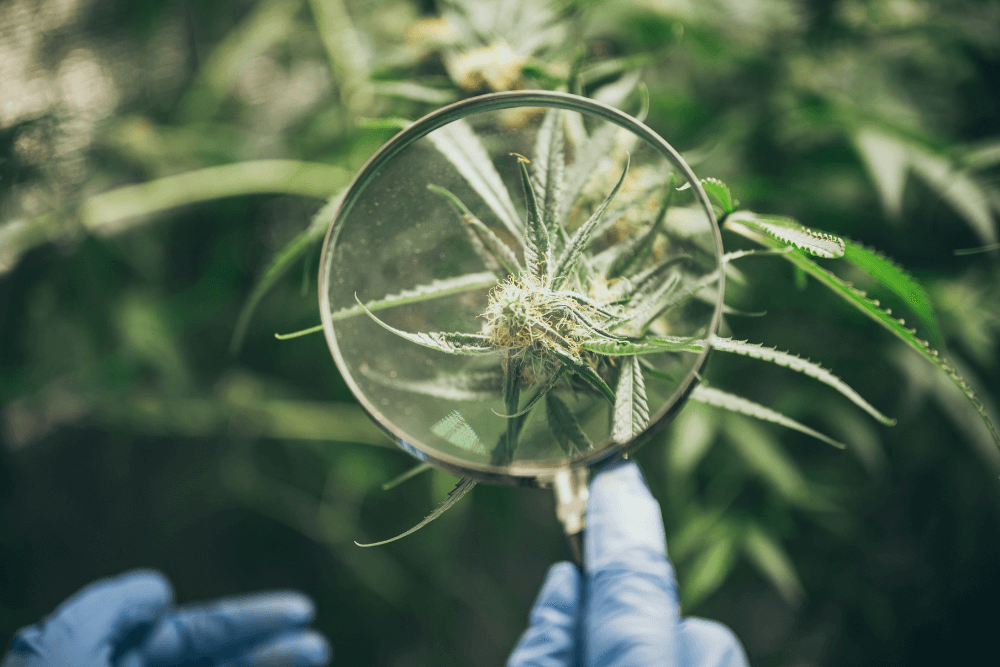
The nutritional demands of cannabis are still not well understood. Due to the legal status of the plant, intense studies on cannabis nutrition have been limited. The subtleties of plant nutrition are not well understood, particularly in cannabis. Nickel was not recognized as a plant essential nutrient until 2004. The presence of a single micronutrient deficiency can decrease the production of fruit and some flowers in excess up 30%.
The Presence of Physical Symptoms
The physical symptoms of plant deficiencies and toxicities typically don’t manifest from anywhere between three and nine weeks. Usually, by the time these physical symptoms appear visually, the damage has already begun to occur. Physical symptoms of plant nutrition vary considerably and there’s substantial overlap between the visual characteristics of symptoms. Nutritional deficiencies can sometimes be caused by the toxicity of another element. For example, an excess of magnesium can inhibit the plants’ ability to uptake calcium.
The Importance of Soil and Growing Media
The soil/growing media used during the cultivation process can impact nutrient absorption in several ways, primarily depending on its physical and chemical characteristics. Cannabis prefers well-draining media with a pH range of 5.8-6.2. The pH of the media itself can enhance or reduce the plants’ ability to absorb certain nutrients. For example, iron becomes decreasingly soluble at higher pH levels. The drainage of the media is highly dependent on the growing style and environment, but generally, a well-draining growing media allows for healthy roots and maximum nutrient absorption. The media acts as a sort of nutrient reservoir for the plant’s roots.
Leaf Tissue Analysis
Leaf tissue analysis has been a long-utilized tool in traditional agriculture. Its presence in cannabis is limited primarily due to the long-standing illegality of the plant. However, there has been major interest recently in using this tool in cannabis cultivation. The basic premise is that fan leaves are removed from the plant, dried to completion, and analyzed at an analytical laboratory for primary, secondary, and micronutrients. One of the main advantages of this is the guesswork is taken out of the identification of the toxicity or deficiency. Visual symptoms of toxicities and deficiencies can have overlapping visual cues. The nutritional issues may be far more complex than an issue with a single element. By having empirical data, it allows the cultivator to compare the analytical results to established target values. From there, the cultivator can adjust the fertilization program to mitigate any potential toxicities or deficiencies. Regular monitoring of nutrient levels allows for proactive adjustments of the fertilization program. This, in turn, can lead to optimization of quality and yield.
Fertilizer
Fertilization is one of the most important aspects of any cultivation. A dialed in nutrient program optimizes the speed of growth, quality of the product, and overall yields. Fertilization can be a complex puzzle and no two cultivators grow in the exact same way. By analyzing the fertilizer, nutrient solution, plant tissue, water, and growing media the cultivator can trace back to the source of any potential issue. A common issue in cannabis cultivation is iron deficiency, this can be caused by an excess of manganese as cannabis will selectively absorb manganese over iron. The iron levels may be completely sufficient in the nutrient solution, but the excess manganese mitigates absorption. A typical response to an iron deficiency would be to add more iron, by using plant tissue and nutrient data, it can be discerned that the solution to the problem is a reduction in manganese and not the addition of more iron.
Water
Water quality is one of the foundations to successful cannabis cultivation. Testing water prior to planting and throughout the growing season can help prevent issues before they occur. If the source water for the nutrient solution originates from a well, it is important to understand the mineral content of the water so that fertilization can be adjusted accordingly. If the water is filtered, it is a useful tool to monitor the life of the filters. As reverse osmosis (the most common type of filtration used in cannabis cultivation) filters age, the boron concentration in the filtered water begins to rise considerably. In addition to this, the presence of excess chlorine or chloramine can create issues with nutrient absorption.
Environmental Conditions
Environmental conditions play a significant role in nutrient absorption and overall plant health. Nutrient levels can be optimized in the fertilizer solution, but environmental effects can prevent optimized nutrient absorption. Humidity, temperature, light, CO2, etc. can all greatly impact the plants’ ability to uptake nutrients. Optimization of these conditions is critical to a successful cultivation.
Conclusion
While the nutritional demands of cannabis are still not fully understood, leaf tissue, water, soil, and fertilizer analysis can assist immensely in the identification and mitigation of nutritional deficiencies and toxicities. These tools allow cultivators to make data driven decisions and prevent issues before they occur. Optimizing nutritional levels in cannabis maximizes the quality and yield of the plants.
Committee Blog: Data-Driven Cultivation
Published by Elmar Mair, PhD on behalf of NCIA’s Cannabis Cultivation Committee
In any industry, whenever we try to optimize a process, the first step is to collect data to understand the dependencies and identify bottlenecks. In cultivation, we are still lagging behind, and we accept an average process loss of 10-20%. How can we change that?
Cannabis cultivators will lead this transformation in cultivation
Cultivating and growing plants to their full potential takes experience and specialized skills. Cannabis is no different, and many would argue, can be even more difficult to grow compared to other plants; that is because cannabis is cultivated for multiple reasons. The majority of people know that cannabis is grown for recreational and medicinal use. However, cannabis is also grown for its hemp fiber to create paper, clothing, biofuel, and food. Cannabis is an extremely fast-growing plant. The plant attracts and is susceptible to many pests, including several types of insects, fungus, and bacteria. Another challenge with cannabis is the fact that it has not been grown at scale or studied to the extent of other crops. The legal cannabis industry has only been around since 2012, when Colorado and Washington were the first states to legalize recreational use. Growing cannabis is basically like driving a race car for the first time without knowing the course ahead. Good luck. Wouldn’t you want to know more about your race car, your team, and the uniqueness of the track in order to navigate with precision and skill? That’s exactly why data is such a powerful asset in cultivation, especially for cannabis cultivators.
Switch from qualitative to quantitative data
A lot of stress, miscommunication, and conflict in cultivation operations are due to the subjective nature of data collection. We rely on humans to assess a crop’s state and remember it when comparing historic results. “It looks better than last time.” or “It looks good.” – imagine if you could rely on numbers when making such statements: “We have 10% larger flowers than last cycle” or “This cultivar stretched until day 25 compared to the other cultivar which stopped stretching around day 30”. These are statements that are easy to agree on and hard to challenge since they are objective facts.
Capture a comprehensive set of data
The other important aspect to know about data is that data becomes exponentially more valuable the more complete and comprehensive it is. If you are baking bread and you only measure the flour but not the salt, water, or yeast, there is not much value to this information. The question we need to answer is what data allows us to draw a comprehensive picture of a garden. What data do you need to remotely steer a crop and guide a team on the ground? Cultivators heavily rely on the visual feedback of plants when assessing plant health. Being able to see the plants will be key but also to get a sense of plant health in numbers to allow for quantitative comparisons. Obviously, measuring environmental parameters like air temperature, relative humidity, light intensity, and CO2 is key to operating a cultivation facility. One of the most critical parameters to optimize is the Leaf Vapor Pressure Deficit or Leaf VPD. It provides information on how the plant is transpiring and, thus, how efficiently it can grow. In order to calculate the Leaf VPD, one also needs to know the leaf temperature. Substrate properties are another key piece of the cultivation puzzle. Water content, EC, and pH are important factors to navigate. Finally, it is important to know if any pests, molds, fungus, or viruses are present in the environment. And other factors are obviously key to measuring and understanding when operating a cultivation facility, like airflow, power consumption, etc. The more data you can capture the better you can consistently bake and optimize your favorite bread.
Leverage automation and AI to capture and process the data
However, when collecting data we need to keep in mind that all environmental parameters affect the same plant and, thus, they are all intertwined – in general, changing one parameter requires the adjustment of all other parameters as well. At the same time, the impact of these decisions is often only assessed by looking at the final yield, which makes it impossible to derive what influence each decision had on the respective result. Like in many other fields, modern automation and artificial intelligence are fueling the transition to data-driven decision-making in cultivation. And Cannabis, as one of the highest margin crops, is at the forefront of this evolution. Automated, intelligent systems can monitor your crop 24/7, allowing you to focus on fixing the issues rather than identifying them. They can measure properties across the full canopy, which have not been accessible before, like leaf temperature, bud count, plant stress, pests, and other crucial factors. They enable your team to assess the garden and to discuss its state remotely as well as to compare historic data across growth cycles.
Investing in data collection means making more money
The lack of data obviously results in inconsistencies and even crop loss—in cannabis, the industry average is 15% crop loss. Translation: millions of dollars lost, which goes even higher the larger the facility. That’s a significant amount of revenue that is lost instead of being deployed in other areas for expansion or optimization. In a highly competitive industry, implementing features such as data collection to minimize crop loss and optimize yield pays off quickly and can play a huge factor in a business’s long-term success.
Committee Blog: A Guide to Navigating Cultivation Environmental Requirements

Navigating environmental requirements and reviews can be one of the most challenging and costly aspects of obtaining a cannabis cultivation license. Environmental standards and regulatory requirements differ from state to state and within local jurisdictions. While regulations may vary, cannabis operators encounter similar environmental requirements nationwide. Environmental reviews and impact assessments require an evaluation of cultivation policies and operations for sediment and erosion control, water usage, wastewater discharge, energy efficiency and carbon footprint, air quality, and odor control. This guide will aid operators in establishing the best practices for these environmental concerns to create a smoother environmental review process for the cultivator.
Sediment and Erosion Control
Sediment and erosion control methods are required for outdoor cultivation to ensure the facility has a comprehensive mitigation plan to prevent adverse effects the outdoor crop may cause to the land. Sediment controls are structural measures intended to complement and enhance the implemented erosion control practices and reduce any sediment discharge. Erosion control is a soil stabilization process consisting of mitigating measures to prevent soil particles from detaching and moving into stormwater runoff. Ensuring this compliance may include implementing Best Management Practices (BMPs) for Sediment and erosion control. These BMPs should be implemented before the onset of the rainy season, typically in October. Sediment and erosion control devices and measures should be replaced when they deteriorate.
Sediment Control BMPs
- Silt fences
- Fiber rolls
- Hydroseeding
- Sediment Trap
- Inspect the trap on a routine schedule for litter and debris
- Remove the sediment built up in the trap and sprinkle it lightly over vegetated areas to increase soil fertility
- Gravel bag berms
- Sandbag barriers
- Straw bale barriers
- Observation station on the property for visual monitoring of sediment pollution
- Add gravel to dirt roads
- Add stormwater detention basins
Erosion Control BMPs
- Vegetative Swales & Buffers
- Swales should be trimmed to prevent restriction of flow
- Routinely monitor for any debris and overflow
- Buffers should be added to the edges of parking lots and storage areas
- Placement of straw mulch over disturbed land
- Soil binders
- Vegetation preservation
- Vegetation replacement for any disturbed areas that will not be in use
- Seed mixes containing native grass and wildflowers
- Hydroseeding
- Earth dikes
Waste Usage and Wastewater Discharge
Water usage and wastewater discharge management plans are required to ensure the cultivation facility legally and efficiently obtains its water and that no hazardous water is dumped onto the land surface, directly into the ground, or into another body of water where it could negatively impact the environment. Water usage may require obtaining documentation demonstrating you own the water rights to your facility or property. Cultivations connected to their municipalities’ water district may only need to report that information to meet this requirement. Such a facility may also need to contact its water provider to create a water rights letter showing the operator has the right to use that water. Cultivations that use other water supply methods, like wells, may need to provide a detailed report of their water quality and have well flow testing performed. Depending upon your state, you may also need to show how your water will be conserved. A cultivator may be required to create a water conservation plan detailing the procedures implemented at the cultivation site to conserve water. Wastewater discharging typically will require a cultivation site to apply for a Wastewater Discharge permit. Wastewater discharging plans that thoroughly explain how the cultivation will discharge any hazardous wastewater and what mitigating practices will be implemented to prevent wastewater from entering the environment untreated are also frequent requirements for this process.
Water Conservation Methods
- Recycling irrigation systems
- Automated irrigation systems
- Precision emitters
- Watering more frequently throughout the day in smaller amounts
- Planting pots
- Divert the dehumidifying and cooling system’s piping into a holding tank to reuse the water for irrigation
- Use organic mulch around each plant to prevent moisture loss
- Rainwater harvesting, if allowed in your area
- Substrate sensors to monitor water saturation
Wastewater Discharge Measures
- Using planting pots to prevent excess runoff
- Vegetative swales and buffers to capture wastewater
- Recycling irrigation systems with reverse osmosis and ultrafiltration or thermal evaporation
- Recycling systems that don’t have a filtration system can hold any hazardous wastewater in a holding tank and have it transported to an approved wastewater treatment facility
- Substrate sensors for the prevention of excess runoff
- Stormwater runoff prevention
- Store pesticides, chemicals, and fertilizers indoors and away from any outdoor growing areas and in approved containers
- Covering wastebins
- Divert stormwater away from any stockpiled materials
Energy Efficiency and Carbon Footprint
Cultivation energy efficiency and carbon footprint reporting are becoming more popular among regulators as the country moves toward environmentally friendly practices. Energy efficiency may require the cultivation site to comply with specific requirements for equipment and lighting. Many licensing bodies also require an energy efficiency plan that details what mitigating measures the operator will implement to reduce energy costs. Carbon footprint reporting may require greenhouse gas emission (GHG) reporting, which can require a cultivator to purchase carbon offsets. Green energy plans are sometimes required; these plans demonstrate how the cultivation will utilize green energy options to reduce their carbon footprint.
Energy Efficiency
- LED lighting
- Automated irrigation systems
- Automated blackout curtains for greenhouses
- On-site composting
- Low-flow fixtures
- Split ductless air condition
- Chilled water systems for dehumidification
- Modulating hot gas reheat forced air systems
- Sensor motion lighting in rooms that aren’t frequently entered
- Adjust lighting schedules based on the weather if using mixed-light
- Installing solar panels
- Request an energy efficiency review from your utility provider
Carbon Footprint
- Sign up with a clean energy provider that partners with your utility company and reinvests the funds from the program into clean energy initiatives in your state
- Avoid generation use wherever possible
- Install renewable energy sources at your facility, like solar panels
- Replace pesticides with biocontrols using predatory insects
- Use recycled or biodegradable packaging, even for wholesale flower
- Cultivate companion plants that deter pests and attract beneficial insects
- Reduce or eliminate lighting requirements by establishing a greenhouse or outdoor cultivation facility
Air Quality and Odor Control
Air quality reviews may be triggered for cultivation facilities, including the requirement to obtain an air permit. Air permits allow an operator to release a limited amount of pollution within certain restrictions. Air quality reviews for cultivations are triggered by several factors based on the state requirements, some of which may include drying, processing, generator use, fugitive emissions, and pesticide application. If a cultivator is required to obtain an air permit, they will be licensed to perform those activities. Cultivations going through air quality reviews may need to provide an Air Quality Control Plan outlining the mitigation efforts the cultivator will make for air quality pollution. Odor Control Plans are one of the most common regulatory requirements for cannabis businesses. If your environmental review includes odor control and you operate an outdoor cultivation site, you may be required to conduct an odor control study on your facility. These studies use wind patterns to measure the distance the odor from your cultivation will travel. Based on your state or local jurisdiction’s requirements, an odor control study may require you to move the border of your canopy. Conversely, an odor control study may prove that your cultivation will not be a nuisance due to odor pollution, and no mitigating measures will be required. Odor control plans should detail precisely what mitigating measures the cultivator will implement and, if available, data on how effective those measures will be.
Air Quality Control Plans
- Wetting the surface of dirt roads during the dry season
- Encourage ride-share amongst your employees
- Reduce VOCs wherever possible
- This can include timing harvesting to reduce ozone impact
- Include a chemical usage plan that describes how pesticides, fertilizers, and other agents will be stored and disposed of in alliance with the manufacturer’s recommendations
- Detail how you will maintain Safety Data Sheets (SDS) on all chemicals at the facility
Odor Control Plans
- Indoor cultivations and greenhouses can implement the following measures:
- Use carbon filters
- Explain in your plan how carbon filters work, provide data on their filtration rates, which you can locate in the manufacturer’s guide, and how often you will replace them
- Use wet scrubbers for indoor cultivation or greenhouses
- Explain how the air is treated when it passes through the scrubber
- Implement biofiltration measures
- Explain how the air will pass through soil, mulch, or other organic matter to filter the air
- Use oxidization treatments through your facility’s ventilation system
- Explain how the process of oxidization removes odor
- Have open communication with your neighbors regarding odor
- Explain how you will speak with your surrounding neighbors about any odor concerns and request your neighbors contact you if they do smell odor so you can begin an assessment into structural or equipment failures and, if needed, implement further mitigating measures to your plan
- Outdoor cultivations can implement the following methods:
- Hire a professional to do an odor study to prove your facility’s compliance
- Plant fragrant flowers around the exterior of the site
- Use oxidization treatments through high-pressure misting devices around your cultivation area
- Explain how the process of oxidization removes odor
- All cultivation types should have open communication with surrounding neighbors regarding odor
- Explain how you will speak with your surrounding neighbors about any odor concerns and request your neighbors contact you if they do smell odor so you can begin an assessment into structural or equipment failures and, if needed, implement further mitigating measures to your plan
As regulatory requirements vary across the country, cultivators should carefully read their regulations and contact state and local departments for guidance on requirements specific to their operations. A thorough understanding of what plans must be created, studies performed, and special permits obtained will create a smooth environmental review process. Join the upcoming NCIA webinar from the Cannabis Cultivation Committee to dive deep with industry professionals on navigating environmental reviews across the United States.
Committee Blog: Cannabis Cultivation Facilities vs. Cannabis Retail Facilities – Disparities and Economic Impact

Published by NCIA’s Cannabis Cultivation Committee (CCC)
The cannabis industry has experienced a significant transformation in recent years, with the legalization and decriminalization of cannabis in many regions around the world. This shift has led to the emergence of two distinct yet interconnected sectors within the cannabis market: cultivation facilities and retail facilities. While both play a vital role in the cannabis supply chain, they exhibit notable disparities that have a substantial impact on the economy.
Cultivation Facilities: Nurturing the Green
Cannabis cultivation facilities are the backbone of the industry, responsible for the growth and cultivation of the cannabis plant. These facilities are typically large-scale operations that require advanced horticultural techniques, specialized equipment, and a controlled environment to ensure the optimal growth of cannabis plants. Cultivators must navigate various factors such as lighting, temperature, humidity, and nutrient levels to produce high-quality yields.
One of the most significant disparities between cultivation and retail facilities lies in their resource requirements. Cultivation facilities demand substantial capital investment for equipment, real estate, utilities, and staffing. High-quality lighting systems, advanced climate control mechanisms, and nutrient delivery systems contribute to the significant start-up costs associated with these facilities.
Beyond the financial aspect, cultivation facilities often face regulatory challenges. Licensing requirements, zoning restrictions, and compliance with state and local regulations add another layer of complexity to their operations. However, despite these challenges, cultivation facilities have a direct impact on job creation, local economies, and tax revenues. They provide employment opportunities in rural and urban areas alike, stimulating economic growth and revitalization.
Retail Facilities: The Consumer Experience
On the other end of the cannabis supply chain are retail facilities, where consumers can purchase various cannabis products, including flowers, edibles, concentrates, and topicals. Retail facilities offer a diverse range of products to cater to the preferences and needs of consumers, enhancing the overall cannabis experience. These establishments range from dispensaries to specialized stores and require a different set of considerations compared to cultivation facilities.
Unlike cultivation facilities, retail establishments tend to have lower start-up costs. However, they face their own unique challenges. Navigating a complex web of regulations regarding product labeling, packaging, and sales is crucial for compliance and consumer safety. Retail facilities must also provide a safe and welcoming environment for customers while ensuring age restrictions are strictly enforced.
Retail facilities play a pivotal role in shaping public perception and acceptance of cannabis. As these establishments become more mainstream, they contribute to the normalization of cannabis use and promote responsible consumption practices. This normalization, in turn, has implications for the broader economy.
Economic Impact: Cultivation vs. Retail
The economic impact of cannabis cultivation facilities and retail facilities extends far beyond the cannabis industry itself. Both sectors contribute to job creation, tax revenues, and local economic development. cultivation facilities often require a larger workforce due to the labor-intensive nature of plant cultivation and processing. These jobs span across various skill levels, from horticulturists and technicians to administrators and security personnel.
Retail facilities, while generally employing fewer people per establishment, create job opportunities in customer service, retail management, and education about cannabis products. Moreover, both cultivation and retail facilities contribute to the local economy through real estate demand, leasing agreements, and utilities consumption.
From a taxation perspective, both sectors generate significant revenue for local and state governments. Cultivation facilities are subject to cultivation taxes and other regulatory fees, contributing to state coffers. Retail facilities, in addition to sales taxes, often face excise taxes on cannabis products. These revenues can then be channeled towards public services, education, infrastructure, and social programs.
It’s All Economics
Having more cultivation facilities and fewer retail facilities can have detrimental effects on economic stability. The balance between suppliers and retailers plays a crucial role in maintaining a healthy economy, and an excessive skew towards either end can lead to negative consequences as we are realizing in the current economic state.
A robust economy thrives on competition, which drives innovation, efficiency, and lower prices for consumers. When there are an excessive number of suppliers combined with fewer retailers, this can create challenges in distribution and logistics. Retailers act as intermediaries between suppliers and consumers, helping to streamline the flow of products and information. When there are fewer retailers, distribution networks can become strained, causing delays, inefficiencies, and potential shortages.
Economic stability relies on a balanced employment landscape. An overabundance of suppliers with limited retailers may lead to job losses in the retail sector, affecting consumer spending and the overall labor market. This can create ripple effects across various industries and reduce the purchasing power of consumers, ultimately slowing down economic growth.
Moreover, concentration of power among a few suppliers can lead to monopolistic tendencies, stifling competition and limiting consumer choice. Monopolies can dictate prices, control supply, and hinder market dynamics, negatively impacting economic stability.
Closing Thoughts
The disparities between cannabis cultivation facilities and retail facilities highlight the intricacies of the evolving cannabis landscape. While cultivation facilities require substantial investments in equipment and compliance, retail establishments focus on creating a positive consumer experience and normalizing cannabis use. Together, they form a symbiotic relationship that drives economic growth, job creation, and tax revenues.
As the cannabis industry continues to mature, it is crucial for stakeholders, policymakers, and entrepreneurs to recognize the importance of both cultivation and retail facilities. Striking a balance between these sectors will be vital for achieving a sustainable and prosperous cannabis market that benefits not only those directly involved in the industry but also the broader economy and society at large.
Committee Blog: Hop Latent Viroid (HLV) – Overview of Pathogen Biology, Spread, Control, and Testing
by Sarah Taylor-Laine (NCIA Education Committee, NCIA Cultivation Committee)
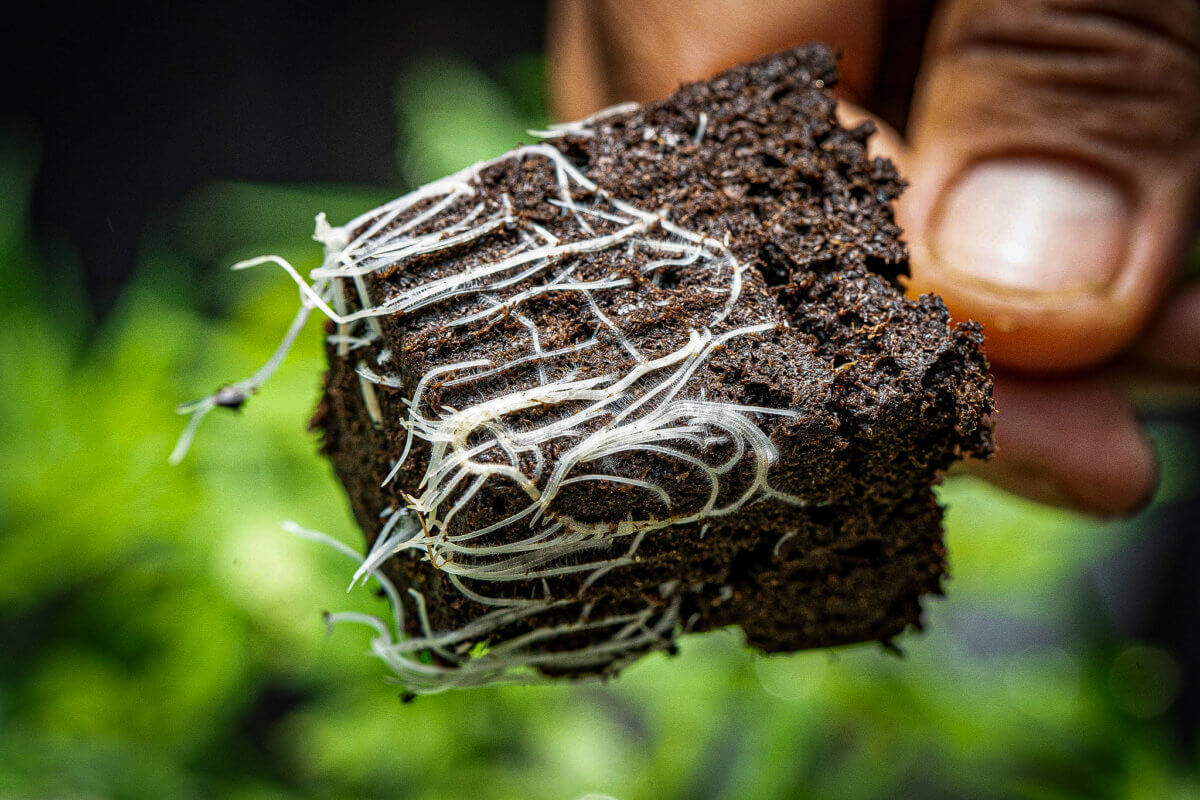
Hop Latent Viroid (HLV/HpLV), sometimes referred to as “dudding” or “stunting”, is one of the most pressing biological threats facing the cannabis industry worldwide. In the United States, HLV was first detected in California in 2017. Subsequent research by Dark Heart Nursery indicated that 90% of Californian facilities tested at the time were positive for the pathogen. The Dark Heart Nursery research team estimated that an HLV epidemic could result in up to US$4 billion in losses to the cannabis industry annually. To add insult to injury, HLV-infected cannabis may be linked to cannabis hyperemesis syndrome (CHS), which affects both adults and children.
As the name suggests, HLV was first detected in hops (Humulus lupulus; Cannabaceae). Outside of the United States, HLV has been detected in hops in New Zealand, the United Kingdom, South Korea, Japan, Brazil, the Czech Republic, Poland, Slovenia, Germany, China, Belgium, Turkey, and Canada. Within the United States, HLV has been detected in hops in Washington, and in cannabis in California, Colorado, Nevada, Oregon, and Washington. However, these are only officially-published reports and given the worldwide occurrence, HLV is likely to be endemic to many locations not listed here.
Viroids are subviral pathogenic RNA molecules which replicate within host plants and are only approximately 1/50th the size of the smallest viruses. Specifically, HLV is a circular RNA molecule of approximately 256 nucleotides in length, which can assume a rod-shaped secondary structure. In hops, HLV has been shown to interact with other viruses and alter the gene expression patterns of host plants. HLV has been found to not only infect hops and cannabis, but also Dianthus deltoides, Chenopodiastrum murale, Dysphania pseudomultiflora, cowpea (Vigna unguiculata), common bean (Phaseolus vulgaris), and stinging nettle (Urtica dioica). Notably, by subjecting hop plants to heat stress, researchers have been able to induce “thermomutant” HLV variants which could then infect both tomato (Solanum lycopersicum) and Nicotiana benthamiana, opening up the possibility that HLV could spread to new plant species under climate change-induced warming scenarios.
HLV often does not produce obvious symptoms in hops, and where they do occur there may be a long latency period, making control difficult. In hops, HLV is often detected early in the season at the plant base, where it gradually spreads up the plant and can be detected in all aerial tissues by mid-season during the flowering period. In cannabis, HLV causes brittle stems, a horizontal growth habit, and the destruction of flowers and trichomes. In both hops and cannabis, HLV may cause pathology in host plants through RNA interference (RNAi). HLV infection is reported to reduce THC content by 50-70%, which is not surprising as glandular trichomes are the source of THC in cannabis. In hops, HLV infection has been shown to reduce the content of terpenes and other secondary metabolites in susceptible varieties. It is currently unknown whether HLV infection decreases the terpene content in cannabis, but it is very likely.
In hops, HLV is not readily transferred by seeds, but may be transferred in uninucleate pollen. However, activating pollen nuclease HBN1 was shown to eliminate HLV in mature pollen. “Real world” transmission of HLV appears to primarily occur through the use of contaminated cutting tools, the use of infected plant materials, or from plant-to-plant. However, as an obligate pathogen, HLV requires living host tissue in order to survive and propagate. HLV has been confirmed to be transmitted between hop plants by potato aphid (Macrosiphum euphorbiae), green peach aphid (Myzus persicae), and hop aphid (Phorodon humuli), and may also be transferred by other herbivorous insects. Planting cannabis on sites previously planted with infected host plants is likely to be a source of infection, although this has not been experimentally verified.
In hops, chilling plants at 2-4 °C (approximately 35-40 °F) for 8-21 months prior to harvesting meristem tips for propagation has been shown to reduce or eliminate the spread of HLV, although the effect may be variety-specific. In addition, subjecting hop mericlones to heat treatment cycles (25-35 °C/77-95 °F for two weeks) has been shown to reduce HLV incidence by 70-90%. In terms of waste management, anaerobic fermentation at 70 °C (158 °F) causes HLV degradation, although standard ensiling does not appear to be effective. As with most viral and viroid diseases, there is currently no cure available to disinfect mature host plants. However, researchers are currently studying whether RNAi may have utility in cannabis crop protection against viral and viroid infections. Therefore, it is currently recommended to test all stock plants to confirm that they are pathogen free and to destroy all infected materials.
Plant materials can be tested for HLV infection using several molecular techniques, including DNA barcoding, RNA sequencing (RNA-seq), recombinase polymerase amplification (RPA), quantitative real-time polymerase chain reaction (qRT-PCR), reverse transcription PCR (RT-PCR), dot-blot hybridization, tissue print hybridization, in situ hybridization, and enzyme-linked immunosorbent assay (ELISA).
It is unknown how many, and which, lessons learned in hops will be transferable to cannabis. Both susceptibility and control of HLV in cannabis is likely to be variety-specific. To enable the breeding of HLV-resistant cannabis varieties, future research should focus on characterizing the molecular mechanism underlying HLV pathogenicity and host susceptibility. However, the situation remains that HLV is likely endemic in many cannabis growing regions and cultivators should focus on targeted biosanitation efforts to thwart HLV infection in their crops. These efforts should include testing all propagation materials for infection, destroying infected materials, sanitizing cutting tools and work surfaces, and limiting herbivory by sap-sucking insects such as aphids.
 Sarah Taylor-Laine is a plant science polymath. Sarah has taught and developed college-level courses related to general biology, plant biology, and cannabis sciences at several institutions, most recently at Beal University. She has also worked across many industries including agriculture, horticulture, and arboriculture, performing diverse work in research, quality control, product development, regulatory affairs, scientific communication, and field-based consulting.