DOJ Reschedules Medical Cannabis to Schedule III & Announces June 2026 Hearing on Broader Rescheduling
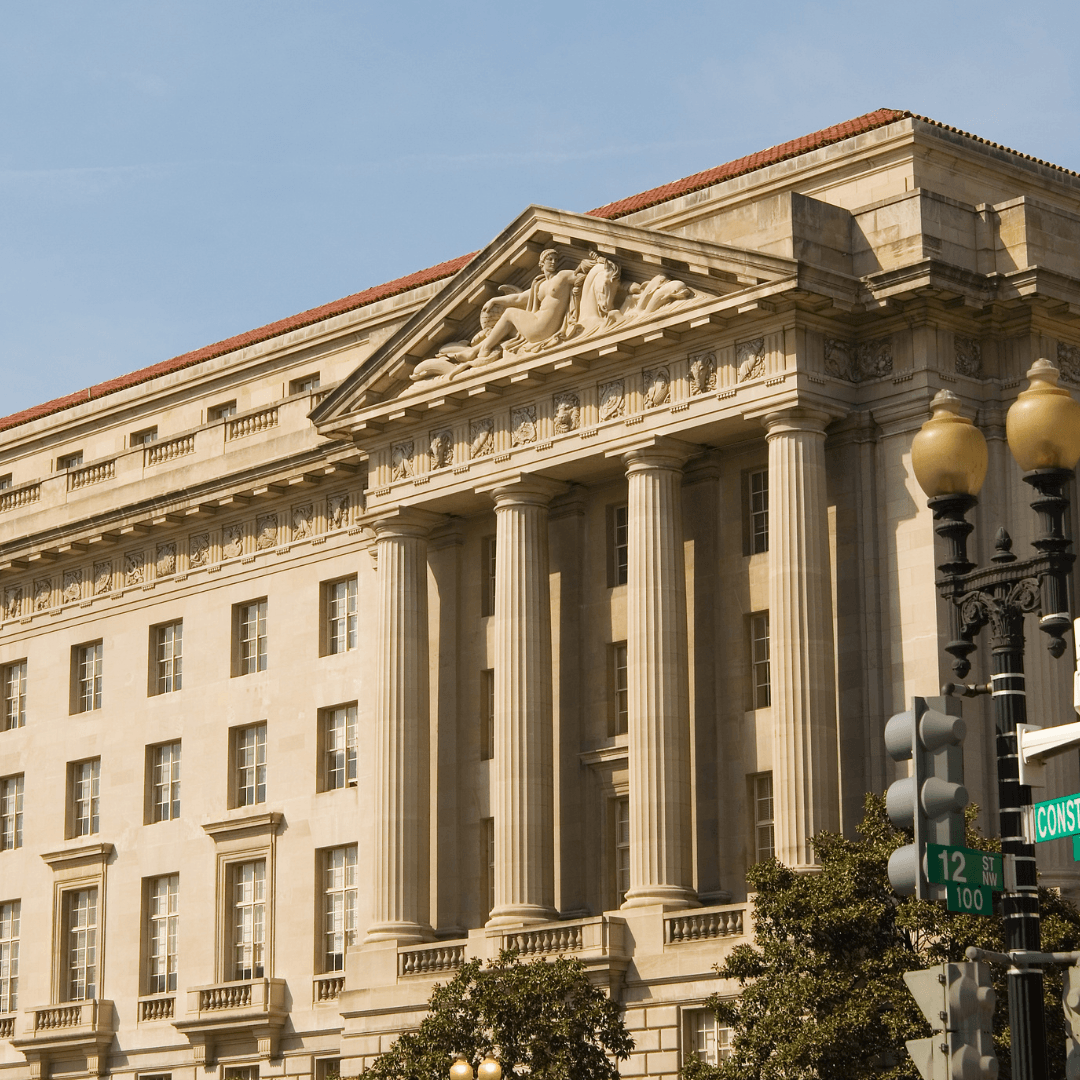
The National Cannabis Industry Association (NCIA) applauds the Trump administration and the Department of Justice for finalizing the decision to move medical cannabis to Schedule III under the Controlled Substances Act while urging immediate action to complete rescheduling of cannabis and emphasizing the need for comprehensive reform. This action represents a significant and long-overdue first step in aligning federal policy with science, patient needs, and the realities of today’s regulated cannabis marketplace.
By formally recognizing cannabis’ accepted medical use, this decision helps correct a decades-old policy mismatch. It facilitates research and provides meaningful relief to state-licensed medical operators, particularly through the removal of tax burdens imposed by Section 280E. Rescheduling will allow responsible medical operators to reinvest in their workforce, strengthen compliance, and continue delivering safe, tested products to millions of patients.
NCIA specifically appreciates the Trump administration’s adoption of the retroactive 280E relief for state-licensed operators championed by NCIA and detailed in our 2025 white paper. Retroactive 280E relief is essential to ensuring a level playing field for small businesses, and NCIA appreciates the Trump administration’s recommendation for state-licensed medical operators and urges that the same position be adopted for all state-licensed cannabis operators.
The Trump administration must also move forward as quickly as possible to apply rescheduling to the entire industry through the hearings announced for June. By omitting adult-use operators in today’s rescheduling order, businesses selling identical cannabis products could be treated materially differently depending on the type of state license. Moreover, much of the market must continue to operate under an onerous taxation model even as medical operators have the opportunity to write-off common business expenses with the elimination of 280E.
NCIA will continue to support the rescheduling process as the administration continues to engage with stakeholders across the industry. We view this as an important step toward a more rational and modern federal approach to cannabis.
At the same time, rescheduling is not the finish line. Congress must now build on this progress by establishing a clear federal framework that respects states’ rights, ensures public safety, and supports the long-term stability of the legal cannabis industry. NCIA remains committed to working with policymakers on both sides of the aisle to advance comprehensive reform.
Take Action: Help Turn Momentum Into Meaningful Reform
The decision to move medical cannabis to Schedule III represents a significant and long-overdue first step—but it is not the finish line.
With administrative hearings on broader rescheduling set to begin in June 2026, the path forward is clear: policymakers must ensure that these changes are applied fairly across the entire industry and that Congress builds on this progress by establishing a comprehensive federal framework that respects states’ rights, ensures public safety, and supports long-term industry stability.
That progress will not happen without sustained engagement from industry stakeholders.
Now is the time to show up.
Join NCIA in Washington, D.C. for our upcoming 14th Annual Cannabis Industry Lobby Days next month and help ensure that the voices of responsible cannabis businesses are heard as federal policy continues to evolve. Together, we can push for the comprehensive reform needed to create a more rational and modern approach to cannabis regulation.
For a limited time, register for Lobby Days at 50% off through the end of the weekend using code FLASH50.
Your participation is critical to ensuring that this moment leads to lasting change.
Member Blog: Solutions to Pre-Roll Cone Loading at Scale

By Harrison Bard, CEO and Co-Founder Custom Cones USA and DaySavers
The two slowest parts of the pre-roll production process are the beginning and the end.
Closing pre-rolls is always the top pain point for manufacturers, which makers of the Fill N’ Fold cone-filling machine addressed with the creation of the tamping and folding tool they include with each machine.
But loading cones into a machine one-by-one at the beginning of every cycle is still also a consistent speed bump that limits throughput. And like with the tamping and closing tool, Fill N’ Fold has once again created a solution: The Fill N’ Fold Cone Dispenser, capable of holding towers of pre-rolled cones and dropping 121 at a time into a work tray.
It’s a pretty handy device and one of the smartest additions we’ve seen to the pre-roll machine market in a while. And with just a little practice, it can drastically increase your speed, reduce employee time spent on tedious, repetitive tasks and improve your overall pre-roll production numbers.
“Pre-Roll Machines have slowly been improving to address the needs of producers,” said Harrison Bard, CEO and co-founder of Custom Cones USA, a leading provider of pre-roll supplies and machines for the cannabis industry. “Loading cones is always one of the slow points in the line we hear complaints about and it’s exciting to see innovations like the Cone Dispenser to speed things up.”
What is the Fill N’ Fold?
The Fill N’ Fold cone-filling machine is a small, tabletop pre-roll machine that uses a vibrating motor to pack pre-rolled cones loaded into one of a series of work trays related to cone size.
With space for 121 cones per cycle and time-saving additions like specially designed metering trays and the unique tamping/folding tool to close a full row of 11 pre-rolls at once, the machine is a trusted and easy way to launch or scale a pre-roll line.
It also came out ahead in our Battle of the Pre-Roll Machines, outpacing a handful of other cone-fillers, mainly on the back end, where the tamping tool saved tons of time.
Until now though, individual empty cones had to be dropped into each cone slot by hand.
The Fill N’ Fold Cone Dispenser
The Fill N’ Fold Cone Dispenser solves the reload problem by using a unique latch mechanism that can hold a single cone in place by the filter without damaging it.
The full system consists of two boxes (with an extension for larger cones) that fit directly on top of the machine’s work trays. Each box has a set of the latches that when closed, hold cones in place but when released let them slide through.
Producers can then load full tower-box stacks of cones into each slot of the top box and use the two-box system to drop a full run of 121 single cones into the lower box at once. Then the latches are re-engaged and the boxes are placed on top of the machine’s work tray and the top box is removed before the lower box’s latches are used to drop the cones directly into a work tray where they are ready to be filled.
Then, they simply repeat the process for the next run.
Used right, it can save a ton of employee time and drastically increase your pre-roll throughput.
Final Thoughts
The Fill N’ Fold Cone Dispenser comes with a stand to hold the machine and helps protect your un-filled cones from crushing while they wait to be loaded.
It works with all major sizes of pre-rolled cones, including 70mm dogwalkers, 84mm half-grams, ¾-gram 98mm cones and full-gram 109mm cones, as long as the cone has a standard 26mm filter.
Plus, it’s made with the same high-density plastic as the work trays and metering trays, so it’s easy to clean and store when not in use.
The Fill N’ Fold is already a great tabletop cone filling machine that won our Battle of the Cone-Filling Machines speed and output test thanks to innovative thinking to speed up the back half of production.
The addition of the Cone Loader to the Fill N’ Fold accessories arsenal only gives it another potential leg up on the competition when it comes to speeding up your pre-roll production line.
Committee Blog: The Cannabis Beverage Industry’s Credibility Gap And How Real-World Research Can Close It
By Leah Kollross, Founder at 23rd State and NCIA Human Resources Committee Member
Cannabis beverages are one of the fastest-growing segments in the broader cannabis and hemp marketplace. Consumers are reaching for infused seltzers, tonics, and drink enhancers at an accelerating pace, driven by curiosity about alcohol alternatives, shifting wellness norms, and the cultural momentum of the sober-curious movement. But here’s the uncomfortable truth many of us in this industry need to confront: growth alone doesn’t build trust. And without trust, this category is building on sand.
As both a cannabis beverage operator and a member of NCIA, I occupy two vantage points that increasingly converge on one conclusion: the brands that will define this category long-term are the ones willing to validate their products through rigorous, independent research, not just the ones with the best packaging or the most compelling Instagram presence.
The Credibility Problem We All Share
Right now, most cannabis beverage brands make claims about their products: onset time, duration, consistency, mood effects, that are rooted in anecdotal feedback, internal testing, or simply what sounds good in marketing copy. That’s not a criticism of any single brand. It’s a structural problem across the entire category. We’re asking consumers, retailers, distributors, and regulators to take us at our word in a market where few players have invested in the kind of evidence base that other consumer packaged goods categories take for granted.
This credibility gap has real consequences, less than 5% of cannabis beverage manufactures invest in validation. Retailers hesitate to allocate shelf space to products with unsubstantiated performance claims. Legislators drafting hemp and cannabis regulations lack the data they need to distinguish between well-formulated products and poorly made ones. And consumers who have a bad first experience, inconsistent effects, unexpected onset, or a product that simply doesn’t deliver, may not come back to the category at all.
What Real-World Research Actually Looks Like
This is why research initiatives like MoreBetter’s Real-World Infused Beverage Study matter so much for the future of our industry. MoreBetter is a contract research organization that specializes in real-world data (RWD) collection for functional and consumer wellness products. Their ongoing Infused Beverage Study is one of the largest ever conducted on THC- and CBD-infused beverages, spanning multiple cohorts with over 5,000 participants, 20 brands, and a wide range of product formats.
The study design itself is instructive. Participants consume infused beverages over a multi-week period and self-report daily on their alcohol use, mood, sleep, and perceived product effects. The first cohort yielded striking results: the probability of daily alcohol use among participants dropped meaningfully during the product-use phase, and the vast majority of participants reported that infused beverages felt safer than alcohol for their health. Nearly half of Cohort 1 participants were trying an infused beverage for the first time, a powerful signal that the category is reaching entirely new consumers, not just converting existing cannabis users.
But the value of this research extends beyond headline statistics. As the study has progressed into its second cohort, the data has begun to reveal something even more significant: measurable, product-level differences in onset, duration, and consistency. Not all THC beverages perform the same way, and now there’s a dataset large enough to prove it.
Why Operators Should Care And Participate
At 23rd State, we made the decision to include our products in the MoreBetter study because we believe product validation isn’t just a marketing advantage, it’s an obligation to our consumers and to the broader industry. When you put your products through independent, real-world testing, you’re committing to transparency. You’re saying that your formulations can stand up to scrutiny, and that you trust the data to tell the story rather than relying exclusively on your own narrative. You can explore our approach and findings on research-validated-thc-beverages.
For operators considering whether to invest in research participation, the benefits go well beyond brand credibility. Real-world data gives your retail and distribution partners something concrete to share with buyers. It gives you a foundation for responsible marketing claims. It provides your R&D team with actionable feedback on product performance. And it gives regulators and legislators evidence that the hemp-derived beverage category is capable of self-governance and quality standards, something the entire industry needs as regulatory frameworks continue to take shape at both the state and federal level.
Why This Is Personal
I don’t approach product validation as an abstract business strategy. I approach it as someone living with multiple sclerosis. I was diagnosed with MS in 2023, the same year I founded 23rd State. Cannabis beverages gave me a way back into social moments without compromising my health.
That lived experience is why I care so deeply about getting the science right. When a product makes a promise about onset, duration, or consistency, there are real people on the other end of that promise, people managing chronic conditions, people navigating medication regimens, people who have already had to give up enough and deserve to trust what they’re consuming. I wrote more about this journey for GreenState, and the response made one thing clear: the demand for trustworthy, research-backed cannabis beverages isn’t hypothetical. It’s deeply personal for a growing number of consumers.
That’s exactly why independent validation matters. It’s not enough for me to believe our products perform well. I need to know it, and so do the people who depend on them.
Building an Evidence-Based Category Together
From my seat on the NCIA committee, I see the policy landscape evolving rapidly. Legislators are making decisions about how to regulate hemp-derived products, and they’re doing so with limited data. Every brand that participates in legitimate research studies contributes to a shared body of evidence that strengthens the entire industry’s position. We cannot ask for reasonable regulation while simultaneously refusing to produce the evidence that would support it.
The infused beverage category is at an inflection point. We can continue to grow on promise and positioning, or we can build something more durable, a category grounded in measurable performance, consumer trust, and data-informed product development. Research participation isn’t a cost center. It’s an investment in the legitimacy and longevity of every business in this space.
The brands that lead on evidence will lead the category. The question for the rest of the industry is whether they’re willing to submit their products to the same standard, and what it signals to consumers and regulators if they don’t.
Member Blog: Operational Change as an EHS Risk Signal

In cannabis operations, risk does not always show up where people expect to find it.
It does not always present as an incident, a regulatory issue, or a failed inspection. More often, it appears during periods of change—when something in the operation shifts, even if everything still seems to be working as intended.
A new piece of equipment is installed. Production increases. A workflow is adjusted to improve throughput. A material or process input changes. New employees or contractors are brought in to support growth. These are all normal, and often necessary, parts of running a successful operation.
They are also points where risk can change.
That does not mean change should be avoided. It means it should be recognized for what it is: a moment where assumptions, controls, and routines may no longer fully align with the way work is actually being performed.
In a fast-moving industry like cannabis, that awareness can make a meaningful difference.
When Risk Increases Without an Obvious Failure
One of the more challenging aspects of EHS is that risk can increase without any immediate indication that something is wrong.
No injury. No spill. No alarm. No near miss.
That absence of visible issues can create a sense of stability—especially in facilities where production is strong and day-to-day operations appear consistent.
But in many cases, risk does not increase because something breaks. It increases because conditions gradually shift.
A process begins operating at a higher pace or frequency. Maintenance is deferred to support production. Informal workarounds emerge to keep things moving. Temporary adjustments remain in place longer than intended. Over time, these small changes can accumulate.
What feels “normal” may no longer reflect the conditions the process or system was originally designed to support. This is where operational change becomes important—not as a disruption, but as an early signal.
Operational Changes That Deserve a Closer Look
Not every change introduces meaningful new exposure. But certain types of operational
change tend to have broader implications and are worth a closer look.
New or Modified Equipment
Installing new extraction, post-processing, packaging, ventilation, or utility equipment often affects more than the immediate task it was intended to improve.
It may also influence:
• airflow and ventilation patterns
• maintenance and inspection needs
• cleaning practices
• operator interaction points
• emergency response considerations
Even when equipment performs as expected, the surrounding system may need to adapt.
Increased Throughput or Production Demand
Processes that perform well at one pace may behave differently at another.
As production increases, organizations may see:
• more frequent changeovers
• reduced downtime for inspection or cleaning
• increased wear on components
• higher material handling volumes
• less margin for error
These are common operational realities, but they can also shift the conditions that safe performance depends on.
Material or Input Changes
Changes to solvents, cleaning products, ingredients, packaging components, or other inputs are often made for practical reasons.
However, even small substitutions can affect:
• compatibility
• storage practices
• ventilation needs
• PPE expectations
• waste handling
• fire or reactivity characteristics
Understanding how new materials interact with existing processes is an important part of managing change.
Staffing, Supervision, or Contractor Changes
Periods of rapid hiring, increased overtime, or contractor involvement can also influence
risk.
In these situations, it is helpful to consider not only whether procedures are in place, but whether the systems supporting the work—training, supervision, communication—are keeping pace with the people performing it.
The Signals Often Appear Before the Incident
A useful way to think about operational risk is this:
The incident is often not the first signal—it is the first one that cannot be ignored.
Before that point, there are often smaller indicators that something is changing.
These may include:
• workarounds becoming part of routine practice
• temporary fixes remaining in place longer than expected
• operators informally adjusting steps to maintain production
• maintenance becoming more reactive than planned
• repeated minor issues that are tolerated rather than investigated
• safety-related decisions being deferred during busy periods
Individually, these signals may not seem significant. Together, they can indicate that operations are evolving faster than the systems designed to support safe and stable work.
Recognizing these patterns early provides an opportunity to respond before issues escalate.
Why These Risks Can Be Easy to Miss
Many organizations rely on inspections, audits, and incident reviews to understand safety performance. These are important tools.
However, they are not always designed to answer a different—but equally important— question:
What has changed here recently—and what might that mean for risk?
This question shifts the focus from whether controls exist to whether they still reflect current operating conditions.
In dynamic environments, that distinction matters.
A facility can appear stable based on documentation or past performance, while underlying conditions are gradually changing. Without intentional attention to those changes, the gap between how work is designed and how it is actually performed can widen over time.
A Practical Approach to Recognizing Change
Recognizing operational change as a risk signal does not require complex systems. It often begins with building awareness into everyday decision-making.
When changes occur—whether related to equipment, staffing, workflows, or production— organizations can benefit from asking:
• What has changed recently?
• What are people doing differently now than they were six months ago?
• Where are informal workarounds being used?
• What are we accepting today that we may not have accepted previously?
These questions are not limited to EHS functions. They are part of effective operational leadership.
They help ensure that as the business evolves, the systems supporting safe and stable operations evolve with it.
Closing Thought
In cannabis operations, some of the most meaningful safety insights do not come from incidents, citations, or inspection results.
They come from recognizing when the operation has changed—and taking the time to understand what that change may mean.
As the industry continues to grow and evolve, developing that awareness can help organizations stay ahead of risk, rather than reacting after it becomes visible.
Member Blog: The Untapped Opportunity in Pre-Rolled Blunts

What if I told you there was a huge opportunity in the pre-roll category, a mostly untapped segment with a built-in customer base and an instantly recognizable product that drives millions of dollars in sales?
For years, the pre-roll category has been one of the fastest-growing segments in legal cannabis, totaling nearly $3.6 billion in sales in 2025 in the markets tracked by cannabis analytics firm Headset. Consumers love the convenience, portability, and accessibility of pre-rolls, and retailers appreciate their consistent sell-through as low-cost, high-margin add-ons at checkout.
But within that booming category, one product type stands out as an underdeveloped opportunity: the blunt.
Blunts: A Classic Format with Modern Market Potential
Despite the innovations in vapes, edibles and other product forms since the early days of the industry, traditional smoking remains king. In fact, New Frontier Data found that about 60% of cannabis consumers still list the classic joint as their primary consumption method.
But if you look a little deeper into the data, it reveals that the third most popular consumption method is the blunt, with 33% of respondents listing it as a go-to.
However, when we look at the actual sales data, blunts barely register. According to Headset, pre-rolled blunts currently make up less than 1% of total pre-roll sales. Of the $3.6 billion generated by pre-rolls in 2025, the “Cannagar/Blunt” segment accounted for roughly $16.3 million in sales.
However, because of how Headset parses the data, all infused blunts fall into the “connoisseur/infused” segment, not the blunt segment, skewing the final numbers.
When we look specifically at the products containing the word “blunt,” we get a clearer picture. Collectively, those “blunt” products sold 8.5 million units and generated more than $148 million in revenue nationwide.
That demonstrates a demand for the product. And for pre-roll producers and processors, that’s the definition of a growth opportunity.
The Evolution of the Modern Pre-Rolled Blunt
Traditionally, a blunt is a cannabis cigar; flower rolled in a tobacco leaf wrap instead of paper. The thicker wrap produces a slower burn, richer flavor, and a distinctive mouthfeel that many smokers prefer. The name itself comes from the “blunt” style of machine-rolled cigars, such as Phillies Blunts, which became synonymous with cannabis culture in the 1980s and ‘90s, thanks in large part to hip-hop’s East Coast icons.
But as part of their regulations, each modern cannabis market prohibits combining tobacco and cannabis products, which led to the development of nicotine-free blunt wraps designed to deliver the same slow burn and satisfying texture, but without the tobacco.
Today, most modern blunts are wrapped in hemp wraps, though tea leaf and botanical alternatives such as goji berry or palm leaf are also popular. Modern, pre-rolled blunts also tend to include filter tips, whether standard pre-rolled joint like paper filters, spiral filters or even premium options like wood, glass and ceramic options, to cool the smoke and elevate the experience.
Pre-roll blunts can also be found in both tube and pre-rolled cone forms, with the latter being introduced to the market by Custom Cones USA, and are usually found in the 1-gram to 2-gram range, as blunt smokers tend to want longer smoking experiences.
What Options Exist for Producers?
Brands looking to enter the blunt space have more options than ever. The first choice is shape – cone or tube – since that determines the filter style, filling process and production equipment.
Cone-style blunts, first introduced to the market by Custom Cones USA, are the easiest entry point for companies already producing joints. They’re compatible with standard cone-filling machines and use familiar “W-style” paper filters.
Tube-style blunts can open up a world of premium customization. They typically use larger filter tips (spiral paper, wood, glass, or ceramic) and can accommodate larger weights, making them ideal for high-end SKUs. However, a tube-filling conversion kit may be needed to adapt existing production lines, however.
After you’ve chosen a shape, the next question is what kind of wrap to use:
- Hemp wraps: The industry standard for a reason; natural, slow-burning, and tobacco-free.
- Hybrid hemp wraps: A Custom Cones USA innovation that retains the rich hemp flavor while resisting moisture and cracking.
- Tea leaf wraps: Offer subtle cocoa and vanilla notes for a smoother, lighter smoke.
- Botanical wraps: Specialty options like goji berry add flavor and vibrant visual appeal.
Each wrap type can be paired with custom filter tips and cigar-style bands to reinforce brand identity on the shelf.
Why The Pre-Rolled Blunt Category Matters
When you combine consumer preference (33% blunt users) with sales data ($148+ million and growing), the takeaway is clear: the blunt market may be underdeveloped, but it’s not underloved.
For producers, that means a Blue Ocean opportunity, a chance to claim early leadership in a space that’s ripe for innovation. With the right materials and machinery, transitioning from pre-rolls to blunts is straightforward, scalable and potentially brand-defining.
Whether you’re adding a new SKUs to your pre-roll line or launching a dedicated blunt brand, now is the time to invest and make a mark in this emerging segment.
Committee Blog: Where Medical Cannabis Meets Employer Benefits
The Cannabis Industry at a Crossroads
The legal cannabis industry in the United States was born from a movement rooted in compassion — a movement to provide safe access to a plant that patients had relied upon for decades to treat serious medical conditions.
Medical cannabis programs were the catalyst that launched today’s adult-use market, which is projected to exceed $50 billion in U.S. sales by 2030. Yet as adult-use markets expand, many state medical programs have quietly eroded — leaving patients with fewer protections, fewer tailored products, and fewer pathways to access cannabis as medicine.
This moment demands reflection.
The industry that built its foundation on patient care must ask itself a critical question:
Why should patients be left behind?
As federal policy begins to evolve — with the anticipated reclassification of cannabis from Schedule I to Schedule III — the industry has a rare opportunity to rebalance the ecosystem between medical and adult-use markets. Rather than competing systems, these markets should work together to elevate the credibility, legitimacy, and impact of cannabis as a therapeutic tool.
The Healthcare Crisis Demanding Innovation
At the same time the cannabis industry is evolving, the United States faces another crisis: the rising cost of healthcare.
Employers across both the public and private sectors are experiencing double-digit healthcare cost increases year after year. Human resource directors, municipal leaders, and business owners are forced to make difficult decisions about how to maintain coverage for employees while managing budgets.
Some employers attempt to mitigate risk through:
- Self-insured health plans
- Health Insurance Funds (HIFs)
- Professional Employer Organizations (PEOs)
- High deductible plan structures
Yet despite these strategies, healthcare costs continue to climb.
Recent events highlight the severity of the problem. Nurses at Presbyterian Hospital in New York City rejected a stipend rather than accept reductions to their healthcare benefits — a stark reminder that even those who deliver care struggle to afford it.
If the healthcare workforce cannot maintain access to healthcare benefits, the system itself is in danger.
Meanwhile, the nation continues to grapple with overlapping public health crises:
- The opioid epidemic
- Rising rates of depression, anxiety, and PTSD
- Increasing chronic pain conditions
- Escalating co-morbidities linked to lifestyle and environmental factors
Despite decades of effort and billions in spending, the opioid crisis alone continues to claim lives in every county in America.
The system is strained.
The costs are rising.
And employers are desperate for solutions.
The Next Generation of Healing
Across the country, a new model is emerging — one rooted in integrative and evidence-informed care.
Medical cannabis is being explored and integrated into some treatment strategies for conditions once considered difficult to manage, including:
- Chronic pain
- Post-traumatic stress disorder (PTSD)
- Anxiety and depression
- Neurological conditions
- Sleep disorders
- Substance use disorder recovery support
Outcomes vary by patient, condition, and clinical oversight, but for many patients, cannabis may serve as replacement or adjunct therapy in certain cases, potentially reducing reliance on pharmaceuticals such as:
- Opioid pain medications
- Anti-convulsants
- Antidepressants
- Sleep medications
- Topical steroid treatments
This approach is often referred to as Cannabis Replacement Therapy — and its implications for healthcare economics are profound.
A Proven Model in Action
CannaCoverage Insurance Services, a national cannabis-focused insurance brokerage and consulting firm based in New Jersey, has been working with public-sector partners to bring medical cannabis access into employer-sponsored benefit strategies.
Through innovative benefit structures that integrate alternative therapeutics into existing group health frameworks, CannaCoverage is helping organizations:
- Expand access to physician-guided medical cannabis programs
- Reduce reliance on costly pharmaceutical treatments
- Improve employee health outcomes
- Mitigate long-term healthcare spending
This model is already making a measurable impact.
Working with municipal and education partners including Trenton, Teaneck Board of Education, and Orange Board of Education, alternative benefit strategies have begun introducing employees to medical cannabis as part of broader wellness initiatives.
The results are promising:
- Reduced dependency on prescription pain medications
- Improved employee productivity
- Lower healthcare utilization costs
Why the Cannabis Industry Should Care
For cannabis operators across the country, this moment represents more than a public health opportunity — it represents the next phase of industry growth.
If medical cannabis becomes integrated into employer-sponsored benefit strategies, the implications are enormous.
- Healthcare Cost Reduction
Studies indicate that states with medical cannabis programs see average annual health insurance premium savings of approximately $1,663 per individual compared to states without such laws.
When cannabis replaces or reduces reliance on high-cost pharmaceuticals, the downstream impact could include:
- Fewer emergency room visits
- Lower prescription drug spending
- Reduced long-term treatment costs
- Improved Health Outcomes
Many pharmaceutical treatments introduce side effects that lead to additional prescriptions — creating the familiar “prescription cascade.”
Medical cannabis, when used under physician guidance, can help patients manage symptoms while potentially reducing adverse pharmaceutical side effects.
- Safe and Regulated Access
Patients enrolled in medical cannabis programs receive recommendations from licensed medical professionals and access regulated products that meet testing and safety standards.
- Workforce Productivity
Healthier employees mean:
- Reduced absenteeism
- Lower overtime costs due to call-outs
- Improved presenteeism and productivity
- Community and Economic Impact
Healthier workers create stronger communities.
Reducing chronic pain, addiction risk, and mental health challenges reduces strain on:
- Emergency services
- Public health systems
- Municipal budgets
- Expanding the Cannabis Consumer Base
If medical cannabis benefits enter mainstream employer healthcare plans, millions of Americans who have never considered cannabis may begin exploring it as a legitimate medical option.
This introduces entirely new patient populations to the cannabis marketplace — including those managing chronic illness, aging populations, and healthcare professionals themselves.
A Data Opportunity for the Industry
Employer-integrated medical cannabis programs also unlock something the industry desperately needs: Data.
Through benefit programs and structured patient pathways, the industry can begin collecting valuable insights into:
- Conditions being treated
- Prescription medications replaced
- Patient outcomes
- Cost savings
This data will strengthen research, inform policy decisions, and help solidify cannabis as a credible therapeutic option in modern medicine.
The Public Health Reality
Consider one stark statistic:
Opioid overdose remains the leading cause of accidental death in the United States.
By contrast, according to federal data, there have been zero documented deaths from cannabis overdose.
This reality demands thoughtful discussion about how cannabis may play a role in harm reduction and alternative treatment pathways.
A Call to Lead — Not Follow
The cannabis industry has spent decades fighting for legitimacy.
Now it has the opportunity to prove its value in one of the most important sectors of American life: healthcare.
Cannabis operators, cultivators, manufacturers, dispensaries, researchers, and ancillary businesses must come together to support this next evolution.
The opportunity is clear:
- Work with insurance innovators
- Partner with employer groups
- Collaborate with public administrators
- Support evidence-based research
- Advocate for responsible medical access
Together, we can re-imagine healthcare through medical cannabis.
We can reduce healthcare spending.
We can improve patient outcomes.
We can address the opioid crisis through alternative therapeutic pathways.
And we can restore the central promise that launched this industry in the first place:
Helping patients live healthier, safer lives.
Disclaimer: The content in this blog is for informational or educational purposes only and does not substitute professional medical advice or consultations with healthcare professionals.
Member Blog: What Consumers Really Want in a Pre-Roll

The cannabis pre-roll market has exploded into a $3.6 billion per year industry – and still growing. It’s the fastest-growing category in the industry and one of the top add-ons at dispensaries around the country, with 82% of cannabis smokers buying pre-rolls.
That’s why it’s never been more critical for manufacturers to understand what drives consumer choices, particularly in this highly competitive category.
Custom Cones USA’s comprehensive consumer report, which surveyed over 900 cannabis users and analyzed Headset’s point-of-sale data from across multiple states, helps give a better idea of what today’s pre-roll consumers are looking for in their favorite smokes.
Potency, Price and Brand: The Holy Trinity
When it comes to purchasing decisions, three factors dominate consumer priorities: potency, price and brand. These are the make-or-break elements that determine whether a product flies off dispensary shelves or collects dust.
It’s one of the reasons infused pre-rolls (which combine flower with a concentrate for a higher potency number) sell so well, and why the top brands all put significant effort into the customization and branding efforts.
However, the market also shows a push and pull between premium and value segments, with successful brands offering products at both ends of the spectrum.
The data reveals a clear premiumization trend, particularly in infused pre-rolls, which now command over 44% of pre-roll market share and tend to deliver the biggest bang for the buck. Consumers are increasingly willing to pay premium prices for premium experiences, with top brands like Jeeter averaging nearly $25 per unit.
At the same time, value-focused brands are thriving by offering high-volume, low-cost options that appeal to budget-conscious consumers seeking consistent quality. These brands may not have the highest price points, but what they may miss at the register they can make up for in volume.
After price and potency, the top factor for choosing a pre-roll is brand, which is why all five of the top 5 brands in the country use custom branding on their pre-rolls themselves, not just the packaging.
Without its packaging, every unbranded pre-roll looks basically the same, so how is a consumer supposed to know what to ask for the next time they are at the dispensary? The top brands customize their pre-roll filter tips, either with custom logos printed directly on the filters themselves, custom cigar bands, colorful overwraps that wrap around the filter, or some combination of all of them.
Size Matters: The Full-Gram Preference
But what size pre-roll should you offer? The modern pre-roll market encompasses a wide variety of sizes in both cones and tubes, ranging from the 70mm mini cone that holds about 0.3 grams all the way to full-gram 109mm cones (and even bigger).
Well, consumer preference for pre-roll size is clear: the 1-gram size dominates the US market, generating $1.45 billion in revenue, more than double the amount of second place (2.5 grams). And of those 1-gram products, nearly 82% are single, 1-gram pre-rolls.
The remaining 18% of 1-gram product sales are multi-packs, which is the real key to unlocking pre-roll sales.
While only about 49% of all pre-roll products are multi-packs, the format owns the best-selling product charts, accounting for 49 of the top 50 and 91 of the top 100.
In fact, the Headset data shows that nine of the top 10 best-selling products are, specifically, five-packs of half-gram pre-rolls, giving even more insight to just what shoppers are looking for in their pre-roll experience.
Our survey of smokers backed this up, with 56.7% of respondents saying the full-gram is the size they buy most, followed by the half-gram at 28.3%.
Paper Type: More Than Just Wrapping
While it might not rank in the top three purchasing factors, paper type also matters significantly to pre-roll consumers. More than 55% of surveyed users rated paper type as “very important,” while only 9% of those surveyed called it “not important.”
Though there is no way in the POS data to tell what type of paper is used in the products sold, there are three main types and each play more into branding and messaging than one may think.
Refined white papers, sometimes called “rice papers” in the industry despite being made of wood pulp, remain popular for their clean, tasteless smoking experience. Meanwhile, natural brown papers appeal to consumers seeking a more, well, natural look. There is no difference in taste or burn rate from the whites, but many smokers have a preference. Finally, there is organic hemp, made from hemp pulp instead of wood pulp and are a great option for holistic, environmentally conscious brands.
But the variety in paper preferences underscores an important truth: today’s pre-roll consumer is sophisticated and discerning, with specific expectations about their smoking experience from start to finish that factor into their purchasing choices.
What Types of Pre-Rolls Are People Buying?
The top segment of pre-roll sales, by far, is the Infused pre-roll, as we already mentioned, accounting for 47.2% of sales in 2025, totaling nearly $1.7 billion. That was followed by Hybrid single-strain at $1.3 billion (37%), Indica single-strain at $238 million (7%), Sativa single-strain at $227 (6%) and Mixed strain at $77.8 million (2%).
However, when we look at the units sold, the top two spots flip, with Hybrid single-strain pre-rolls selling 175.6 million units (46%) compared to 144.6 million (38%) for Infused products.
The difference, of course, comes back to price point. Infused products have a higher price point, generating more revenue on fewer units sold. That said, again looking at the top-selling products, 16 of the top 20, 43 of the top 50 and 80 of the top 100 are infused.
Premium Features Gaining Traction
While traditional pre-rolls remain popular, premium features are gaining significant traction.
More than 21% of consumers purchase pre-rolls with premium filter tips at least once weekly, indicating openness to enhanced smoking experiences. Premium filter tips, like flavored wood, can enhance any session, while smooth glass and premium ceramic filter tips help cool the smoke for bigger, more flavorful hits.
Premium filter tips are also a great way to help your product stand out and be remembered.
The Bottom Line
Today’s pre-roll consumers want quality, consistency and value, whether they’re purchasing budget-friendly options or premium infused products. They care about potency levels, price, brand and paper quality as part of their decision-making process.
They prefer single-serving, full-gram pre-rolls AND multi-packs that offer variety and convenience. Most importantly, they want products that deliver a superior smoking experience that enhance their lifestyle.
For producers, the message is clear: the pre-roll is here to stay and is a major driver of revenues for the entire industry. It is a category that all serious brands must be a part of if they want to grow and expand.
Member Blog: The Evolving Cannabis Legal & Regulatory Landscape in 2026

How THCa Vapes Are Changing Consumer
According to industry reports, the cannabis vaporizer market was valued at an estimated $6.6 billion in 2024. By 2035, it is expected to exceed $25 billion, growing at an annual rate of more than 14 percent. These numbers indicate a clear shift. Consumers are moving away from traditional smoking and looking for cleaner, more controlled ways to use cannabis. Vaping has become a preferred option in many legal markets. It is discreet, easy to use, and offers quicker effects compared to edibles. As this format grows, people are paying closer attention to what they consume and how it fits into their daily routines.
Within this space, THCa vapes are gaining steady attention. They offer access to the THC experience through modern devices while, in some jurisdictions, fitting into hemp-friendly legal frameworks. That said, understanding why consumers are turning toward these products helps explain how preferences in legal cannabis markets are changing. Below, we take a closer look at the factors driving this shift.
1. Demand for Discreet, Convenient Consumption
Today’s cannabis consumers are looking for more than just potency. Convenience and discretion now play a major role in how people choose their products. Traditional smoking is increasingly seen as less practical, especially in daily routines, shared spaces, or public settings. Vaping, by comparison, offers a cleaner and more controlled way to consume cannabinoids, with less odor, no combustion, and far less visible activity. Research supports this shift. Consumer research has found that for cannabis vape users, device type and regulated status strongly influenced purchase decisions—often as much as price or potency.
THCa vapes align with this preference change. In particular, full-spectrum THCA disposables appeal to consumers who want a simple, ready-to-use option without extra steps or maintenance. These disposable formats remove the need for:
● Refilling,
● Charging multiple components, or
● Handling loose products.
These features make them more accessible for both experienced users and newcomers. Additionally, reputable brands such as The Hemp Doctor have responded to this demand by offering THCa vape options that prioritize portability, consistency, and ease of use. Long story short, as more consumers move away from flower and traditional edibles, discreet disposable vapes are becoming a practical choice that aligns with modern cannabis lifestyles.
2. Potency and Experience: What Users Are Looking For
Another reason THCa vapes are reshaping preferences is the combination of potency and quick onset of effects. THCa itself is a precursor to THC. When heated in a vape device, it undergoes decarboxylation and converts into active THC compounds that deliver the expected psychoactive experience without the smoke of combusted plant material. This dynamic appeals to consumers for several reasons:
● Fast onset – Vaping absorbs cannabinoids into the bloodstream rapidly through the lungs, often producing effects within minutes, which many users find preferable to edibles.
● Controlled dosage – Users can take small draws to pace their experience rather than ingesting an entire edible dose.
● Consistency – Modern extraction and manufacturing standards ensure that each disposable delivers a repeatable experience.
In a market where consumers are increasingly informed and particular about what they are inhaling or consuming, these experiential benefits can outweigh more traditional forms of cannabis intake.
3. Expanded Legal Access and Market Reach
One of the biggest reasons THCa vapes are gaining attention is their expanded legal reach. Because THCa is commonly derived from hemp that meets federal guidelines, these products can be sold in some markets where traditional THC products are still restricted. In the United States, this has opened access in many states that do not yet have fully established adult-use cannabis programs.
This legal distinction has had a measurable impact on consumer behavior. In fact, some market reports suggest that THCa vapes captured nearly 23% of the hemp-derived cannabinoid market by early 2025, reflecting rapid adoption in a short period of time. This broader access has reshaped who participates in cannabis vaping:
● Consumers in non-recreational states now have legal access to vape products.
● Curious or first-time users can explore cannabis formats with fewer barriers.
● Brands are innovating quickly to meet demand within compliant frameworks.
Rather than replacing traditional THC markets, THCa vapes are expanding the overall consumer base. Their growth suggests that legal accessibility, when paired with modern formats, plays a major role in shaping preferences across evolving cannabis markets.
4. Health Perception and Tech-Driven Preference Shifts
Many consumers view vaping as a lower-risk mode of consumption compared with smoking. Research has observed that vaping cannabis, especially via devices that control temperature and avoid combustion, results in fewer toxic emissions than burning plant material.
This perception—whether accurate in its entirety or nuanced—is reshaping preferences. Health-conscious consumers, in particular, are drawn to products that are:
● Less irritating to the lungs, due to vapor rather than smoke.
● Easier to integrate into lifestyles that prioritize wellness or discretion.
Technology also plays a role. Innovations in device heating elements, battery life, and vapor quality have made vape products more consistent and reliable. Users now expect smooth performance, consistent potency, and a pleasant user experience—factors that significantly influence purchase decisions.
This tech-centric trend is reflected in broader industry growth. The global cannabis vaporizer market is projected to expand significantly, more than doubling in size from 2024 to 2030, as consumers increasingly prefer portable, technology-enabled formats.
Final Thoughts
The rise of THCa vapes in legal cannabis markets is far more than a fad. It reflects fundamental shifts in how consumers think about cannabis—prioritizing convenience, discretion, predictable effects, and a regulated experience. With the vaporizer market projected to expand dramatically in the coming decade, these preferences are setting the stage for new product categories and consumption norms.
Whether for seasoned cannabis users or newcomers exploring smoke-free options, THCa vapes are undeniably reshaping preferences in regulated markets and helping define the future of cannabis consumption.
Announcing NCIA’s 2026-2028 Board of Directors

The National Cannabis Industry Association (NCIA) is pleased to introduce the leaders elected to serve on its Board of Directors for the 2026–2028 term. Drawn from across the regulated cannabis marketplace, this group reflects the breadth of today’s industry and a shared commitment to responsible growth, sound policy, and long-term sustainability.
New Members Joining the Board
- Allison Disney, Co-Founder & Managing Partner, MixMix
- Jamie Pearson, Founder & President, New Holland Group
- John Murray, President, Sustainable Innovations, Inc.
- Jordan Isenstadt, Senior Vice President, Marino
- Kasey Kollross, Advisor, 23rd State
- Dr. Roz McCarthy, Founder & CEO, Minorities for Medical Marijuana
- Samuel Rockwell-Shear, CEO, Mission Mountain Holdings
Directors Reappointed to Continue Their Service
Through NCIA’s member-informed nomination process — led by the Annual Nominating Committee and supported by board leadership — the following directors have been selected to serve an additional term:
This process is designed to ensure the Board reflects the evolving needs, expertise, and perspectives of the legal cannabis community.
Leadership at a Turning Point for the Industry
Both NCIA and the broader cannabis marketplace are entering a consequential period. Federal policy discussions are accelerating, regulatory approaches across marijuana and hemp are increasingly intersecting, and the national cannabinoid economy continues to expand in complexity and scale.
At moments like this, industry alignment and credible leadership are essential. NCIA’s Board of Directors plays a critical role in helping the association convene stakeholders, advocate for workable regulatory frameworks, and support operators navigating a rapidly shifting environment.
Directors serve staggered two-year terms, balancing continuity in governance with the introduction of new ideas and leadership.
The incoming and returning members will serve alongside directors currently in the 2024–2026 term:
- Adam Rosenberg, President, Vlasic Bioscience
- Amy Larson, SVP of Sales & Marketing, Rx Green Technologies
- Kim Cargile, CEO, A Therapeutic Alternative
- Monica Gray-Fong, Co-Owner, Nice Guys Delivery
- Aaron Smith, Political Director, Unite America
Together, this leadership team positions NCIA to strengthen its role as a national advocate and a forum for collaboration across the cannabis ecosystem.
Board Officers and Policy Leadership
The Board has also confirmed its officer slate for the upcoming term:
- Chair: Adam Rosenberg (re-elected)
- Vice Chair: Amy Larson
- Treasurer: Naomi Granger (re-elected)
- Secretary: Jordan Isenstadt
- At-Large Executive Committee Officer: Adam Stettner
These officers will form the Executive Committee responsible for supporting governance and strategic oversight.
After completing two terms as a director, Michael Cooper will transition off the Board and has been selected to serve as Policy Chair, continuing his work advancing NCIA’s advocacy priorities and policy engagement.
Looking Ahead
NCIA’s mission remains focused on supporting a safe, equitable, and economically vibrant cannabis industry. The 2026–2028 Board brings together experienced leadership and new perspectives at a time when thoughtful coordination and active engagement will shape the industry’s next phase.
To learn more about NCIA’s Board of Directors and view member biographies, please visit our Board Members Page.
NCIA remains at the forefront of championing the cannabis industry’s growth and prosperity. The 2026-28 board is poised to lead with vision and dedication, ensuring that NCIA continues to be a driving force in shaping the future of cannabis.
With this new Board in place, NCIA is positioned to continue advancing policies, partnerships, and industry collaboration that support legitimacy, stability, and opportunity across the legal cannabis market.
Rooted in Community: Vlasic Labs
At the foundation of NCIA is a vibrant community of innovators, advocates, and industry leaders united by a shared commitment to advancing a fair, inclusive, and sustainable cannabis industry. Our Rooted in Community series celebrates the members who bring that mission to life through their work and leadership. This month, we’re honored to highlight Evergreen Member Vlasic Labs.
NCIA: Can you walk us through the products and services Vlasic offers and the customers you’re focused on supporting?
Vlasic Labs: CBD CBG and CBN Topicals, Tinctures, Gummies and Pet products for anyone looking to improve their lives through affordable natural wellness.
NCIA: What sets your company apart from others in your market?
VL: The Vlasic brand brings a level of comfort and trust for customers that are new to CBD or cannabis. For long-time customers of the space, they recognize the value per milligram they are getting when they purchase Vlasic. Being able to resonate with the masses in an industry that still deals with the stigma of the past is our superpower.
NCIA: In what ways has your company evolved over time in terms of strategy, offerings, or market focus?
VL: Our company has evolved multiple times and will continue to do so as this industry changes and our customers provide feedback. Right before COVID, we started as a hemp extraction lab and our original differentiator was being one of the first labs to convert CBD into CBN. This led us to launch our first finished product, a CBN Sleep Spray. The initial success of this product led to expansion of more SKUs and eventually partnering with grows to launch Vlasic Flower as well. On the flower side, we entered and exited the Michigan market within a couple of years and now are focused on Missouri and Nevada. We hope to continue growing our national presence on the CBD side, while strategically selecting which states make the most sense for further flower expansion.
NCIA: What inspired your decision to join the NCIA community, and what value do you see in being part of the organization?
VL: We joined NCIA to stay actively involved in policy decisions and the network of industry leaders shaping the future of cannabis access. Our mission to make cannabis-based wellness more affordable and trusted depends on strong industry standards, smart regulation, and collaboration with others committed to long-term progress. NCIA provides that connection and helps us operate with clarity and purpose in a fast-moving environment.
NCIA: Can you share an example of a meaningful relationship you’ve built through your NCIA membership?
VL: At NCIA Lobby Days, we met Mariah James Bond, founder of the Montana Cannabis Coalition. That relationship gave us the access, insight, and local support needed to enter the Montana market. Without that introduction, we would not have had a path into the state.
NCIA: What NCIA moment stands out to you most?
VL: One of our most meaningful NCIA moments was in 2018 when our partner Adam Rosenberg attended his first Lobby Days in Washington, D.C. He met directly with lawmakers, worked alongside other industry leaders, and saw the importance of coordinated advocacy firsthand. That experience was a turning point in his career, and he now serves as Chairman of the Board.
Vlasic Labs demonstrates how transformative it can be when community is placed at the heart of leadership. Beyond delivering thoughtful, customer-first service, they actively champion the future of the cannabis industry through advocacy and leadership. As longtime NCIA members, and through Board Chairman Adam Rosenberg’s leadership, they continue to help shape critical conversations around equity, access, and reform. We’re grateful for the meaningful impact Vlasic Labs is making to move the industry forward.
Together with our members, NCIA is building a stronger, more equitable cannabis industry. One rooted in community and driven by shared purpose. Join the community. Join NCIA.
Announcing Winners of NCIA’s State Regulatory Committee 2025 CannaStar Awards

The National Cannabis Industry Association’s State Regulatory Committee announces the 2025 CannaStar Award winners, recognizing states and leaders for meaningful progress in cannabis regulation and program implementation across the United States.
State-level cannabis regulation remains a moving target or more accurately, 50 moving targets. While nearly every state now operates some form of regulated medical or adult-use cannabis program, each continues to navigate its own policy constraints, enforcement realities, and market pressures.
Entering 2026, the National Cannabis Industry Association’s State Regulatory Committee (NCIA SRC) is recognizing jurisdictions that moved beyond framework-building and delivered practical outcomes—whether through equitable license issuance, clear youth protections, effective responses to federal conflict, or thoughtful stabilization of mature markets.
By highlighting both expected and unexpected successes, the Committee aims to support cross-jurisdiction learning, reduce unnecessary regulatory friction for operators, and advance cannabis systems that function in practice for regulators, businesses, and consumers alike.
Without further ado, here are the 2025 NCIA State Regulatory Committee CannaStar Award winners.
Best Social Equity Program: New York
New York earns the 2025 CannaStar for Best Social Equity Program based on one critical metric: licenses are actually being issued, and at a meaningful scale.
New York’s Social and Economic Equity (SEE) framework has produced tangible outcomes, with equity applicants receiving a majority share of adult-use licenses and a growing number of equity-owned dispensaries operating statewide. Unlike many programs that stall at scoring or conditional approval stages, New York’s equity licensees are increasingly transitioning into active businesses, creating real-world case studies for other states to examine.
The Committee acknowledges that New York’s rollout has not been without challenges. Early conditional cultivators and farmers experienced delays and uncertainty that slowed parts of the supply chain for several years. Even so, New York’s willingness to course-correct and its demonstrated ability to move equity applicants into the marketplace distinguish it from peer programs that remain largely aspirational.
Best Regulator: Maryland
Maryland earns the 2025 CannaStar for Best Regulator for prioritizing experienced, outcomes-driven leadership during a critical market expansion phase. Maryland stands out in 2025 for its leadership transition to a regulator with proven experience managing complex cannabis market rollouts at scale.
With the appointment of Tabitha Robinson as Director of the Maryland Cannabis Administration, the state signaled a clear commitment to professionalized, outcomes-driven cannabis regulation at a pivotal moment for its adult-use market. Maryland’s program is rapidly maturing, with strong early sales performance and one of the most ambitious equity-focused licensing efforts in the country.
Robinson brings direct institutional knowledge from her prior leadership roles at the New York State Office of Cannabis Management, where she helped operationalize one of the nation’s largest social equity licensing frameworks. Her experience navigating high-volume licensing, equity verification, and market stabilization in New York positions her uniquely to guide Maryland through its next phase of growth while avoiding many of the pitfalls seen in earlier state rollouts.
The Committee views Maryland’s selection of an experienced, equity-literate regulator as a strong example of how states can accelerate program maturity by investing in leadership with proven, transferable regulatory expertise.
Best Protection for Minors: Missouri
Missouri earns the 2025 CannaStar for Best Protection for Minors for establishing clear, enforceable safeguards in the intoxicating hemp-derived cannabinoid market. Missouri stands out in 2025 for taking a clear, enforceable approach to youth protections in the rapidly evolving hemp-derived cannabinoid market.
As intoxicating hemp-derived products (including delta-8 and other THC analogs) proliferated nationally, Missouri moved to close a common regulatory gap by advancing age-gating and consumer protection requirements that mirror adult-use cannabis safeguards. Missouri’s approach focuses on preventing youth access without relying on vague guidance or inconsistent local enforcement, instead establishing clear age thresholds and compliance expectations for retailers.
Rather than treating hemp-derived intoxicants as an entirely separate consumer product category, Missouri’s framework acknowledges their functional similarity to regulated cannabis products and applies proportionate protections accordingly. This clarity benefits regulators, retailers, and law enforcement alike, while reducing the likelihood of youth exposure through loosely regulated channels.
The Committee views Missouri’s actions as a practical model for states seeking to protect minors without overcorrecting in ways that destabilize lawful hemp businesses or create enforcement ambiguity.
Best Challenge to the Feds: Texas
Texas earns the 2025 CannaStar for Best Challenge to the Feds for advancing a constitutional case that directly confronts federal cannabis prohibition’s conflict with state law. Texas stands out in 2025 for producing the most consequential constitutional challenge to federal cannabis prohibition to date, one that directly tests how federal law treats state-legal cannabis consumers.
A Texas-raised case has challenged the federal prohibition on firearm possession by “unlawful users” of controlled substances under 18 U.S.C. § 922(g)(3), arguing that the statute cannot constitutionally be applied to individuals who lawfully use cannabis under state law. The challenge builds on recent Supreme Court Second Amendment jurisprudence and exposes a core tension between federal prohibition and state-regulated cannabis markets. That case, United States v. Hemani, will be heard by the Supreme Court of the United States on March 2.
While the Supreme Court has not yet issued a final ruling resolving this conflict, Hemani places cannabis squarely within the broader constitutional debate over federal overreach and individual liberties, moving the issue beyond administrative reform and into the highest-stakes legal arena.
The Committee views this category as recognizing not just litigation success, but strategic legal pressure that forces federal cannabis policy contradictions into the open. Although the Second Amendment context did not originate as a cannabis reform effort, it has become one of the most direct vehicles for challenging the federal government’s continued treatment of cannabis consumers as criminals despite widespread state legalization.
Best Tax Rate Reform: California
California earns the 2025 CannaStar for Best Tax Rate Reform for taking a corrective step that stabilized its legal cannabis market through coordinated advocacy and legislative action.
In 2025, California took an important corrective step to stabilize its legal cannabis market by rolling back a scheduled increase to the state excise tax, an outcome made possible by sustained, coordinated advocacy from cannabis businesses across the state. After years of mounting pressure on licensed operators, the cannabis industry banded together and lobbied aggressively to reverse an excise tax hike that would have further widened the price gap between the legal and illicit markets. The increase had raised the cannabis excise tax from 15% to 19% effective July 1, 2025. On September 22, 2025, Governor Gavin Newsom signed Assembly Bill (AB) 564, which rolled back that increase and restored greater predictability to the tax structure. The 15% rate is locked in through June 30, 2028.
By maintaining the excise tax at a fixed rate rather than allowing it to escalate automatically, California acknowledged the real-world impact of cumulative taxation on licensed businesses. While the change did not resolve the state’s broader tax burden or eliminate structural challenges facing operators, it provided immediate and meaningful relief at a critical moment. Businesses gained greater certainty in forecasting costs, improved ability to price products competitively, and increased capacity to remain compliant in an already challenging operating environment.
The Committee views California’s action as an important example of what can be accomplished when cannabis businesses work together toward a shared policy goal. Rolling back the increase was not an expansion of the market, but it was a necessary recalibration—one that helped prevent further erosion of the legal cannabis industry and demonstrated the power of collective, unified advocacy.
Best Medical Cannabis Program Preservation: Utah
Utah earns the 2025 CannaStar for Best Medical Cannabis Program Preservation for maintaining a deliberately patient-centered medical cannabis program that has remained insulated from adult-use pressure and excessive taxation. Since its inception, Utah has treated medical cannabis as a regulated healthcare access system, not a transitional retail market.
Utah’s medical cannabis program is structured to limit tax exposure for patients. Medical cannabis purchases are exempt from Utah’s state sales tax, and the state has not imposed any retail-level excise tax on medical cannabis patients. Instead, Utah relies on fixed licensing fees and regulatory assessments applied to operators, rather than percentage-based excise or gross receipts taxes tied to transaction value. This fee-based approach avoids the compounding tax effects seen in other states where medical programs become revenue-generating mechanisms rather than patient services.
Because Utah does not levy a point-of-sale excise tax or gross receipts tax on medical cannabis, patients are shielded from price inflation driven by tax stacking. This structure is particularly significant given Utah’s narrow qualifying conditions, limited product formats, and physician-driven access model, where patients are already navigating higher barriers to entry than in many medical states.
By maintaining a low-tax, fee-based regulatory structure, Utah has preserved relative pricing stability for patients relying on cannabis to manage chronic pain, PTSD, neurological disorders, and terminal illnesses. Operators are likewise able to plan within a predictable cost framework without passing fluctuating tax burdens downstream to patients.
Beyond tax policy, Utah has exercised notable regulatory restraint. The state has avoided abrupt program changes, resisted commercial expansion pressures, and continued to administer the program through a public health lens rather than an adult-use-adjacent marketplace. In the absence of any adult-use legalization pathway, Utah’s consistency has prevented the erosion of medical access that often occurs when programs are overshadowed by broader consumer markets.
The Committee views Utah’s approach as a clear example of medical cannabis preservation through intentional design. By exempting medical cannabis from sales tax, declining to impose retail excise or gross receipts taxes, and relying instead on fixed regulatory fees, Utah has protected the medical program’s core purpose while ensuring long-term stability for both patients and licensed operators.
Best Cannabis Legislator: Jeremy Cooney
Senator Jeremy Cooney earns the 2025 CannaStar for Best Cannabis Legislator for his sustained, hands-on leadership in refining New York’s cannabis framework beyond initial legalization.
Throughout the 2025 legislative cycle, Senator Cooney played a central role in refining licensing structures, addressing persistent gaps in the medical cannabis program, and clarifying statutory authority to support functional adult-use retail operations. His work reflects a clear understanding that legalization is not a finish line, but the beginning of an ongoing process requiring legislative maintenance, course correction, and responsiveness to real-world implementation challenges.
Rather than treating cannabis policy as a one-time political achievement, Senator Cooney has consistently focused on making the program workable for regulators, compliant for operators, and credible for communities. His engagement with state agencies, licensees, and patient advocates demonstrates a commitment to translating legislative intent into administrable law.
The Committee recognizes Senator Cooney for exemplifying the kind of legislative stewardship cannabis programs need to succeed long-term: attentive, iterative, and grounded in operational reality.
Best Hemp Legislator: Morgan Griffith
Representative Morgan Griffith earns the 2025 CannaStar for Best Hemp Legislator for advancing comprehensive federal legislation to bring clarity and consistency to hemp regulation.
In 2025, Rep. Griffith introduced an extensive hemp reform bill aimed at addressing regulatory fragmentation that has plagued the hemp-derived products market since passage of the 2018 Farm Bill. The legislation acknowledges that years of ambiguous federal guidance have left states, businesses, and consumers navigating conflicting standards around product safety, THC thresholds, enforcement authority, and interstate commerce.
Rather than pursuing prohibition-by-confusion, Rep. Griffith’s approach recognizes hemp as a legitimate agricultural and consumer products sector that requires clear federal rules to function responsibly. The proposal seeks to establish more consistent definitions, guardrails, and enforcement mechanisms, providing states and regulators with tools to protect public safety without dismantling lawful hemp markets.
The Committee recognizes Rep. Griffith for advancing a serious, substantive effort to bring coherence to hemp regulation at the federal level, and for engaging with the realities of a rapidly evolving marketplace that can no longer be governed by regulatory silence.
Rooted in Community: FundCanna

A stable and equitable cannabis industry depends on access to smart, reliable financial solutions. At NCIA, our network includes financial innovators who help businesses grow responsibly and sustainably. Through our “Rooted in Community” series, we highlight the members driving that progress. This month, we’re proud to spotlight Evergreen Member and NCIA Board Member Adam Stettner, CEO and Founder of FundCanna – the leading source of capital for the cannabis industry nationwide.
NCIA: What financial solutions does FundCanna provide, and which segments of the cannabis industry benefit most from your services?
Adam Stettner: FundCanna provides short-term, non-dilutive financing to licensed cannabis businesses, including cultivators, manufacturers, distributors, retailers, and ancillary providers. We help operators manage cash flow, move faster, and grow sustainably without giving up ownership.
In 2025, we expanded that mission with ReadyPaid, the first embedded B2B Buy Now, Pay Later (BNPL) solution built specifically for the cannabis supply chain. ReadyPaid gives sellers immediate payment and buyers flexible terms, addressing one of the industry’s biggest challenges — delinquent receivables — while FundCanna’s broader financing solutions work to fuel growth, stabilize cash flow and keep capital moving throughout the legal market.
NCIA: How is the cannabis industry evolving in your state, and are there any state bills or policy priorities where NCIA members’ support could make a meaningful impact?
AS: We work nationally and have funded clients in 43 states, so they all matter. Our home state is California, where the legal cannabis market is mature and consolidating. Many smaller operators are finding it harder to compete under high tax burdens, rising compliance costs, and persistent pressure from illicit operators. While demand remains, the regulated market has to work harder to stay viable.
A recent win came with AB 564, which resets the state’s excise tax to 15% (from 19%) through 2028, giving licensed businesses a bit more breathing room.
If NCIA members support measures that reduce unnecessary tax pressure, bring regulatory clarity, and level the playing field with illicit channels, that strengthens the entire ecosystem from operators to service providers like us.
Personally, I believe the entire plant deserves a fair and legal framework.
NCIA: What motivated FundCanna to join NCIA, and how does the organization’s mission align with your own?
AS: Advocacy plays a vital role in shaping policy in ways that individual companies simply cannot and we understand that collective representation is essential for creating systemic, long-term change.
FundCanna joined NCIA to help strengthen the financial foundation of the cannabis industry. For me, it’s about listening to the needs of the community and advancing fair access to capital and responsible growth for legitimate operators.
We joined to do the work, not just talk about it. We actively support NCIA’s mission through advocacy, education, and by helping more cannabis businesses take part in those same conversations. Through that effort, we’ve sponsored more than 100 operators to join NCIA, ensuring the people driving this industry forward also have a voice in shaping its future.
NCIA: How does NCIA membership contribute to FundCanna’s mission and long-term vision for the industry?
AS: NCIA allows FundCanna to actively support and help shape the future of the cannabis industry by learning, networking and advancing reasonable regulations and laws. For us, it’s an opportunity to stay close to the issues that matter most to our clients and to contribute where we can add value.
Membership also keeps us grounded. It’s a reminder that progress in cannabis depends on collective effort and that the best ideas often come directly from the operators living it every day.
NCIA: Tell us about a relationship NCIA membership has helped you build?
AS: NCIA has helped us build meaningful relationships across the supply chain. We’ve connected with operators, advocacy groups, and policymakers who share a commitment to building a stronger, more sustainable industry. Some of those connections have become long-term partnerships, both through the businesses we fund and the organizations we support.
It’s a reminder that progress in cannabis doesn’t happen in isolation. The more we collaborate, the better this industry becomes for everyone involved.
I value my fellow board members greatly. They’re smart, innovative and dedicated to viable business practices for cannabis.
NCIA: From a customer’s perspective, what makes FundCanna stand out from competitors?
AS: FundCanna exclusively serves the cannabis and hemp industries. We understand how operators run their businesses and the challenges that come with managing cash flow. Unlike traditional lenders or investors, we move quickly and only focus on debt and factoring.
We bring more than 20 years and nearly $20 billion of funding/lending experience in consumer and commercial lending. Our focus is partnership over transactions, offering ongoing support and transparency to help clients grow sustainably in a challenging, evolving market. On average, clients who work with us grow their businesses by more than 70 percent.
I often say we’re like the ultimate business partner. We provide the funding with no ownership. We don’t tell you what to do, but we are always available to support growth and smoothing cash flow.
NCIA: What is a favorite memory you associate with the NCIA community?
AS: Lobby Days in D.C., easy!
NCIA: What have been the most significant changes or milestones in your company’s journey since it began?
AS: We launched FundCanna in 2021 to solve one problem: access to capital for licensed cannabis operators. The goal was simple: give this industry the same kind of financial tools every other industry takes for granted. In just a few years, we have reviewed nearly 6,000 applications, approved nearly $500 million, and funded almost $250 million to operators across the country.
What began as a straightforward funding platform has grown into a financial infrastructure company for the cannabis economy. We have built technology that delivers faster underwriting and real-time funding decisions. In 2025, we’ve expanded that innovation with ReadyPaid, a Buy Now, Pay Later program that brings predictability and transparency to how businesses pay and get paid, solving the delinquent and disjointed account receivable issue.
Today, FundCanna is not just filling a gap. It is helping define what financial access in this industry should look like. We continue to invest in technology, data, and partnerships that strengthen liquidity, trust, and stability across the legal market.
Dedicated members like FundCanna are the backbone of NCIA’s community. United by a shared belief in the future of cannabis, we’re building an industry that will stand as a vital force in the national economy. One that is fairly taxed, responsibly regulated, and accessible to the patients who need it most. Thank you, FundCanna, for being truly Rooted in the Community!
Alongside our members, NCIA is building a stronger cannabis industry driven by shared purpose. Join the community, join NCIA.
Member Blog: The EHS Risks Cannabis Processors Don’t See—Until Something Goes Wrong

Cannabis processors have made real progress on environmental, health, and safety (EHS) over the past decade. Compared to the early years of the industry, today’s facilities are more professional, better equipped, and far more aware of regulatory requirements.
Yet serious incidents still occur—fires, electrical events, equipment failures, and high-potential near-misses—often at facilities that appear compliant on paper.
Regulators have observed the same pattern. In 2024, OSHA issued a cannabis-focused enforcement directive noting that multiple accident investigations—including fatalities—have occurred in the industry, with several involving fires and explosions during extraction and other flammable-liquid handling activities.
The takeaway is not that cannabis processing is inherently unsafe. It’s that many of the most consequential EHS risks are latent—they remain invisible during routine inspections and only emerge when operational conditions align in the wrong way.
Compliance Is a Baseline—Not a Measure of Readiness
Most cannabis processors understandably focus EHS efforts on meeting regulatory requirements and passing inspections. That baseline matters.
But compliance systems are designed to answer a narrow question: “Are we meeting the rule?”
Risk management asks a different one: “Where are we most likely to fail, and what would the impact be?”
OSHA investigation records show how this gap plays out. In one documented incident, a worker reported smelling propane and seeing a spark immediately before an explosion that caused second- and third-degree burns. The facility was operating normally—until it wasn’t.
Events like this are rarely caused by a single missing document or training record. They result from a gradual disconnect between written expectations and real-world operating conditions.
Where Latent EHS Risk Commonly Builds in Cannabis Processing
Across the industry, several recurring patterns appear when serious incidents or near-misses are examined.
- Change That Outpaces Risk Review
New equipment, higher throughput, modified processes, or repurposed rooms are often implemented quickly to meet demand. Formal hazard reviews frequently lag behind.
Even modest changes—different solvents, increased electrical loads, altered airflow, or new maintenance activities—can materially change risk profiles. When change outpaces evaluation, risk accumulates quietly.
- Electrical and Energy Hazards That Don’t Look Dangerous—Until They Are
Cannabis processing environments are energy-intensive, yet electrical and energy hazards often receive less attention than chemical risks.
OSHA inspection narratives include cases where employees performed work on pressurized extraction equipment that had not been fully isolated or depressurized, exposing workers to high-energy release hazards during non-routine tasks.
State programs reinforce that this is not an isolated concern. Washington’s labor and industries agency identifies common cannabis hazards that include pressurized systems, unsafe electrical installations, machine guarding deficiencies, and confined spaces—many unrelated to chemical exposure.
These conditions may not trigger immediate citations, but they significantly increase the severity of failure when something goes wrong.
- Risk Outside Core Production Activities
Some of the most serious incidents occur outside primary processing operations.
OSHA records document explosion and flash-fire events during marijuana waste handling, including incinerator backfires during plant material disposal. These activities often receive less scrutiny, even though they involve ignition sources, combustible materials, and non-routine work.
Risk does not stop at the extraction room door.
- Contractors and Non-Routine Work
Equipment installation, maintenance, utilities work, and repairs frequently involve contractors who may not fully understand site-specific hazards—or who may rely on assumptions that no longer match current conditions.
Across industries, high-severity incidents disproportionately occur during non-routine tasks rather than day-to-day operations. Cannabis processing follows the same pattern.
From “Safe Enough” to Risk-Informed Operations
Managing EHS risk in cannabis processing does not require excessive bureaucracy or check-the-box programs.
It requires a shift in perspective:
- from “Are we compliant?”
- to “Where are we vulnerable?”
Risk-informed operations consistently:
- review operational changes before implementation
- look for informal workarounds that have become normalized
- treat near-misses as early warning signals, not inconveniences
- engage frontline employees in identifying where work feels uncertain or improvised
The objective isn’t perfection. It’s visibility—seeing risk early enough to make deliberate, informed decisions.
Final Thought
The cannabis industry has matured rapidly, but operational risk often lags behind growth. Regulators, insurers, and fire authorities have documented incidents where hazards were present long before consequences appeared.
Facilities that perform best over time are not those with the thickest binders. They are the ones willing to ask a harder question:
“What risks have become so familiar that we no longer see them?”
Because in cannabis processing, the most serious EHS risks are rarely the obvious ones.
For cannabis processors, improving EHS performance often begins with better risk visibility—not new rules or thicker binders. Periodically stepping back to examine how work is actually performed, how change is managed, and where assumptions may no longer hold can surface risks long before they become incidents.
At Rubicon EHS, this risk-based perspective is grounded in understanding how operations function in practice—not just how they are documented—helping organizations identify and prioritize the EHS risks that matter most as the industry continues to mature.
Plan Your Visit to DC and Be In The Room Where It Happens

As someone who has been a cannabis lobbyist for more than a decade, I’m pretty willing to bet that you’ve said at least one of these things aloud (or to yourself!) at some point:
- I can’t believe Congress didn’t pass SAFE Banking!
- What’s wrong with those people in D.C.? Why don’t they understand topic/issue/concept?
- What’s taking policymakers so long?!
If that sounds familiar and you’re ready to take your expertise to the halls of Congress, keep reading about how you can do just that.
NCIA’s 14th Annual Cannabis Industry Lobby Days | May 12-14, 2026
NCIA is heading back to Washington, D.C. May 12-14 for the 14th Annual Cannabis Industry Lobby Days, kicking off with the National Stakeholder Summit. This year’s program arrives at a pivotal moment for our industry, and for federal cannabis policy writ large.
It’s a midterm election year, cannabis rescheduling is on the horizon, and control of Congress could potentially shift, so the stakes could not be higher.
Midterm elections fundamentally shape the legislative landscape. Committee leadership, party control, and legislative priorities can all change in a matter of months. For the cannabis industry, this uncertainty underscores the importance of engaging policymakers now – before election pressures intensify and policy windows close.
Lobby days attendees will receive talking points, pre-event training, be placed on a team, and be provided with a pre-set meeting schedule. Lobby days also provides NCIA members with the unique opportunity to meet directly with congressional staff (and maybe even lawmakers themselves!) while decisions are still being formed, not after the fact.
At the same time, the industry stands on the brink of historic change. Indeed, rescheduling has the potential to reshape tax policy, research barriers, medical access, and business operations across the country, but rescheduling alone will not solve all of the industry’s challenges. Policymakers need to understand what comes next: how federal agencies should implement changes, where Congress must act to provide clarity, and how to avoid unintended consequences for state-legal operators, patients, and consumers.
Advocacy is especially critical at this moment because decisions are not being made in a vacuum. Opponents of reform are actively lobbying to slow progress, attach harmful provisions to must-pass legislation, and frame cannabis through outdated and inaccurate narratives. If industry voices are absent, those perspectives risk filling the void.
Showing up in Washington sends a clear message: the cannabis industry is organized, informed, and committed to responsible federal policy. It highlights our collective power: yes, individual meetings matter, but coordinated advocacy that’s grounded in shared priorities and consistent messaging is what drives lasting change. By coming together under the NCIA banner, members amplify their impact and reinforce the association’s role as the leading voice for the regulated cannabis industry. Lawmakers take note when they hear aligned messages from businesses, operators, and advocates across the country.
Make Plans to Join Us
Right now is one of those unique moments where showing up really matters. I want to personally encourage you to register for Lobby Days, start thinking through travel plans (those flights are only going to go up in cost!), and carve out the time to join your fellow members in D.C. Being in the room, telling your personal story, and advocating together makes a real, tangible difference. More details are coming soon, including meeting logistics and preparation tips to help you make the most of your time in Washington. I’ll see you in D.C. in May!
NCIA’s Statement on Decision to Reclassify Cannabis as a Schedule III Substance

The National Cannabis Industry Association (NCIA) welcomes President Trump’s decision to officially direct the Attorney General to reclassify cannabis as a Schedule III substance. Medical professionals, patients, and millions of Americans have long understood that cannabis has accepted medical use and does not belong in the same category as the most dangerous controlled substances. By taking this step, the Administration is recognizing the realities of today’s regulated markets and the work states have done to responsibly oversee them.
NCIA was honored to participate in the Drug Enforcement Administration’s public hearings on rescheduling earlier this year, where we emphasized the importance of supporting state-licensed cannabis programs and the small businesses that form the backbone of this industry which employs hundreds of thousands of workers and contributes billions of dollars to the economy. Moving cannabis to Schedule III will finally lift the crushing burden of §280E, allowing operators to reinvest in their employees, strengthen compliance, and allow them to continue delivering safe, regulated products to consumers. This change acknowledges something that researchers, advocates, and patients have known for years: that the cannabis plant has medicinal value.
This is meaningful progress, but it cannot be the final word. NCIA urges lawmakers to build on today’s decision by establishing a framework that respects states’ rights, supports responsible operators, and provides clear federal enforcement guidelines in order to provide certainty to the thousands of businesses operating openly and in compliance with state law. NCIA will continue working to ensure that this industry can thrive under policies that are fair, consistent, and reflective of modern realities.
Donate Today
As we close out the year, NCIA invites you to contribute to our advocacy. Year-end donations directly strengthen our federal presence and ensure operators’ voices remain at the center of the conversation. Make a donation here.
Members, thank you for standing with us.
Non-members, now is the moment to join and add your voice. Join online today or schedule a call with our team to discuss membership.
Together, we move the industry forward.
The MJBiz Breakdown: NCIA Members Share Expertise and Experience
As the industry heads into the biggest conference of the year, make sure your MJBizCon schedule includes the NCIA community, including our advocates, leaders, and members who are driving the future of cannabis. This year’s event brings together innovators across cannabis, hemp, psychedelics, finance, compliance, retail technology, and emerging global markets. Below is your streamlined, chronological guide to every NCIA member-powered session you’ll want on your calendar. And if you haven’t already registered, claim 15% off with our promo code PRT77.
Tuesday, December 2
9:50 – 10:30 AM – Launching Legally: Licensing, Compliance, and Capital for Cannabis Startups
Chelsea Haskins & Angelica Sanchez (Perfect Union), Justin Pilgrim (KeyPoint Credit Union), and Thomas Andersen (CannabisCPA.Tax) break down the essentials for launching a compliant, well-funded cannabis startup.
10:35 – 11:15 AM – Understanding the 2025 Cannabis Consumer – Who’s Buying & Why?
Liz Stahura (BDSA) reveals the evolving motivations and demographics driving next year’s cannabis demand.
11:20 AM – 12:00 PM – Continuing Credit Stress: Restructuring Debt in a Post-280E World
Jeffrey Schultz (Foley Hoag) and Frank Colombo (Viridian Capital Advisors) explore how operators can navigate debt restructuring as tax landscapes shift.
2:30 – 5:30 PM – Associations Day
Brooke Gilbert & Michelle Rutter Friberg (NCIA) will be available to discuss why membership is so important during this critical time for our industry.
2:30 – 3:10 PM – The Cannabis Startup Guide to HR, Payroll & Accounting Success
Raymond Guns, CPA (Dope CFO) highlights foundational financial and HR systems every cannabis startup must master.
3:15 – 4:00 PM – How Will Industry Consolidation Happen with Hemp and Cannabis?
Frank Colombo (Viridian Capital Advisors) discusses the forces shaping mergers and acquisitions across hemp and cannabis.
3:15 – 4:00 PM – When Will Cannabis Brands Finally Get Holiday Marketing Right?
Katie Mattox (Spherex) shares why brands struggle seasonally and how they can finally win the holidays.
Wednesday, December 3
2:00 – 2:40 PM – Bridging the Marijuana and Hemp Divide
Adam Rosenberg (Vlasic Labs), Eric Berlin (Dentons), and Michelle Rutter Friberg (NCIA) explain how the two sectors are finding a unified voice.
2:50 – 3:30 PM – Indigenous Cannabis: Sovereignty, Regulation & Economic Opportunity
Andrew Livingston (Vicente) examines how Indigenous nations are shaping cannabis regulation and commerce.
2:50 – 3:30 PM – Next-Gen Infusions: Innovation, Compliance & the Future of Cannabis Beverages
Diana Eberlien & Harold Han (Vertosa) explore breakthroughs in beverage science and regulation.
2:50 – 3:30 PM – Global Cannabis Outlook: Trends, Policy Shifts & Market Opportunities
Jamie Pearson (New Holland Group) provides a world-tour of emerging global markets.
3:40 – 4:20 PM – State of the Market: What the Data Tells Us About the Coming Year
Karson Humiston (Vangst) and Frank Colombo (Viridian Capital Advisors) dissect the latest MJBiz Factbook data and its implications.
Thursday, December 4
10:00 – 10:40 AM – From Battlefield to Breakthrough: Veteran Advocacy Driving Psychedelic Reform
Jason Moore-Brown (WeedMaps) spotlights the veterans accelerating psychedelic policy change.
10:50 – 11:30 AM – Charting a Profitable Path in an Era of Balkanized Cannabis Policy
Michelle Rutter Friberg (NCIA) helps outline survival strategies for navigating fragmented state-by-state regulation.
10:50 – 11:30 AM – How Unchecked Credit and Poor Collections Are Strangling the Cannabis Supply Chain
Adam Stettner (FundCanna) and Jun S. Lee (Nabis) unpack the financial pitfalls tightening the industry’s margins.
11:40 AM – 12:20 PM – Midwest Momentum: Navigating Cannabis in Ohio & Michigan
Emilie Ramach (Beneleaves) covers the Midwest’s rapid regulatory and market evolution.
11:40 AM – 12:20 PM – The Intersection of Cannabis & Psychedelics: Synergies & Challenges
Shanetha Marable-Lewis (Veterans 22) & Scheril Murray Powell (The JUSTÜS Foundation) examine the growing overlap between the two emerging industries.
2:50 – 3:30 PM – Retail Tech & Payments: Cashless Transactions, POS Innovations & the Future of Cannabis Sales
Aubrey Amatell (PayRio) explores how payments innovation is shaping cannabis retail.
2:50 – 3:30 PM – Land of 10,000 Lakes and Legalization: Minnesota’s Cannabis Industry in Transition
Jen Reise (NorthStar Consulting) & Jason Tarasek (Vicente) break down Minnesota’s path from legalization to implementation.
3:40 – 4:20 PM – Navigating the Legal Labyrinth: Compliance, Ethics & Psychedelic Practice
Joshua Kappel (Vicente) discusses the legal frameworks emerging around psychedelics.
Friday, December 5
11:00 AM – 12:00 PM – Lounge Ready: Mastering Cannabis Hospitality
Dale Sky Jones (Oaksterdam) takes a deep dive into the future of consumption lounges and hospitality design.
11:00 AM – 12:00 PM – The New Era of Cannabis Delivery: Creating Loyalty Beyond the Transaction
Matt Krishnamachari (Purple Lotus) closes out the week providing insight into cannabis delivery trends.
If you plan to walk the Expo floor, make sure to visit National Cannabis Industry Association members below:
Abstrax (booth #C20911)
Accounting Buds (#C25232)
Apex Trading (#C25113)
Baker Perkins (#C23707)
Bankcard International Group (#C26422)
Beaker & Wrench (#C23529)
Boveda, Inc. (#N14807)
Canna Carton (#C23629)
Gamut Packaging (#C21032)
Hanwha Vision (#C26817)
KayaPush (#C25509)
Linde Gas & Equipment Inc (#N13917)
Paragon Payroll (#C25830)
Prairie Island CBH Inc (#N15732)
PreRoll-Er (#C22018)
Proteus420 (#C25507)
Purpl Scientific Inc. (#N13819)
RollPros (#C20914)
Royal 4 Systems (#C26622)
CCELL (#C25417)
Sweed (#C27421)
Taylor (#C21536)
Urban-Gro (#N14306)
WECO (#C25511)
Across finance, compliance, retail innovation, policy, plant science, and psychedelics, our members help deliver a comprehensive look at the forces shaping cannabis in 2025. From consolidation and credit stress to Indigenous sovereignty and global expansion, attendees will walk away with a thorough understanding of where the industry is heading next.
Congressional Movement and Election Roundup
November has been a busy month in cannabis policy: Congress is on the brink of ending the longest-ever government shutdown (with implications for the hemp industry and veterans access), while Virginia and New Jersey just held statewide elections that will undoubtedly change the cannabis landscape in those states (well, Commonwealth in Virginia’s case!). Let’s take a look at some of the latest updates and what it means for the cannabis industry:
Congress
There have been two big developments from Washington, D.C. related to hemp and veterans access to medical cannabis that have taken place in the last week:
Hemp ban on the horizon
You’ve probably heard by now that this most recent government shutdown has been the longest in American history. But did you know that when the Senate voted to reopen it earlier this week that Sen. Mitch McConnell (R-KY) successfully included language in the bill that would ban all hemp-derived products with more than 0.4% THC?
Well, that’s exactly what happened just days ago. In response to the inclusion of this language, Kentucky’s other Senator, Rand Paul (R) filed an amendment that would have struck that THC ban language from the minibus. What followed were many news stories, a flurry of lobbying, and ultimately, a vote on the Senate floor; on Monday evening, the Senate voted not to advance Sen. Paul’s amendment, leaving Sen. McConnell’s language (known colloquially as the “hemp ban”) in place. The final vote was 76-24.
While the House has not yet voted on this particular version of the bill, almost identical THC-banning language was passed by the chamber previously. The passage of Sen. McConnell’s language in the upper chamber all but guarantees that this language will become the law of the land- but it will be one year before the ban goes into effect.
Veterans left behind
In addition to including the aforementioned hemp ban, the Senate’s spending package also omitted a key provision related to veterans access. For context, the House had also previously passed language pertaining to VA doctors recommending marijuana to veterans, but according to Marijuana Moment, “the negotiated bill contains no language on the issue at all.” That’s surely an interesting way to honor the men and women who have served our country right at Veteran’s Day…
Virginia: a new Governor sets the stage for progress
Virginia has lived in a strange limbo since 2021: cannabis is legal- but there’s no regulated retail market. That stalemate largely stemmed from repeated vetoes from outgoing Gov. Glenn Youngkin (R), despite repeated attempts for reform made by the legislature. Now that voters have elected former-Congresswoman Abigail Spanberger (D), who campaigned on establishing a regulated adult-use market and Democrats have expanded their majority to a super majority in the House of Delegates, the prospects for a retail framework in 2026 are incredibly promising. Note that during her time in Congress, Spanberger voted for regulated adult-use cannabis via the MORE Act and was a cosponsor of the SAFE Banking Act.
Expect legislators in the Old Dominion to begin refining and reintroducing bills that lay out licensing structures, prioritize equity reinvestment, and potentially look to a phased launch for Virginia’s market. Operators should consider preparing for an accelerated early-session push focused on clear timelines for the Cannabis Control Authority, strong product safety standards, and funding for community reinvestment.
New Jersey: homegrow on the horizon?
The Garden State also chose a new governor earlier this month: former-Congresswoman Mikie Sherrill (D). Sherrill has publicly backed legalizing home cultivation– a provision which the state has lacked. If the Sherrill administration signals support, bills like S1985 (personal grow allowances for medical and adult use) could finally move. Like her former roommate in DC, Alison Spanberger, Mikie Sherrill also cosponsored the SAFE Banking Act and voted in favor of the MORE Act.
New Jersey already has a functioning adult-use market under the Cannabis Regulatory Commission (CRC), but allowing for home grow would be a targeted, consumer-friendly reform that eases price pressure, helps patients, and aligns New Jersey with other (and many neighboring) states.
These election outcomes and federal policy shifts underscore a critical inflection point for the cannabis and hemp industries. We cannot allow these trends to point to a future where cannabis policy becomes more polarized- we must continue to amplify our voices at the ballot box and through groups like NCIA and continue to unite around common-sense policies. Make sure your business has a seat at the table in 2026 and join the movement today!
Join an NCIA Committee: Lead, Collaborate, and Shape the Future of Cannabis

2026 Committee Applications Now Open! Joining a National Cannabis Industry Association (NCIA) committee is one of the best ways to get involved, expand your network, and influence national cannabis policy. Work alongside top professionals, advocates, and innovators to help move the industry forward.
Why Join?
- Build connections with professionals from all sectors of the cannabis industry through virtual meetings, events, and cross-committee projects.
- Share your expertise and build your professional profile as a thought leader in the industry.
- Help shape NCIA’s advocacy efforts and provide input on national legislation and regulations.
- Gain early access to market trends, policy updates, and NCIA briefings, plus complimentary access to Cannabis NewsHub.
- Enhance leadership, communication, and collaboration skills while contributing to real industry impact.
Eligibility & Commitment
- Your company must be an active NCIA member throughout your term.
- Expect to dedicate 3–5 hours per month to meetings and projects.
- Members can serve on one committee at a time; one seat per company per committee.
Ready to Get Involved?
Join one of NCIA’s 13 committees and make your voice heard in shaping the future of cannabis.
Apply now to collaborate, educate, and advocate with industry leaders. Not a member yet? Visit our Join Now page to explore membership options and benefits. Have questions? Reach out to Committees@thecannabisindustry.org for answers!
Member Blog: Cannabis Banking – A Risk / Reward Analysis

Several years ago at the PBC Conference on cannabis banking, the keynote speaker, then Deputy Attorney General James Cole, lamented that his “Cole Memorandum,” published in August 2013, directing Attorneys General not to focus their prosecutorial resources on state-licensed cannabis businesses and used by FinCEN in drafting and issuing its guidance on banking marijuana in February 2014, created an unduly restrictive compliance regime for banks and credit unions electing to bank cannabis businesses.
Since 2014, the number of states where cannabis is legal in one form or another has doubled. Over 70% of Americans want to see cannabis legalized. Both the Biden and Trump Administrations have tried, or are considering, re-scheduling cannabis from Schedule I to Schedule III of the Controlled Substances Act. The SAFE Banking Act, or its more recent iteration, the SAFER Banking Act, which would provide a legal safe harbor to financial institutions banking cannabis, has languished in Congress for eight years.
Despite these developments, banks and credit unions banking cannabis, must rely on a guidance that has not been revised in twelve years. This guidance entails many compliance burdens, risks and costs which has led many financial institutions to stay away from this space. Furthermore, the guidance is just that — guidance. It does not have the certainty or clarity of a regulation. This also has kept many financial institutions at bay.
The good news is that, over time, the regulatory expectations regarding banking cannabis have become somewhat clearer, and the reputational risks of banking cannabis have diminished as the stigma associated with cannabis has largely gone away.
Cannabis is here to stay. Because of this, cannabis banking is here to stay. If financial institutions are not yet banking cannabis, the time to consider doing so is yesterday. While there are certainly risks associated with cannabis banking, the rewards can be great.
Rooted in Community: Nice Guys Delivery

The heart of NCIA is a powerful network of business owners, industry professionals, and entrepreneurs who share a common goal: building a fair, inclusive, and thriving cannabis industry. Through our “Rooted in Community” series, we shine a light on the members who help support and shape that vision every day. This month, we’re proud to feature Evergreen Member and NCIA Board Member Monica Gray-Fong, co-founder of Nice Guys Delivery – a retail delivery & distribution company leading the industry with a deep commitment to political advocacy and community. Since joining NCIA in 2017, Monica has been a dedicated advocate for the industry by participating in Lobby Days, speaking at our conferences, contributing to webinars, and serving on our Board of Directors for the past 5 years. We’re proud to have Monica and Nice Guys Delivery as part of the NCIA community and honored to represent their work and values!
NCIA: Give us a snapshot of Nice Guys Delivery. Where you operate, who you serve, and what makes your work unique?
MG: Nice Guys Delivery primarily serves individuals in California, particularly in Marin County, who are looking for high-quality, lab-tested cannabis products. Our customers likely include both recreational users and those seeking cannabis for wellness purposes. For those that cannot access cannabis by going to a Dispensary, we bring relief right to your doorstep.
NCIA: California is often seen as the heart of cannabis, especially since it was the first state to legalize medical use. But from an insider’s perspective, what’s the reality of working in the cannabis industry in California today?
MG: Ugh. California is terrible. The industry in CA is failing. Shrinking. AB564 already passed but the industry was failing before the tax increase and AB564 merely kept us at 15% and did not decrease it. They also just put a ban on intoxicating HEMP products. Not sure how much further that will take our industry…..
NCIA: What motivated you to join NCIA?
MG: Nice Guys Delivery is deeply committed to advocating for small business owners and the customers they serve in the cannabis industry. By joining the National Cannabis Industry Association, we are ensuring that our voice – and the voices of our patients and customers – are represented in shaping the future of the industry. This highlights our dedication to not only providing quality products and services but also to influencing policies and decisions that impact small businesses and the broader cannabis community.
NCIA: Can you share a favorite NCIA memory – perhaps a relationship or connection that your membership helped you build?
MG: Speaking on the SAFE(ER) banking panel at the conference in Long Beach. Meeting some really great people at that conference and being able to give my two cents on why banking is such a huge hurdle for the industry.
I have met so many wonderful people at the NCIA. I’ve met our current General Council, our Insurance Broker and so many other partners and collaborators throughout the years.
NCIA: How does Nice Guys Delivery stand out from the competition?
MG: We were one of the first delivery services licensed in CA after prop 64 passed. We’ve been around since 2016 (almost 10 years?!), been through the pandemic as an essential business, have been through every regulatory hurdle and have seen many of our friends in the industry come and go.
NCIA: 10 years is such an accomplishment in cannabis! How has your company evolved since it started?
MG: OMG. This is an essay in itself. It was just myself and my husband at first. The business was incorporated 2 weeks after I gave birth to our first son in 2016. We now have 40+ employees, 9 vehicles, 4 units in our building, so many systems integrated, security upgrades and more. I can go on and on about why my hair is now turning white.
NCIA: Any final words on why NCIA membership is valuable to Nice Guys Delivery?
MG: It is important that our voice is heard and at the table when cannabis reform happens at the National Level.
Monica and Nice Guys Delivery personify what it means to be truly rooted in community. Not only by serving their customers with care, but by standing up for the future of the cannabis industry through their advocacy and leadership. As a longtime NCIA member and Board leader, Monica’s voice continues to shape critical conversations around equity, access, and reform. We’re honored to spotlight her journey and grateful for the work she and Nice Guys Delivery are doing to push the industry forward.
Together with our members, NCIA is building a stronger cannabis industry – rooted in community and driven by shared purpose. Join the community, join NCIA.
Turning Advocacy Wins into Operator Wins

The word “advocacy” is a loaded term. It evokes different emotions in different people. However, in the cannabis industry, it’s a case of goose and gander, as a win for advocacy is a win for operators as well — with policy wins ultimately translating into financial benefits for operators. Thus, it would stand to reason that whenever possible, operators should lend their support to the side of advocacy. In this article, we’ll explore how the two can work together to their mutual benefit.
From Bill Passage to Bank Balance
Due to its quasi-legal status, every positive legislative change can be a massive boon for the cannabis industry. As many are aware, the industry can often operate on a cash-only basis due to federal restrictions. Thus, something like the SAFER Banking Act, which advocates have been pushing for, can be highly beneficial to the industry.
To recap: this act would help provide federal protection to financial institutions, including preventing the depository institution from being penalized for providing banking services to a state-sanctioned cannabis business. Further, the Act prohibits a federal banking service from requesting or requiring a depository institution to cancel a deposit account.
While this act is still waiting to be passed by the Senate, it could represent a significant step forward for the industry by offering essential banking services such as loans, credit lines, and cash management services, such as armored deposit services.
Another big issue for cannabis advocacy is rescheduling. Going from a Schedule I narcotic to a Schedule III narcotic would also open many doors for the industry. One of the most significant advantages of this shift would be the elimination of IRC 280E, which restricts what operators can deduct under the tax code. Unshackled from this prohibitive tax code, operators would have a wealth of items they could deduct, such as wages, rent, utilities, insurance, marketing, and administrative costs.
The benefits of rescheduling wouldn’t stop there. This shift could also herald more research and development opportunities for cannabis, as there would be a greater legal recognition of the plant’s medicinal value.
TL;DR: Advocacy could help operators in many ways; here are but a few examples:
- The SAFER Banking Act would provide federal protections, allowing banks to safely offer essential services, such as checking accounts, loans, and cash management, to state-legal cannabis businesses. This would reduce cash-only risks and improve industry stability.
- Rescheduling cannabis to Schedule III would eliminate the restrictive tax code 280E, enabling cannabis businesses to deduct regular business expenses and promoting more research, development, and legal recognition of cannabis’s medical value.
Now, let’s discuss how the industry is already working together to be most effective for everyone.
Coalition Building
Fortunately for the cannabis industry, supporters are passionate and proactive. We can examine several examples of how the industry has leveraged partnerships across different segments to the benefit of everyone.
California NORML – (CA NORML)
The oldest chapter of NORML, established in 1972, the National Organization for the Reform of Marijuana Laws — California chapter continues its legacy from the Compassionate Use Act of 1996 to the recent passage of AB 564, a tax-reducing policy.
California NORML unites the cannabis industry by coordinating lobbying, publishing resources, and building a business directory — acting as a bridge between consumers, legislators, and cannabis businesses to promote equitable laws and industry cohesion.
The Minority Cannabis Business Association (MCBA)
Favoring a grassroots approach, the MCBA seeks, in their words:
“To create equal access for cannabis businesses and economically empower communities of color through policy, programming, and outreach initiatives to achieve equity for the communities most impacted by the War on Drugs.”
Through advocacy and events, the MCBA creates partnerships through many industry segments (retail, cultivation, etc.) for maximum impact.
Besides working together, let’s explore how we can utilize one state’s win as a model for others.
National Cannabis Industry Association (NCIA)
NCIA brings together various players in the cannabis industry by providing national advocacy, policy coordination, education, networking, and a member directory across all verticals — ensuring businesses and stakeholders speak with one informed, powerful voice.
Scaling Local Success
We can look to states such as California, Oregon, and Washington as (limited) success stories. These states have passed legislation enabling their governors to enter into interstate agreements, allowing border-transversing sales of cannabis between states where it is legal. This enables operators to reach far-flung markets beyond their home state. We see how these states follow each other’s lead while also working collaboratively to secure the best return on investment, although full-scale interstate commerce remains limited pending federal changes.
We can also turn back the clock nearly thirty years from today to when California passed the Compassionate Use Act of 1996. Other states would follow California’s model, and by 2023, 37 states had medical marijuana laws.
Or we can turn to Colorado and Washington, rewinding the clock not quite as far to 2012, when the states legalized recreational cannabis use. This would also serve as a model for other states, and by 2023, 19 states had followed Colorado’s example.
It goes without saying that when one state makes progress for cannabis reform and has quantifiable results, other states are likely to follow suit.
Conclusion
There is no cannabis industry without advocacy. Every step advocacy makes, operators are in lockstep with it. Fortunately, as competitive as the industry is, groups like the National Cannabis Industry Association are arduously working for legislative changes that benefit many in the industry. At the same time, we have other organizations like the Minority Cannabis Business Association toiling to help specific groups that have been historically disadvantaged. However, when these minority groups benefit, everyone benefits — as these social equity initiatives support whole communities by providing jobs and using tax revenue for mental health support, legal services, and other community reinvestment programs.
And speaking of tax revenue, when one state’s cannabis laws are effective — whether medical or recreational — it’s easier to get the ball rolling on similar laws in other states.
Committee Blog: Streamlining Cannabis Ownership Changes – Time for a Smarter Approach

Let’s be real: changing ownership of a cannabis business is a slog. Between “nontransferable” licenses that force full entity sales, wildly different definitions of who counts as an owner, and piles of disclosures, fingerprints, forms, and fees, deals get stuck in a hurry-up-and-wait cycle. Most states still require pre-approval, and with boards that meet infrequently, one missed agenda can push closings back by months—leaving buyers and sellers in costly limbo. Many states do not have required time frames by which they will approve or deny a request for a change of ownership. Indeed, our contributors are aware of change approvals that have lasted over two years before approval. Additionally, some states charge exorbitant fees for this review process, and that is before factoring in the attorney fees and other costs associated with long delays.
It doesn’t have to be this hard. Alcohol license transfers are usually handled quickly and efficiently, with most states processing changes in ownership within a few weeks after receiving the necessary paperwork. This stands in stark contrast to the cannabis industry. Regulators should streamline routine ownership changes by shifting to a simple notice model (with required affirmations from the parties that information is true and accurate), standardizing timelines, and allowing expedited change processes during renewal periods.
If you’ve gone through a cannabis change of ownership, we want your insights to help make that case. Fill out our short survey for a chance to win six free months of an NCIA membership. Your experience can drive smarter, faster rules that keep compliance strong without stalling legitimate transactions.
| State |
Approval or Notice? |
| Alaska |
Approval |
| Alabama (Med Only) |
Approval |
| Arkansas (Med Only) |
Approval |
| Arizona |
Notice |
| California |
Notice |
| Colorado |
Approval |
| Connecticut |
Approval (and notice to the AG) |
| DC |
Approval |
| Delaware |
Approval |
| Florida (Med Only) |
Approval |
| Georgia (Med Only) |
Approval (only after 5 years of issuance) |
| Hawai’i |
Approval |
| Iowa (Med Only) |
Approval |
| Illinois |
Approval |
| Kentucky (Med Only) |
Approval |
| Louisiana (Med Only) |
Notice |
| Massachusetts |
Approval |
| Maryland |
Approval |
| Maine |
Approval (Generally) |
| Michigan |
Approval |
| Minnesota |
Approval |
| Mississippi (Med Only) |
Approval |
| Missouri |
Approval |
| Montana |
Approval |
| Nebraska |
Notice (for management change) |
| New Mexico |
Approval |
| New Hampshire (Med Only) |
Not Permitted |
| New Jersey |
Approval |
| New York |
Approval |
| Nevada |
Approval |
| North Dakota (Med Only) |
Approval |
| Ohio |
Approval |
| Oklahoma |
Approval |
| Oregon |
Approval |
| Pennsylvania (Med Only) |
Notice |
| Rhode Island |
Approval |
| South Dakota (Med Only) |
Approval (If the ownership interest transferred to a party not already approved is fifty percent or more, the submission of a new initial registration application is required, and the old certificate must be cancelled/withdrawn.) |
| Utah (Med Only) |
Notice for less than 20%. Public Notice for a 20 to 50% change. Approval is more than 50% |
| Vermont |
Approval |
| Virginia |
Approval |
| Washington |
Approval |
| West Virginia |
Approval |
For informational purposes only. Does not constitute legal advice. No warranties are made as to accuracy or completeness. If sharing, include this disclaimer and do not alter the content.
Committee Blog: How to Build a Cannabis Business Continuity Plan Before the Next Natural Disaster

“The power was out for days, and we had no cooling. We lost inventory, time, and trust.”
— Reported sentiment from multiple Texas cannabis retailers after Hurricane Beryl (July 2024)
The Problem: Natural Disasters Are Crippling Cannabis Businesses
In July 2024, Hurricane Beryl made landfall near Matagorda, Texas, as a Category 1 storm. Over several days, coastal and inland areas were recorded with 10–16 inches of rain, 7-foot storm surges, and mass power outages that left over 2.7 million homes and businesses in the dark¹²³. Tragically, at least 44 deaths were attributed to extreme heat and extended blackouts.
For cannabis operators, the consequences were severe. Indoor cultivation facilities lost power, triggering rapid temperature spikes, humidity swings, and widespread crop failure. Mold outbreaks and compliance issues followed. Outdoor growers faced flooded fields, soil contamination, and damaged irrigation systems. Retailers saw product spoilage from failed refrigeration, interrupted logistics, and days, sometimes weeks, of lost revenue.
Flash Flood Catastrophe in Texas Hill Country, July 2025
Over the Fourth of July weekend in 2025, central Texas was struck by one of the deadliest inland flash floods in decades. Torrential rains—some areas receiving an astonishing up to 20 inches in just a few hours—triggered “life-threatening flash flooding” across Kerr and Gillespie Counties, including communities like Kerrville, Hunt, Comfort, and neighboring areas. The Guadalupe River surged dramatically: in Hunt it rose 22 feet within two hours, reaching heights of nearly 30 feet, while in Kerrville and Comfort water levels also spiked rapidly. The disaster resulted in a staggering business loss and a devastating death toll exceeding 130 people, with at least 107 fatalities in Kerr County alone, and 27 lives lost at Camp Mystic, an all-girls Christian summer camp.
A Northeast Wake-Up Call: July 2025 Flooding in New Jersey
July 25 also brought mass destruction to the east coast, New Jersey experienced three separate flash flooding events that left businesses scrambling across counties. In Somerset and Union counties, sudden downpours overwhelmed storm drains, damaged storefronts, and prompted emergency shelter-in-place orders⁶.
Nichelle Santos, CEO, CannaCoverage Insurance saw the devastation first hand, as a resident of Somerset County. Santos stated, “In towns like Plainfield, Warren, and Scotch Plains, road closures and impassable intersections left employees stranded and operations halted. Nearby, cannabis retailers and small grows weren’t spared: reports of water damage, mold remediation, and delayed shipments mirrored post-hurricane conditions hundreds of miles south. From flash floods in North Plainfield to sewage overflows in Watchung, the message was clear, extreme weather events are now a monthly concern, not an annual surprise.”
Shauna Blackburn, Executive Vice President of Underwriting and Development, The Cannabis Insurance Company, stated, the recent tragedies, each of historic proportion, reveal stark vulnerabilities: both to natural disasters and the fragile regulatory climate around hemp and cannabis. Businesses in these sectors need tailored support, ranging from risk mitigation disaster preparedness, insurance services, and regulatory relief, to sustainably recover from this crisis.”
The Impact on Cannabis Operations
- Production Losses
Indoor grow rooms depend on consistent environmental control. Just a few hours without electricity can undo months of progress. During Beryl, many facilities reported total crop loss. In New Jersey’s July 2025 flooding, operators with ground level HVAC systems saw mold take hold in less than 48 hours.
- Financial Fallout
Cannabis operators don’t qualify for FEMA or SBA recovery programs. And insurance? Many policies exclude losses tied to flood, mold, or spoilage. Whether you’re in Texas or New Jersey, unexpected downtime can translate into five- or six figure losses.
- Employee Safety & Stability
From flooded entryways to collapsed ceilings, the risks extend beyond plants. Several NJ businesses were forced to close for repairs, leaving hourly staff without work or wages. And even when facilities were operational, hazardous air quality from standing water or compromised ventilation slowed reopening timelines.
A Unique Vulnerability
The cannabis industry faces challenges that amplify disaster risk:
- No Federal Relief: Cannabis remains federally illegal, cutting off FEMA support and most emergency grants.
- Strict Compliance Requirements: Even during emergencies, cannabis operators must maintain precise seed-to-sale tracking.
- Limited Insurance Options: Business interruption insurance is notoriously limited. • Complex, Perishable Inventory: Cannabis isn’t shelf-stable.
“Cannabis businesses are experiencing the same climate threats as others, but with fewer tools to recover.”⁴ MJ Biz Daily
And these threats are intensifying. According to NOAA’s 2025 Atlantic Hurricane Outlook, forecasters expect an above-average season with 13–19 named storms, a clear warning for coastal and inland operators alike⁵.
The Solution: Proactive, Cannabis-Specific Continuity Planning
Waiting for relief that never comes is not a strategy. At Canna Shield Compliance, we specialize in designing Business Continuity Plans (BCPs) tailored to the unique needs of cannabis operators. Our framework ensures you can weather the next storm and every disruption beyond it.
- Risk Assessment & Infrastructure Vulnerability
We map your facility’s exposure to floods, wind damage, and power loss. By identifying critical systems, we prioritize upgrades and backup solutions.
- Operational Redundancy Plans
From backup generators and battery systems to alternate cultivation sites, we establish fail safe processes that keep your grow rooms and dispensaries running when the grid goes down.
- Employee & Safety Protocols
Your team is your most valuable asset. We craft clear evacuation procedures, on-site shelter plans, and communication trees to protect staff and maintain compliance under duress.
- Insurance & Compliance Alignment
Cannabis Insurance falls under Excess and Surplus Lines, otherwise known as the “high risk” category. Navigating insurance exclusions and state regulations is complex. We review the insured’s policies, recommend carriers who specialize in cannabis, and align your BCP with regulatory requirements to avoid costly lapses.
- Resilient Supply Chain Models
Disruptions rarely happen in isolation. We help you develop and expand alternative supplier networks both in state for cannabis; and for hemp in and out of state, to ensure you can source inputs and distribute products, no matter the local conditions.
Don’t Let the Next Storm Destroy What You’ve Built
Natural disasters aren’t hypothetical; they’re happening now, and their frequency is rising. The difference between recovery and ruin is preparedness. Whether you’re a microbusiness or a multi-state operator, your cannabis operation demands a strong continuity plan.
Protect your license. Protect your business. Book your free disaster risk assessment today.
Schedule Online: www.cannashield.net
Call: 732-433-0557
Email: info@cannashield.net
References
¹ CNN – “Hurricane Beryl Damage in Texas,” July 9, 2024
² Texas Tribune – “Small Businesses After Hurricane Beryl,” July 11, 2024 ³ National Weather Service – “Beryl Recap,” July 2024
³ National Weather Service – “Beryl Recap,” July 2024
⁴ MJBizDaily – “High Winds, Flooding Shutter Marijuana Operations,” July 2024
⁵ NOAA – “2025 Atlantic Hurricane Season Outlook,” May 2025
⁶ MSN – “NJ County Issues Shelter-in-Place After Dangerous Flash Flooding,” July 2025
⁷ NJ101.5 – “Somerset, Union County Businesses Begin Recovery After July Flooding,” July 2025
Member Blog: Navigating Chemical Safety in Cannabis Extraction

As the cannabis industry continues its rapid expansion, the demand for high-quality cannabis extracts for medicinal, recreational, and industrial applications is skyrocketing. With this growth comes increased pressure on businesses to innovate, scale production, and meet evolving operational challenges — all while navigating a complex web of occupational safety and regulatory requirements.
Among these, chemical safety in extraction processes stands out as one of the most critical and often underestimated priorities. Whether you’re a start-up scaling your first extraction line or an established operator expanding capacity, mastering chemical safety is essential not only for protecting your workforce but also for safeguarding your business from legal, financial, and reputational risks.
Understanding Core Extraction Methods and Their Risks
Cannabis extraction techniques generally fall into two main categories — solvent-based and non-solvent-based — each with unique safety considerations for workers.
Solvent-Based Extraction
Methods such as hydrocarbon extraction (using butane or propane), supercritical CO₂ extraction, and ethanol extraction are widely used for their efficiency and product quality. However, they bring inherent risks to personnel:
- Hydrocarbons are highly flammable and explosive, requiring closed-loop systems, continuous gas detection, and rigorous engineering controls to prevent catastrophic incidents.
- Supercritical CO₂ is less hazardous from a flammability standpoint but involves extremely high pressures, creating potential for mechanical failure or pressure-related injuries.
- Ethanol is effective and widely used but introduces both flammability and toxicity concerns that must be carefully managed through proper ventilation, bonding, and grounding.
Non-Solvent-Based Extraction
Techniques like mechanical separation and rosin pressing eliminate hazardous solvents, reducing chemical risk. However, they present physical hazards such as burns from high temperature plates, crushing injuries from mechanical systems, and ergonomic strain. These methods also face challenges with consistency and yield, requiring careful process design and operational controls.
Chemical Safety and Regulatory Compliance: More Than a Checkbox
The hazards in cannabis extraction extend well beyond the risk of fire or explosion. Workers can be exposed to toxic vapors, resulting in respiratory irritation, chemical burns, or chronic health effects. Without proper ventilation, engineering controls, PPE, and regular safety audits, these risks can accumulate and create systemic vulnerabilities that compromise worker health.
The consequences of neglecting safety are real and severe. In 2021, a butane extraction explosion in Oregon tragically killed a worker — a stark reminder that safety failures are not just regulatory issues, but human ones. Beyond injury and loss of life, incidents like this expose companies to lawsuits, costly downtime, and lasting damage to their reputation.
Regulatory requirements also mandate safe handling of hazardous chemicals, proper facility classification, and worker training. Extraction facilities must comply with applicable OSHA standards, NFPA codes, and local fire and building regulations. Documenting safety procedures, training employees on hazard communication, and maintaining inspection records are essential to demonstrating compliance and reducing liability.
Building a Culture of Safety: Your Most Effective Control Measure
The most effective way to manage chemical safety risks isn’t just installing better equipment — it’s building a culture of safety from the ground up.
- Leadership sets the tone. When management prioritizes safety and fosters open communication, it empowers employees to identify and address hazards proactively.
- Training is non-negotiable. Comprehensive education on chemical handling, hazard recognition, emergency response, and PPE use helps prevent accidents before they occur.
- Feedback loops matter. Encouraging workers to report unsafe conditions and propose improvements builds continuous improvement into your safety culture.
Pair these efforts with regular safety audits, detailed documentation, and third-party assessments to verify compliance and maintain operational excellence. As extraction methods evolve, so must your safety protocols — agility and continuous learning are key.
Best Practices for Safer Extraction Operations
To translate safety principles into day-to-day practice, cannabis processors should implement the following occupational safety best practices:
- Use Certified Closed-Loop Systems: Ensure hydrocarbon extraction systems meet UL 1389 or equivalent standards and are approved for use by local authorities.
- Install Continuous Gas Detection: Real-time monitoring for flammable gases significantly reduces ignition risk and improves emergency response capabilities.
- Ventilation and Explosion Protection: Adequate airflow, proper exhaust systems, and classified electrical equipment are essential where flammable vapors may accumulate.
- Implement a Permit-to-Work System: Formalize procedures for hot work, maintenance, and system modifications to prevent accidents and ensure safe operations.
- Align With Emerging Standards: Stay informed about evolving codes such as NFPA 420, which addresses fire protection in cannabis processing facilities.
By embedding these practices into daily operations, businesses not only reduce risk but also demonstrate their commitment to worker safety and regulatory excellence.
Looking Ahead: Safer, Smarter, and More Sustainable Operations
The future of cannabis extraction is rooted in innovation, safety, and sustainability. Companies are increasingly adopting technologies that enhance occupational safety — from automation and remote monitoring to advanced solvent recovery and control systems. These advancements not only reduce worker exposure and risk but also improve operational efficiency and reduce downtime.
Evolving standards such as NFPA 420 (Fire Protection of Cannabis Facilities) and UL 1389 (Plant Oil Extraction Equipment) will continue to shape how extraction facilities design and operate their processes. Staying ahead of these developments helps businesses avoid compliance gaps and positions them for success as the regulatory landscape matures.
Ultimately, chemical safety in cannabis extraction isn’t just a regulatory obligation — it’s a strategic advantage. Companies that prioritize worker protection and compliance safeguard their teams, strengthen their operations, and position themselves as leaders in a rapidly evolving industry.
Partnering for Safer, Compliant Extraction Operations
Navigating chemical safety in cannabis extraction can be complex — but you don’t have to do it alone. If your organization is developing or refining extraction processes, Rubicon EHS can help you design and implement robust occupational safety programs tailored to your facility and regulatory environment.
Contact Rubicon EHS to learn how we can support your efforts to build a safer, more compliant, and more resilient extraction operation.
Cannabis Reform in Washington: What’s Moving, What’s Stalled, and Why Your Voice Matters
While cannabis reform has always moved at a glacial pace in Washington, D.C., 2025 seems like an extreme example. To date, Congress has introduced almost no standalone legislation related to the issue and efforts to reclassify marijuana have stalled; but the Supreme Court of the United States (SCOTUS) has seemed more willing to examine the topic.
Let me be clear, though: your voice matters and you can make it heard easily by using NCIA’s action alerts to contact your member of Congress about medical marijuana protections, 280E, and/or hemp.
All of that said, with legislators back home in their home states/districts, I thought it would be a perfect time to recap what has (and hasn’t) happened so far in reform this year by looking at each branch of government:
Administrative
At the beginning of the year, Donald Trump was sworn in for his second term as President. President Trump and his administration were, for the most part, inactive on cannabis policy reform during his first term- with the notable exception of his then-Attorney General, Jeff Sessions, rescinding the Cole Memo in early 2018. That said, the President and his current administration seem to be considering making moves on this issue.
You may recall that the Biden Administration previously initiated the rescheduling process, prompting a notice of proposed rulemaking (NPRM). (You can read more about NCIA’s role in that process here.)
Fast forward to this year: in January some of the pro-rescheduling plaintiffs (not including NCIA) filed an interlocutory appeal and accused the DEA of colluding with prohibitionists (and that their approach was unlawful). The filing of this interlocutory appeal caused an indefinite pause on the proceedings and, for all intents and purposes, ended these historic hearings.
Now, it seems like there may be some new developments. Last week, reports from CNN and the
Wall Street Journal stated that officials are reexamining cannabis policy and was followed by the President himself saying that his administration is “looking at” a proposal to reschedule marijuana and will “make a determination over the next few weeks.”
This comes after the Senate recently confirmed Terry Cole as the new Administrator of the DEA. NCIA sent a letter to Administrator Cole following his ascension to the office and looks forward to participating in and guiding any efforts to reclassify marijuana under federal law.
Legislative
In the almost 11 years that I’ve been at NCIA, there’s typically been no shortage of cannabis related bills introduced in Congress- until now.
The 119th Congress has been disappointingly inactive on cannabis policy this year. To date, only one substantive pro-cannabis bill (STATES 2.0) has been introduced on the topic.
Unfortunately, efforts to undermine the cannabis industry have also been introduced, such as the H.R. 1447/S. 471, the “No Deductions for Marijuana Businesses Act”, which seeks to make the unfair 280E tax rule permanent for state-legal cannabis businesses – regardless of how cannabis is scheduled in the Controlled Substances Act. You can take action against this punitive bill by sending a letter to your members of Congress using this tool.
All of that said, Congress has been working on the federal budget (also known as appropriations bills). Both the House and Senate versions of the FY 2026 Commerce–Justice–Science (CJS) appropriations bills include the long-standing rider prohibiting the Department of Justice (DOJ) from spending funds to interfere with state medical cannabis programs, however, the House’s version would place a critical caveat on these protections and proposes that the Justice Department still be able to enforce a section of U.S. code that calls for increased penalties for distributing cannabis within 1,000 feet of an elementary school, vocational school, college, playground or public housing unit. If passed into law, this language puts hundreds of facilities and patients at risk. Again, please consider reaching out to your Representative via NCIA’s action alert tool on this critical topic.
Judiciary
The SCOTUS hasn’t issued any major merits rulings directly on marijuana this year, but several cannabis-related matters have either been brought before the Court or had petitions filed. In April, “SCOTUS ruled in favor of a trucker who sued a cannabis company after he was fired over a positive THC test that he says was caused by consuming a hemp-derived CBD product”. According to Marijuana Moment, the justices’ decision means he can seek triple damages from the company that made the product under a federal anti-racketeering law (RICO).
The highest court in the land (no pun intended!) may also review another cannabis related case soon. Just days ago, the Trump administration asked SCOTUS to take up a case on the federal government’s ban on users of marijuana and other illegal drugs from owning firearms and uphold the prohibition, basically asking SCOTUS to deny marijuana users their 2nd Amendment rights.
There’s no doubt: federal reform takes time, effort, and engagement. Policy change cannot and will not happen without your help, so again, please use NCIA’s action alerts to contact your member of Congress about medical marijuana protections, 280E, and/or hemp.
How to Tell If Your THC Gummies Are Premium Quality

Some THC gummies just hit better. No weird aftertaste, no sudden crash, and definitely no guessing if it’s working. You take one, and it feels… right.
Then there are the others. The ones that feel off from the start—too sweet, too melty, too all-over-the-place with the effects.
The difference usually isn’t about the dose. It’s about the details: what’s in them, how they’re made, and how transparent the brand is about it.
Because once you know what to look for, spotting premium-quality THC gummies gets a whole lot easier.
Look Beyond the Buzzwords: Ingredients Tell the Real Story
Labels can look impressive at first glance. Words like “organic,” “vegan,” or “all-natural” show up everywhere—but they don’t always mean the product is clean or high quality. You have to go deeper.
Here’s what actually matters when checking the ingredient list:
- Pectin instead of gelatin: Pectin is fruit-based, vegan, and easier to digest. It also holds up better in heat. Most well-made gummies now use this instead of animal gelatin.
- No artificial dyes or sweeteners: Bright colors and syrupy flavors might seem fun, but premium gummies skip the junk. Look for natural colors and sweeteners like cane sugar or tapioca syrup.
- Infused—not sprayed: Sprayed gummies are often inconsistent. Infused ones mix the THC evenly throughout the batch, so you’re more likely to get a balanced effect every time.
- Clear breakdown of cannabinoids: The label should tell you exactly what’s inside: how many milligrams of THC, and whether any minor cannabinoids like CBG or CBC are included. “Full-spectrum” means nothing if it’s not explained.
At the end of the day, a solid ingredient list isn’t just about what’s in your gummy—it’s also about what’s not.
Third-Party Lab Testing Is Non-Negotiable
You know what’s more important than how a gummy tastes or even how it hits? What’s actually in it. That’s where lab testing comes in.
And no, not just a label that says “lab-tested.” We’re talking about real, third-party results—posted clearly, not buried somewhere you’ll never find. Because if you’re putting something into your body, you deserve to know exactly what it is.
A proper lab report should show:
- Exact THC levels, so you’re not guessing at the dose
- A clean pass on pesticides, heavy metals, and mold
- A full cannabinoid breakdown, not just THC—because minor cannabinoids matter too
Some brands get this right. They make it easy to scan a QR code and pull up all the data—batch by batch. You’ll find that the most trustworthy THC gummies come from companies that want you to read the fine print. That kind of openness? It’s not marketing—it’s confidence.
Dosing That’s Consistent and Actually Makes Sense
One of the most frustrating things about THC gummies? When one knocks you sideways and the next barely makes a dent.
That kind of unpredictability doesn’t just mess with your experience—it’s a red flag.
With premium products, you should know exactly what you’re getting in every bite. No surprises, no guesswork.
Here’s what that looks like:
- Clearly labeled milligrams per gummy – Not just “25mg per pack,” but broken down per piece.
- Batch consistency – Each batch should deliver the same potency as the last. This usually comes down to good extraction methods and proper infusion—not spraying distillate on the surface.
- Dosing that aligns with real-world effects – 10mg should feel like 10mg. If it doesn’t, something’s off with either the blend or the quality.
- Microdosing options – Reputable brands often offer low-dose gummies too (2.5mg–5mg), so you’re not forced into a higher high than you want.
Consistency isn’t just about effects—it’s about trust. When the dose makes sense and stays steady, you can actually plan your experience.
Packaging Isn’t Just Aesthetic: It Actually Matters
Most people have, at some point, picked THC gummies just because the jar looked cool. But if that’s all the packaging offers, it’s not doing its job.
With THC gummies, packaging isn’t just about shelf appeal — it’s what keeps the product safe and effective until the last piece.
Here’s what to pay attention to:
- Opaque containers → Sunlight messes with potency. If light can get in, the gummies might not stay as strong as they should.
- A tight, resealable lid → Air dries them out. Moisture can make them sticky or worse, moldy.
- Child-proof design → If it pops open too easily, that’s a problem. Safety should never be optional.
- Real info on the label → Not just branding fluff. Dosage, batch number, expiry date, and place of origin should be printed clearly.
Good packaging shows the brand cares after the product is in your hands — not just when it’s on a shelf or screen.
Conclusion
With THC gummies, quality isn’t just about how they taste or how strong they feel—it’s in the details. The ingredients, the testing, the dose, even the jar it comes in… all of it matters. Once you know what to look for, you start to spot the difference fast. And honestly, if you’re going to put something in your body, it’s worth knowing it’s made right.
2025 NCIA Committee Highlights: A Mid-Year Recap
The first half of 2025 has brought NCIA committee members together each month to discuss industry trends, changing regulations and how those are impacting their businesses. NCIA committee members have been busy producing some great content this year as well! Follow the links below for a quick recap of some of the blogs & webinars you may have missed from these industry leaders.
Luckily, there are four more months for our current crew of committee members to keep creating the most valuable content for our industry. Can’t get enough of NCIA Committee knowledge? Sign up for our newsletters to see the newest educational resources. Want to share your knowledge and expertise? Reach out to Committees@thecannabisindustry.org to see where you can plug in and get engaged!
A New Chapter for Me and for NCIA – A Letter from NCIA’s Co-Founder Aaron Smith

Dear NCIA Members & Supporters,
After 15 unforgettable years, I’ll be stepping down as CEO of NCIA, effective August 15.
Launching and growing this association — and serving incredible members like you — has been the defining experience of my professional life. While the decision wasn’t easy, I’ve reached a point where I’m ready to take on a new challenge focused on reducing political polarization in our country.
Upon my departure, leadership will transfer to our member-led Board of Directors, which has promoted Brooke Gilbert, our Chief Strategy Officer and a 12-year veteran of the team, to Chief Operating Officer. Brooke knows this organization inside and out, and I have complete confidence in both her and the board’s ability to guide NCIA forward.
At the Board’s invitation, I’ll continue serving as a Board member to help ensure a smooth transition, though I’ll be stepping away from day-to-day operations.
When we launched NCIA in 2010, few elected officials supported cannabis reform and our movement was still struggling to be taken seriously. Today, we represent a $40+ billion industry, most Americans live in a state with a legal adult-use market, and leaders from both parties have endorsed federal reform. NCIA now stands as the most influential advocate for the legal cannabis industry.
For my next chapter, I’ll serve as Political Director at Unite America, a cross-partisan organization focused on electoral reforms like open primaries — work that aims to foster a more functional political system capable of solving important national challenges, including outdated cannabis policy.
Thank you for the trust you’ve placed in me and NCIA over the years. I look forward to supporting its continued success from a new vantage point.
With gratitude,
Aaron Smith
Co-Founder
National Cannabis Industry Association
NCIA’s Statement on the Recent ICE Raid at Licensed Cannabis Farm in California
NCIA is closely following the tragic events surrounding the recent ICE raid at a licensed cannabis farm in California that resulted in the tragic death of farmworker Jaime Alanís Garcia. Our thoughts are with his family and loved ones during this difficult time.
NCIA takes any potential violation of labor laws extremely seriously, and we believe all cannabis operators — like those in any industry — must comply with all federal employment laws and state regulations, including those barring minors’ access to licensed marijuana facilities.
At the same time, we are deeply concerned by the militarized tactics reportedly used during this operation and urge a thorough investigation to ensure worker safety is prioritized in any future enforcement actions.