National Cannabis Industry Association (NCIA) to Convene Industry Leaders in Washington for Annual Lobby Days, Bringing Together a Unified Voice for Federal Cannabis Reform
FOR IMMEDIATE RELEASE
National Cannabis Industry Association (NCIA) to Convene Industry Leaders in Washington for Annual Lobby Days, Bringing Together a Unified Voice for Federal Cannabis Reform
Washington, D.C. — April 22, 2026 — The National Cannabis Industry Association (NCIA), the nation’s leading cannabis trade association, today announced its upcoming 14th Annual Cannabis Industry Lobby Days, which will bring operators, entrepreneurs, and industry stakeholders to Capitol Hill to meet directly with lawmakers and staff on the most pressing federal cannabis policy priorities.
At a time when the cannabis industry is larger and more complex than ever, Lobby Days serves as a critical moment to bring together voices from across the ecosystem – ensuring that policymakers hear a more complete and unified perspective.
Scheduled for May 12-14, the NCIA Lobby Days come at a pivotal moment for federal cannabis policy, as conversations around rescheduling, regulation for all cannabis and cannabinoid products, and broader reform continue to evolve in Washington, D.C. NCIA members from across the country are expected to participate, representing a wide cross-section of the regulated cannabis economy, from small independent operators to multi-state businesses and service providers.
“State-regulated cannabis businesses are operating in nearly every corner of the country, creating jobs, generating tax revenue, and meeting clear consumer demand with highly regulated and tested products,” said Brooke Gilbert, COO of NCIA. “But outdated federal policies continue to hold this industry back. Lobby Days is about bringing our industry together, across markets, segments, and perspectives, to ensure that policymakers hear not just individual voices, but the collective voice of a regulated, responsible cannabis community.”
Participants will meet with members of Congress and their staff to advocate for a comprehensive set of reforms in the 119th Congress and beyond, while also supporting near-term, bipartisan solutions that can provide immediate relief to regulated operators and consumers.
Key Policy Priorities
During Lobby Days, NCIA will highlight a set of shared priorities that reflect the needs of a diverse and rapidly evolving industry:
- Comprehensive Federal Reform: NCIA continues to call on Congress to end federal prohibition and establish a rational regulatory framework that respects state programs, ensures product safety, and addresses the long-term harms of prohibition.
- Protecting State-Legal Markets: In the absence of comprehensive reform, NCIA is urging Congress to protect state-regulated cannabis programs from federal interference and expand existing appropriations safeguards to include adult-use markets.
- Advancing Rescheduling: NCIA supports the ongoing administrative process to move cannabis from Schedule I to Schedule III and opposes any legislative efforts to delay or undermine that progress.
- Expanding Financial Access and Tax Fairness: NCIA is advocating for legislation that ensures cannabis businesses have access to banking, lending, insurance, payment processing, and fair tax treatment, tools that are available to virtually every other highly regulated, legal industry.
- Veterans Access to Medical Cannabis: NCIA supports efforts to ensure that veterans can access medical cannabis through the Department of Veterans Affairs in accordance with state laws.
- Regulatory Clarity for Cannabinoids: With cannabinoid products widely available nationwide, NCIA is calling on Congress to establish clear federal standards for testing, labeling, and youth protections.
“For operators on the ground, the current federal framework is more than a policy issue, it is a direct business constraint,” said Ben Larson, NCIA Board Member. “This industry doesn’t always speak with one voice and that’s exactly why moments like Lobby Days matter. It’s an opportunity to come together, align where we can, and show policymakers the full picture of what a regulated cannabis market looks like. Whether it’s access to financial services, fair taxation, or regulatory clarity, these are solvable problems, but they require Congress to engage with the reality of today’s cannabis market, not the politics of the past.”
NCIA’s Annual Lobby Days is one of the cannabis industry’s largest coordinated federal advocacy efforts, bringing together businesses from across the country to engage directly with policymakers. As the industry continues to grow and diversify, NCIA plays a unique role in connecting stakeholders, elevating shared priorities, and creating space for collaboration across segments that don’t always naturally align.
“As conversations around rescheduling, cannabinoid regulation, and broader reform continue to evolve, it’s critical that policymakers are hearing from the regulated industry,” Gilbert added. “Our role is to ensure those voices are not fragmented, but part of a broader, more unified conversation about the future of cannabis in the United States.”
Media interested in covering NCIA Lobby Days or scheduling interviews with participating members can contact the NCIA media representative below.
###
Contact:
Jordan Isenstadt
516-991-3842
Jisenstadt@marinopr.com
About the National Cannabis Industry Association:
The National Cannabis Industry Association (NCIA) is the oldest, largest, and most inclusive trade association representing the legal cannabis industry in the United States. Founded in 2010, NCIA advances the interests of the cannabis industry at large through advocacy, education, and engagement with policymakers at the federal level. Its membership spans the full cannabis ecosystem, including cultivators, manufacturers, retailers, and ancillary service providers, all working to build a safe, responsible, and sustainable industry.
About Vertosa:
Vertosa creates industry-leading active ingredients for infused products, partnering with brands to deliver safe, stable, and scalable cannabis and hemp emulsions. Their cutting-edge infusion technology powers some of the most recognized products on the market today. Discover more at www.vertosa.com.
New DEA Administrator Urged to Swiftly Advance Evidence-Based Marijuana Rescheduling Process

FOR IMMEDIATE RELEASE
DATE: Tuesday, July 22, 2025
CONTACT:
Aaron Smith, NCIA CEO and Co-Founder
(888) 683-5650, Aaron@TheCannabisIndustry.org
Michelle Rutter Friberg, Director of Government Relations
(202) 599-9743, Michelle@TheCannabisIndustry.org
New DEA Administrator Urged to Swiftly Advance Evidence-Based Marijuana Rescheduling Process
Leading cannabis trade group calls on Administrator Cole to deliver on President’s campaign pledge
WASHINGTON, D.C. – Following today’s Senate vote confirming Terrance Cole as Administrator of the U.S. Drug Enforcement Administration (DEA), the National Cannabis Industry Association (NCIA) is calling on the agency’s new leadership to act swiftly and transparently to advance the marijuana rescheduling process.
NCIA issued an open letter to Administrator Cole today, congratulating him on his confirmation and urging the DEA to move cannabis from Schedule I to Schedule III under the Controlled Substances Act — consistent with the Department of Health and Human Services’ (HHS) recommendation and President Trump’s campaign promise.
“Administrator Cole steps into this role at a pivotal moment,” said NCIA CEO and Co-Founder Aaron Smith. “With decades of research, strong public support, and the overwhelming majority of Americans now living in a state with legal medical cannabis access, the DEA must act without further delay to update federal policy.”
In the letter, NCIA also referenced the President’s promise to “unlock the medical uses of marijuana” and implement “smart regulations” that provide safe, tested products for adults. The association expressed optimism that Cole will “listen to the experts” and “follow the science,” as he pledged during his confirmation hearing.
While NCIA ultimately supports removing cannabis from the Controlled Substances Act entirely, a move to Schedule III would represent a critical first step by formally acknowledging the medical value of cannabis and expanding opportunities for research.
“The rescheduling process under the Biden Administration was slow, opaque, and mired in controversy,” Smith said. “We’re counting on Administrator Cole to reset that approach and deliver the evidence-based reform that Americans—including President Trump—have supported for years.”
NCIA was one of a small number of stakeholders selected by DEA to participate in the agency’s public hearing on rescheduling late last year. The organization emphasized the importance of including real-world industry voices in ongoing decision-making.
NCIA’s full letter to DEA Administrator Cole is available here.
Just over half of Americans live in a state where cannabis is legal for adults over 21, and more than 80% live in a state with a licensed medical cannabis program. A 2023 Gallup survey found that 70% of Americans support legalizing cannabis for adults, while a Pew Research Center poll found that fewer than 10% support prohibition.
###
The National Cannabis Industry Association (NCIA) is the largest cannabis trade association in the U.S. and the only organization representing small and independent cannabis-related businesses at the national level. NCIA promotes the growth of a responsible, sustainable, and inclusive cannabis industry and works for a favorable social, economic, and regulatory environment for that industry throughout the United States.
Overwhelming Support for Marijuana Rescheduling Expressed in Public Comments to the Department of Justice
FOR IMMEDIATE RELEASE
July 23, 2024
CONTACT:
Aaron Smith, NCIA CEO and Co-Founder
(888) 683-5650, Aaron@TheCannabisIndustry.org
Cy Scott, Headset CEO
(888) 784-3237, cy@headset.io
Overwhelming Support for Marijuana Rescheduling Expressed in Public Comments to the Department of Justice
Cannabis industry advocates press for swift reclassification accompanied by guidance that protects existing state-based cannabis programs
WASHINGTON, D.C. – A sixty-day public comment period for the Department of Justice’s proposal to reclassify marijuana from a Schedule I to a Schedule III substance in the Controlled Substances Act closed last night.
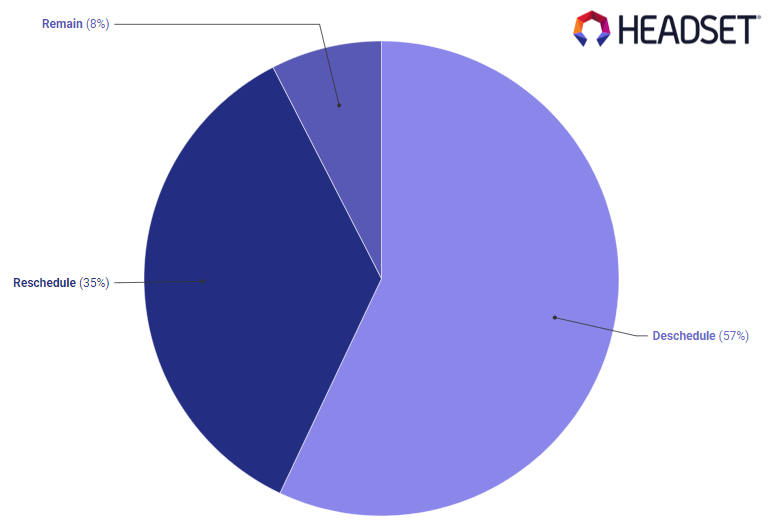
More than 40,000 comments were submitted by various agencies, organizations, academics, and concerned citizens. An overwhelming 91% of comments were submitted in favor of the rescheduling proposal or making it legal under federal law, according to an analysis of the data conducted by Headset. The analysis found that among those supporting a change 56% advocated for complete descheduling of cannabis and 35% supported rescheduling to a less restrictive category.
The National Cannabis Industry Association (NCIA) submitted comments supporting the proposal to move cannabis to Schedule III and is also calling for administrativeguidance to ensure that state cannabis programs are protected from federal interference. The association, which represents over 500 legal cannabis businesses, also called on further action to remove cannabis from the Controlled Substances Act (CSA) and establish federal regulations for the drug.
“It’s clear: decades of scientific data, medical literature, and the experience of millions of American patients using it legally under the care of a physician all show that marijuana absolutely does not belong in Schedule I of the CSA. Reclassifying marijuana to Schedule III is a positive first step in aligning federal and state law, however, we continue to assert that removing marijuana from the CSA entirely would be the best and most appropriate action.
We again emphasize that any reclassification of marijuana should be accompanied by guidance to ensure successful state programs are not disrupted by inappropriate federal enforcement of the CSA. Public health and safety are best served by the elimination of the illicit market and the regulation of marijuana and marijuana products. We urge the relevant departments to move expeditiously in publishing the final rule related to this topic,” NCIA’s comments conclude.
NCIA also submitted statements from dozens of members attesting to the successes seen with state cannabis regulation as well as the medical value of cannabis.
Read NCIA’s complete comments here.
Just over half of Americans live in a state that has made cannabis legal for adults over 21 and three out of four Americans live in a state that has legalized cannabis for medical use. A November 2023 Gallup survey found that 70% of Americans support making cannabis legal for adults and a recent Pew Research Center poll found that less than 10% of Americans still support marijuana prohibition.
###
The National Cannabis Industry Association (NCIA) is the largest cannabis trade association in the U.S. and the only organization representing small and independent cannabis-related businesses at the national level. NCIA promotes the growth of a responsible, sustainable, and inclusive cannabis industry and works for a favorable social, economic, and regulatory environment for that industry throughout the United States.
National Cannabis Industry Association Seeks Regulation of Intoxicating Hemp Products as House Agriculture Committee Considers Farm Bill
FOR IMMEDIATE RELEASE
May 23, 2024
CONTACT:
Aaron Smith, CEO and Co-Founder
(888) 683-5650, Aaron@TheCannabisIndustry.org
National Cannabis Industry Association Seeks Regulation of Intoxicating Hemp Products as House Agriculture Committee Considers Farm Bill
Position paper calls for parity between hemp and marijuana in federal regulatory framework; increasing THC limit for crops to meet international standards
Washington, D.C. — Today, The House Committee on Agriculture is conducting a hearing on the Farm Bill, which is up for its 5-year renewal after being continued from last year. The 2018 Farm Bill made the production and sale of hemp and hemp products legal for the first time in decades.
Cannabis industry advocates strongly support the continued legal access to hemp products and are calling on Congress to regulate products containing intoxicating THC derived from hemp. Proposed controls on these products largely mirror what is already being done to regulate marijuana products and alcohol, such as third party safety testing, product labeling, and restricting sales to adults over 21.
The National Cannabis Industry Association (NCIA) recently published a position paper “Navigating the Future of Cannabinoid Regulation: Balancing Safety, Innovation, and Consumer Access,” which calls for a new federal regulatory framework for intoxicating cannabinoid products derived from hemp, marijuana, or biosynthesis.
NCIA is calling on Congress to increase the total allowance for total THC in hemp crops from 0.3% to 1%, which is consistent with the policies of other hemp-producing nations. The current low THC threshold has forced many farmers to exit the industry for fear that they will have to destroy an entire crop if the total content is slightly above this arbitrary threshold. The association is also advocating for reasonable limitations on THC content per-serving for finished hemp-derived products that match align with dosage limits outlined in state programs (typically 5-10 mg per-serving).
“Congress has the opportunity to protect public health and safety while fostering the success of thousands of small businesses in the cannabis industry by enacting sensible regulations for both hemp- and marijuana-derived cannabinoid products,” said Aaron Smith, CEO & Co-founder of the National Cannabis Industry Association. “The hemp-derived THC business is booming in this country and these products are here to stay. It’s just common sense to enact regulations that ensure they are tested for safety and potency, labeled accordingly, and not made available to minors.”
Just over half of Americans live in a state that has made cannabis legal for adults over 21 and three out of four Americans live in a state that has legalized cannabis for medical use. A November 2023 Gallup survey found that 70% of Americans support making cannabis legal for adults and a recent Pew Research Center poll found that less than 10% of Americans still support marijuana prohibition.
Laws to make cannabis legal for adults have passed in 24 states as well as the District of Columbia and the territories of CNMI and Guam, and 38 states as well as several territories have comprehensive medical cannabis laws.
###
The National Cannabis Industry Association (NCIA) is the largest cannabis trade association in the U.S. and the only organization representing small and independent cannabis-related businesses at the national level. NCIA promotes the growth of a responsible, sustainable, and inclusive cannabis industry and works for a favorable social, economic, and regulatory environment for that industry throughout the United States.
Cannabis Industry Applauds President Biden’s Commitment to Reschedule Marijuana During Annual Visit to Capitol Hill
FOR IMMEDIATE RELEASE
May 16, 2024
CONTACT:
Aaron Smith, CEO and Co-Founder
(888) 683-5650, Aaron@TheCannabisIndustry.org
Cannabis Industry Applauds President Biden’s Commitment to Reschedule Marijuana During Annual Visit to Capitol Hill
Business leaders participate in annual Cannabis Industry Lobby Days to advocate for state cannabis programs as DEA prepares to reclassify the drug
Washington, D.C. – Today, President Joe Biden announced that the Department of Justice is reclassifying cannabis from its Schedule I status in the Controlled Substances Act. The administration is poised to initiate the rulemaking process that will open a 60 day public comment period before the change is made official.
This announcement comes just minutes after the National Cannabis Industry Association (NCIA) concluded its 12th Annual Cannabis Industry Lobby Days in Washington, D.C., the largest advocacy event for the legal industry.
Over the course of the two-day event, more than 100 cannabis business professionals held citizen lobbying meetings with congressional offices to discuss the positive economic and social impact that regulating cannabis markets has already had on states with modern marijuana laws. Participants advocated for federal reforms that need to be enacted after rescheduling, such as legislation that would allow banks to more easily do business with the legal cannabis industry and broader reforms that would regulate cannabis like alcohol.
Rescheduling, while hailed as an incremental win for the legal cannabis industry, would not legalize marijuana or harmonize federal law with the laws that allow for either medical or adult-use cannabis sales in 38 states nor does it right the wrongs of decades of misguided prohibition policies.
“On behalf of thousands of legal businesses operating across the country, we commend President Biden for taking this important first step toward a more rational marijuana policy. Now it’s time for Congress to enact legislation that would protect our industry, uphold public safety, and advance the will of the voters who overwhelmingly support making cannabis legal for adults,” said Aaron Smith, NCIA CEO & Co-founder. “Rescheduling alone does not fix our nation’s state and federal cannabis policy conflict. Only Congress can enact the legislation needed to fully respect the states and advance the will of the vast majority of voters who support legal cannabis.”
Reclassifying marijuana from Schedule I to Schedule III in the Controlled Substances Act would provide tax parity for the cannabis industry by ensuring legal businesses would no longer be subject to an arcane provision of the U.S. tax code — Section 280E — that prohibits deductions associated with “drug trafficking.”
NCIA will be submitting public comments during the rulemaking period on behalf of the hundreds of small businesses it represents in the legal cannabis industry. In addition to calling on legislation that would carve out a new regulatory pathway for cannabis products, the association supports legislation that would provide retroactive relief for lawful businesses with tax liability associated with Section 280E.
Laws to make cannabis legal for adults have passed in 24 states as well as the District of Columbia and the territories of CNMI and Guam, and 38 states as well as several territories have comprehensive medical cannabis laws.
Just over half of Americans live in a state that has made cannabis legal for adults over 21 and three out of four Americans live in a state that has legalized cannabis for medical use. A November 2023 Gallup survey found that 70% of Americans support making cannabis legal for adults and a recent Pew Research Center poll found that less than 10% of Americans still support marijuana prohibition.
###
The National Cannabis Industry Association (NCIA) is the largest cannabis trade association in the U.S. and the only organization representing small and independent cannabis-related businesses at the national level. NCIA promotes the growth of a responsible, sustainable, and inclusive cannabis industry and works for a favorable social, economic, and regulatory environment for that industry throughout the United States.
Drug Enforcement Administration to Initiate Historic Shift in Federal Marijuana Policy
FOR IMMEDIATE RELEASE
April 30, 2024
CONTACT:
Aaron Smith, CEO and Co-Founder
(888) 683-5650, Aaron@TheCannabisIndustry.org
Michelle Rutter Friberg, Director of Government Relations
(202) 599-9743, Michelle@TheCannabisIndustry.org
Drug Enforcement Administration to Initiate Historic Shift in Federal Marijuana Policy
Cannabis industry advocates hail rescheduling as a significantly positive first step in the national effort to end prohibition and call on Congress to enact broader reforms
WASHINGTON, D.C. – Today, the Associated Press reported that the U.S. Drug Enforcement Administration (DEA) is planning to move cannabis from Schedule I status to Schedule III in the federal Controlled Substances Act. This historic move that acknowledges the medical benefits of cannabis products still needs to be reviewed by the White House Office of Management and Budget before the DEA initiates a public comment period.
Marijuana and its most well known psychoactive compound, THC, have been listed as Schedule I substances in the federal Controlled Substances Act since 1970, a designation reserved for drugs with high potential for abuse and no medical value. A move to Schedule III acknowledges the medicinal value of cannabis that has been known to the medical community and millions of patients using it under the care of their physicians for decades.
Rescheduling would not resolve the conflict that exists between federal law and the laws on the books in 38 states which have regulated the legal production and sale of cannabis for medical or adult use but a move to Schedule III would provide federal tax parity to state-legal cannabis businesses by allowing them to take deductions for ordinary expenses currently prohibited under a little-known provision of the federal tax code.
The cannabis industry widely agrees that rescheduling as a significant positive step but that broader federal reforms are needed to resolve the myriad issues plaguing the industry resulting from federal prohibition.
“Moving marijuana out of its absurd classification as a Schedule I drug is long overdue and we applaud the administration for finally acknowledging the therapeutic value that has been widely accepted by the medical community and millions of medical cannabis patients for decades,” said National Cannabis Industry Association CEO, Aaron Smith. “While this is undoubtedly a very positive first step, rescheduling will not end federal marijuana prohibition and doesn’t harmonize federal law with the laws allowing some form of legal cannabis in the vast majority of the states. In order for this move to be meaningful on the ground, we need clear enforcement guidelines issued to the DEA and FDA that would ensure the tens of thousands of state-licensed businesses responsibly serving cannabis to adults are not subject to sanctions or criminal prosecution under federal laws.”
“Further, it’s imperative that Congress build upon this development by passing comprehensive legislation to remove cannabis from the Controlled Substances Act and forge a new regulatory framework for whole plant cannabis products.” added Smith.
Just over half of Americans live in a state that has made cannabis legal for adults over 21 and three out of four Americans live in a state that has legalized cannabis for medical use. A November 2023 Gallup survey found that 70% of Americans support making cannabis legal for adults and a recent Pew Research Center poll found that less than 10% of Americans still support marijuana prohibition.
# # #
The National Cannabis Industry Association (NCIA) is the largest cannabis trade association in the U.S. and the only national organization representing small and independent cannabis-related businesses. NCIA promotes the growth of a responsible, sustainable, and inclusive cannabis industry and works for a favorable social, economic, and regulatory environment for that industry throughout the United States.
FundCanna Partners with National Cannabis Industry Association to Fund Memberships
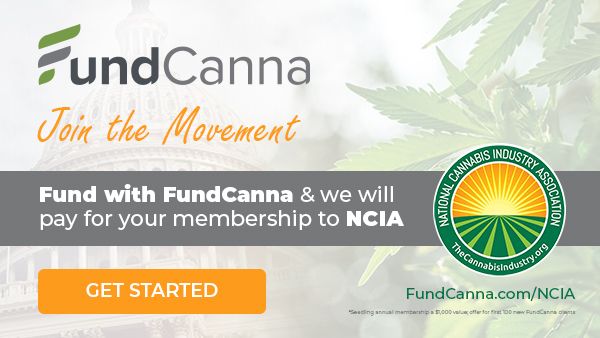
FundCanna Partners with National Cannabis Industry Association to Fund Memberships
Leading cannabis lender will be funding the membership fees of their next 100 clients
SAN DIEGO, Nov. 14, 2023 — FundCanna, the leading provider of capital to businesses throughout the cannabis sector, announces today a partnership with the National Cannabis Industry Association (NCIA), the largest cannabis trade organization, to cover the NCIA membership costs for their next 100 customers, a $100,000 value. The company has also elevated its own membership to the Evergreen level, a significant investment in the trade organization.
This commitment from FundCanna to NCIA will support the work needed to advance cannabis policy, reduce the heavy tax burden on cannabis companies and ensure that the industry’s voice is heard at the federal, state and municipal levels.
“Our partnership with the NCIA is a win for both cannabis businesses and the industry as a whole,” said Adam Stettner, Founder and CEO of FundCanna. “Through FundCanna, cannabis companies get the access to capital that they need to grow and operate their businesses and now they will also receive a subsidized membership to the NCIA which both amplifies their voices and provides them a seat at the table for some of the most important discussions and decisions that are facing our industry. We believe this commitment to the cannabis industry, our clients and NCIA will lead to more positive momentum for cannabis policy reform across the country.”
An unprecedented partnership for NCIA, FundCanna is the first company to back the cannabis trade group at this level. By funding memberships for their clients to NCIA, FundCanna hopes to enable more cannabis businesses to have a seat at the table for important policy discussions with the proper stakeholders.
“FundCanna has doubled down on its commitment to the cannabis industry,” said Aaron Smith, CEO of NCIA. “With pending cannabis legislation and more states passing cannabis legalization measures every year, NCIA’s work is more important than ever, and we welcome FundCanna and its clients to support and advocate for the cannabis policy reform NCIA is championing. This financial commitment and the additional members and their voices will make a significant difference in our progress toward advancing many of the initiatives that matter most to cannabis businesses nationwide. These include SAFER Banking, ensuring federal rescheduling doesn’t upend the industry, and much more including our efforts to eventually make cannabis legal from coast to coast.”
This program applies to the first 100 cannabis companies that fund with FundCanna as a new client beginning Nov. 15th, 2023. Membership will be provided following the successful application, underwriting and funding through FundCanna’s process. Cannabis companies interested in learning more about this partnership can visit fundcanna.com/ncia.
About FundCanna
FundCanna is the leading source of debt capital to the cannabis industry. The funding products FundCanna offers are customizable, flexible, renewable and reliable. The financing offered is designed exclusively for Cannabis operations and the ancillary companies that support the industry.
For more than 20 years, their team of financial experts has provided nearly $20 billion in funding to underserved businesses and individuals across the country. Adam Stettner, founder and CEO, has successfully founded and run finance companies for the past 20 plus years, earning numerous national awards and recognition notably including EY’s Entrepreneur of the Year and 7 showings on the Inc. 500/5000.
Stettner and his team focused their efforts exclusively on financing licensed Cannabis operators and ancillary providers in 2021. For more information about cannabis financing, visit FundCanna.com.
About NCIA
The National Cannabis Industry Association (NCIA) is the largest cannabis trade association in the U.S. and the only organization representing independent cannabis-related businesses at the national level. NCIA promotes the growth of a responsible, sustainable, and inclusive cannabis industry and works for a favorable social, economic, and regulatory environment for that industry throughout the United States.
Media Contact:
Anne Donohoe
KCSA Strategic Communications
fundcanna@kcsa.com
Senate Committee to Markup Cannabis Banking Legislation Tomorrow
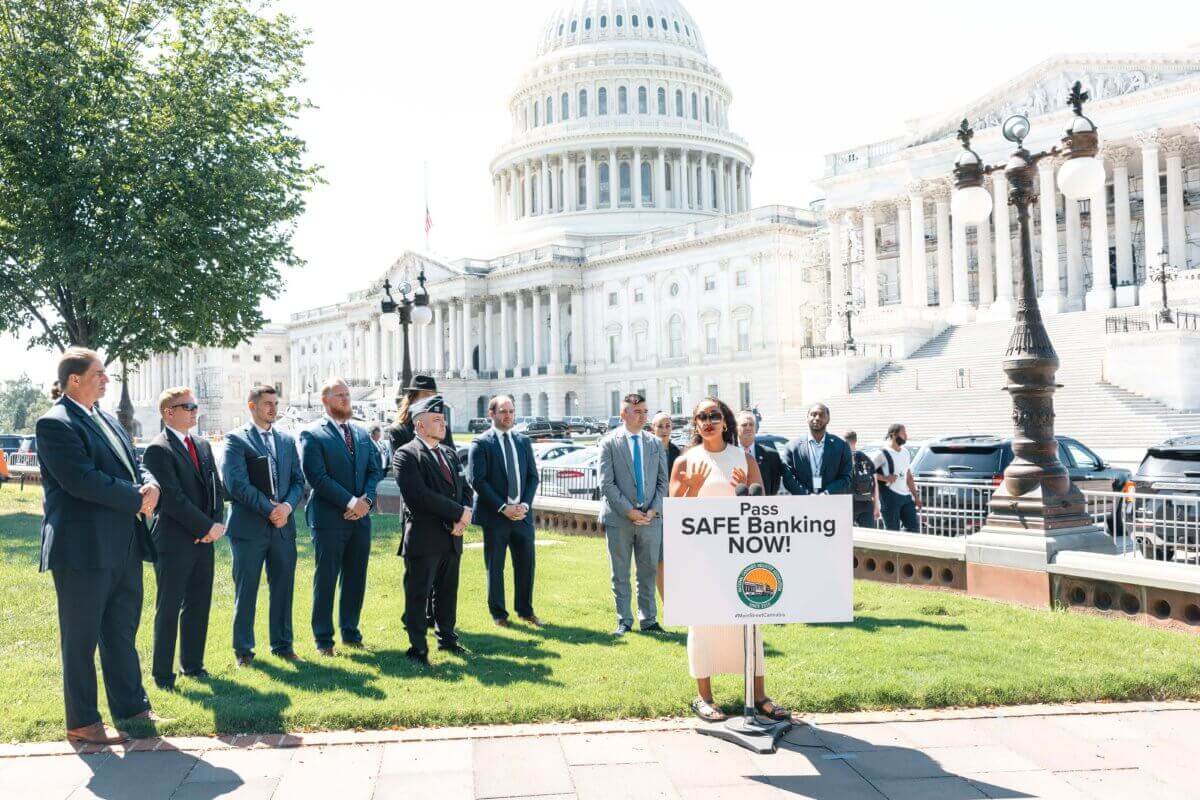
FOR IMMEDIATE RELEASE
Tuesday, September 26, 2023
CONTACT:
Aaron Smith, CEO and Co-Founder
(888) 683-5650, Aaron@TheCannabisIndustry.org
Michelle Rutter Friberg, Director of Government Relations
(202) 599-9743, Michelle@TheCannabisIndustry.org
Senate Committee to Markup Cannabis Banking Legislation Tomorrow
Industry leaders and advocates stress urgent need for bi-partisan SAFER Banking Act
WASHINGTON, D.C. – The Senate Banking Committee will be marking up the Safe and Secure Enforcement and Regulation (SAFER) Banking Act during its executive session tomorrow at 9:30 a.m. EST. The legislation, introduced by Sens. Jeff Merkley (D-OR) and Steve Daines (R-MT), would allow financial institutions to do business with the legal cannabis industry without fear of running afoul of federal banking regulations.
The legislation, S. 2860, enjoys broad bipartisan support and has passed the House seven times in previous congressional sessions but has never been taken up for a vote in the Senate. Advocates are hopeful that the Banking Committee will release the bill to a floor vote tomorrow.
The SAFER Banking Act (formerly known as “SAFE Banking Act”) is narrowly-crafted legislation that would allow the cannabis industry to access financial services currently not available or not reliably accessible without steep bank fees. Current banking regulations force cannabis businesses to operate in a very cash-heavy environment as they are unable to process credit cards and sometimes even unable to access depository services. The situation has led to numerous robberies and violent crimes targeting cannabis retail facilities and industry employees.
The bill would also open the door to greater business lending in the industry, providing access to capital that advocates say is sorely needed by small and independently-owned cannabis businesses.
“The vast majority of Americans now live in a state that is effectively regulating legal medical or adult-use cannabis sales but federal banking regulations are exposing millions to an unnecessary and completely avoidable risk of violent crime,” said National Cannabis Industry Association CEO, Aaron Smith. “On behalf of the tens of thousands of small businesses struggling under these outdated federal banking regulations, we commend Chairman Brown and the committee for taking up this important issue and urge them to move the SAFER Banking Act to a full Senate vote without further delay.”
Last month, the Department of Health and Human Services and the Food and Drug Administration made an official recommendation to move cannabis from Schedule I to Schedule III status in the federal Controlled Substances Act but that change would not affect the current banking situation for the industry.
The SAFER Banking Act is endorsed by the National Conference of State Legislators, National Association of Attorneys General, National Association of State Treasurers, the American Bankers Association, Credit Union National Association, Independent Community Bankers of America, the NAACP, Americans for Prosperity, United Food and Commercial Workers Union, and a bipartisan group of 20 state governors.
Laws to make cannabis legal for adults have passed in 23 states as well as the District of Columbia and the territories of CNMI and Guam, and 38 states as well as several territories have comprehensive medical cannabis laws. Three in four Americans live in a state where cannabis is legal in some form.
# # #
The National Cannabis Industry Association (NCIA) is the largest cannabis trade association in the U.S. and the only national organization representing small and independent cannabis-related businesses. NCIA promotes the growth of a responsible, sustainable, and inclusive cannabis industry and works for a favorable social, economic, and regulatory environment for that industry throughout the United States.
Senate Committee Holds Cannabis Banking Hearing as Industry Advocates Prepare for Annual Fly-in Event
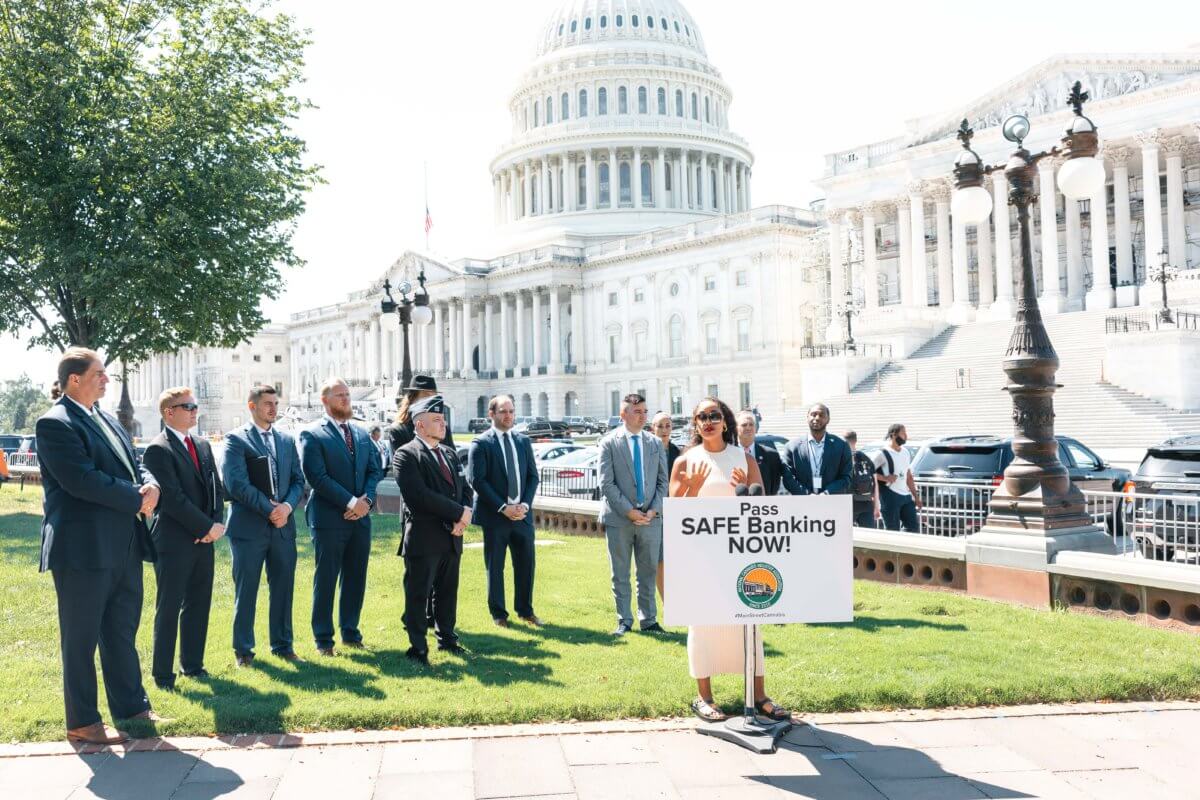
FOR IMMEDIATE RELEASE
Thursday, May 11, 2023
CONTACT:
Aaron Smith, CEO and Cofounder
(888) 683-5650, Aaron@TheCannabisIndustry.org
Bethany Moore, Communications Director
(240) 678-2654, Communications@TheCannabisIndustry.org
Senate Committee Holds Cannabis Banking Hearing as Industry Advocates Prepare for Annual Fly-in Event
Over 100 Cannabis Business Leaders Will Join Lawmakers Calling for Congressional Action on the SAFE Banking Act and Other Priorities Next Week
WASHINGTON, D.C. – The Senate Committee on Banking, Housing, and Urban Affairs conducted an oversight hearing today to examine the challenges federal banking policy poses to cannabis businesses, their employees, and the states that regulate them. Witnesses included Sen. Jeff Merkley (D-OR) and Sen. Steve Daines (R-MT) who provided testimony outlining the difficulties their states are facing due to a lack of access to banking in the cannabis industry.
Senators Merkley and Daines recently introduced the Secure and Fair Enforcement (SAFE) Banking Act, along with 38 original cosponsors. The legislation would amend federal statute to allow banks and financial institutions to do business with the cannabis industry without fear of running afoul of federal laws intended to keep illegal drug transactions out of the banking system. The House has passed its version of the SAFE Banking Act with wide bipartisan margins seven times during previous congresses.
Advocates are pleased the Senate is taking up this issue and are urging Senate leadership to schedule a committee hearing and markup for the SAFE Banking Act (S.1323) as soon as possible.
In his written testimony to the committee, National Cannabis Industry Association (NCIA) co-founder and chief executive officer Aaron Smith underscored the need for immediate congressional action on the cannabis banking issue.
“Comprehensive reforms that would align federal law with the growing number of states regulating cannabis and end the harms associated with decades of failed prohibition are sorely needed. However, the legislative process to achieve those reforms is likely to take several more years and the crisis states are facing due to outdated banking policy demands urgent action,” wrote Smith. “The Senate has a unique opportunity to solve the dangerous and unnecessary crisis by passing the Secure and Fair Enforcement (SAFE) Banking Act.”
The hearing serves as a significant precursor to the NCIA’s 11th Annual Lobby Days, taking place in Washington, D.C. next week. Cannabis industry professionals and advocates from across the nation will travel to the capital to discuss key issues with lawmakers, including the banking challenges discussed in the oversight hearing.
The association’s advocacy fly-in will take place May 17th and 18th and will include a reception with members of Congress and VIPs hosted by leading national law and public affairs firm Michael Best Strategies on the evening of the 17th as well as a morning briefing for Senate staff and members of the media on the cannabis banking issue on the 18th.
Over the course of the event, over 150 meetings will be held with Congressional representatives to discuss the negative impact that outdated federal prohibition has on the legal cannabis industry and to advocate for the passage of the SAFE Banking Act.
Industry advocates and lawmakers will be available for comment during the Senate briefing Thursday.
WHAT: Senate Staff Briefing on the SAFE Banking Act & NCIA’s 11th Annual Cannabis Industry Lobby Days
WHEN: Thursday, May 18, 2023, 9:00 AM Eastern
WHERE: 325 Russell Senate Office Building, Capitol Hill, Washington, D.C.
WHO: National Cannabis Industry Association members and leadership and members of Congress TBA
Members of the media may request a press credential for the briefing by contacting Bethany Moore at media@thecannabisindustry.org.
# # #
The National Cannabis Industry Association (NCIA) is the largest cannabis trade association in the U.S. and the only organization focused on representing small and independent cannabis-related businesses at the national level. NCIA promotes the growth of a responsible, sustainable, and inclusive cannabis industry and works for a favorable social, economic, and regulatory environment for that industry throughout the United States.
SAFE Banking Act Reintroduced in the U.S House and Senate
FOR IMMEDIATE RELEASE
Wednesday, April 26, 2023
CONTACT:
Aaron Smith, CEO and Cofounder
(888) 683-5650, Aaron@TheCannabisIndustry.org
Bethany Moore, Communications Director
(240) 678-2654, Communications@TheCannabisIndustry.org
SAFE Banking Act Reintroduced in the U.S House and Senate
Advocates call for passage of bipartisan SAFE Banking Act to open the financial system to licensed cannabis businesses
WASHINGTON, D.C. – Today, a bipartisan group of lawmakers reintroduced the Secure and Fair Enforcement (SAFE) Banking Act in the U.S. Senate and House of Representatives. This bicameral legislation, which was introduced by Sen. Jeff Merkley (D-OR), Sen. Steve Daines (R-MT), Rep. Dave Joyce (R-OH), and Rep. Earl Blumenauer (D-OR), would protect financial institutions from federal prosecution for providing services to cannabis businesses operating in compliance with state laws.
Federal banking regulations currently do not recognize the legal cannabis industry that exists in dozens of U.S. states, creating a significant barrier for licensed businesses accessing banking and financial services. This creates transparency issues for the industry and government officials tasked with regulating it and has led to cannabis businesses being increasingly targeted for robbery with sometimes fatal results.
Providing a safe harbor for financial service providers to work with cannabis businesses would also allow for traditional lending, which is currently limited throughout the industry. This lack of access to capital most adversely affects small and minority-owned businesses.
Previous versions of the SAFE Banking Act have been approved by the House with wide margins and significant bipartisan support seven times over the past two congressional sessions, however, the bill has so far stalled in the Senate. Advocates are hopeful that the legislation will receive a hearing and an affirmative vote in both chambers and signed into law this year, as more states continue to enact laws licensing cannabis sales.
There are currently 322 House members and 76 senators representing states with comprehensive medical or adult-use cannabis laws and whose constituents would directly benefit from passage of the SAFE Banking Act.
“With a supermajority of Congress now representing a state with licensed cannabis sales, enacting this sensible and necessary legislation should be among the least controversial issues before the Senate today,” said National Cannabis Industry Association co-founder and CEO Aaron Smith. “This bill is a common sense step toward improving public safety and transparency while also opening much-needed access to capital to struggling small businesses throughout the nation.”
A November 2022 Gallup survey found that 68% of Americans support making cannabis legal for adults and a recent Pew Research Center poll found that less than 10% of Americans still support marijuana prohibition.
Over 100 National Cannabis Industry Association members are expected to travel to Washington, D.C. to lobby for the passage of the SAFE Banking Act and other industry priorities at the organization’s 11th Annual Cannabis Industry Lobby Days May 16-18.
Laws to make cannabis legal for adults have passed in 22 states as well as the District of Columbia and the territories of CNMI and Guam, and 38 states, as well as several territories, have comprehensive medical cannabis laws. Nearly three in four Americans live in a state where cannabis is legal in some form.
###
The National Cannabis Industry Association (NCIA) is the largest cannabis trade association in the U.S. and the only organization focused on representing small and independent cannabis-related businesses at the national level. NCIA promotes the growth of a responsible, sustainable, and inclusive cannabis industry and works for a favorable social, economic, and regulatory environment for that industry throughout the United States.
Small Business Tax Equity Act Introduced in House of Representatives to Provide Tax Parity for Cannabis Businesses
FOR IMMEDIATE RELEASE
Monday, April 17, 2023
CONTACT:
Aaron Smith, CEO and Cofounder
(888) 683-5650, Aaron@TheCannabisIndustry.org
Bethany Moore, Communications Director
(240) 678-2654, Communications@TheCannabisIndustry.org
Small Business Tax Equity Act Introduced in House of Representatives to Provide Tax Parity for Cannabis Businesses
Bipartisan legislation would modernize tax code by treating state-licensed cannabis businesses like other legal entities
WASHINGTON, D.C. – Today, Rep. Earl Blumenauer (D-OR) introduced the Small Business Tax Equity Act which would allow state-licensed cannabis businesses to deduct ordinary and necessary business expenses from federal taxable income.
Deductions for expenses associated with activities defined by federal law as “drug trafficking” are currently prohibited under a little-known section of the tax code section 280E. The provision was enacted by Congress with the intent of penalizing criminal drug dealers in 1982, decades before states began licensing the sales of cannabis for medical and adult-use.
Advocates point out that current enforcement of 280E appears to be almost exclusively targeted at legal cannabis businesses – entities that were never conceived of when the provision was enacted. 280E prevents legal cannabis businesses from deducting expenses such as payroll, rent, security, and compliance costs. Some businesses are paying an effective tax rate of 70% or more as a result of 280E.
“The unfair application of the outdated 280E provision on state-licensed cannabis businesses is preventing our industry from reaching its full economic potential and our ability to successfully replace criminal markets in accordance with the will of the voters and state legislators that have implemented modern state marijuana programs across the country,” said National Cannabis Industry Association CEO Aaron Smith. “We commend Congressman Blumenauer and the bill’s original co-sponsors for leading this narrowly-crafted, sensible legislation that would resolve this unforeseen consequence and bring our tax code into the 21st century.”
“State-legal cannabis businesses are denied equal treatment under 280E. They cannot fully deduct the cost of doing business which means they pay two or three times as much as a similar non-cannabis business,” said Congressman Blumenauer. “This grotesquely unfair treatment incentivizes people to cut corners. If Congress wants to get serious about supporting small businesses and ending the illicit cannabis market, it is commonsense that we allow legal cannabis operations to deduct business expenses, just like any other industry.”
Rep. Blumenauer is joined by Reps. Nancy Mace (R-SC) and Barbara Lee (D-CA) as original cosponsors.
“The Small Business Tax Equity Act is critical legislation that aims to repeal the oppressive taxation of marijuana businesses under IRC 280E, which unfairly denies them ordinary business deductions and credits.” Said Congresswoman Mace, “State-licensed cannabis companies deserve fair treatment and the ability to operate on a level playing field. The American people agree, and it is time our laws reflect it.”
A November 2022 Gallup survey found that 68% of Americans support making cannabis legal for adults and a recent Pew Research Center poll found that less than 10% of Americans still support marijuana prohibition.
Over 100 National Cannabis Industry Association members are expected to travel to Washington, D.C. to lobby for the passage of the Small Business Tax Equity Act and other industry priorities at the organization’s 11th Annual Cannabis Industry Lobby Days May 16-18.
Laws to make cannabis legal for adults have passed in 21 states as well as the District of Columbia and the territories of CNMI and Guam, and 38 states, as well as several territories, have comprehensive medical cannabis laws. Nearly three in four Americans live in a state where cannabis is legal in some form.
###
The National Cannabis Industry Association (NCIA) is the largest cannabis trade association in the U.S. and the only organization focused on representing small and independent cannabis-related businesses at the national level. NCIA promotes the growth of a responsible, sustainable, and inclusive cannabis industry and works for a favorable social, economic, and regulatory environment for that industry throughout the United States.
Cannabis Administration and Opportunity Act Introduced in U.S. Senate
FOR IMMEDIATE RELEASE
Thursday, Jul 21, 2022
CONTACT:
Bethany Moore, Communications Director
(240) 678-2654, Communications@TheCannabisIndustry.org
Cannabis Administration and Opportunity Act Introduced in U.S. Senate
Legislation Would Institute Tax and Regulatory Structure for Legal Cannabis;
National Cannabis Industry Association Applauds Historic Measure, Concerned About Potential Impact on Small Businesses
WASHINGTON, D.C. – Today, Senate Majority Leader Chuck Schumer (D-NY) along with Finance Committee Chair Ron Wyden (D-OR), and Sen. Cory Booker (D-NJ) introduced the Cannabis Administration and Opportunity Act (CAOA) which is now the Senate’s only pending legislation that would provide comprehensive cannabis policy reforms across the nation.
The landmark bill would remove cannabis from the federal Controlled Substances Act and move regulatory responsibility from the Drug Enforcement Administration (DEA) to the Alcohol and Tobacco Tax and Trade Bureau (TTB), the Food and Drug Administration (FDA) and other agencies to protect public health and safety. The legislation would also allow the state-regulated medical and adult-use cannabis industries already in place in 37 states to operate without federal interference.
The Senate Democrats’ CAOA would also institute a federal excise tax of 5-25% on cannabis on top of the already-hefty state taxes imposed on the industry, concerning advocates for small cannabis businesses and equity operators.
“We applaud the authors of this legislation for working to bring federal law into harmony with the states and the vast majority of voters who have called for an end to prohibition,” said Aaron Smith, co-founder and chief executive officer of the National Cannabis Industry Association. “We look forward to working with Senators on both sides of the aisle to improve the tax provisions in this bill on behalf of small cannabis businesses and eventually pass it into law.”
The long-awaited CAOA Act was introduced after a bill sponsors circulated a discussion draft last year. NCIA and other advocacy organizations provided comprehensive feedback to the bill’s authors last year. Notable changes to the legislation include:
- Increases the permissible THC by dry weight from the current 0.3 percent to 0.7 percent and refines the definition of “hemp,” and consequently “cannabis” by taking into account the total THC in a cannabis product, rather than just delta-9 THC.
- Changes to the weight quantity to qualify a person for felony cannabis distribution or possession charge under the section from 10 pounds to 20 pounds.
- Provides that a court shall automatically, after a sentencing review, expunge each federal cannabis conviction, vacate any remaining sentence, and resentence the defendant as if this law had been in place prior to the original sentencing.
- Enables a noncitizen who has received a deportation order based on a cannabis-related offense to file a motion to reconsider that decision. If the motion to reconsider is filed within 30 days of the removal order, the motion may allow for cancellation of the deportation order.
- Establishes a new 10-year intermediary lending pilot program in which SBA would make direct loans to eligible intermediaries that in turn make small business loans to startups, businesses owned by individuals adversely impacted by the War on Drugs, and socially and economically disadvantaged small businesses.
- Removes the requirement to maintain a bond for any cannabis business that had less than $100,000 in excise tax liability in the prior year and reasonably expects excise tax liability in the current year to be below such amount.
- Incorporates rules similar to rules currently applicable to permitted malt beverage producers and wholesalers.
Whitney Economics submitted a report outlining concerns with the tax plan, finding that the CAOA would impose an additional $1.1 billion in taxes on the already-struggling and cannabis industry.
“Introducing this far-reaching bill is a historic and important effort but we hope that the Senate moves quickly to pass the bi-partisan SAFE Banking Act which would provide tangible and immediate relief to small businesses and improve public safety by opening access to banking and financial services in our industry,” added Smith.
The SAFE Banking Act has been approved by the House of Representatives seven times and the Senate version of the bill (S. 910) enjoys the support of a bipartisan group of 43 co-sponsors but has yet to be brought to a vote in that chamber.
Laws to make cannabis legal for adults have passed in 19 states as well as the District of Columbia and the territories of CNMI and Guam, and 37 states as well as several territories have comprehensive medical cannabis laws. The substance is legal in some form in 47 states.
###
The National Cannabis Industry Association (NCIA) is the largest cannabis trade association in the U.S. and the only organization broadly representing cannabis-related businesses at the national level. NCIA promotes the growth of a responsible and legitimate cannabis industry and works toward a favorable social, economic, and legal environment for that industry in the United States.
U.S. House Approves MORE Act to End Federal Cannabis Prohibition for Second Time
Bill would remove cannabis from list of controlled substances, expunge federal convictions, provide resources to small businesses and impacted communities
WASHINGTON, D.C. – The Marijuana Opportunity, Reinvestment, and Expungement (MORE) Act, which would remove cannabis from the federal Controlled Substances Act and attempt to undo the damage caused by racially and economically disproportionate enforcement of prohibition, was approved by the House of Representatives today. An earlier version of the bill was passed in December 2020 in a largely party-line vote, becoming the first comprehensive cannabis policy reform legislation to receive a floor vote or be approved by either chamber of Congress.
Revisions from last session include the removal of a provision that would have allowed federal regulators to deny cannabis business licenses to applicants who have prior felony convictions. Other changes from the introduced text this session include revisions to property requirements, allowing operators to secure those locations after receiving a federal license.
A number of amendments were offered at a Rules Committee hearing to advance the bill, however, only three were ruled in order. The first passed on a roll call vote and was introduced by Rep. Josh Gottheimer (D-NJ), authorizes $10M for the National Highway Traffic Safety Administration to conduct a study on technologies and methods that law enforcement may use to determine whether a driver is impaired by marijuana.
Another amendment, introduced by Rep. Conor Lamb (D-PA). This amendment directs the National Institute for Occupational Safety and Health (NIOSH) to conduct a study on the impact of legalization to the workplace, using states that have legalized recreational use of cannabis as a guide, and requires NIOSH to develop best practices for employers as companies transition their policies related to cannabis, prioritizing employers engaged in federal infrastructure projects, transportation, public safety, and national security. Additionally, it directs the Department of Education to conduct a study on the impact of legalization to schools and school aged children, using states that have legalized recreational use of cannabis as a guide, and requires the Department of Education to develop best practices for educators and administrators to protect children from any negative impacts.” It passed on a roll call vote.
Another amendment, which failed on a roll call vote was offered by Rep. Jamie Raskin (D-MD) would have required federal agencies to review security clearance denials going back to 1971 and retroactively make it so cannabis could not be used “as a reason to deny or rescind a security clearance.”
While there is currently no companion bill in the Senate, Majority Leader Schumer (D-NY) along with Senators Booker (D-NJ) and Wyden (D-OR) are expected to introduce a comprehensive cannabis reform bill in the next month.
“With voter support for legal cannabis at an all-time high and more and more states moving away from prohibition, we commend the House for once again taking this step to modernize our federal marijuana policies,” stated NCIA Chief Executive Officer and co-founder Aaron Smith. “Now is the time for the Senate to act on sensible reform legislation so that we can finally end the failure of prohibition and foster a well regulated marketplace for cannabis.”
Laws to make cannabis legal for adults have passed in 18 states as well as the District of Columbia and the territories of CNMI and Guam, and 36 states as well as several territories have comprehensive medical cannabis laws. The substance is legal in some form in 47 states.
###
The National Cannabis Industry Association (NCIA) is the largest cannabis trade association in the U.S. and the only organization broadly representing cannabis-related businesses at the national level. NCIA promotes the growth of a responsible and legitimate cannabis industry and works toward a favorable social, economic, and legal environment for that industry in the United States.
NCIA Releases Overview of Cannabis Medical Knowledge
Summary intended to educate and guide policymakers and medical professionals
WASHINGTON, D.C. – The National Cannabis Industry Association (NCIA) has released an overview designed to help inform and guide policymakers and medical professionals on the science, history, and uses of medical cannabis and promote policies that facilitate further research and fair, legal access. This publication was developed by scientists and doctors working with NCIA’s Policy Council.
The objective of this report is to provide medical professionals and policymakers with an up-to-date, science-based perspective on the medicine of cannabis in the United States. It includes input from medical doctors, researchers, veterinarians, and policy experts, all committed to the development of a cannabis industry founded on scientific research, patient safety, and equitable access to safe products and clinical oversight. It includes a history of medical cannabis, an overview of the endocannabinoid system and the complex nature of the cannabis plant, and explores clinical uses as well as safety considerations. The paper also highlights the obstacles that currently hinder research, and includes policy recommendations to remove those barriers and promote evidenced-based therapeutic cannabis access and use.
The full paper is available here.
“Despite the well-established medical efficacy of cannabis and the overwhelming public support for regulating the substance, many politicians and doctors still lack a basic understanding of the science of cannabis and continue to oppose sensible reforms,” said Aaron Smith, co-founder and chief executive officer of the National Cannabis Industry Association. “We hope to provide a fundamental and balanced overview of the medical impacts and therapeutic uses of cannabis to the people who so often hold the keys to safe and legal access.”
NCIA intends to disseminate this overview to members of Congress and the Biden administration, as well as key federal agencies and medical organizations.
A recent Pew Research poll showed that 91% of U.S. adults think cannabis should be legal for medical purposes. A Gallup poll from late last year showed a record 68% national support for making cannabis legal for adults.
Cannabis is legal for adults in 17 states as well as the District of Columbia and the territories of CNMI and Guam, and 36 states as well as several territories have comprehensive medical cannabis laws. The substance is legal in some form in 47 states. Dozens of states are considering cannabis policy reform legislation this year.
###
House Approves Appropriations Amendment to Protect State-Legal Cannabis Markets
Provision would prevent federal interference in all legal cannabis programs, including adult use
WASHINGTON, D.C. – After approving legislation to protect state cannabis programs in a voice vote on Thursday afternoon, the House of Representatives reiterated its support with a roll call vote of 254-163 hours later. The bipartisan amendment to the Commerce, Justice, and Science appropriations bill was introduced by Reps. Earl Blumenauer (D-OR), Barbara Lee (D-CA), Tom McClintock (R-CA), and Del. Eleanor Holmes Norton (D-DC).
The provision would prevent the federal government from using any funds to interfere with state medical or adult-use programs or target individuals and businesses that are in compliance with state cannabis laws. If passed, this spending restriction would remain in effect for the next fiscal year.
“Today’s House vote aligns with the overwhelming majority of Americans who oppose federal interference with the successful cannabis programs operating throughout the country,” said Aaron Smith, executive director of the National Cannabis Industry Association. “Now, it’s time for the Senate to do the right thing and ensure this sensible provision makes it into the final budget legislation so that states can continue to forge their own path on marijuana policy without federal intrusion.”
A recent poll by SurveyUSA showed that 76% of Americans think states should be able to enact their own marijuana laws without interference from the federal government, including more than two thirds of Republicans. The annual Gallup poll on the subject from last year showed that nearly two-thirds of respondents support making cannabis legal for adults.
“Passage of this amendment would give state-legal and essential cannabis businesses some temporary peace of mind while Congress works to permanently end federal prohibition and repair the damage it has done to marginalized communities,” continued Smith. “It is clear that there is strong bipartisan support for cannabis policy reform and we will continue working with lawmakers to promote further legislation in this session.”
Last year, this amendment was passed by the House but did not end up in the final budget bill. Since 2014, Congress has approved appropriations language that prevents interference in only state medical cannabis programs, and has included that language in the original budget language for the last two years.
Cannabis is legal for adults in eleven states as well as the District of Columbia and the territories of CNMI and Guam, and 33 states as well as several territories have comprehensive medical cannabis laws. The substance is legal in some form in 47 states.
###
Cannabis Industry Orgs Submit Letter to Congress Ahead of House Energy & Commerce Subcommittee Hearing

House Energy and Commerce Subcommittee on Health to Hold Hearing on Cannabis Policy Reform Wednesday
Cannabis industry groups send letter urging descheduling and federal regulation to increase research, improve public safety and address harms caused by prohibition
WASHINGTON, D.C. – The first congressional hearing of 2020 on cannabis policy will take place on Wednesday, January 15. The hearing, entitled “Cannabis Policies for the New Decade,” will be held by the House Energy and Commerce Committee’s Subcommittee on Health in Room 2123 of the Rayburn House Office Building at 10 a.m. ET. Livestream will be available here.
The hearing is expected to explore the barriers to cannabis research, the health and social impacts of current federal cannabis policies and the implications of reform, as well as several pieces of cannabis-related legislation including the Marijuana Opportunity, Reinvestment, and Expungement (MORE) Act.
A broad coalition of groups representing state-legal cannabis businesses, including the National Cannabis Industry Association, Cannabis Trade Federation, Minority Cannabis Business Association, National Cannabis Roundtable, and Global Alliance for Cannabis Commerce sent a letter to the subcommittee urging Congress to pass comprehensive legislation that would remove cannabis from the schedule of controlled substances and allow it to be effectively regulated at the federal level, as well as expressing support for a number of related policy issues. Several of these groups are also submitting testimony to the subcommittee for the hearing record.
“The cannabis industry is united in its desire to end the disastrous century-long experiment with prohibition and start enacting sensible policies focused on justice and health,” said Aaron Smith, executive director of the National Cannabis Industry Association. “Descheduling and regulation are the best ways to promote research, improve public safety, begin repairing the damage done by outdated laws, and help displace the unregulated underground cannabis market.”
“This hearing is one more sign that Congress is moving toward more sensible cannabis policy at the federal level. It cannot come soon enough,” said Neal Levine, CEO of the Cannabis Trade Federation. “The dichotomy between state and federal cannabis laws is untenable and the nation would benefit from the kinds of policies our organizations have endorsed in this joint letter.”
“Any federal cannabis regulatory framework must address the unique health concerns of people of color, women, and veterans without creating undue burdens on small businesses,” said Jason Ortiz, president of the Minority Cannabis Business Association. “We are confident congress can achieve this by putting social and economic justice at the center of any legalization legislation.”
“Bipartisan cannabis reform will unlock the full potential of our growing industry. Working together we can advance economic opportunity, patient access and social justice. We look forward to leveraging the knowledge and expertise of our members as Congress moves closer to addressing cannabis reform at the federal level,” said Saphira Galoob, executive director for the National Cannabis Roundtable.
“The Global Alliance for Cannabis Commerce is proud to stand with industry partners for safe and sensible regulation of cannabis at the federal level,” said Randal John Meyer, executive director of the Global Alliance for Cannabis Commerce. “Descheduling cannabis and regulating its safe medical and adult use is exactly the kind of policy the federal government should be considering for ending cannabis prohibition.”
The MORE Act – which would remove cannabis from the Controlled Substances Act, expunge federal marijuana convictions, and allocate funds to promote fair access to the cannabis industry and reinvestment in the communities that have been disproportionately harmed by prohibition – was approved by the House Judiciary Committee in November. This was the first time such legislation has received a vote in a House committee.
WHAT: House Energy and Commerce Subcommittee on Health hearing, “Cannabis Policies for the New Decade”
WHEN: Wednesday, January 15 at 10 a.m. ET
WHERE: Rayburn House Office Building, Room 2123, 45 Independence Ave. SW, Washington, D.C.
WHO: U.S. House Energy and Commerce Subcommittee on Health
Matthew Strait, Drug Enforcement Administration
Douglas Throckmorton, Food and Drug Administration
Nora Volkow, National Institute on Drug Abuse
###
NCIA Releases Guidelines for Federal Cannabis Regulation After Legalization
Report urges Congress to remove cannabis from the Controlled Substances Act; suggests classifications for different cannabis products, most appropriate federal agencies and methods to regulate them
WASHINGTON, D.C. – On Tuesday, the National Cannabis Industry Association (NCIA) announced the release of a paper providing extensive guidance on how cannabis should be regulated at the federal level. The paper highlights the need to have a clearly defined regulatory approach and structure prepared as the nation moves closer to making cannabis legal for adults, and identifies the existing agencies best suited to regulate the wide variety of cannabis products available in state-regulated legal cannabis markets.
The full paper, which was produced by NCIA’s Policy Council, is titled “Adapting a Regulatory Framework for the Emerging Cannabis Industry” and can be found here.
“As a country, we are starting to move past whether we should end cannabis prohibition, and need to put serious consideration into how we do that and what a post-legalization world looks like in terms of federal regulatory policy,” said Aaron Smith, executive director of the National Cannabis Industry Association. “The recommendations outlined in this report build on successful methodologies by assigning regulatory duties to existing agencies, while avoiding restrictions that would not be appropriate for cannabis as well as some of the missteps that have occurred with other products. We look forward to working with Congress to overturn our outdated federal marijuana laws and begin implementing this structure to help ensure public safety and displace the illicit cannabis market.”
The variety of products that contain cannabis means that a “one-size-fits-all” regulatory framework would be ineffective. Under such a framework, some products would be overregulated, while others might be underregulated. Instead, different regulatory structures, or “lanes,” should be utilized based on the characteristics and intended uses of the products to leverage existing federal regulatory expertise. This will lead to an effective and efficient review process for existing government agencies, specifically the Food and Drug Administration (FDA) and the Alcohol and Tobacco Tax and Trade Bureau (TTB), that avoids unnecessary bureaucracy, costs, and delays for cannabis companies or the government. Because human consumables are already regulated by the federal government through a variety of regulatory lanes designed for these purposes, most cannabis products could simply follow analogous products already being sold legally through these lanes, which the paper defines as follows:
• Lane #1 — Pharmaceutical drugs (eg: Epidiolex; Marinol) (Regulated Like Prescription Drugs; Lead Federal Regulator: FDA)
• Lane #2 — Ingested, inhaled or topically applied products with more than de minimis amounts of THC (+0.3%) (Regulated Like Alcohol; Lead Federal Regulator: TTB)
• Lane #3 — Ingested and inhaled products with de minimis amounts of THC (<0.3% THC) (Regulated Like Food/Dietary Supplements; Lead Regulator: FDA)
• Lane #4 — Topically applied products with de minimis amounts of THC (<0.3% THC) (Regulated Like Cosmetics; Lead Federal Regulator: FDA)
The paper also explains some of the reasons why removing cannabis from the Controlled Substances Act, rather than moving it to a different schedule, is necessary for the effective implementation of federal regulations.
“This approach will help us protect consumers, foster research, and provide guidance for the growing number of states that are regulating cannabis for adult and medical purposes as we work to repair the harms caused by prohibition,” continued Smith.
Cannabis is legal for adults in 11 states as well as the District of Columbia and the territories of CNMI and Guam, and 33 states as well as several territories have comprehensive medical cannabis laws. The substance is legal in some form in 47 states. Last week, the House of Representatives overwhelmingly approved the first standalone cannabis legislation to receive a vote in Congress, the SAFE Banking Act, which would allow financial services providers to work with state-legal cannabis, hemp, and ancillary businesses.
###
House of Representatives Approves Cannabis Banking Reform in Landmark Vote
SAFE Banking Act would provide safe harbor for banks and lenders to work with state-legal cannabis businesses to address public safety, transparency, and access to capital
** Press conference THURSDAY at House Triangle at 2:30p with lawmakers and advocates **
WASHINGTON, D.C. – For the first time in history, a standalone cannabis policy reform bill was brought before the House of Representatives for a vote and passed with an overwhelming bipartisan majority. The Secure and Fair Enforcement (SAFE) Banking Act of 2019, or H.R. 1595, was approved 321-103, including nearly half of voting Republicans, in a suspension vote on Wednesday.
“Having worked alongside Congressional leaders to resolve the cannabis industry’s banking access issues for over six years, it’s incredibly gratifying to see this strong bipartisan showing of support in today’s House vote,” said Aaron Smith, executive director of the National Cannabis Industry Association (NCIA). “We owe a great debt of gratitude to the bill sponsors, who have been working with us to move this issue forward long before anyone else thought it was worth the effort.”
Due to current federal laws and financial regulations, most banks are unwilling to risk prosecution or punishment to work with state-legal cannabis businesses and often ancillary businesses that service the cannabis industry. This forces many businesses in this space to operate almost entirely in cash, creating public safety issues for everyone involved, from businesses and their employees to tax collectors and regulators. These policies also hinder the efforts of regulators and law enforcement to effectively monitor the legal cannabis market. Financial services institutions are also unable to provide loans to people in the cannabis industry, which disproportionately impacts small businesses and marginalized communities with less access to personal wealth or investment capital.
The SAFE Banking Act as approved in the House would prevent federal banking regulators from punishing banks for working with cannabis- and hemp-related businesses that are obeying state laws. The bill would protect ancillary businesses that work with the cannabis industry from being charged with money laundering and other financial crimes, and requires the Financial Institution Examination Council to develop guidance to help credit unions and banks understand how to lawfully serve cannabis businesses. Access to capital for small businesses would be increased by allowing traditional lending from financial service provides, and regular reporting on loan practices involving women and people of color in the cannabis industry would be required.
H.R. 1595 was introduced in this session by Reps. Ed Perlmutter (D-CO), Denny Heck (D-WA), Steve Stivers (R-OH), and Warren Davidson (R-OH) with more than 100 other original cosponsors, eventually reaching 206 cosponsors prior to the vote Wednesday.
“Now, it’s time for the Senate to take swift action to approve the SAFE Banking Act so that this commonsense legislation can make its way to the President’s desk,” continued Smith. “This bipartisan legislation is vital to protecting public safety, fostering transparency, and leveling the playing field for small businesses in the growing number of states with successful cannabis programs.”
The Senate version of the SAFE Banking Act, S. 1200, was introduced by Sens. Cory Gardner (R-CO) and Jeff Merkley (D-OR) in April. The Senate Banking Committee held a hearing on the issue in July, and Banking Committee Chairman Mike Crapo (R-ID) recently announced that cannabis banking legislation is being seriously considered in that chamber.
NCIA will host a press conference with lawmakers and allied organizations to discuss the vote on Thursday, September 26 at 2:30 p.m. ET at the House Triangle, just outside the U.S. Capitol.
###
House Committee Chair Introduces Legislation Allowing Legal Cannabis Industry to Access Small Business Administration Programs
FOR IMMEDIATE RELEASE
Friday, June 28, 2019
CONTACT:
Aaron Smith, National Cannabis Industry Association
303-569-6888, Aaron@TheCannabisIndustry.org
Bill would end federal prohibition and help level the playing field for small businesses
WASHINGTON, D.C. – On Thursday, Chairwoman of the House Committee on Small Business Rep. Nydia M. Velazquez (D-NY) introduced the Ensuring Safe Capital Access for All Small Businesses Act of 2019. This legislation would remove cannabis from the Controlled Substances Act and prohibit the Small Business Administration (SBA) from declining to provide a loan guarantee under the 7(a) Loan Guaranty Program, the Disaster Assistance Program, Microloan program, or the 504/Certified Development Company program to a cannabis related legitimate business or service provider.
This comes just a week after the House Committee on Small Business held a hearing entitled “Unlocked Potential? Small Businesses in the Cannabis Industry” to explore the opportunities for small businesses and entrepreneurs in legal cannabis markets, as well as the obstacles those businesses face when entering or operating in the emerging industry.
“State cannabis programs are successfully replacing criminal enterprises with tightly-regulated, responsible businesses but it’s increasingly difficult for smaller firms to compete in the legal industry without access to the essential Small Business Administration programs that other industries take for granted,” said Aaron Smith, executive director of the National Cannabis Industry Association (NCIA). “By improving access to capital, this legislation will also help level the playing field for entrepreneurs from communities of color and others disproportionately impacted by the failed policies of prohibition seeking to enter the legal cannabis industry.”
The Small Business Administration’s capital access programs are designed to provide financial assistance in the form of loans and loan guarantees to small businesses who cannot affordably access capital elsewhere. Small businesses in states with legal cannabis, however, are currently struggling with conflicting legal guidance coming from their home states and the federal government. In addition, because SBA’s loan products are generally more successful at reaching traditionally underserved business than conventional lending, it is also a measure aimed at ensuring minority, women, and veteran entrepreneurs in the legitimate cannabis industry are able to fairly and affordably access capital.
There are currently 47 states that allow cannabis in some form. Thirty-three states and several territories have effective medical cannabis laws, and 11 states as well as the District of Columbia and the territories of Guam and CNMI have made cannabis legal for adults.
###
The National Cannabis Industry Association (NCIA) is the largest cannabis trade association in the U.S. and the only organization broadly representing cannabis-related businesses at the national level. NCIA promotes the growth of a responsible and legitimate cannabis industry and works toward a favorable social, economic, and legal environment for that industry in the United States.
Historic Legislation Paving the Way for Legal Interstate Cannabis Commerce Introduced in Congress

FOR IMMEDIATE RELEASE
Thursday, June 27, 2019
CONTACT:
Aaron Smith, National Cannabis Industry Association
303-569-6888, Aaron@TheCannabisIndustry.org
Historic Legislation Paving the Way for Legal Interstate Cannabis Commerce Introduced in Congress
National Cannabis Industry Association presses for federal protections as Oregon becomes first state to enact cannabis export bill
WASHINGTON, D.C. – On Thursday, Sen. Ron Wyden (D-OR) and Rep. Earl Blumenauer (D-OR) introduced federal legislation that would protect interstate cannabis commerce from federal interference if the activity is in compliance with state laws and interstate compacts. The legislation also makes protections against federal interference in state medical cannabis programs permanent and expands those protections to apply to all state-legal cannabis programs, including those that allow for regulated sales to adults over age 21. Legal adult consumers and patients who travel between these states transporting limited amounts of cannabis would also be protected from federal prosecution.
“Like any other agricultural product, cannabis production should be able to take place in states with optimal climate conditions and exported to other legal markets across the country. This legislation is a bold step toward making that a reality,” said Aaron Smith, executive director of the National Cannabis Industry Association (NCIA). “This act would allow the cannabis industry to become more efficient and environmentally sustainable, as voters and state legislatures across the country continue to move away from the failed policies of prohibition.”
“As more and more states legalize cannabis, the gap between state and federal laws will only grow more confusing for both legal businesses and consumers,” said Sen. Wyden. “The solution is clear: the federal government needs to end its senseless and out of touch prohibition. As we fight for that ultimate goal, however, Congress can and should immediately act to protect the will of Oregonians and voters in other states from federal interference—and that should include interstate cannabis commerce.”
“The federal government is hopelessly out of touch with the American people on cannabis,” said Rep. Blumenauer. “Last week, the House agreed and passed my amendments to forbid the federal government from interfering with cannabis programs in the states, D.C. and tribal communities. This week, we are turning to a top priority for Oregonians—allowing for interstate sale of cannabis. It’s past time we protect the states, like Oregon, that have gotten it right.”
The State Cannabis Commerce Act of 2019 was introduced just days after Oregon Governor Kate Brown (D) signed groundbreaking bipartisan legislation that allows the state to enter into compacts to export cannabis to other states with legal marijuana programs, once the federal government allows it. The legislation would not affect those states which have yet to enact cannabis programs or choose not to enter into aninterstate compact.
“On behalf of the thousands of cannabis professionals that make up our diverse membership, we look forward to working with other states that are poised to follow Oregon’s lead by enacting interstate commerce legislation as well as with our allies in Congress to advance this much-needed federal reform,” continued Smith.
A Gallup poll released in October reported that 66% of Americans support making cannabis legal, including a majority of Republicans. A Quinnipiac poll from April 2018 showed that 74% of voters support legislation protecting states with legal cannabis programs from federal interference.
There are currently 47 states that allow cannabis in some form. Thirty-three states and several territories have comprehensive medical cannabis laws, and 11 states as well as the District of Columbia and the territories of Guam and CNMI have made cannabis legal for adults.
###
The National Cannabis Industry Association (NCIA) is the largest cannabis trade association in the U.S. and the only organization broadly representing cannabis-related businesses at the national level. NCIA promotes the growth of a responsible and legitimate cannabis industry and works toward a favorable social, economic, and legal environment for that industry in the United States.
STATES Act to End Cannabis Prohibition Reintroduced in Congress
Bipartisan legislation would protect legal businesses in states that have regulated cannabis
WASHINGTON, D.C. – The introduction of legislation in Congress that would allow states to determine their own cannabis policies without fear of federal interference was announced in a bicameral press conference at the Capitol on Thursday featuring bill sponsors and members of the congressional Cannabis Caucus. The Strengthening the Tenth Amendment Through Entrusting States (STATES) Act of 2019 is being introduced by Sens. Cory Gardner (R-CO) and Elizabeth Warren (D-MA) in the Senate and Reps. Earl Blumenauer (D-OR) and Dave Joyce (R-OH) in the House.
“The current federal policy interferes with the ability of states to implement their own cannabis laws, and the resulting system has stifled important medical research, hurt legitimate businesses and diverted critical law enforcement resources needed elsewhere,” said Rep. Dave Joyce. “It’s past time for Congress to clarify cannabis policy on the federal level and ensure states are free to make their own decisions in the best interest of their constituents. The STATES Act does just that by respecting the will of the states that have legalized cannabis in some form and allowing them to implement their own policies without fear of repercussion from the federal government.”
The bipartisan legislation would exempt individuals and businesses in compliance with state cannabis laws and a set of new federal guidelines from certain provisions of the federal Controlled Substances Act. The legislation does not remove federal criminal penalties for illicit marijuana behavior but would end federal interference with state and tribal laws that have regulated the production, sale, and personal consumption of cannabis for medical patients and adults age 21 and older. The bill also mandates the Government Accountability Office to study the potential impact of cannabis legalization on traffic safety, and removes a provision from last year’s bill regarding hemp that was addressed in the 2018 Farm Bill.
“The STATES Act is being reintroduced at a key moment when bipartisan support for cannabis policy reform is at historic levels in both chambers of Congress and among the general public,” said Aaron Smith, executive director of the National Cannabis Industry Association. “Regulating cannabis is successfully replacing illicit markets with licensed businesses in a growing number of states across the country. This legislation will simply allow those state regulatory programs to succeed without federal interference.”
During his confirmation hearings earlier this year, Attorney General William Barr stated verbally and in writing that he would not direct the Dept. of Justice to target cannabis businesses or individuals that are in compliance with state cannabis laws, but individual federal prosecutors are still able to do so legally at their own discretion, creating uncertainty at the state level. The STATES Act would codify the policy reiterated by Barr into law.
In June, President Trump said he would probably support the legislation if it came to his desk for approval, and noted several times during his campaign that he was in favor of leaving cannabis issues up to the states.
There are currently several cannabis reform bills being considered in Congress, including the SAFE Banking Act, which would provide safe harbor for financial institutions that choose to work with cannabis businesses and which was approved by the House Financial Services Committee in a bipartisan vote last week.
Cannabis is legal for adults in ten states and the District of Columbia, and 33 states as well as several territories have comprehensive medical cannabis laws. The substance is legal in some form in 47 states, and dozens of states are considering cannabis policy reform legislation this year. This week, the governor of Guam signed a legalization bill into law.
Legislation to Improve Marijuana Access for Veterans Introduced in Congress
Legislation to Improve Marijuana Access for Veterans Introduced in Congress
Three bills would change how Veterans Affairs deals with medical marijuana, improve training and research
WASHINGTON, D.C. – In observance of Veterans Day, a series of bills to expand access to medical cannabis for veterans were introduced in the House of Representatives on Wednesday. The legislation, introduced by Rep. Matt Gaetz (R-FL) and Rep. Seth Moulton (D-MA), a Marine Corps veteran who served four tours in Iraq, would facilitate research into current cannabis use by veterans, establish new policies at the Department of Veterans Affairs (VA) that respect medical cannabis treatments, and provide medical cannabis training to primary care providers in the VA system.
“Our veterans are seeking alternative options to opioids and we should be supporting their desires not to be addicted to painkillers,” said Rep. Moulton. “Let’s not kid ourselves, people are using marijuana – including our veterans. We have an obligation to regulate it and make it as safe as possible. We also have an obligation to make sure our veterans are getting the best healthcare in the world.”
The Department of Veterans Affairs Survey of Medicinal Cannabis Use Act of 2018 would direct the Secretary of Veterans Affairs to seek to enter into an agreement with a federally funded research and development center to conduct surveys to measure cannabis use by veterans. The surveys would obtain information directly from patients as well as health care providers to determine current cannabis use and attitudes, symptoms or conditions treated, effects, and ingestion practices.
The second bill, the Department of Veterans Affairs Policy for Medicinal Cannabis Use Act of 2018, would encourage veterans to discuss their cannabis use with health care providers in the VA system, and prevent discrimination or denial of treatment from the VA for veterans who consume cannabis or participate in legal state medical cannabis programs.
The Department of Veterans Affairs Medicinal Cannabis Education Act of 2018 would require the VA to train all primary care providers in their system in the use of medical cannabis, as well as to partner with medical schools that include such training in their curriculums.
“For too long, our honored veterans have faced repeated hurdles when trying to access medical cannabis,” said Aaron Smith, executive director of the National Cannabis Industry Association (NCIA). “The bills introduced by Rep. Moulton and Rep. Gaetz today will not only help them use the medicine that works for them but will move the VA closer to understanding medical cannabis, which is legal in a vast majority of the country and having a positive impact on the issues facing veterans every day.”
In November of last year, an American Legion poll showed overwhelming support for medical cannabis and increased research among veteran households.
There are now 47 states that allow cannabis to be used in some form. Thirty-three of those states have effective medical cannabis laws, and ten have laws making cannabis legal for adults.
Marijuana Ballot Measures Pass in Three States as Midterm Elections Pave the Way for Progress in 2019
FOR IMMEDIATE RELEASE
Wednesday, November 7, 2018
CONTACT:
Morgan Fox, Media Relations Director
216-334-9564, Media@TheCannabisIndustry.org
Michigan becomes 10th state to make cannabis legal for adults, Missouri and Utah voters approve medical marijuana initiatives, and supporters of marijuana policy reform win races across the country
WASHINGTON, D.C. – The 2018 midterm elections represent a major victory for marijuana policy reform advocates and the legal cannabis industry. Voters in Michigan approved a ballot measure Tuesday that will make cannabis legal and regulated for adults, making it the first Midwest state to legalize cannabis and setting the stage for regulated businesses to replace the illicit market there. Missouri and Utah approved medical cannabis ballot measures as well, providing access to effective medicine for millions of people and firmly solidifying a supermajority of states with robust medical marijuana laws. Voters in Missouri supported their medical cannabis initiative in greater numbers than the winning Republican Senate candidate, Attorney General Josh Hawley.
“This election proves that U.S. voters are ready and eager for comprehensive cannabis policy reform at the state and federal level,” said Aaron Smith, executive director of the National Cannabis Industry Association. “This is no longer a third-rail issue. Members of Congress need to listen to their constituents, allow states to determine their own cannabis policies, and start treating this burgeoning legal industry fairly. ”
With dozens of supportive congressional candidates winning on Tuesday and Democrats about to take control of key federal committees, advocates are confident that marijuana policy reform legislation will be actively considered in the House in the 2019 session. Bills to allow banks to more easily work with the cannabis industry and to address unfair federal taxation of cannabis are expected to make significant progress next year.
Voters in 12 states elected gubernatorial candidates that publicly support making cannabis legal for adults last night. Governors-elect Gavin Newsom in California, Jared Polis in Colorado, and J.B. Pritzker in Illinois all made marijuana policy reform a central issue in their campaigns.
Cannabis is now legal for adults in ten states and the District of Columbia, and 33 states have effective medical marijuana laws. Cannabis is legal in some form in 47 states.
###
The National Cannabis Industry Association (NCIA) is the largest cannabis trade association in the U.S. and the only organization broadly representing cannabis-related businesses at the national level. NCIA promotes the growth of a responsible and legitimate cannabis industry and works toward a favorable social, economic, and legal environment for that industry in the United States.

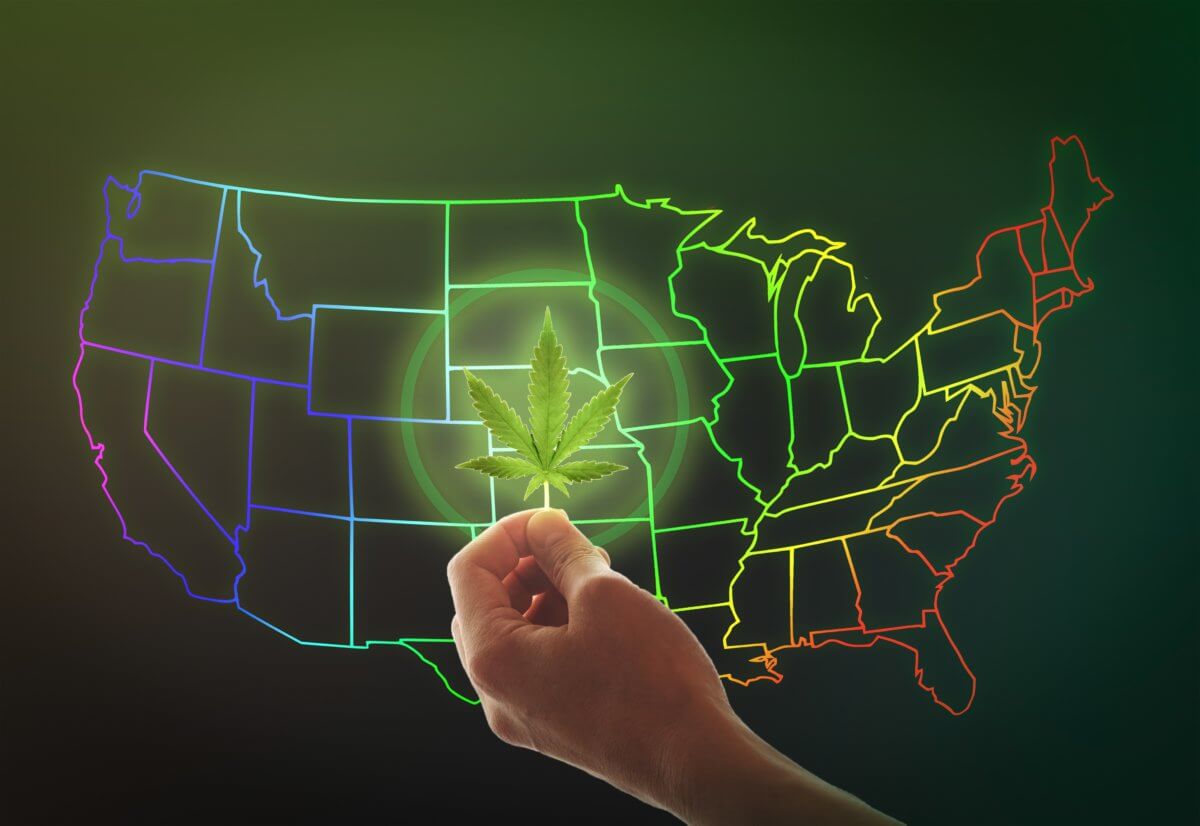
Follow NCIA
Newsletter
Facebook
Twitter
LinkedIn
Instagram
News & Resource Topics
–
This Just In
Committee Blog: Budtenders Make or Break Your Business – A No-Nonsense Guide to Cannabis Retail Staffing
Member Blog: Guaranteeing the First Loan