Join Now

NCIA Announces Leadership Transition as Founding CEO Steps Down After 15 Years

FOR IMMEDIATE RELEASE

July 23, 2025


CONTACT:

Media@TheCannabisIndustry.org

(888) 683-5650


Adam Rosenberg, Chairman of the Board: Adam@VlasicBio.com

Aaron Smith, Founding CEO: Aaron@TheCannabisIndustry.org


NCIA Announces Leadership Transition as Founding CEO Steps Down After 15 Years

Aaron Smith to pursue democracy reform work while remaining on NCIA’s board; experienced leadership team to guide next phase of growth

WASHINGTON, D.C. – The National Cannabis Industry Association (NCIA), the nation’s largest and most established cannabis trade group, today announced that its founding CEO, Aaron Smith, will step down on August 15. Smith will continue to serve on NCIA’s Board of Directors to help ensure a smooth transition and support the organization’s continued success and impact.

“It’s been the honor of a lifetime to serve this organization’s members and help build a great new American industry,” said Smith. “NCIA was founded to give cannabis businesses a seat at the policymaking table at a time when we were fighting just to be taken seriously. Today, our industry is safely serving tens of millions of adult consumers, generating billions in economic activity and tax revenue, and is more politically engaged than ever. I’m proud of what we’ve built together and look forward to supporting NCIA’s continued impact from a new vantage point.”

Smith’s departure marks a shift in organizational structure and management, with leadership transitioning to NCIA’s Board of Directors. The board is chaired by Adam Rosenberg, a longtime cannabis industry advocate, advisor, and executive at Vlasic Bioscience, an NCIA Evergreen Member since 2023.

NCIA’s Board of Directors is composed of leaders from across the legal cannabis supply chain who have been selected by the association’s broader membership. The board brings deep expertise in policy, business, and advocacy that will guide the organization through this transition and into its next phase of impact.

Additionally, the board has promoted Chief Strategy Officer Brooke Gilbert to the role of Chief Operating Officer (COO), where she will oversee all day-to-day operations, including staff and contractor management. Gilbert has served in leadership roles at NCIA for more than a decade and brings a steady hand and deep institutional knowledge to this transition.

The NCIA staff and board remain firmly committed to advancing the organization’s mission: championing policy reforms that support small and independent businesses while delivering exceptional service to members. With those goals in mind, the Board of Directors is undertaking a purposeful and thoughtful process to identify new leadership, while also supporting the organization’s next phase of growth and impact.

“NCIA is in incredibly capable hands. Brooke has been a driving force behind the scenes for years, and our board brings unmatched experience and commitment to this mission,” said Smith.

“One of NCIA’s greatest strengths is the ability to unify a diverse industry around shared priorities,” said NCIA Board Chair Adam Rosenberg. “Aaron built an organization with lasting influence, and we are grateful for his leadership. As we turn the page and enter a new era for cannabis, I am honored to lead the organization forward with such an exceptional team.”

“We are more committed than ever to delivering our members the strategic, coordinated advocacy that reflects the full potential of the cannabis movement,” added Rosenberg.

Smith’s next chapter will focus on advancing structural reforms that address political dysfunction and polarization — barriers that have long impeded federal progress on cannabis policy. He will serve as Political Director at Unite America, a leading cross-partisan organization working on electoral reforms like open primaries.

“In a sense, I’m still working on cannabis reform,” said Smith. “But I’m moving further upstream to help fix the broken political systems that have stood in the way of meaningful federal progress.”

During this transition the organization’s leadership can be reached at info@thecannabisindustry.org or (888) 683-5650. 

###

The National Cannabis Industry Association (NCIA) is the largest cannabis trade association in the U.S. and the only organization representing small and independent cannabis-related businesses at the national level. NCIA promotes the growth of a responsible, sustainable, and inclusive cannabis industry and works for a favorable social, economic, and regulatory environment for that industry throughout the United States.
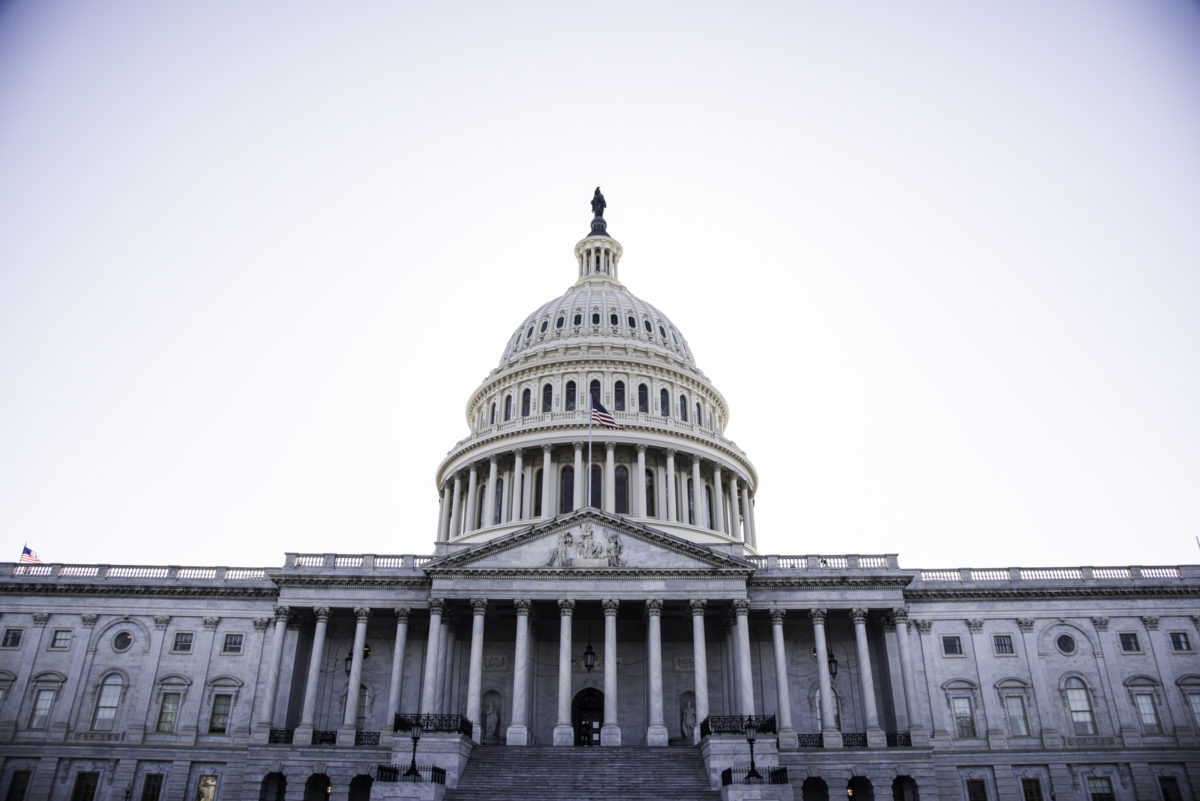

Cannabis Business Leaders Unite to Advocate for Federal Reform During 11th Annual Cannabis Industry Lobby Days in Washington, D.C.

FOR IMMEDIATE RELEASE
Wednesday, May 17, 2023

Contact:
Aaron Smith, CEO and Co-founder
(303) 223-3554
Bethany Moore, Director of Communications
(303) 223-9727

Media@TheCannabisIndustry.org

Cannabis Business Leaders Unite to Advocate for Federal Reform During 11th Annual Cannabis Industry Lobby Days in Washington, D.C.

Over 100 National Cannabis Industry Association (NCIA) members are meeting with Congressional representatives and holding a Senate staff briefing to advocate for passage of the SAFE Banking Act and raise awareness of issues facing small businesses 


Washington, DC – Cannabis business leaders from across the country are convening in Washington, D.C., for NCIA’s 11th Annual Cannabis Industry Lobby Days Wednesday, May 17, and Thursday, May 18. Over the course of the two days, over 150 pre-scheduled meetings will be held with congressional representatives to discuss the negative impact outdated federal prohibition policies have on the legal cannabis industry, which is a rapidly growing sector of the U.S. economy.

The fly-in takes place on the heels of a Senate Banking, Housing, and Urban Affairs Committee hearing on the challenges cannabis businesses and their employees face due to the lack of access to banking services, which is a result of federal marijuana law conflicting with 38 states that allow for regulated cannabis sales for medical or adult use. Advocates are calling for the passage of the Secure and Fair Enforcement (SAFE) Banking Act which would allow financial institutions to do business with the state-legal cannabis industry without running afoul of federal law.

The bipartisan SAFE Banking Act (S. 1323 & H.R. 2891) has passed out of the House seven times in previous congressional sessions with wide bipartisan margins but has yet to receive a vote in the Senate. Advocates are hopeful for the fate of the bill this year, as more than three-quarters of the Senate represents a state that would benefit from its passage — including Senate Majority Leader Chuck Schumer (D-NY) and Minority Leader Mitch McConnell (R-KY).

An Independent Community Bankers of America poll conducted by Morning Consult in September 2022 found that 71% of voters agree that cannabis-related businesses should have access to the banking system. A November 2022 Gallup survey found that 68% of Americans support making cannabis legal for adults and a recent Pew Research Center poll found that less than 10% of Americans still support marijuana prohibition.

NCIA leadership and Lobby Days participants will be available for comment at a Senate staff briefing on Thursday.

WHAT: Senate Staff Briefing on the SAFE Banking Act

WHEN: Thursday, May 18, 2023, 9:00 AM Eastern

WHERE: 325 Russell Senate Office Building, Capitol Hill, Washington, D.C.

WHO:

Chris Jackson, NCIA Board Vice-Chair & Michigan-based cannabis operator and social equity leader
Monica Gray-Fong, NCIA Board Member & COO of California-based licensed cannabis distribution and delivery service, Nice Guys Inc.
Kirk Fredrickson, CEO of 2Accept, a leading payment processor serving the cannabis industry
Adam Crabtree, Founder & CEO of NCS Analytics, a leading data analysis firm serving cannabis regulators

# # #

The National Cannabis Industry Association (NCIA) is the largest cannabis trade association in the U.S. and the only organization focused on representing small and independent cannabis-related businesses at the national level. NCIA promotes the growth of a responsible, sustainable, and inclusive cannabis industry and works for a favorable social, economic, and regulatory environment for that industry throughout the United States.

Cannabis Industry United in Support of Upcoming Cannabis Banking Hearing, Urges Action to Address Access to Capital for Small Operators

FOR IMMEDIATE RELEASE
May 10, 2023

CONTACT:

Aaron Smith, CEO and Cofounder
(888) 683-5650Aaron@TheCannabisIndustry.org

Bethany Moore, Communications Director
(240) 678-2654Communications@TheCannabisIndustry.org 

Cannabis Industry United in Support of Upcoming Cannabis Banking Hearing, Urges Action to Address Access to Capital for Small Operators

Washington, D.C. – As organizations representing the state-legal cannabis industry, the National Cannabis Industry Association (NCIA), the National Cannabis Roundtable (NCR), Minorities for Medical Marijuana (M4MM), the U.S. Cannabis Council (USCC), the Minority Cannabis Business Association (MCBA), the National Hispanic Cannabis Council (NHCC), and the American Trade Association for Cannabis and Hemp (ATACH), released the following joint statement ahead of the scheduled hearing on “Examining Cannabis Banking Challenges of Small Businesses and Workers” to be held by the U.S. Senate Committee on Banking, Housing, and Urban Affairs tomorrow morning. In March, a coalition of cannabis industry organizations wrote Senate Banking Committee leadership calling for expeditious consideration of the SAFE Banking Act upon its introduction, emphasizing the urgent need for congressional action to alleviate the barriers to accessing capital and banking services to improve public safety and support small business growth.

“We thank Chairman Brown and Ranking Member Scott for hearing our call for urgent action on the SAFE Banking Act in scheduling this week’s important hearing. This discussion could not be more timely given the industry is currently in crisis. Small operators are struggling to stay in business and compete with a growing illicit market and Chinese-backed entities that are benefitting from federal inaction on cannabis reform. By providing state-regulated cannabis businesses access to capital and the financial services afforded other domestic industries, we are giving small businesses and minority entrepreneurs an opportunity to not only survive but thrive – improving public safety and consumer health in the 38 states where cannabis is legal in some form. We look forward to continuing to work with lawmakers as the SAFE Banking Act moves forward to ensure that state-legal cannabis companies at long last are afforded meaningful access to capital when this bipartisan bill is signed into law.”

A copy of the March 21 letter can be viewed here, and the full text is included below:

Dear Chairman Brown and Ranking Member Scott:

We write today on behalf of our collective memberships of U.S. cannabis companies of all sizes operating legally within the 37 states, four territories, and the District of Columbia that have established cannabis programs. Our organizations urge the Senate Committee on Banking, Housing, and Urban Affairs to prioritize cannabis banking and access to capital issues in the 118th Congress by moving the anticipated SAFE Banking Act of 2023 through regular order.

As you know, at the end of 2022, the Senate made monumental progress in bipartisan negotiations to move forward the SAFE Banking Act of 2021. Unfortunately, the 117th Congress came to a close without a Senate vote on this vital measure, leaving domestic cannabis companies and the hundreds of thousands of jobs they support nationwide at severe risk of being continually targeted by criminal activity. Further still, these businesses had to institute massive layoffs due to a lack of access to the financial resources needed to support their continued business operations. For these reasons, we respectfully request that the Senate Banking Committee immediately schedule a hearing to discuss the lack of access to banking and other financial resources that is harming the U.S. cannabis industry and advance bipartisan legislation expeditiously to improve public safety and provide much-needed access to capital to these businesses.

The U.S. cannabis industry supports more than half a million full-time jobs across the country, with retail sales projected to surpass $50 billion by the end of 2026. Whether large or small, located in a red state or blue, those directly operating in the domestic cannabis industry all agree that the continued lack of access to capital and traditional financial services is the number one issue hindering the ability of entrepreneurs to enter the space, for small businesses to succeed, and for businesses to reduce the cash-heavy nature of their operations that makes them targets for criminal activity.

The cannabis industry is strictly regulated and therefore has an extremely high cost for entry, with many entrepreneurs faced with short windows of opportunity to secure the financial resources needed to convert a license into operation. If and when they are able to become operational, these businesses continue to face higher operating expenses as they remain in compliance with costly regulatory requirements on an ongoing basis and face additional, costly barriers to accessing banking and financial resources. Additionally, these businesses have extensive security costs due to being forced to operate in a cash-heavy manner without equal access to banking services and the inability for customers to utilize credit cards for payments.

Without equal access to traditional financial institutions, a majority of cannabis businesses are left to seek capital through private sources, with limited funding opportunities. For those who do secure private financing, they are often faced with predatory interest rates or forced to give up large shares of their companies. With the SAFE Banking Act of 2023, Congress must allow domestic cannabis companies to access to the regulated financial institutions and services afforded other domestic industries, including but not limited to depository services, lenders, debt and equity financing, insurance, broker dealers, capital markets and investment services, fiduciaries, credit card and payment processing. With access to capital, the domestic cannabis industry will have the opportunity for equitable growth, creating jobs and economic development in communities across the U.S.

As the leaders of the Senate Banking Committee, you have the opportunity to reject the status quo and advance meaningful, bipartisan policy to provide the domestic cannabis industry with the financial fairness and equal opportunities needed to support economic growth, all while making our communities safer by reducing the barriers that require these businesses to operate in cash-heavy manners.

We look forward to working with you both to move the SAFE Banking Act through regular order to allow for its full consideration and passage by the U.S. Senate following its passage by the U.S. House of Representatives on numerous occasions.


Sincerely,

National Cannabis Roundtable (NCR)
National Cannabis Industry Association (NCIA)
U.S. Cannabis Council (USCC)
Minority Cannabis Business Association (MCBA)
National Hispanic Cannabis Council (NHCC)

# # #

The National Cannabis Industry Association (NCIA) is the largest cannabis trade association in the U.S. and the only organization focused on representing small and independent cannabis-related businesses at the national level. NCIA promotes the growth of a responsible, sustainable, and inclusive cannabis industry and works for a favorable social, economic, and regulatory environment for that industry throughout the United States.
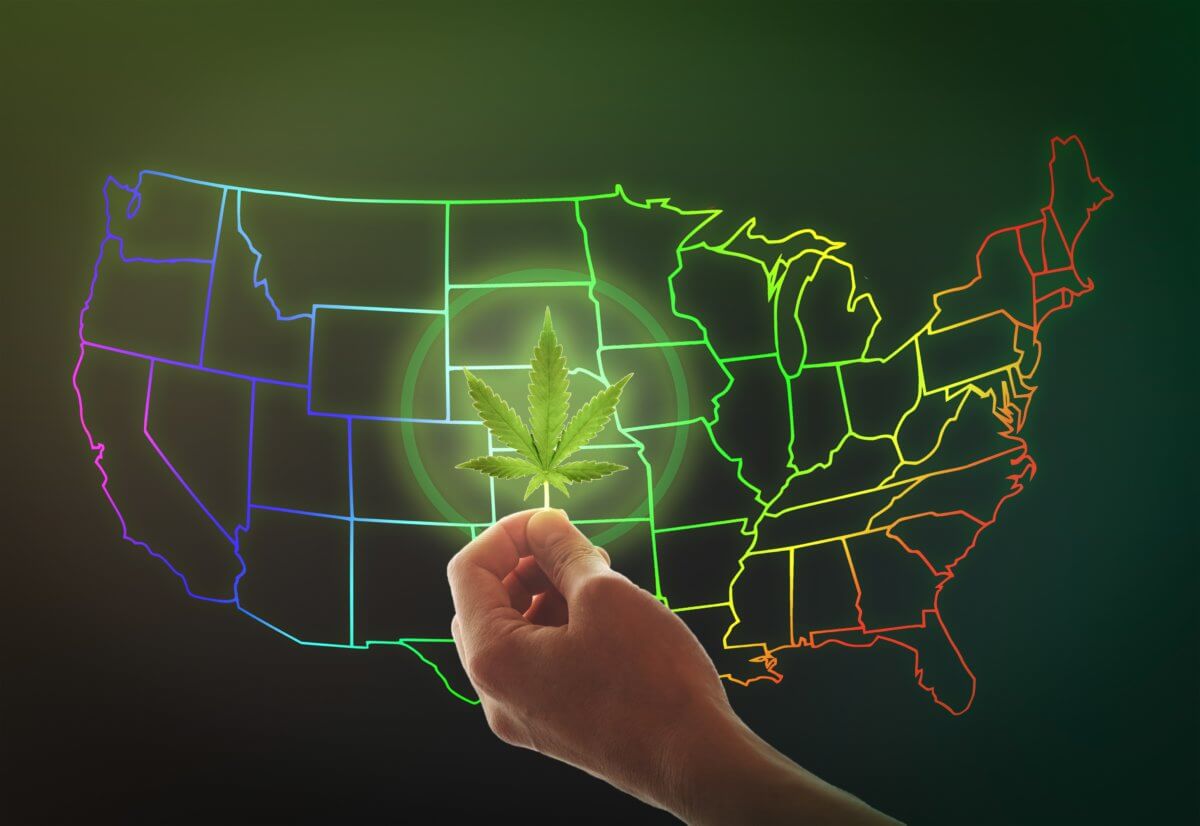
Cannabis Industry Unites To Urge Action On SAFE Banking, Address Lack Of Access To Capital

FOR IMMEDIATE RELEASE
March 21, 2023 

CANNABIS INDUSTRY UNITES TO URGE ACTION ON SAFE BANKING, ADDRESS LACK OF ACCESS TO CAPITAL


Washington, D.C. – Today, the National Cannabis Roundtable (NCR), the National Cannabis Industry Association (NCIA), the US Cannabis Council (USCC), the Minority Cannabis Business Association (MCBA), and the National Hispanic Cannabis Council (NHCC), united to call on Congress to act to address the continued lack of equitable access to banking and capital for cannabis related businesses. As organizations representing the state-legal cannabis industry, the coalition’s letter calls on the leadership of the U.S. Senate Committee on Banking, Housing, and Urban Affairs to expeditiously take action on the bipartisan SAFE Banking Act upon its reintroduction, highlighting the urgent need for congressional action to alleviate the barriers to accessing capital and banking services to improve public safety and support economic growth.

This letter comes in advance of an educational briefing being held on March 29th on Capitol Hill being hosted by NCRNCIAUSCC, and the American Trade Association for Cannabis and Hemp (ATACH), which will provide a collaborative introduction to the cannabis industry and the most impactful federal policy priorities for new congressional offices as federal cannabis reform continues to be debated in the 118th Congress.

A copy of the letter can be viewed here, and the full text is included below:

Dear Chairman Brown and Ranking Member Scott:

We write today on behalf of our collective memberships of U.S. cannabis companies of all sizes operating legally within the 37 states, four territories, and the District of Columbia that have established cannabis programs. Our organizations urge the Senate Committee on Banking, Housing, and Urban Affairs to prioritize cannabis banking and access to capital issues in the 118th Congress by moving the anticipated SAFE Banking Act of 2023 through regular order.

As you know, at the end of 2022, the Senate made monumental progress in bipartisan negotiations to move forward the SAFE Banking Act of 2021. Unfortunately, the 117th Congress came to a close without a Senate vote on this vital measure, leaving domestic cannabis companies and the hundreds of thousands of jobs they support nationwide at severe risk of being continually targeted by criminal activity. Further still, these businesses had to institute massive layoffs due to a lack of access to the financial resources needed to support their continued business operations. For these reasons, we respectfully request that the Senate Banking Committee immediately schedule a hearing to discuss the lack of access to banking and other financial resources that is harming the U.S. cannabis industry, and advance bipartisan legislation expeditiously to improve public safety and provide much-needed access to capital to these businesses.

The U.S. cannabis industry supports more than a half a million full-time jobs across the country, with retail sales projected to surpass $50 billion by the end of 2026. Whether large or small, located in a red state or blue, those directly operating in the domestic cannabis industry all agree that the continued lack of access to capital and traditional financial services is the number one issue hindering the ability for entrepreneurs to enter the space, for small businesses to succeed, and for businesses to reduce the cash-heavy nature of their operations that makes them targets for criminal activity.

The cannabis industry is strictly regulated and therefore has an extremely high cost for entry, with many entrepreneurs faced with short windows of opportunity to secure the financial resources needed to convert a license into operation. If and when they are able to become operational, these businesses continue to face higher operating expenses as they remain in compliance with costly regulatory requirements on an ongoing basis and face additional, costly barriers to accessing banking and financial resources. Additionally, these businesses have extensive security costs due to being forced to operate in a cash-heavy manner without equal access to banking services and the inability for customers to utilize credit cards for payments.

Without equal access to traditional financial institutions, a majority of cannabis businesses are left to seek capital through private sources, with limited funding opportunities. For those who do secure private financing, they are often faced with predatory interest rates or forced to give up large shares of their companies. With the SAFE Banking Act of 2023, Congress must allow domestic cannabis companies to access to the regulated financial institutions and services afforded other domestic industries, including but not limited to depository services, lenders, debt and equity financing, insurance, broker dealers, capital markets and investment services, fiduciaries, credit card and payment processing. With access to capital, the domestic cannabis industry will have the opportunity for equitable growth, creating jobs and economic development in communities across the U.S.

As the leaders of the Senate Banking Committee, you have the opportunity to reject the status quo and advance meaningful, bipartisan policy to provide the domestic cannabis industry with the financial fairness and equal opportunities needed to support economic growth, all while making our communities safer by reducing the barriers that require these businesses to operate in cash-heavy manners. 

We look forward to working with you both to move the SAFE Banking Act through regular order to allow for its full consideration and passage by the U.S. Senate following its passage by the U.S. House of Representatives on numerous occasions.


Sincerely,

National Cannabis Roundtable (NCR)
National Cannabis Industry Association (NCIA)
U.S. Cannabis Council (USCC)
Minority Cannabis Business Association (MCBA)
National Hispanic Cannabis Council (NHCC)


###

NCIA’s Social Equity Roundtable Urges New York Governor To Extend Cannabis Pardons

FOR IMMEDIATE RELEASE
Tuesday, November 15, 2022

CONTACT:

Mike Lomuto, DEI Manager
(415) 335-2436MikeLomuto@TheCannabisIndustry.org
Bethany Moore, Director of Communications
(303) 223-9727Bethany@TheCannabisIndustry.org


NCIA’s Social Equity Roundtable Urges New York Governor To Extend Cannabis Pardons

Letter urges Governor Hochul to extend a pardon to all individuals convicted of marijuana offenses and release all nonviolent cannabis prisoners

WASHINGTON, D.C. – Recently, President Biden pardoned thousands of people convicted of simple marijuana possession under federal law. In response, the organizations and businesses of the National Cannabis Industry Association’s (NCIA) New York Social Equity Roundtable have submitted a letter to Governor Hochul (D-NY) strongly urging her to extend a pardon to all individuals who have been convicted of cannabis offenses under New York State law, including ordering the release of all nonviolent cannabis prisoners who are currently detained in the state.

Since early 2022, NCIA has been conducting an ongoing roundtable discussion, consisting of multiple national- and New York-based cannabis social equity and industry organizations to assess the state’s proposed rules and regulations and provide feedback related to issues affecting potential social equity operators. The roundtable’s goal is to provide sensible and workable regulations that keep diversity, inclusion, and social equity at the center of the opportunities presented in New York State.

The full text of the Roundtable’s open letter is available online.

###

The National Cannabis Industry Association (NCIA) is the largest cannabis trade association in the U.S. and the only organization broadly representing cannabis-related businesses at the national level. NCIA promotes the growth of a responsible and legitimate cannabis industry and works toward a favorable social, economic, and legal environment for that industry in the United States.

Voters Advance Cannabis Policy Reform in Maryland and Missouri

FOR IMMEDIATE RELEASE
Wednesday, November 9, 2022

CONTACT:

Aaron Smith, CEO and Co-founder
(303) 223-3554, Aaron@TheCannabisIndustry.org
Bethany Moore, Director of Communications
(303) 223-9727, Bethany@TheCannabisIndustry.org

Voters Advance Cannabis Policy Reform in Maryland and Missouri

Nearly Half of Americans to Live in a State Where Cannabis is Legal for Adults 

WASHINGTON, D.C. – Voters have approved measures making cannabis legal and regulated for adults in Maryland and Missouri. After last night’s election, 21 states and Washington, D.C. have legalized cannabis for adult use and more than 48% of all Americans now live in a state that has ended marijuana prohibition.

As of press time, Maryland’s Question 4 garnered 65.5% of the vote and Missouri’s Amendment 3 passed with 53.9% of the vote. Both initiatives will legalize cannabis for adults over 21 and establish a system to tax and regulate sales and production throughout the state. Reform initiatives were also on the ballots in Arkansas and the Dakotas but were ultimately rejected.

Advocates point to the win in Missouri during a midterm election favoring conservatives as confirmation that support for marijuana policy reform transcends partisan politics.

“Voters in both red and blue America agree that it’s time to enact sensible cannabis laws that replace prohibition with regulations that protect public health and safety while fostering a vibrant small business sector that can create jobs and new tax revenue for their communities,” said Aaron Smith, co-founder and chief executive officer of the National Cannabis Industry Association. “With nearly half of Americans now living in a state with legal cannabis, it’s long past time to harmonize federal law with the growing number of popular state cannabis programs across the country. The first step toward realizing that goal would be to enact the bi-partisan SAFE Banking Act.”

The SAFE Banking Act is federal legislation that would make it easier for financial institutions to do business with the legal cannabis industry. The House of Representatives has approved its version of the bill (H.R. 1996) seven times but the Senate has yet to take up the bill (S. 910).

The SAFE Banking Act has garnered 42 senate co-sponsors, including nine Republicans. 

These most recent electoral victories for cannabis reform come as public support for legalization is at an all-time high. A 2021 Gallup survey found that more than two-thirds of Americans (68%) support making cannabis legal and a more recent Pew Research poll found less than 10% of Americans still supporting federal prohibition.

Laws to make cannabis legal for adults have passed in 21 states as well as the District of Columbia and the territories of CNMI and Guam, and 37 states as well as several territories have comprehensive medical cannabis laws. The substance is legal in some form in 47 states.

###

The National Cannabis Industry Association (NCIA) is the largest cannabis trade association in the U.S. and the only organization representing small cannabis businesses at the national level. NCIA promotes the growth of a responsible, sustainable, and inclusive cannabis industry and works for a favorable social, economic, and regulatory environment for that industry throughout the United States.
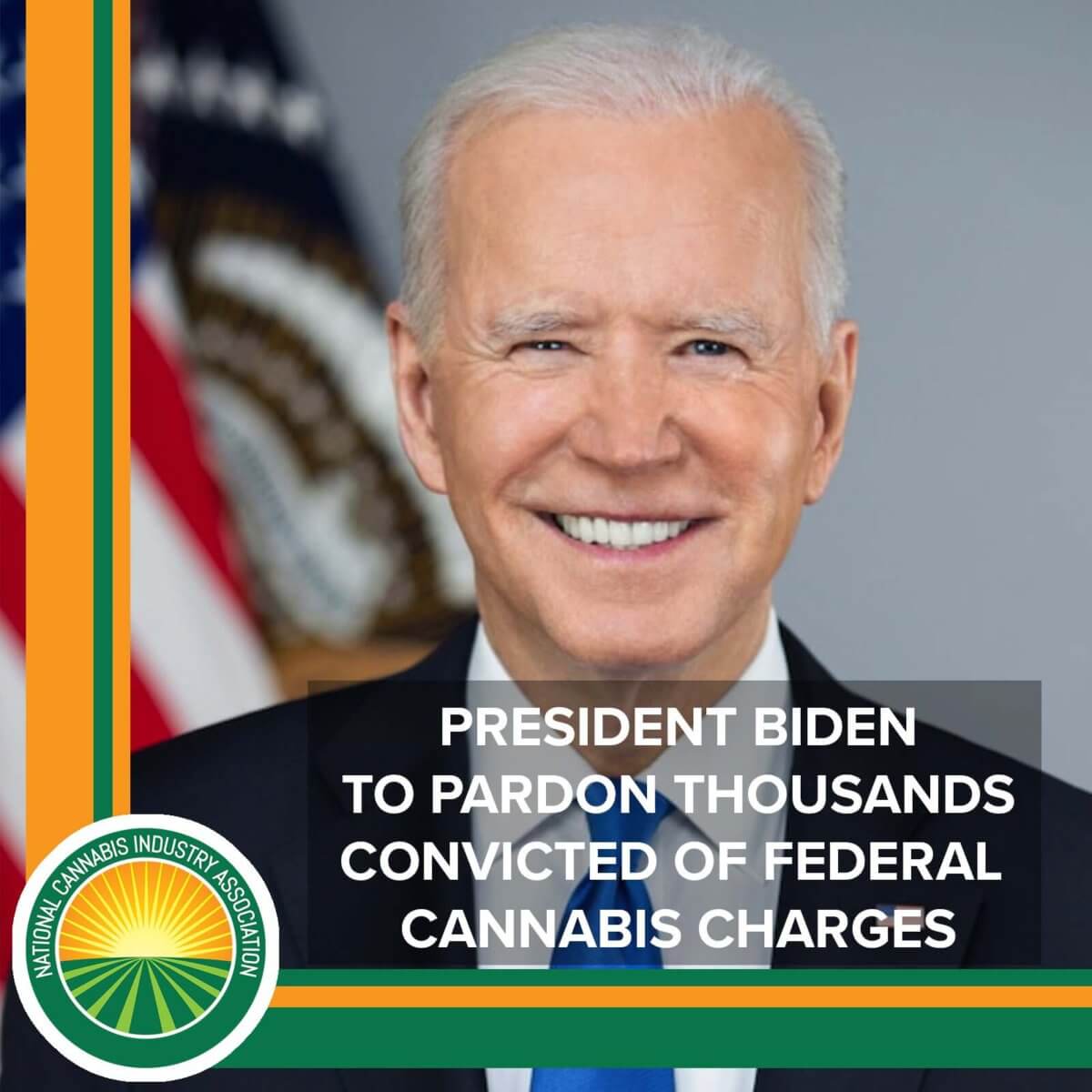
 

Cannabis Industry Advocates Applaud White House Marijuana Announcement 

FOR IMMEDIATE RELEASE
Thursday, October 6, 2022

Aaron Smith, CEO and Co-founder
(303) 223-3554
Bethany Moore, Director of Communications
(303) 223-9727

Communications@TheCannabisIndustry.org 


Cannabis Industry Advocates Applaud White House Marijuana Announcement 

Biden pledges record pardons for nonviolent cannabis use or possession; further reclassification on Controlled Substances Act 

WASHINGTON, D.C. – Today, President Biden made an unprecedented announcement that his administration would begin the process for the pardoning of thousands of people with nonviolent marijuana use or possession convictions, and would begin the process of working with the Department of Health and Human Services to reclassify marijuana from a Schedule I drug in the Controlled Substances Act.

“We commend this important and necessary step to begin the process of repairing the harms of prohibition and look forward to working with Congress and the administration to develop policies that would ultimately solve the underlying problems in our outdated cannabis policies,” stated Aaron Smith, Co-founder and CEO of the National Cannabis Industry Association. “It’s imperative that we finally harmonize state and federal laws so that Main Street cannabis businesses can supplant underground markets and nobody is ever again put behind bars for a nonviolent marijuana crime. Removing cannabis from the federal Controlled Substances Act is the only way to achieve those goals.”

This announcement comes on the heels of NCIA’s successful 10th Annual Cannabis Industry Lobby Days held in mid-September, where 100 cannabis industry professionals, representing small and medium-sized businesses including social equity operators, met with more than 100 Congressional offices to discuss barriers faced by the industry stemming from marijuana prohibition.

This recent move by President Biden reflects modern public opinion on the issue. According to a recent Pew Research poll, less than 10% of Americans support federal marijuana prohibition.

Laws making cannabis legal for adults have passed in 19 states as well as the District of Columbia and the territories of CNMI and Guam, and 37 states, as well as several territories, have comprehensive medical cannabis laws. The substance is legal in some form in 47 states.

###


The National Cannabis Industry Association (NCIA) is the largest cannabis trade association in the U.S. and the only organization representing small cannabis businesses at the national level. NCIA promotes the growth of a responsible, sustainable, and inclusive cannabis industry and works for a favorable social, economic, and regulatory environment for that industry throughout the United States.
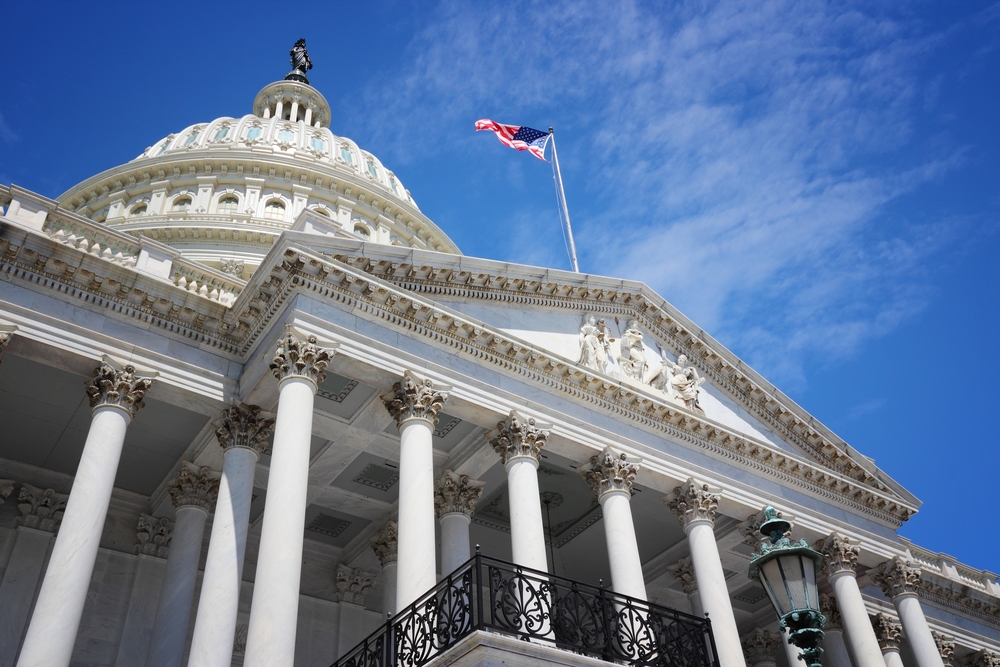
 

Over a hundred Cannabis Business Leaders to Advocate for Federal Reform During 10th Annual Cannabis Industry Lobby Days

FOR IMMEDIATE RELEASE
DATE: Wednesday, September 14, 2022

Contact:
Aaron Smith, CEO and Co-founder
(303) 223-3554
Bethany Moore, Director of Communications
(303) 223-9727
Communications@TheCannabisIndustry.org 


Over a hundred Cannabis Business Leaders to Advocate for Federal Reform During 10th Annual Cannabis Industry Lobby Days

National Cannabis Industry Association members are meeting with Congressional representatives to press for passage of the SAFE Banking Act and raise awareness of issues facing small cannabis businesses. 

Washington, DC – Cannabis business leaders from across the country are convening in Washington, D.C., for the National Cannabis Industry Association’s 10th Annual Cannabis Industry Lobby Days Wednesday, September 14. Over the course of the day, over 100 meetings will be held with Congressional representatives to discuss the negative impact outdated federal prohibition policies have on the legal cannabis industry, which is a rapidly growing sector of the U.S. economy. 

The fly-in takes place amid continued support for regulated marijuana markets, which now include 37 states with some form of medical cannabis laws, and 19 states with adult-use cannabis laws. Lobby Days participants will be advocating for the passage of the SAFE Banking Act (S. 910) in the Senate. The legislation, which has been approved by the House seven times, would provide safe harbor to financial institutions that bank legal cannabis businesses.

Current federal banking regulations have forced much of the legal cannabis industry to operate on a cash-only basis and have led to a rise in predatory lending, as industry operators are left without traditional financing options. Advocates are hopeful that the Senate will take action to resolve these issues by passing the SAFE Banking Act before the end of the year.

“Every legal business deserves the same access to the same resources as any other — resources like bank accounts, loans, payment processing, and so much more,” said Sen. Jeff Merkley (D-OR). “When it comes to cannabis, the country is changing fast and it’s long past time that our federal laws caught up. With more and more states across the country voting to change their cannabis laws, we cannot keep forcing these legitimate businesses to operate entirely with cash. This is a nonsensical rule that is an open invitation to robbery and money laundering. Let’s make 2022 the year that we get this bill signed into law so we can ensure that all legal cannabis businesses have access to the financial services they need to help keep their employees and communities safe.”

“This is a public safety issue — when legal Montana cannabis businesses don’t have a way to safely conduct business and are forced to operate in all cash our communities become vulnerable to crime. Our bipartisan bill provides the needed certainty for Montana businesses to freely use banks, credit unions and other financial institutions without worrying about punishment,” said Sen. Steve Daines (R-MT). “I stand with the attorneys general across America that want to increase public safety and reduce crime — it’s time we pass our bipartisan SAFE Banking Act.

“Nine years after first introducing legislation to allow cannabis businesses access to the banking system, the $25 billion industry is still forced to operate primarily in cash. That’s not right. We need to save lives and create a more equitable industry, and in order to do so, the Senate needs to pass SAFE Banking,” added lead House SAFE Banking Act author, Rep. Ed Perlmutter (D-CO). “From now until the end of the year, there’s a real opportunity to take a meaningful first step in enacting some sort of commonsense cannabis reform. I implore my colleagues in the Senate to do so.”

“The legal cannabis industry proudly promotes public health and safety but outdated federal banking policies put our employees and customers in harm’s way by forcing much of the industry to operate exclusively in cash while also unfairly limiting access to capital and financing options, which disproportionately impacts small and minority-owned businesses,” stated Aaron Smith, National Cannabis Industry Association CEO and co-founder. “The SAFE Banking Act enjoys broad bipartisan support because it is sensible, narrowly-crafted legislation that simply harmonizes federal banking policy with the laws on the books in the vast majority of U.S. states which allow for some form of legal cannabis access. The Senate needs to take swift action and pass this legislation which is widely supported by a super majority of Americans across the political spectrum.”

A recent Pew Research Center poll found that less than 10% of Americans still support marijuana prohibition, with 60% wanting cannabis legal for medical and adult-use and 31% supporting legalization for medical use only. 

The Cannabis Industry Lobby Days will include a press conference with business leaders and members of Congress at the Senate Swamp on Wednesday, September 14 at 12:30 PM (EDT). National Cannabis Industry Association staff and members will be available to the media throughout the two days. Speakers include Sen. Jeff Merkley (D-OR), Rep. Ed Perlmutter (D-CO), NCIA CEO Aaron Smith, and various industry voices including social equity operators.

# # #

The National Cannabis Industry Association (NCIA) is the largest cannabis trade association in the U.S. and the only one representing small cannabis businesses at the national level. NCIA promotes the growth of a responsible, sustainable, and inclusive cannabis industry and works for a favorable social, economic, and regulatory environment for that industry throughout the United States.

NCIA Launches ‘Allied Associations Program’ to Coordinate with Local Trade Organizations

New program will provide participants with training and education and help bring regional issues into the national cannabis policy conversation


WASHINGTON, D.C. – The National Cannabis Industry Association is pleased to announce the official launch of its new Allied Associations Program (AAP) designed to facilitate cooperation and assistance to state and local trade organizations representing the cannabis industry. The AAP provides the means for the leaders and staffs of NCIA and Allied Associations to learn from, work with, and support each other in their mutual efforts to build the cannabis industry within the states and across the country.

The ultimate goal of the AAP is to develop closer relationships between NCIA with state, local, and sector-specific trade associations to harness our collective knowledge, and work together to advance the cannabis industry. As the only national trade association for the cannabis industry, NCIA is uniquely qualified and positioned to help those trade associations thrive and be as effective as possible for their memberships.

Allied Associations will be able to participate in complimentary workshops and information sessions hosted by NCIA, as well as monthly updates on NCIA’s work and any relevant legal or policy updates. Organizations will receive complimentary tickets to NCIA’s regular events and will get exclusive discount codes to all events to share with their members. The first workshop will take place during the upcoming 5th Annual Cannabis Business Summit in San Jose, CA on July 25-27.

As part of the AAP launch, NCIA’s two state affiliates — California Cannabis Industry Association (CCIA) and NCIA of Ohio (NCIAO) — are transitioning into the program as founding members. Members of CCIA and NCIAO are encouraged to maintain memberships with both NCIA and their state associations in order to continue supporting the important work each organization is doing to defend cannabis businesses and to enjoy the membership benefits offered by of both.

“CCIA is excited to help launch the new Allied Association Program with NCIA,” said Lindsay Robinson, executive director of the California Cannabis Industry Association. “Ever since California’s regulatory roll out, we have been considering the best way to focus our efforts on building a successful industry in our state and we welcome this opportunity to further align our work with the goals and objectives of our members.”

“Transitioning into the Allied Associations Program will provide NCIA of Ohio the flexibility needed to address the problems facing Ohio’s program as it prepares to launch,” said Thomas Rosenberger, executive director of NCIA of Ohio. “We’re excited for the opportunities this program will provide and look forward to working with NCIA and other Allied Associations to further advance the cannabis industry.”

Organizations that have already become Allied Associations include the Marijuana Industry Trade Association of Arizona (MITA AZ), Association of Cannabis Professionals (ACP), Texas Cannabis Industry Association (TCIA), Missouri Cannabis Industry Association, Las Vegas Medical Marijuana Association (LVMMA), Louisiana Cannabis Association, Craft Cannabis Alliance (CCA), Coachella Valley Cannabis Alliance Network (CVCAN), Oregon Retailers of Cannabis Association (ORCA), The Cannabis Alliance (The Alliance), Washington Sungrowers Industry Association (WSIA), California Growers Association (CGA), California Cannabis Industry Association (CCIA), NCIA of Ohio, and Asian Americans for Cannabis Education.

This site uses cookies. By using this site or closing this notice, you agree to the use of cookies and our privacy policy.