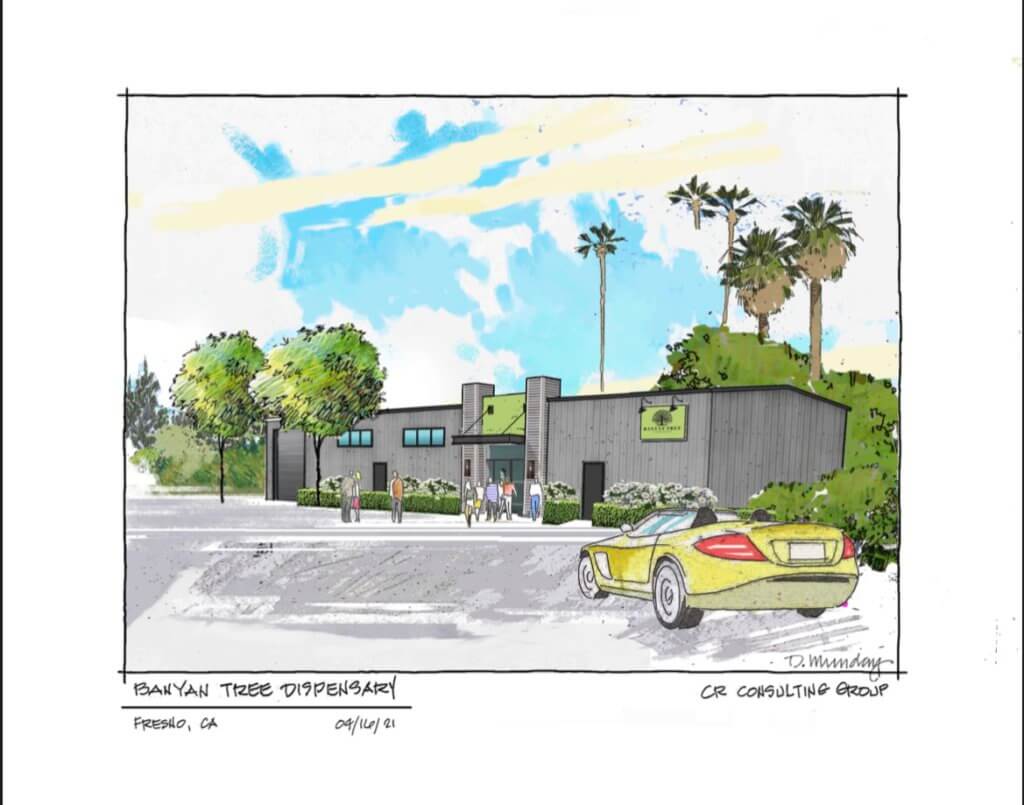
Equity Member Spotlight: Banyan Tree Dispensary – Adolfo “Ace” Castillo
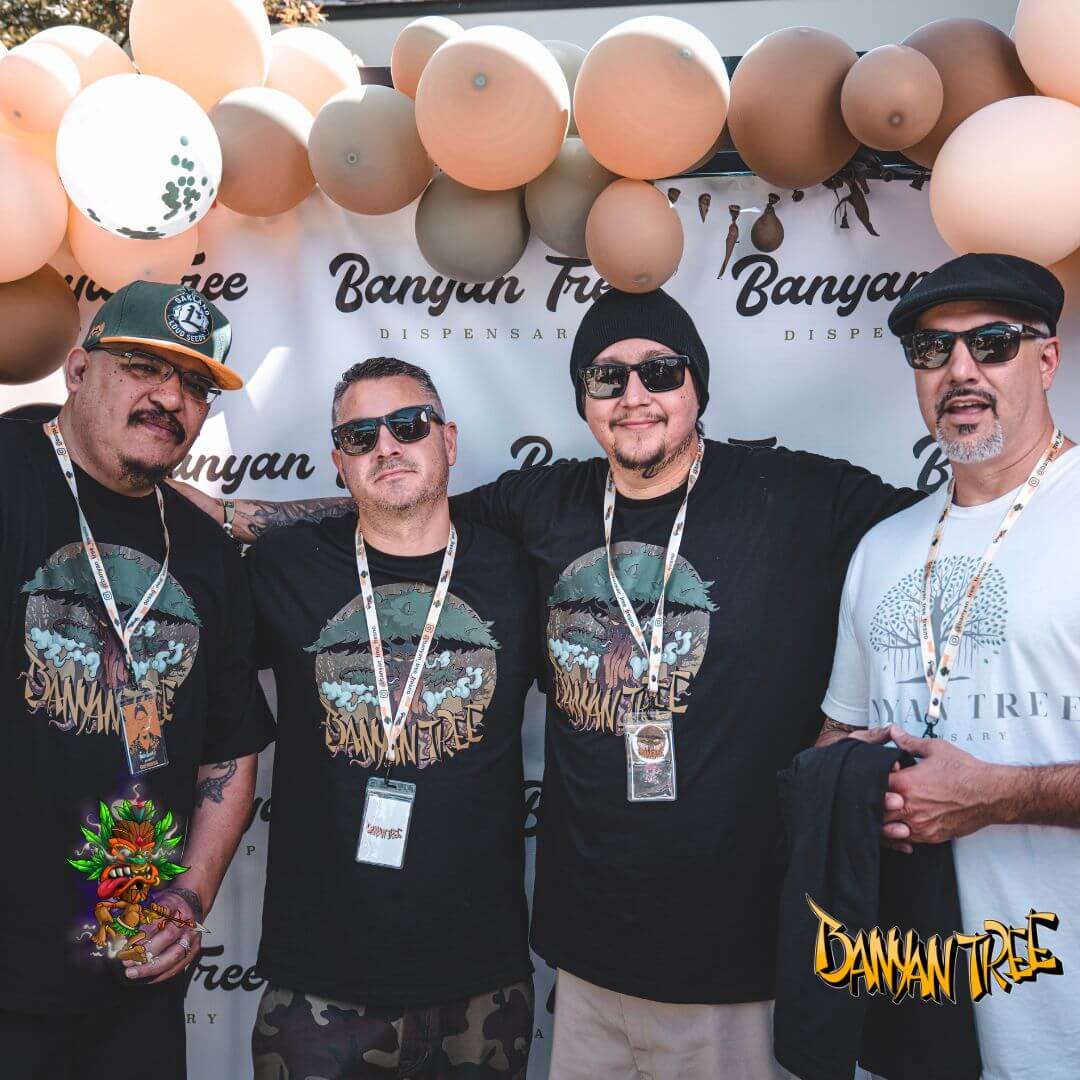
 NCIA’s editorial department continues the Member Spotlight series by highlighting our Social Equity Scholarship Recipients as part of our Diversity, Equity, and Inclusion Program. Participants are gaining first-hand access to regulators in key markets to get insight on the industry, tips for raising capital, and advice on how to access and utilize data to ensure success in their businesses, along with all the other benefits available to NCIA members.
Tell us a bit about you, your background, and why you launched your company.

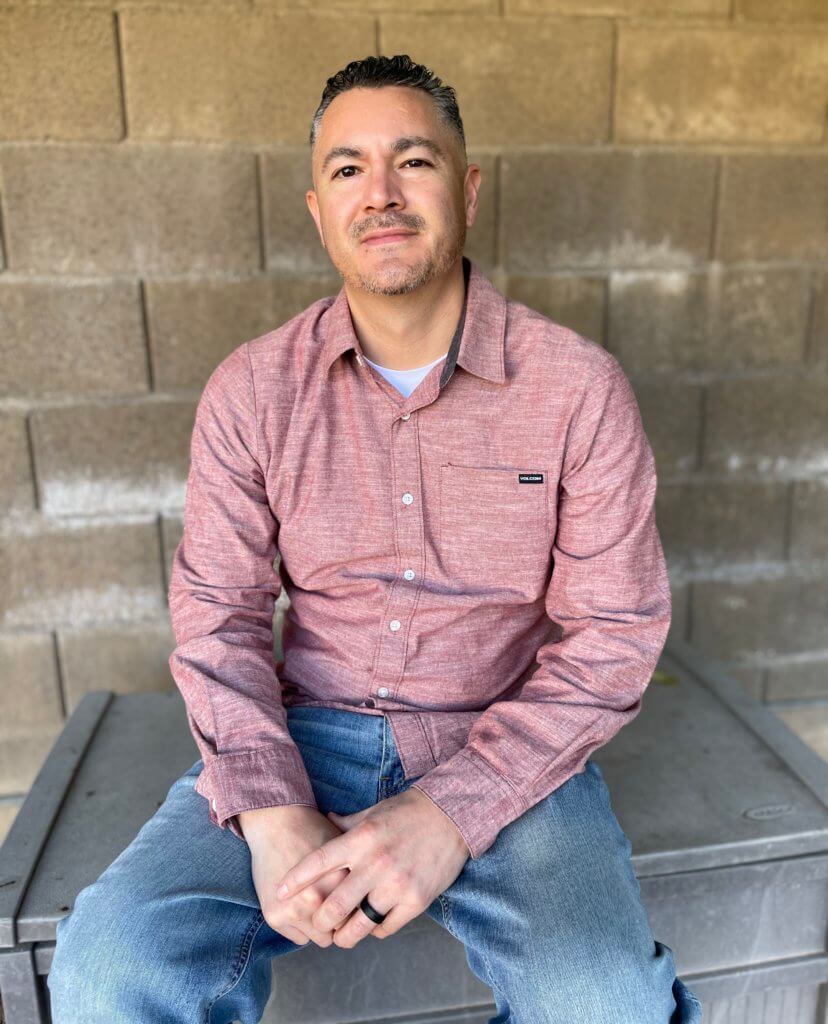 My name is Adolfo Castillo. People who know me call me Ace. Before I started my first cannabis business, I had a 10-year career in the banking industry. I started in a call center as a customer service associate. I then moved into a traditional banking center where I learned sales and eventually became the assistant manager. It was at the end of my tenure in 2008 that my Tia Eloise was diagnosed with terminal cancer. At the request of my mother, she asked me to get some cannabis in hopes that it would help her sister eat. Although it did not cure cancer, it really helped her appetite and gave her a bit of relief. Unfortunately, my Tia Eloise lost that battle, but it was the relief that I was able to provide that helped bring me peace when she passed away. This all happened around the same time that bill SB 420 was signed into California law, establishing statewide guidelines for Prop. 215. This law paved the way for cooperatives and collectives to begin operating legally in my city. It was at that moment that my love for cannabis became a passion. I felt a need to help more people gain access to cannabis, so I partnered with a friend of mine who sold weed and I took what I had learned about business and applied it to opening my first medical cannabis dispensary.
What unique value does your company offer to the cannabis industry?
I named the dispensary Banyan Tree after an experience I had in Maui about 13 years ago. It was my first visit to Maui so I decided not to bring any cannabis products to avoid any problems at the airport. When I arrived, I asked a few locals where I could find some good smoke and they all pointed me to the Banyan Tree. It was true. As soon as I found the Banyan Tree, I could tell this was the place to be. The smell was in the air and I met some really nice Hawaiians who were happy to hook me up. I want our guests to have the same experience when they visit our dispensary. Banyan Tree is a destination. A place where friends can meet to find quality cannabis.
As a local native, I understand the cannabis culture in my town. The legacy market has thrived for so long in Fresno. One of our biggest challenges will be convincing medicinal users and cannabis connoisseurs to buy their cannabis from a licensed facility and not from the streets. In order to create the best experience possible, it starts with a well-trained, knowledgeable staff. I am lucky to have two educators on my team who have helped me put together a robust employee development program that will ensure that the Banyan Tree staff will be primed for success.
My goal for Banyan Tree is to be the #1 dispensary to work for. I truly believe that the success of your business relies heavily on its employees. I want our employees to have purpose and feel proud of the work they do. Banyan Tree was built upon the idea of helping our surrounding community achieve wellness and enjoyment through cannabis. When you come to Banyan Tree, you will not be rushed, you will feel safe, your questions will be answered, and the price you pay will not shock you.
What is your goal for the greater good of cannabis?
I am hopeful that I will see full legalization in my lifetime. As a cannabis business operator, I would like cannabis to be recognized as a normal commodity and not this taboo substance that has so much negativity around it and red tape. As a business owner, I would like cannabis commerce to transact and be accepted without any special rules in regards to banking and filing federal income tax. As outdated stereotypes are finally fading away, more and more consumers view cannabis as an integral part of their health and wellness routine. I’m confident that in 20 years we will look back at the history of cannabis and just laugh at all the nonsensical rules surrounding cannabis in the early 2000s.
What kind of challenges do you face in the industry and what solutions would you like to see?
Most cannabis operations are running all-cash businesses because mainstream, national banking institutions are not willing to support a federally illegal industry. A small number of state-chartered banks and credit unions have offered financial services to compliant operations, but establishing these relationships continues to be a significant challenge for operators.
An equally frustrating financial challenge is IRS Tax Code 280E, which states that “no deduction or credit shall be allowed in running a business that consists of trafficking a controlled substance.” This archaic code impacts cannabis businesses across the nation, causing unnecessary fiscal and operational stress.
Why did you join NCIA? What’s the best or most important part about being a member through the Social Equity Scholarship Program?
I joined NCIA through the Social Equity Scholarship program to extend my network of cannapreneurs and to help develop best practices and guidelines that will shape the future of our industry. I would say for me, the best part of being a member of NCIA is the synergy. One of my favorite parts of the program is the “Power Hour.” Each week, Mike Lomuto hosts a zoom meeting dedicated to Social Equity members. It is where we have an opportunity to share ideas and find solutions to the issues we all face in our industry. I am very capable, but I recognize that by fostering relationships and collaborating with others in my industry, I can achieve far more than I could ever achieve on my own.
Committee Blog: Cannabis And Cancer – As We Go Forward (Part 1)
 by Ann Allworth, Ph.D. And Cynthia Shelby-lane, M.D.
Members of NCIA’s Scientific Advisory Committee
No part of the following information should be construed as medical advice on the part of NCIA.
As a cannabis industry professional, you’ve probably been asked the question: “Is it true that cannabis cures cancer?” If we know someone who has cancer and benefited from using cannabis, we may say “cannabis aids in the treatment of cancer.” However, medical research has not indicated that cannabis cures cancer. NCIA’s Scientific Advisory Committee is reviewing the scientific data related to cannabis as an additional treatment to traditional care in the management of cancer.
Our three-part blog aims to give you accurate and up to date information about cannabis and cancer by looking at the federal regulations governing cannabis research; reviewing past, current, and future research; a review of how our cells and the endocannabinoid system (ECS) work together to disable cancerous cells; and looking at institutions involved in cannabis studies.
According to the CDC, cancer is the second leading cause of death in the United States and second on the WeedMaps list of most common conditions that qualify you for a medical cannabis card. This is interesting, but really not a surprise as archeological evidence suggests this sacred plant has been used for medicinal purposes for thousands of years. According to the Pen Tsao Ching, written nearly 5,000 years ago, cannabis is recommended for many of the same diseases and conditions that occupy the current composite qualifying lists in the states where cannabis is legal for medical purposes. This history magnifies the significance of the endocannabinoid system, a little-known, but incredibly important system that maintains balance in our bodies at the cellular level.
Cancer is a disease that begins when the cells of our body go completely out of balance. Instead of following the instructions of their genes, cancer cells become destructive to the body they live in. Cancer starts when one or a small group of cells begin growing out of control. It takes many forms, including blood cancers (leukemia, lymphomas), bone cancer, skin cancer, and solid tumors (e.g., stomach, lung, breast, prostate, ovary). Depending on how aggressive the cancer is, it may metastasize, meaning it can spread throughout the body.
Cancer Diagnosis
If you or someone you know is diagnosed with cancer, always get a second opinion. Be sure when choosing a doctor or Cancer Center that they have solid knowledge of all treatment options for your type of cancer, and understand that diet and lifestyle are critically important for healing.
If you want to use cannabis as a cancer treatment, find a doctor who is knowledgeable about how cannabis can affect the metabolism and effectiveness of chemotherapy and understands the invaluable medicinal benefits. For example, cannabis can alleviate symptoms associated with cancer treatments including pain, nausea, vomiting, weight loss, numbness, tingling, and anxiety. A summary of patterns of cannabis use among cancer patients in the United States can be found here, along with a brief review about patterns of use of medical cannabis among Israeli cancer patients.
Cancer treatment depends largely on the type of cancer, its stage, and what your doctor recommends. The most common treatments are surgery, chemotherapy, and radiation therapy. There are several more advanced treatment options but few insurance companies cover them. Chemotherapy and radiation therapy have significant and unpleasant side effects because healthy cells are often destroyed in the process of killing cancer cells.
The Current State of Cannabis and Cancer Research
Under the existing political and legal landscape, cannabis research has faced multiple hurdles. Currently, little to no research on the medical benefits of cannabis has been done in federally funded institutions due to its federal illegality.
The most serious hurdle is the lack of experimental data proving there is great medicinal value in the plant. Even so, there are numerous physicians, scientists, and other professionals who believe there is no plant on earth with greater medicinal value than cannabis.
Next Steps in Cannabis Research
Hopefully, more clinical trials will be performed as political and legal requirements are improved and clarified.
The National Cancer Institute hosted a “Cannabis and Cannabinoids and Cancer Research Symposium” in December 2020 to “address current barriers to research and strategies to navigate these hurdles to ensure the feasibility of rigorous studies designed to address gaps in knowledge as well as potential research opportunities in the area of cancer-related cannabis research.”
In essence, we’re missing consistent and reproducible evidence that cannabis can treat cancer and treat the side effects of conventional cancer treatments. Also, we need more doctors educated on cannabis use amongst patients with cancer. Oncologists (cancer doctors) want more information about medical marijuana and cannabis.
Recent surveys reveal 30% of oncologists feel they can advise their patients about cannabis formulations in conjunction with their therapy.
The majority of oncologists as well as the American Cancer Society state, “do not forgo conventional therapy in favor of cannabis products only.” Dr. Donald Abrams, an integrative oncologist, discussed this issue in an article, “Should Oncologists Recommend Cannabis?’
In our next blog post, we will explain how the ECS and cells in our bodies interact with cannabis to disable threats from cancer cells.
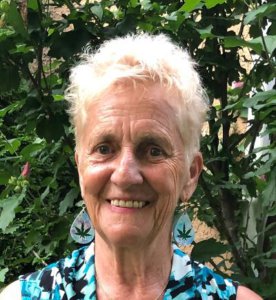 Ann Allworth, PhD, is a cell biologist, who for more than 35 years has been educating adults, first in medical schools as an anatomy professor; then in the natural product industry, teaching the immense value of phytonutrient-rich foods and herbs to optimal health and well-being. Upon learning of the endocannabinoid system, she founded Cannabis Education Solutions, a company dedicated to illuminating minds to the vast nature of the endocannabinoid system and its unparalleled role in human health. Ann is now semi-retired and will soon be making a transition to a partnership in a new organization involved in medical cannabis advocacy.
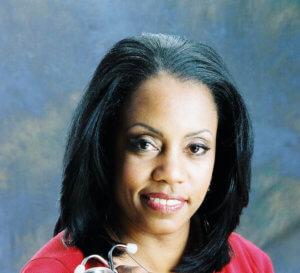 Cynthia Shelby-Lane, MD, is an emergency physician, board-certified in anti-aging and functional medicine, and a certified Marijuana Doctor practicing medicine in Detroit, Michigan. Dr. Shelby-Lane has certified more than 10,000 medical cannabis patients in the State of Michigan. She coaches patients on their use of cannabis in conjunction with their current medications and medical conditions. She has been a member of NCIA and the Scientific Advisory Committee for the past five years, in addition to membership in multiple cannabis associations and organizations. She speaks at conferences/webinars and in the community on the use and benefits of cannabis and the evolving landscape of cannabis research. Dr. Shelby-lane has worked closely with the Last Prisoner Project.
Member Blog: Anne’s Journey with Multiple Sclerosis and Medical Cannabis
by Anne Davis, Bennabis Health
The use of medical cannabis in chronic conditions is well-known, and some estimates are that medical cannabis can be an adjunct to more than 100 medical conditions. Frequently mentioned conditions include neuropathic disorders such as multiple sclerosis, neuropathy, PTSD, anxiety and depression and certain epilepsies among young children.
Although cannabis is still federally illegal, multiple studies of patients with multiple sclerosis and their providers have acknowledged that cannabis may have a role in improving symptom control, particularly pain, muscle spasticity, and more.
Anne Davis is a successful attorney, mother and community leader in New Jersey. In 2007, she focused her practice on the legal, regulatory, and advocacy issues surrounding use of medical cannabis. In this role, she became a national figure, presenting at conferences, and a sought-after contributor to health care law and advocacy initiatives.
Fast forward to 2013: Anne was thriving in her career and caring for her 2 daughters, ages 8 and 19-a critical time for her young family, whose needs were typical of busy and actively involved children and parents. In 2013, Anne was diagnosed with relapsing-remitting MS.
Devastated by the diagnosis, Anne began to research the impact of the medical regimen, prescribed medications and ongoing testing and lab work that would be required. Anne would need frequent lab tests to ensure treatment was not harming her vital organs, a potential side effect of many medications used in treating MS.
After careful consideration, Anne decided to use her professional knowledge about medical cannabis for herself, a decision not supported by her neurologist and care team.
Much like Anne, studies indicate that most patients conduct their own research when considering medical cannabis. The advice from friends and family are the most frequently cited resources when considering cannabis. A 2014 study indicated that only 18% of patients discussed use of cannabis with their healthcare provider, and less than 1% received assistance from their healthcare team on the kinds of formulations available. This leaves patients in a precarious and potentially harmful situation. Patients rely on and trust their healthcare team.
Surprisingly, despite lack of support and collaboration with their healthcare team, a survey of MS patients conducted in 2019 showed that more than 40% of patients said they used medical cannabis in the past 3 months. This is a striking number, indicating that patients are seeking non-traditional resources in managing their care. These data beg the question: Why are MS patients trying medical cannabis? Are their current prescriptive medicines not working? Do they have ongoing and unresolved symptoms that interfere with their quality of life? What is motivating patients to pay out of pocket costs for medical cannabis on top of their co-pays and health insurance premiums?
For Anne, the answer was “to avoid potential side effects” of her prescription medicines.
“I knew from my years in the industry cannabis was effective and had zero side effects. I was well aware of the research that indicates that cannabis has neuroprotective qualities, in addition to symptom relief. For that reason, I decided to use it every day as part of my treatment plan.
As an MS patient, cannabis is an integral part of my daily life. I use it every night before bed to help with fatigue, muscle cramping and spasticity. It also significantly helps elevate my mood, especially on days when I feel a sense of overwhelm. For me, I struggle with cognitive issues the most from MS. It depends on where the lesions occur in your body, or specific regions of the brain that determines what is impacted the most. It is important to live a healthy lifestyle. For me, that consists of exercise, nutrition, avoiding saturated fats, sugars, beef and dairy. I have reduced stress in my life, get enough sleep, meditate and stay positive. Add cannabis, and I feel like I am doing everything in my power to live my best life.”
Anne is often asked what strains work best? The fact is, there is not one in particular. “I prefer to change strains often. It seems that you build up a tolerance when you use the same strain every day. The therapeutic benefits are best from a blend of strains. I prefer high THC as my use is primarily in the evenings. The level of relaxation that I can experience helps me to fall asleep, stay asleep and get a good night’s rest. I have heard of pharmaceutical companies getting in the cannabis industry and making the argument that cannabis should be mass-produced and you should have the same consistent THC and CBD levels with every plant. Nothing can be further from accurate. Patients need and want variations.”
What can the industry do for patients?
“First, celebrate and recognize your work, no matter if it is behind the counter, in the boardroom, growing, cultivating, and supporting advocacy that directly benefits patients like me. No matter your role in this industry, behind at the end of the supply chain is a patient seeking resolve from one or more symptoms. It could be the nausea associated with cancer, the pain from glaucoma, the night terrors from PTSD.”
What can the industry do to better serve patients?
“Continue to grow and produce quality products. What is a quality product in the opinion of a patient? In my experience, it consists of large green or purple buds with aromatic terpenes. I strongly believe in the “entourage effect “so I like both high THC and CBD combined, another reason that I prefer to mix cultivars and create blends.”
The industry can also advance healthcare and consumer knowledge about cannabis in all its forms. Although peer reviewed articles and scientific evidence are less available than we would like, helping patients and their providers understand what and how to use medical cannabis is essential to its acceptance as an alternative treatment option.
Anne continues to successfully use medical cannabis today. Anne’s neurologist, who was originally against her decision, has since advised her that she made the right choice.
 Anne M. Davis, Esq. has been practicing law for 20 years. For the past 12 years, she has been recognized as one of the state’s leading experts in marijuana law and policy. In that role, Davis has presented workshops and seminars nationally about marijuana law reform. Since her diagnosis with MS, she has dedicated her skills and experience to create programs and expand access for medical marijuana patients. As part of that mission, she is a Patient Advocate for Bennabis Health, the first health care plan in the nation covering medical marijuana.
As a community leader, Anne serves as a CASA (Court Appointed Special Advocate) working with foster children; she teaches CCD at her local Church, and has served as a Girl Scout leader for 11 years. Anne was recognized as a “Woman of Distinction” by the Girl Scouts at their annual Gala in 2020. Working with children, keeping them safe and giving them the best opportunities possible are some of her top priorities.
Follow NCIA
Newsletter
Facebook
Twitter
LinkedIn
Instagram
News & Resource Topics
–
This Just In
Member Blog: What Consumers Really Want in a Pre-Roll
Member Blog: The Evolving Cannabis Legal & Regulatory Landscape in 2026