The heart of NCIA is a powerful network of business owners, industry professionals, and entrepreneurs who share a common goal: building a fair, inclusive, and thriving cannabis industry. Through our “Rooted in Community” series, we shine a light on the members who help support and shape that vision every day. This month, we’re proud to feature Evergreen Member and NCIA Board Member Monica Gray-Fong, co-founder of Nice Guys Delivery – a retail delivery & distribution company leading the industry with a deep commitment to political advocacy and community. Since joining NCIA in 2017, Monica has been a dedicated advocate for the industry by participating in Lobby Days, speaking at our conferences, contributing to webinars, and serving on our Board of Directors for the past 5 years. We’re proud to have Monica and Nice Guys Delivery as part of the NCIA community and honored to represent their work and values!
NCIA: Give us a snapshot of Nice Guys Delivery. Where you operate, who you serve, and what makes your work unique?
MG: Nice Guys Delivery primarily serves individuals in California, particularly in Marin County, who are looking for high-quality, lab-tested cannabis products. Our customers likely include both recreational users and those seeking cannabis for wellness purposes. For those that cannot access cannabis by going to a Dispensary, we bring relief right to your doorstep.
NCIA: California is often seen as the heart of cannabis, especially since it was the first state to legalize medical use. But from an insider’s perspective, what’s the reality of working in the cannabis industry in California today?
MG: Ugh. California is terrible. The industry in CA is failing. Shrinking. AB564 already passed but the industry was failing before the tax increase and AB564 merely kept us at 15% and did not decrease it. They also just put a ban on intoxicating HEMP products. Not sure how much further that will take our industry…..
NCIA: What motivated you to join NCIA?
MG: Nice Guys Delivery is deeply committed to advocating for small business owners and the customers they serve in the cannabis industry. By joining the National Cannabis Industry Association, we are ensuring that our voice – and the voices of our patients and customers – are represented in shaping the future of the industry. This highlights our dedication to not only providing quality products and services but also to influencing policies and decisions that impact small businesses and the broader cannabis community.
NCIA: Can you share a favorite NCIA memory – perhaps a relationship or connection that your membership helped you build?
MG: Speaking on the SAFE(ER) banking panel at the conference in Long Beach. Meeting some really great people at that conference and being able to give my two cents on why banking is such a huge hurdle for the industry.
I have met so many wonderful people at the NCIA. I’ve met our current General Council, our Insurance Broker and so many other partners and collaborators throughout the years.
NCIA: How does Nice Guys Delivery stand out from the competition?
MG: We were one of the first delivery services licensed in CA after prop 64 passed. We’ve been around since 2016 (almost 10 years?!), been through the pandemic as an essential business, have been through every regulatory hurdle and have seen many of our friends in the industry come and go.
NCIA: 10 years is such an accomplishment in cannabis! How has your company evolved since it started?
MG: OMG. This is an essay in itself. It was just myself and my husband at first. The business was incorporated 2 weeks after I gave birth to our first son in 2016. We now have 40+ employees, 9 vehicles, 4 units in our building, so many systems integrated, security upgrades and more. I can go on and on about why my hair is now turning white.
NCIA: Any final words on why NCIA membership is valuable to Nice Guys Delivery?
MG: It is important that our voice is heard and at the table when cannabis reform happens at the National Level.
Monica and Nice Guys Delivery personify what it means to be truly rooted in community. Not only by serving their customers with care, but by standing up for the future of the cannabis industry through their advocacy and leadership. As a longtime NCIA member and Board leader, Monica’s voice continues to shape critical conversations around equity, access, and reform. We’re honored to spotlight her journey and grateful for the work she and Nice Guys Delivery are doing to push the industry forward.
Together with our members, NCIA is building a stronger cannabis industry – rooted in community and driven by shared purpose. Join the community, join NCIA.
Turning Advocacy Wins into Operator Wins
The word “advocacy” is a loaded term. It evokes different emotions in different people. However, in the cannabis industry, it’s a case of goose and gander, as a win for advocacy is a win for operators as well — with policy wins ultimately translating into financial benefits for operators. Thus, it would stand to reason that whenever possible, operators should lend their support to the side of advocacy. In this article, we’ll explore how the two can work together to their mutual benefit.
From Bill Passage to Bank Balance
Due to its quasi-legal status, every positive legislative change can be a massive boon for the cannabis industry. As many are aware, the industry can often operate on a cash-only basis due to federal restrictions. Thus, something like theSAFER Banking Act, which advocates have been pushing for, can be highly beneficial to the industry. To recap: this act would help provide federal protection to financial institutions, including preventing the depository institution from being penalized for providing banking services to a state-sanctioned cannabis business. Further, the Act prohibits a federal banking service from requesting or requiring a depository institution to cancel a deposit account.
While this act isstill waiting to be passed by the Senate, it could represent a significant step forward for the industry by offering essential banking services such as loans, credit lines, and cash management services, such as armored deposit services.
Another big issue for cannabis advocacy isrescheduling. Going from a Schedule I narcotic to a Schedule III narcotic would also open many doors for the industry. One of the most significant advantages of this shift would be the elimination of IRC 280E, which restricts what operators can deduct under the tax code. Unshackled from this prohibitive tax code, operators would have a wealth of items they could deduct, such as wages, rent, utilities, insurance, marketing, and administrative costs.
The benefits of rescheduling wouldn’t stop there. This shift could also herald more research and development opportunities for cannabis, as there would be a greater legal recognition of the plant’s medicinal value.
TL;DR: Advocacy could help operators in many ways; here are but a few examples:
The SAFER Banking Act would provide federal protections, allowing banks to safely offer essential services, such as checking accounts, loans, and cash management, to state-legal cannabis businesses. This would reduce cash-only risks and improve industry stability.
Rescheduling cannabis to Schedule III would eliminate the restrictive tax code 280E, enabling cannabis businesses to deduct regular business expenses and promoting more research, development, and legal recognition of cannabis’s medical value.
Now, let’s discuss how the industry is already working together to be most effective for everyone.
Coalition Building
Fortunately for the cannabis industry, supporters are passionate and proactive. We can examine several examples of how the industry has leveraged partnerships across different segments to the benefit of everyone.
The oldest chapter of NORML, established in 1972, the National Organization for the Reform of Marijuana Laws — California chapter continues its legacy from the Compassionate Use Act of 1996 to the recent passage of AB 564, a tax-reducing policy. California NORML unites the cannabis industry by coordinating lobbying, publishing resources, and building a business directory — acting as a bridge between consumers, legislators, and cannabis businesses to promote equitable laws and industry cohesion.
Favoring a grassroots approach, the MCBA seeks, in their words:
“To create equal access for cannabis businesses and economically empower communities of color through policy, programming, and outreach initiatives to achieve equity for the communities most impacted by the War on Drugs.”
Through advocacy and events, the MCBA creates partnerships through many industry segments (retail, cultivation, etc.) for maximum impact.
Besides working together, let’s explore how we can utilize onestate’swin as a model for others.
NCIA brings together various players in the cannabis industry by providing national advocacy, policy coordination, education, networking, and a member directory across all verticals — ensuring businesses and stakeholders speak with one informed, powerful voice.
Scaling Local Success
We can look to states such as California, Oregon, and Washington as (limited) success stories. These states have passed legislation enabling their governors to enter into interstate agreements, allowing border-transversing sales of cannabis between states where it is legal. This enables operators to reach far-flung markets beyond their home state. We see how these states follow each other’s lead while also working collaboratively to secure the best return on investment, although full-scale interstate commerce remains limited pending federal changes.
We can also turn back the clock nearly thirty years from today to when California passed the Compassionate Use Act of 1996. Other states would follow California’s model, and by 2023, 37 states had medical marijuana laws.
Or we can turn to Colorado and Washington, rewinding the clock not quite as far to 2012, when the states legalized recreational cannabis use. This would also serve as a model for other states, and by 2023, 19 states had followed Colorado’s example.
It goes without saying that when one state makes progress for cannabis reform and has quantifiable results, other states are likely to follow suit.
Conclusion
There is no cannabis industry without advocacy. Every step advocacy makes, operators are in lockstep with it. Fortunately, as competitive as the industry is, groups like the National Cannabis Industry Association are arduously working for legislative changes that benefit many in the industry. At the same time, we have other organizations like the Minority Cannabis Business Association toiling to help specific groups that have been historically disadvantaged. However, when these minority groups benefit, everyone benefits — as these social equity initiatives support whole communities by providing jobs and using tax revenue for mental health support, legal services, and other community reinvestment programs.
And speaking of tax revenue, when one state’s cannabis laws are effective — whether medical or recreational — it’s easier to get the ball rolling on similar laws in other states.
How to Make the Most Out of Lobby Days
Dr. Amanda Reiman in conversation with Jeremy Marsh, from the Office of Congresswoman Dina Titus
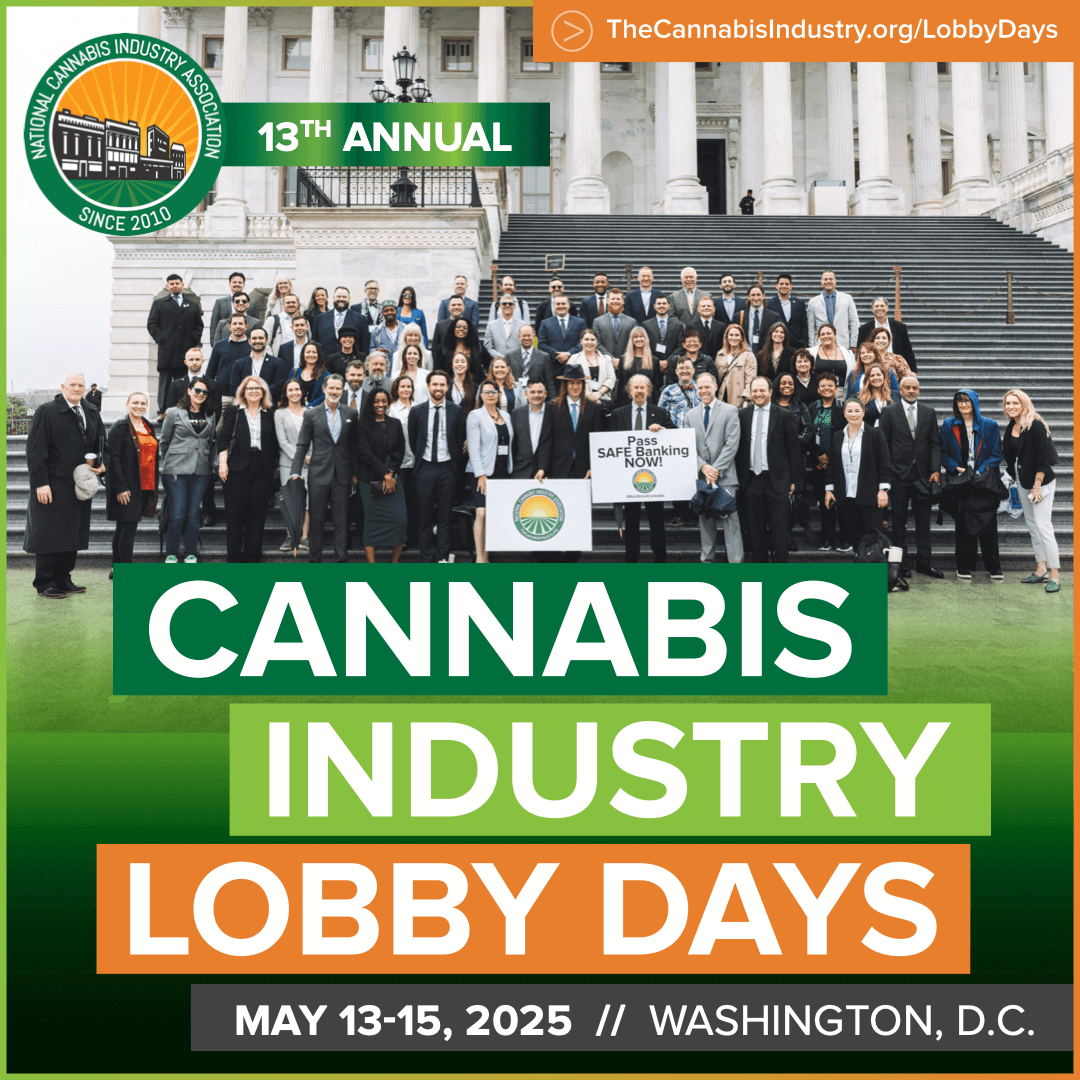
NCIA’s 13th annual Cannabis Industry Lobby Days is rapidly approaching and new and seasoned attendees alike may be wondering how to make the most out of the precious time with electeds’ offices. Meeting with allies and skeptics both present unique challenges and opportunities. To provide advice on how to make the most out of Lobby Days, I reached out to Congresswoman Dina Titus’ office and spoke with Legislative Assistant Jeremy Marsh. Following his advice will help you walk away from Lobby Days feeling accomplished and confident that your message got through.
Stories from the community matter
White papers and data points are fine, but what really moves the needle are stories from the community and the front lines. Tailoring stories to the district/state of the office you are meeting with shows how constituents and local businesses are impacted by policy. These stories are great tools for supportive legislators to take to the floor and their committees. And, when meeting with a legislative office that has supported cannabis in the past, be sure to thank them! Standing up for cannabis is still a risk and those willing to take it should be acknowledged.
Rescheduling and hemp are still areas of confusion
Elected officials are more cannabis savvy now than ever before, but there are still some issues where education is needed. Don’t assume that elected officials, even supporters of cannabis are experts in all of the hot button issues being discussed in the industry. Mr. Marsh explains that rescheduling/descheduling and hemp regulation are two areas where confusion persists. Explain the issue before asking for support, and have some fact sheets ready with background information, as well be willing to answer questions and give context to these issues. Be sure you yourself can clearly explain the issues you are bringing into your Lobby Days visits.
Be early and be flexible
If you’re early you’re on time, if you’re on time, you’re late. This adage was drilled into my head by my Dad (thanks Dad!) and it is a great rule of thumb for Lobby Days. Try to be at least 5 minutes early to each meeting. Time is precious and being early shows that you are taking the process seriously. It also gives you time to collect your thoughts and your breath before heading into a meeting. Lines to get into the Capitol can be long, so keep this in mind before your first meeting of the day. If you are going to be late to a meeting, call the office and let them know. At the same time, be flexible. Schedules are constantly shifting for elected officials, so don’t take it personally if you are meeting with a staffer, or in the hallway outside the office. ALL communication is important, and many vital conversations happen outside the office doors (just watch Veep!).
The economy and public safety are selling points for opponents
Many would argue that meeting with opponents is just as, if not more, valuable than meeting with allies. And although cannabis has gained support from both sides of the aisle over the years, many are still skeptical of changing the laws around cannabis. If you meet with someone who has not traditionally been supportive, discussing the economic and public safety benefits of legalization is a good focus. Cannabis tax revenue has been used to support schools, roads, substance abuse programs, job placement and more. And, research shows that, after legalization, fewer teens are using cannabis, and fewer people are using opiates. You don’t have to be a fan of cannabis to be a fan of legalization.
NCIA’s 13th annual Cannabis Industry Lobby Days is a chance to bring the cannabis issue front and center with lawmakers. Once a source of snickers and jokes, the cannabis movement has become a major political force. Even so, assumptions about those involved in cannabis persist. Being prepared, professional and well versed on the issues will make an impression. And being a part of shedding a positive light on this industry and the people who work in it feels really great.
Be Part of a Movement, Not a Moment: Highlights from NCIA’s Fall Stakeholder Summits
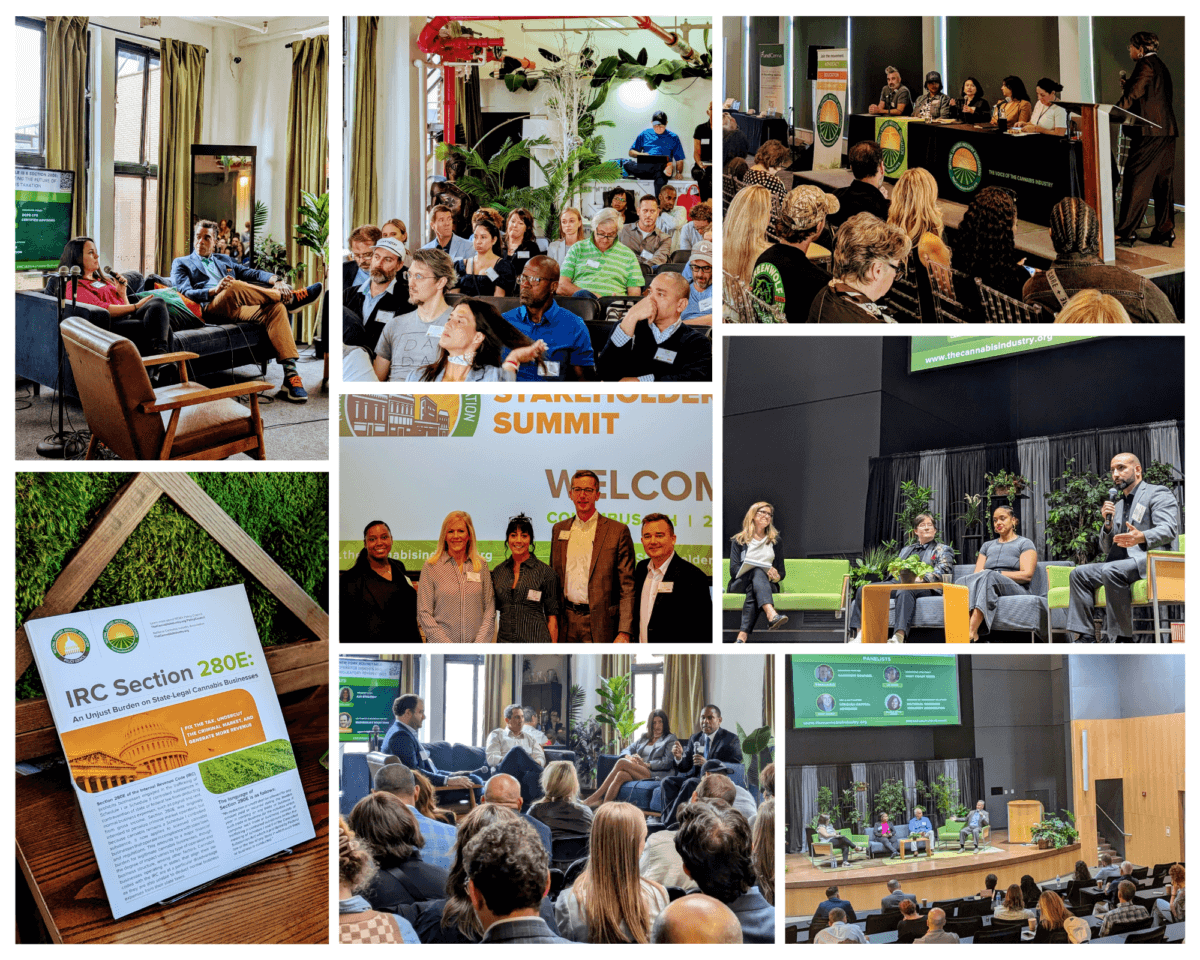
This fall, the National Cannabis Industry Association (NCIA) held four Stakeholder Summits across the United States, gathering cannabis industry operators, regulators, investors, and advocates to tackle the unique regulatory, operational, and strategic challenges facing cannabis businesses today. Held in Michigan, New York, Ohio, and Southern California, these Summits offered actionable insights into the evolving landscape of cannabis regulation and taxation, fostering a spirit of collaboration and movement-building in support of a thriving, equitable industry.
Michigan Stakeholder Summit: Regulatory Adaptation and Collaborative Solutions
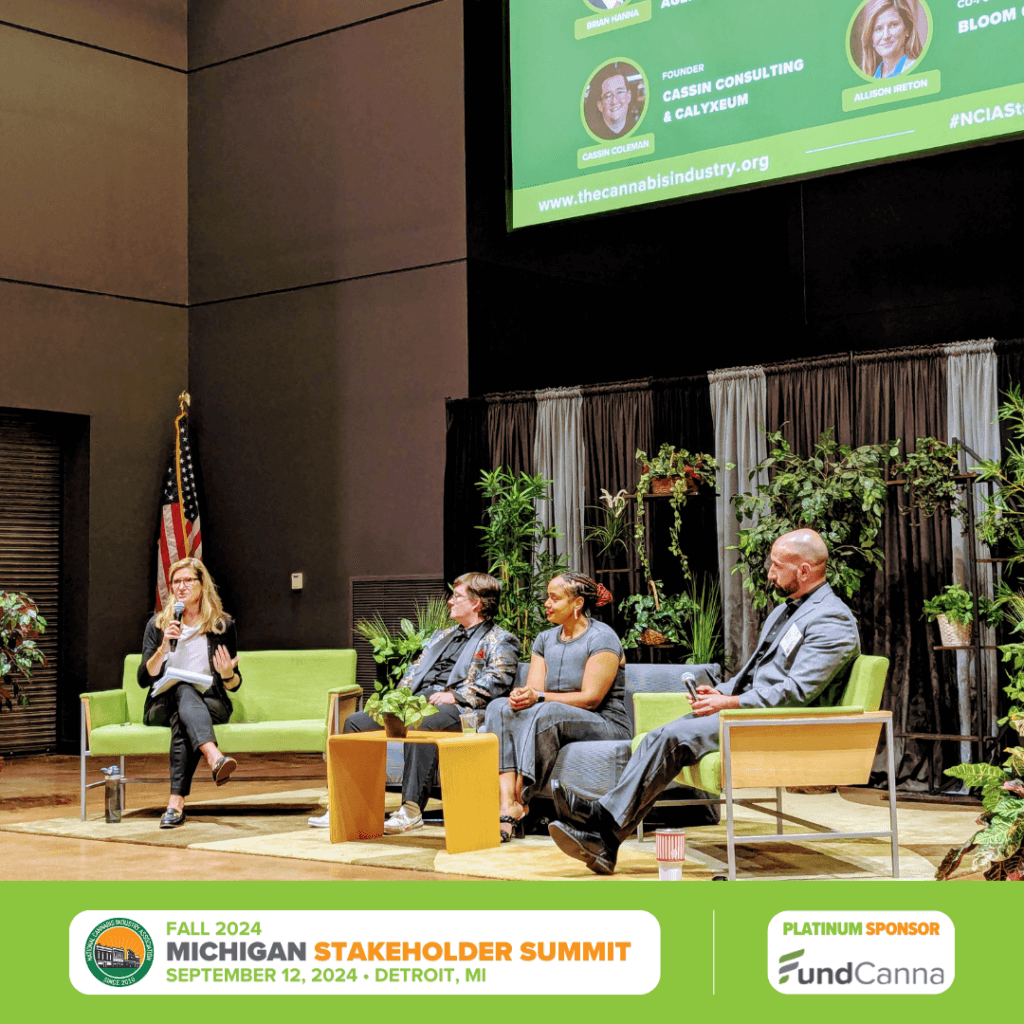
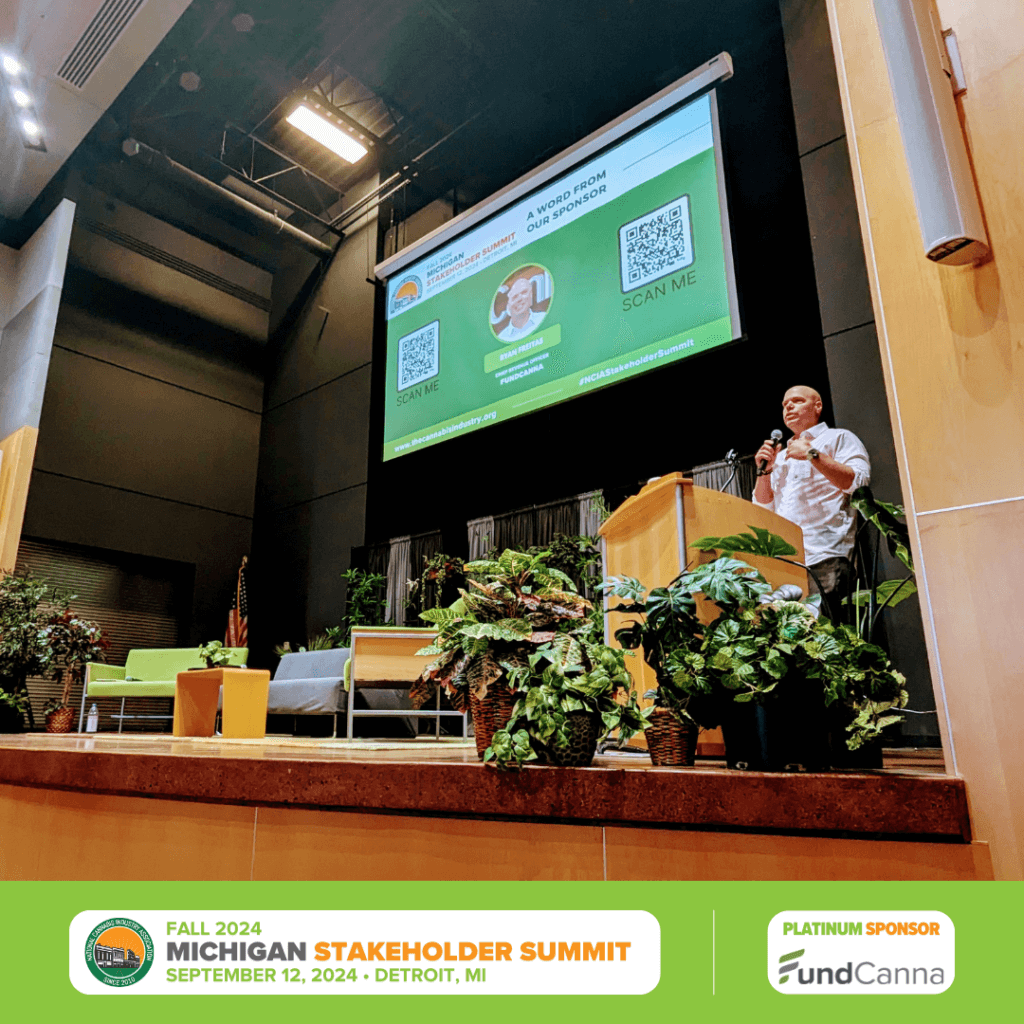
The Michigan Stakeholder Summit brought to light the latest regulatory shifts impacting cannabis operators in the state. From changes in the Hemp Farm Bill to Michigan’s approach to intoxicating hemp sales, the panel on “Operator Insights and Regulatory Perspectives” shed light on pressing issues. Brian Hanna, Executive Director of the Cannabis Regulatory Agency, addressed upcoming regulatory changes and discussed the need for balanced enforcement to protect Michigan’s legal market. Discussions also covered navigating compliance with agencies like the Department of Environment, Great Lakes, and Energy (EGLE) and MIOSHA, while maintaining operational efficiency.
One core theme emerged from panelists such as Rebecca Collett of Calyxeum and Allison Ireton of Bloom City Club: collaboration is essential. As the Michigan cannabis market faces evolving dynamics, including the rapid issuance of new licenses and pressures on medical caregivers, the need for a transparent dialogue between regulators and industry stakeholders remains critical. Attendees left with actionable strategies for adapting to compliance requirements, maintaining business viability, and ensuring consumer protection.
New York Stakeholder Summit: A Regulatory Landscape in Transition
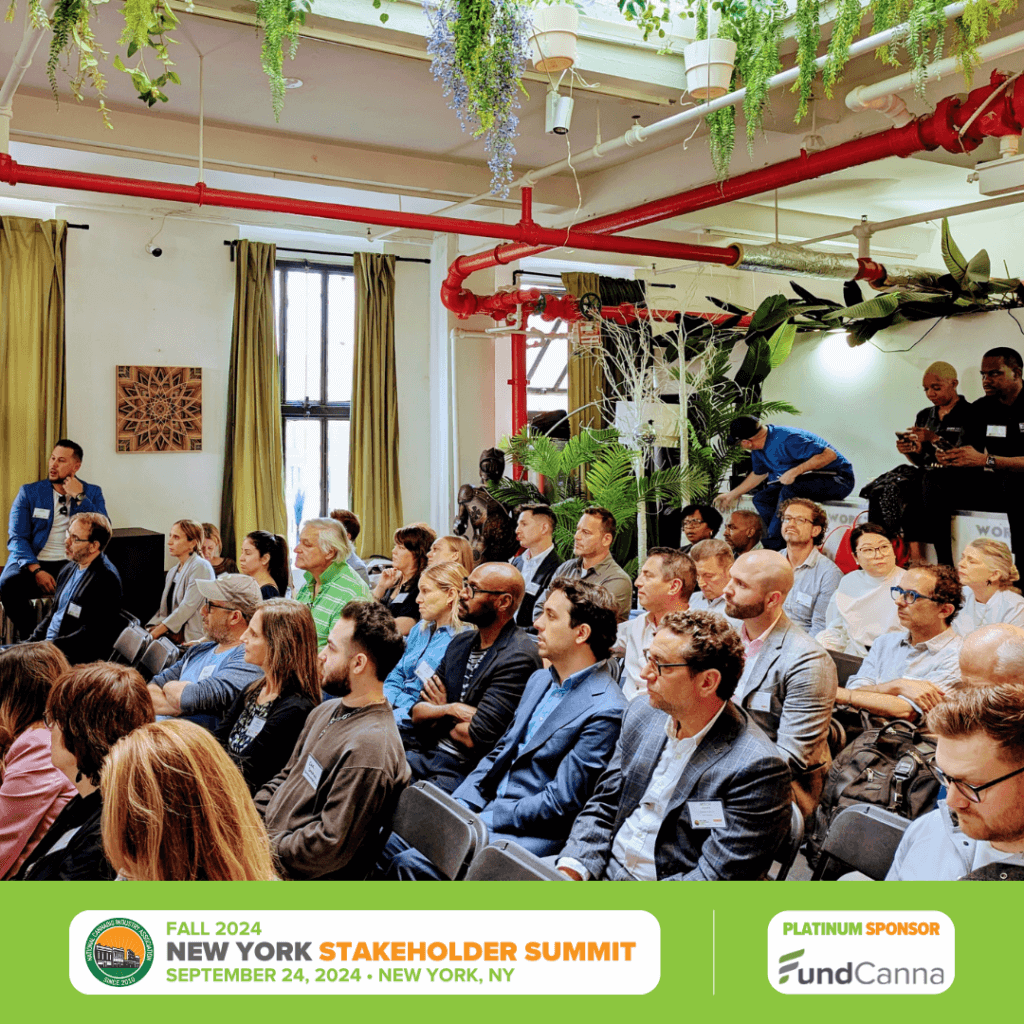
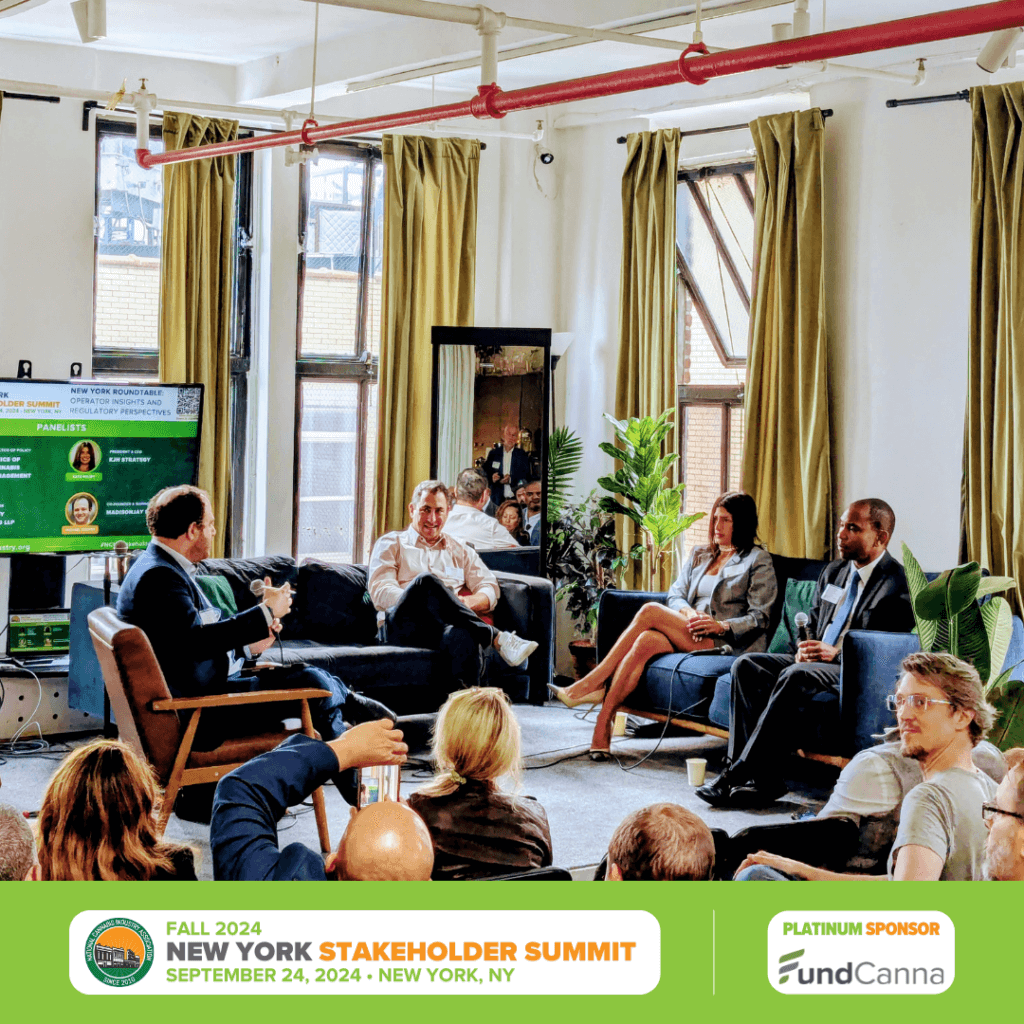
In New York, the Stakeholder Summit focused on how operators can succeed in a rapidly maturing market. Led by John Kagia from the Office of Cannabis Management (OCM) and industry veterans like Jeffrey Schultz of Foley Hoag LLP, the “Operator Insights and Regulatory Perspectives” panel delved into the complexities of New York’s regulatory landscape. The session addressed social equity provisions, compliance hurdles, and strategies for growth in a highly regulated environment.
Key questions included navigating the intake process for new operators and the impact of recent enforcement actions on the illicit market. Kate Hruby of KJH Strategy emphasized the need for well-defined compliance guidelines to reduce ambiguity, while Marcella Osello of DOPE CFO Certified Advisors shared insights on the financial challenges facing small businesses in New York. The panel underscored the importance of partnerships between operators and policymakers, leaving attendees with insights on building a resilient business within a market in flux.
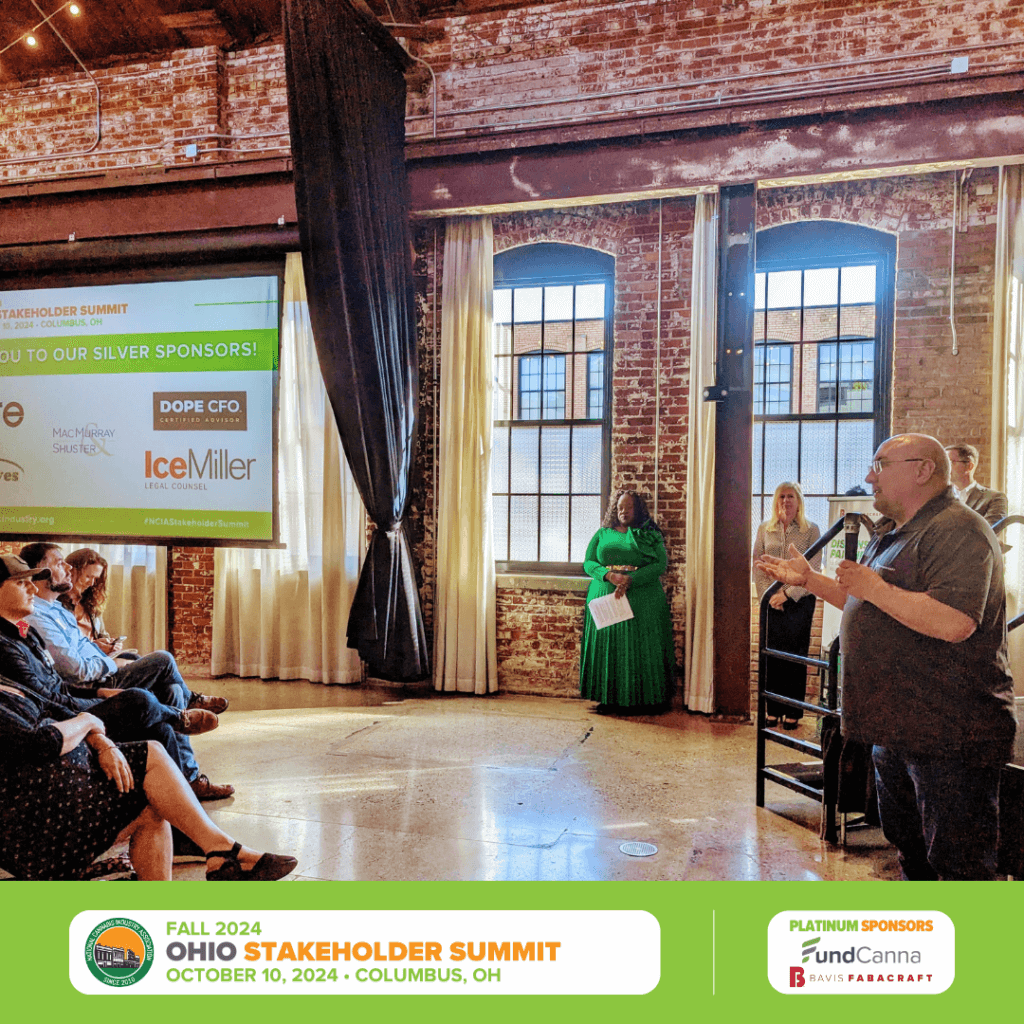
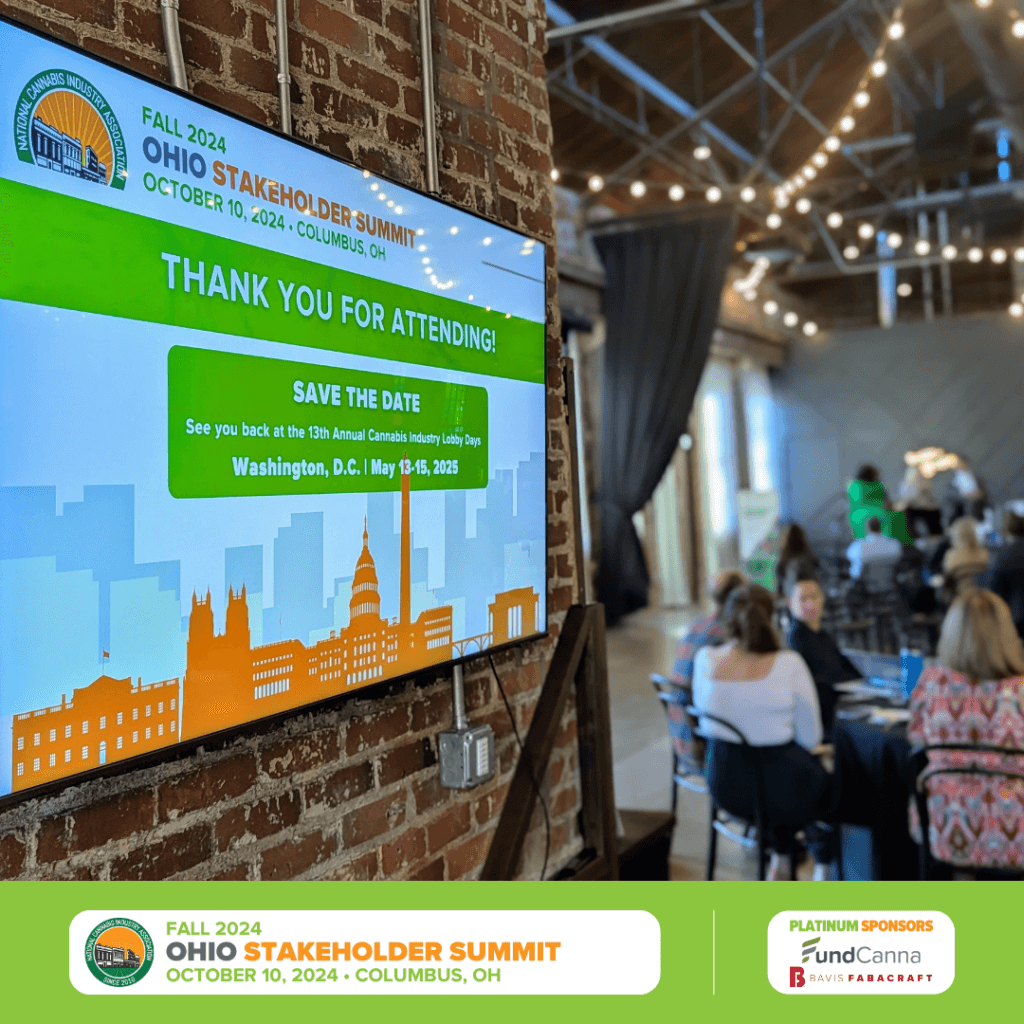
Ohio Stakeholder Summit: Legislative Updates and Strategic Business Growth
The Ohio Summit explored the convergence of legislation, legal complexities, and operational strategy essential for growth in Ohio’s cannabis market. Ohio State Representative Juanita Brent (D – District 22) shared updates on recent legislative actions affecting cannabis operators and emphasized the need for proactive policy advocacy, particularly as the legislative landscape shifts with changes in state leadership.
Legal experts like John Oberle of Ice Miller LLP and Helen Mac Murray of Mac Murray & Shuster LLP highlighted the nuances of Ohio’s regulatory requirements, with a focus on compliance around testing, product dosing, and advertising restrictions. Emillie Kelleher of BeneLeaves provided practical strategies for scaling a cannabis business within these parameters, underscoring the importance of understanding regulatory demands while fostering consumer trust. Ohio’s legislative season is critical for the cannabis industry, and the call to action was clear: advocate, educate, and ensure that the industry’s voice is heard as Ohio’s regulations continue to evolve.
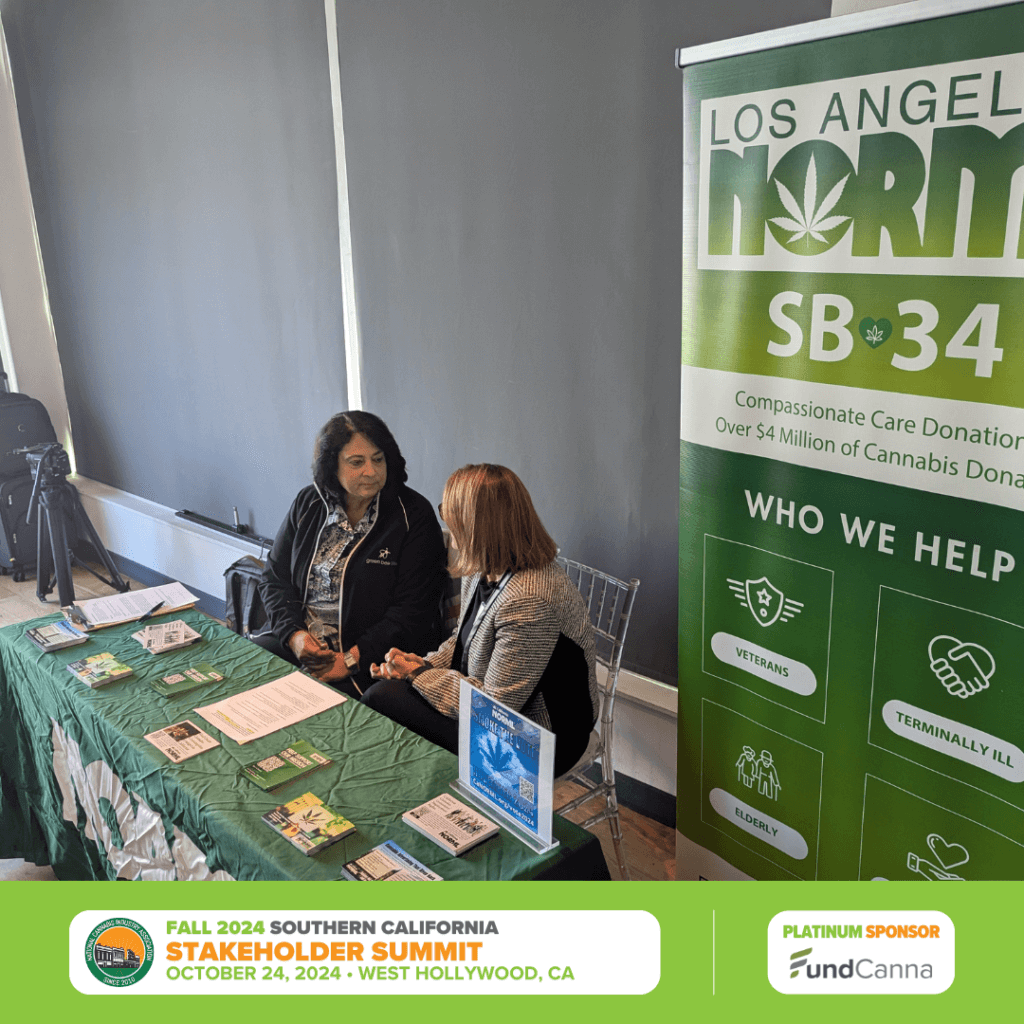
Southern California Stakeholder Summit: Advancing Equity and Policy Innovation
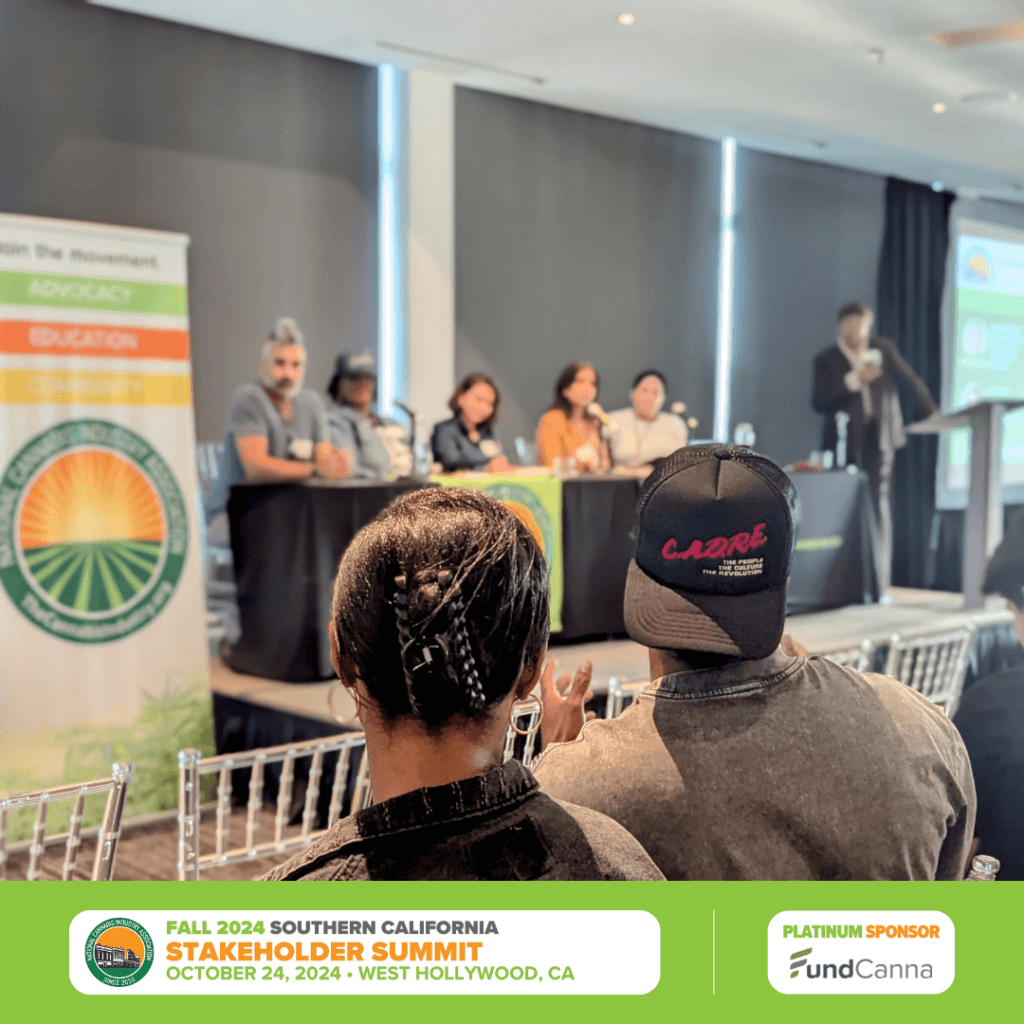
In Los Angeles, top regulators, operators, and industry advocates gathered to explore the unique challenges and growth opportunities within the region’s cannabis market. Michelle Garakian, Executive Director of the Los Angeles Dept. of Cannabis Regulation, and Laura Magallanes, Deputy Chief of the Office of Cannabis Management for Los Angeles County, shared insights on compliance, while moderator Yvette McDowell guided a discussion on strengthening industry-regulator collaboration. Jazmin Aguiar, Emerging Markets Consultant for Council Member Imelda Padilla, contributed her expertise on market expansion and policy development, underscoring the importance of community engagement in regulatory planning.
Equity operator Kika Keith, founder of Gorilla RX Wellness, advocated for streamlined processes and resources to support equity businesses, while Jerred Kiloh, President of the United Cannabis Business Association, called for policy reform, including excise tax reduction, alongside stronger enforcement against illicit operators. Panelists encouraged attendees to engage in advocacy and build stronger partnerships with local agencies, presenting a path forward for a compliant, thriving, and equitable cannabis industry in Southern California.
Schedule III & Section 280E: Navigating the Future of Cannabis Taxation
Across all four Summits, the “Schedule III & Section 280E: Navigating the Future of Cannabis Taxation” panel served as a pivotal discussion into how the potential rescheduling of cannabis could reshape financial and regulatory landscapes. Featuring a diverse lineup of industry experts and regional operators from across the cannabis supply chain, the discussion highlighted the anticipated end of 280E limitations and its impact on tax planning, capital access, and broader market opportunities.
Each panel featured unique perspectives: in Michigan, Thomas Lavigne, Jay Snipes and Scott Greiper explored strategic financial planning for capital investment in a post-280E landscape and how operators could prepare for new deductible expenses. In New York, Al Foreman and Marcella Osello shared expertise on how rescheduling could influence capital markets and growth for smaller operators. In Ohio, Thomas Haren and Ashley Mosby emphasized proactive compliance and planning for tax relief, while in Southern California, Neil Rosenfield, Henry Wykowski, and Eric Kaufmann discussed the regulatory adjustments needed to fully benefit from Schedule III status, with a focus on operational scalability and tax strategy. Panelists across all locations encouraged operators to adopt forward-thinking approaches, aligning financial practices with both current and evolving regulatory environments.
Honoring Our Speakers: Driving Conversations That Shape the Cannabis Industry
The success of the Fall 2024 Stakeholder Summits would not have been possible without the expertise and passion of our distinguished speakers. These industry leaders, policymakers, and advocates generously shared their knowledge, providing actionable insights and fostering critical dialogue on the challenges and opportunities facing cannabis businesses today. We extend our heartfelt gratitude to each of them for their invaluable contributions.
Schedule III & Section 280E: Navigating the Future of Cannabis Taxation
Thank you to each of these exceptional speakers for advancing the conversations that define the future of our industry. Their insights and leadership continue to inspire progress and innovation across the cannabis landscape.
Thank You to Our Sponsors and Partners: A Driving Force Behind the Fall 2024 Stakeholder Summits
Platinum Sponsors
FundCanna and Bavis Fabacraft led the way as our Platinum Sponsors, opening each Summit with impactful contributions that set the stage for dynamic discussions and actionable takeaways. Their support was instrumental in creating events that inspired collaboration and innovation across all four Summits.
Together, these sponsors and partners exemplify the power of collaboration and the impact of collective action. Their support not only elevated the Fall 2024 Stakeholder Summits but also strengthened our shared mission to create a sustainable and equitable future for the cannabis industry.
Thank you for being an essential part of this movement and for helping us continue to inspire, advocate, and lead as we shape the future of cannabis.
Building a Movement for Change
The NCIA’s Stakeholder Summits brought together a diverse array of voices committed to the growth and integrity of the cannabis industry. From navigating complex compliance landscapes to advocating for inclusive regulatory frameworks, the message across each session was clear: this is a movement, not just a moment. Industry stakeholders must collaborate, advocate, and actively participate in shaping the future of cannabis in the United States.
For cannabis operators, now is the time to align with the NCIA’s mission, engage in industry advocacy, and contribute to a movement that transcends individual business interests. Together, we can forge a resilient industry that not only meets today’s challenges but also paves the way for a sustainable and equitable future.
The conversation continues in 2025 — NCIA will hold follow-up Stakeholder Summits in Sacramento and Denver in Q1 and Q2, culminating with our first-ever National Stakeholder Summit in May 2025. This event will coincide with our 13th Annual Cannabis Industry Lobby Days in Washington, D.C., where we’ll unite industry leaders to make an impact on the national stage.
Join the movement — Drive meaningful change and help define the cannabis industry for generations to come by becoming a member of NCIA. Learn more about membership here.
Start Making Sense: What Does Schedule III & Section 280E Mean for Me?
Rescheduling cannabis signifies a monumental shift for our industry, specifically presenting a potential pathway to alleviate the burdens imposed by Section 280E. In a new multi-part #IndustryEssentials webinar series, led by experts from our 14 member-led Committees, NCIA will provide a comprehensive analysis of the immediate and long-term impacts on different sectors within the cannabis industry.
In our debut session, led by the Banking & Financial Services Committee, we provided invaluable insights into the transformative implications of rescheduling cannabis to a Schedule III drug and its consequent impact on Section 280E of the Internal Revenue Code. In “Schedule III & Section 280E: What Does It Mean for Me?” broadcast LIVE on Thursday, May 30th, we explored the game-changing potential of this shift, offering actionable insights for businesses navigating the evolving regulatory environment.
Neil Rosenfield, CPA:Provided insights into the significance of comprehending and championing advocacy organizations to address regulatory hurdles.
Steven Gotsdiner, CPA: Illuminated accounting requirements tailored to cannabis businesses, drawing attention to the nuances across various states.
Eric Kaufman, COO: Shed light on the hurdles encountered by cannabis enterprises, while also elucidating the potential benefits stemming from regulatory changes.
Aaron Smith, NCIA: Emphasized the pivotal role of industry participation in policy reform endeavors, highlighting NCIA’s instrumental role.
Among the topics explored during the webinar was the profound impact of rescheduling cannabis on federal legality, state and local tax obligations, and the broader regulatory landscape. With cannabis poised to transition to Schedule III, businesses are poised to embrace newfound opportunities while confronting challenges inherent in navigating this regulatory terrain.
Neil Rosenfield of BakerTilly USA underscored the significance of contributing to and championing advocacy organizations to effectively address regulatory hurdles. Aaron Smith echoed this sentiment, emphasizing the pivotal role of industry participation in policy reform endeavors, highlighting NCIA’s instrumental role in spearheading these changes.
Another focal point of discussion revolved around the ramifications of rescheduling on tax obligations and deductions governed by Section 280E. The panelists provided invaluable insights into the implications for tax planning, including adjustments to tax bills, cash flows, and essential updates to accounting records and charts of accounts.
Steven Gotsdiner of HBK CPAs illuminated accounting requirements tailored to cannabis businesses, drawing attention to the nuances across various states. Eric Kaufman, COO of FundCanna, shed light on the hurdles encountered by cannabis enterprises, while also elucidating the potential benefits stemming from regulatory changes, such as managing surplus cash flows and preparing for shifts in interstate commerce.
Eric Kaufman explored whether rescheduling cannabis to Schedule III would reduce the cost of capital for operators and recommended strategies for deploying increased cash flows to scale and grow businesses effectively.
The webinar also delved into the anticipated timeline for these regulatory shifts, offering insights into potential implementation trajectories spanning from 2023 to 2025. Strategies for navigating diverse timelines and regulatory fluxes were discussed, equipping businesses with the tools needed to adapt and flourish in an ever-evolving landscape.
Thanks to the informed engagement of our audience members, a cornerstone of what makes our webinar series so valuable for members, the discussion touched on the definition of “Good Accounting Practices” and whether this includes Generally Accepted Accounting Principles (GAAP). The panelists also speculated on the possibility of new excise taxes replacing 280E and the potential impacts on federal protections like bankruptcy and IPOs.
As the program was extended in order to answer all of our audience questions, the session concluded with insights into how these regulatory changes might affect the CBD and hemp industries. The panelists emphasized the importance of staying informed and adapting to varying state-level requirements.
As the cannabis industry continues its evolution, proactive engagement with regulatory changes remains paramount for business success. The insights shared during NCIA’s #IndustryEssentials webinar series offer a compass to navigate the labyrinth of regulatory complexities and position businesses for enduring prosperity. By fostering active engagement and advocacy, cannabis enterprises can shape a regulatory landscape conducive to industry growth and development.
To continue facilitating these crucial dialogues amongst operators, regulators, and stakeholders, NCIA relies on the support of dedicated members like you. Join NCIA today to access exclusive resources, stay informed about the latest industry developments, and be part of a community committed to driving positive change in the cannabis industry.
Supporting advocacy efforts is integral to driving meaningful change in the cannabis industry. By becoming an NCIA member, you’re not just investing in your business’s success; you’re also supporting initiatives that shape the future of the industry. Together, we can amplify our collective voice and effect tangible change.
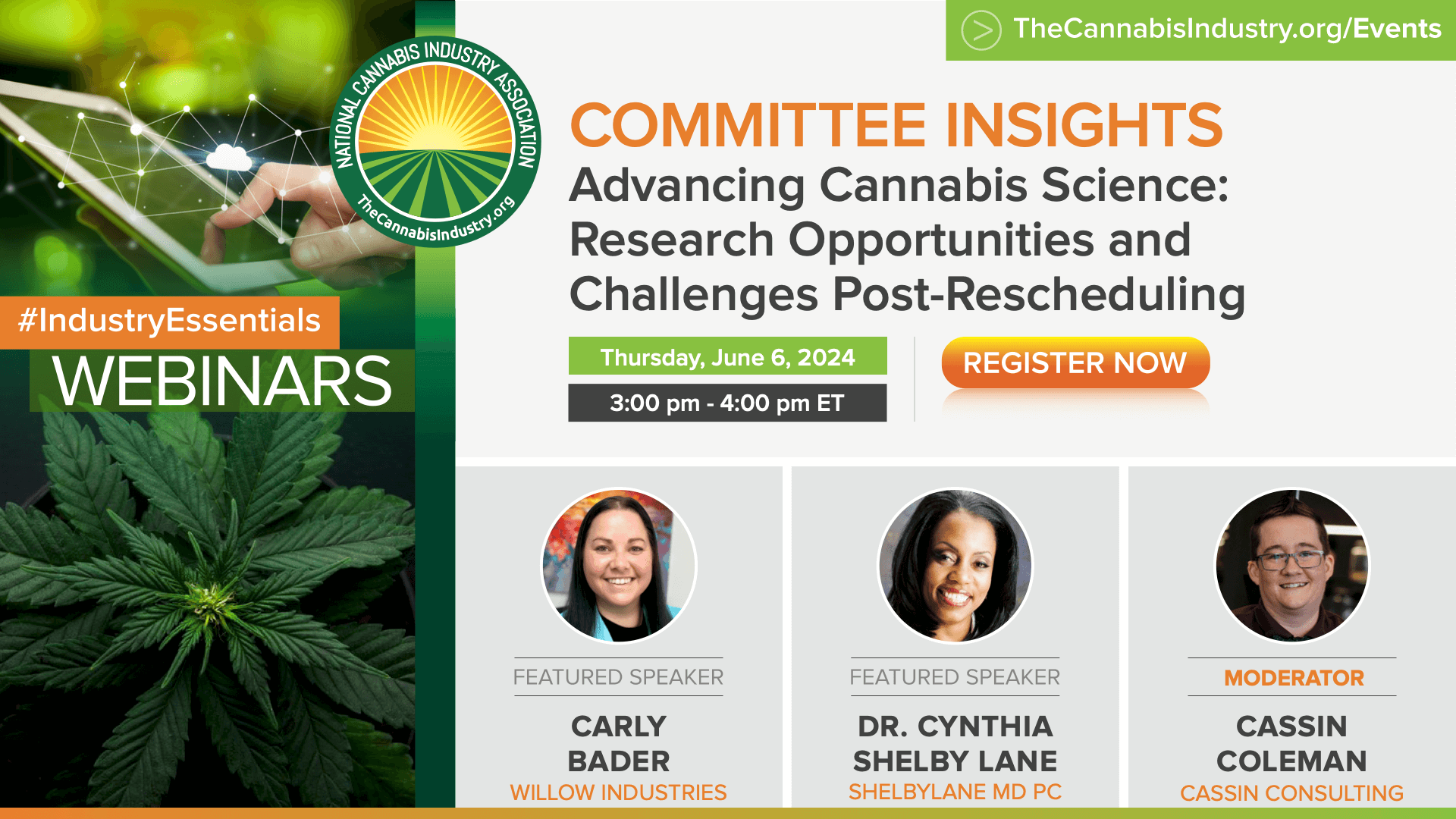
As we conclude this recap of our insightful session on Schedule III and Section 280E, we’re thrilled to announce the next episode in NCIA’s #IndustryEssentials multi-part webinar series: “Committee Insights: Advancing Cannabis Science: Research Opportunities and Challenges Post-Rescheduling.” Led by our esteemed Scientific Advisory Committee, this episode promises to explore the exciting realm of scientific research and consumer safety in the wake of cannabis rescheduling.
Join us for an engaging discussion with industry experts, gain valuable insights, and shape the future of cannabis science and consumer safety. Register now to reserve your spot and be part of the conversation!






Follow NCIA
Newsletter
Facebook
Twitter
LinkedIn
Instagram
News & Resource Topics
–
This Just In
Committee Blog: Access to Capital in the U.S. Cannabis Market Outlook
Member Blog: The Risks of Removing a Regulated Cannabis Market