Committee Blog: Cannabis and Cardiovascular Disease
Is Cannabis safe for your heart? Here’s what we know so far.
As cannabis use expands in the U.S, investigating its effects on health is more important than ever. Recently, studies have raised important questions about cannabis’ impact on heart health. Can cannabis contribute to heart disease, stroke, or other cardiovascular problems? And how can people use it safely?
What research suggests
Over the past few years, a pattern has been catching researchers’ attention, studies suggest that people who use cannabis, especially regularly or heavily, might be facing a higher risk of heart-related problems.
In 2025, a meta-analysis of 24 studies reported that cannabis users had about a 29% higher chance of having serious cardiovascular events like heart attacks or strokes. That doesn’t mean cannabis directly causes these problems, science rarely works in absolutes, but it’s a signal we can’t ignore.
A 2024 study in the Journal of the American Heart Association took a closer look at survey data from across the U.S. and found a clear trend: the more days per month someone used cannabis, the higher their risk of heart issues. Heavier use seemed to carry a heavier risk.
Then, one of the largest retrospective studies to date analyzed the medical records of over 4.6 million people, all under age 50, following them over three years. They found that cannabis users had a sixfold increase in heart attack, a fourfold increase in ischemic stroke, a twofold increase in heart failure, and a threefold increase in cardiovascular death, compared to non-users. In 2025, a study in JACC Advances found similar links between cannabis use and acute heart problems, with younger users appearing especially at risk.
In another study from UCSF, researchers looked at 55 healthy cannabis users, some who smoked and others who used edibles, and compared them to non-users. They measured something called vascular function, how well the blood vessels can relax and expand. That ability is crucial for regulating blood flow and blood pressure, and when it’s impaired, it’s an early sign that the cardiovascular system may be under stress. This study showed that vascular function in cannabis users was about half that of nonusers. And here’s what’s really interesting, only the smokers showed harmful changes in blood markers related to inflammation and blood vessel injury. That suggests that smoking adds a layer of risk beyond THC itself.
These findings suggest that cannabis use, especially frequent or higher-dose use, might be associated with increased risk of cardiovascular events or vascular dysfunction.
Cannabinoids and the heart
Our bodies make their own cannabinoids, chemicals that help control things like inflammation, blood pressure, and how blood vessels behave. Cannabis interacts with that system, especially THC, the substance that causes the “high”. It can make the heart beat faster and the blood pressure go up. That pushes the heart to work harder, which may be a problem if someone already has narrowed arteries or other conditions. It can also cause blood vessels to tighten, which might reduce flow in sensitive areas like the heart or brain. Over time, THC may trigger inflammation and damage in the vessels.
CBD on the other hand, doesn’t bind to the same receptors as THC and may even help with relaxing vessels or lowering inflammation according to some lab studies. But we don’t know yet if it has the same effect in humans.
We know even less about other minor cannabinoids and terpenes, the aromatic compounds that give the plant its scent. These chemicals might have their own effects on the heart and blood vessels, but the science on that is still in its early days.
The key thing to understand is that cannabis isn’t just one drug. It’s a mix of different active compounds and they don’t all work the same way. Some may affect the cardiovascular system more than others, and possibly in opposite directions.
What we don’t know
Let’s talk for a minute about what this research does not actually show. In science, it is just as important to know the limits of the evidence as it is to focus on the results.
Right now, most of what we know about cannabis and heart health comes from what’s called observational studies. That means researchers are looking at people’s real-life behavior and health without trying to control who uses cannabis or how much they use, just observing people’s choices and outcomes. These studies are especially important for discovering associations and patterns to help researchers decide where to look more closely next.
They help us see when certain exposures, like cannabis use, tend to show up more often alongside specific health outcomes, like heart disease or stroke.
So, observational studies can tell us if two things tend to go together, but not if one is causing the other.
Other factors, like diet, exercise, stress levels, or even use of other substances, might be driving some of the risk we see. Additionally, most of the data we have so far comes from younger adults, so we don’t yet know what these risks look like in older adults or in people who already have cardiovascular disease, who might be most vulnerable.
Clinical trials are usually the gold standard to obtain evidence of cause and effect when testing new treatments before being launched to market. For cannabis, running large clinical trials is tough when regulations get in the way. Another thing to consider is that cannabis is already being used every day, in so many different forms, that a tightly controlled trial often can’t capture real-world patterns very well. In that sense, studies more similar to “phase 4” drug research, which track safety and effectiveness once a product is already in use, may be more appropriate for understanding cannabis.
Real-World Cannabis use and heart health
One of the biggest roadblocks in cannabis and heart research is knowing what people are using. Most studies rely on patients’ self-reported cannabis use and broad categories, like “ever used” or “used in the past 30 days.” That leaves out important details like how much THC someone used, how often, in what form, and how their habits changed over time.
Cannabis dispensaries already track a lot of this information through point-of-sale systems. Every purchase comes with a record of product type, THC, CBD, and other cannabinoids content, how much was bought, and when. If researchers could securely and ethically link that purchase data with patients’ health records, while protecting privacy, we could finally answer questions that so far have been out of reach: How does risk increase with higher doses or stronger products? Are edibles safer than smoking? Is there a threshold where risk starts to climb? Could we even monitor which strains or product lots are tied to more side effects?
This kind of approach could remove one of the biggest blind spots in cannabis research, bringing us closer to giving people real, practical guidance based on how cannabis is used in the real world.
Management Science Associates, a data analysis company based in Pittsburgh, has been working on this. Since 2017, they’ve been collecting and analyzing cannabis sales data from several states, linking product details with health data. This approach could enable researchers to produce studies precise enough to understand cannabis risks and safety and provide clear health and policy guidance.
The team used this very approach in a study to explore how real-world cannabis use relates to heart health, linking cannabis purchase data with electronic health records. The study included over 3,200 adults, compared cannabis users with non-users, and looked at both younger adults (ages 20–39) and older adults (ages 40–79).
Here’s what this study found:
In older adults, cannabis use did not raise the 10-year risk of cardiovascular disease. Age, diabetes, and being male were much stronger predictors of risk than cannabis itself.
In younger adults, cannabis use was linked to higher odds of being in the high-risk group for lifetime cardiovascular disease. Higher body weight also played a role.
When examining risk markers, cannabis users tended to have slightly lower blood pressure, a lower LDL, often labeled “bad” cholesterol, and higher HDL, commonly referred to as “good” cholesterol.
That might seem like a protective effect, but it’s important to remember that LDL and HDL are no longer viewed as entirely “good” or “bad” in isolation. Research suggests it’s the quality and function of these lipoproteins, not just how high or low their levels are, that matter most for cardiovascular risk.
Younger patients were consuming products with higher THC percentage than patients in the older group.
Edibles and capsules looked safer in older adults, while vapes stood out as riskier across both age groups.
THC and CBD seemed to pull in different directions. Higher THC levels were tied to higher cardiovascular risk, while higher CBD levels leaned toward lower risk.
These results suggest cannabis has a complex relationship with heart health. For older adults, it may not increase near-term risk, but in younger adults, it could add to long-term concerns, and the type of product, along with the balance between THC and CBD, seems to matter.
Bottom Line
The research we have right now is enough to raise concerns, but not enough to draw firm conclusions. They should prompt thoughtful decisions, further research, and open conversations.
What To Do Now?
For patients and everyday users:
– If you use cannabis, tell your doctor what kind, how often, by what method, and how strong it seems to be. That information helps doctors better monitor your heart health.
– The pattern we see in the research is that more frequent and heavier use seems to carry more risk. It suggests that less is safer.
– How you take cannabis matters. Smoking brings added harm (carbon monoxide, fine particles). Edibles or vaping might reduce inhalation damage, but THC’s effects on the blood vessels still apply. If you smoke tobacco too, quitting or reducing it is one of the most powerful things you can do for your heart.
– Don’t ignore warning signs. Chest pain, rapid heartbeats, sudden weakness, slurred speech, or trouble breathing aren’t things to wait on. Get medical help.
For clinicians and healthcare:
– Ask patients about cannabis use as part of cardiovascular risk assessment. Document form, frequency, and estimated potency when possible.
– Stay alert to changes in cardiovascular symptoms in patients using cannabis.
– Promote and participate in research, registries, and data linkage projects.
– Support partnerships to link retail sales data with health outcomes, with rigorous privacy and ethical safeguards.
– Avoid marketing ultra-potent formulations without safety data.
– Fund high-quality cardiovascular studies of cannabis use.
– Monitor trends in cannabis use and cardiovascular disease incidence in legalized jurisdictions.
Rooted in Community: Fox Rothschild
At the core of NCIA is a dynamic network of business owners, advocates, industry professionals, and entrepreneurs all working towards a shared mission – cultivating a fair, inclusive, and thriving cannabis industry. Our “Rooted in Community” series highlights the members who strengthen and shape that vision every day. This month, we’re proud to spotlight Evergreen MemberFox Rothschild, a premier legal leader in the cannabis community, uniting more than 1,000 attorneys from coast to coast. The firm delivers the expansive reach and robust resources of a national practice while maintaining the personalized service and deep relationships typically found in a boutique firm.
NCIA: What problem does Fox Rothschild help solve in the market?
Fox Rothschild: The cannabis industry operates amid a web of complex, and often conflicting, state and federal laws that are difficult for businesses to navigate. That is where we come in. Our firm regularly advises cannabis operators, investors, and businesses on the full spectrum of legal issues – from licensing and regulatory compliance to corporate transactions, real estate taxes and employment matters. By combining deep industry knowledge with practical legal strategy, we help clients minimize risk, stay ahead of regulatory shifts and seize new opportunities in a rapidly evolving market.
NCIA: How is Fox Rothschild different from competitors in this space?
FR: Ranked by Chambers USA as a Band 1 law firm for Cannabis Law, our attorneys advise cannabis clients across the country on how to navigate a complex web of state and federal laws involving corporate formation, financing, banking, compliance, intellectual property, tax, employment and real estate. But what really sets us apart is our approach: we invest the time to get to know our clients and understand their needs so we can better develop creative strategies that drive results. Bottomline, we find ways to help cannabis businesses navigate this fast-changing, highly regulated industry with confidence.
FR: We joined the National Cannabis Industry Association (NCIA) almost a decade ago because we wanted to be at the center of the conversations shaping the industry’s future. Many of our clients and the companies we care about are active members in the NCIA and value the association’s role in advancing thoughtful policy, responsible growth and collaboration across the cannabis sector. By actively engaging with NCIA, our team gains valuable insights into the evolving regulatory and business landscape, allowing us to better anticipate challenges, identify opportunities and provide informed, strategic counsel. Being part of this community keeps us connected to real-world issues impacting operators and investors. It also reinforces our shared commitment to supporting a sustainable and equitable cannabis industry.
NCIA: Why is membership important to you?
FR: Our NCIA membership is invaluable. It allows us to stay connected to the people and issues driving this rapidly evolving industry. NCIA provides a unique forum where industry leaders, advocates and professionals can exchange ideas and address shared challenges. Through NCIA’s resources, network and events, we learn how to better support our clients and contribute to a more transparent, responsible and sustainable cannabis marketplace.
NCIA: Tell us about a relationship your membership has helped build?
FR: Fox Rothschild was proud to represent the NCIA pro-bono in December 2024 at a landmark hearing on the DEA’s proposal to reclassify marijuana as a Schedule III drug. Our liaison, Michelle Rutter Friberg, NCIA’s Director of Government Relations, was our boots-on-the-ground resource during the (now adjourned) hearing. Her knowledge and track record proved invaluable for us, and we continue to appreciate her insights.
NCIA: How has Fox Rothschild evolved since it started?
FR: We were among the first national law firms to launch a dedicated Cannabis Law Practice, positioning our team as trailblazers in this rapidly evolving industry. Over time, the practice has grown to include other leading attorneys in the Cannabis Law space, including some who are now at the forefront of efforts to reschedule cannabis. Fox attorneys now serve clients in every jurisdiction that has legalized medical or recreational cannabis, including California, New York and Pennsylvania. Our evolution mirrors the growth of the industry – innovative, strategic, and results driven.
Longstanding members like Fox Rothschild are the heart of NCIA’s community. A community grounded in the belief that the cannabis industry will become a robust and essential part of the national economy. We envision an industry that is fairly taxed, responsibly regulated, and readily accessible to the patients who rely on it most. Thank you, Fox Rothschild, for being truly Rooted in the Community!
Together with our members, NCIA is building a stronger cannabis industry – rooted in community and driven by shared purpose. Join the community, join NCIA.
Rooted in Community: Nice Guys Delivery
The heart of NCIA is a powerful network of business owners, industry professionals, and entrepreneurs who share a common goal: building a fair, inclusive, and thriving cannabis industry. Through our “Rooted in Community” series, we shine a light on the members who help support and shape that vision every day. This month, we’re proud to feature Evergreen Member and NCIA Board Member Monica Gray-Fong, co-founder of Nice Guys Delivery – a retail delivery & distribution company leading the industry with a deep commitment to political advocacy and community. Since joining NCIA in 2017, Monica has been a dedicated advocate for the industry by participating in Lobby Days, speaking at our conferences, contributing to webinars, and serving on our Board of Directors for the past 5 years. We’re proud to have Monica and Nice Guys Delivery as part of the NCIA community and honored to represent their work and values!
NCIA: Give us a snapshot of Nice Guys Delivery. Where you operate, who you serve, and what makes your work unique?
MG: Nice Guys Delivery primarily serves individuals in California, particularly in Marin County, who are looking for high-quality, lab-tested cannabis products. Our customers likely include both recreational users and those seeking cannabis for wellness purposes. For those that cannot access cannabis by going to a Dispensary, we bring relief right to your doorstep.
NCIA: California is often seen as the heart of cannabis, especially since it was the first state to legalize medical use. But from an insider’s perspective, what’s the reality of working in the cannabis industry in California today?
MG: Ugh. California is terrible. The industry in CA is failing. Shrinking. AB564 already passed but the industry was failing before the tax increase and AB564 merely kept us at 15% and did not decrease it. They also just put a ban on intoxicating HEMP products. Not sure how much further that will take our industry…..
NCIA: What motivated you to join NCIA?
MG: Nice Guys Delivery is deeply committed to advocating for small business owners and the customers they serve in the cannabis industry. By joining the National Cannabis Industry Association, we are ensuring that our voice – and the voices of our patients and customers – are represented in shaping the future of the industry. This highlights our dedication to not only providing quality products and services but also to influencing policies and decisions that impact small businesses and the broader cannabis community.
NCIA: Can you share a favorite NCIA memory – perhaps a relationship or connection that your membership helped you build?
MG: Speaking on the SAFE(ER) banking panel at the conference in Long Beach. Meeting some really great people at that conference and being able to give my two cents on why banking is such a huge hurdle for the industry.
I have met so many wonderful people at the NCIA. I’ve met our current General Council, our Insurance Broker and so many other partners and collaborators throughout the years.
NCIA: How does Nice Guys Delivery stand out from the competition?
MG: We were one of the first delivery services licensed in CA after prop 64 passed. We’ve been around since 2016 (almost 10 years?!), been through the pandemic as an essential business, have been through every regulatory hurdle and have seen many of our friends in the industry come and go.
NCIA: 10 years is such an accomplishment in cannabis! How has your company evolved since it started?
MG: OMG. This is an essay in itself. It was just myself and my husband at first. The business was incorporated 2 weeks after I gave birth to our first son in 2016. We now have 40+ employees, 9 vehicles, 4 units in our building, so many systems integrated, security upgrades and more. I can go on and on about why my hair is now turning white.
NCIA: Any final words on why NCIA membership is valuable to Nice Guys Delivery?
MG: It is important that our voice is heard and at the table when cannabis reform happens at the National Level.
Monica and Nice Guys Delivery personify what it means to be truly rooted in community. Not only by serving their customers with care, but by standing up for the future of the cannabis industry through their advocacy and leadership. As a longtime NCIA member and Board leader, Monica’s voice continues to shape critical conversations around equity, access, and reform. We’re honored to spotlight her journey and grateful for the work she and Nice Guys Delivery are doing to push the industry forward.
Together with our members, NCIA is building a stronger cannabis industry – rooted in community and driven by shared purpose. Join the community, join NCIA.
Committee Blog: The Digital Dollar Dilemma – How a U.S. CBDC Could Reshape Cannabis Banking
A potential U.S. Central Bank Digital Currency (CBDC) represents one of the most disruptive technologies on the horizon for the financial world, with profound implications for the cannabis industry. While a “digital dollar” could theoretically solve the industry’s payment rail issues overnight, it also introduces significant threats related to privacy, data security, and direct federal oversight, creating a high-stakes dilemma for cannabis businesses and the institutions that bank them. However, recent developments have fundamentally altered this landscape, particularly the January 2025 Executive Order 14178 halting U.S. CBDC development and ongoing progress with cannabis banking legislation.
Current State Analysis
The conversation around a U.S. CBDC has evolved dramatically from academic theory to active research, most notably through the Federal Reserve’s collaboration with MIT on “Project Hamilton,” which completed its Phase 1 research in February 2022. However, in January 2025, President Trump issued Executive Order 14178, explicitly prohibiting federal agencies from “undertaking any action to establish, issue, or promote a CBDC” and revoking previous digital asset policies. This makes the United States the only major economy to halt CBDC development through executive action. Despite this policy shift, understanding the potential impacts of CBDCs remains relevant, as policy positions can change with administrations, and other countries continue rapid CBDC development that could influence global financial systems. For the cannabis industry, banking challenges persist despite the executive order. The core issue remains the industry’s reliance on private-sector workarounds. Fintechs and banks have invested heavily in BSA/AML programs to manage the risks of handling cash deposits.
Legislative Developments
Simultaneously, significant progress has occurred with cannabis banking legislation. The SAFE Banking Act evolved into the SAFER Banking Act (S.2860), which passed the Senate Banking Committee with a bipartisan 14-9 vote and awaits a Senate floor vote. This legislation would provide safe harbor protections to financial institutions serving state-legal cannabis businesses, potentially resolving many banking challenges independent of any CBDC considerations. Additionally, cannabis rescheduling efforts at the federal level could fundamentally alter banking access. While rescheduling alone wouldn’t resolve all banking issues, it would reduce regulatory burden and risk perception for financial institutions considering cannabis banking services.
Regulatory Landscape
The introduction of a CBDC, if policy were to reverse, would create a direct and unavoidable conflict with the Controlled Substances Act (CSA). Every transaction involving a CBDC would be recorded on a central ledger managed by the Federal Reserve, raising critical policy questions about privacy versus surveillance. The Federal Reserve’s previous white papers presented various models, from anonymous, token-based systems (similar to cash) to account-based systems that would link every transaction to a verified identity. If the U.S. were to adopt an identity-based CBDC in the future, the federal government would have a real- time, unalterable record of every dollar spent at every state-licensed dispensary in the country.
Alternative Pathways
With CBDC development currently halted, the cannabis industry must focus on alternative pathways to banking normalization:
1. Legislative Solutions: Continued advocacy for the SAFER Banking Act and similar legislation that would enable traditional banking services.
2. Existing Compliance Frameworks: Further investment in robust compliance programs under current FinCEN guidance, which remains relevant despite policy shifts.
3. Private Sector Innovation: Development of alternative payment solutions that can operate within current regulatory frameworks.
4. State-Level Banking Solutions: Some states are exploring state-chartered banking options specifically for cannabis businesses.
Key Takeaways
• The January 2025 Executive Order significantly altered the U.S. CBDC landscape but hasn’t resolved cannabis banking challenges
• The SAFER Banking Act represents the most immediate potential solution for cannabis banking issues
• Banks should continue investing in current compliance technologies rather than waiting for CBDC or legislative solutions
• The cannabis industry must actively engage with multiple parallel policy debates that impact banking access
• Privacy concerns remain central to any digital payment solution for the cannabis industry, whether government or privately issued
• Cannabis rescheduling efforts represent another potential pathway to improved banking access independent of payment technology development
How to Make the Most Out of Lobby Days
Dr. Amanda Reiman in conversation with Jeremy Marsh, from the Office of Congresswoman Dina Titus
NCIA’s 13th annual Cannabis Industry Lobby Days is rapidly approaching and new and seasoned attendees alike may be wondering how to make the most out of the precious time with electeds’ offices. Meeting with allies and skeptics both present unique challenges and opportunities. To provide advice on how to make the most out of Lobby Days, I reached out to Congresswoman Dina Titus’ office and spoke with Legislative Assistant Jeremy Marsh. Following his advice will help you walk away from Lobby Days feeling accomplished and confident that your message got through.
Stories from the community matter
White papers and data points are fine, but what really moves the needle are stories from the community and the front lines. Tailoring stories to the district/state of the office you are meeting with shows how constituents and local businesses are impacted by policy. These stories are great tools for supportive legislators to take to the floor and their committees. And, when meeting with a legislative office that has supported cannabis in the past, be sure to thank them! Standing up for cannabis is still a risk and those willing to take it should be acknowledged.
Rescheduling and hemp are still areas of confusion
Elected officials are more cannabis savvy now than ever before, but there are still some issues where education is needed. Don’t assume that elected officials, even supporters of cannabis are experts in all of the hot button issues being discussed in the industry. Mr. Marsh explains that rescheduling/descheduling and hemp regulation are two areas where confusion persists. Explain the issue before asking for support, and have some fact sheets ready with background information, as well be willing to answer questions and give context to these issues. Be sure you yourself can clearly explain the issues you are bringing into your Lobby Days visits.
Be early and be flexible
If you’re early you’re on time, if you’re on time, you’re late. This adage was drilled into my head by my Dad (thanks Dad!) and it is a great rule of thumb for Lobby Days. Try to be at least 5 minutes early to each meeting. Time is precious and being early shows that you are taking the process seriously. It also gives you time to collect your thoughts and your breath before heading into a meeting. Lines to get into the Capitol can be long, so keep this in mind before your first meeting of the day. If you are going to be late to a meeting, call the office and let them know. At the same time, be flexible. Schedules are constantly shifting for elected officials, so don’t take it personally if you are meeting with a staffer, or in the hallway outside the office. ALL communication is important, and many vital conversations happen outside the office doors (just watch Veep!).
The economy and public safety are selling points for opponents
Many would argue that meeting with opponents is just as, if not more, valuable than meeting with allies. And although cannabis has gained support from both sides of the aisle over the years, many are still skeptical of changing the laws around cannabis. If you meet with someone who has not traditionally been supportive, discussing the economic and public safety benefits of legalization is a good focus. Cannabis tax revenue has been used to support schools, roads, substance abuse programs, job placement and more. And, research shows that, after legalization, fewer teens are using cannabis, and fewer people are using opiates. You don’t have to be a fan of cannabis to be a fan of legalization.
NCIA’s 13th annual Cannabis Industry Lobby Days is a chance to bring the cannabis issue front and center with lawmakers. Once a source of snickers and jokes, the cannabis movement has become a major political force. Even so, assumptions about those involved in cannabis persist. Being prepared, professional and well versed on the issues will make an impression. And being a part of shedding a positive light on this industry and the people who work in it feels really great.
Committee Blog: Breaking the Stigma – Cannabis in the Retail World
Cannabis, once relegated to the shadows of society, is making a significant push into mainstream America. However, the journey from prohibition to acceptance is faced with many challenges, particularly in the retail world. The stigma surrounding cannabis stems from historical, legal, social, and cultural factors, and lack of education, plays a role in shaping the stigma. In this blog, we’ll explore some of the roots of the stigma on cannabis and how the landscape is gradually changing.
The Historical Backdrop
The roots of cannabis stigma are deeply embedded in history. In the early 20th century, cannabis was criminalized in many parts of the world. The United States’ War on Drugs, which began in the 1970s, heavily penalized cannabis use, linking it to criminal behavior and societal decay. Media reports of cannabis users as lazy, unmotivated, or criminals; these negative stereotypes are what many believe to be true.
However, alongside this negative portrayal, there exists a rich history of cannabis as a medicinal plant. For centuries, cannabis has been used to treat a variety of medical issues. Ancient cultures across Asia, the Middle East, and Africa utilized cannabis for its therapeutic properties, including pain relief and anti-inflammatory benefits.
In more recent times, cannabis has shown promise in helping cancer patients manage symptoms such as nausea, pain, and loss of appetite. Additionally, it has been found to fight inflammation, which is beneficial in treating conditions like arthritis and multiple sclerosis. This positive history of cannabis as a healing plant is often overshadowed by its criminalization and the stigma attached to its recreational use.
Legal and Regulatory Hurdles
One of the most significant barriers to cannabis acceptance in retail is the complex legal landscape. In the United States, for instance, cannabis remains illegal at the federal level, despite being legal in several different states. This legal ambiguity creates uncertainty and fear among businesses, banks, customers as well as B2B consumers.
Moreover, the reluctance of banks and financial institutions to work with cannabis-related businesses due to federal regulations results in limited access to financial services and funding. This financial exclusion makes it difficult for cannabis businesses to operate and expand, perpetuating the stigma. It also makes it challenging for funding purposes for these businesses to continue to operate efficiently.
Social and Cultural Challenges
Public perception plays a crucial role in the acceptance of cannabis. Despite increasing acceptance, many still view cannabis use negatively and as a Schedule 1 drug, influenced by concerns about health impacts, addiction, and moral values. Workplace policies that maintain strict no-drug stances, regardless of legal status, also contribute to this negative perception. Enhancing education on cannabis can help mitigate this stigma within our culture, which in turn will aid in positioning the cannabis industry as a credible sector in the eyes of consumers, banks, and other business sources.
Retail Industry-Specific Issues
In addition, mainstream retailers are often hesitant to carry cannabis products due to fear of backlash from conservative customers or communities, which limits the visibility and availability of these products in the broader spectrum.
Furthermore, stringent marketing and advertising regulations restrict cannabis businesses from effectively reaching new customers and normalizing their products. Social Media advertising is prohibited as well as certain television channels.
Conclusion
Resolving the challenges surrounding the stigma of cannabis in the retail world requires a multifaceted approach. Firstly, education plays a pivotal role: increasing public awareness about the medicinal benefits of cannabis and dispelling myths through targeted campaigns can shift negative perceptions. Secondly, advocating for legislative reform to align federal and state laws can provide clarity and confidence for businesses to operate effectively. Moreover, fostering open dialogue among stakeholders, including policymakers, industry leaders, and the public, can promote understanding and acceptance. Lastly, mainstream retailers can be encouraged to embrace cannabis products through initiatives that demonstrate responsible consumption and highlight regulatory compliance, thereby normalizing its presence in the retail market. By addressing these aspects comprehensively, we can gradually reduce stigma and integrate cannabis as a legitimate and beneficial sector within the retail market.
Make Your Comment Count! A Guide for Industry Advocates
Understanding the Importance of Effective Public Comments on Cannabis Rescheduling Proposals
The cannabis industry is abuzz with anticipation over the rescheduling proposals. From industry groups to advocacy organizations, companies, and activists, discussions on submitting effective public comments are in full swing. This marks a significant moment as the federal government proposes to reclassify cannabis for the first time, moving it from Schedule I to Schedule III. This move acknowledges cannabis’s medical value, a recognition long sought after. Amidst this pivotal moment, it’s crucial to ensure that your public comments on cannabis rescheduling are not only heard but are also meaningful and impactful.
For a comprehensive toolkit to assist in crafting your public comment, visit NCIA’s resource page here.
Tips for Crafting Effective Public Comments on Cannabis Rescheduling Proposals
1. Be Respectful
While it may seem obvious, maintaining respectful language is crucial. Emotions can run high when discussing cannabis regulation, but name-calling or using foul language can undermine your message. Ensure your comments are taken seriously by maintaining a professional tone.
2. Stay on Topic
Focus your comments narrowly on the specific cannabis rescheduling issue at hand. Whether addressing the DEA or local city council, avoid including unrelated grievances. For example, if discussing zoning laws affecting cannabis businesses, refrain from delving into tax issues or home grow regulations. This clarity strengthens your argument and prevents your message from appearing scattered.
3. Clearly State Your Requests
Ensure your asks are explicit and easy to identify. Begin and conclude your letter with a clear statement like, “I am asking you to…”, followed by the action you want. Decision-makers review numerous letters daily, so clarity on your stance and desired action is essential for your public comment on cannabis rescheduling to be counted.
4. Provide Supporting Data and Stories
Back your arguments with relevant data and compelling anecdotes. This enriches your public comment on cannabis rescheduling and provides context for your requests. Ensure your evidence supports your advocacy effectively.
The Importance of Advocacy in Cannabis Rescheduling
Public support has been instrumental in progressing cannabis rescheduling reform. However, societal attitudes towards cannabis are dynamic, and advocacy efforts are crucial in maintaining momentum. Active participation in public processes, done respectfully and productively, is our best defense against potential setbacks in cannabis policy.
Advancing Change: Advocacy Through Effective Public Comments on Cannabis Rescheduling
Crafting effective public comments on cannabis rescheduling is a vital tool in advocating for cannabis rescheduling. By following these tips, you can ensure your voice is heard in the ongoing discussions. Remember to share this guide with fellow advocates to strengthen our collective impact in shaping cannabis rescheduling policy.
Taking the Long View – Strategic Facility Design Considerations for the Schedule III Era
In the dynamic landscape of the cannabis industry, regulatory changes can significantly impact how businesses operate and plan for growth. The recent proposal to reschedule cannabis from Schedule I to Schedule III has sparked discussions across the industry, particularly regarding facility design and operational strategies. This blog dives into key insights from the National Cannabis Industry Association’s webinar on “Taking the Long View – Strategic Facility Design Considerations for the Schedule III Era,” highlighting expert advice and practical recommendations for stakeholders navigating these changes.
The webinar, hosted by Brian Gilbert of the NCIA, served as a crucial platform for industry professionals to explore the implications of cannabis rescheduling on facility design and operations. The session focused on four main pillars: understanding tax changes, enhancing operational efficiency, promoting sustainable growth, and implementing practical strategies to navigate regulatory shifts.
Key Takeaways
1. Policy and Tax Implications
The discussion, led by Shawn Cooney of Cloud Farming, Chair of NCIA’s Facilities Design Committee, underscored the potential financial benefits for businesses following cannabis rescheduling (00:03:41). A highlight was the exploration of Section 280E, which could offer substantial tax savings once regulatory changes are implemented. Jeremy Schlicher of Urban Green Design expanded on these insights, offering strategic financial planning advice aimed at leveraging tax incentives to reinvest in facility improvements (00:07:21).
2. Operational Efficiency and Sustainability
Efficiency in energy management emerged as a critical theme throughout the webinar. Experts emphasized the importance of conducting energy audits and adopting efficient lighting and HVAC systems (00:10:18). These measures not only reduce operational costs but also align with sustainability goals crucial for long-term viability in the industry. Practical recommendations tailored to cultivation, manufacturing, and retail sectors were discussed to optimize workflow efficiencies and regulatory compliance (00:15:10).
3. Cultivation Methods and Environmental Considerations
Kim Kannapel of Modern Thermal Design provided invaluable insights into cultivation methods and environmental sustainability. The webinar highlighted the viability of various methods—indoor, greenhouse, and outdoor—each catering to different market segments and regulatory landscapes. The discussion underscored the role of climate and local regulations in shaping cultivation decisions (00:37:28), emphasizing the need for adaptable strategies that prioritize energy efficiency and environmental stewardship.
As Chair of NCIA’s Facility Design Committee, Shawn Cooney brought deep regulatory expertise to the discussion. He emphasized the importance of holistic sustainability practices and compliance with evolving regulatory frameworks. His insights into tax implications and strategic planning resonated with participants seeking clarity on financial strategies post-rescheduling (00:25:32).
Kim Kannapel’s contributions focused on environmental sustainability within cannabis cultivation. Her expertise in optimizing cultivation methods highlighted the interconnectedness of environmental stewardship and operational efficiency. By advocating for adaptive strategies, Kim encouraged businesses to consider long-term environmental impacts when designing and expanding their facilities (00:37:28).
A staunch advocate for the innovative triple bottom line approach, Jeremy Schlicher brings a wealth of knowledge to the discussion on strategic facility design in the cannabis industry. He emphasizes the integration of economic prosperity, environmental stewardship, and social responsibility in every aspect of facility planning and operations. Jeremy’s insights into maximizing operational efficiency through sustainable practices, such as energy audits and efficient HVAC systems, underscore his commitment to reducing environmental impact while enhancing business profitability.
Importance of Participating in the Public Comment Period
Participating in the public comment period is crucial for shaping the future regulatory landscape of the cannabis industry. The Department of Justice’s proposal to reschedule cannabis presents a unique opportunity for stakeholders to voice their perspectives and influence policy decisions. NCIA has launched a dedicated tool to streamline this process, making it easier for industry professionals to submit informed comments.Submit your comment here.
Recap of Episode I & II
Episode I: Understanding Section 280E and its Impact on Cannabis Businesses
In Episode I, the focus was on the financial and tax implications of rescheduling cannabis. Section 280E was a major topic, with discussions centered on how the rescheduling could lead to significant tax savings and the importance of strategic financial planning for businesses to maximize these benefits.
Episode II: Cannabis Rescheduling’s Impact on Research and Safety
Episode II delved into the implications of cannabis rescheduling on research and safety protocols. This session emphasized the potential for increased research opportunities and the necessity for businesses to stay ahead of regulatory changes to maintain compliance and ensure product safety.
Looking Ahead: Preview of Episodes 4 & 5
Episode IV: Navigating Insurance and Risk Management in the Schedule III Era
Join us for the fourth episode of NCIA’s multi-part #IndustryEssentials webinar series, “Navigating Insurance and Risk Management in the Schedule III Era,” led by our Risk Management & Insurance Committee. This session delves into the evolving landscape of cannabis insurance and risk management, highlighting the opportunities and challenges presented by the rescheduling of cannabis to Schedule III.
Date: Tuesday, July 9th, 2024 Time: 3:00 PM EST – 4:00 PM ET
Episode V: Cannabis Manufacturing in the Schedule III Era
Building on the insights from our first four episodes, join us for the fifth installment of NCIA’s #IndustryEssentials multi-part webinar series. This session, led by our expert Cannabis Manufacturing Committee, will focus on the profound impacts and implications of rescheduling cannabis on the manufacturing sector. As we navigate these unprecedented changes, our panel of industry leaders will provide critical insights and practical guidance to help your business adapt and thrive in this new landscape.
Advancing the Industry Together: NCIA’s Mission in Action
The overarching theme of this series is to equip cannabis industry stakeholders with the knowledge and strategies needed to navigate the complex landscape of regulatory changes. By understanding the financial, operational, and research implications of cannabis rescheduling, businesses can better position themselves for sustainable growth and success. Each episode builds on the previous one, creating a comprehensive resource for industry professionals to stay informed and proactive in their planning and operations.
The webinar “Taking the Long View – Strategic Facility Design Considerations for the Schedule III Era,” offered a comprehensive roadmap for stakeholders navigating regulatory changes in the cannabis industry. By addressing tax implications, promoting operational efficiency, and advocating for sustainable growth practices, the session equipped participants with actionable strategies to thrive amidst evolving regulatory landscapes.
Call to Action
As the industry continues to evolve, staying informed and proactive is crucial for cannabis businesses. Explore NCIA’s resources, including upcoming webinars and educational materials, to deepen your understanding of regulatory changes and strategic facility design considerations. Engage with industry peers and experts to share insights and best practices that drive sustainable growth and operational excellence.
For those not yet members, consider joining the National Cannabis Industry Association (NCIA) to unlock unmatched benefits, resources, and access. Membership provides exclusive opportunities to influence industry standards, gain regulatory insights, and network with industry leaders. Join NCIA today to leverage these benefits and stay ahead in the competitive cannabis market.
Start Making Sense: What Does Schedule III & Section 280E Mean for Me?
Rescheduling cannabis signifies a monumental shift for our industry, specifically presenting a potential pathway to alleviate the burdens imposed by Section 280E. In a new multi-part #IndustryEssentials webinar series, led by experts from our 14 member-led Committees, NCIA will provide a comprehensive analysis of the immediate and long-term impacts on different sectors within the cannabis industry.
In our debut session, led by the Banking & Financial Services Committee, we provided invaluable insights into the transformative implications of rescheduling cannabis to a Schedule III drug and its consequent impact on Section 280E of the Internal Revenue Code. In “Schedule III & Section 280E: What Does It Mean for Me?” broadcast LIVE on Thursday, May 30th, we explored the game-changing potential of this shift, offering actionable insights for businesses navigating the evolving regulatory environment.
Neil Rosenfield, CPA:Provided insights into the significance of comprehending and championing advocacy organizations to address regulatory hurdles.
Steven Gotsdiner, CPA: Illuminated accounting requirements tailored to cannabis businesses, drawing attention to the nuances across various states.
Eric Kaufman, COO: Shed light on the hurdles encountered by cannabis enterprises, while also elucidating the potential benefits stemming from regulatory changes.
Aaron Smith, NCIA: Emphasized the pivotal role of industry participation in policy reform endeavors, highlighting NCIA’s instrumental role.
Among the topics explored during the webinar was the profound impact of rescheduling cannabis on federal legality, state and local tax obligations, and the broader regulatory landscape. With cannabis poised to transition to Schedule III, businesses are poised to embrace newfound opportunities while confronting challenges inherent in navigating this regulatory terrain.
Neil Rosenfield of BakerTilly USA underscored the significance of contributing to and championing advocacy organizations to effectively address regulatory hurdles. Aaron Smith echoed this sentiment, emphasizing the pivotal role of industry participation in policy reform endeavors, highlighting NCIA’s instrumental role in spearheading these changes.
Another focal point of discussion revolved around the ramifications of rescheduling on tax obligations and deductions governed by Section 280E. The panelists provided invaluable insights into the implications for tax planning, including adjustments to tax bills, cash flows, and essential updates to accounting records and charts of accounts.
Steven Gotsdiner of HBK CPAs illuminated accounting requirements tailored to cannabis businesses, drawing attention to the nuances across various states. Eric Kaufman, COO of FundCanna, shed light on the hurdles encountered by cannabis enterprises, while also elucidating the potential benefits stemming from regulatory changes, such as managing surplus cash flows and preparing for shifts in interstate commerce.
Eric Kaufman explored whether rescheduling cannabis to Schedule III would reduce the cost of capital for operators and recommended strategies for deploying increased cash flows to scale and grow businesses effectively.
The webinar also delved into the anticipated timeline for these regulatory shifts, offering insights into potential implementation trajectories spanning from 2023 to 2025. Strategies for navigating diverse timelines and regulatory fluxes were discussed, equipping businesses with the tools needed to adapt and flourish in an ever-evolving landscape.
Thanks to the informed engagement of our audience members, a cornerstone of what makes our webinar series so valuable for members, the discussion touched on the definition of “Good Accounting Practices” and whether this includes Generally Accepted Accounting Principles (GAAP). The panelists also speculated on the possibility of new excise taxes replacing 280E and the potential impacts on federal protections like bankruptcy and IPOs.
As the program was extended in order to answer all of our audience questions, the session concluded with insights into how these regulatory changes might affect the CBD and hemp industries. The panelists emphasized the importance of staying informed and adapting to varying state-level requirements.
As the cannabis industry continues its evolution, proactive engagement with regulatory changes remains paramount for business success. The insights shared during NCIA’s #IndustryEssentials webinar series offer a compass to navigate the labyrinth of regulatory complexities and position businesses for enduring prosperity. By fostering active engagement and advocacy, cannabis enterprises can shape a regulatory landscape conducive to industry growth and development.
To continue facilitating these crucial dialogues amongst operators, regulators, and stakeholders, NCIA relies on the support of dedicated members like you. Join NCIA today to access exclusive resources, stay informed about the latest industry developments, and be part of a community committed to driving positive change in the cannabis industry.
Supporting advocacy efforts is integral to driving meaningful change in the cannabis industry. By becoming an NCIA member, you’re not just investing in your business’s success; you’re also supporting initiatives that shape the future of the industry. Together, we can amplify our collective voice and effect tangible change.
As we conclude this recap of our insightful session on Schedule III and Section 280E, we’re thrilled to announce the next episode in NCIA’s #IndustryEssentials multi-part webinar series: “Committee Insights: Advancing Cannabis Science: Research Opportunities and Challenges Post-Rescheduling.” Led by our esteemed Scientific Advisory Committee, this episode promises to explore the exciting realm of scientific research and consumer safety in the wake of cannabis rescheduling.
Join us for an engaging discussion with industry experts, gain valuable insights, and shape the future of cannabis science and consumer safety. Register now to reserve your spot and be part of the conversation!
Igniting Conversations: NCIA’s Stakeholder Summit Series Sparks Dialogue
In recent months, the National Cannabis Industry Association (NCIA) has embarked on a journey that brought together industry leaders, regulators, policymakers, and advocates for a series of Stakeholder Summits across the United States. From the sun-drenched streets of California to the bustling cities of Maryland and the picturesque landscapes of Colorado, these events have served as a nexus for collaboration, innovation, and progress within the cannabis industry. As we reflect on the success of this inaugural Stakeholder Summit series, let’s delve deeper into the highlights and impact of these conversations which are helping to shape the future of cannabis policy nationwide.
Setting the Stage: The Vision Behind NCIA’s Stakeholder Summit Series
The Stakeholder Summit series was conceived with a singular vision: to create a platform where industry stakeholders could converge to address pressing issues, share insights, and drive positive change. With a focus on education and advocacy, these summits aimed to tackle the most significant challenges facing the cannabis industry while fostering meaningful connections and partnerships.
Insights and Impact: Highlights from the Summits
California Stakeholder Summit: Influencing Regulatory Policies
In Sacramento, the California Stakeholder Summit 2024 was a testament to the power of collaboration and dialogue in shaping regulatory policies. Notable speakers, including Congresswoman Barbara Lee (D-Oakland) and Nicole Elliott, California’s Director of the Department of Cannabis Control (DCC), offered insights into the impending rescheduling of cannabis and the intricate relationship between state and federal regulations. Panel discussions, such as the one on AB 2223 featuring Assemblymember Cecilia Aguiar-Curry (D-Winters), provided a platform for industry operators to voice their concerns and shape regulatory policies. The summit served as a vital catalyst for driving progress in California’s cannabis industry.
In St. Louis, the Missouri Stakeholder Summit convened industry leaders to address proposed legislation that could significantly impact the availability of Delta-8 THC products in the state. Amy Moore, director of the Division of Cannabis Regulation at Missouri’s Department of Health and Senior Services, highlighted the potential implications of the Intoxicating Cannabinoid Control Act on the market. The summit underscored the need for comprehensive regulations that balance consumer safety with industry growth. While discussions sparked pushback from both sides, stakeholders remain committed to finding solutions that support a thriving cannabis market in Missouri.
Maryland Stakeholder Summit: Advancing Equity and Regulation
In Baltimore, the Maryland Stakeholder Summit convened industry operators, leading regulators, and advocates to address pressing issues within the state’s cannabis landscape. Notable speakers, including Chris Jackson of ForesTree (and current Chair of NCIA’s Board of Directors), Will Tilburg of Maryland Cannabis Administration, Tracey Lancaster Miller of Maryland Dispensary Association, and Joy Strand of Maryland Wholesale Cannabis Trade Association, provided insights into key topics relevant to Maryland’s emerging adult-use cannabis industry. Discussions revolved around equity, regulatory challenges, and the path to federal regulation. Attendees actively engaged in shaping the conversation, emphasizing the need for equitable policies and inclusive regulatory frameworks. As Maryland navigates the rollout of an adult-use program, the summit produced meaningful dialogue and called for collective action towards a more equitable and sustainable industry across the state.
In Denver, the Colorado Stakeholder Summit provided a platform for industry leaders to discuss innovations and challenges within the state’s long-standing but beleaguered cannabis marketplace. Panel discussions explored topics ranging from federal regulation pathways, legislative challenges in the Colorado market, and the future of cannabis hospitality in the state Expert panels then delved into federal regulation, and the future of cannabis hospitality. Governor Jared Polis provided a closing keynote address, where he emphasized the importance of incremental steps towards federal legalization. With a focus on rescheduling and cannabis banking reform, Governor Polis outlined these initiatives as crucial “dominoes” on the path to broader legalization. He also celebrated Colorado’s leadership in the cannabis movement while acknowledging the ongoing need for regulatory improvements, specifically by ensuring equity in Colorado’s cannabis industry. As the state reflects on a decade of legal cannabis sales, the summit highlighted the economic benefits and regulatory successes of Colorado’s cannabis landscape while also addressing current challenges in the Centennial State.
Looking Ahead: NCIA’s 12th Annual Cannabis Industry Lobby Days
As we reflect on the success of the Stakeholder Summit series, we’re excited for our upcoming 12th Annual Cannabis Industry Lobby Days event. Taking place next month, NCIA Lobby Days offers industry professionals the opportunity to advocate for policies that support a fair and equitable cannabis market. From meeting with legislators to participating in advocacy training sessions, Lobby Days provides a platform for industry stakeholders to make their voices heard. NCIA’s Lobby Days is open to all industry leaders who want to make a positive difference. Haven’t lobbied Congress before? Don’t worry. We can provide online training, talking points, and assign you to a team led by an industry colleague with past fly-in experience. Learn more and register online today.
Igniting Conversations: NCIA’s Stakeholder Summit Series Sparks Dialogue
The Stakeholder Summit series has already made a significant impact on our collective interests of continued progress across the cannabis industry, fostering collaboration, driving innovation, and advancing regulatory reform efforts. Through meaningful dialogue and engagement, stakeholders have been able to identify common challenges, explore potential solutions, and forge new partnerships. Tangible outcomes, such as policy recommendations and advocacy initiatives, have emerged from the summits, demonstrating the power of collective action within the industry. As we look ahead to future events and initiatives, we remain committed to advancing the interests of our members and the industry as a whole. Stay tuned as we continue these conversations.
Partners in Progress:
At NCIA, we recognize and appreciate the invaluable contributions of our sponsors and partners, each playing a unique role in the success of the Stakeholder Summit Series. Our Platinum sponsors provided invaluable support for the events and were granted the exclusive opportunity to kick off each program. Their generous contributions helped set the tone for productive discussions and meaningful engagement, making a significant impact on the success of the series. Gold sponsors were an essential element of our exhibit hall in each market. Their support ensured that attendees had access to a diverse range of resources, services, and expertise, enriching the summit experience and facilitating valuable connections within the industry. Additionally, our Silver & Advocate sponsors alongside our numerous Allied Association Partners played a crucial role in ensuring a low barrier to entry for other vital service providers and member businesses. Their support helped create a welcoming and inclusive environment, allowing a diverse array of stakeholders to participate and contribute to the vision of the Stakeholder Summit Series.
Webinar Release: Positioning for Prosperity – Insurance Essentials for Social Equity Awardees
In our ongoing commitment to providing timely and essential education to the cannabis industry, the National Cannabis Industry Association (NCIA) recently hosted a thought-provoking webinar titled “Positioning for Prosperity: Insurance Essentials for Social Equity Awardees.” In collaboration with NCIA’s Risk Management & Insurance Committee (RMIC), this webinar delved into the critical considerations surrounding insurance needs within the cannabis industry.
Led by a panel of esteemed experts, the discussion navigated the intricate landscape of insurance coverage, specifically tailored to address the needs of social equity awardees. From exploring the advantages and disadvantages of social equity programs to addressing challenges such as information inaccessibility and skyrocketing premiums, the webinar provided valuable insights for businesses seeking to navigate the insurance landscape.
Key topics included:
Defining social equity awardees and discussing their advantages and disadvantages in the industry and market.
Exploring the unique coverage needs for social equity awardees.
Examining real-life examples of what has and hasn’t worked in the cannabis industry regarding insurance coverage.
Understanding the differences between state requirements and optimal coverage for cannabis businesses.
Exploring other financial requirements that help social equity awardees establish sustainable companies.
Throughout the webinar, participants gained insights into how to position their businesses for success in the evolving cannabis landscape while gaining a deeper understanding of the vital role organizations like CANNRA play in progressive policy improvement.
Missed the webinar? Don’t worry! You can watch the full recording on our YouTube channel below.
At NCIA, we remain committed to providing valuable resources, education, and insights to empower businesses and individuals within the cannabis industry. Stay tuned for more updates, webinars, and events designed to support your journey in the cannabis space.
Thank you to our panelists, attendees, and the RMIC for their contributions to making this webinar a success.
California Cannabis Regulations: From Policy to Practice | Policy Matters | 02.08.24
Illuminating California’s Cannabis Regulations: Insights from Industry Leaders
Welcome to the fourth edition of our esteemed Policy Matters series, where we embark on a journey through the intricate landscape of California cannabis regulations. This series, made possible by the collaborative efforts of the National Cannabis Industry Association (NCIA) and its dedicated Policy Co-Chairs, Khurshid Khoja of Greenbridge Corporate Counsel and Michael Cooper of MadisonJay Solutions, serves as a beacon of insight and discourse in the ever-evolving landscape of cannabis regulation.
Building upon the foundational discussions initiated by our previous editions, this installment shines a spotlight on California’s pioneering strides in cannabis policy. In this blog post, we’ll delve deep into the dialogues and revelations shared during the recent webinar broadcast hosted by the NCIA, exploring the multifaceted dynamics of policy-making and enforcement in one of the nation’s most influential cannabis markets with Nicole Elliott, Director of the California Department of Cannabis Control.
Brian Gilbert, Deputy Director of Events and Education at NCIA, set the stage for the discussion, emphasizing the importance of dialogue and collaboration in navigating the complexities of California cannabis regulations. With California serving as a focal point, the webinar delved into the multifaceted aspects of cannabis policy and enforcement.
Understanding Cannabis Policy in California & Journey to the Role
Kicking off the conversation by recognizing the pivotal role of Nicole as one of the longest serving and most experienced cannabis regulators in the country, Khurshid & Michael expressed gratitude for her contributions to the industry. Nicole then shared her journey from local government to cannabis regulation, highlighting her commitment to social justice and equity. Her firsthand experiences with the criminal justice system underscored the importance of inclusive policies and community engagement in shaping regulatory frameworks.
An emphasis was placed on the significance of California’s regulatory evolution from a pioneering medical marketplace and its impact on industry inclusivity and diversity. From supporting legacy operators to promoting market stability, California’s regulatory efforts have paved the way for innovative initiatives like the Appalachians of Origin program, reflecting a commitment to equitable industry growth.
Enforcement Strategies and Real California Cannabis Campaign
Throughout the conversation, Nicole emphasized the importance of aggressive enforcement strategies to combat the illicit market effectively. California’s Unified Cannabis Enforcement Task Force spearheads enforcement efforts, targeting illegal activities such as labor trafficking and environmental contamination. The introduction of the Real California Cannabis campaign aims to shift consumer purchases to legal markets, fostering accountability and consumer safety.
Commitment to Social Equity and Compliance
At a pivotal moment, Nicole Elliott acknowledged historical inequities in the cannabis industry, advocating for initiatives beyond licensing solutions. Fee waivers and promising practices are key components of California’s social equity programs, promoting inclusivity and supporting operators from marginalized communities.
With consumer safety at the forefront, the Department of Cannabis Control prioritizes compliance and transparency in enforcement actions. Operators must adhere to regulations to ensure product safety, with penalties imposed for non-compliance. Transparent enforcement actions empower operators to uphold regulatory standards and foster consumer trust.
Challenges and Opportunities, Partnerships and Collaboration
The influx of hemp-derived cannabinoid products presents regulatory challenges at the federal and state levels. Collaborative efforts between regulators and industry stakeholders are essential to address public health concerns and ensure regulatory compliance. Federal rescheduling efforts and cultivator regulations further underscore the need for adaptive regulatory frameworks that prioritize consumer safety and industry viability.
The webinar highlighted the importance of partnerships and collaboration in addressing regulatory challenges and fostering a safe and thriving cannabis market. Organizations like the Cannabis Regulators Association (CANNRA) play a pivotal role in facilitating dialogue and sharing best practices among regulators and industry stakeholders.
Curtains Drawn: Reflecting on Insights, Looking Forward to Action
As we draw the curtains on yet another insightful edition of our Policy Matters series, we extend our heartfelt gratitude to our readers, esteemed speakers, and the unwavering guidance of NCIA’s Policy Co-Chairs, Khurshid Khoja and Michael Cooper. Their steadfast commitment to fostering dialogue and collaboration has been instrumental in shaping the discourse surrounding cannabis regulation and policy.
To delve deeper into these discussions and gain comprehensive insights on California cannabis regulations, we encourage you to view the complete recording of the webinar on our YouTube channel. There, you’ll find a wealth of information and perspectives from our esteemed speakers, shedding light on the complexities and opportunities within the California cannabis regulatory landscape.
From the corridors of Maryland to the rugged landscapes of Maine, and the vibrant markets of Michigan and California, each edition has illuminated the diverse spectrum of regulatory frameworks and industry dynamics shaping the cannabis landscape. As we eagerly anticipate future editions, let us continue our pursuit of knowledge, empathy, and innovation, forging a path towards a more equitable and prosperous cannabis industry for all stakeholders involved.
California Stakeholder Summit: Bridging Policy and Practice
We hope you’ve made plans to join us for our California Stakeholder Summit, taking place later this month on Thursday, February 22nd in Sacramento, CA. This event promises to be a pivotal moment for stakeholders across the California cannabis industry as we convene to explore topics including proposed state legislation affecting hemp-derived cannabinoid products and the impact of federal rescheduling on state-legal markets.
Nicole Elliott will be speaking on a panel alongside Congresswoman Barbara Lee (D-Oakland) and moderated by NCIA Director of Government Relations Michelle Rutter Friberg. Together, they will delve into the complexities of federal rescheduling and its implications for California’s cannabis regulations and dynamic marketplace.
Join us as we bridge the gap between policy and practice, forging meaningful connections and driving forward progress in one of the nation’s most influential cannabis markets. Don’t miss this opportunity to be part of the conversation shaping the future of cannabis regulation in California and beyond. Register now to secure your place at the California Stakeholder Summit 2024.
Member Blog: California’s Gold Standard – Navigating Cannabis Testing Regulations
While every state has its own testing requirements for the cannabis industry, few markets require more than California, which has been on the leading edge of cannabis testing and regulation since voters approved the state’s recreational market.
In the Golden State, all cannabis products must be tested by a licensed laboratory in their final form, or how the product will be sold to customers at retail, not just the flower. That means that not only does your flower have to be clean, but so does all of your other ingredients or components, since anything can trigger a failure, including the paper in your pre-rolls.
Testing Parameters: Ensuring Safety
Both flower and pre-rolls, for example, must be tested for:
Moisture Content and water activity;
Residual solvents and processing chemicals;
Residual pesticides;
Microbial impurities;
Mycotoxins;
Foreign materials;
The “big four” heavy metals (arsenic, cadmium, lead and mercury);
Cannabinoids; and
Terpenes (if requested).
Almost all of these tests get at a safety issue.
Moisture content and water activity, for example, relate to mold growth. Water activity is a measure of the percentage of water in your cannabis product. In California, a cannabis sample cannot have a water activity of more than 0.65 Aw (or 0.85 Aw for solid edible products). This is because anything above 0.70 Aw creates the conditions for mold to grow, which can be dangerous if consumed.
Addressing Safety Concerns: Mycotoxins and Pesticides
Mycotoxins are also a safety issue. Mycotoxins are a toxic compound produced by molds, such as Aspergillus, and can damage the liver and even suppress the immune system. The two classes of mycotoxins that California requires testing for, Aflatoxins and Ochratoxins, have properties that can alter our DNA and even spur the formation of cancer cells. Mycotoxin testing ensures that products are safe for human consumption and inhalation. In California, samples may not exceed 20 micrograms of either aflatoxins and ochratoxins.
Like many states California also requires testing for residual pesticides, including 21 “Category I” chemicals that are not allowed in any amount and 45 “Category II” chemicals that include “action levels” that the sample may not exceed. These chemicals can be very harmful to humans, causing damage to organs and other long-term health issues.
The state also requires testing for the heavy metals mercury, cadmium, lead and arsenic. All four of those metals are toxic to humans, even at small doses, and can damage all the body’s vital systems, including pulmonary, reproductive and even the central nervous system. For inhalable products, the state sets the pass/fail actionable level at 0.1 micrograms for mercury, 0.2 micrograms for arsenic and cadmium and 0.5 micrograms for lead.
These tests for heavy metals are especially important because cannabis plants are a well-known bio-accumulator that absorbs and collects heavy metals from the soil in which it grows.
Key Considerations for Manufacturers: Paper Suppliers
But one of the keys to California’s regulations is the need to test all products in their final form, which means that not only does your flower have to pass all tests, but every other part of your product as well. For pre-rolls, this includes your rolling papers and cones. And there have been instances of the papers causing batches of products to fail testing.
There are also examples of rolling papers that, when tested on their own, have actionable levels of heavy metals or pesticides, for example.
SC Labs, one of California’s licensed testing labs, found that 11% of rolling papers tested during a recent study would fail testing. The lab purchased 118 products from Amazon and several smoke shops in the Santa Cruz area. Its scientists tested 101 for heavy metals and 112 for pesticide contamination. At least one heavy metal was detected in 90% of the rolling paper products with 8% containing at least one heavy metal in concentrations above the allowable limits. Pesticides were detected in 16% of the samples with 5% coming in over the allowable action limits.
Because of this, pre-roll manufacturers need to be especially careful in their choice of paper supplier to ensure that the cones you pack your pre-rolls in don’t cause an entire batch of product to need to be destroyed, or worse.
Expert Insights and Recommendations
“Take due diligence to make sure your product is viable. Any one issue can be detrimental to your brand reputation,” says André Bayard, Compliance Manager at Custom Cones USA.
“In highly regulated markets, work with a company that focuses on those requirements and are trying to set the industry standard with their products,” Bayard says.
Conclusion: Upholding Standards
A testing failure can be cumbersome and costly, especially for smaller businesses, and can follow a company and its products even after the issue is corrected. You put a lot of care and effort into growing the best cannabis you can, so make sure your pre-roll supplier does too.
Join Us for More Exclusive Insights on California Marketplace
Striving to stay informed about California’s dynamic cannabis industry? We’re thrilled to invite you to two exciting NCIA events tailored for California’s vibrant cannabis industry. Mark your calendars for our upcoming California Stakeholder Summit being held in Sacramento, CA on Thursday, February 22nd and the California-focused edition of our Policy Matters webinar series being broadcast on Thursday, February 8th.
• California Stakeholder Summit 2024: Dive deep into the latest trends, regulations, and opportunities shaping California’s cannabis landscape. Join featured speakers United States Representative Congresswoman Barbara Lee (D-Oakland), Director of California Department of Cannabis Control, Nicole Elliot, and California Assembly Majority Leader Cecilia Aguiar-Curry (D-Winters). All industry professionals are invited; NCIA members attend free and have exclusive access to participate in the Q&A session. Register here to secure your spot.
• Policy Matters: Golden State Green – Regulating California’s Cannabis Industry: Join us for an insightful discussion on the evolving policies and regulations impacting California’s cannabis sector. Gain valuable insights from experts and thought leaders driving change in the Golden State. Register now to reserve your virtual seat.
Don’t miss out on these invaluable opportunities to stay informed, network, and shape the future of cannabis in California. Register today and be part of the conversation!
Navigating the New Normal: A Regulator’s Outlook on Federal Momentum | 10.26.23 | Policy Matters
Welcome to the second edition of our new Policy Matters series, dedicated to unraveling the intricate world of regulatory and policy dynamics within the cannabis industry. In the previous edition of Policy Matters, we had the privilege of hosting Will Tilburg from the Maryland Cannabis Administration, who shared his perspectives into the strategic aspects of designing a thriving cannabis market while meeting regulatory standards. This month, we continue our exploration into the world of cannabis policy, focusing on the potential implications of federal cannabis reform and recommended preparations for various stakeholders, including regulators, industry players, and the public.
In this #IndustryEssentials webinar series, we aim to provide Main Street cannabis operators valuable insights from regulators, industry experts, and advocates to keep you informed about the latest developments and challenges in the ever-evolving cannabis landscape. This article provides a comprehensive summary of the discussions, speaker highlights, and key takeaways from the event, continue reading and view the full recording below.
John Hudak: A Transition from Academia to Public Service
Our guest speaker for October’s edition of “Policy Matters”, John Hudak, serves as the Director of the Office of Cannabis Policy in Maine, a role he took on after serving as a senior fellow at the Brookings Institution. His background is an interesting blend of academic expertise and hands-on experience in state government and he touched on how this transition reflects his strong commitment to public service and his desire to implement real-world policies.
Hudak emphasized the challenges of engaging with industry stakeholders and regulators, even from a state perspective. He highlighted the importance of good public policy that not only benefits the cannabis industry but also safeguards the well-being of the people of Maine. His insights underscored the need for a balanced approach in crafting cannabis policies that are in the best interest of all stakeholders.
The Significance of Cannabis Rescheduling
The recent rescheduling recommendations of cannabis was discussed as great momentum in the right direction on the path to federal cannabis reform. While it wasn’t expected to lead to full descheduling, rescheduling still represents a positive step forward. This shift in classification may offer some much-needed tax relief for an industry that has faced considerable financial challenges, especially for smaller businesses.
The change in cannabis classification may also prompt a reevaluation of state-level business deductions, aligning them more closely with federal tax codes. Additionally, it was noted that the optics of President Biden initiating the rescheduling process were noteworthy, given his history on drug policy. However, it was emphasized that federal legalization should only occur when the government is well-prepared to manage the potential repercussions to avoid any undesirable outcomes.
Congressional Challenges to Federal Cannabis Reform
Michelle Rutter Friberg, NCIA’s Director of Government Relations, joined the discussion this month, shedding light on the challenges related to congressional action or inaction in the context of federal cannabis reform. She raised concerns that Congress might view its work as done if rescheduling takes place and that the historical difficulty in reaching a consensus on various issues within Congress poses a potential threat to further federal cannabis reform.
Years of congressional inaction have led to market consolidation, impacting small businesses and creating disparities within the industry. These insights highlighted the inherently political nature of the current reform process. Michelle also mentioned President Biden’s campaign promise to reform cannabis policies, which continues to influence the ongoing debate.
Balancing Politics and Cannabis Policy
Khurshid Khoja, NCIA’s Policy Co-Chair & Co-Host of Policy Matters, contributed his perspective to the discussion, recognizing that rescheduling is indeed a positive step as it acknowledges the medical uses of cannabis. He emphasized that the cannabis industry would welcome any form of tax relief that may come with rescheduling. The speakers collectively explored the fears and expectations related to rescheduling and its potential impact on the industry. They also discussed the importance of cautious regulation and research-backed medical claims while stressing the importance of protecting small businesses and ensuring they are not left behind during the reform process.
John Hudak shared further insights into the importance of collaboration between federal and state regulators with the challenges of shared jurisdiction between federal and state authorities being highlighted, particularly concerning public health and safety. Hudak emphasized the need for guidance or regulations from the Food and Drug Administration (FDA) to provide clarity for both regulators and the industry. The benefits of standardization in labeling and packaging across states were also discussed, with an emphasis on reducing burdens for small cannabis businesses.
Hudak’s approach to preparing Maine for federal legalization differs from how other states might approach it. Rather than rushing to issue new rules or guidance based on assumptions, he emphasized the importance of crafting contingency plans. Such plans would allow states to be ready for various scenarios post-federal legalization, rather than being caught flat-footed. He explained that they are considering unknown, known, and nearly guaranteed aspects of federal legalization to ensure they are well-prepared.
Hudak cited the importance of labeling standards, as these are among the regulatory aspects that are likely to be implemented. Drawing from past experiences with federal reforms, such as the Affordable Care Act and HIPAA, he illustrated the significance of state preparation and the impact it has on successful implementation.
Audience Question and Opportunities for Industry Engagement
An audience question by Tucker Holland (principal of Blooming Member Entourage Cannabis, an Oregon infused product manufacturer) raised the necessity of federal descheduling leading to federal re-regulation. The question emphasized that states already regulate their individual markets, and there was interest in exploring a pathway where federal responsibility might be pushed to the states.
In response, the speakers discussed the complexities of the issue and the need for effective collaboration between state and federal regulators. While the specifics of such collaboration remain a work in progress, the role of state regulators remains pivotal in shaping the future of cannabis regulation.
Conclusion
In conclusion, the insights shared during this Policy Matters webinar shed light on the complexities and challenges associated with federal cannabis reform. From the significance of rescheduling to the impact of taxation and market consolidation, the conversations between the panelists highlighted the need for cautious and well-informed policies. The discussions also underscored the importance of industry engagement and active participation in shaping federal regulations. This is a pivotal moment for the cannabis industry, and it is clear that industry stakeholders have a role to play in influencing the path forward.
The journey towards federal cannabis reform is an ongoing process, and it’s imperative that industry stakeholders, advocates, and regulators work together to navigate the challenges and opportunities that lie ahead. With your commitment to informed and balanced policies, we can continue to move forward, fostering an environment that benefits all members of the cannabis community. Join NCIA today to be a part of this influential movement.
Watch the Full Discussion on YouTube
If you’re eager to dive deeper into this insightful conversation, we encourage you to watch the full webinar on NCIA’s official YouTube channel. This video provides an opportunity to absorb every detail, gain a comprehensive understanding of the issues discussed, and explore the valuable insights offered by our panel of experts.
The Path Forward
As the cannabis industry continues to evolve and adapt, staying informed and engaged remains crucial. Opportunities like the NCIA’s committee applications, industry events, and educational sessions provide avenues for individuals and businesses to get involved and make their voices heard.
Last month, we had the opportunity to gain valuable insights from Will Tilburg of the Maryland Cannabis Administration, shedding light on the challenges and successes of of launching an adult-use cannabis market in record time. This month, we’ve explored the critical topic of preparing for federal cannabis reform, its potential implications for various industry stakeholders and the nuanced aspects surrounding it.
Stay tuned for future editions of Policy Matters, where we’ll continue to tackle the most pertinent issues in the cannabis industry, providing you with valuable insights and fostering dialogue on the policies that shape the future of cannabis in the United States. Your voice in the development of common sense policy matters, and together, we can make a difference.

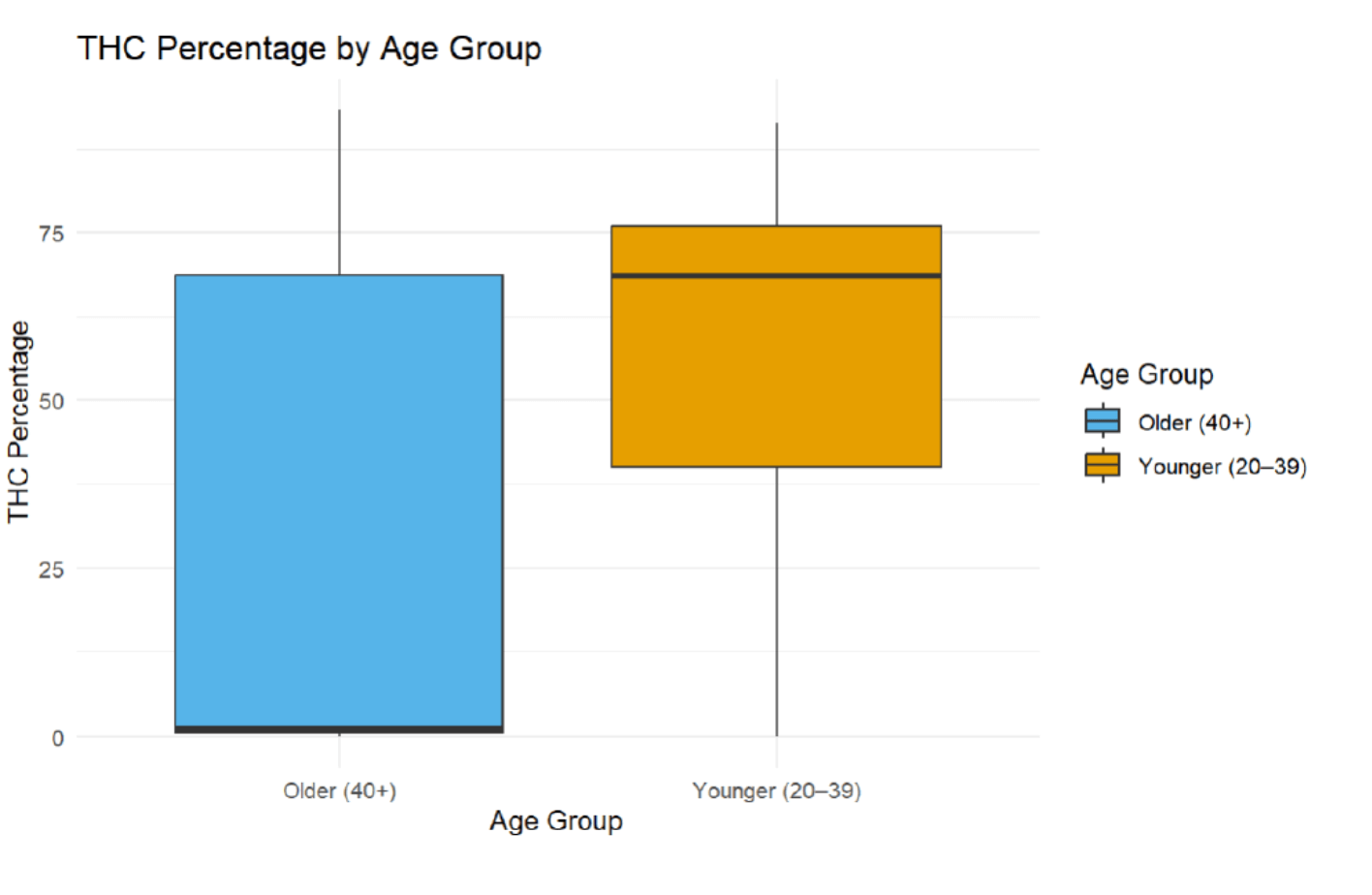
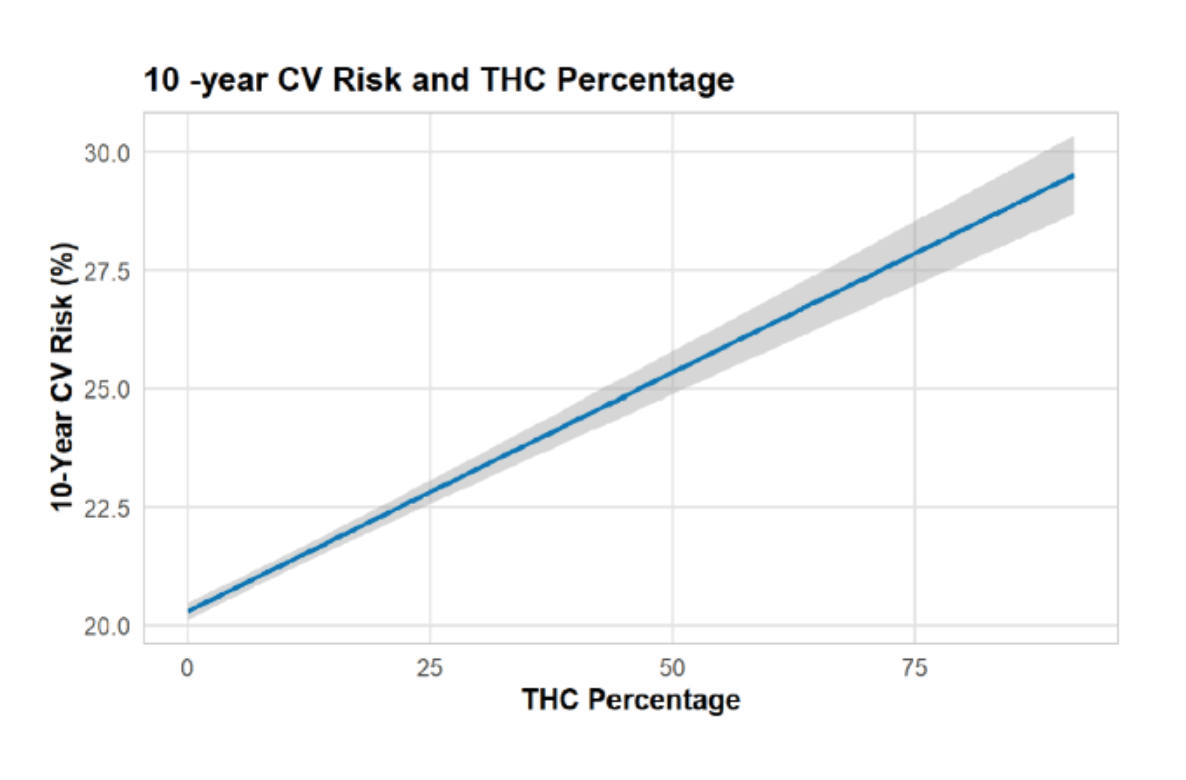
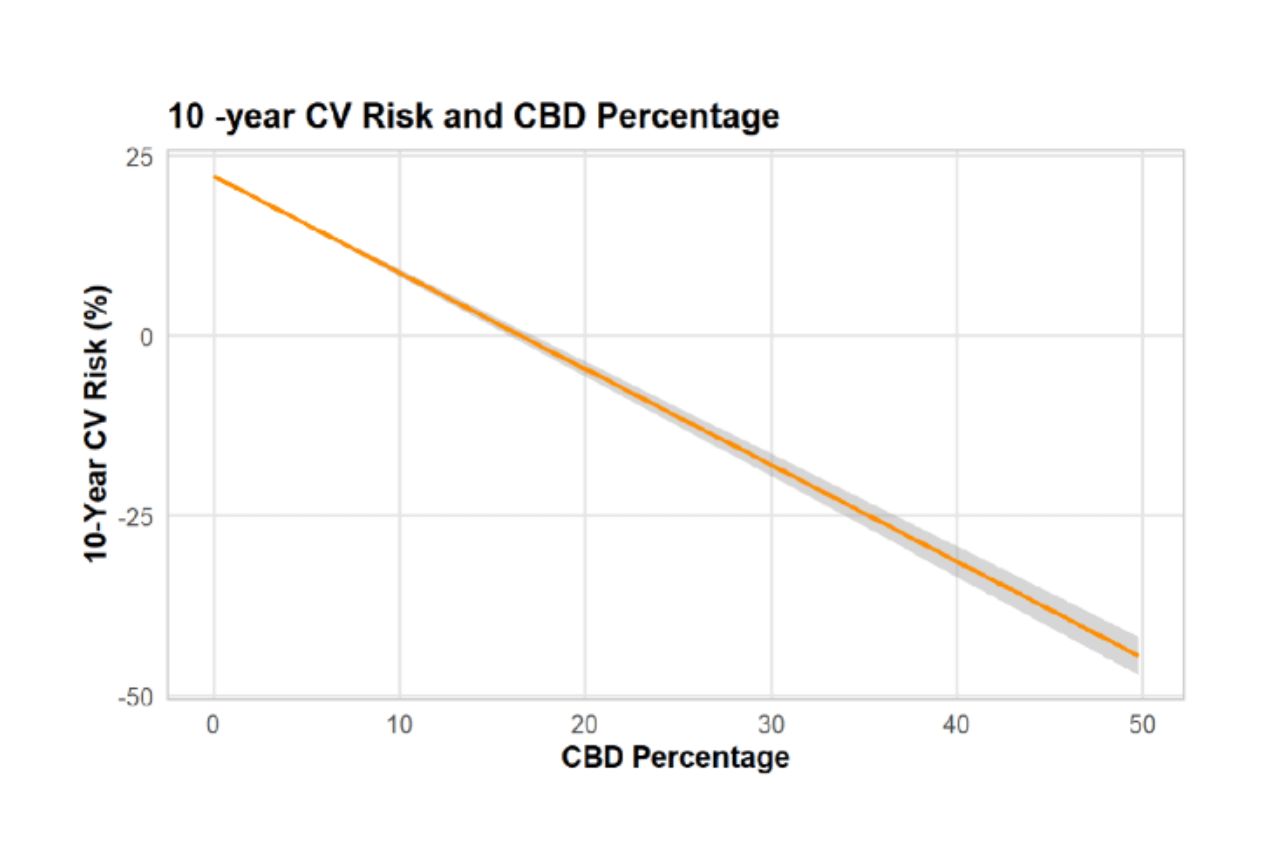



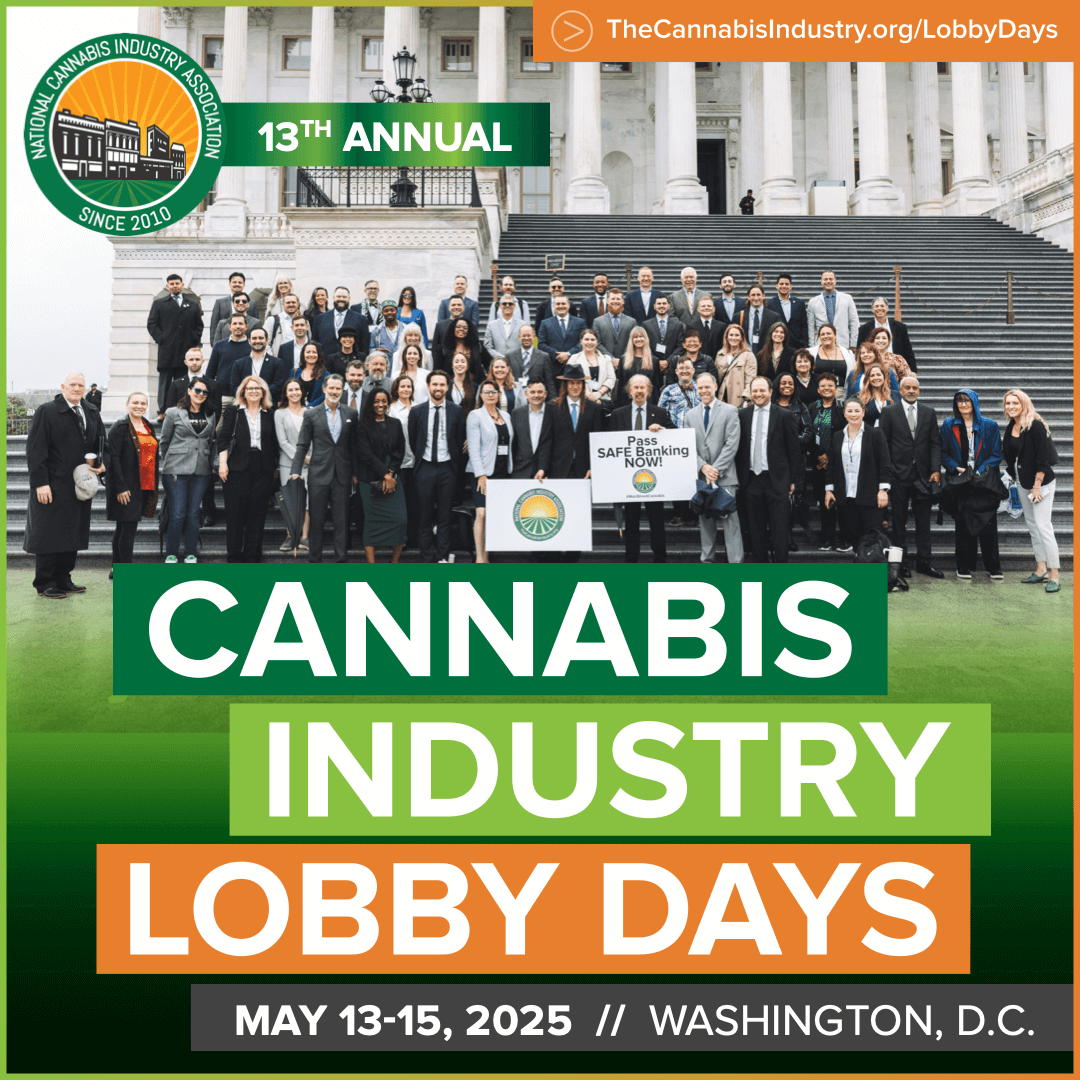


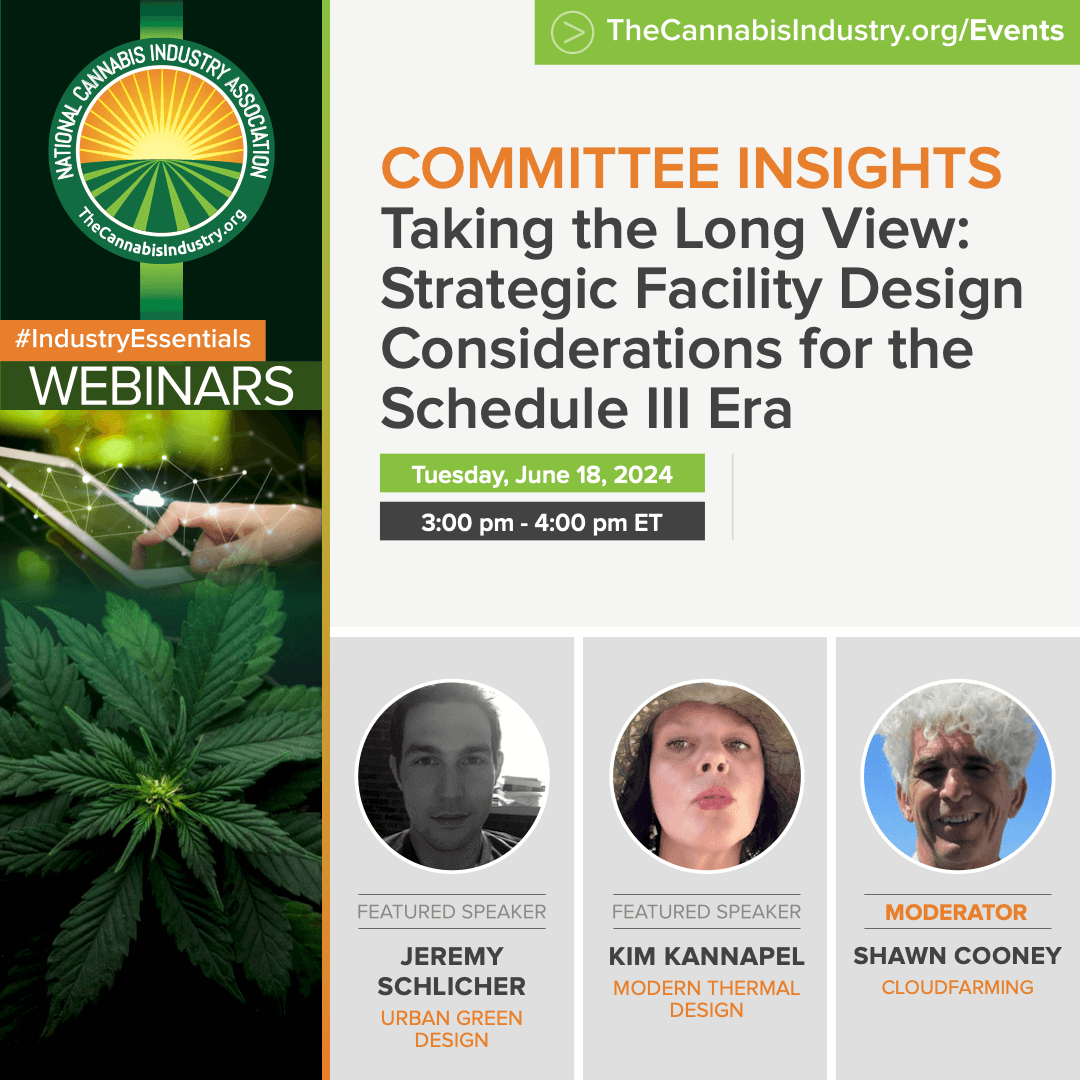

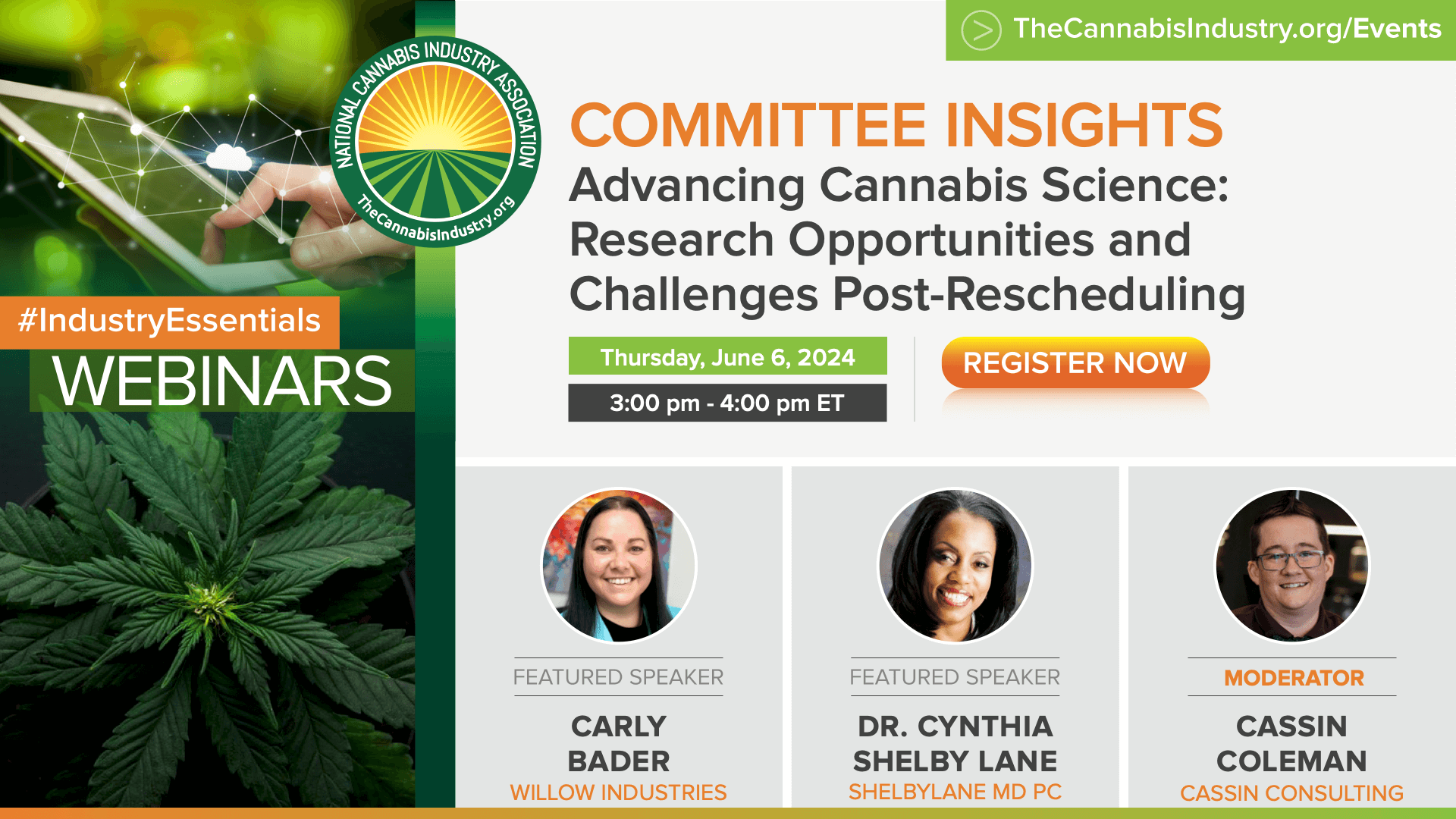
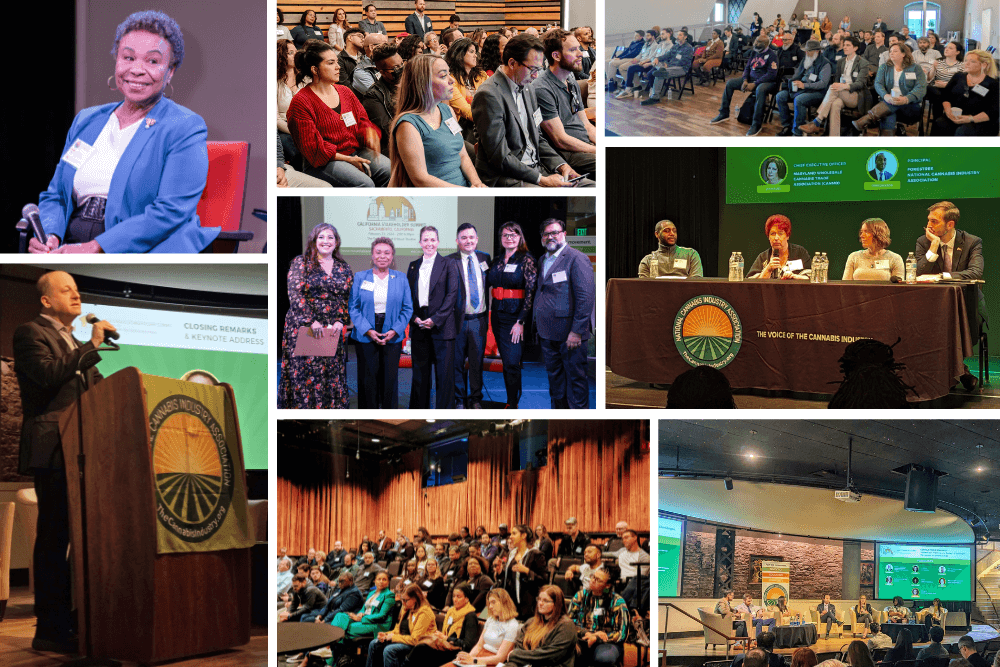

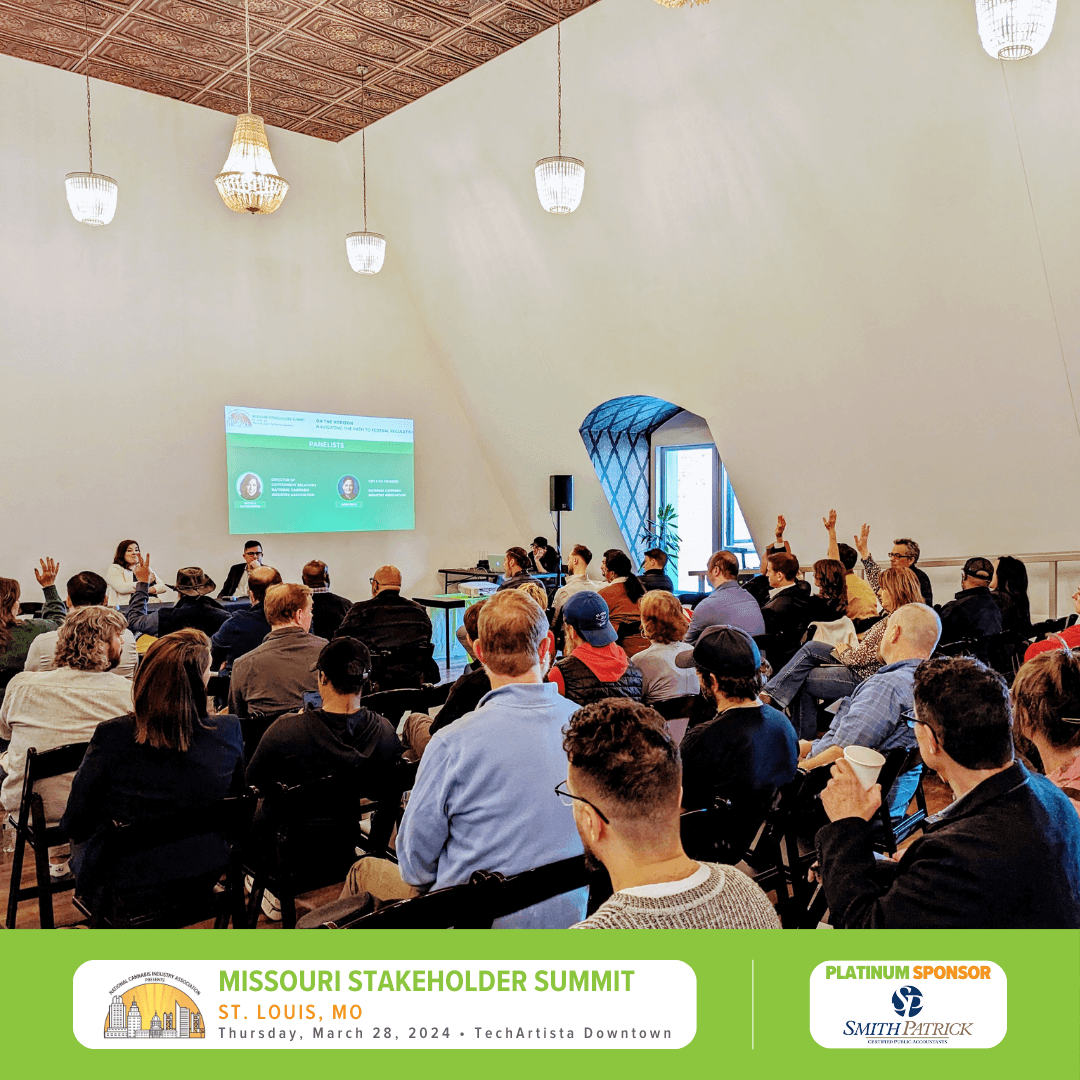
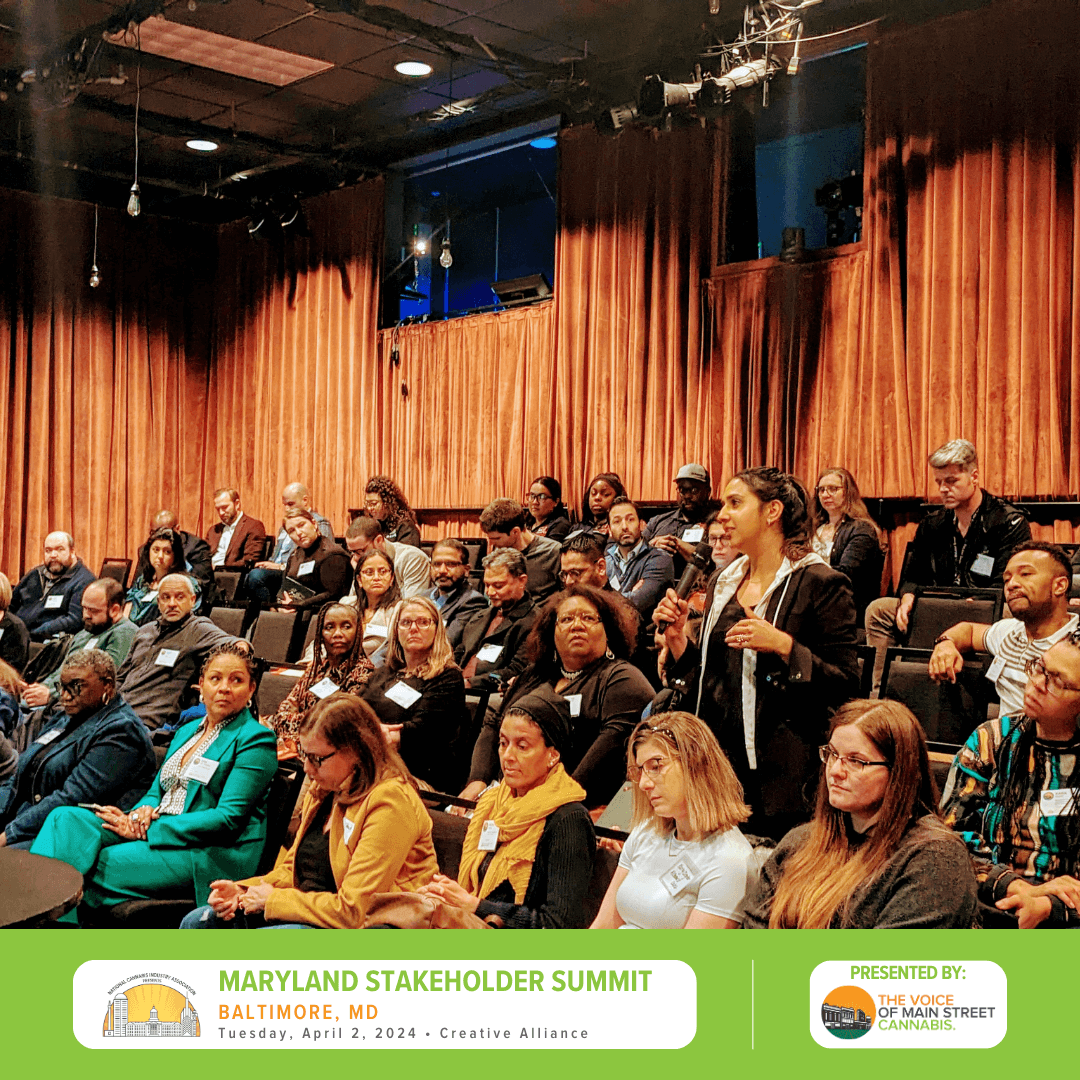

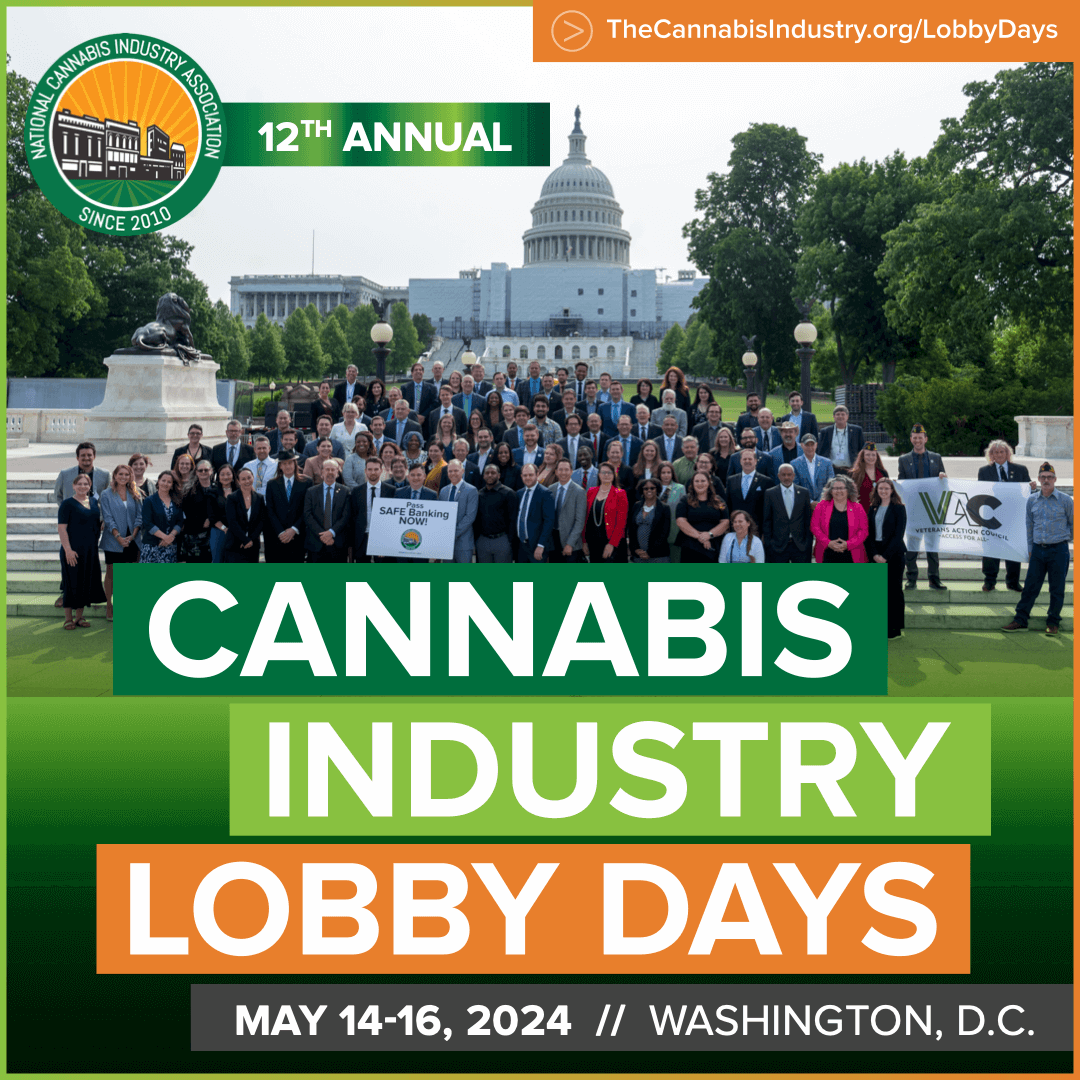
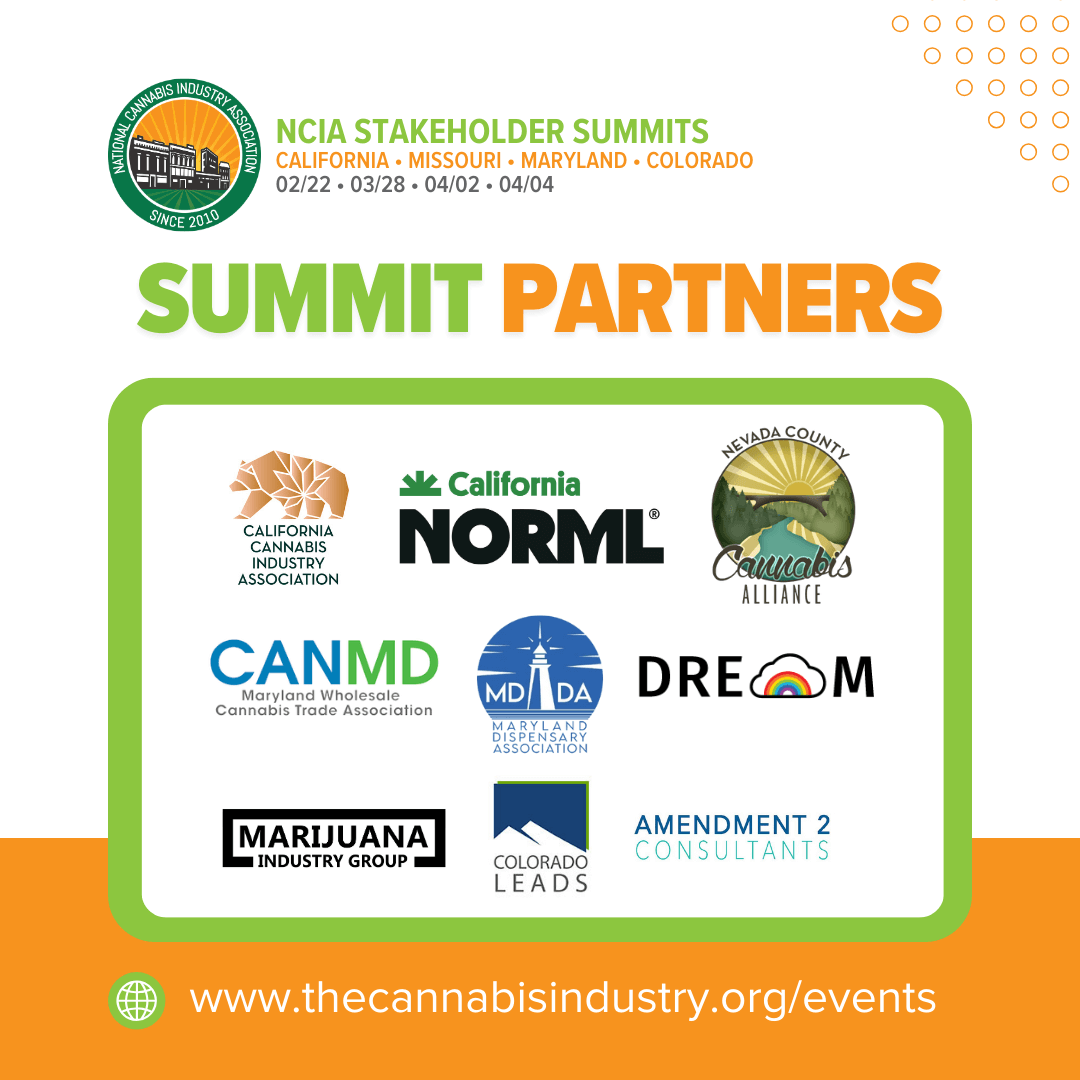
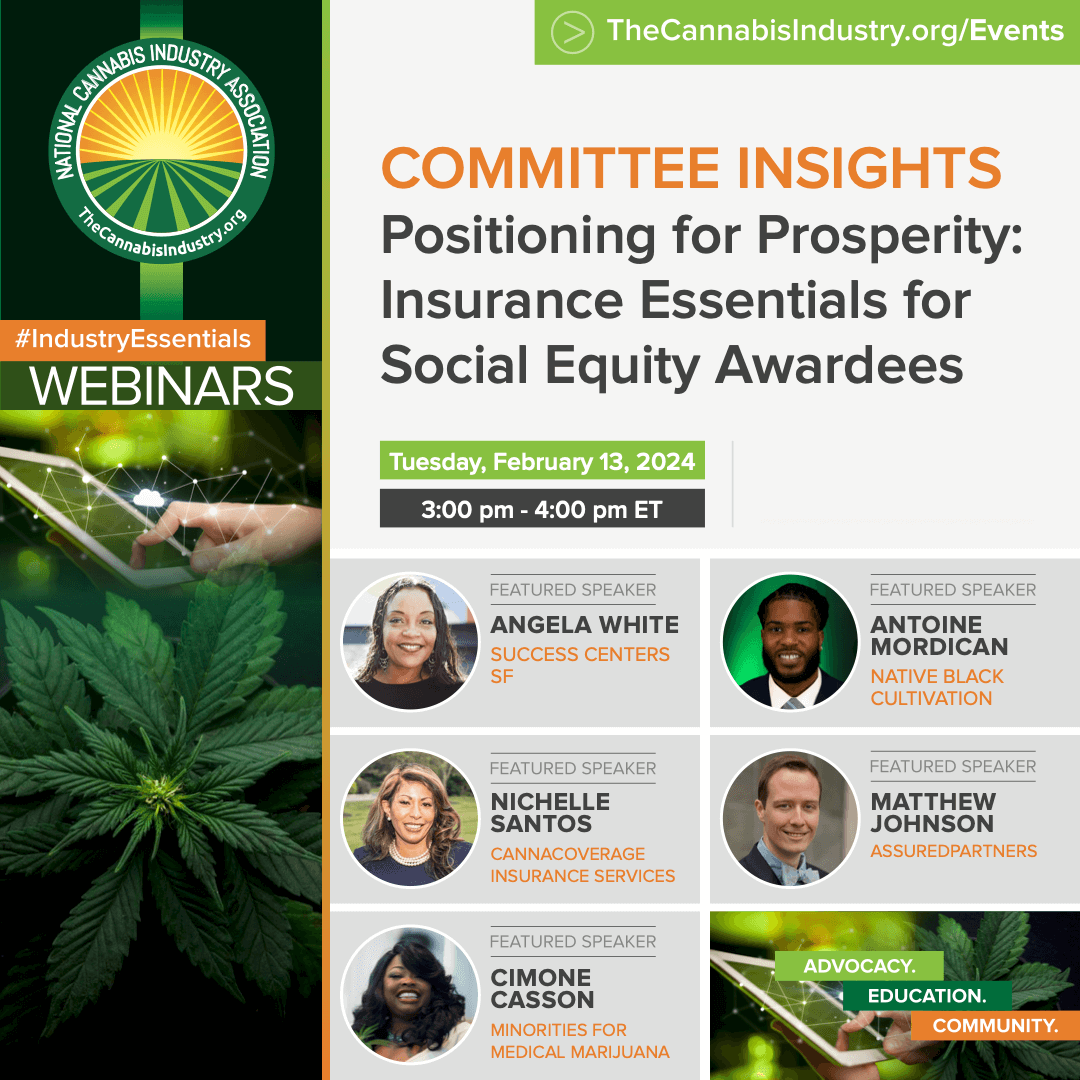



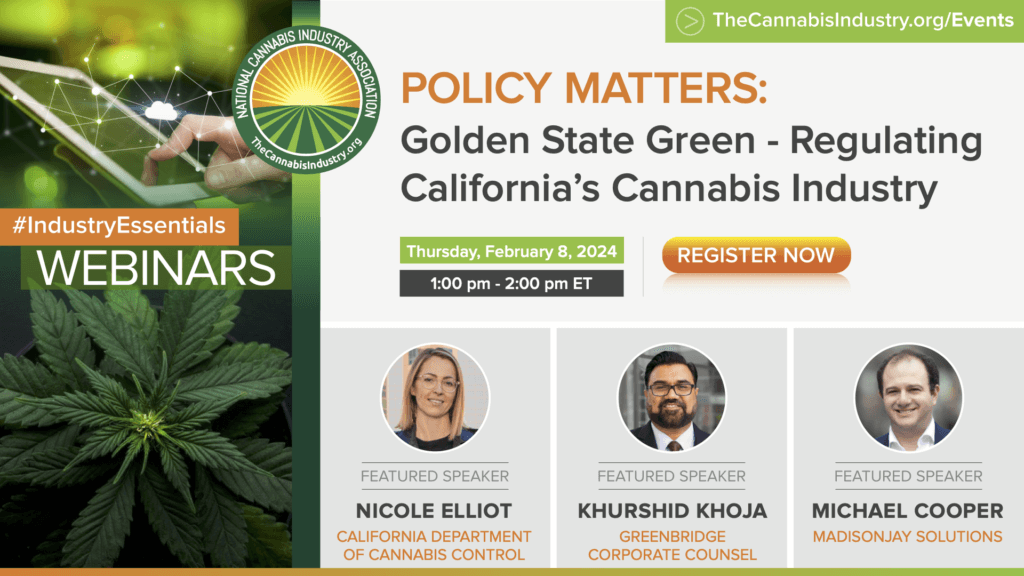
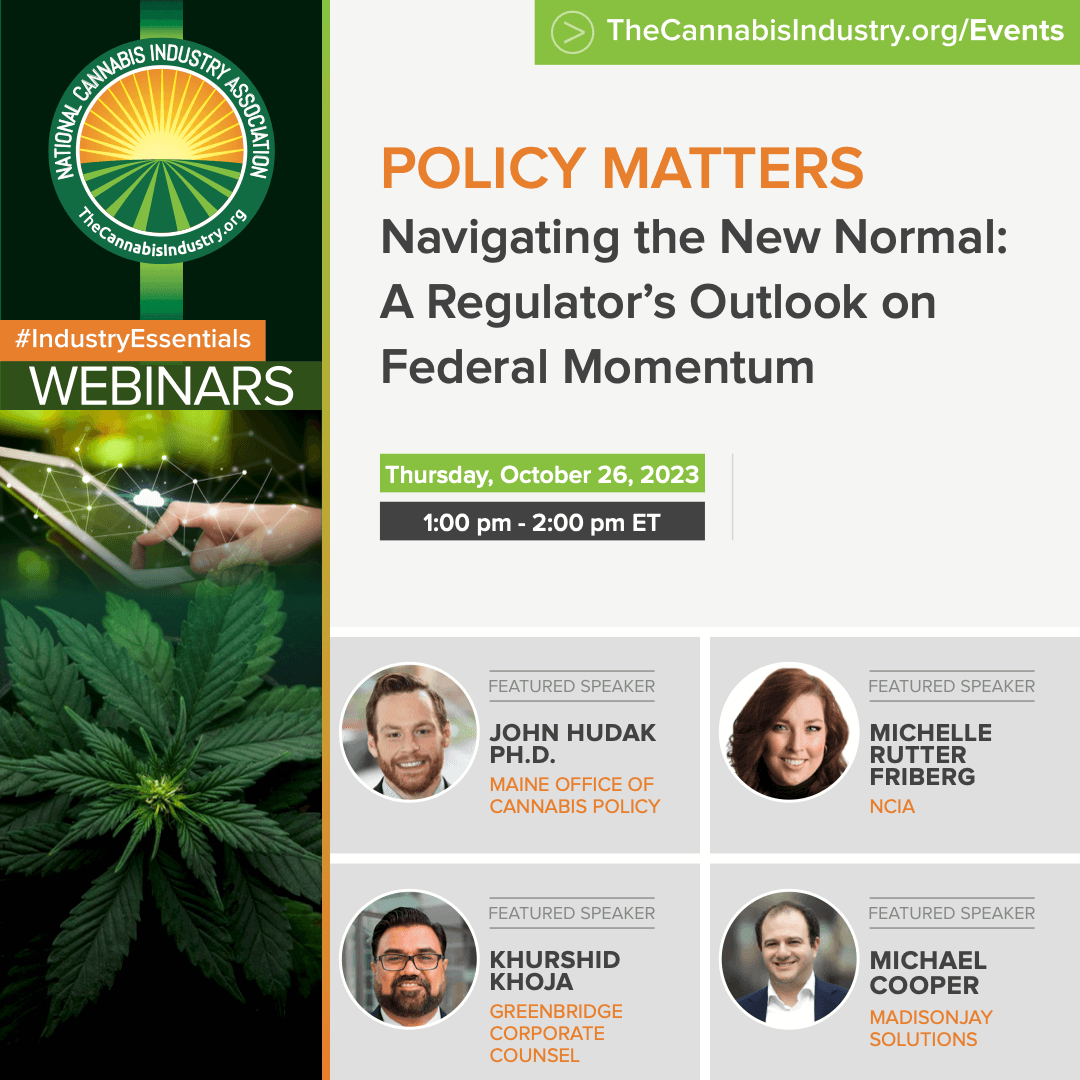
Follow NCIA
Newsletter
Facebook
Twitter
LinkedIn
Instagram
News & Resource Topics
–
This Just In
DOJ Reschedules Medical Cannabis to Schedule III & Announces June 2026 Hearing on Broader Rescheduling
National Cannabis Industry Association (NCIA) to Convene Industry Leaders in Washington for Annual Lobby Days, Bringing Together a Unified Voice for Federal Cannabis Reform