Maximizing Cannabis Marketing ROI: Key Insights from NCIA’s Latest Webinar
In an increasingly competitive cannabis market, understanding how to measure and maximize your marketing and PR efforts is essential. Our latest Industry Essentials webinar brought together top industry experts from NCIA’s Marketing & Advertising Committee to break down effective strategies for increasing visibility, proving ROI, and aligning marketing efforts with business growth.
Key takeaways from the discussion included:
PR isn’t just about press—it’s about measurable business impact. Understanding how earned media translates to sales and brand credibility is crucial.
Data-driven marketing decisions lead to stronger ROI. Identifying the right KPIs ensures you’re focusing on what truly moves the needle.
A strong brand strategy outperforms disconnected tactics. Thoughtful, integrated campaigns create long-term success rather than short-term spikes.
Access Exclusive Resources from Our Panelists
???? Watch the full webinar on demand:Register Now
Stay ahead of industry trends and ensure your marketing efforts deliver real results. Catch the replay now and level up your strategy!
Member Blog: Impact of Cannabis on Sleep Medication Use
Last year, Management Science Associates (MSA) partnered with Vireo Health of Minnesota to complete a first of its kind study that sought to analyze the relationship between opioid reduction and cannabis consumption (you can find more information on those findings in our previous post).
More recently, MSA has been exploring the impact of cannabis on sleep medication use. An estimated 30% of adults experience symptoms of insomnia, which can include difficulty falling asleep, staying asleep, or waking up too early. Patients with insomnia often rely on various prescription and/or over the counter sleep aids to manage their conditions, which can result in adverse effects, including the risk of abuse and cognitive impairment, especially in older adults. Fortunately, the increased acceptance of medical cannabis has resulted in many patients exploring it as a potential alternative.
Although previous studies have shed light on the impact of cannabis for insomnia, more research is needed to fully understand its potential and determine appropriate dosages and long-term effects. Using real-world data, MSA has conducted a study on patients diagnosed with insomnia to investigate the effectiveness of medical cannabis to reduce sleep medication use.
Methodology
The study included adults aged 18 and over, diagnosed with insomnia disorders based on ICD-10 codes, who have purchased cannabis products through medical cannabis dispensaries in Minnesota from 2016 to 2020. Using MSA’s patented de-identification technology, we linked each patient’s electronic health records (EHRs) with medical cannabis dispensary transaction records while protecting patient privacy.
We investigated the trends of cannabis products use in patients with insomnia, according to demographics, and quantified changes in sleep medication use over time, using the Defined Daily Dose (DDD) established by the World Health Organization (WHO) to obtain a ratio that reflects the patient’s daily medication intake in a standard measure. We analyzed the differences in medication use before and after cannabis use, and characterized the patients who experienced a reduction in sleep medication use.
Key findings included:
Demographics: The majority of insomnia patients participating in our study fall within the middle-aged bracket. Almost 50% of the participants were aged 35-50 years, closely followed by 44.4% within the 51-64 year age group.
Decrease in sleep medication usage: Our results showed an overall 26.7% decrease in the defined daily dose (DDD) ofsleep medications after cannabis use. Patients using cannabis experienced notable decreases in sleep medication use, with the most substantial improvements seen in individuals aged 50 and older. Specifically, those over 65 years old saw a dramatic 60% reduction. Meanwhile, the 51-64 age group benefited from a 39% reduction, and those aged 35-50 observed a 25% decrease. Patients 35-50 years old were using higher doses of Sleep medications than other age groups. Patients over 65 years old exhibited a more pronounced reduction in DDD ratios compared to other age groups. This suggests that older patients might benefit more significantly from cannabis use in terms of reducing their sleep medication intake.
Percentage Reduction of sleep medication by age category
Reduction by THC:CBD ratio: Although most patients with insomnia in this study were using cannabis products with a ratio of 19:1, the THC:CBD ratios that were most effective to reduce sleep medication use were 4:1. 20:1, and 1:1.
Reduction by Type of sleep medication: In our analysis, we observed a significant reduction in the use of various sleep medications among patients who began using cannabis, with benzodiazepines showing a particularly notable decrease of approximately 50% of the daily dose. The group of patients that experienced a reduction of sleep medication during cannabis use were mostly using Benzodiazepines, among which the most used were Alprazolam, Lorazepam, Diazepam, and Clonazepam.
Product Form and Reduction of Sleep Medication: Patients who were using cannabis in capsules experienced the most reduction in sleep medication use. Capsules can have a high bioavailability, meaning more cannabis enters the bloodstream compared to tablets, which could make them more effective. Gummies were most used by patients using high dosages of sleep medications at baseline.
Milligrams of THC: Cannabis products with higher amount of mg of THC were corelated with higher daily dose of sleep medications. This supports previous literature about the effect of THC on insomnia, where lower contents of THC being most effective to alleviate insomnia are reported.
Conclusion
These preliminary findings suggest that cannabis has the potential to significantly reduce the use of traditional sleep medications, particularly among older adults. The preference for specific forms of cannabis in patients using high doses of sleep medications, and a higher effectiveness of capsules in reducing its use highlights important considerations for patient preferences and adherence. As MSA continues this research, we aim to further elucidate the mechanisms behind these trends and refine our understanding of how cannabis can be optimized for managing insomnia and sleep disturbances.
Additionally, MSA aims to support the development of comprehensive guidelines to help clinicians incorporate cannabis safely into insomnia treatment plans. A high-level of evidence from real-world data can help regulatory bodies to update policies based on the latest research and implement educational programs for both healthcare providers and patients about the safe use of cannabis for sleep disorders.
If you are interested in learning more or getting involved with MSA by being a prominent leader in cannabis research, we’d love to hear from you. You can reach out to Madeline Grant at mgrant@msa.com to schedule an introductory call.
Member Blog: Regulating the Cannabis Industry for Accuracy and Integrity
Regulating the Cannabis Industry forAccuracy and Integrity
In the fast-evolving landscape of the cannabis industry, ensuring accurate testingstandards is paramount to safeguarding consumer safety, maintaining regulatorycompliance, and fostering fair market competition. However, a pervasive challengeknown as cannabinoid inflation threatens to undermine these essential principles,posing a significant obstacle to the industry’s growth and legitimacy.
Understanding Cannabinoid Inflation
Cannabinoid inflationrefers to the practice of cannabis testing laboratories providinginaccurately high cannabinoid concentrations in their reports, often in an attempt toattract business. This phenomenon distorts market dynamics, leading to unfaircompetition and jeopardizing the credibility of legitimate labs that adhere to rigoroustesting standards. Contaminant deflationis a significant concern, too, as labs willing toinflate cannabinoids are also more likely to underreport the presence and/or amount ofhazardous substances.
At the heart of this issue lies a fundamental discrepancy between reported and actualcannabinoid content in cannabis products. As cannabis producers and distributors seekout labs offering higher THC values, a troubling trend is to use only labs that will inflatethe value of desirable cannabinoids, such as THC. This practice, known as laboratory shopping, perpetuates the cycle of inflated results, undermining integrity and forcingaccurate reporting labs out of business.
Proposing Regulatory Solutions
To address this pressing cannabinoid inflation challenge, Digamma Consulting,renowned experts in cannabis chemistry, presents a comprehensive set of regulatorysolutions in their latest white paper, Solutions to Cannabinoid Inflation.
Solution A: Data Analysis Reports Advocating the adoption of data analysis reports,Digamma proposes a systematic approach to analyzing testing data, providingregulators with a solid foundation for action. By leveraging data analytics, authoritiescan identify trends, anomalies, and potential instances of cannabinoid inflation. Suchidentification enables regulators to make targeted and legally justified interventions thatcan help to improve testing integrity.
Solution B: Suspect Product Checks Digamma recommends implementing suspectproduct checks, also known as “secret shopper” programs, to detect inflatedcannabinoid values. This cost-effective mechanism allows states to conduct productsampling and testing of suspected lab results by independent accredited referencelaboratories that will validate reported cannabinoid content and mitigate inflated results.
Solution C: Chemical Analysis Laboratory Audits Digamma proposes implementingin-person audits of chemical analysis laboratories to ensure testing integrity and thusdirectly address cannabinoid inflation. Subjecting testing facilities to rigorous scrutiny byexpert auditors enables regulators to assess compliance with standards and uphold theintegrity of the testing process.
Digamma’s White Paper: Solutions to Cannabinoid Inflation
Digamma’s white paper on regulating the cannabis industry for accuracy and integrityrepresents a significant step toward addressing the pervasive challenge of cannabinoidinflation. By advocating for practical, low-cost regulatory solutions, Digamma Consultingaims to empower government regulators to uphold transparency, impartiality, and legaldefensibility in cannabis testing reporting and labeling.
As the industry continues to evolve, it is imperative to prioritize consumer safety,regulatory compliance, and market fairness. Through collaborative efforts and ongoingdialogue, we can navigate the complexities of the cannabis industry and propel it towarda future characterized by integrity, transparency, and accountability. Join Digammainthe quest to build a safe, fair, and thriving cannabis industry for all.
Navigating the New Normal: A Regulator’s Outlook on Federal Momentum | 10.26.23 | Policy Matters
Welcome to the second edition of our new Policy Matters series, dedicated to unraveling the intricate world of regulatory and policy dynamics within the cannabis industry. In the previous edition of Policy Matters, we had the privilege of hosting Will Tilburg from the Maryland Cannabis Administration, who shared his perspectives into the strategic aspects of designing a thriving cannabis market while meeting regulatory standards. This month, we continue our exploration into the world of cannabis policy, focusing on the potential implications of federal cannabis reform and recommended preparations for various stakeholders, including regulators, industry players, and the public.
In this #IndustryEssentials webinar series, we aim to provide Main Street cannabis operators valuable insights from regulators, industry experts, and advocates to keep you informed about the latest developments and challenges in the ever-evolving cannabis landscape. This article provides a comprehensive summary of the discussions, speaker highlights, and key takeaways from the event, continue reading and view the full recording below.
John Hudak: A Transition from Academia to Public Service
Our guest speaker for October’s edition of “Policy Matters”, John Hudak, serves as the Director of the Office of Cannabis Policy in Maine, a role he took on after serving as a senior fellow at the Brookings Institution. His background is an interesting blend of academic expertise and hands-on experience in state government and he touched on how this transition reflects his strong commitment to public service and his desire to implement real-world policies.
Hudak emphasized the challenges of engaging with industry stakeholders and regulators, even from a state perspective. He highlighted the importance of good public policy that not only benefits the cannabis industry but also safeguards the well-being of the people of Maine. His insights underscored the need for a balanced approach in crafting cannabis policies that are in the best interest of all stakeholders.
The Significance of Cannabis Rescheduling
The recent rescheduling recommendations of cannabis was discussed as great momentum in the right direction on the path to federal cannabis reform. While it wasn’t expected to lead to full descheduling, rescheduling still represents a positive step forward. This shift in classification may offer some much-needed tax relief for an industry that has faced considerable financial challenges, especially for smaller businesses.
The change in cannabis classification may also prompt a reevaluation of state-level business deductions, aligning them more closely with federal tax codes. Additionally, it was noted that the optics of President Biden initiating the rescheduling process were noteworthy, given his history on drug policy. However, it was emphasized that federal legalization should only occur when the government is well-prepared to manage the potential repercussions to avoid any undesirable outcomes.
Congressional Challenges to Federal Cannabis Reform
Michelle Rutter Friberg, NCIA’s Director of Government Relations, joined the discussion this month, shedding light on the challenges related to congressional action or inaction in the context of federal cannabis reform. She raised concerns that Congress might view its work as done if rescheduling takes place and that the historical difficulty in reaching a consensus on various issues within Congress poses a potential threat to further federal cannabis reform.
Years of congressional inaction have led to market consolidation, impacting small businesses and creating disparities within the industry. These insights highlighted the inherently political nature of the current reform process. Michelle also mentioned President Biden’s campaign promise to reform cannabis policies, which continues to influence the ongoing debate.
Balancing Politics and Cannabis Policy
Khurshid Khoja, NCIA’s Policy Co-Chair & Co-Host of Policy Matters, contributed his perspective to the discussion, recognizing that rescheduling is indeed a positive step as it acknowledges the medical uses of cannabis. He emphasized that the cannabis industry would welcome any form of tax relief that may come with rescheduling. The speakers collectively explored the fears and expectations related to rescheduling and its potential impact on the industry. They also discussed the importance of cautious regulation and research-backed medical claims while stressing the importance of protecting small businesses and ensuring they are not left behind during the reform process.
John Hudak shared further insights into the importance of collaboration between federal and state regulators with the challenges of shared jurisdiction between federal and state authorities being highlighted, particularly concerning public health and safety. Hudak emphasized the need for guidance or regulations from the Food and Drug Administration (FDA) to provide clarity for both regulators and the industry. The benefits of standardization in labeling and packaging across states were also discussed, with an emphasis on reducing burdens for small cannabis businesses.
Hudak’s approach to preparing Maine for federal legalization differs from how other states might approach it. Rather than rushing to issue new rules or guidance based on assumptions, he emphasized the importance of crafting contingency plans. Such plans would allow states to be ready for various scenarios post-federal legalization, rather than being caught flat-footed. He explained that they are considering unknown, known, and nearly guaranteed aspects of federal legalization to ensure they are well-prepared.
Hudak cited the importance of labeling standards, as these are among the regulatory aspects that are likely to be implemented. Drawing from past experiences with federal reforms, such as the Affordable Care Act and HIPAA, he illustrated the significance of state preparation and the impact it has on successful implementation.
Audience Question and Opportunities for Industry Engagement
An audience question by Tucker Holland (principal of Blooming Member Entourage Cannabis, an Oregon infused product manufacturer) raised the necessity of federal descheduling leading to federal re-regulation. The question emphasized that states already regulate their individual markets, and there was interest in exploring a pathway where federal responsibility might be pushed to the states.
In response, the speakers discussed the complexities of the issue and the need for effective collaboration between state and federal regulators. While the specifics of such collaboration remain a work in progress, the role of state regulators remains pivotal in shaping the future of cannabis regulation.
Conclusion
In conclusion, the insights shared during this Policy Matters webinar shed light on the complexities and challenges associated with federal cannabis reform. From the significance of rescheduling to the impact of taxation and market consolidation, the conversations between the panelists highlighted the need for cautious and well-informed policies. The discussions also underscored the importance of industry engagement and active participation in shaping federal regulations. This is a pivotal moment for the cannabis industry, and it is clear that industry stakeholders have a role to play in influencing the path forward.
The journey towards federal cannabis reform is an ongoing process, and it’s imperative that industry stakeholders, advocates, and regulators work together to navigate the challenges and opportunities that lie ahead. With your commitment to informed and balanced policies, we can continue to move forward, fostering an environment that benefits all members of the cannabis community. Join NCIA today to be a part of this influential movement.
Watch the Full Discussion on YouTube
If you’re eager to dive deeper into this insightful conversation, we encourage you to watch the full webinar on NCIA’s official YouTube channel. This video provides an opportunity to absorb every detail, gain a comprehensive understanding of the issues discussed, and explore the valuable insights offered by our panel of experts.
The Path Forward
As the cannabis industry continues to evolve and adapt, staying informed and engaged remains crucial. Opportunities like the NCIA’s committee applications, industry events, and educational sessions provide avenues for individuals and businesses to get involved and make their voices heard.
Last month, we had the opportunity to gain valuable insights from Will Tilburg of the Maryland Cannabis Administration, shedding light on the challenges and successes of of launching an adult-use cannabis market in record time. This month, we’ve explored the critical topic of preparing for federal cannabis reform, its potential implications for various industry stakeholders and the nuanced aspects surrounding it.
Stay tuned for future editions of Policy Matters, where we’ll continue to tackle the most pertinent issues in the cannabis industry, providing you with valuable insights and fostering dialogue on the policies that shape the future of cannabis in the United States. Your voice in the development of common sense policy matters, and together, we can make a difference.
Cannabis Vaping – Avoid Being an Easy Target | 10.12.23 | NCIA #IndustryEssentials Webinar
In the ever-evolving cannabis industry, staying informed and educated is paramount. The National Cannabis Industry Association (NCIA) understands this need and presents its premier digital educational series, the #IndustryEssentials webinar series. The latest installment, “Committee Insights: Cannabis Vaping – Avoid Being an Easy Target” is a deep dive into the world of cannabis manufacturing risk management.
A Changing Landscape: The 2019 EVALI Outbreak
The year 2019 brought a significant shift in the cannabis vaping landscape with the EVALI outbreak. This crisis stirred up the cannabis vape industry, causing some businesses to become easy targets in the court of public opinion. The incident prompted a critical need for companies to design safer products and expand their due diligence testing during the product development phase. With vaping remaining a popular form of consumption, particularly among GenZ users, the industry found itself at a crossroads.
A Journey into Risk Management
NCIA’s second vaping webinar of 2023 addressed these challenges head-on, gathering industry experts to discuss what their companies are doing to avoid being easy targets, prevent another EVALI-like crisis, and navigate an industry in the absence of regulations. The session focused on key learning objectives, including risk assessment and due diligence protocols, best practices and manufacturing standards during product development, youth prevention strategies, and insights gained from emissions testing of vape products.
A Source of Valuable Insights
This webinar was a source of invaluable insights, covering risk management strategies that are crucial for manufacturers in the cannabis industry. It highlighted the significance of risk assessment and due diligence protocols, enabling businesses to determine consumer exposure limits. The presentation of best practices and manufacturing standards helps set industry benchmarks, ensuring product quality and safety. Addressing youth prevention strategies is essential for responsible cannabis consumption. Finally, the discussion on emissions testing of vape products provides information for creating a safer industry.
Becoming Part of the NCIA Community
If you found this webinar valuable and wish to access more educational content and networking opportunities, consider becoming a member of the National Cannabis Industry Association (NCIA). Membership opens doors to a wealth of resources and opportunities in the cannabis industry.
Sponsorship Opportunities
For businesses looking to gain visibility in educational programs and webinars like this one, NCIA offers sponsorship opportunities. Partnering with NCIA can help companies establish a presence in the industry and connect with professionals and enthusiasts.
In conclusion, NCIA’s commitment to providing timely, engaging, and essential education is evident in its #IndustryEssentials webinar series. The “Committee Insights: Cannabis Vaping – Avoid Being an Easy Target” webinar brings us closer to understanding the risks and challenges faced by manufacturers in the cannabis industry. As the industry continues to evolve, staying informed and educated is key to success.
Future Editions of this Series
This is the second of five in a multi-part series of #IndustryEssentials webinars. You can watch Parts I & III plus register Part IV & V at the links below.
Episode I – Committee Insights: Mapping the Vape Landscape: Where are We and Where Do We Go from Here?” – [Watch Here]
Episode III – Committee Insights: Where Risk Assessment Integrity Meets Policy –[Watch Here]
Episode IV: Committee Insights: Cannabis Vaping – Beyond the Pen – [Date & Time TBD]
Episode V: Committee Insights: Dabinar Special Edition – Dabbing 101 – [Date & Time TBD]
Stay tuned as more details surrounding Parts IV & V will be announced soon!
Thank you for reading, and stay tuned for more updates from NCIA, your trusted source for cannabis industry insights and knowledge.
Member Blog: Pre-Rolls are Poised to Become the #1 Category in Canada – Will the Same Trends Follow in the US?
Earlier this year, we predicted that pre-rolls were destined to be the top-selling cannabis product by the end of this decade, and a new deep dive into the Canadian market has only further convinced us that pre-rolls are not only a cornerstone of the current market, but a major driver for future growth not only North of the Border, but in a federally legalized U.S. cannabis market as well.
That’s because thanks in part to a staggering growth rate of 606% in infused pre-rolls from January 2022 to February 2023, pre-rolls are currently on the verge of overtaking flower as the top product category in Canada’s cannabis industry.
Using data from cannabis analytics firm Headset, our new White Paper, “Pre-Roll Growth in the Canadian Market,” details how pre-rolls in Canada have grown more than 50% over the past 18 months, from a 20.7% market share in early 2022 to a 31.5% total market share in May 2023, with total sales in the category topping CAD$1 billion in 2022. At the same time, flower sales in Canada continue to drop, falling to just 35% of sales in May 2023, compared to 31.5% for pre-rolls.
With federal legalization believed to be on the horizon for the United States, Canada’s data stands out as a national system and gives us some insight into how the American market could respond to a federal program, as opposed to one that is regulated state-by-state.
Growth in Every Market
Sales of pre-rolls in all four of the provinces tracked by Headset saw large increases. Pre-roll sales saw 33% and 37% growth in Saskatchewan and Alberta, respectively, a nearly 54% growth in British Columbia and a whopping 69% increase in Ontario, the country’s most-populous province. In the U.S., pre-roll sales also continue to surge, growing to a 12.1% market share in the States.
The sales growth has been fueled in part by the rise of infused, or “connoisseur” pre-rolls, which combine a cannabis concentrate and flower into a single pre-roll cone. The result is a more potent pre-roll, often at a higher price point, which has helped push revenue totals even higher since Health Canada clarified its rules in late 2021 to clear the way for the product.
Consumers have responded, with infused pre-rolls seeing an eye-popping 1,426% growth rate from 2021 to 2022. The segment grew from just under 3% of the market at CAD$12.7 million in 2021 to nearly 30% and CAD$47.9 million by mid-2023. That’s more growth than any other pre-roll category except single-strain hybrids.
Keeping Price Points High
The rising popularity of infused pre-rolls, with their higher price point, has been a significant factor contributing to the increase in the average price of Canadian pre-rolls. Infused pre-roll sales jumped from 6.2% of total sales in January 2022 to 29.8% of sales by February 2023. This trend has been instrumental in maintaining the overall price of pre-rolls even as prices for flower and concentrates have decreased.
According to Headset data, in 2022, pre-roll products accounted for 27% of the new items introduced in the Canadian market, demonstrating a remarkable growth rate of 48.2% compared to 2021, second only to beverages. In response to the increasing demand in this category, a total of 1,870 new pre-roll products were launched in the Canadian market during that year.
The resilience of pre-roll prices can also partially be attributed to their manufactured nature and the unique attributes of infused pre-rolls. The demand for stronger pre-rolls, coupled with declining prices for flower and concentrates, has created a favorable environment for launching infused pre-roll products.
Additionally, automated pre-roll machinery continues to evolve, including new automated infused pre-roll machines, making it easier for manufacturers to produce large quantities of infused pre-rolls at a slight premium over regular pre-rolls, leading to the category’s rapid expansion.
Multi-Packs and Cross-Generational Appeal
Other insights from our report include a surge in pre-roll multi-packs, with 2- and 5-gram packs seeing an almost 400% growth over the past two years, and that the pre-roll category shows less price compression than any other segment of the market, as it does in the U.S. as well.
Part of the strength of the pre-roll segment is its cross-generational appeal. For example, the Ontario market is the largest and fastest-growing of Canada’s provinces. With revenues reaching CAD$440 million in 2022, Ontario accounts for almost half of all sales in Canada. And within Ontario, the wallet share of pre-rolls grew within every generational group through 2021, with Gen X and Millennials seeing the largest growth, at around 45% each.
Within the fastest-growing group of consumers in the industry, Gen Z (which in Canada is a larger cohort than the U.S. due to a lower age restriction for cannabis purchases), pre-roll sales increased with both male and female consumers. The wallet share of pre-rolls among female buyers grew more than 4% to 20.4% in 2021. For males, the increase was even larger, growing from 14.6% of wallet share to 19.7%.
Final Thoughts on Pre-Roll Growth
The main factors driving the huge growth in pre-rolls are:
Increased pre-roll quality, as flower and concentrate prices drop, so companies can create a higher quality pre-roll at cheaper and cheaper prices.
Reduced labor costs, as advancements in pre-roll machinery help companies scale production and bring in automation.
Consumer buying patterns showing that customers want convenience and are consuming for recreational use, not health and wellness.
The next big trend in pre-rolls, which will push pre-rolls to the No. 1 sales category in the industry, is freshness. Competing in the future will mean better packaging and a better supply chain, so pre-rolls are always fresh at retail.
But with sales surging across both Canada and the U.S., now is the right time for producer/processors to launch or expand pre-roll lines, particularly infused pre-rolls and pre-roll multi-packs.
For more information on how you can capitalize on the latest trends in the pre-roll segment, contact the Pre-Roll Experts at Custom Cones USA.
Mapping the Vape Landscape | 10.2.23 | Committee Insights
Welcome to the recorded session of our webinar, “Mapping the Vape Landscape: Where are We and Where Do We Go from Here?” In this engaging discussion, hosted by NCIA’s Cannabis Manufacturing Committee, we dive into the dynamic world of vaping in the cannabis industry.
NCIA’s #IndustryEssentials webinar series is our premier digital educational platform, offering timely and essential insights when you need them most. This session is part of our Committee Insights series, produced in collaboration with our member-led committees.
Vaping is often hailed as the future of our industry, providing potent doses at a lower cost. However, it’s also a topic of controversy. This webinar features a distinguished panel that covers all aspects of the vaping vertical, from industry leaders to experts in hardware and safety standards. Whether you’re a retailer, brand representative, manufacturer, or a newcomer, this discussion addresses misconceptions, spotlights current trends, and prepares you for the future of vaping.
Learning Objectives:
• Explore the current categories of devices, products, and formulations.
• Discover strategies to optimize the user experience in a rapidly evolving market.
• Gain insights into the regulations shaping the vaping industry.
• Peer into the future: standards, trends, and potential game-changers.
Panelists:
Tucker Holland
Co-founder, CFO and Processing Director Entourage Cannabis
Darwin Millard
Chief Scientific Officer Final Bell
Join us in this exploration of the vape landscape and gain valuable insights from industry experts. Watch the recording to enhance your understanding of the cannabis industry’s most polarizing yet transformative segment.
—
This is the first of five in a multi-part series of #IndustryEssentials webinars. You can watch Parts II & III plus register Part IV & V at the links below.
Episode II – Committee Insights: Cannabis Vaping – Avoid Being an Easy Target – [Watch Here]
Episode III – Committee Insights: Where Risk Assessment Integrity Meets Policy –[Watch Here]
Episode IV: Committee Insights: Cannabis Vaping – Beyond the Pen – [Date & Time TBD]
Episode V: Committee Insights: Dabinar Special Edition – Dabbing 101 – [Date & Time TBD]
Stay tuned as more details surrounding Parts IV & V will be announced soon!
Unlocking Social Equity in Legal Cannabis Delivery | 9.21.23 | NCIA #IndustryEssentials Webinar
Welcome to the National Cannabis Industry Association’s (NCIA) latest webinar recording, “Committee Insights: Balancing the Scales – Social Equity in Legal Cannabis Delivery.” NCIA’s #IndustryEssentials webinar series is your gateway to timely, engaging, and essential education in the dynamic world of cannabis. In this insightful session we partnered with NCIA’s Diversity, Equity & Inclusion Committee (one of our 14 member-led committees) to explore the pressing need to address historical inequities in the legal cannabis industry.
As the cannabis industry experiences exponential growth, it’s crucial to provide a platform for individuals adversely affected by past cannabis laws. Our esteemed panel of experts shed light on the importance of social equity in cannabis delivery regulations and offered actionable solutions for a more inclusive industry.
Learning Objectives:
• Understand the historical context of cannabis-related offenses and their disproportionate impacts.
• Recognize the crucial importance of social equity provisions in cannabis regulations.
• Identify best practices for implementing social equity in cannabis delivery.
• Engage stakeholders in constructive dialogues for industry-wide change.
Our target audience for this webinar included cannabis industry professionals and regulators, entrepreneurs interested in cannabis delivery services, social justice advocates, and policymakers, as well as legal professionals.
Whether you’re an industry insider or a passionate advocate, this webinar recording is a valuable resource to deepen your understanding of social equity in the cannabis industry. Join us as we work towards creating a more equitable and inclusive future.
HHS Recommends Rescheduling: Now What? | 9.14.23 | Fireside Chats with NCIA’s Government Relations Team
NCIA’s #IndustryEssentials webinar series is our premier digital educational platform featuring a variety of interactive programs allowing us to provide you timely, engaging and essential education when you need it most. The Fireside Chat series of NCIA’s #IndustryEssentials webinars are an opportunity for industry professionals to hear from our government relations team and guests about the latest developments in federal policy LIVE.
For more than fifty years, the federal government has maintained that cannabis is a Schedule I drug, meaning that it has a high potential for abuse and no accepted medical value.
That recently changed when the Department of Health and Human Services (HHS) recommended to the Drug Enforcement Administration (DEA) that cannabis be placed in Schedule III, meaning that it has moderate to low abuse potential, a currently accepted medical use, and a low potential for psychological dependence.
There’s no doubt this move was an historic one– but what does it mean? What’s next? How will it impact your business? Join NCIA’s Aaron Smith and Michelle Rutter Friberg as they unpack all these questions surrounding cannabis rescheduling impact and more!
America in Miniature Goes Green: Maryland’s Journey to Adult-Use Cannabis | 9.7.23 | Policy Matters
Introducing “Policy Matters” – an insightful new #IndustryEssentials webinar series dedicated to unraveling the intricate world of regulatory and policy dynamics within the cannabis industry. As the cannabis landscape continues to evolve, staying informed about the latest regulations and policies impacting Main Street cannabis operators is crucial for success. Join us for a series of engaging discussions where regional regulators, industry leaders, legal experts, and policy influencers come together with NCIA leadership to shed light on the most pressing issues facing cannabis professionals.
Are you curious about the intricacies of launching an adult-use cannabis market in record time? In the debut episode of our new Policy Matters webinar series we delved into the strategic aspects of designing a thriving cannabis market while meeting regulatory standards. In this exclusive session, NCIA Policy Co-Chairs Khurshid Khoja and Michael Cooper were joined by Will Tilburg, Director of the Maryland Cannabis Administration and President of the Cannabis Regulators Association, to explore invaluable insights into the objectives that drive cannabis regulators and the pitfalls they strive to avoid. Discover the pressing enforcement challenges that are top of mind for cannabis regulators in 2023 and gain a clear understanding of the evolving landscape.
Don’t miss this opportunity to gain an understanding of how policy matters in the fast-paced cannabis sector. Stay informed, stay ahead, and be part of the conversation that’s shaping the future of cannabis policy. Tune in today and empower yourself with the knowledge to thrive in this dynamic industry.
03:40 – Launching an Adult Use Market in 2023 | Were there lessons from the existing medical market and others around the nation that you identified as important, both success stories and pitfalls to avoid?
07:23 – Launching an Adult Use Market in 2023 | What allowed you to move so efficiently and what lessons would you highlight for industry and regulators in new markets rolling-out in the future?
12:48 – Launching an Adult Use Market in 2023 | What are some priorities you have for the months ahead?
16:55 – Launching an Adult Use Market in 2023 | What advice would you give to future regulators on building relationships within the executive branch to prioritize these issues?
22:20 – Social Equity | Can you talk about reserving the first round of adult-use cannabis licenses exclusively for social equity applicants and other recent milestones or developments working with the Office of Social Equity?
28:56 – Social Equity | How has Maryland worked to make its medical cannabis industry more equitable and ensure these goals aren’t undercut as they have been with similar licensing preferences in other states?
34:04 – Enforcement | How did the state set up its enforcement plan? How do you strike a balance in a new market between a complete absence of enforcement and protecting public health?
37:34 – Enforcement | What are some key enforcement priorities for you looking ahead?
41:40 – CANNRA | Can you talk about the Cannabis Regulators Association (CANNRA) purpose, membership, and goals?
44:39 – CANNRA | What are the priorities or goals for your tenure as CANNRA president?
47:20 – Federal Reform & Regulation | What is Maryland doing to address the hemp-derived cannabinoids issue as it relates to protecting public health and unfair competition with adult-use cannabis licensees?
52:10 – Federal Reform & Regulation | As a state regulator, how did you receive the recent HHS recommendation for rescheduling of cannabis to Schedule III?
56:34 – Federal Reform & Regulation | What is the optimal division of labor between state and federal government if cannabis is completely descheduled in the future?
Member Blog: Securing Your Cannabis Venture – Mastering Inspections with Comprehensive Cannabis Insurance
The cannabis industry continues to blaze a trail of growth and innovation, opening numerous opportunities for entrepreneurs and investors. However, this thriving landscape also exposes businesses to unique risks that demand proactive risk management solutions. Insurance plays a pivotal role in safeguarding cannabis ventures from potential losses, making it an essential aspect of responsible business operations. In this blog post, I will explore the critical role of inspections, the challenges they present, and how partnering with a reliable cannabis insurance broker can protect your business interests while mastering the art of inspections.
Understanding the Need for Inspections
The cannabis industry operates under stringent regulations, and inspections are an indispensable component of ensuring compliance. These routine evaluations, carried out by regulatory bodies or insurance carriers, are designed to assess product quality, safety standards, and adherence to legal requirements. While inspections are vital for maintaining high standards within the industry, they also expose businesses to potential vulnerabilities, particularly theft.
The Perils of Theft: Unraveling Insider Threats
As the cannabis industry expands, so does the risk of theft. A concerning issue arises from potential “inside jobs,” where employees or third-party trusted individuals gather sensitive information on-site, posing a significant threat to the operation’s stability. This situation often leads to confusion and concern for clients regarding third-party insurance inspectors who sometimes come on site without communication or vetting.
Clients frequently encounter uncertainty when dealing with these inspectors. They tend to reach out to operators to schedule appointments without confirming the inspector’s affiliation with the insurance carrier or broker. This results in delayed responses, as these calls are often mistaken for telemarketing and disregarded. Unfortunately, this miscommunication can lead to compliance issues with the insurance carrier.
To address this problem, transparent communication between the insurance broker, inspection company, and operator is essential. For example, many clients now ask me to verify the identity of those contacting them before scheduling appointments. I highly recommend this practice to protect clients’ sensitive information.
In this evolving landscape, ensuring security and effective communication is paramount. By taking proactive steps, we can enhance the industry’s growth while safeguarding its integrity.
Transparent Expectations: Building a Solid Foundation
Open and direct communication, coupled with well-defined expectations, serve as the cornerstone for effective inspections within the cannabis industry. My commitment lies in bridging the gap between clients and inspectors, enabling them to familiarize themselves with one another and streamline the scheduling process. A comprehensive comprehension of the inspection procedure, its aims, and the specific areas subject to scrutiny is imperative for businesses. Simultaneously, transparency on the part of insurance carriers regarding inspection protocols and their protective role is crucial for your business’s security.
Embracing a collaborative approach to inspections fosters a strong alliance between businesses and insurers. This synergy guarantees a seamless process that ultimately benefits all stakeholders involved.
Guarding Behind-the-Scenes Details: Protecting Business Operations
In the fiercely competitive cannabis landscape, certain aspects of business operations must be protected with utmost confidentiality. These behind-the-scenes details include proprietary cultivation techniques, security measures, and intricate supply chain arrangements. Recognizing the sensitivity of this information, leading cannabis insurance brokers take extraordinary measures to safeguard such details.
The integrity of inspection processes begins before any inspector sets foot on your cannabis business premises. Reputable cannabis insurance carriers undertake rigorous vetting of third-party inspection companies to verify their credentials and expertise. This stringent evaluation ensures that inspectors adhere to the highest standards and are committed to protecting your business. In cases where an inspector contacts you directly, it is essential to politely reschedule the inspection and promptly inform your insurance broker.
Aligning Real-Time Risks with Comprehensive Insurance Coverage
Beyond regulatory compliance, inspections serve another vital purpose: assessing real-time risks and aligning them with the insurance coverage outlined in your policy. This strategic alignment ensures that your cannabis business is adequately protected against potential losses. Collaborating with your insurance broker to comprehend the risks inspectors evaluate and their significance empowers you to optimize your risk management strategies. By proactively addressing any coverage gaps, your cannabis insurance policy becomes a reliable safety net, allowing you to navigate the dynamic cannabis industry with confidence.
Addressing Unique Industry Challenges: Tailored Cannabis Insurance Solutions
The cannabis industry operates in a state of constant flux, with evolving regulations and market dynamics presenting ever-changing challenges. These unique complexities demand specialized insurance solutions that cater to the specific needs of cannabis businesses. Leading cannabis insurance providers possess an in-depth understanding of industry intricacies, enabling them to craft policies that safeguard against cannabis-specific risks. From crop damage and product recalls to theft issues, these tailored insurance solutions provide comprehensive coverage, assuring businesses of their resilience in the face of adversity.
Overall, inspections and comprehensive cannabis insurance play instrumental roles in securing your cannabis venture against potential risks and losses. Transparent communication and clear expectations before, during and after inspections build trust and foster collaboration between all stakeholders.
Guarding behind-the-scenes details is of utmost importance, and trusted cannabis brokers go the extra mile to protect your business operations from potential breaches. Vetting inspectors diligently ensures the security of the inspection process, preventing unauthorized access to sensitive information.
By aligning real-time risks with comprehensive insurance coverage, cannabis entrepreneurs gain invaluable peace of mind and the ability to navigate the industry confidently. As you embark on your journey in the dynamic cannabis sector, choose a reputable cannabis insurance broker who understands the intricacies of the industry and can offer tailored solutions to safeguard your business interests.
Remember, mastering inspections and harnessing the power of comprehensive cannabis insurance will be your business’s most potent shield in an ever-changing and promising landscape. Embrace the future of the cannabis industry with confidence, knowing that your venture is secured and protected every step of the way.
Committee Blog: Navigating the 2023 Cannabis Harvest Season – Balancing Labor Costs, Worker Safety, and Automation
As we enter the Fall cannabis harvest season of 2023, several dynamics impacting human resources in the cannabis industry have shifted considerably. Between escalating labor costs and the imperatives of ensuring safer working conditions, the landscape for cannabis industry employers isn’t what it used to be.
Here are three recommendations to help you navigate workflows this harvest season:
1. Proactive Planning Amidst Rising Labor Costs:
Labor costs in the cannabis industry have seen a sharp surge in recent months. Where we saw hourly rates for harvest workers in years past at $12-$20/hour, this range is now closer to $14-$25/hour, depending on the market. This uptick isn’t just a reflection of rising expectations among industry employers, but also a clearer sense of the safety risks involved, what experienced cannabis harvest workers are willing to work for, and the number of such workers who have left the industry entirely in recent months. For cannabis companies, this necessitates early planning. Human resources departments need to remain agile to adapt to these changes in the labor market.
To address this, a multi-pronged strategy is best. If you’re still finalizing your harvest approach, consider a blend of hiring seasonal talent while also investing in some automation. By leveraging the unique strengths of both seasonal and full-time workers, along with automation, you can tap into hands-on expertise, while enjoying the benefits of flexibility and cost-effectiveness.
2. Prioritizing Worker Safety:
The increasing global temperatures, a distressing trend for many cultivators, has implications for outdoor and greenhouse workers. HR professionals need to be proactive in revising Safety protocols to protect workers from the adverse effects of heat. Regular breaks, shaded areas, hydration stations, and training on recognizing heat-related illnesses are no longer optional. In certain areas, you may want to consider having your crew come in earlier than usual, before the weather heats up, as long as you have adequate lighting in place so the team can work safely.
If you operate in remote locations or places farther from urban centers, it becomes even more crucial to ensure nearby amenities and facilities are optimized for the warmer climate. This includes considering air-conditioned accommodations, cool showers, or providing cooling stations on-site. Keep a list of essential nearby services, and ensure they cater to the needs of workers battling higher temperatures.
In light of respiratory concerns, especially in indoor processing settings, invest in premium Personal Protective Equipment (PPE) for tasks like handling kief, resin, and pre-rolls. This PPE can also be used by workers outdoors when there are some air quality concerns due to fire season. It is not safe for workers to be out when air quality is poor. Check with your Worker’s Compensation provider to see what the threshold is for your policy.
If you’re looking for Work Site Safety or OSHA guidance, please reach out to NCIA’s HR Committee for recommendations.
3. Integrating Automation with the Human Touch:
2023 is undeniably a pivotal year for integrating automation in the harvest process. Advancements in technology offer tools that can help streamline multiple stages of the harvest. While there are certain upfront costs involved, there are also long-term benefits to be had in terms of overall profitability and efficiency. While much of the available machinery has a way to go before being as accurate as an experienced Harvesting Tech or Trimmer, especially for growers in remote areas, where there isn’t a large pool of talent, leaning more on automation could make the difference between harvesting your cannabis at its peak, or not.
You can also look to our related NCIA blog post from 2021 for additional suggestions to help you prepare for the Fall harvest. Navigating the harvest this season will require forward-thinking, investment in a combination of seasonal workers and technology, along with a renewed commitment to worker well-being. As challenges continue to mount in our industry, the companies that adapt and prioritize both efficiency and worker safety will undoubtedly reap the greatest rewards.
Adapting to New Economic Realities | 8.1.23 | Service Solutions
NCIA’s Service Solutions series is our sponsored content webinar program which allows business owners the opportunity to learn more about premier products, services and industry solutions directly from our network of established suppliers, providers and thought leaders.
In this edition originally aired on Tuesday, August 1, 2023 we were joined by Jason Laronde of Vitalis Extraction Technology and special guest Mark Webb (passionate chemist, educator, and extraction specialist better known as The Aroma Science Guy and ) for a session about one of today’s most impactful, yet often misunderstood, solutions for rising production costs: cosolvent extraction using CO₂ and small, metered volumes of ethanol.
Making cannabis products is basically like printing money, right? Well… Maybe in the past. Today, cannabis is bound by the fundamentals of business. The old ways of processing are often too expensive amid rising competition and price compression. In this more mature market, every penny matters. So with extraction and downstream refinement being among the highest operating costs producers face, it’s vital to get things right.
Learn how this novel application of a time-tested process can streamline your operation, improve your profitability, and help you maintain the consistent product quality your customers expect.
Learning Objectives:
• Summarize the economic evolution of the legal cannabis manufacturing industry and the resulting impacts on today’s producers.
• Explain the drawbacks of different solvent extraction methodologies as they relate to a cannabis manufacturer’s operation and bottom line.
• Describe the advantages of using CO₂ extraction with small amounts of ethanol as a cosolvent in cannabis manufacturing.
Panelists:
Jason Laronde
Sales Manager
Vitalis Extraction Technology Inc.
Committee Insights | 7.13.23 | Know Your Hazards – Occupational Health and Safety Considerations in Cannabinoid Ingredient Manufacturing
NCIA’s #IndustryEssentials webinar series is our premier digital educational platform featuring a variety of interactive programs allowing us to provide you timely, engaging and essential education when you need it most.
In this edition of our NCIA Committee Insights series, originally aired on July 13, we were joined by members of NCIA’s Cannabis Manufacturing, Scientific Advisory and Hemp Committees for an in-depth discussion highlighting the occupational health and safety considerations to make during the manufacture of cannabinoids and provide recommendations for mitigating risk.
There is no mistaking that manufacturing cannabinoids is here to stay. It is more and more prevalent to see historically plant/naturally derived bulk ingredients being manufactured in a controlled environment in the lab or through innovative processes like precision fermentation. It is likely that bulk ingredient manufacturing of cannabinoids will go this route too.
For cannabinoids like HHC, that do not exist naturally in the plant or in high enough quantities to be commercially viable for extraction, it is most certainly the case that manufacture of these compounds will occur in the lab. To produce these compounds safely, we can luckily look toward existing regulations and occupational health and safety guidelines for producing novel ingredients for use in foods and non-foods.
Learning Objectives:
• Recognizing common occupational safety hazards associated with manufacturing cannabinoids and recommendation to mitigate these hazards
• Learning the different occupational safety considerations between isolation and purification of naturally occurring cannabinoids and the manufacture (synthesis) of cannabinoids in the lab
• Understanding the special safety considerations that processes like hydrogenation and others have and why these are critical to mitigating liability for your business
Safeguarding Consumers in the Cannabinoid Product Landscape (Part III):
Know Your Hazards – Occupational Health and Safety Considerations in Cannabinoid Ingredient Manufacturing (Part IV): https://bit.ly/3rEUeKP
Concepts for Regulatory Consideration – Shifting the Conversation from “Cannabis vs. Hemp” to “The Cannabinoids” (Part V): https://bit.ly/3P3r5AW
Member Blog: The Importance of Storing Cannabis Properly
Cannabis is affected by humidity.
Yes, cannabis is definitely affected by humidity. Cannabis plants are sensitive to changes in temperature and humidity levels, both during cultivation and after harvesting.
During cultivation, cannabis plants need a specific range of temperature and humidity levels to thrive. Too much humidity can lead to the growth of mold and mildew, while too little humidity can cause the plants to dry out and become brittle.
After harvesting, cannabis buds need to be dried and cured to preserve their quality and potency. During this process, it is important to control the humidity levels to ensure that the buds dry slowly and evenly. If the humidity levels are too high, the buds can become moldy, while if they are too low, the buds can dry out too quickly and lose their potency.
In addition, the humidity level can also affect the storage of cannabis. If the humidity levels are too high, it can cause the buds to become moldy, while if they are too low, it can cause the buds to become brittle and lose their flavor and potency.
Therefore, it is important to control the humidity levels during the cultivation, drying, curing, and storage of cannabis to ensure that the buds are of high quality, potent, and safe for consumption.
How can dry cannabis lose potency?
When cannabis is dried and cured, it naturally loses moisture. However, if the cannabis becomes too dry, it can begin to lose potency.
This is because the active compounds in cannabis, such as THC and CBD, are stored in the trichomes on the surface of the buds. When the buds become too dry, the trichomes can become brittle and break off, causing the loss of these valuable compounds.
In addition, when cannabis becomes too dry, it can also affect the flavor and aroma of the buds. The terpenes, which are responsible for the characteristic smells and tastes of different strains, can degrade over time if the buds are too dry.
Therefore, it is important to store cannabis at the correct humidity levels to ensure that it stays fresh and potent. The ideal humidity range for storing cannabis is between 59% and 63% relative humidity. If the buds become too dry, you can try to rehydrate them by adding a humidifying device, such as a moisture pack, to the storage container. However, it is important to be careful not to add too much moisture, as this can cause the buds to become moldy or develop other quality issues.
Cannabis potency versus humidity
The potency of cannabis can be affected by humidity levels. When cannabis is stored at a high humidity level, it can cause the breakdown of THC and other cannabinoids, decreasing potency. On the other hand, if cannabis is stored at a low humidity level, it can cause the buds to become dry and brittle, which can also lead to a decrease in potency.
Therefore, it is important to store cannabis in a controlled environment with the appropriate humidity level. This can be achieved using specialized storage containers, such as airtight jars or humidors, designed to maintain a consistent humidity level. It is also important to monitor the humidity levels regularly and adjust as necessary to ensure that the cannabis stays fresh and potent.
Cannabis taste versus low humidity
When the terpenes are lost, the flavor of the cannabis can become harsh, bitter, or stale. This can make the smoking experience less enjoyable and may also indicate a decrease in potency.
If the buds have become too dry, it is possible to rehydrate them by adding a humidifying device, such as a moisture pack, to the storage container. However, it is important to be careful not to add too much moisture, as this can cause the buds to become moldy or develop other quality issues.
Member Blog: Pre-Roll Market Industry Trends and Growth Potential
Having the ability to identify trends in the cannabis industry is vital for producers to build a successful brand, and the biggest trend in ther cannabis industry right now is pre-rolls. Growing at 12% YoY in the US and 38% YoY in Canada, pre-rolls are the fastest growing cannabis product in the world of legal cannabis, and it’s not close.
This trend could be chalked up to a sudden rise in popularity and as something that will decline once another hot trend appears; however, we believe that the rise of pre-rolls is more than just a flash in the pan. In fact, after looking over the sales data we received from Headset, we believe that pre-rolls will not only continue their growth, but they will become the bestselling cannabis products by 2030.
Here’s why!
Prices Fall, Sales Rise, Both Stabilize
Over the past few years, the wholesale price of flower has dropped dramatically in mature markets, and cheaper cannabis costs have allowed producers to source higher quality flower for their pre-rolls. Combined with the advances in pre-roll making machinery, quality pre-rolls are now able to be sold at a lower retail price, which has driven strong growth for the category.
As you can see from the graph, pre-roll sales have steadily increased as prices have fallen, but the last two years have seen both sales and prices begin to stabilize. The pre-roll segment that has seen the most growth during this time is infused pre-rolls. Customers love high THC percentages, and producers are happy to finally be able to offer it to them in an affordable pre-roll form.
Pre-Rolls have the Least Amount of Price Compression
It’s not just pre-roll prices that are falling. Prices are down across the board, but even though prices for all cannabis products declines over time, pre-rolls are showing the least amount of price compression. In other words, if you are in the business of selling cannabis, and you are worried about declining margins, pre-rolls are a category you should be expanding into to maintain and boost profitability.
You can also see from the graph that Canada has actually seen the average price of a pre-roll increase, but there is nuance to this data. This does not mean that pre-rolls are getting more expensive for Canadian consumers. This data shows just how popular infused pre-rolls are becoming. They are becoming so popular that people are choosing to buy them over regular, more affordable pre-rolls, and that change in buying habits has increased the average sales price for pre-rolls.
Pre-Roll Multi-Packs
Another interesting trend we see in the sales data is that pre-roll multi-packs have become extremely popular. In 2018, multi-packs of pre-rolls only made up 27.7% of the market in Oregon, Washington, and Colorado. By 2023, multi-packs make up 47.62% of the market—representing a growth of about 20% over 5 years. Also, Since 2021, we have seen an almost 400% growth in multi-packs that have a volume of 2 or 5 grams as well as steady growth across most other sizes.
Buying pre-rolls by the pack is a lot more convenient for consumers. It means not making a special trip to the dispensary every time a pre-roll is wanted. The rise in their popularity is a sign that consumers are investing in pre-rolls as a staple in their cannabis routine. Because they know they will continue to enjoy pre-rolls, they buy multiples at a time for convenience, and it’s this kind of product loyalty that moves a product from a trend into something more.
Wallet Share by Age
Another interesting thing about pre-rolls is that, when it comes to wallet share, they are the most consistent product segment across all age groups. Other products show a significant increase or decrease in popularity with each new generation; however, pre-rolls steadily hover between 12.8% and 14.5% in each group and even show a slight increase with the younger generations.
It’s also important to note the decline of flower with younger generations. Why this is significant is because, at their core, pre-rolls are a flower product, and they are not following the same decline in sales. They distinguish themselves from loose flower by providing consumers a way to enjoy their flower without extra paraphernalia. In this way, we think pre-rolls could start to eat into the flower market, as they better meet the consumption needs of flower customers.
Pre-Roll Attachment Rates
Another big reason why pre-rolls will remain a dominant product segment in the future is that they are the perfect add-on item at the point of sale. The data shows that, when a person walks into a dispensary, they will add-on a pre-roll 15.5% to 23.3% of the time. In fact, in all product segments, pre-rolls either have the highest attachment rate or are within a single percentage point of the leader.
In other words, no matter what a customer is interested in purchasing, it doesn’t take a lot of convincing to get them to add on a pre-roll. They’re reasonably priced, made with quality materials, and incredibly convenient. Whether they want to consume it right away or want to save it for later, pre-rolls have become something flower lovers like to have on-hand for whenever, and that makes it more than a trend. That makes it a staple.
Convenience Impacting Pre-Roll Purchasing
Cannabis is starting to make its way into mainstream culture. You can’t buy it at your local grocery store, like you can buy wine or cigarettes, but it’s out there. The legalization of cannabis has opened the door to innovation in the cannabis industry, and those innovations are starting to have an impact on everything—especially consumption.
Flower needs paraphernalia to be consumed, and, if you are just trying to enjoy cannabis, sometimes you just don’t want the hassle. Pre-Rolls are unique in that they offer the consumer flower as well as a way to consume it, so it’s not too much a leap to think that pre-roll could keep expanding and start eating into flower sales.
In this way, cannabis can be compared to tobacco. Even though people can buy loose tobacco and roll their own cigarettes or use a pipe, most people are buying pre-rolled products. Even though the tobacco quality, smoking experience, and price point can be better when you buy loose tobacco, most people are choosing the convenient option. It shouldn’t surprise us that cannabis starting to fall into this pattern as the market matures.
Final Thoughts on The Pre-Roll Market
The data lets us know that pre-rolls are doing amazing things when it comes to sales, but it is also giving us hints as to trends in consumption methods. Pre-rolls are a flower product, and it’s clear from the data that flower consumers are buying into the convenience of pre-rolls. This is more than just a trend, but a shift in the preferences around flower consumption. Because of this shift, we can see pre-rolls taking on a more prominent role as the cannabis industry continues its expansion.
For a more in-depth look at the pre-roll industry, be sure to check out the State of the Pre-Roll White Paper, and, if you have any questions, feel free to reach out to the Pre-Roll Experts at Custom Cones USA.
Committee Insights | Safeguarding Consumers in the Cannabinoid Product Landscape
NCIA’s #IndustryEssentials webinar series is our premier digital educational platform featuring a variety of interactive programs allowing us to provide you timely, engaging and essential education when you need it most.
In this edition of our NCIA Committee Insights series, originally aired on June 13, we were joined by members of NCIA’s Cannabis Manufacturing, Scientific Advisory and Hemp Committees for an in-depth discussion of the current cannabinoid testing & labeling landscape alongside complications compounding consumer safety and product manufacturing concerns.
Consumer products that contain cannabinoids are a popular new consumer product category sweeping the United States. Whether these consumer products are manufactured using cannabinoids derived from cannabis or hemp, consumers deserve to know what they are consuming.
Truth in labeling is critical to providing cannabinoid content information to a consumer so they can make an informed purchase decision and in ensuring consumer safety. However, with so many different label content requirements from state to state for consumer products containing cannabinoids, this lack of consistency can lead to potential risks to the end consumer.
This is especially true when the majority of cannabinoid product manufacturers are dependent on third-party data during product manufacturing and compliance testing. This interdependence between testing laboratories and product manufacturers makes it all the more important that label content requirements are both achievable from a manufacturing standpoint without being overly burdensome for regulators to verify and do not endanger public health and safety.
In this webinar, our panelists explored about the current state of America’s somewhat-monitored cannabinoid-product marketplace, and examined several of the issues related to cannabinoid quantification, cannabinoid content declarations, and label claim verification and how these relate to consumer safety.
Learning Objectives:
• Learn about the potential risks associated with untested, unlabeled products both for the business owner and as a consumer
• Review the current landscape of cannabinoid testing requirements, how they vary state to state and the role 3rd party labs play in the picture
• Understand the nuances with label content compliance and implications on label claims
• Explore data integrity issues preventing consumers from making informed decisions
• Share best practices for what the the industry should do, what consumers can do and what regulators need to do
Panelists:
Paul Coble
Technology Attorney
Harris Bricken Sliwoski LLP
Matthew Johnson
Vice President, Risk Services
QuadScore Insurance Services
Safeguarding Consumers in the Cannabinoid Product Landscape (Part III): https://bit.ly/3Xc9Lx6
Know Your Hazards – Occupational Health and Safety Considerations in Cannabinoid Ingredient Manufacturing (Part IV): https://bit.ly/3rEUeKP
Concepts for Regulatory Consideration – Shifting the Conversation from “Cannabis vs. Hemp” to “The Cannabinoids” (Part V): https://bit.ly/3P3r5AW
NCIA Members United in D.C. at Lobby Days! Join Us Next Year!
Photo By CannabisCamera.com
by Michelle Rutter Friberg, NCIA’s Deputy Director of Government Relations
Essentially every industry and association with a presence in Washington, D.C. hosts their own lobby days, advocacy days, or fly-ins – whatever you want to call them – where their members come to the Capitol to lobby Congress on their respective industry and legislative issues.
Thanks to NCIA, the cannabis industry is no different. In fact, just a few weeks ago, more than 100 members of the National Cannabis Industry Association (NCIA) descended upon Capitol Hill for NCIA’s 11th Annual Cannabis Industry Association Lobby Days. Lobby Days are an opportunity to advocate for our industry and tell Capitol Hill staff about the real, lived, on-the-ground experiences that cannabis professionals experience daily.
Planning 150+ meetings over the course of two days with 100+ attendees and 21 teams is about as easy as it sounds. That’s not to mention the multiple events, a congressional briefing, and training sessions! But that’s exactly what the NCIA team does for our members every spring. At lobby days, NCIA members gather to amplify our message and make their voices heard in the halls of Congress, while simultaneously forging strong relationships with the most influential leaders in the cannabis industry.
With more than 80 freshman members in Congress this session and multiple bills that have yet to be reintroduced, we wanted to focus our efforts on educating new members about the issues the cannabis industry – and the people that comprise it – face regularly. Many of these members and their staff have never heard of 280E, haven’t had to vote on SAFE Banking (yet!), and are on the fence about legalization, while others have never even talked with a cannabis professional. As a result, it was incredibly important to us that we reach out to those offices and provide them with the resources they need to best inform their position on the various policy areas that cannabis touches.
After arriving in D.C., attendees were greeted with a tropical vibe at our welcome reception at Tiki TnT & Potomac Distilling Company. This gave teams an opportunity to meet up ahead of meetings and mingle with other professionals who made the trip. The next day, we all gathered bright and (very) early for our mandatory breakfast training ahead of shuttling to the Capitol grounds for our group photo. At the training, attendees were able to grab a quick bite to eat, drink some coffee, get together with their teams, and get the final “do’s and don’ts” for their meetings. After our training and group photo, our teams split off for their meetings and reconvened at the end of the day for our stunning closing reception. There, attendees debriefed after an incredibly productive day and unwound with beautiful views, some drinks, and a dreamy jazz band. On the final day, attendees began their morning with a Senate briefing focused on SAFE Banking, where they rubbed elbows with congressional staff. Post-briefing, teams broke off for their final meetings, and just like that, lobby days 2023 was a wrap!
It’s no secret that the cannabis industry is undergoing significant struggles and we’re feeling that squeeze in Washington, D.C. Many companies have downsized and laid off government relations professionals, while others continue to just hope that Congress will pass reform magically. The truth is that lobbying, advocating, and being active in the legislative process are critical to moving our industry forward. Stay tuned for other citizen lobbying opportunities, and take it to the next level by sponsoring NCIA’s 12th Annual Cannabis Industry Lobby Days in 2024!
Committee Insights | Meet the Minors (Novel, Minor, Synthetic Cannabinoids – Part II)
In this edition of our NCIA Committee Insights series, originally aired on May 11, 2023, we were joined by members of NCIA’s Cannabis Manufacturing, Scientific Advisory and Hemp Committees for an in-depth discussion of the most talked about minor, novel, and synthetic cannabinoids.
What scientific publications exist for each compound? What do we know about each molecule’s physiological, psychoactive, and therapeutic effects?
You’ll find out during this informative session featuring leading chemical experts, manufacturers and product development specialists. Along with audience members they explored these compounds from various perspectives to examine their implications for consumers, medical practitioners, patients, producers and regulators.
Learning Objectives:
• Molecular Structures and Identification of novel, minor, and synthetic compounds
• Published Physiological and Psychoactive effects of these compounds
• Perceived therapeutic effects
• Opportunity to ask about other new compounds not in presentation.
Safeguarding Consumers in the Cannabinoid Product Landscape (Part III):
Know Your Hazards – Occupational Health and Safety Considerations in Cannabinoid Ingredient Manufacturing (Part IV): https://bit.ly/3rEUeKP
Concepts for Regulatory Consideration – Shifting the Conversation from “Cannabis vs. Hemp” to “The Cannabinoids” (Part V): https://bit.ly/3P3r5AW
Video: NCIA Today – Thursday, April 20, 2023
It’s the 4/20 Cannabis Industry Update!
Join NCIA Director of Communication Bethany Moore for an update on what’s going on with NCIA and our members.
NCIA Best of 420 CLIO Cannabis Award Returns for 2023
The cannabis industry’s most accessible award program returns in 2023. A coveted award by brands and creatives alike, NCIA Best of 420 Award sets the standard for top creative work highlighting this important holiday and the biggest day in cannabis.
When launched in 2021, the NCIA Best of 420 Awards was a digital event for NCIA members highlighting each brands marketing efforts in a very challenging year. In 2022, the Best of 420 Awards partnered with the prestigious Clio Cannabis Awards – live in Las Vegas. What a thrill to showcase the NCIA Best of 420 winners alongside the industry’s most prestigious creative work.
For the cannabis community, by the cannabis community, the award program, wholly conceived and executed by the NCIA’s Marketing and Advertising Committee volunteers, is a labor of love that celebrates the most impactful 420 marketing work in the industry.
seen at Clio Cannabis Awards at Thursday, Sept. 29, 2022, in Las Vegas. (Photo by David Becker/Invision for Clio Cannabis Awards/AP Images)
“The Clio Cannabis Awards presentation during MJ Unpacked was a 2022 highlight for Claybourne Co., it made the sweet success of our 420 campaign even more special. The award brought the internal team together, made our external partnerships stronger, and created free awareness! It’s a great cannabis industry event, and we’re proud to be a recipient.” said Jonathan Griffith, VP of Marketing for Claybourne Co.
Any brand with a 2023 420 campaign is eligible, so now is a great time to start planning for success! Entries will be judged on the following criteria:
Community Impact: How did your campaign bring your community together? How did it highlight the best of the cannabis community to others? Did it support an advocacy campaign such as DEI, or sustainability?
Creativity: How creative was your overall 420 campaign?
Results: Was it an effective campaign for your own goals and KPIs?
It’s never too early to start planning your 420 campaign! Stay tuned for more information about how to enter the NCIA Best of 420 Award program!
—-
Cannabis Community Marketers – as you form your Best of 420 Campaigns, the NCIA Marketing & Advertising Committee provides these: 10 Tips for Winning Campaigns.
Tip #1: Build campaigns with end goals and metrics in mind. What gets measured gets done. Be ready to report on metrics for your submissions even before you start your campaign.
Tip#2: Be authentic and personable. The most successful cannabis brands show their authenticity and personality. Campaigns celebrating the audience /community as much as they do the brand tend to resonate best!
Tip #3: Collaborate and be creative. Campaigns are great opportunities to collaborate within or outside the cannabis community and gain exposure in each other’s networks.
Tip #4: Think beyond the campaign date. You can start a campaign anytime they can be tied to the 4/20 event, before or after.
Tip #5: Apply a 360-degree approach. Where possible and where budget allows, include as many channels and assets as possible for the best ROI and impact.
Tip #6: Engage your community. Great cannabis brands are constantly looking forat ways to engage in deep, lasting relationships with their communities.
Tip #7: Success at all budgets. A campaign does not have to have a big budget, and often the best campaigns are executed on smaller budgets. Focus on 1-2 applications of your campaigns that are better for your KPIs.
Tip #8: Tap into customer passions. Don’t be myopic and see this as an opportunity to tap into the full range of your customers’ interests and what is meaningful to them. This is about relationship building, and you want to see the customer’s lifetime value improve year after year.
Tip #9: Remember those regulations. A reminder that it is not just the general cannabis federal and state regulations but also the marketing and communications regulations in states and across the country that provide guidelines. Be creative within the legal boundaries.
NCIA’s #IndustryEssentials webinar series is our premier digital educational series featuring a variety of interactive programs allowing us to provide you timely, engaging and essential education when you need it most.
In this edition of our NCIA Committee Insights series, originally aired on December 14 and produced in collaboration by NCIA’s Cannabis Manufacturing Committee, Scientific Advisory Committee and Hemp Committee we introduced and framed the myriad regulatory, scientific, linguistic, and ethical issues that come with the rise of minor, novel, and synthetic cannabinoids.
Learning Objectives:
• Understand the role of minor, novel, and synthetic cannabinoids in the cannabis industry and the unique issues relating to their current status.
At the conclusion of the discussion our panel hosted a lengthy moderated Q&A session so our network could get all their burning questions answered by these leading manufacturing, biochemical, and legal professionals from the hemp and cannabis industries.
Panelists:
Scott Seeley
Biochemist and Patent/TM Attorney @Eastgate IP
Cassin Coleman
Founder
Cassin Consulting
Keith Butler
CEO
OP Innovates / Hemp Mellow
Paul Coble
Intellectual Property Attorney
Harris Bricken Sliwoski LLP
There is more to cannabis than THC and CBD. As our understanding (and commercialization) of cannabis evolves, new compounds like CBG, delta-8-THC, THCv, and others are coming onto the scene. These various “minor” cannabinoids, however, bring with them a host of new issues.
Over the next few months this collaboration will continue to explore these issues with various subjects ranging from basic and advanced overviews of these molecules, regulatory recommendations, risk management and compliance concerns all the way to consumer and manufacturer safety. Stay up to date and be the first to know when additional follow-up sessions are scheduled by signing up via the form below.
From Lab to Label: Safeguarding Consumers in the Cannabinoid Product Landscape (Part III): https://bit.ly/3Xc9Lx6
Know Your Hazards – Occupational Health and Safety Considerations in Cannabinoid Ingredient Manufacturing (Part IV): https://bit.ly/3rEUeKP
Concepts for Regulatory Consideration – Shifting the Conversation from “Cannabis vs. Hemp” to “The Cannabinoids” (Part V): https://bit.ly/3P3r5AW
Committee Insights | 11.29 | The Pathway to Greater Equity in New York’s Adult Use Cannabis Market
In this edition of our NCIA Committee Insights series, originally aired on November 29 and produced NCIA’s Diversity, Equity & Inclusion Committee, we held a lively discussion to present the official recommendations jointly submitted to the New York Office of Cannabis Management in Fall 2022.
Since early 2022, NCIA and our DEI Committee has been conducting an ongoing roundtable discussion consisting of multiple national and New York based cannabis social equity and industry organizations to assess and provide feedback regarding rules and regulations. We also covered the PIES Program, which is an innovative program that draws on the lessons learned from other states to create a streamlined solution with true DEI front and center.We also covered the PIES Program, which is an innovative program that draws on the lessons learned from other states to create a streamlined solution with true DEI front and center.
Learning Objectives:
• Learn about NCIA’s New York Social Equity Roundtable, a collaboration of multiple National and New York based cannabis social equity and industry organizations
• Gain insights into how New York is rolling out its Adult Use Cannabis market with regards to Social Equity and Justice Involved individuals
• Understand how our recommendations would impact New York’s market if implemented, and Identify opportunities for organizations and the state agency to work collaboratively
Panelists:
Frederika McClary Easley
Director of Strategic Initiatives
The People’s Ecosystem
Scheril Murray Powell, Esq.
Chief Operating Officer
The JUSTÜS Foundation
Maur Stringer
Founder, Owner, CEO
The Magi Tree LLC
Cynthia L. Mompoint
Black and Brown Economic Power in Cannabis
Adrian Adams, Ed.D.
CEO
Ontogen Botanicals
Mike Lomuto (Moderator)
Diversity, Equity, and Inclusion Manager
National Cannabis Industry Association
Sponsored By:
Committee Insights | 12.7.22 | How To Use A Marketing Mindset To Raise Capital For Your Cannabis Company
NCIA’s #IndustryEssentials webinar series is our premier digital educational series featuring a variety of interactive programs allowing us to provide you timely, engaging and essential education when you need it most.
In this edition of our NCIA Committee Insights series, originally aired on December 7 and produced by NCIA’s Marketing & Advertising Committee, our panel of cannabis finance specialists, leading operators and capital raising experts will guide you through best marketing practices and considerations to deploy when fundraising in the cannabis industry from a marketing perspective.
Learn tips and tricks and do’s and don’ts from marketing pro’s and industry insiders to best position your company to get the attention of investors in the current market conditions just as you’ve done when targeting consumers.
NCIA Director of Communications Bethany Moore checks in with what’s going on across the country with the National Cannabis Industry Association’s membership, board, allies, and staff. Join us every other Thursday on Facebook for NCIA Today Live.
Service Solutions | 10.26.22 | Show Me the Money – The Current State of Cannabis Lending
NCIA’s Service Solutions series is our sponsored content webinar program which allows business owners the opportunity to learn more about premier products, services and industry solutions directly from our network of established suppliers, providers and thought leaders.
In this edition originally aired on Wednesday, October 26, 2022 we were joined by the experts from cannabis-focused financial institutions FundCanna, Safe Harbor Financial, and AVANA Companies to dive deep into the current state of cannabis lending with leading industry journalist John Schroyer of Green Market Report.
A decade after California and Colorado became the first adult use states, the regulated U.S. cannabis market encompasses over 70,000 cannabis-related businesses. Shockingly, most of those businesses still lack easy access to debt and other forms of growth and operating capital. From federal prohibitions and the impact of IRS regulation 280e, to state and local taxation issues, the costs of operating a regulated cannabis company continue to remain nearly unendurable.
Learn what may change in the coming six to 12 months so you’ll know how to access debt capital most cost-effectively in this ever evolving environment. No matter your place in the industry or the supply chain from cultivators, manufacturers, vendors, suppliers, distributors and retailers this conversation will provide the insights to meet your financial needs.
At the conclusion of the discussion our panel hosted a moderated Q&A session to provide NCIA members an opportunity to interact with leading minds from the financial services space, join today to contribute to future conversations!
Panelists:
Adam Stettner
Founder & CEO
FundCanna
Sundie Seefried
Founder and CEO
Safe Harbor Financial
02:13 – Equity vs. Debt: With equity dried up, should cannabis companies be looking at debt financing to grow now?
07:28 – Equity vs. Debt: What do borrowers need to do before approaching a debt provider (vs. an equity provider)?
13:25 – Equity vs. Debt: What can cannabis companies or entrepreneurs do to improve their overall credit worthiness prior to seeking capital?
17:16 – How has the interest rate increases by the Federal Reserve impacted capital markets (and the industry at large) in 2022?
26:07 – Audience Q&A: “If there’s “no reason not to have banking” for your cannabis business how can I easily (and inexpensively) establish and maintain a compliant bank account?”
28:56 – Lending: What significant lending challenges are your clients currently facing within the industry?
33:56 – Lending: What advice can you provide business owners for evaluating lenders that you should (or shouldn’t) work with and tips for avoiding predatory lending practices?
39:05 – Cannabis Reform: What impact do you expect President Biden’s recent announcement will have on the industry?
49:32 – Audience Q&A: “Are your financial institutions planning to offer lending and banking services in New York, New Jersey and other new markets?”
51:42 – Audience Q&A: “With the mindset of “Investors are betting on the Jockey not the Horse.” What type of CEO or founding team would be a red flag or not a viable investment?”
55:19 – Audience Q&A: “How can I start to shift my retail company from being primarily a cash-only business?”
1:05:03 – NCIA Member Appreciation Credit Sequence
Sponsored By:
Claybourne Co. Takes Home the NCIA’s Best of 420 Award Live at the Clio Cannabis Awards Ceremony in Las Vegas
Just two short weeks ago, the NCIA’s Marketing & Advertising committee proudly announced Claybourne Co. as the winner of the second annual Best of 420 Award for the brand’s “Rolling with Claybourne Road to 420” campaign live from the MGM Grand in Las Vegas during MJ Unpacked.
During a wonderful evening hosted by Michael Kauffman, MAC member and Executive Director of the Clio Music and Clio Cannabis programs,Kary Radestock, MAC committee chair, presented the Claybourne Co. team with a Clio trophy recognizing the brand’s creativity, community impact, and the overall success of their “Stash and Grab” merch drops spread throughout California highlighting the launch of the brand’s statewide delivery program.
Claybourne Co. celebrated California locations which have very few dispensaries, also known as “Pot Deserts,” and gave the cannabis community an opportunity to come together.
Photo by David Becker/Invision for Clio Cannabis Awards/AP Images)
The MAC committee had many in attendance including Vice Chair Eric Becker of MadisonJay Solutions, Chair Kary Radestock of Hippo Premium Packaging, committee member and Clio Cannabis Executive Director Michael Kauffman, Committee Organizer Allison Disney of Receptor Brands, Best of 420 subcommittee lead Tara Coomans of Avaans PR and member Vanessa Valdovinos of HUSH.
Congratulations to all the nominees and we look forward to celebrating the “Best of 4/20” again in 2023! Stay tuned for more details to be announced in the coming months as we’re excited to continue providing this platform to elevate the industry’s most successful, creative, and community-focused campaigns next year.
If you’re interested in contributing to these efforts (and other special projects like it) then we invite you to join the association and apply to participate on one of our 14 member-led committees this coming term. Complete details will be released later month and applications to apply for the 2022-2023 term will open up in early December for all annual NCIA members in good standing.
Don’t forget! Blooming and Evergreen members are automatically guaranteed a seat (single or multiple) on one of our 14 sector committees. If you want to take your industry involvement to the next level, now is the time. Don’t pass up this opportunity to enhance your team’s leadership skills and expand their professional networks all while providing the opportunity to effect change and develop best practices to shape the future of our industry.
Photo by David Becker/Invision for Clio Cannabis Awards/AP Images)
What happens in Vegas certainly stays in Vegas but if you’re really looking to relive the magic then you can view the full album of 2022 Clio Cannabis Award winners here. Plus learn more about the other 2022 Speciality Award recipients honored at the event including NCIA’s Best of 4/20 marketing campaign contest here.
Service Solutions | 9.27.22 | The Devil is in the Details: Claiming Your Employee Retention Credit as a Cannabis Business
NCIA’s Service Solutions series is our sponsored content webinar program which allows business owners the opportunity to learn more about premier products, services and industry solutions directly from our network of established suppliers, providers and thought leaders.
In this edition originally aired on Tuesday, September 27, 2022 we were joined by the experts from ERT Credit for an exclusive webinar outlining how cannabis businesses can take advantage of The Employee Tax Credit (or ERC) which has currently only been claimed by a small fraction of cannabis businesses, and most importantly, as a payroll tax credit is not subject to Section 280E.
Think your cannabis-related business does not qualify for COVID-19 relief funds worth up to $26,000 per employee.? You’ll leave the session with a roadmap for next steps to determine eligibility and maximize your claim so you don’t miss out on a potentially guaranteed refund worth hundreds of thousands of dollars and in some cases millions.
At the conclusion of the discussion our panel hosted a moderated Q&A session to provide NCIA members an opportunity to interact with leading minds from the cannabis accounting and technology space, join today to contribute to future conversations!
40:46 – Audience Q&A (If your business is still operating – what are the taxes due on the tax credit?)
42:04 – Audience Q&A (I was told that ERC money is not available for the cannabis industry due to 280e. How are you navigating that compared to others trying to provide the same services?)
44:31 – Audience Q&A (Does this apply to cultivation facilities also?)
46:42 – Audience Q&A (What if we apply and don’t receive our money or we are denied the credit?)
48:09 – Audience Q&A (What if my accountant/lawyer says I don’t qualify?)
49:41 – Audience Q&A (How can I find more details on how to navigate the 280e concerns?)
50:58 – Audience Q&A (So if you went out of business before or soon after getting the tax credit you would not have any (or minimal) tax impact from taking the tax credit?)
53:24 – Audience Q&A (Do I have to spend the money on my payroll? Or can I use it towards my other business expenses? Any other restrictions?) 54:26 – Audience Q&A (So is this a credit for my company towards next year or do I get an actual check like a refund?)
01:05:28 – NCIA Lobby Days 2023 Member Appreciation
Sponsored By:
Service Solutions | 6.22.22 | Enforcing Cannabis Contracts with Alternative Dispute Resolution
NCIA’s Service Solutions series is our sponsored content webinar program which allows business owners the opportunity to learn more about premier products, services and industry solutions directly from our network of established suppliers, providers and thought leaders.
In this edition originally aired on Wednesday, June 28, 2022 we were joined by the International Institute for Conflict Prevention and Resolution (CPR) to discuss the benefits of using alternative dispute resolution (ADR) methods (including arbitration and mediation) in cannabis contracts, thus bypassing the courts.
The cannabis industry continues to grow rapidly, both in the United States and globally. However, cannabis companies face issues when entering into contracts that they hope to enforce. Because the federal Controlled Substances Act prohibits cannabis sales as a matter of federal law, many courts will not enforce a contract between cannabis companies, even if state law permits the legal sale of cannabis. Therefore, cannabis investors, businesses, and those who do business with them need a tool that makes their contracts enforceable.
Benefits of using ADR methods include greater enforceability plus faster speed to a decision, decision-makers with industry expertise, privacy and confidentiality, and the parties’ ability to create a process to fit specific needs and timelines. Participants will also learn how to include an ADR clause in their contracts, so they can take advantage of these benefits.
Panelists:
Mia Levi
Vice President of Global Development for Dispute Resolution
International Institute for Conflict Prevention and Resolution (CPR)
Positioned for Success – Highlights from the Insights & Influencers: NY Opportunity Tour
Any cannabis insider knows that New York is poised to become the next cannabis epicenter since legalizing last year. As such there is naturally incredible interest in learning about the business opportunities, how to best position yourself for success, as well as networking with potential future partners and clients. To meet these needs for our members and supporters, NCIA hosted the “Insights & Influencers: NY Opportunity Tour”, a weeklong series of events across New York featuring stops in Rochester, Albany and Brooklyn in partnership with founding members Canna Advisors, a trusted advisor to cannabis entrepreneurs who are starting or expanding a cannabis business.
(C) Sam C. Long / Honeysuckle Media, Inc.
Returning with our first in person events of the year, we couldn’t have been more thrilled to meet face-to-face with nearly 150 attendees who were either current or prospective business owners operating in New York and interested in expanding their operations or trying to break into the industry. With stops in Rochester, Albany, and New York City, the events brought together attendees from across the Empire State to not only learn about the developing regulatory landscape and opportunities to get involved with the burgeoning cannabis industry, but also the latest developments with NCIA’s work on federal cannabis policy.
(C) Sam C. Long / Honeysuckle Media, Inc.
Speakers were NCIA CEO and co-founder Aaron Smith and representatives from Canna Advisors including Bob Wagener, Vice President of Real Estate Development; Sumer Thomas, Director of Regulatory Operations; and Vincent DiMichele, Regulatory Content Manager. During the hour long presentation, numerous topics were covered that were relevant to business owners in the cannabis industry such as:
• The possibility of federal legalization and the work NCIA is doing to ensure small — or “main street” — cannabis businesses have a seat at the table as legislation is written
(C) Sam C. Long / Honeysuckle Media, Inc.
• Benefits of starting the license application process early and the importance of community engagement efforts
(C) Sam C. Long / Honeysuckle Media, Inc.
• Understanding zoning requirements and ensuring your business can operate in the best location possible
(C) Sam C. Long / Honeysuckle Media, Inc.
• Developing staffing needs and protocols so the team behind your operations is positioned for success and growth
• Engaging in public comment periods including the New York Office of Cannabis Management’s (OCM) current 60 day comment period open now through August 15 surrounding regulations for packaging, labeling, marketing, advertising, and laboratory testing of adult-use cannabis
Throughout the tour, representatives from the OCM were on-site to chat with participants, answer questions that attendees had, and generally get to know those interested in owning or operating a cannabis related business in the state. We are proud to facilitate those connections at our events time and time again, so that regulators and business owners alike can meet in person to build relationships which in turn helps break down the barriers to communication down the line.
Nevillene White, Manager of Community Relations and External Affairs for OCM, joined our Albany gathering right next door to The Egg performing arts venue located inside of Empire State Plaza. Throughout she was able to supplement the presentation by providing comments directly to crowd feedback during updates on the licensing process in the Capitol.
(C) Sam C. Long / Honeysuckle Media, Inc.
Trivette Knowles, Press Officer and Manager of Community Outreach for the OCM, was present in Brooklyn and commented ”We need more events like this to show people that cannabis touches all walks of life,” he said. “It’s part of the culture.”
(C) Sam C. Long / Honeysuckle Media, Inc.
NCIA’s Aaron Smith closed out each of the events with a final call to action for everyone in the room: Contact New York’s U.S. Senators Chuck Schumer and Kirsten Gillibrand to urge them to support the SAFE Banking Act and bring it to the floor for a vote. As the Majority Leader in the Senate, Sen. Schumer has the power to allow the legislation to be voted on but has not done so, stating a preference for more comprehensive legislation. Smith also discussed the Cannabis Administration and Opportunity Act (CAOA), which addresses federal legalization on a broader scale. A final version of that bill is still yet to be introduced however, and passage of the SAFE Banking Act would provide protections to financial institutions working with cannabis business and would have a positive impact on the cannabis industry while support for CAOA and comprehensive reform builds in Congress.
Of course we encourage anyone reading to take this call to action even further, and plan to join NCIA at our upcoming 10th Annual Cannabis Industry Lobby Days from September 13-14 in Washington, D.C. Find out more details and register online here.
We can’t thank all our members and supporters who attended the events on our “Insights & Influencers: NY Opportunity Tour” enough, as well as our co-hosts, Canna Advisors, for making these events possible!
(C) Sam C. Long / Honeysuckle Media, Inc.(C) Sam C. Long / Honeysuckle Media, Inc.(C) Sam C. Long / Honeysuckle Media, Inc.(C) Sam C. Long / Honeysuckle Media, Inc.(C) Sam C. Long / Honeysuckle Media, Inc.(C) Sam C. Long / Honeysuckle Media, Inc.
Interested in attending our next in-person event this Summer? Register now for the Colorado Industry Social taking place on Thursday, July 28 in Denver, CO.
Want to know how you can sponsor events like these? Please contact our Events Team at events@thecannabisindustry.org to explore possibilities.


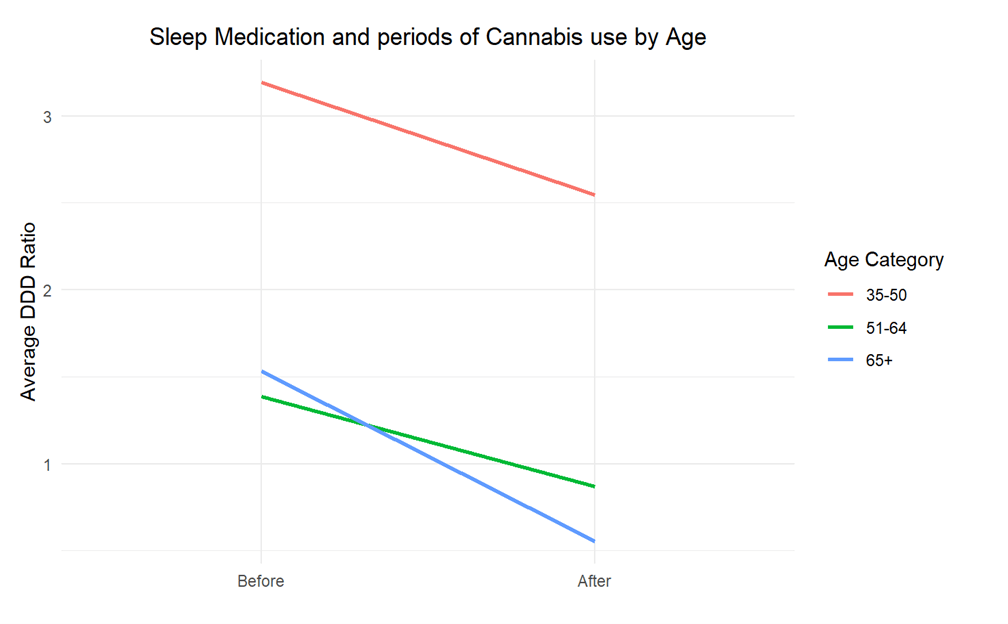
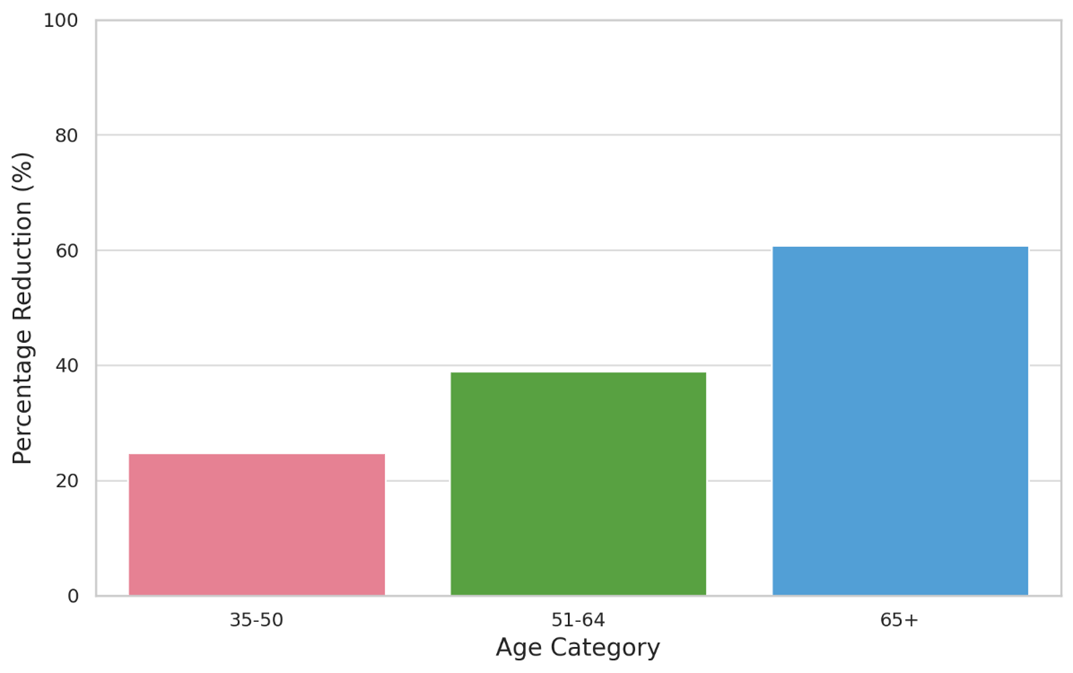
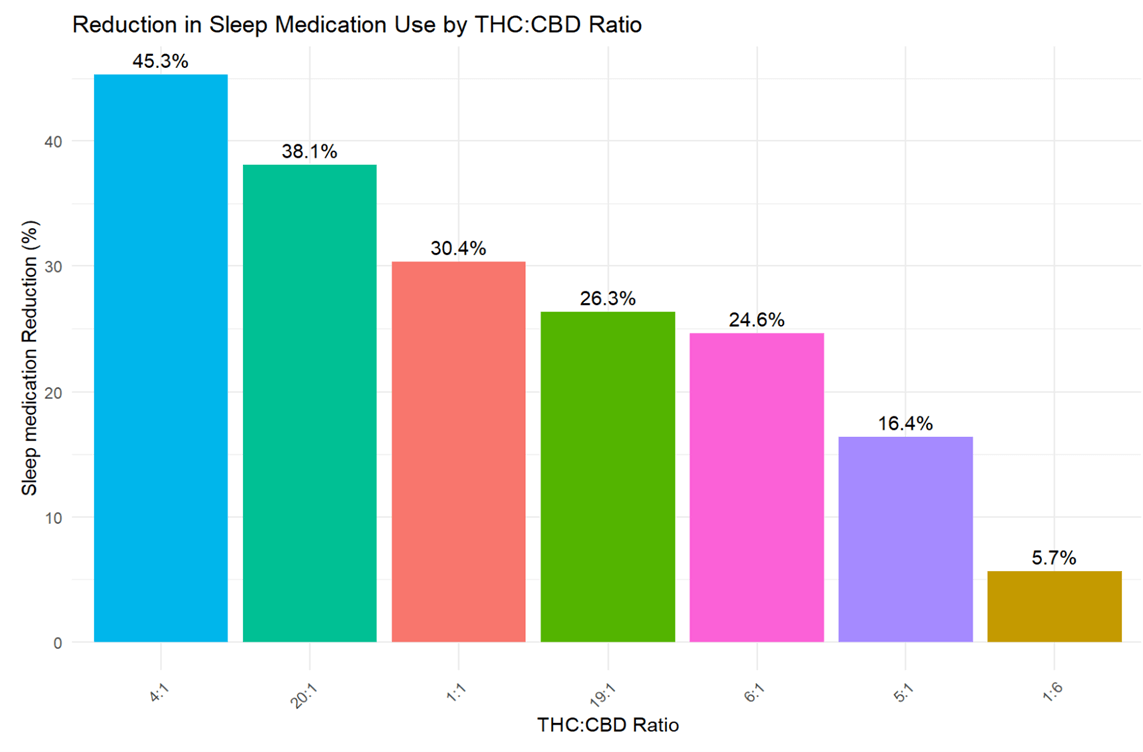
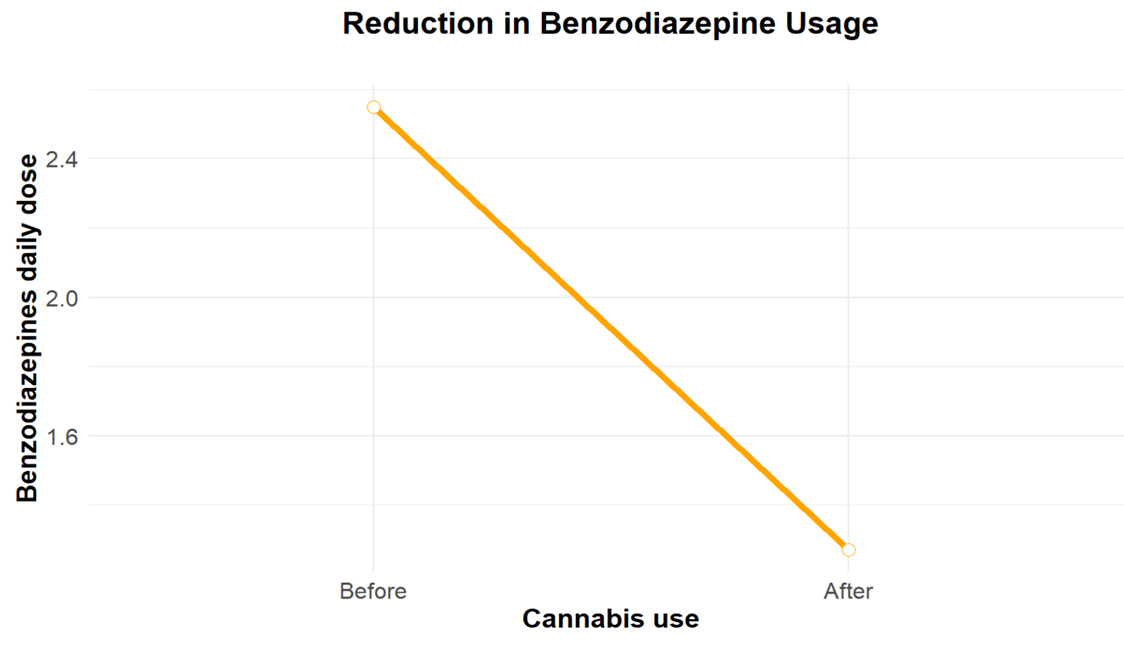
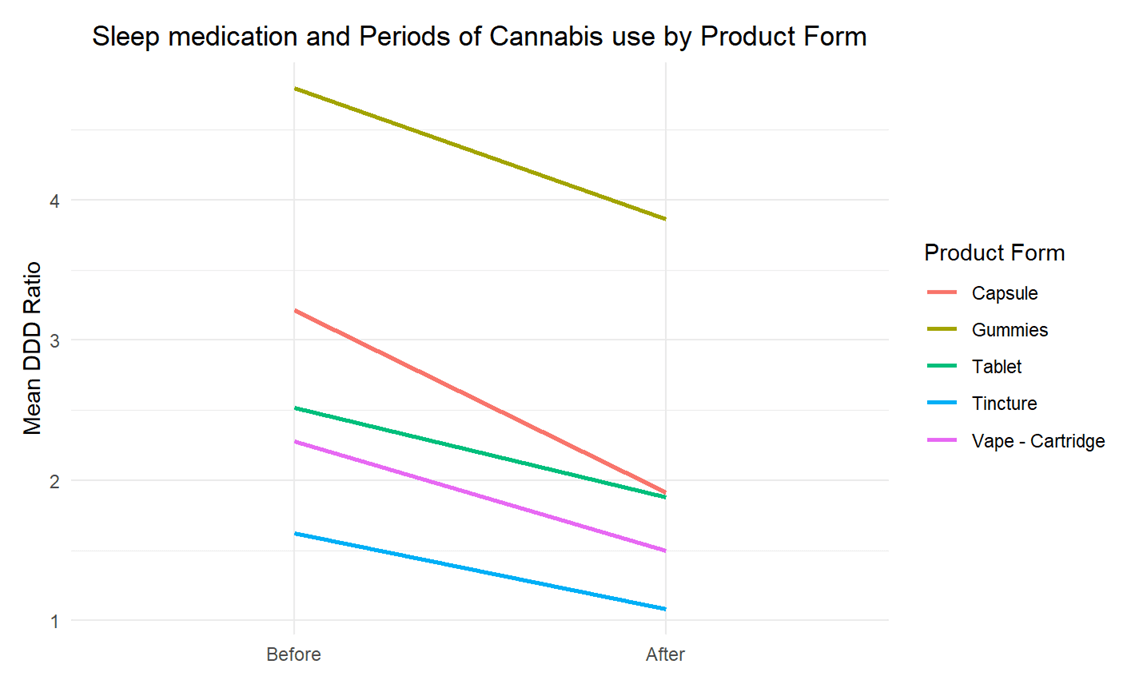
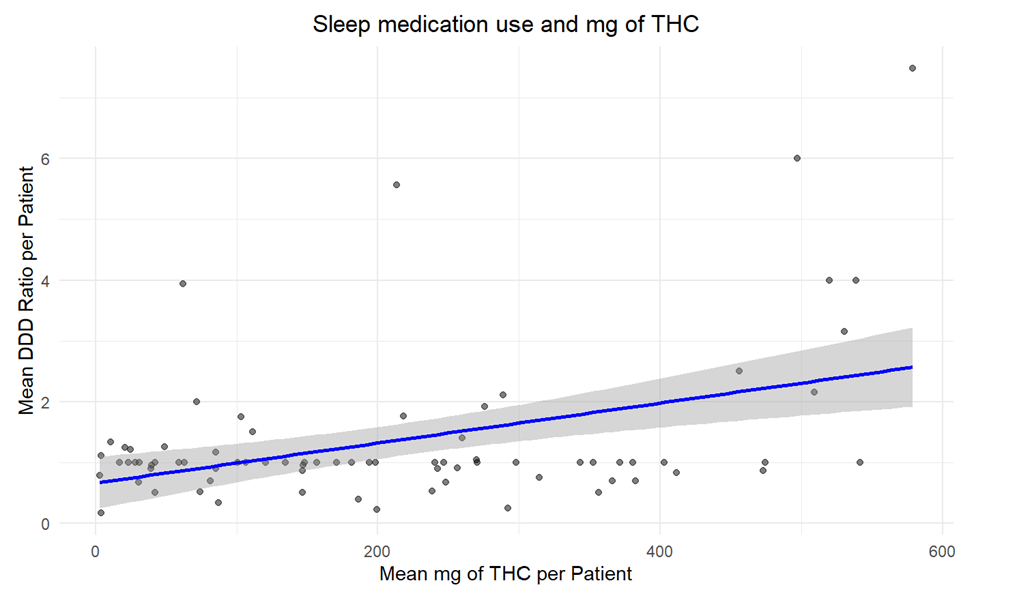

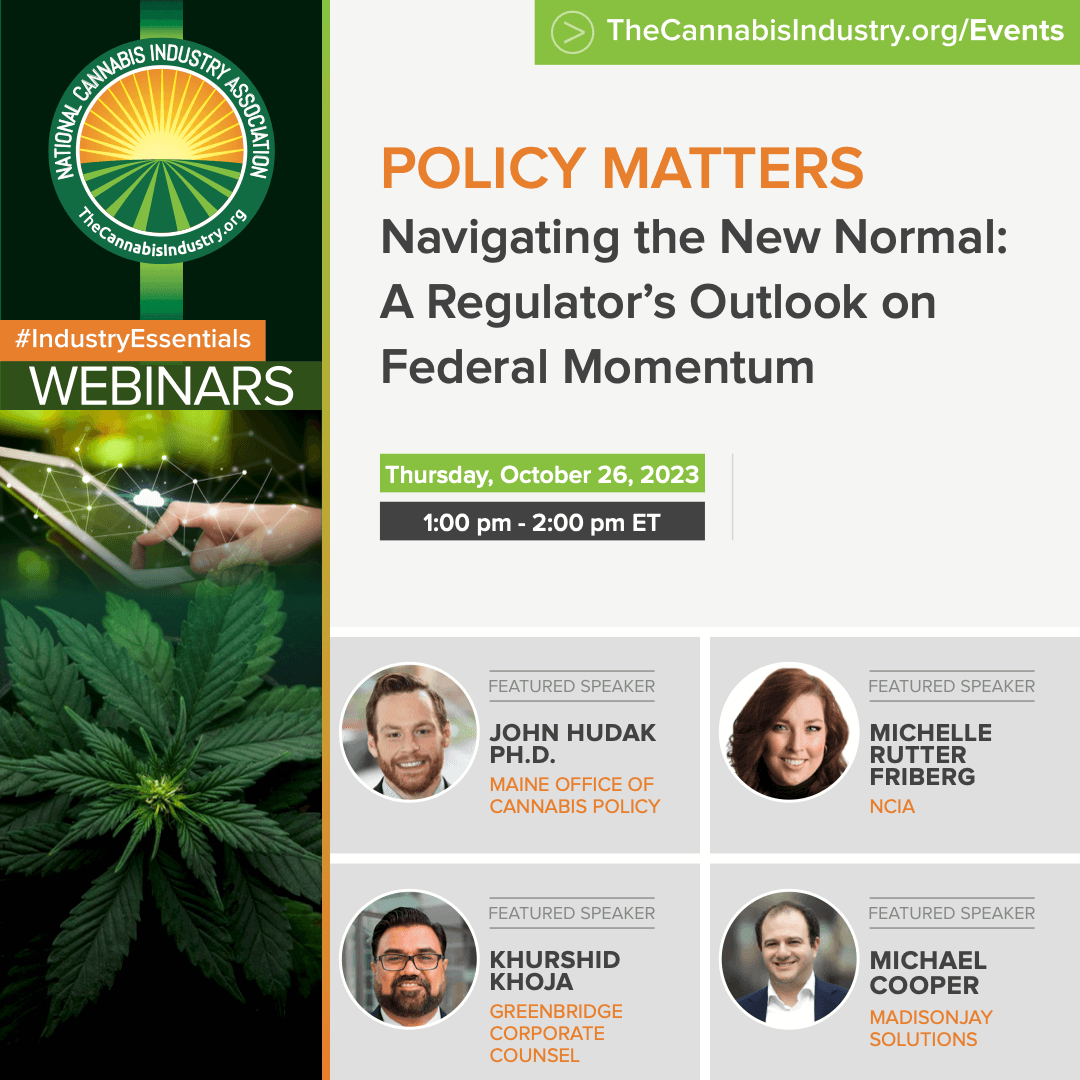
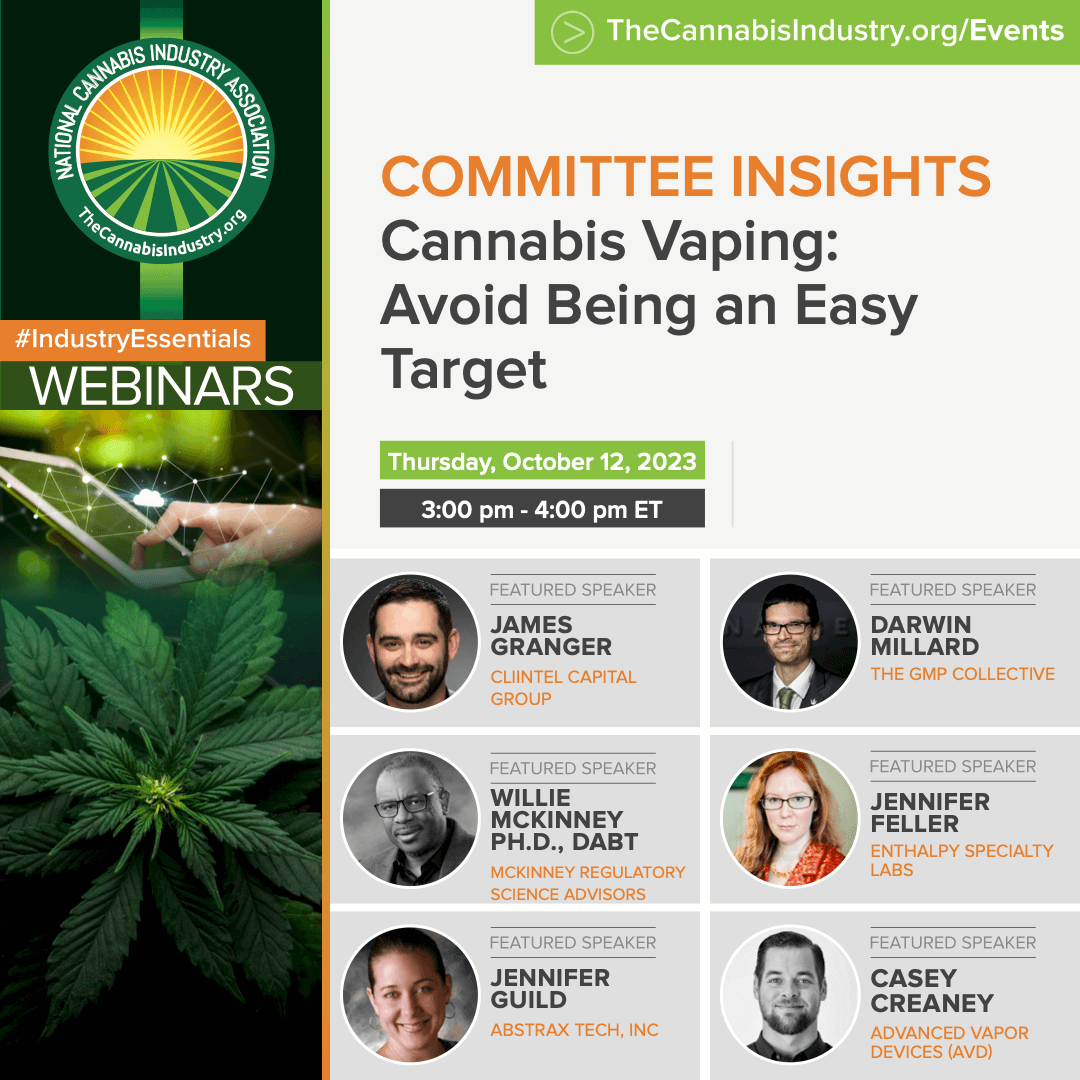

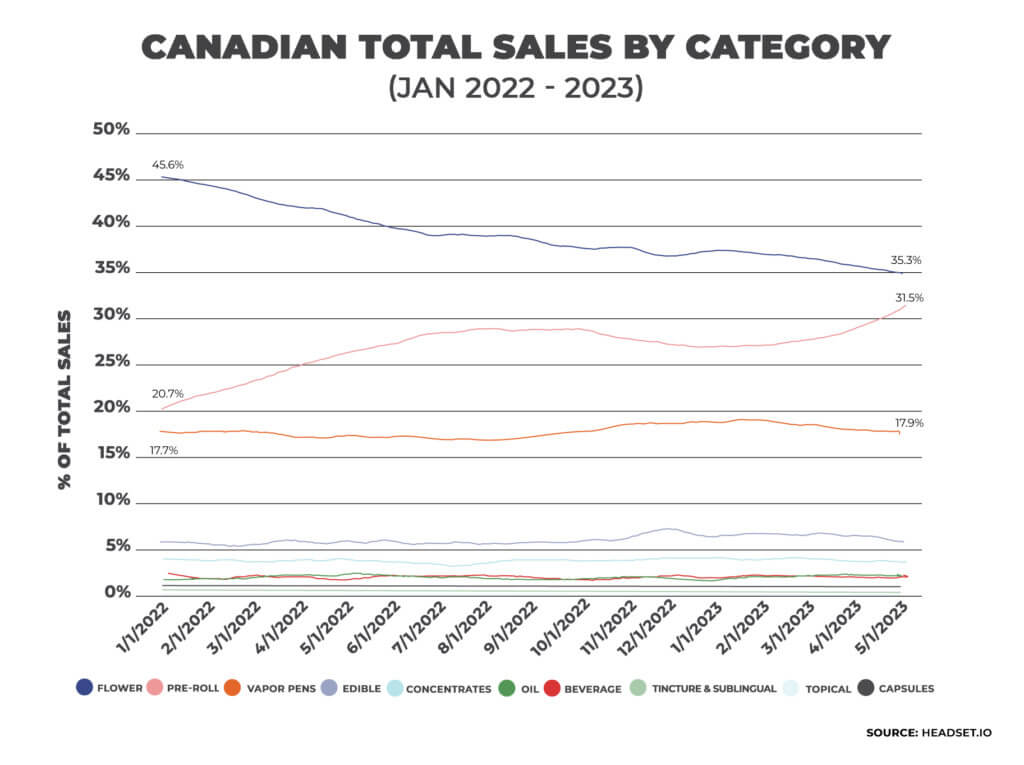
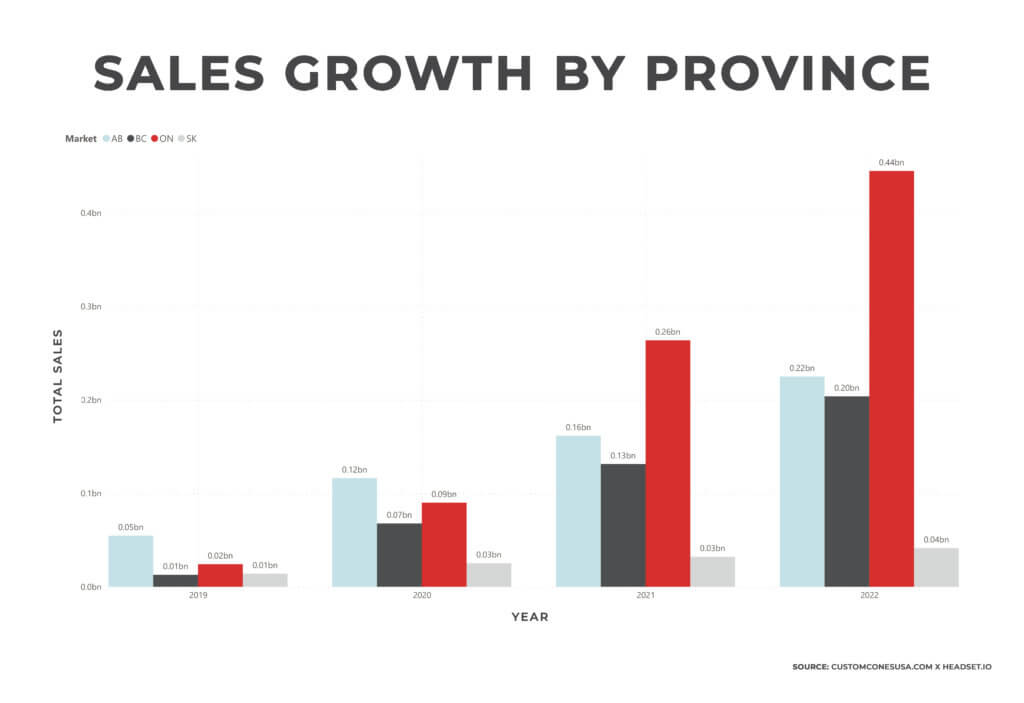
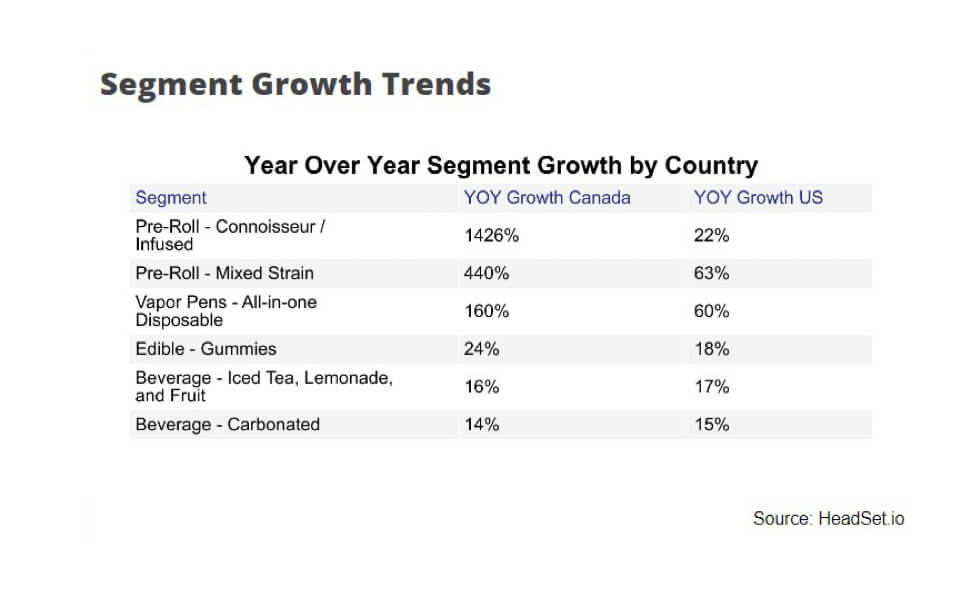 Keeping Price Points High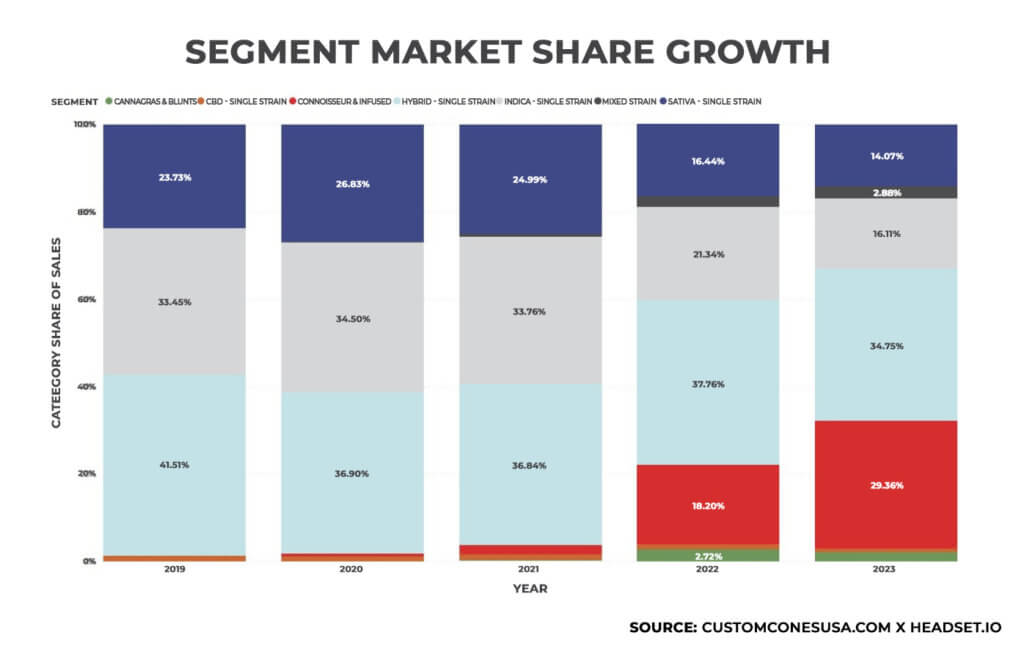
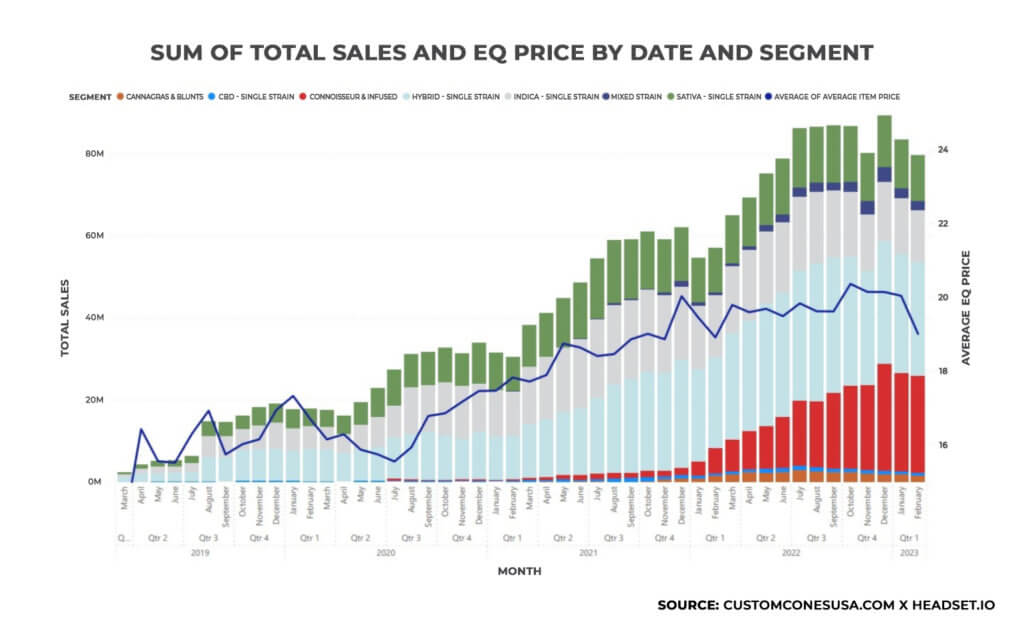
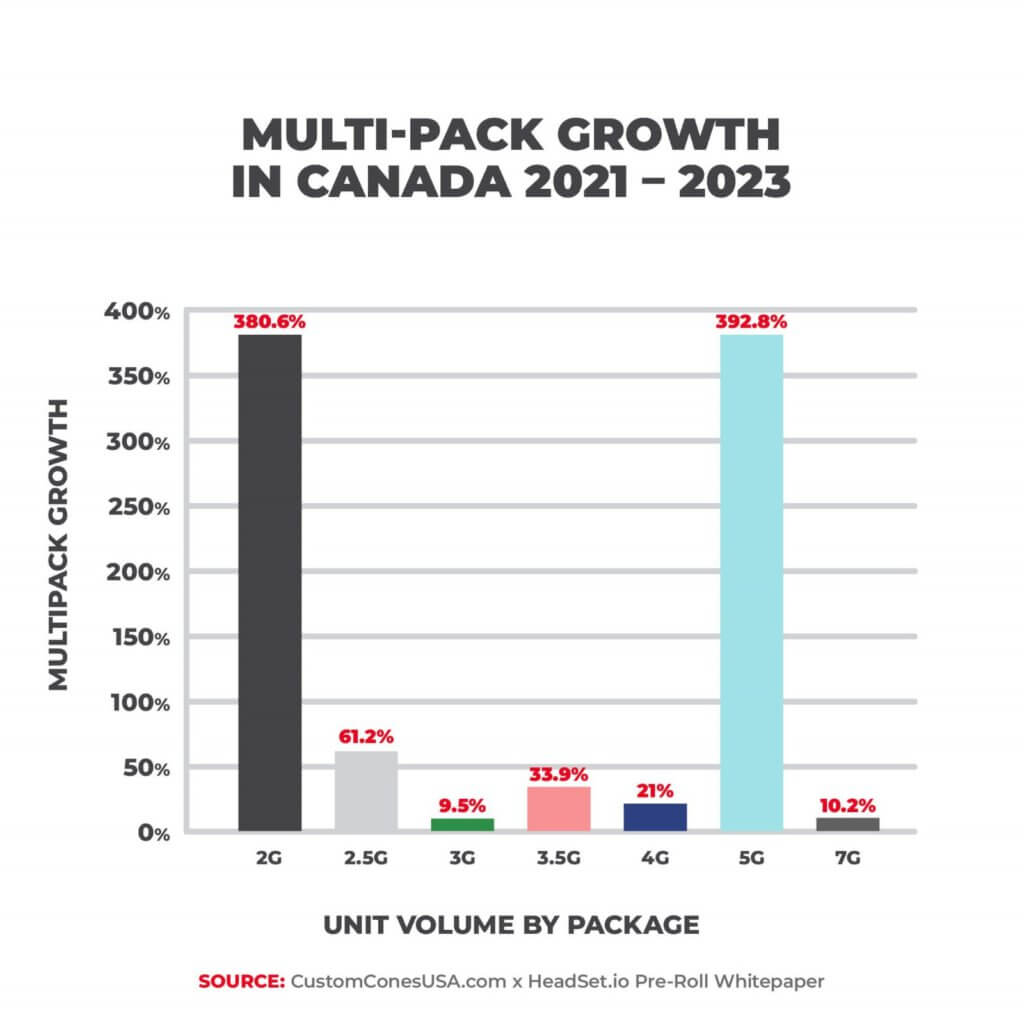
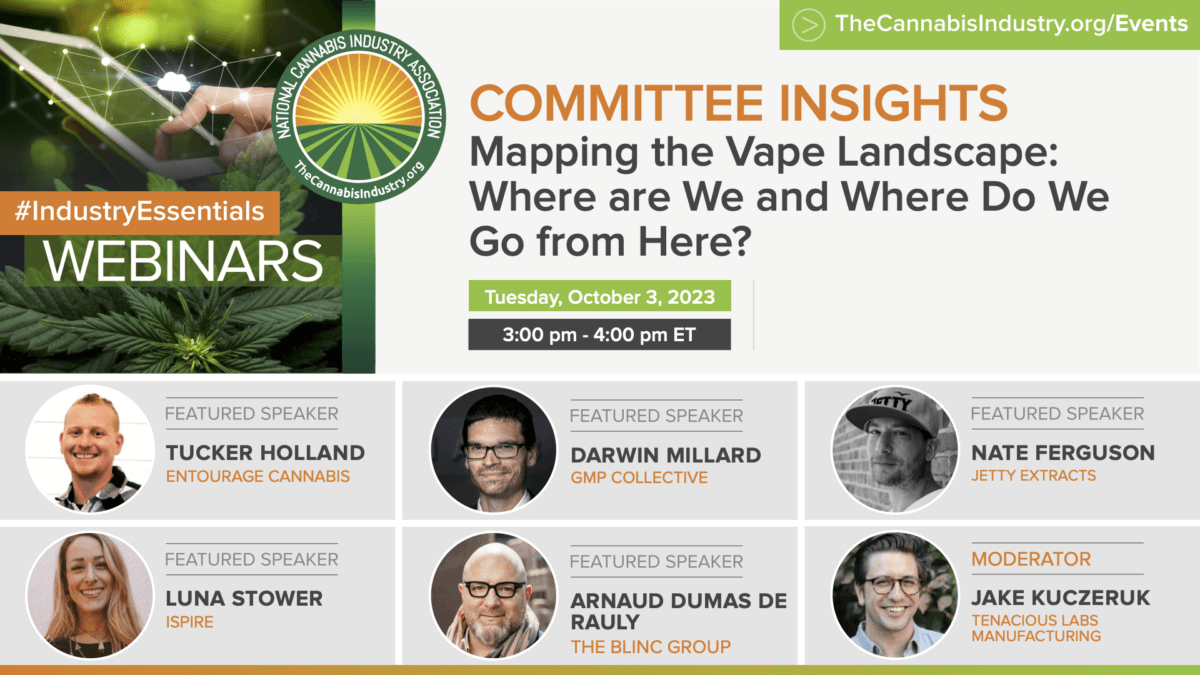
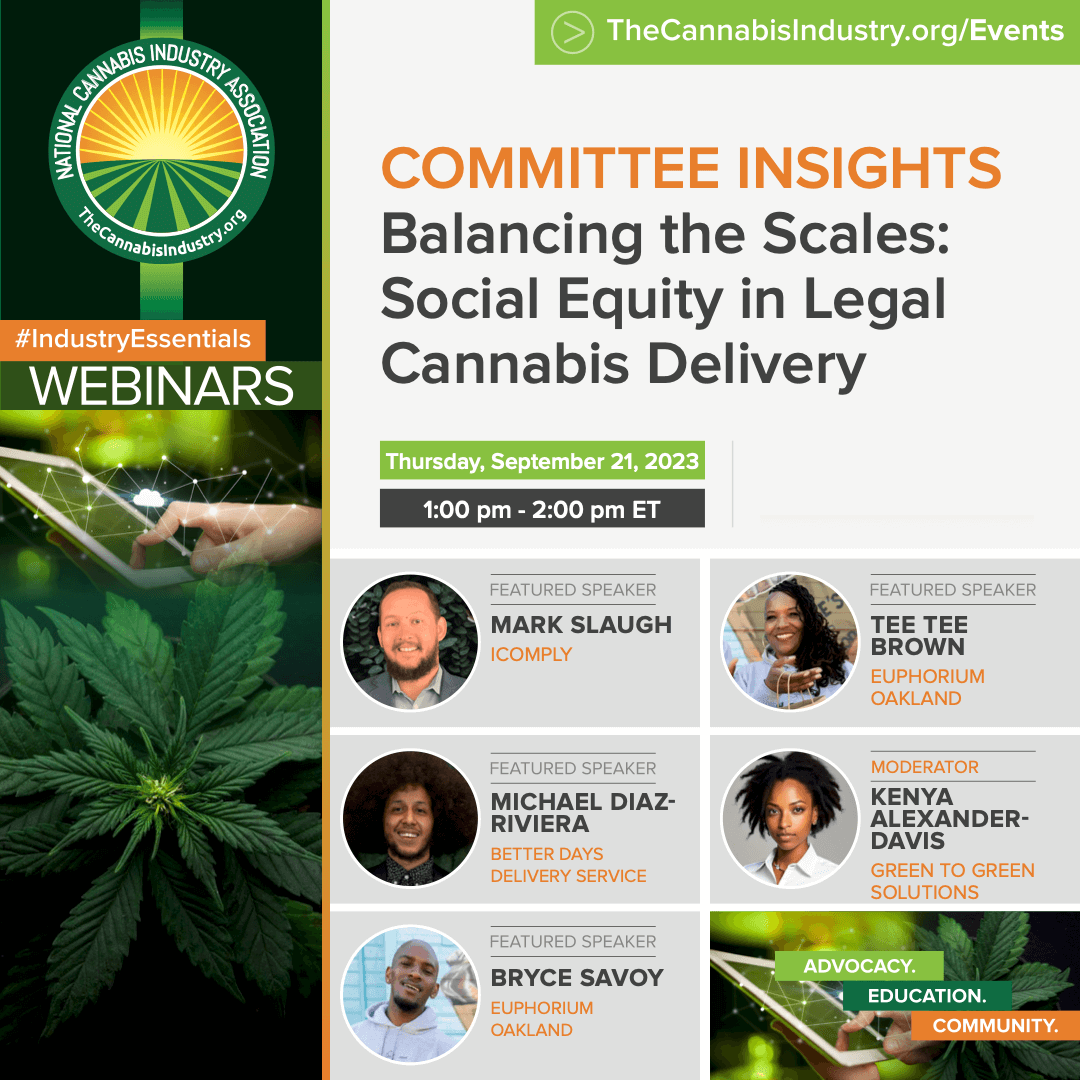
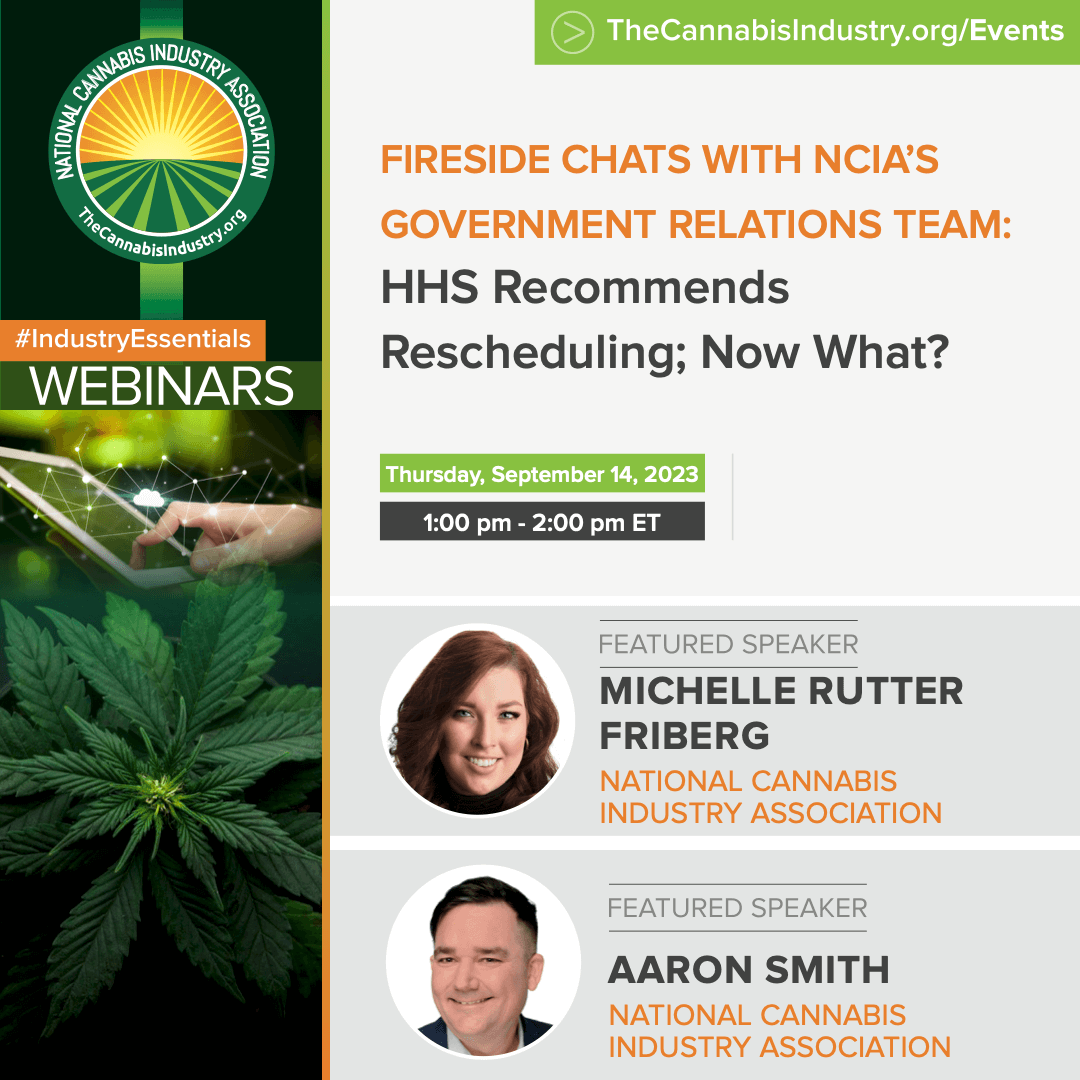
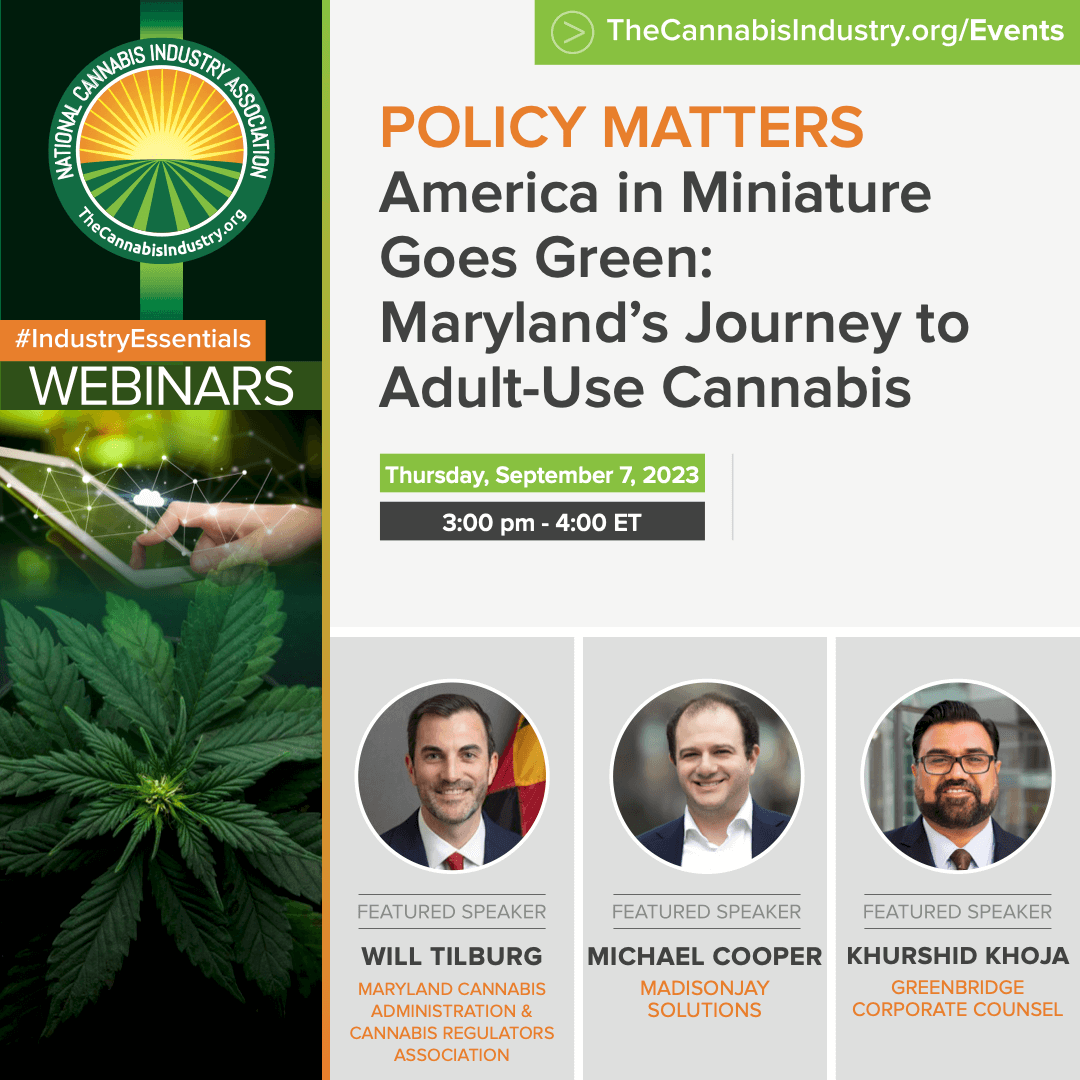


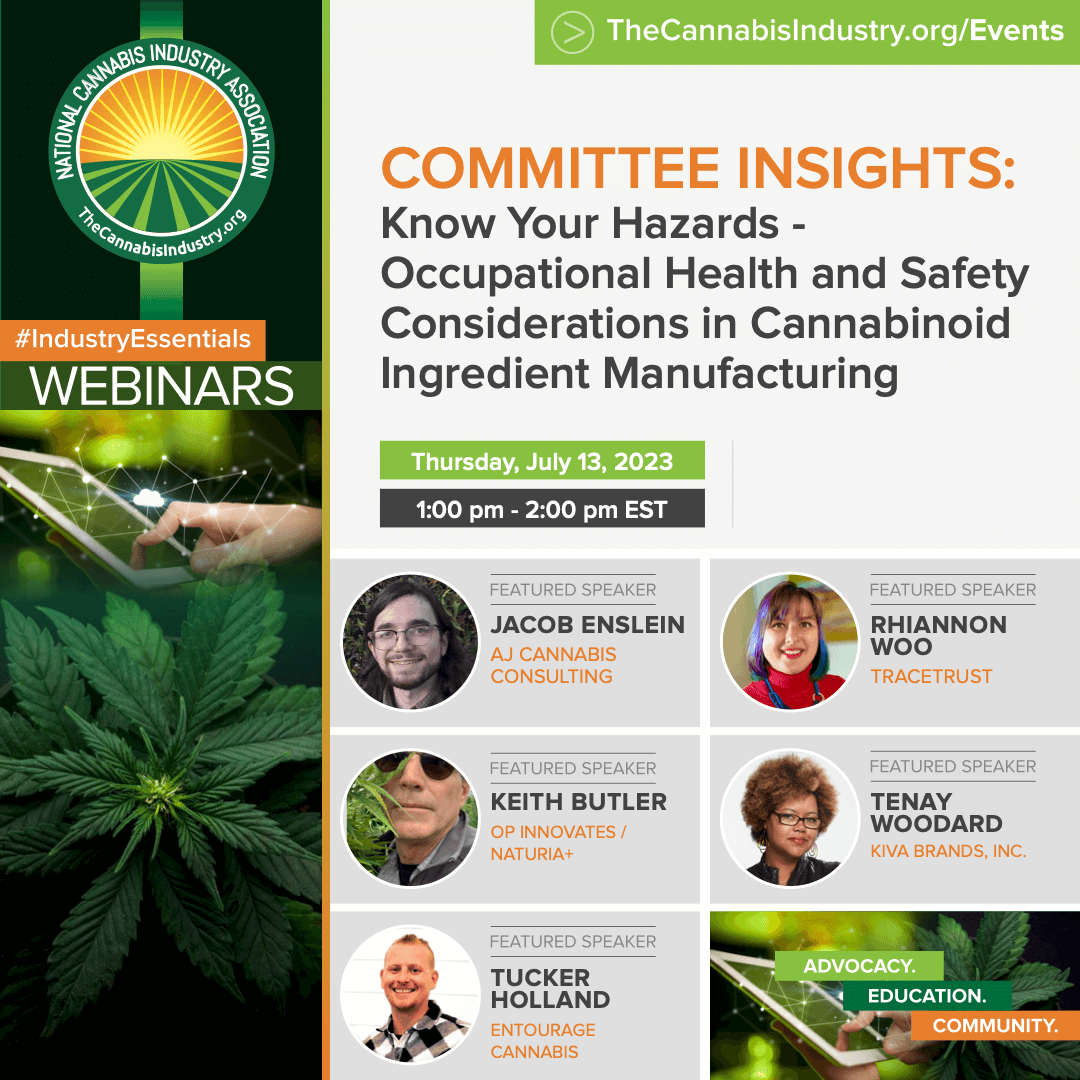


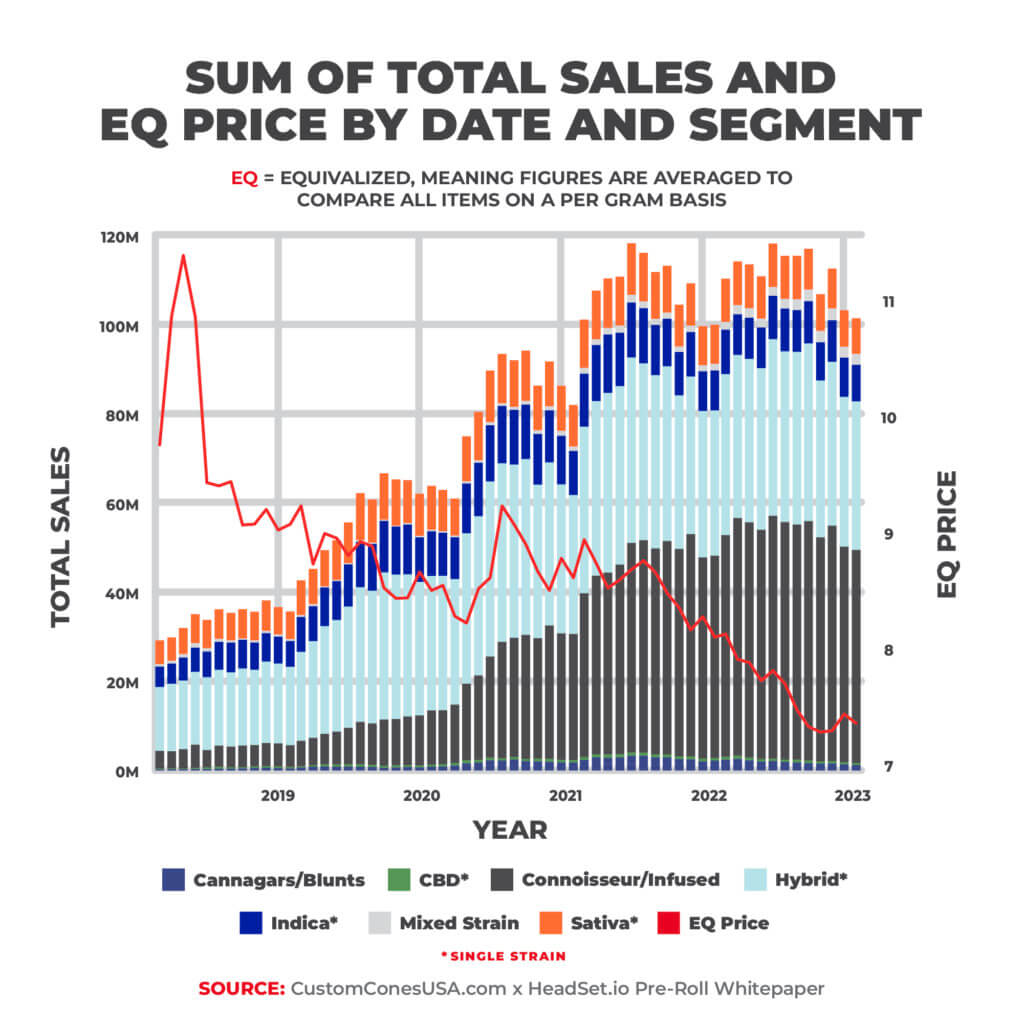
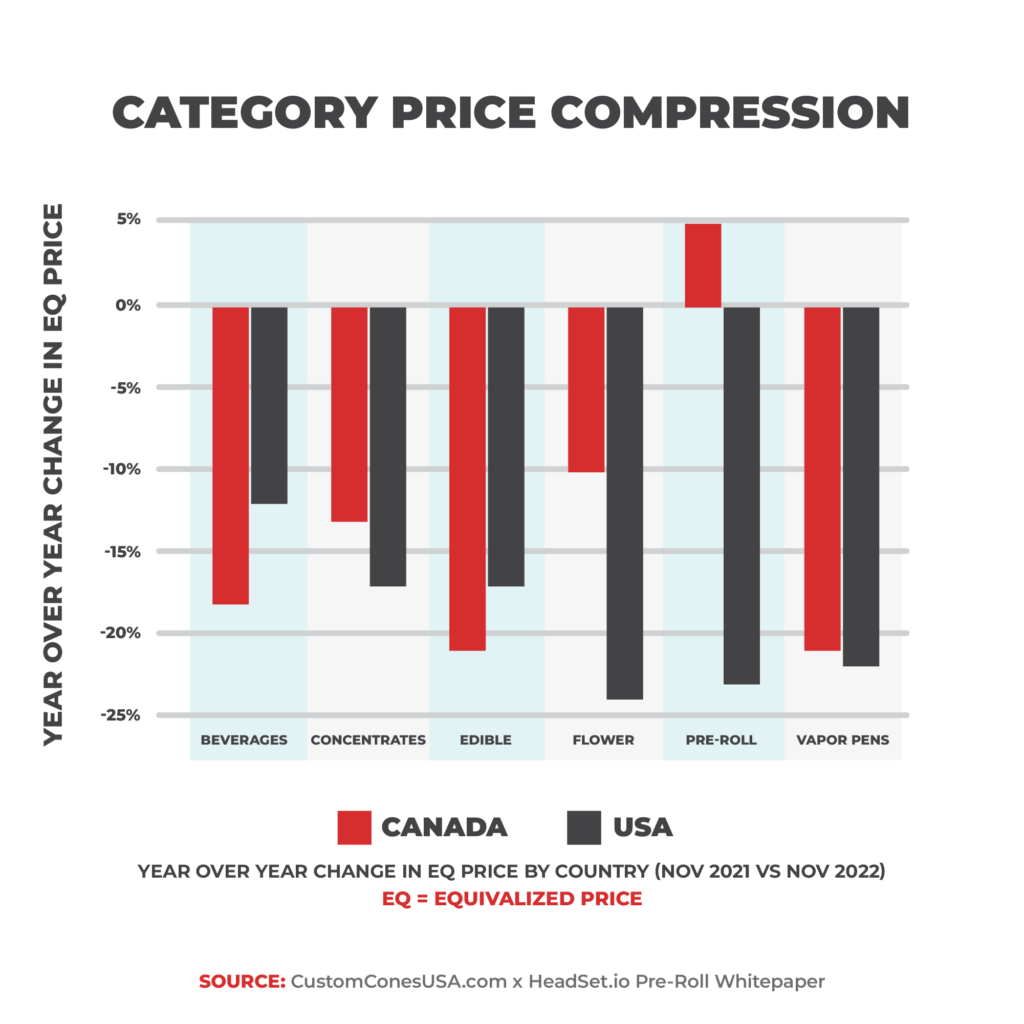
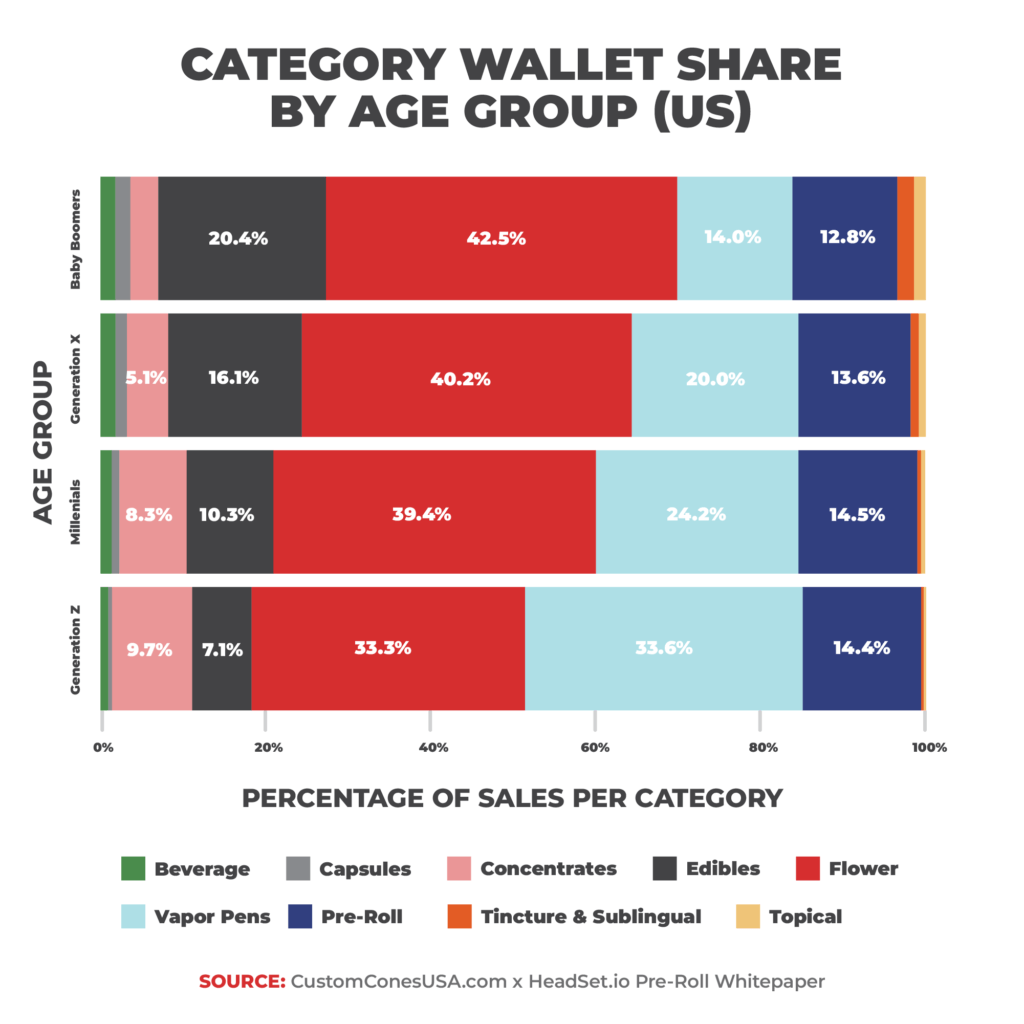
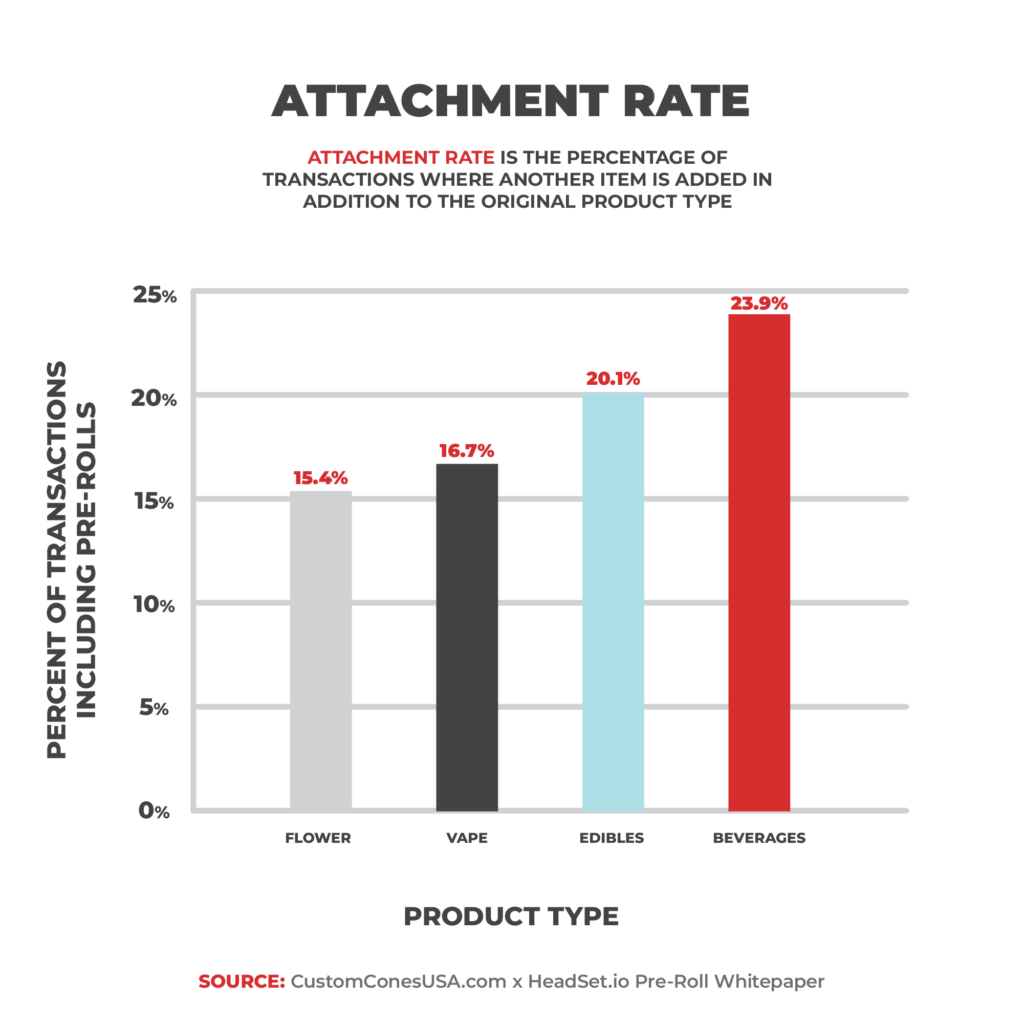
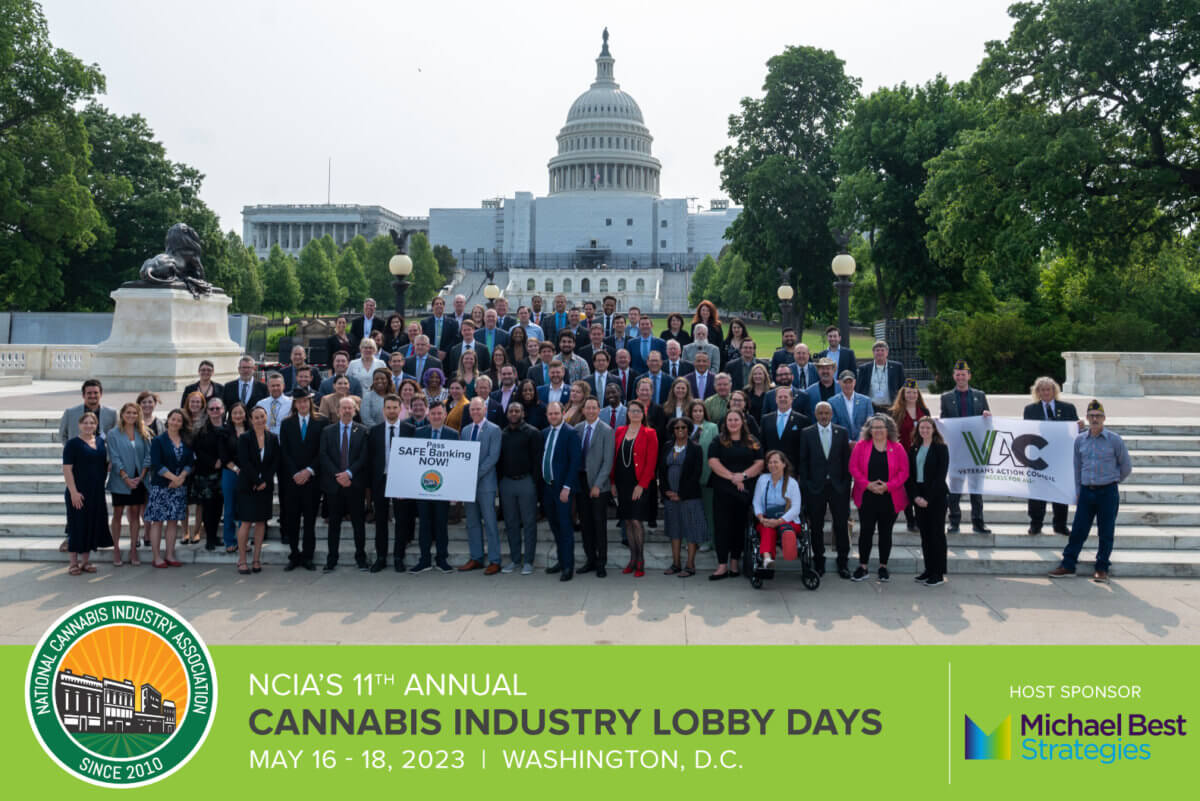

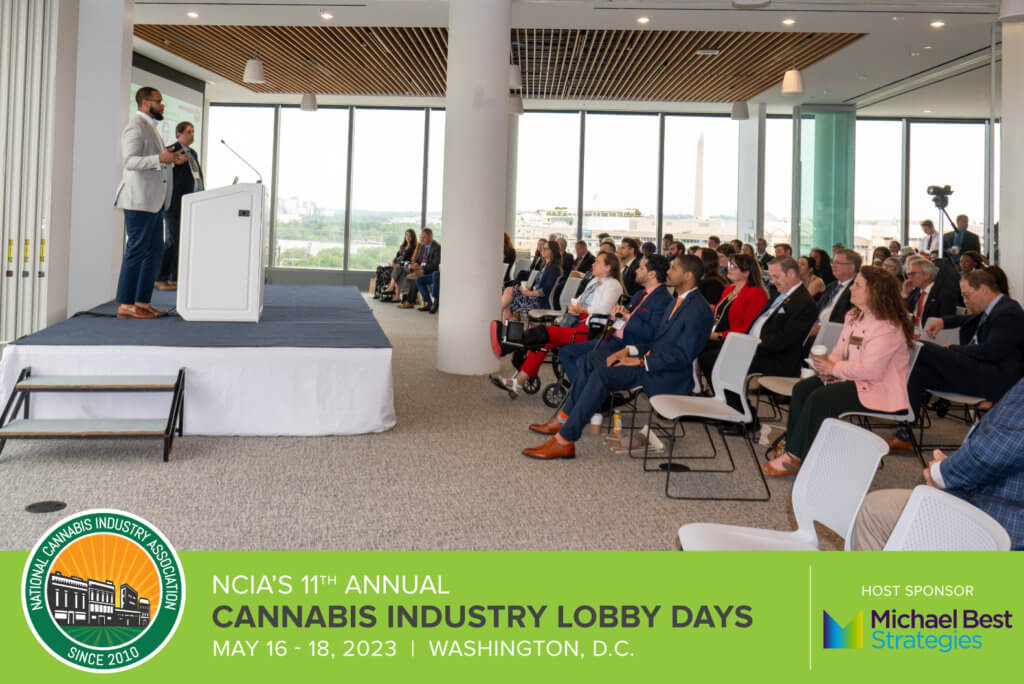
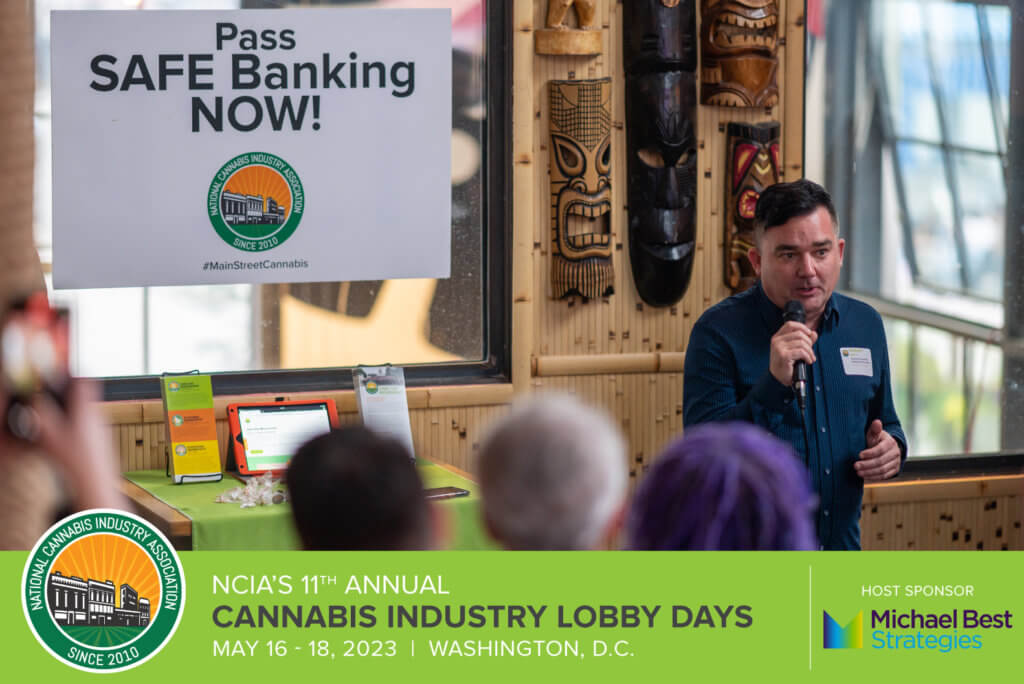
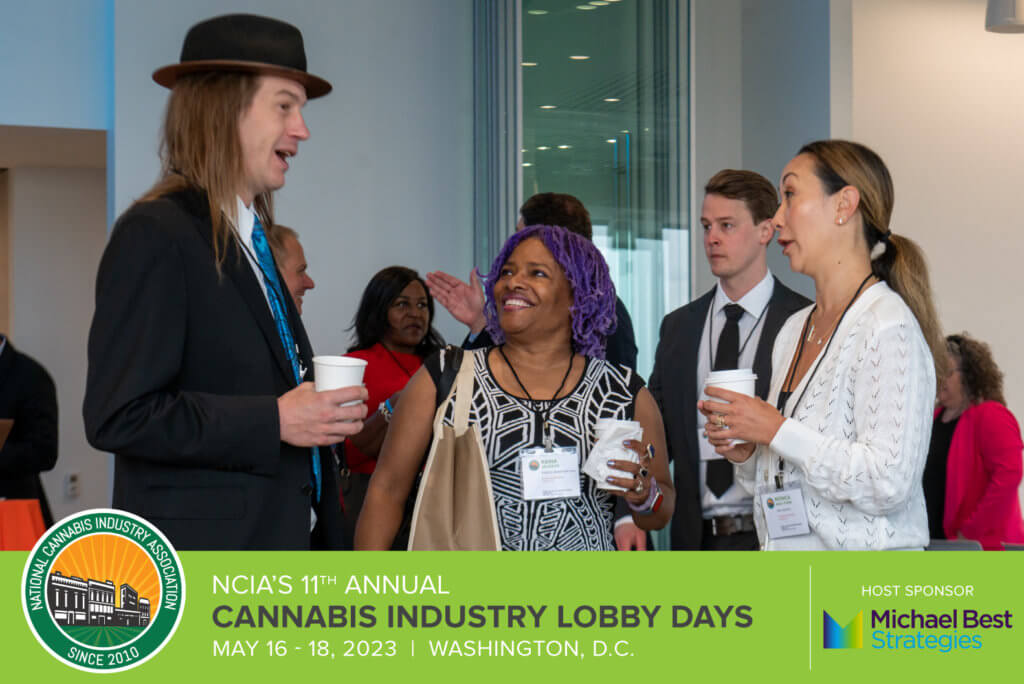
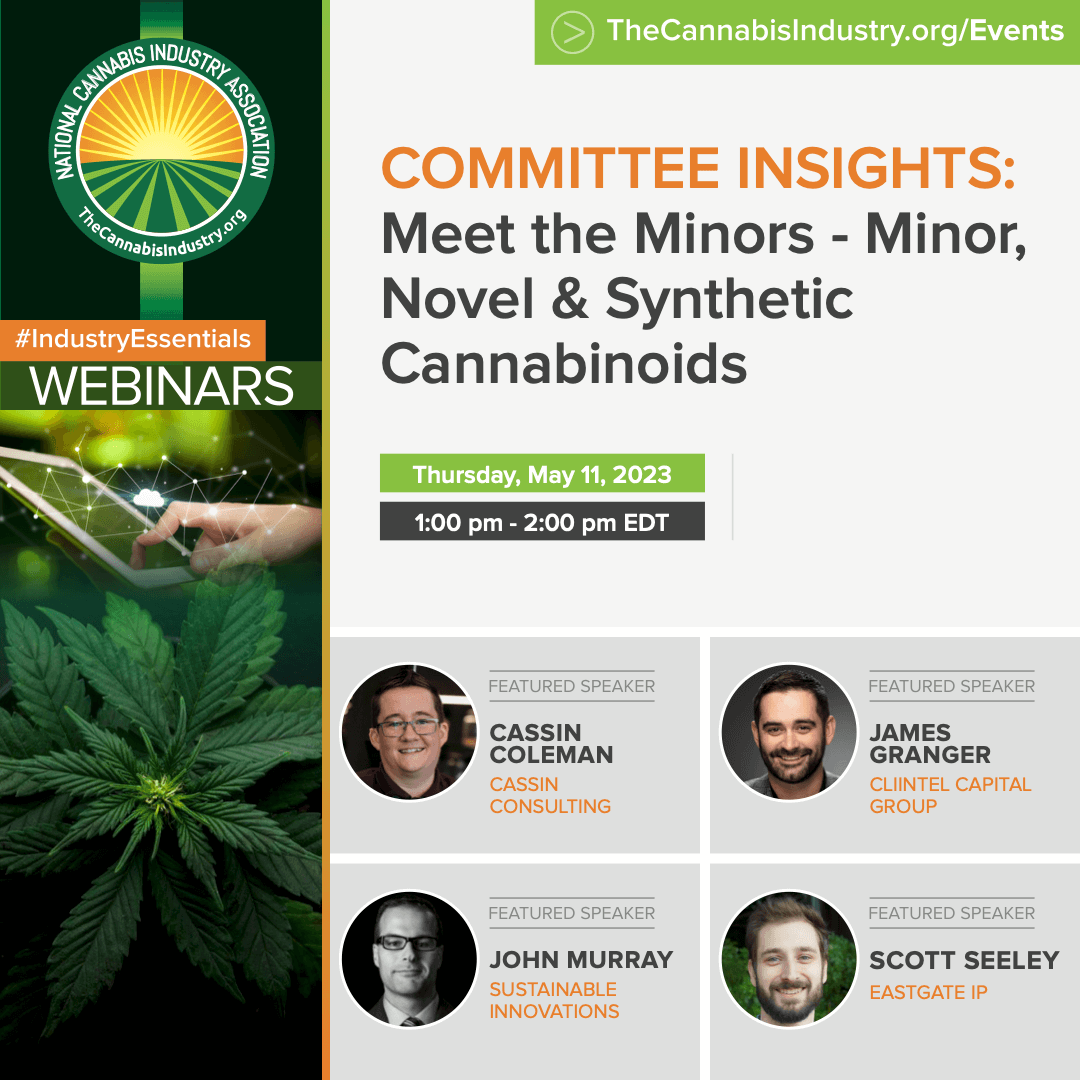
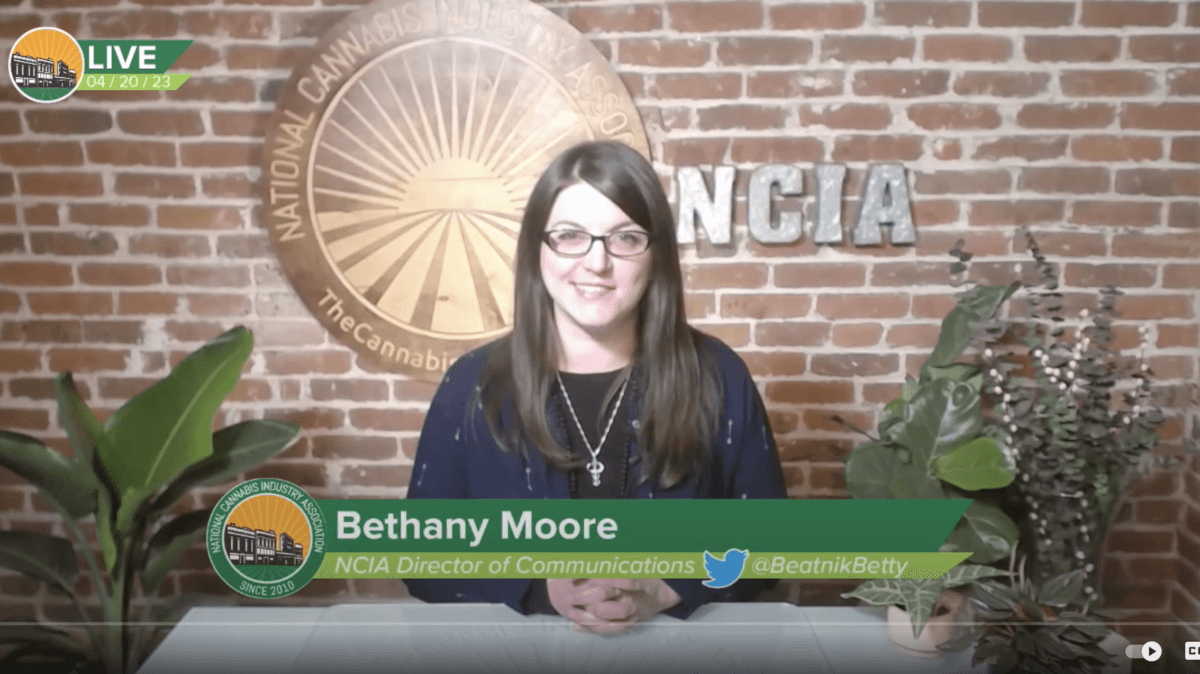


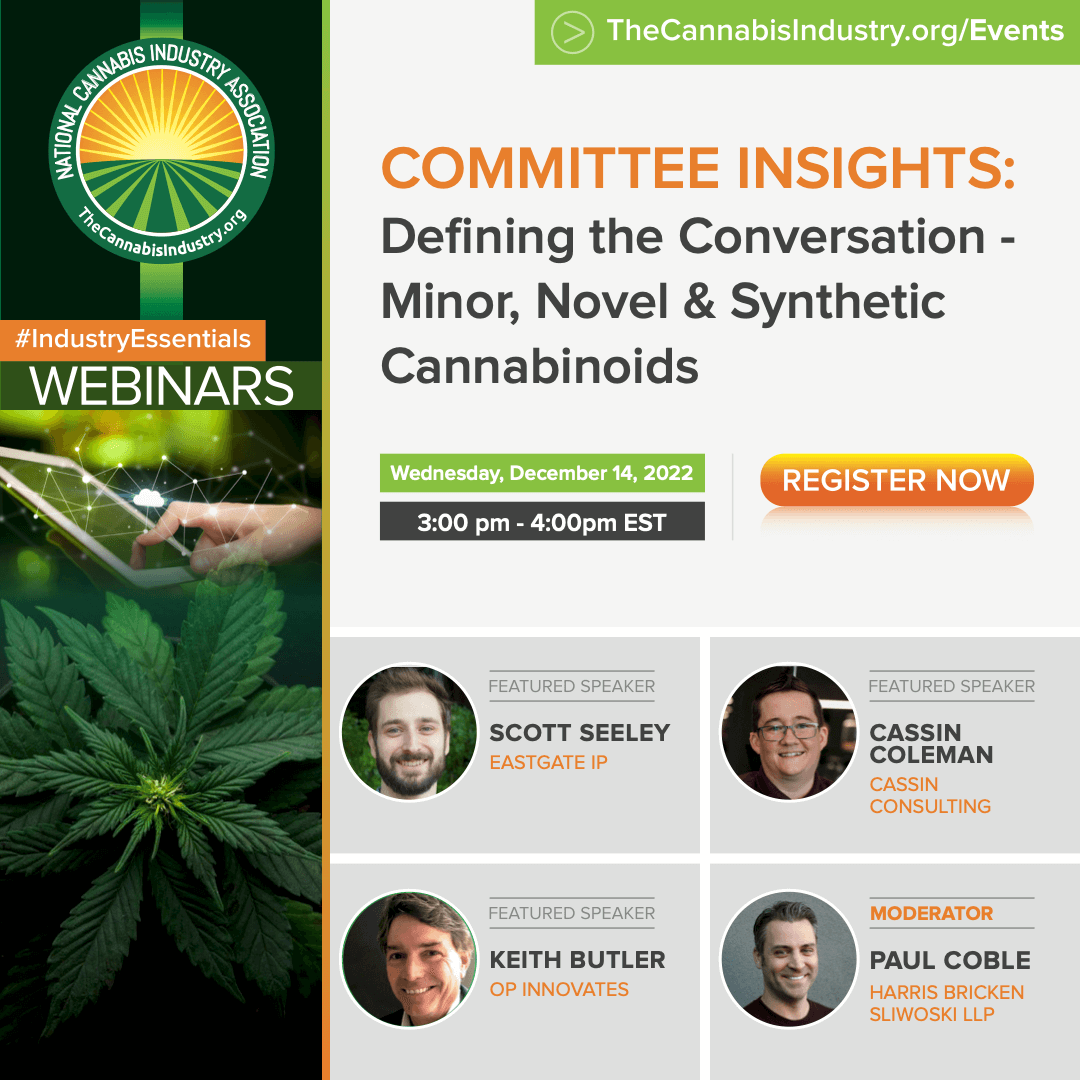





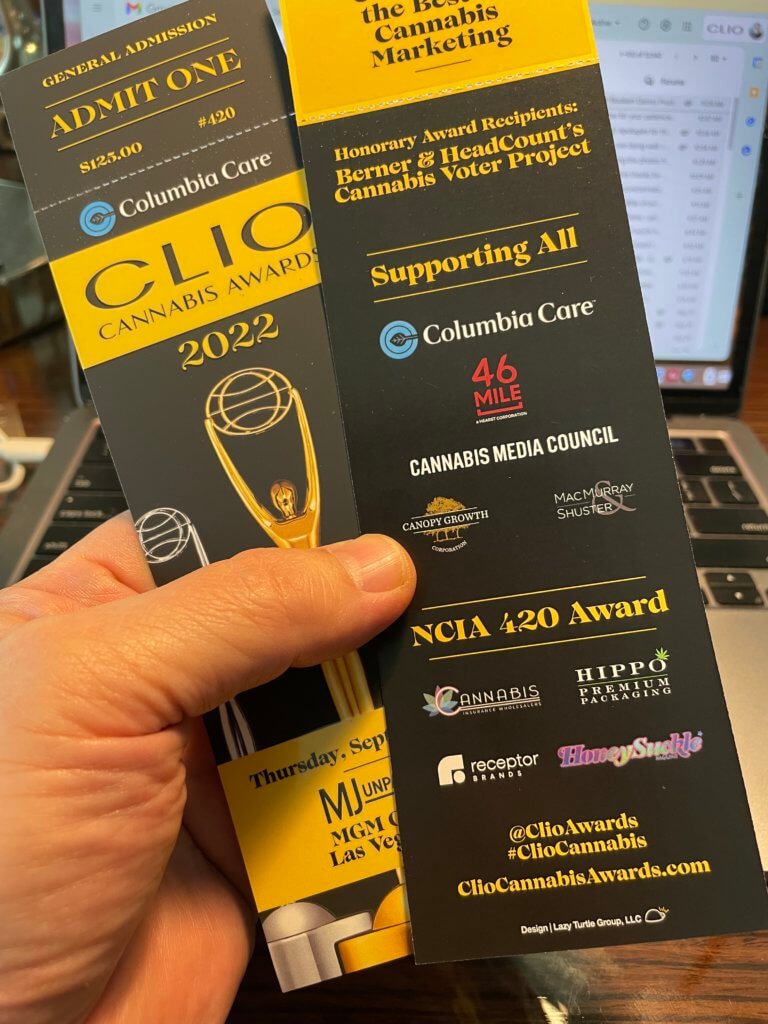










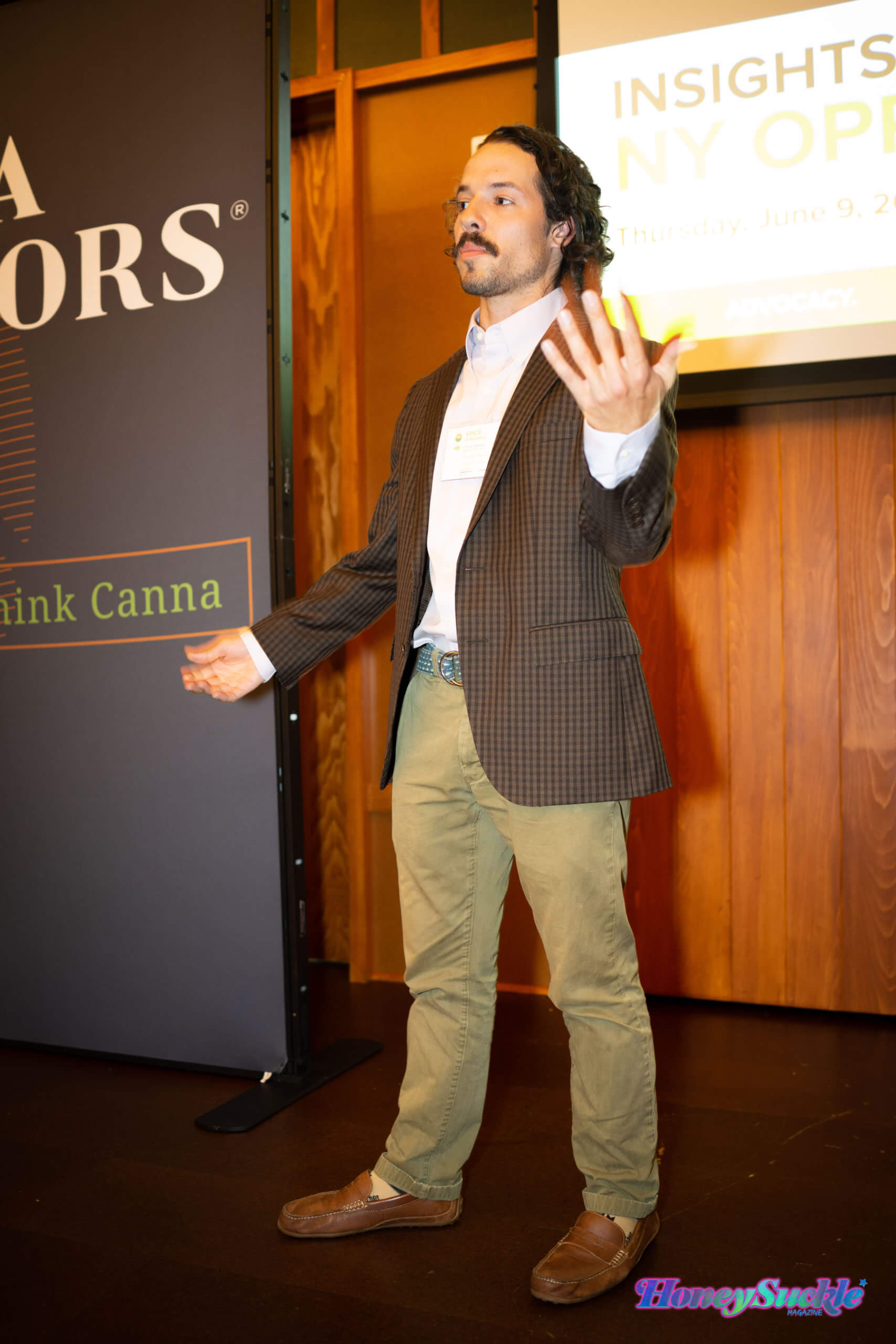



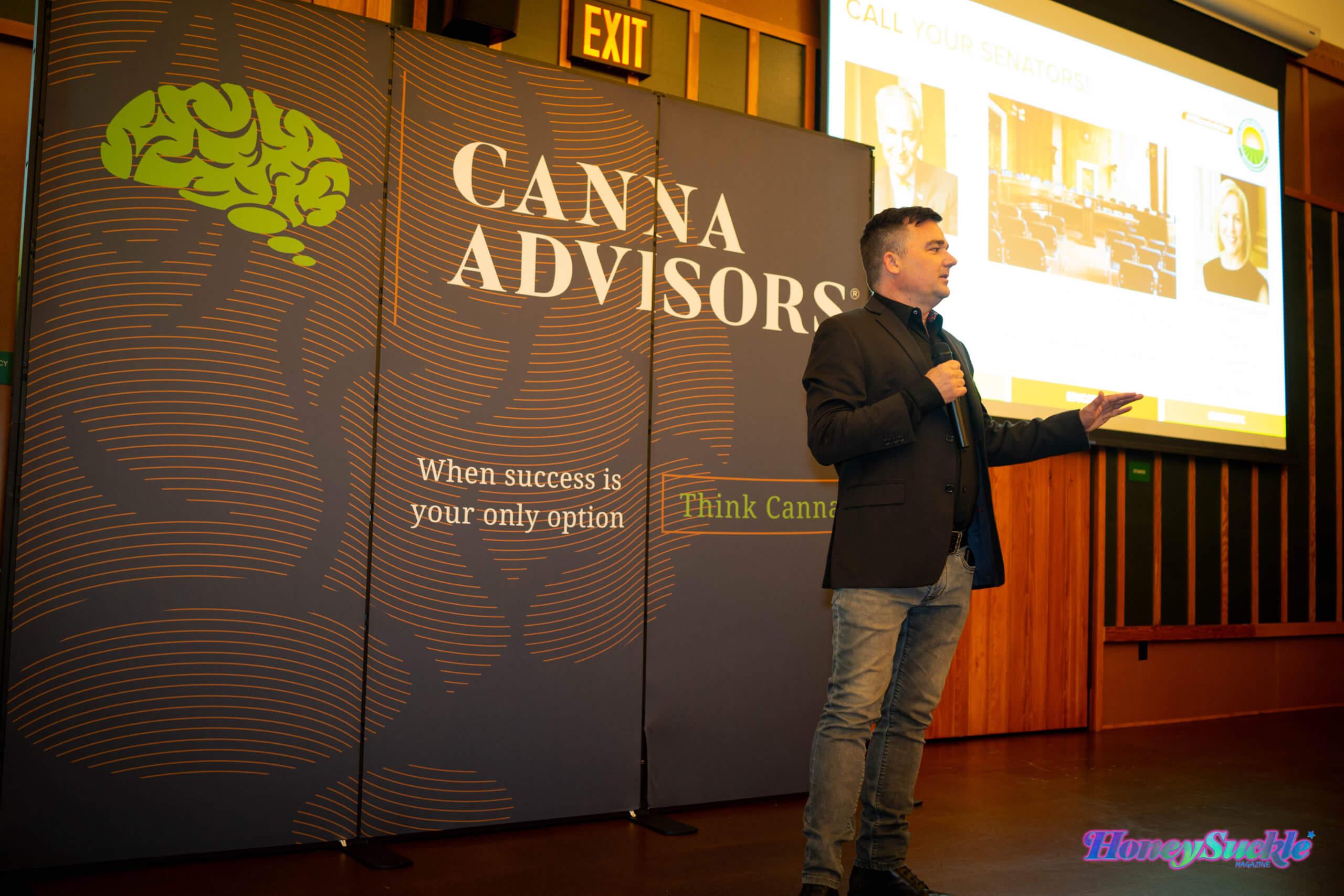








Follow NCIA
Newsletter
Facebook
Twitter
LinkedIn
Instagram
News & Resource Topics
–
This Just In
DOJ Reschedules Medical Cannabis to Schedule III & Announces June 2026 Hearing on Broader Rescheduling
National Cannabis Industry Association (NCIA) to Convene Industry Leaders in Washington for Annual Lobby Days, Bringing Together a Unified Voice for Federal Cannabis Reform