Member Blog: Think Your Disposable Gloves are Clean? Think Again.

by Justine Charneau, Eagle Protect
For those working in the cannabis industry, disposable gloves provide a protective barrier when working with products during the cultivation, harvesting, and processing stages. The benefit to wearers is essentially twofold. While “food-safe” rated gloves can greatly reduce the threat of cross-contamination between the wearer and products, they also help keep employees safe from dermal threats such as THC exposure, chemicals, fertilizers, and a wide variety of pesticides, especially if utilized during the growing season. In one well-documented incident, the culprit for a costly product recall turned out to be cross-contamination from single-use gloves, when O-Phenylphenol (OPP) – a cancer-causing chemical compound – was discovered in a seemingly pesticide-free cannabis operation.
If cannabis employees are under the impression that all disposable gloves are clean, intact, and contaminant-free right out of the box, you may want to reevaluate your perception.
Recent Study Identifies Glove Contaminants
The recent findings from a multi-year study on the potential for glove contamination revealed some alarming results about new and unused gloves. 2,800 gloves from 26 brands were subjected to four separate metagenomic testing sequences to determine the presence of contamination on both interior and exterior surfaces. Of all the samples analyzed and tested, 50% of the gloves contained traces of human fecal matter. In addition, the testing also detected other harmful pathogens which can lead to cross-contamination in cannabis supply chains. These included various yeast species, and a wide range of distinct genera of fungi – including Penicillium, Cladosporium, and Aspergillus.
How Can This Happen?
You may be wondering how it’s possible for unused disposable gloves to be contaminated right out of the box. Because the contamination occurs during manufacturing, before they are packaged in their box – and there are two root causes that contribute to the potential threat. First, not every glove supplier manufactures their products in a clean and hygienic environment. Putrid water sources, unsafe raw materials, and inadequate processes for quality control plague many of the factories where single-use gloves are produced. Compounding this problem is the lax oversight and enforcement of the FDA’s current regulatory policies, which actually don’t require imported food-compliant gloves to be pathogen-free or tested for performance such as rips, tears, and holes.
All Glove Suppliers are Not Equal
Before you adopt a defeated mindset about the safety and quality of gloves you wear, there are suppliers and distributors that go the extra mile to make sure their product lines are free from harmful contaminants. Glove suppliers that adhere to the highest industry standards for performance, quality, and safety are known for self-policing their manufacturing processes, ensuring that products are produced with proper raw materials, absent of unsafe chemicals, toxins, or microbial contaminants. They also conduct routine audits to test the effectiveness of their manufacturing process, and some have even adopted product traceability to ensure a contamination-free supply chain from initial production to final shipping and delivery.
Buying the cheapest gloves may save you a little on the front end, but also come with elevated contamination risk. In the long-run, premium quality gloves are much more cost-competitive than you think. And you’ll have peace of mind in knowing that your required PPE will probably never be the cause of a costly product recall that can be damaging to your organization’s profitability and reputation.
 Justine Charneau is the head of cannabis industry sales at Eagle Protect, a disposable glove supplier dedicated to the responsible sourcing of quality products that ensure customer safety and impact reduction, ultimately mitigating customers’ risk. Eagle Protect is the only global PPE supplier that is a Certified B Corporation, a designation that a business has met the highest standards of verified glove safety and performance, accountability, and transparency. She can be reached at justine@eagleprotect.com
Member Blog: Glove Fit – Too Loose, Too Tight, or Just Right?
by Justine Charneau, Eagle Protect
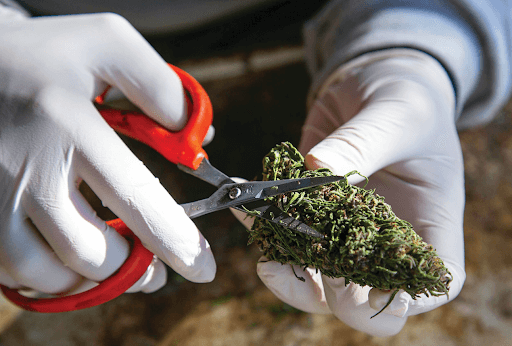
While everyone has heard the saying, “…fits like a glove,” disposable glove wearers don’t always adhere to the literal meaning behind this popular phrase – especially in the cannabis industry. This is part and parcel of the problem, particularly when companies routinely buy only one type of glove, in one or two sizes, for the entire staff to wear. That may make for a much easier purchasing decision, but it’s capable of putting cannabis workers’ hand health – and even job place safety – at risk. Because of the highly tactile nature of work in the cannabis industry, worker productivity is best enhanced with better-fitting gloves that need to be changed less often.
Aside from offering workforces a supply of gloves in various thicknesses and sizes, which seems like a logical solution, what other factors come into play with regard to finding a proper glove fit? As it turns out, quite a bit.
Sizing Up the Supply
While many employees are aware of the different types of disposable gloves, the majority of workers have never laid eyes on a glove-sizing chart. When ordering supplies, it’s advisable to start with the specific glove sizes that have worked for staff, while sampling several others to offer a wide variety. Hand-related safety risks in the cannabis industry include the potential for cuts, pinches, and even sprains.
The Downside of Ill-Fitting Gloves
Neglecting a proper fit can easily lead to work-related disorders in the cannabis industry. These include occupational skin diseases (OSDs) like dermatitis, work-related musculoskeletal disorders (WMSDs) caused by repetitive tasks that can strain the muscles, tendons, ligaments, and blood vessel damage, and the biggest risk of all – partial contamination. Ill-fitting gloves, such as the excess material in a size too large, can catch, snag, and tear. Frequently ripped gloves increase costs, while ill-fitting gloves also leave the wearer with less tactility, reducing worker productivity and efficiency.
Glove Preferences by Type
Disposable gloves come in several different varieties, of which the tactility and durability are directly related to the quality of their raw materials and ingredients. The optimal glove type for cannabis-related work is nitrile, due to their enhanced strength, durability, and puncture resistance. They also offer some of the best protection against chemicals, bacteria, and fungi.
Conduct a Trial Run
Many purchasers are unaware that reputable glove suppliers will often offer a free trial of samples, both of varying thickness, colors, and sizes, in order for individual workers to determine the best glove for their needs. An ordering process that takes into account the needs, safety, and risk factors associated with every staff member’s needs is an essential consideration for every cannabis grow operation.
Before you place your next bulk glove order, do a little research to determine what factors are at stake for the fit, comfort, and safety of your workforce. A great place to start would be Eagle Protect’s comprehensive Disposable Glove Buying Guide.
Justine Charneau is the head of cannabis industry sales at Eagle Protect, a disposable glove supplier dedicated to the responsible sourcing of quality products that ensure customer safety and impact reduction, ultimately mitigating customers’ risk. Eagle Protect is the only global PPE supplier that is a Certified B Corporation, a designation that a business has met the highest standards of verified performance, accountability, and transparency. She can be reached at justine@eagleprotect.com
Member Blog: The Delicate Issue of Dermal Considerations
by Justin Charneau, Eagle Protect
Skin-related (dermal) issues from the constant wearing of disposable gloves were among the top complaints revealed in various cannabis workplace surveys. Many employees required to don single-use gloves to conduct a variety of job-related tasks – in the cannabis cultivation process and several other industries – remain unaware of the distinct types and qualities on the market, and how they differ. The quality, fit, durability, and functionality of disposable gloves are determined by several factors, including the type, application, raw materials, and manufacturing processes used to produce them.
Gloves by Type and Dermal Risk
Among disposable gloves, there are three primary types – latex, vinyl, and nitrile, each with differing qualities and risks. Here is a snapshot of each variety, along with their associated dermal risks:
Latex – these gloves are constructed of rubber, a snug fit like second skin that is both highly elastic and resilient. They are mostly worn in the medical industry, where a high level of dexterity and tactility is warranted. However, latex gloves can trigger a Type I hypersensitivity reaction to latex and Type IV hypersensitivity reaction to rubber chemicals. Latex-free nitrile gloves have generally superseded this option in the market.
Vinyl – these cheap gloves are manufactured from brittle polyvinyl chloride (PVC) material, prone to a high rate of defects (rips and holes) in the glove barrier, an immediate cross-contamination risk.
Vinyl gloves are manufactured with plasticizers to soften the PVC, which often contain toxic phthalates and chemicals. Many of these ortho-phthalates have been shown to harm reproductive health and brain development. These threats can be absorbed into the glove wearer’s skin, and leach into the food handled which, in turn, can later be ingested by customers. Phthalates in vinyl gloves are highly restricted in Europe and Japan for food handling and were recently banned by the state of Maine.
Vitrile – a blend of vinyl and nitrile. These gloves should be stronger than plain vinyl gloves and less expensive than nitrile. Due to pandemic-related price increases in gloves, the vitrile option has recently grown in popularity. Buyers should beware of cheap nitrile gloves, blended with cheaper vinyl, yet still marketed as nitrile. Vitrile gloves carry the same risks to the wearer, and the products they handle, as vinyl gloves.
Nitrile – these gloves are among the best choice for the cannabis industry, as they protect against harmful chemical substances, and their puncture and tear-resistant qualities are ideal for complex cultivation and processing tasks. They also provide the highest level of protection and durability as a barrier to harmful chemicals and pesticide exposure.
However, nitrile glove allergies can also occur, posing potential problems for the glove wearer. Cheap and toxic raw material ingredients, which reduce glove manufacturing costs, can also cause occupational skin disease (OSD), such as contact dermatitis and Type IV hypersensitivity to rubber chemicals. Accelerators, added to speed up rubber vulcanization during the manufacturing process, are the typical cause of glove contact allergies.
For glove wearers prone to skin allergies and irritation, higher quality gloves and accelerator-free options are a necessity.

Keeping Your Workforce Safe
There are ways and means of reducing the risk of dermal disorders caused by single-use, disposable gloves. The more frequently gloves are worn, the higher the risk. Below are several ways to mitigate the risk of dermal disorders:
- Choose quality nitrile gloves, marketed by reputable suppliers with an extensive history of glove sourcing and experience. Look for well-established company websites, including industry-related blogs, published articles, and resources that demonstrate the supplier’s commitment to quality
- Request proof of factory and third-party audits, as well as HACCP compliance certifications
- Plan to undergo a commercial trial of glove products prior to committing to bulk purchasing. Any established and reputable supplier should be more than happy to ship glove samples for trial usage
- If possible, choose accelerator-free nitrile gloves
- Consider your options for glove types. Be wary of vinyl / nitrile-mixed gloves passed off as nitrile – always sample first before you buy
- If alternatives are available, avoid vinyl gloves
For more information on how disposable gloves can affect your business and productivity due to skin disorders and repetitive hand movement injuries, please read our recent NCIA blog post, “PPE and Staff Efficiencies – How Much Do the Quality of Your Disposable Gloves Matter?”
Justine Charneau is the head of cannabis industry sales at Eagle Protect, a disposable glove supplier dedicated to the responsible sourcing of quality products that ensure customer safety and impact reduction, ultimately mitigating customers’ risk. Eagle Protect is the only global PPE supplier that is a Certified B Corporation, a designation that a business has met the highest standards of verified performance, accountability, and transparency. She can be reached at justine@eagleprotect.com.
Member Blog: PPE and Staff Efficiencies – How Much Do the Quality of Your Disposable Gloves Matter?
by Justine Charneau, Eagle Protect
Single-use nitrile gloves are a required necessity of personal PPE in the cannabis industry. But cheap, ill-fitting gloves can lead to workplace injuries, the most common of which include restricted hand mobility, occupational skin disease, and even reduced dexterity. Aside from promoting hygienic practices, quality gloves can reduce, limit, and even prevent repetitive motion stress injuries that can lead to further disorders and damage to the hands and fingers.
In the cannabis industry, problems such as cuts, pinches, and sprains occur during the intricate trimming actions undertaken during the harvesting and processing stages. These hand-related cultivation stages typically include wet trimming, dry trimming, and pre-harvest trimming. While it’s true that machine-based automated trimming is a faster option, some cannabis cultivation operations prefer hand trimming, which they believe produces more attractive-looking buds and flowers for the final presentation. Speaking strictly from a hygienic perspective, gloves offer and provide two-way protection – helping to prevent cross-contamination from user to product. But quality gloves also protect the wearer from dermal exposure to THC, fertilizing chemicals, and pesticides used in the growing process.
Below is a list of common disorders that the use of cheap disposable gloves can cause.
Occupational Skin Diseases (OSDs)
Occupational skin disease, such as dermatitis, is one of the most common non-trauma related occupational illnesses in the U.S. Just how common are these concerns? Each year, among all industries, approximately 1.8 million American workers suffer from OSD at a total annual cost of up to $2 billion. The hand is the most common site affected by OSD, and protective gloves were found to be the most common primary cause.
Work-Related Musculoskeletal Disorders (WMSDs)
As noted, the cannabis cultivation process includes worker safety considerations to prevent injury from awkward posturing, as well as the excessive, repetitive effort necessary during the trimming process. These repetitive motions can lead to strains of the muscles, tendons, ligaments, and even damage to blood vessels. These undesirable outcomes are all classified as work-related musculoskeletal disorders, or WMSDs. According to industry studies of on-the-job cannabis injuries, occurrences involving the fingers and hands happen with the most frequency. But these maladies aren’t just common in the cannabis industry. In the food industry, the median time away from work for repetitive-motion WMSDs associated with grasping, holding, carrying, or turning objects was 17 days. Considering all industries combined, $90 million in indirect costs (hiring, training, overtime, and administrative costs) are incurred annually in the U.S.
Other Common Hazards of Poor Quality Gloves
When cannabis cultivation operations select cheap disposable gloves over a more quality product, there are six primary hazards of concern. These include glove failures and inconsistencies such as ripping and tearing (a common complaint), glove contamination risk, glove waste/disposal costs, hand injuries, WMSDs, and even reduced productivity. At the heart of the issue is the inclusion of poor quality raw materials and cost-cutting in the manufacturing processes, both reducing the quality of products available to customers.
The primary cause of OSDs, WMSDs, and other common hazards related to the use of poor quality gloves is directly attributable to the raw materials used in the glove manufacturing processes. Simply put, cheap toxins and chemicals in gloves can leave users more susceptible to skin irritations and dermatitis. In many cases, because these raw materials are so poor, the manufacturer must produce thicker gloves to prevent ripping and tearing. But in the majority of cases, the increased thickness won’t make much of a difference, and leads to glove bulkiness and reduced flexibility, causing unnecessary muscle stress and strain among users.
What are the consequences of OSD and WMSD-related injuries? While the specific data isn’t as commonplace within the cannabis industry, workers in the food-handling industry with OSD take much longer periods to return to work than in other glove-wearing professions. It’s estimated that 40% of all worker’s compensation claims involve problems related to exposed skin. As much as 65% of those claims involve hands or upper extremities, with 25% of these workers affected missing up to 10-12 days of work annually. WMSDs account for one-third to one-half of all occupational injuries and illnesses and $15-20 billion in workers’ compensation costs each year.
Cannabis cultivation operations must put more thought and consideration into the gloves they purchase for their workforce. Rather than purchasing decisions based solely on pricing, disposable glove providers should be thoroughly vetted and reviewed. To reduce the risk of skin irritation, good quality gloves that meet the improved standards for low chemical and toxic exposure should be used. Due to the high quality of materials found in the new tech lightweight gloves, the wearer will find that they can be more durable than their thicker counterparts. In the end, the quality of glove you choose to purchase may end up saving you up-front costs but could wind up costing your product budget and staffing needs dearly on the back end.
Justine Charneau is the head of cannabis industry sales at Eagle Protect, a disposable glove supplier dedicated to the responsible sourcing of quality products that ensure customer safety and impact reduction, ultimately mitigating customers’ risk. Eagle Protect is the only global PPE supplier that is a Certified B Corporation, a designation that a business has met the highest standards of verified performance, accountability, and transparency. She can be reached at justine@eagleprotect.com.
Member Blog: Hard to Get – Why Disposable Gloves are Scarce and Pricey
by Steve Ardagh, founder and CEO of Eagle Protect
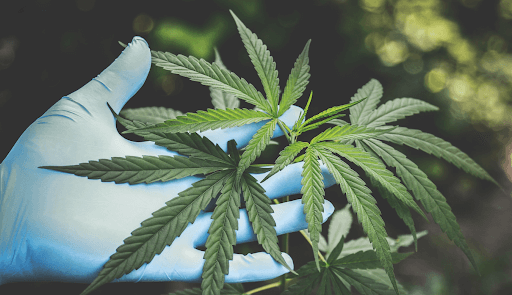
Disposable gloves are standard issue for the medical, food, and yes – cannabis industry. But thanks to COVID and subsequent disruptions in the supply chain, the market for procuring disposable gloves has gone from routine to challenging. In fact, the demand for quality disposable gloves has skyrocketed, more than doubling since the global pandemic’s arrival, thereby creating an unpredictable cycle of availability. Demand for single-use gloves is expected to continue increasing in the coming years, as the health and safety of workforces across multiple industries – including medical, food, and cannabis-related operations – are required and dependent upon their usage.
Let’s examine the factors that have made disposable gloves both scarce… and pricey, as of late.
Global Glove Origination
Approximately 99% of all disposable gloves are manufactured in southeast Asia, most notably Malaysia and Thailand. But for these regions, compared to the U.S., lockdown to prevent the spread of COVID infections has a much more literal meaning. The restricted movement, as well as outbreaks, led to output at 60% of its normal capacity. In addition, most experts agree that there’s clearly a shortage of workers – many of whom were immigrants affected by travel restrictions. It’s estimated that an additional 25,000 workers are needed to restore full production capacity.
Supply and Demand
As the demand for disposable gloves increased globally, it put added stress on manufacturers and the supply of raw materials, driving up prices tenfold compared to pre-COVID levels. Though glove costs have recently dropped, prices have not reached pre-COVID levels.
Cost of Gas
The raw materials of nitrile gloves are primarily petrochemical based, subject to the volatile price swings in the oil and gas industry. Combined with the tenfold increase in shipping costs, disposable glove prices are not likely to continue dropping.
Labor Violations
In the midst of this price spike, one of the top importers, Malaysia’s Top Glove, the world’s largest glove producer, was banned from importing gloves to the U.S. from July 2020 to September 2021, due to conclusive evidence of forced labor. However, this ban did not extend to other countries.
Knockoffs
When the pandemic nearly doubled the demand for disposable gloves and other PPE components, several new manufacturers with little to no industry experience, assisted by dealers with nothing more than a financial incentive, flooded the market with cheap, counterfeit, and reject-quality gloves. Spotting these unscrupulous suppliers can be done by looking for a few common signs, as they’re often given away by their offering of discount or wholesale pricing, especially in bulk. It’s estimated that the market has already absorbed an influx of gloves of a defective and dangerous quality.
Safeguarding Your Operation
Currently, poor quality gloves continue to flood the disposable-use market. In business, it’s human nature to seek the lowest price for inventory, but saving a little now may cost you dearly on the backend. Cost is obviously important, but consistent quality will keep you from having to replace gloves that rip and tear too easily. When sourcing disposable gloves, seek reputable suppliers – those who have a clear ownership origin, quality web presence and active social media accounts. Taking it a step further, you can inquire about factory audits and HACCP compliance certifications. The cannabis industry has already dealt with at least one recall due to glove contamination. And recalls can have negative financial and brand ramifications. Lastly, always remember when dealing with a new vendor – you can conduct your own product trial before ordering.
 Steve Ardagh, “The Glove Guy,” is the founder and CEO of Eagle Protect, a disposable glove supplier dedicated to the responsible sourcing of quality products that ensure customer safety and impact reduction, ultimately mitigating customers’ risk. Eagle Protect is the only global PPE supplier that is a Certified B Corporation, a designation that a business has met the highest standards of verified performance, accountability, and transparency. He can be reached at steve@eagleprotect.com.
Member Blog: “Food Safe” Gloves Cause Cannabis Recall
by Steve Ardagh, CEO of Eagle Protect
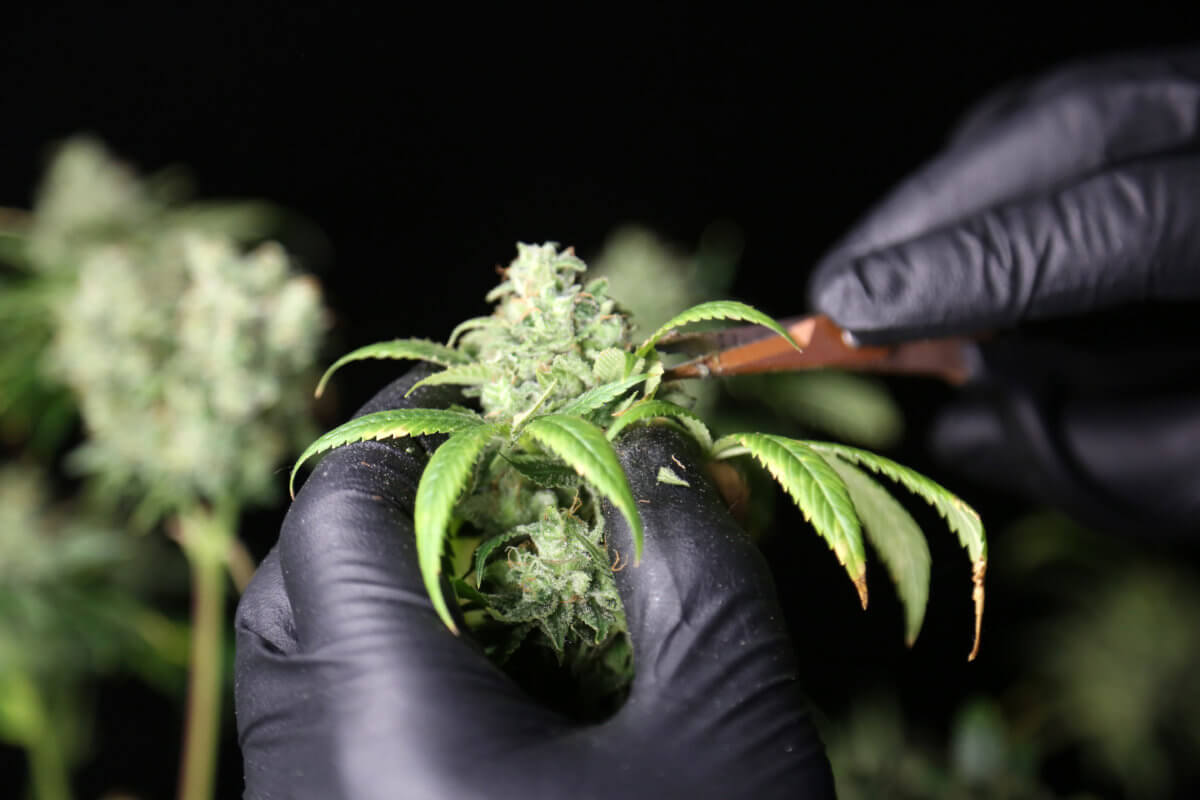
A pesticide-free cannabis producer and processor from Washington was recently forced to issue a recall after the chemical o-Phenylphenol (OPP), traced back to their “food safe” gloves, was found on its products. OPP, listed under California Proposition 65 as a chemical known to cause cancer, was found in the food-safe gloves they were using to handle their crop.
In a statement announcing the recall, the company said, “Nothing ruins your day like testing your product, confident it will be clean, only to find it contaminated with some crazy, toxic chemical. The gloves were the last thing we tested, we just never imagined something sold as food safe could transfer such nastiness. The discovery was just the beginning… recalls are costly in more ways than one.”
Why “food safe” gloves can cause a recall
After initial approval, non-sterile FDA compliant food grade gloves are not subject to ongoing controls to ensure the reliability and consistency of raw material ingredients or quality processes during manufacturing. Opportunity exists for glove manufacturers to use cheap raw materials which lower glove durability and can introduce toxic compounds, which can transfer not only to products handled but also to glove users.
Demand for lower costs from the end-user pressures glove manufacturers to sacrifice quality, and substitute other compounds to meet these demands. This can include increased levels of cyanide, fungicides, inexpensive phthalate plasticizers, or others on the Prop. 65 list of chemicals known to cause cancer.
Steve Ardagh, CEO of Eagle Protect, a specialist glove supplier explains, “People assume ‘food grade’ gloves are clean and toxin free, but that’s not necessarily the case. The actual FDA Compliance does not even require gloves to be tested clean or sanitary which surprises most people. Having tested 25 different brands of gloves, we’ve found everything from feces, fungicides, Staphylococcus, yeast, and mold,” says Ardagh, “due to putrid water sources and unhygienic manufacturing conditions.”
Recalls & brand reputational damage
Single-use gloves, even those FDA compliant, can be a risk to product recalls and brand reputation. Peer-reviewed scientific studies have identified harmful toxins and contaminants in and on single-use gloves. These “food handling” gloves pose risks for companies producing consumer products, especially in industries such as organics and cannabis whose products must be clean if tested.
Staff & consumer risks
In addition, staff wearing contaminated gloves are at risk of absorbing toxins, as are the consumers of products contaminated by gloves. The contaminants have often been identified as causing cancer, and reproductive and hormonal damage.
Mitigating glove contamination risks
Gloves are often purchased with little thought or foresight into their risks. Cost is commonly the determining factor in their procurement decision-making. However, sourcing gloves from established companies who partner directly with glove manufacturers to ensure consistent quality is essential for all cannabis companies. Gloves may seem trivial, but can cause fines up to $200,000, put consumers and staff at risk, and damage brand reputation.
This is especially important currently in the post-COVID world as the glove market is being flooded with counterfeit and reject quality gloves. The new glove suppliers, traders, and brokers who came into the COVID PPE space with little or no experience, with an intention to simply trade and make quick money, are now bailing out of their poor quality junk gloves and dumping them into the U.S. market. Consider the following before purchasing gloves:
Is your glove supplier reputable, with a long history of glove sourcing direct from the manufacturer and proven quality control processes in place?
Can your glove supplier ensure your glove quality is consistently high through documented factory audits, HACCP compliance certifications and quality processes?
Have you undergone a commercial trial of products prior to committing to purchasing to ensure glove quality is consistently high?
 After establishing Eagle Protect as an industry leader in New Zealand, where the company supplies approximately 80% of the primary food processing industry, Steve Ardagh relocated with his family to the U.S. in January 2016 and launched Eagle Protect PBC. Steve brought with him Eagle’s values of providing products that are certified food safe, ethically sourced and environmentally better. Steve is driven to keep consumers safe, one high-quality disposable glove at a time, and has been instrumental in developing Eagle’s proprietary third-party Fingerprint Glove Analysis glove testing program.
Eagle Protect, the world’s only glove and PPE supplier to be a Certified B Corporation®. Eagle Protect supplies disposable gloves and protective clothing to the food processing, food service, cannabis, medical and dentistry sectors in both the U.S. and New Zealand.
Eagle is implementing a proprietary third-party glove analysis to ensure a range of their gloves are of consistent high-quality, and free from harmful contaminants, toxins, and pathogens.

Follow NCIA
Newsletter
Facebook
Twitter
LinkedIn
Instagram
News & Resource Topics
–
This Just In
DOJ Reschedules Medical Cannabis to Schedule III & Announces June 2026 Hearing on Broader Rescheduling
National Cannabis Industry Association (NCIA) to Convene Industry Leaders in Washington for Annual Lobby Days, Bringing Together a Unified Voice for Federal Cannabis Reform