Over the years, the simple possession or use of cannabis has seen many lives upended by arrests and criminal convictions. Unfairly, racial disparities have determined that black and brown individuals suffer most of these convictions, arrests, and prosecutions, even though white individuals use and possess cannabis at similar rates. The resulting criminal records lead to individuals being denied fundamental rights to employment, housing, and education opportunities.
However, on October 6, 2022, President Biden made an announcement that could change the cannabis and criminal clemency conversation. The president asserted he would:
grant pardons to individuals with prior low-level federal cannabis possession offenses
change federal cannabis laws by reviewing the cannabis Schedule I rule.
The federal government’s classification of cannabis as a Schedule I substance puts it in the same category as more lethal drugs like heroin and LSD while drugs like fentanyl are not considered less severe than marijuana since it falls under Schedule II.
As more states legalize the sale and use of cannabis, the classification of Schedule I no longer makes sense. Additionally, more direct research on the proper utilization of marijuana can develop suitable restrictive and preventative measures to protect against harmful outcomes of cannabis use.
The Biden initiative is crucial because it can begin to remove the burden of employment, education, and housing limitations often experienced by individuals with simple cannabis possession convictions. Besides, if marijuana is rescheduled to Schedule II, or as many advocates champion for a complete descheduling, it could mean the end of cannabis prohibition altogether.
Widespread Support for this Initiative
Nearly 70% of Americans support the President’s pardon proclamation. Publicly, two in three Americans support Biden’s plan for cannabis reforms, and three in four support the removal of cannabis from Schedule I of the Controlled Substances Act.
Bipartisan support for this move is also high, with 74% of Independents, 84% of Democrats, and 58% of Republicans backing the proposal. At the state level, 68% of respondents support governors that want to issue pardons for people with low-level cannabis possession convictions.
Why This is Important
The expeditious review process requested by President Biden has the potential to open the cannabis industry to further changes, like the easing of banking restrictions for cannabis businesses. For instance, the call for action by governors is already inspiring many to rethink state and local relief for marijuana users. Kentucky, Colorado, and Kansas are three states already actively considering enacting the Biden pardons and drafting new reform bills for marijuana cases.
“The lack of safe banking and financial services for the cannabis industry in the State of Colorado has become a dire public safety issue for highly regulated cannabis businesses operating in compliance with state law,” Gov. Jared Polis’ office wrote to House and Senate leaders.
“Further, the lack of safe banking exacerbates the uneven playing field faced by small and minority-owned cannabis businesses, despite their serving the same communities and being subject to the same increased state regulation as other cannabis businesses in the State,” the letter said.
It’s true – over the years, the cannabis industry has dealt with a lack of financial and banking services because of the strict regulations and criminalization associated with marijuana. Consequently, this has resulted in severe public safety issues, even for cannabis businesses that operate within the compliance mandates of the state law.
Additionally, operators are disadvantaged because they lack funding or banking systems that support cannabis business processes. But following Biden’s pardon, many hope that Congress’ marijuana reform will pass the Secure and Fair Enforcement (SAFE) Banking Act for the industry.
If passed, the protection against armed robbery will increase. Also, the SAFE Banking Act will support the minority, veterans, and women who own small cannabis businesses. This, in turn, is expected to improve public safety amid the growing use of cannabis and cannabis products while simultaneously creating jobs within states.
Ushering in the Era of Cannabis Banking and FDIC
Even though the SAFE Banking Act has been in the House of Congress seven times, federally insured banking services and modern digital banking solutions like electronic payment processing are still inaccessible to the cannabis industry.
The Act lags in the senate under Democratic and Republican control. However, the senate is said to be preparing to enact the reform for the SAFE Banking Act as part of the Biden marijuana proposals. And why not? There is significant support for the SAFE Banking Act.
For instance, National Association of State Treasures members have voiced their support for the SAFE Banking Act. Public policy also demands the immediate relief the ACT will provide cannabis businesses. Therefore, the expectation that leaders in the government will push for banking reforms for cannabis businesses is prevalent.
The SAFE Banking Act is an Advocate for the War on Drugs
Many believe that the baking legislation would advocate for the war on drugs because it would offer protection against the risk of robbery and violence. By denying cash-based cannabis businesses access to the traditional financial system, the state and local governments provide an invitation threat that has seen many victims working in cannabis businesses lose their lives or livelihoods.
On the other hand, the right to payment solutions, like credit cards, protects against armed robbery. Nonetheless, for the banking legislation to work, it requires the support of criminal reforms. This is where initiatives like predicant Biden’s pardon and marijuana schedule reform come in.
The SAFE Banking Act will solve the injustice associated with financial inequality, thus, providing public safety that protects customers, employees, and businesses in the cannabis industry. And with reduced invitations for armed robberies working in tandem with the use of mandated cannabis products, the war on drugs will ensue.
Cannabis Businesses Contribute Equally to the Economy
As such, it is only fair to provide them with the same rights and protections that other businesses, whether big or small, enjoy. Therefore, starting with the push to decriminalize and legalize marijuana, not just at the federal level but at the state level, is a solid place to start.
Following this pardon with an advocacy of the SAFE Banking Act will additionally provide cannabis businesses with the capability to carry out operations securely and optimally. But attention must be paid to the details pertinent to these reforms to ensure thousands of convicts get a better chance at life and cannabis businesses get opportunities to continue contributing to the economy.
FAQs
What does President Biden’s pardon for marijuana possession entail?
President Biden’s cannabis reform initiatives are set to accomplish three things:
Pardon convicts with low-level marijuana possession offenses, thus, allowing them to get housing, education, and employment without prejudice
Reduce the marijuana Schedule level on the Controlled Substances Act from Schedule I to Schedule II, which lessens the seriousness of marijuana possession
Inspire governors to offer the same pardons at the state and local levels where most marijuana convictions are carried out
Is there support for President Biden’s announcement?
Yes. There is ample support from the public and bipartisan control for Biden’s pardon and advocacy for the marijuana schedule change in the Controlled Substances Act.
What would the pardon mean for cannabis banking?
The de-scheduling of the marijuana Controlled Substances Act would remove the many legal hurdles and fears of the financial institutions that keep them from supporting cannabis businesses. This would reduce the discriminatory risks associated with banking or financing cannabis businesses.
Joshua Gilstrap is the Marketing Manager for e2b teknologies, in addition to his marketing responsibilities Joshua leads business development for e2b teknologies emerging Canna Suite product line. A business graduate with a focus in marketing from Miami University in Oxford, Ohio, he joined the e2b team in the Fall of 2019. Josh brought with him a wide array of business and practical experience in planning and execution. Since coming aboard he has led multiple projects including website hosting and theme standardization company wide, marketing automation streamlining the efficiency of the customer journey, and sales automation where he is changing the conversation from promotion to education, from pitching to catching, and from push to pull in order to keep up with the shifting tides of a digital transformation.
Member Blog: How Brands Can Help Cannabis Decriminalization
There has been a steady movement for the decriminalization of cannabis worldwide. Many organizations call for their governments to allow recreational and medical cannabis, and it’s hard to deny how valuable the cash crop can be for the local economy. Learn how some cannabis brands are contributing to decriminalizing cannabis and making an impact.
As it stands, 19 U.S. states have fully legalized cannabis, and another 19 have medical marijuana programs. While this is fantastic progress, it’s still leaving many people convicted of drug crimes, medical patients, and minorities behind. While some places go the extra mile, there are still many places where it’s a punishable crime with the smallest amount of cannabis. Cannabis laws continue to evolve to protect users, such as the new California law that protects employees from smoking outside work hours.
A bill to decriminalize marijuana passed in the U.S. House in April, but there’s not a lot of hope that Congress will take it up. However, the fact that it was proposed shows that recreational and medical cannabis is becoming closer to the mainstream.
Global Cannabis Decriminalization
Canada, Mexico, South Africa, Thailand, and Malta have legalized adult-use cannabis. The list is relatively short and shows that there’s still progress worldwide.
It’s become clear that many think it doesn’t make sense for people to go to prison for cannabis possession. Programs have been set up in most states and some countries to expunge cannabis possession records and free people who are locked up unjustly.
Here’s a quick introduction to some of these programs and how states, businesses, and individuals push cannabis decriminalization and legalization forward.
States Create Social Equity Programs
A common critique of the cannabis industry is that it’s dominated by white people who were never negatively impacted by anti-marijuana laws. Social equity programs in many states are working hard to level the playing field.
While each state has different qualifications, eligible people must live in an area strongly affected by high arrest and imprisonment rates for cannabis activity. Applicants might also receive extra assistance if they were arrested or convicted of marijuana crimes before legalization.
Some businesses also offer reduced product prices, grants, and loans for cannabis enterprises founded using social equity programs. This makes it easier for minorities to get the funding they need to start the industry.
Programs To Help Minorities with Cannabis Jobs
Not everyone who wants to get involved in the cannabis field is interested in running their own business. Some organizations are also making it easier for people of color to find jobs in the field.
The Minority Cannabis Academy is a New Jersey program that helps young Black Indigenous people of color find their vocation in the cannabis industry. It trains them to work as budtenders in existing dispensaries, giving them a leg up for employment.
In Illinois, cannabis companies can expedite their application for a license if the majority of their staff has been convicted of a cannabis-related offense in the past. This incentivizes businesses to hire minorities and people who need help from these programs.
More programs like these should be developed nationwide if we want a positive representation of BIPOC in the cannabis industry.
Grants Given to Provide Legal Assistance for Expunging Nonviolent Cannabis Crimes
Having a marijuana conviction on your record can have lasting consequences. Drug convictions come up in background checks, and since they carry a significant stigma, people can lose out on employment opportunities when a company judges them harshly for their past.
A cannabis conviction can also make it difficult to rent an apartment or buy a home. Plus, people with drug convictions have been denied student loans and other loans from financial institutions.
When Illinois legalized cannabis in 2019, it was important to lawmakers that people who were convicted for marijuana crimes previously were able to clear their records.
An excellent organization focused on eliminating people’s cannabis records called the Illinois Equal Justice Foundation is taking a step forward. They will award over $1.4 million in grants spread throughout 18 organizations in the state to help rid people of their cannabis records. The funding will assist legal aid groups, so they can represent people in court and are committed to educating people about their expungement options.
Thailand has pushed its efforts even further. When the country delisted cannabis as a narcotic in June, they also released 3,071 inmates who had been convicted of cannabis-related crimes.
Canada has issued pardons for people with previous marijuana convictions for several years. The process can be slow, but the government feels strongly that these people should be released, and their records wiped clean.
These models show that it’s possible to legalize marijuana while still caring for people whose criminalization has been negatively impacted. Experts are hopeful that President Biden will free individuals in jail for marijuana possession, but the future in the United States remains unclear.
How Brands Can Help Impact Positive Change In The Right Direction
King Palm is a cannabis smoking accessory brand that has created a Last Prisoner Project rolling tray to help spread awareness of that non-profit organization.
This cannabis smoking accessory brand is donating to the Last Prisoner Project. This nonprofit organization is committed to freeing people convicted of marijuana-related crimes.
The organization works hard to advocate for bills that would free people from prison for marijuana offenses, and once people are freed, they help them integrate back into their communities.
Expungement Assistance
Many states are setting up expungement assistance programs that anyone can access. The process can take time and be confusing, but many people find it extremely worthwhile.
In 2021, Michigan passed the Clean Slate Act, which expanded the types of crimes that can be expunged. Some expungements will even be automatic under the law. The state says hundreds of thousands to millions of people are now eligible for their criminal records to be wiped clean.
Another strong member of the National Cannabis Industry Association is Cannabis Equity Illinois. They help community members expunge or seal their criminal records for cannabis and also advocate for automatic expungement. They also provide Know Your Rights seminars, so no one is criminalized for cannabis use.
Looking for help expunging your legal record with cannabis? Many areas have expungement events, and you can find exactly what you need to do on your state’s website.
Support for cannabis decriminalization is growing, but there’s still a long way to go. Luckily, many governments, businesses, and nonprofit organizations are doing their part to make cannabis mainstream and help minorities make their way up through the budding industry.
Mack Bush (they/them) is a freelance writer who is passionate about sharing the joys of cannabis with the world. They manage their fibromyalgia with medical marijuana, and it’s opened up new doors and improved their quality of life. They live in Grand Rapids, Michigan with their cats, Rigatoni and Jasper. Find out more about their work at mackbush.com.
King Palm is one of the leading cannabis companies in the world for joint wraps, pre-rolled cones, and rolling papers. Their specialty palm wraps are made from Cordia leaves and allow you to get in touch with nature while you smoke. They also create quality smoking accessories, including electronic devices like concentrate vapes and nectar collectors, as well as lighters, rolling trays, grinders, and ashtrays. Find out more about their products at kingpalm.com!
Committee Blog: Social Equity Perspectives on Interstate Commerce – Part 2
As the debate heats up on “how” rather than “if” cannabis legalization will happen, social equity and comprehensive reform are at the forefront of the minds of national legislators and advocates. Previously, in part 1 of this series, the DEIC examined the problems inherent in existing social equity programs and the merit of federal social equity in regulating interstate commerce. Sadly, as written currently, all proposed federal bills fail to meet the critical objective of creating as much NEW generational wealth as possible for those harmed by the war on drugs.Now, we examine the key components of a proposed framework to address these challenges, how to define social equity federally, and the merit of determining the types and numbers of permits to be issued.
Key Considerations for a Federal Cannabis Social Equity Program:
Fundamentally, any federal act for cannabis legalization should be a social justice bill that deschedules cannabis federally and that creates the most amount of new generational wealth for those most impacted by prohibition. Expungement for all persons with a past criminal record involving cannabis is the bare minimum these bills should do. However, proposed bills so far fall short of the latest innovative solutions to known problems in social equity programs and should be amended to include these key considerations.
Any proposed act must be amended to include provisions on regulating interstate commerce immediately after descheduling. The NCIA’s Diversity Equity and Inclusion Committee (DEIC) believes any federal act must prioritize social equity ownership of interstate commerce permits issued by the federal government. Learning from the municipal and state social equity programs, this policy paper seeks to propose amendments that meet these objectives, by instituting the following amendments to federal legalization bills:
Defining the regulatory agency for federal interstate commerce regulation and taxation
Alcohol and Tobacco Tax and Trade Bureau (TTB) and U.S. Small Business Administration (SBA) roles and responsibilities
Defining number and types of seats for a Federal Cannabis Social Equity advisory board
Ensure a diverse and representative Federal Cannabis Social Equity advisory board members, e.g., federal, state, tribal nations, diverse city representation, NCIA, and social equity cannabis owners, and operators.
Defining who qualifies as a social equity interstate commerce permit holder:
Outlining what states must meet as a minimum standard set by the federal government to participate with equivalent/reciprocal qualification.
May be determined by advisory board to define social equity qualifications
With minimum areas defined such as: income, arrest history, disproportionately impacted area(s), residency or heritage to avoid gentrification issues at large.
Defining permit types (similar to wine wholesale model) such as:
Importing
Privileges to buy from exporters directly and sell to distributors or transporters and licensees into a state system from another state
Exporting
Privileges to buy from operators and sell from a state system to an importer in another state
Transporting
Privileges to sell to or buy from qualified cannabis licensed businesses within a state system and to move product from or to licensees in a state or between importers and exporters interstate
Testing
State labs that meet national standards to ensure consistency with results for other permit types
May not be strictly social equity since existing labs are more specialized in converting to federal standards and adding this permit
Defining these basic requirements offers a framework for interstate commerce permitting and establishes the essential agencies required to enact a robust social equity program federally. More importantly, it stalls illegal and gray area activity from taking root under the guise of federal legalization by ensuring interstate commerce activity falls under a specific regulatory agency already well versed in interstate commerce permitting and regulation.
Suggested Social Equity Definition:
To define social equity applicant qualifications, DEIC suggests the TTB and SBA move away from diversity supplier program definitions which are too restrictive for a new industry to qualify. In order to accommodate the cannabis industry, DEIC recommends looking at other state definitions of social equity qualification that have proven to be effective.
Factors like living in a disproportionately impacted area for 5 out of 10 years, being arrested for cannabis or having a family member who was arrested, as well as income below the poverty line, should become qualifying factors.
Additionally, minorities, women, and veterans should be given additional consideration in the definition of who qualifies as a minority cannabis business.
High poverty rate, unemployment rate and participation in federal or state income-based programs, a history of arrests, convictions and other law enforcement practices in a certain geographic area, such as, but not limited to, precincts, zip codes, neighborhoods, census tracts and political subdivisions, reflecting a disparate enforcement of cannabis prohibition during a certain time period (war on drugs started in 1971), when compared to the rest of the state.
Utilize the advisory committee and collaborate with cannabis social equity groups to make sure gentrification and displacement are taken into account. Many areas have drastically changed over the last 5-10 years. Where a person spent their formative, childhood years should also be factored in. Guarding against ‘gerrymandering’ types of map cutouts, where folks who grew up literally surrounded by DIA’s, and who dealt with many of the same issues growing up, are somehow not considered to be disproportionately impacted.
We believe the federal government should leave regulations within each state alone during this multi-year implementation and defer to the TTB and SBA to work in conjunction with any Federal Drug Administration (FDA) regulations with their primary focus pertaining to interstate commerce and taxation as it relates to social equity permit issuance.
Defining How Many Permits to Issue to Social Equity Operators
To address the common shortfalls of state programs, the DEIC realizes that social equity applicants are already a minority stakeholder in existing cannabis licensing. In most states, sadly, constituting less than 5% ownership. This is a huge difference compared to the proportion of individuals in prison for the same activities a licensed business is allowed to conduct.
Accordingly, the DEIC recommends a direct balance in ensuring a lock-out period on issuing new permits and ensuring, during that time, that 95% of the permits go to social equity owners/operators.
While some may consider such a counter-balance to be extreme, more and more states are increasing the committed amount of licenses for social equity to ensure a fair counter-balance. If anything, mega-players should be competing with each other for a select number of limited licenses – not the other way around.
We also realize that, in order to generate investment or value behind interstate commerce permits, there could not be an unlimited number of them initially issued. While the advisory board may issue more in the future, we feel a bold stand to increase the number of valuable permits for initial social equity applicants nationwide is necessary to ensure a balance that reflects the oversight to include social equity business into the industry thus far.
DEIC suggests 1,500 permits as a starting point divided among the three primary types (import, export, transport) as a fair balance initially.
The above policies may seem bold, but they are designed to seek to balance the industry and state’s failure to allow social equity participation. Most cannabis states left out social equity operators by mandating residency and felony-free requirements.
The reality is that interstate commerce means selling the products already owned and produced by non-social equity folks. Further, if it was not for these legacy operators, there would not be a cannabis culture. A culture that has been co-opted from legacy social equity operators by mega operators who kept “undesirables” from the industry at its inception.
These policies seek to balance the needs of traditional cannabis businesses that would most benefit from interstate commerce, with the needs of social equity businesses to create equal opportunity. By limiting the number and availability of interstate commerce permits for at least a 5 lock-out year period, the policy ensures traditional operators partner with social equity permit holders to export, import, and transport their goods between various markets.
The policy helps ensure partnerships that are more equitable for both parties and, in doing so, seeks to avoid “predatory operating agreements” or “social equity colonialism” that dilute social equity operators who are not given the opportunity or resources to bring anything to the table. Therefore, the DEIC stands by lock-out periods and a dedicated high percentage of limited licenses for social equity interstate commerce permitting as a policy to balance existing inequity.
In the next part of this policy paper series, the DEIC will examine how this framework sets up social equity technical assistance, qualification, and a phased approach of implementation to ensure the widest net is cast and that social equity operators have ample time to qualify, are appropriately funded, and set up for success with an equal starting line for interstate commerce.
The last week or so has been an interesting one in Congress when it comes to cannabis policy reform, and carried with it the usual mix of positive and unfortunate developments.
First, in yet another installment in the long and ongoing saga that is the SAFE Banking Act’s path toward becoming law, a minor setback. Champion and lead sponsor Rep. Ed Permutter had been working for weeks to get SAFE Banking language included in the NDAA, or National Defense Authorization Act. This spending package is typically focused on security and military matters, and is considered “must-pass” legislation by both chambers. Now, you may be asking what allowing banks to more easily work with legal cannabis businesses has to do with national security, and the answer – oddly enough – is a lot. Beyond the obvious public safety benefits of no longer forcing most cannabis businesses to operate entirely in cash and making them targets for crime, allowing access to banking would dramatically increase financial transparency in the industry. This would give law enforcement additional tools to help prevent the admittedly rare occurrences of criminals extorting legal businesses or using them to launder money, which is certainly a security concern. Perhaps even more relevant, being able to use the financial services that are available to other legal industries would help remove significant barriers to entry into the legal market and allow small cannabis businesses to be more competitive with unregulated operators, some of whom have ties to international drug trafficking organizations that present an ongoing threat to global security.
Unfortunately, Rep. Perlmutter decided not to add the banking language to the NDAA at the urging of Speaker Pelosi in order to ensure the spending package would pass without issue. Despite this compromise, however, Rep. Perlmutter has vowed to attempt to add it to every available legislative vehicle going forward. Given the fact that the Senate is currently stalling on the SAFE Banking Act as a standalone bill, this may be the most viable strategy of getting cannabis banking reform through both chambers before the end of the current Congress.
Speaking of other vehicles for reform, the ongoing appropriations process continues to hold hope for passing a number of cannabis-related items in the near future. Lawmakers recently approved a continuing resolution to fund the government through February and avoid a shutdown. This means that there will be no changes to the previous budget until then, but it does give us more garner support for the provisions that we want to make sure are part of that spending package. That includes preventing the Department of Justice from targeting state-legal adult-use cannabis businesses and programs, SAFE Banking, improving access for veterans, expanding research, and more.
In better news, Reps. David Joyce (R-OH) and Alexandria Ocasio-Cortez (D-NY) partnered up to introduce a bill that would provide federal support for state-level expungement efforts. The Harnessing Opportunities by Pursuing Expungement (HOPE) Act would allocate $20million for a grant program to help reimburse states for the costs associated with expunging non-violent cannabis convictions. This is incredibly important because most of the federal expungement conversation has focused around federal convictions, yet the vast majority of arrests and convictions occur under state laws. Most states lack the resources and infrastructure to effectively address this issue at a large enough scale and in a manner that is affordable to the victims of prohibition who are just trying to clear their records of convictions for behavior that is now legal for a majority of Americans. It is wonderful to see bipartisan support for this important legislation, and we look forward to working with lawmakers to push it through as soon as possible.
That’s all for now, but stay tuned for further updates from Capitol Hill. And don’t forget to register for NCIA’s Cannabis Business Summit in San Francisco next week!
Thoughtful Legislation: States Reform Act Introduced
Photo By CannabisCamera.com
By Michelle Rutter Friberg, NCIA’s Deputy Director of Government Relations
Recent polling from Gallup showed that an astonishing 68% of Americans believe that cannabis should be legal. And while support spans age groups and party lines, cannabis is usually thought of as an issue Democrats champion – but one woman is looking to change that.
This week, freshman GOP Congresswoman Nancy Mace (SC) officially threw her hat in the cannabis reform ring with the introduction of the States Reform Act. Notably, this is the second comprehensive cannabis bill introduced by a Republican member of Congress (the other was sponsored by Rep. Dave Joyce, one of the co-chairs of the Cannabis Caucus).
According to Rep. Mace’s office, here are some of the things the bill does:
Ensures that no state or local government will be forced to change its current cannabis policies by removing cannabis from Schedule I and deferring to states.
Regulates cannabis federally like alcohol under USDA for growers, ATF/TTB for cannabis products, and FDA for medical use.
Institutes a low 3% federal excise tax on cannabis products to fund law enforcement, small business, and veterans mental health initiatives.
Ensures the safe harbor of state medical cannabis programs and patient access while allowing for new medical research and products to be developed.
Outlines the federal release and expungement for those convicted of nonviolent, cannabis-only related offenses. This will not include cartel members, agents of cartel gangs or those convicted of driving under the influence (DUI). Mace’s office estimates that approximately 2,600 releases will be expected at the federal level. State level releases and expungements will be left to each state to determine.
Protects military veterans by ensuring they will not be discriminated against in federal hiring for cannabis use or lose their VA healthcare benefits.
Protects children and young adults under the age of 21 from cannabis products and advertising nationwide. Incentivizes states to make cannabis illegal for anyone under the age of 21, with a medical exception for prescribed use. Provides funding to the Substance Abuse and Mental Health Services Administration to ensure protections for minors are being considered.
Protects medical cannabis for the following uses: arthritis, cancer, chronic pain, sickle cell, HIV/AIDS, PTSD and other medical uses per a state’s specific cannabis regulations.
NCIA applauds Rep. Mace for introducing this new and carefully thought out piece of legislation. There are many provisions in the bill that we support: low tax rates and barriers to entry, allowing states to lead – but also many areas with room for improvement like those pertaining to criminal justice and trade. NCIA will continue to work with Rep. Mace’s office to improve this bill and attempt to find common ground across political parties in order to advance cannabis policy reforms.
Committee Blog: What Retailers Can Do To Support Social Equity
Social equity can be boiled down to a way of seeking remedy for the harms caused by the racist war on drugs and to help individuals, families, and communities that have been disproportionately impacted by prohibition. A big part of this is making sure that no one is left behind by the economic developments created by making cannabis legal. As local, state, and federal governments continue to grapple with implementing policies that effectively address this issue, there is a lot the industry can – and should – do to help make sure that the opportunities in regulated cannabis markets are inclusive and equitable, and to help support businesses owned by members of marginalized communities.
As many as 70% of consumers want brands to take a stand on social and political issues. That’s a 66% increase from 2017, according to Sprout Social’s 2019 #BrandsGetReal survey. Customers are more likely to purchase from companies that take a stand on causes aligning with their values and more importantly, companies hold the power to make a difference; even if it’s encouraging people to take baby steps towards a larger solution. Data shows they might already be doing that, because 67% of consumers say brands are raising awareness around just causes, and 62% believe brands are educating them on important topics.
Here are just a few ways that cannabis retailers can help be a part of the social equity solution to economic unfairness created by the failed war on drugs:
Partner with Job Programs
Cannabis arrests or convictions can erect barriers in someone’s life. More specifically, they can affect housing, education, and career prospects. Consider partnering with city, state, and national programs and organizations that are creating pathways to cannabis ownership and employment – including the formerly incarcerated – to create job opportunities for underserved communities.
Expungement Days
Reach out to a local law firm or social justice organization and talk about hosting “expungement days.” Your efforts will help provide free legal measures for expunging low-level cannabis-related convictions. The Last Prisoner Project is a cannabis reformation project seeking to release prisoners currently convicted for cannabis-related crimes and help them assimilate back into society. However, local organizations may often have direct experience with this work in your communities and have well-established relationships with them to help better connect with the people who need these services the most.
Reach out to them and see what they recommend before planning your expungement day. You can also find out more information about expungement efforts nationally at the Collateral Consequences Resource Center.
Create shelf space
Socially conscious companies should show equity and racial justice on your stores’ shelves. Whether it is making a “social equity section” or finding ways to educate budtenders on the merits and stories behind the products, you will be moving sales in the right direction and promoting socially conscious consumer patterns. You can also provide tabling space for brand ambassadors to help promote social equity company products that you carry. This not only helps the brands but also creates greater loyalty to your store.
Find products that are both socially equitable and fit your dispensary’s needs. That way, you push the product because you love the product, not just because it’s trendy. But in doing so, you are contributing to positive social change and acceptance, and driving commerce toward BIPOC-owned companies. Remember, the goal is equity.
Form equitable partnerships for ownership
Are you a retailer, cultivator, or production company? Maybe you’re a vertically integrated, multi-state operation. You might not even touch the cannabis plant at all, but provide services to those who do. No matter who you are in cannabis, find ways to partner with social equity companies and help increase their recognition. Maybe it’s mutually beneficial joint venture projects on brands or another arrangement, but find ways to form fair and collaborative relationships.
Above all, keep it real
In the end, authenticity is key, and to take a stand in a way that inspires customers: your message can’t be filled with empty words. If you’re a company that’s looking for causes to rally behind, keep it in your wheelhouse and make sure your audience will resonate with the partnerships you’re creating.
Retail businesses have the power to become change agents and inspire customers to take action in their own backyards. Seek out opportunities like the ones we mentioned and provide opportunities for wealth generation, education, and social restoration in marginalized communities.
According to statistics, you’ll make a lasting impression on your audience, increase sales, and you’ll be a force for positive social change as you impact lives in your community and beyond. What’s better than that?
ACTION ALERT: Congress to Vote on Historic MORE Act
The Marijuana Opportunity, Reinvestment, and Expungement Act (H.R. 3884) is expected to come to a vote in the U.S. House of Representatives in December 2020. NCIA has been building support for this bill in Congress for the last year and now we need your help!
Please call your member of Congress and ask them to vote YES on the MORE Act today!
Look up your congressional representative and contact info by zip code, here.
Reference our congressional scorecard to find out if your representatives are sponsoring NCIA’s priority legislation, including the MORE Act.
Sample script to help guide your call:
Hello! My name is _______________ and I am a constituent of yours in (city, state, zip code). I am calling today to ask that Representative _____________ votes “Yes” on H.R. 3884, the MORE Act, when it comes to the Floor for a vote in December.
This bill would remove cannabis from the Controlled Substances Act at the federal level, leaving marijuana policy up to the individual states. It also creates avenues towards expungement, re-sentencing, and assists those communities that have most been impacted by the failed war on marijuana. Additionally, legal cannabis is a huge economic driver and would help both the federal government and states’ revenue shortfalls during this pandemic.
Thank you for your time today. Again, I hope Representative _____________ will vote “Yes” on H.R. 3884, the Marijuana Opportunity, Reinvestment, and Expungement Act.
*Feel free to tell a personal story if you feel it is relevant or powerful, but remember that staffers are busy so sometimes short and sweet is best!*
Summary of the Marijuana Opportunity, Reinvestment, and Expungement Act of 2019:
The Marijuana Opportunity, Reinvestment, and Expungement Act (H.R. 3884, S. 2227), commonly known as the MORE Act, was introduced in 2019 by House Judiciary Committee Chairman Jerry Nadler (D-NY) and Senator (now Madam Vice President-Elect) Kamala Harris (D-CA).
This bill would:
Decriminalize cannabis federally: The bill removes cannabis from the Controlled Substances Act, leaving cannabis policy up to the states
Allow for expungement of marijuana convictions and arrests, sealing of records, and re-sentencing: Requires federal courts to expunge prior convictions and arrests and seal court records for those not under a current criminal justice sentence and requires courts, on motion, to conduct re-sentencing hearings for those under a criminal justice sentence.
Establish sales tax and “Opportunity Trust Funds”: Authorizes the assessment of a 5% sales tax on marijuana and marijuana products to create an Opportunity Trust Fund, which includes three grant programs:
The Community Reinvestment Grant Program, administered by the Department of Justice, would provide services to the individuals most adversely impacted by the War on Drugs, including job training, re-entry services, legal aid, literacy programs, youth recreation, mentoring, and substance use treatment.
The Cannabis Opportunity Grant Program, administered by the Small Business Administration (SBA), would provide funds for loans to assist small businesses in the marijuana industry that are owned and controlled by socially and economically disadvantaged individuals.
The Equitable Licensing Grant Program, also administered by SBA, would provide funds for programs that minimize barriers to marijuana licensing and employment for the individuals most adversely impacted by the War on Drugs.
Make available SBA programs and services to cannabis businesses: Specifies that the SBA may not negate eligibility for loans and other services based on a business being cannabis related.
Clarify federal public benefits: Prohibits the denial of any federal public benefit (including housing) based on the use or possession of marijuana, or prior conviction for a marijuana offense.
Protects immigrants: Provides that the use or possession of marijuana, or prior conviction for a marijuana offense, will have no adverse impact under the immigration laws.
Provide for data Collection: Requires the Bureau of Labor Statistics to collect data on the demographics of the industry to assess whether people of color and those who are economically disadvantaged are participating in the industry.
Age equity for juveniles: The bill applies equally to juveniles and adults, protecting young people from harmful criminal records.
What to Watch in the Lame Duck Session
by Madeline Grant, NCIA’s Government Relations Manager
Following the presidential election, we’ve entered the lame-duck session. This occurs after an election, but before new members are sworn in, and allows for time on the legislative calendar for Congress to pass additional legislation. Before Congress heads home for the holidays, a new administration takes office, and the 117th Congress returns, let’s take a look at what to keep an eye on during the lame-duck session.
Banking Access
The House of Representatives has approved the SAFE Banking Act in some form THREE times in just over a year. The text of the Secure and Fair Enforcement (SAFE) Banking Act has passed through two different COVID-19 relief packages on the House side: the HEROES Act, and the HEROES Act 2.0, and also passed as standalone legislation in September 2019. However, in the upper chamber, we’ve seen Senators criticize including marijuana components in coronavirus legislation, arguing that it is not germane to the issue at hand. Specifically, Senate Majority Leader McConnell (R-KY) took to the floor to complain that the House bill provides “special treatment to the marijuana industry,” stating that the legislation “mentions the word ‘cannabis’ more times than the words ‘job’ or ‘jobs.’” Regardless, it’s evident that SAFE banking has bipartisan support and could help mitigate the spread of the virus by ending the industry’s reliance on cash transactions.
Additionally, Senate Minority Leader Chuck Schumer (D-NY) introduced a coronavirus relief bill last month that contains the SAFE Banking Act. We’ve seen pushback from the Republican-controlled Senate and the Trump administration, however, Senator Schumer’s inclusion of cannabis provisions is a positive sign that Democrats will make an effort to continue to push for these provisions. As Congress and the Trump Administration continue to negotiate coronavirus relief legislation, we will continue to keep our eyes on banking. Also, a friendly reminder to call our representatives and senators and encourage them to support cannabis banking reform. If they are already a champion on our issues, thank them for their support.
The Marijuana Opportunity, Reinvestment and Expungement (MORE) Act
Regardless of all of the trials and tribulations that 2020 has brought, there is still great excitement and optimism around the MORE Act! House Majority Leader Steny Hoyer (D-MD) confirmed that marijuana legalization is still on the table before the presidential transition and will get a vote in December. Previously, Representative Hoyer announced this past summer that the chamber would vote on the MORE Act in September, but that plan was postponed following pushback from certain offices who were concerned about the optics of advancing cannabis reform before passing another coronavirus relief package.
The MORE Act is the most comprehensive cannabis legislation to date. The bill would: federally deschedule cannabis, completely removing it from the Controlled Substances Act, expunge the records of those with prior marijuana convictions and impose a federal give percent tax on sales, revenue from which would be reinvested in communities most impacted by the drug war. Additionally, the legislation would also create a pathway for resentencing for those incarcerated for marijuana offenses, as well as protect immigrants from being denied citizenship over cannabis and prevent federal agencies from denying public benefits or security clearances due to use. The fact that we have a potential vote on the MORE Act before the end of the 116th Congress is exciting news for the cannabis community. As we gear up to the end of the year, look out for updates on the MORE Act, and remember, please call your representative and senators and urge them to support this significant piece of cannabis legislation.
Success Through Hardship in the 116th Congress
This year has been unlike any other year we’ve faced as a country. Since March, Congress has exhausted their legislative efforts to agree on coronavirus relief bills. With differences on both sides of the aisle and with the administration reaching any sort of legislative success seems near impossible. However, on a positive note we’ve seen our champions on Capitol Hill not give up on cannabis-related provisions. Although we are faced and halted by frustrations in the Republican-controlled Senate, we still see members of Congress working to include the much-needed cannabis reform our nation is calling for. Not to mention Election Day – Arizona, Montana, New Jersey, and South Dakota all passed measures making cannabis legal and regulated for adults, while Mississippi and South Dakota chose to legalize medical cannabis. Every success and victory in cannabis policies around the country creates more momentum for Congress to fix the out-dated cannabis laws. As we wrap up the 116th Congress, we will be left with more momentum than ever before to enter the 117th Congress to reach new legislative victories.
MORE Act Headed For Vote, SAFE Banking Still In Play
by Morgan Fox, NCIA’s Director of Media Relations
We asked, you answered, and your efforts are seeing results!
Over the past months, our Government Relations team in Washington, D.C. has been hard at work gathering support in Congress for the Marijuana Opportunity, Reinvestment, and Expungement (MORE) Act, and many of our members responded to the call to contact their lawmakers to urge them to support the legislation and bring it to a floor vote in the House. Well, our mutual work is paying off!
Last week, House Majority Whip James Clyburn (D-SC) announced that the MORE Act would be called for the vote! This was confirmed Monday as taking place during the week of September 21.
This legislation would remove cannabis from the Controlled Substances Act and do away with the continuing conflict between states with modern cannabis laws and the federal government. It would also expunge federal cannabis convictions, remove barriers to research, eliminate the current problems with the 280E tax code and lack of access to banking, promote more diverse participation in the cannabis industry, and establish funds to help undo the disparate harms caused by prohibition.
Make no mistake: this vote will be historic. This will be the first time that a bill to end cannabis prohibition has come up for a full vote in either chamber of Congress, and the results of the vote could determine the path of cannabis policy reform efforts for years to come.
This means we have just three weeks to drum up as much support as possible and show our elected officials where the vast majority of Americans stand on cannabis.
If your representatives are not among the 87 current cosponsors of the MORE Act, please contact them and urge them to join in showing their support for this momentous and necessary bill.
Meanwhile, our efforts to maintain momentum for cannabis banking reform have continued throughout the negotiations of the next pandemic relief bill. Despite a somewhat contentious public debate over the size and scope of the stimulus funds in general, hope is still alive for the SAFE Banking Act provision to be included in the final legislation if Congress can come to some agreements on the numerous other issues at stake.
What is not up for debate is that SAFE Banking is an absolutely necessary part of COVID-19 relief. This measure will improve public health and safety by enabling more social distancing and decreasing cannabis businesses’ reliance on cash transactions which can spread contagions and make them a target for crime. Most importantly, it will help thousands of small businesses – with hundreds of thousands of employees across the country – survive these difficult times while providing uninterrupted healthcare services. It doesn’t get more COVID-relevant than that.
While it is still uncertain when or how the House and Senate will arrive at a compromise for pandemic relief, we don’t have much time before the elections divert most of their attention.
Keep an eye out for updates on ways you can help get SAFE Banking passed this year.
We couldn’t do this work without the support and assistance of our valued members. If you are not yet a member, please support our work byjoining today. If you already are a member, thank you for making our advocacy work possible.
The Illicit Cannabis Market Puts Consumers At-Risk and Is an Existential Threat to the State-Legal Cannabis Industry
by Andrew Kline, NCIA Director of Public Policy
Photo By CannabisCamera.com
The illicit market is not working for anyone. The illicit market puts consumers at risk by offering untested, unregulated, and dangerous products, including “vape cartridges” filled with additives that are not intended for inhalation. These illicit vape products alone have caused 2,768 injuries and 64 deaths to date nationally. Pop-up dispensaries are selling illicit, unregulated, and untested products to unwitting consumers. Unscrupulous people are unlawfully selling cannabis products over the internet in violation of state and federal law, and online platforms are enabling the illicit market by advertising for illegal online and brick and mortar stores. Counterfeit and ready-to-fill packaging is being sold with fake lab results, batch numbers, and barcodes. Illegal growers are causing serious environmental harms. Even illicit market operators with the best intentions still put consumers at risk when they sell untested products produced in unregulated facilities.
And these illicit operators pose an existential threat to the regulated markets that voters have demanded. Operators are laying out significant funds for licenses and compliance to compete against an illegal, untested, unregulated, untaxed marketplace. Law enforcement is playing whack-a-mole. Consumers are often unaware of which operators are legal, particularly where illegal operators often have a veneer of legitimacy or have stolen the intellectual property of these regulated businesses to gain consumer trust. We need to make certain that reliable and safer products (tracked, tagged, and tested) are being sold in the regulated market. Trust in the safety of the supply chain is key here, with laboratory testing, traceability, and safeguards (eg: ability for recalls) as mandatory prerequisites.
On February 19, 2020, NCIA, along with NCIA’s Policy Council, former Boston Police Commissioner Ed Davis, and Commissioner Britte McBride, public safety appointee on the Massachusetts Cannabis Control Commission, partnered to facilitate an important discussion with law enforcement, advocates, and industry stakeholders seeking solutions to the illicit cannabis market. The summit brought together federal, state and local law enforcement; state regulators, cannabis entrepreneurs and multi-state operators, ancillary technology companies, and social equity experts. The purpose of the summit was to dialogue about the illicit cannabis market with the goal of developing recommendations on resources, policies, best practices, and public-private partnerships to share information.
Here are some key takeaways:
First, the cannabis industry needs to help law enforcement find alternatives to arrest and incarceration. Some states have been creative in their approach to combating the illicit market, by locking doors and shutting off electricity and water, levying fines, and prosecuting tax evasion. It is essential that we rely most heavily on alternatives to arrest and prosecution so that we don’t perpetuate the myriad problems associated with the “war on drugs.”
Second, the industry must better define the illicit market. The illicit market looks very different in Idaho than it does in Colorado. In Idaho, all sales are illegal and diversion from legal states into Idaho is a serious problem. In Colorado, state regulators are concerned about unsafe products being manufactured and sold outside of the state regulatory regime. So, we need to take a hard look at the products that are causing the most significant problems (injuries and deaths) and focus our attention on the most serious of those cases. Until we prioritize what we deem to be illicit market activity, it will be difficult to prioritize limited law enforcement resources.
Third, the industry needs to definitively determine the root cause of the illicit market. We know that three probable causes of illicit market activity are: (1) lack of legal access to cannabis and cannabis products and (2) price disparity between legal and illicit markets, largely due to high taxes of legal products, and (3) a lack of economic opportunities in marginalized communities causing people to turn to illicit sales. But, what are other causes and effects?
Fourth, the industry needs a forum for collaboration with law enforcement. The middle of a crisis is not the time to develop relationships.
Fifth, the industry needs a pathway for illicit market operators to enter the legal market. We can’t displace the illicit market unless we create a pathway for previous illicit market entrepreneurs to enter the legal market. That means that states must create realistic pathways to enter the regulated market for legacy illicit market actors. There are an increasing number of potential models here, from the states such as Massachusetts (which has led on attempting to prioritize social equity during license application processes) and Illinois (which made such pathways a key point in the legislation to create a legal market) to industry groups such as the Minority Cannabis Business Association (which has published recommendations for state regulators intent on incorporating social equity requirements into their licensee applications).
Sixth, law enforcement has competing demands and needs help prioritizing cases. What are the most egregious cases that warrant criminal arrest and prosecution? What are the cases that warrant automatic expungement? And what do we do with the cases that fall in between?
Finally, the industry needs to speak with one voice and start rowing in the same direction. The industry needs national messaging from states that have a regulated market to help dispel myths and prepare warnings for responsible use. We need to share information on packaging and labeling, testing, universal symbols, etc., nationally. And most significantly, the industry needs to start speaking with one voice and work to bring legacy businesses into the regulated market. NCIA’s Policy Council is committed to continuing efforts to create a safe place for everyone in the industry to begin that dialogue.
Andrew Kline is the Director of Public Policy for the National Cannabis Industry Association and leads NCIA’s Policy Council. He can be reached at Andrew@TheCannabisIndustry.org
Looking Back On Ten Years Of Cannabis Reform – The Road Behind, The Struggle Ahead
By Morgan Fox, NCIA Media Relations Director
NCIA’s Media Relations Director, Morgan Fox
August in Washington D.C. means heat, which is probably a big reason why lawmakers take the month off and return to their home states before coming back to confront the issues of the day. With this Congress – which has been more supportive of cannabis policy reform than any in history – out on recess, it seems like a good time to reflect on how far we’ve come as a movement and as an industry, we well as to recognize how much farther we still need to go.
I’ve been working exclusively on cannabis issues for more than a decade, and when I started my first job in the field at the Marijuana Policy Project all those years ago, the landscape looked much different. At the time, there were only a handful of states with effective medical cannabis laws, and no states where it was legal for adults. Opponents would consistently claim that cannabis has no medical value with a straight face, and people would believe them. The nonsensical argument that providing medicine to sick people would somehow lead all teenagers to become addicted to hard drugs often ruled the day and frequently delayed reform efforts. Access to cannabis, even in states with good laws, was limited and hard fought. Cannabis consumption by anyone except the most seriously, visibly ill people was largely portrayed as criminal and immoral.
Now, cannabis is legal for adults in 11 states, D.C., and two territories; 33 states and several territories have comprehensive medical cannabis laws; and nearly every state allows cannabis in some form. Tens of millions of people can now safely access cannabis without fear of arrest. Dozens of states are looking at cannabis policy reform legislation every year, and we can expect to see several ballot initiative campaigns taking place next year.
As more and more states have regulated cannabis in some way, new legal markets have emerged, allowing the industry to grow and thrive in many ways. At the start of my involvement, there were a shockingly small number of cannabis businesses, and the problems they faced were quite different than what we tend to deal with today. Non-existent access to banking was of trivial concern when the threat of raids by armed federal agents was a daily concern. Videos of jack-booted thugs pointing rifles at disabled patients and dragging dozens of plants out of smashed windows were commonplace. Long prison sentences for cultivators and providers were the norm.
New state laws and increasing public acceptance helped to ease the crackdown on the cannabis industry, but the real game changer came in the form of an unexpected federal policy directive. In 2013, Deputy Attorney General James Cole issued a directive to federal prosecutors, telling them not to target businesses or individuals who were in compliance with state cannabis laws. Known as the Cole Memo, this directive did not carry the force of law and did not prevent the enforcement of federal prohibition. Some Department of Justice employees took it more seriously than others. However, it did drastically reduce the number of prosecutions of state-legal cannabis businesses, and gave people enough confidence to really pull out all the stops. Since then, the industry has grown and professionalized by leaps and bounds. Huge trade shows, once unheard-of, are now commonplace and attracting people from a wide range of professions. Businesses no longer hide in the shadows, but are actively competing for exposure. There are now more than ten thousand licensed plant-touching businesses in the U.S., and many thousands more ancillary businesses working in the cannabis space. According to a recent report by Leafly, more than 200,000 jobs have been created by the legal cannabis industry.
One of the most important changes to happen over the years is the increased and deeper focus on justice in the cannabis reform movement, including equity in the cannabis industry. Legalization has always been about freedom and justice, but it has largely been talked about in the general sense of the injustice of criminalizing people for consuming a substance that is objectively safer than alcohol. The disproportionate harms inflicted on people of color and the destructive impact that prohibition has had on entire communities for generations were well known to many, but it wasn’t until the ACLU released its groundbreaking report that these facts started gaining more attention in the public sphere. It has still taken far too long for this issue to come to the forefront of the cannabis policy debate, but things are moving in the right direction. Most modern legalization legislation now contains provisions related to expungement, community reinvestment, and equity in the emerging cannabis industry, and indeed these are now required in order to be taken seriously by voters, activists, and policymakers. But it wasn’t always so.
During the ballot initiative campaign for Amendment 64, which would go on to pass in November 2012 and make Colorado the first state in the nation to regulate cannabis for adults, polling showed that including even a limited provision to expunge minor cannabis convictions would have killed the chances of victory. Fast forward to this year, where legislation to make cannabis legal in New Jersey stalled because it did not go far enough to address the disparate harms caused by the war on cannabis. Illinois, the first state to regulate cannabis through its legislature, included language in its legalization bill which passed earlier this year that will expunge the vast majority of marijuana convictions and will help to ensure that people of color can take advantage of the opportunities being created by the legal cannabis market. And even Congress is starting to come around, with multiple active bills containing restorative justice provisions being considered and a House subcommittee holding a groundbreaking hearing on the issue this summer.
Speaking of Congress, the differences between now and then could not be more stark. Until somewhat recently, there was little appetite for addressing cannabis policy reform, and tremendous opposition from both sides of the aisle. While states continued to pass cannabis legislation, most federal lawmakers wouldn’t go near the subject except to shut it down. Even those whose own states had passed good laws were actively undermining their constituents. In 2014, an amendment was added to the annual spending bill that codified the protections outlined in the Cole Memo, but only for medical cannabis programs. Despite this provision being included in all subsequent budgets, it was never extended to adult use programs. Progress on stand-alone bills related to cannabis was generally slow and did not receive serious consideration in either chamber.
This Congress has been extremely different. Dozens of cannabis bills addressing all sorts of issues have been introduced, often with bipartisan support. Hearings have actually been held and taken seriously in the House and Senate, often with mostly supportive testimony. The SAFE Banking Act, which would provide safe harbor for financial institutions to work with cannabis businesses and increase access to capital for small businesses and disenfranchised communities, has seen unprecedented movement and support this year. In the House, it has 206 cosponsors and was approved with a bipartisan vote in the Financial Services Committee. It now waits to be called for a vote, which it will likely win. In the Senate, despite some lingering opposition, key committee heads and Republican leaders are softening their stances and held an informational hearing on the bill last month. More comprehensive bills such as the Marijuana Justice Act, the FAIR Act and the MORE Act are being given more attention than we’ve ever seen for legislation that would deschedule cannabis. It seems that politicians are finally catching up to public opinion and are more comfortable with supporting reform in the open.
Some of the credit for this can be given to the media. When discussing this topic, I always like to relate a story told to me by my first boss in cannabis policy reform. In the late 2000’s, he called CNN’s newsroom to pitch a story about a new positive cannabis study. He identified himself and his organization at the beginning of the call, which prompted the person on the other end to start laughing so hard they had to put my boss on hold. When they finally returned, they greeted him by saying “OK, Mr. Marijuana. How can we help you?” Needless to say, the story did not get picked up.
For years, we’ve had to deal with a media environment where cannabis policy reform was treated as a joke at best, and as a horrible scourge at worst. Stories were riddled with bad puns (I can’t count the number of times I’ve seen the phrases “blunt truth” or “clearing the smoke” or “hazy proposition” in headlines), or only referred to cannabis as “pot” or something equally stigmatizing. Many of them took prohibitionists at their word as they spewed falsehoods and fear, while giving limited or no space to reformers. Most major media outlets were not even interested in looking at the issue to begin with.
All that has changed. Cannabis is finally being taken seriously, and news organizations are devoting massive resources to covering it and even creating cannabis beats for dedicated journalists. Dozens, if not hundreds, of cannabis-specific publications are now available, with advertisers clambering for space in them. The coverage is much more fair, and the puns are (mostly) gone. Changes in the way the media talks about cannabis have certainly had a positive impact on how the public, and by extension lawmakers, thinks about this issue.
It can be tempting to look at all this progress and pat ourselves on the back for a job well done, and in some senses it is deserved. Tens of thousands of otherwise law-abiding individuals around the country will no longer be saddled with the disastrous consequences of having a criminal record every year. Hundreds of thousands are gainfully employed in an industry that is steadily displacing the illicit market while making cannabis safer and less stigmatized. The federal government is getting closer and closer to making real progress on cannabis issues. Support for legalization is a ubiquitous topic in the 2020 presidential field and has become almost a prerequisite for being considered as a serious candidate. Two-thirds of Americans think cannabis should be legal for adults. All of this is a world away from where we were a decade ago, and the benefits being reaped because of the hard work of advocates are significant.
But we have a long way yet to go.
There are still roughly half a million cannabis arrests in the U.S. annually, mostly at the state level. The majority of states have yet to regulate cannabis for adults, and support for doing so in many of them is still very weak. Advocates and industry leaders need to redouble their efforts to reach out to lawmakers, voters, stakeholders and communities, and work with them to pass sensible cannabis legislation. Even states with relatively good laws still need help: home cultivation is still illegal in Washington state, for example, and Vermont and D.C. do not yet have regulated cannabis markets or legal sales.
State and local restorative justice efforts have had limited success, to put it generously. Funds intended for community reinvestment have been diverted or delayed, and equity programs are sometimes being exploited by predatory operators. High application fees, arbitrary license caps, criminal record bans and other unnecessary barriers of entry are preventing marginalized people from becoming a part of this industry. Decreasing arrests, while vitally important, cannot be the only gain made by disproportionately impacted communities as we continue to reform our cannabis laws.
Despite growing support for change in Congress, cannabis is still a relatively low priority for most federal lawmakers. Without constant pressure on them, reform will come slowly or not at all. NCIA’s in-house federal lobbying team, as well as outreach efforts like our annual Cannabis Industry Lobby Days, help keep this conversation going at the Capitol and sway legislators to our side. Federal legalization is far from inevitable, and we are committed to maintaining and increasing our efforts to make sure it happens.
But we need your help. Now is the time to get involved, get active, and help end prohibition once and for all while we build a responsible, competitive, and inclusive cannabis industry. We still have much work to do, but if the accomplishments of the last decade tell us anything, it’s that we can do this together.
Member Blog: Legal Cannabis in Illinois – Expanded Possibilities For All
Today, Governor Jim Pritzker of Illinois signed the historicHouse Bill 1438, The Cannabis Regulation and Tax Act, into law, ending prohibition for recreational cannabis usage across the state, and making it the 11th state where cannabis is legal. I, along with so many others in Illinois, and around the United States, am just as excited as the Governor.
“The state of Illinois just made history, legalizing adult-use cannabis with the most equity-centric approach in the nation. This will have a transformational impact on our state, creating opportunity in the communities that need it most and giving so many a second chance.” – Governor Pritzker, IL
This is a game-changer for the state of Illinois and its constituents. Public health, education, and tourism are just a few of the areas that are expected to emerge victoriously by being some of the beneficiaries of the $170 million dollars in expected tax revenue in early years.
But to me, what’s even more extraordinary is the fact that within IL’s legalization law is a visionary plan that will serve as inspiration to advance the nation’s social equity movement in this industry.
With the end of cannabis prohibition, we see the beginning of the end to the “war on drugs” as we know it, one that shrouded lower-income and traditionally Latinx and African-American communities in an unjust and unfair light.
The ACLU states that people in the United States use and sell marijuana at roughly the same rate regardless of their race, yet a black person is almost four times more likely than a white person to be arrested for marijuana possession nationwide. In addition, roughly 13,000 people were deported or separated from their communities and families in 2013 alone for drug-related offenses.
Even the word marijuana itself can be considered negative and racist, based on a longstanding theory that narcotics agents in the 1930s chose a word of Mexican-Spanish origin over the more scientific word cannabis when crafting drug laws, making it sound more sinister and associated with a certain community.
The equitable measures put into place in Illinois’ cannabis legalization law are unprecedented when it comes to making sure the end of cannabis prohibition will result in brighter days for the masses, not just a select few.
A FAIR SHOT FOR ALL
New processing and cultivation licenses will be issued in mid-2020, with growers from communities negatively impacted the most by cannabis prohibition getting priority within the application process.
A SECOND CHANCE
Up to 770,000 people in Illinoisqualify to have their marijuana convictions expunged from their criminal record, healing past wounds and providing access to new opportunities that weren’t available in the past because of past marijuana laws.
OPPORTUNITY FOR GROWTH
One quarter of cannabis taxes collected willfund a grant program that will invest in minority communities impacted most negatively by cannabis prohibition, driving cannabis business opportunities, by offering assistance and mentorship.
Even 2020 candidate Senator Kirsten Gillibrand shared her comprehensiveplan to legalize marijuana on a Federal level immediately if she becomes president. In that plan, social equity is also the primary focus on the path to legalization.
“The unfair enforcement of our current marijuana laws is a continuation of the institutional racism that has defined our criminal justice system for decades… We’re talking about entire lives, families, and communities being derailed: felony convictions make it much harder to get and keep jobs, access financial loans, exercise the right to vote, travel abroad, and receive social and housing benefits.” – Senator Kirsten Gillibrand
And just recently, Chicago-based Cresco Labs launched its Social Equity & Educational Department (SEED), an initiative aimed at promoting inclusion, equality and community engagement, through community outreach, educational support and incubators for veteran, minority and women-owned businesses.
“Our SEED initiative is designed to ensure that all members of our society have the skills, knowledge and opportunity to work in and own businesses in this industry….the SEED initiative consists of impactful programs and actionable solutions-based approaches that we believe will help make the cannabis industry a highly inclusive force for job creation.” – Charlie Bachtell, CEO, Cresco Lab
I also believe in a fair and equitable cannabis industry that unites as one to fix the damage done within certain communities as a direct result of cannabis prohibition. The National Cannabis Industry Association, along with theMinority Cannabis Business Association, are helping to shape laws and create a roadmap for local governments to address social equity issues right from the start of legalization.
“It is fitting that the Land of Lincoln is moving forward with such extensive measures to reverse the damage done to people of color and low-income communities by the government’s senseless war on cannabis consumers. We cannot continue to pursue legalization without considering restorative justice, and Illinois is definitely starting on the right foot in this regard,” said Aaron Smith, executive director of the National Cannabis Industry Association (NCIA).
And as further fuel to ignite the social equity movement,with the end of prohibition in sight, we’re also seeing exponential growth in all sectors of cannabis business. And with that growth comes a highly qualified talent boom in cannabis, with executives from all industries making the move to join and imagine an exciting new space together, from all perspectives.One exciting space that cannabis businesses can look to Corporate America for inspiration is within Corporate Social Responsibility programs.
Corporate Social Responsibility programs, or CSR, is a way for companies to conduct their business in a manner that is ethical, while taking their social, economic and environmental impact, along with the consideration of human rights, into account. It can be a win-win situation for all parties involved – through CSR programs, businesses can benefit society while boosting their own brands. Most have probably heard of Tom’s Shoes, and their popular “One for One” CSR program, which donates a pair of shoes for every pair bought. General Electrics donated over $38 million to community and education programs in 2016. Disney has a “VoluntEARs” program, which allows all of their employees to use a portion of their hours towards volunteer efforts.
With so many new brands coming into the market following legalization, it’s important that they find a way to stand apart and above the competition, while delivering a relevant brand experience. In order to do that successfully, brands need to stand for something, something that matters to people. And what we’re hearing from legislators and constituents alike is that social equity in the cannabis industry matters a lot. It’s a space for us, as responsible cannabis business owners paving a path forward, to come together and share not only the secrets of their success, but also to share the gains with the entire cannabis community, in order to lift everyone up – to right the wrongs of the failed war on drugs.
The possibilities are limitless, just like the new frontier of cannabis. I look forward to seeing how we all grow together.
Payal Shah is founder and CEO of the Cannabis Insight Collective. She’s spent the last two decades in strategic planning, working in leadership roles within global advertising agencies, on blue-chip clients including Proctor & Gamble, Microsoft, Walmart, Kelloggs, and Porsche.
Her experience is focused on understanding how cultural paradigm shifts and trends impact and influence people, their behaviors and brand choices. Her knowledge is grounded in creating and cultivating online panels, or Collectives, of all sizes and shapes, to address a variety of challenges for various clients. This background, along with a compassion and conviction for the cannabis industry, inspire her to be an advocate to drive the cannabis industry forward.
Cannabis Insight Collective is aliving, breathing online community of people across the United States, brought together by their connection to the cannabis industry. We exist to uncover cultural, category and consumer trends and insights within the category by tapping into our proprietary Collective, and working with people directly to answer questions that brands are struggling to answer.
At Cannabis Insight Collective, we are committed to supporting social equity in the cannabis market, and treating everyone fairly and respectively, through a number of Corporate Social Responsibility business initiatives:
The Cannabis Insight Collective panel will be representative of the entire United States population to ensure a representative voice is heard.
A percentage of CIC’s revenue will be donated to the advancement and mentorship of minority-owned cannabis businesses.
CIC will continue to advocate to establish new and existing laws that make sure the cannabis industry is fair and equitable.

 Joshua Gilstrap is the Marketing Manager for e2b teknologies, in addition to his marketing responsibilities Joshua leads business development for e2b teknologies emerging Canna Suite product line. A business graduate with a focus in marketing from Miami University in Oxford, Ohio, he joined the e2b team in the Fall of 2019. Josh brought with him a wide array of business and practical experience in planning and execution. Since coming aboard he has led multiple projects including website hosting and theme standardization company wide, marketing automation streamlining the efficiency of the customer journey, and sales automation where he is changing the conversation from promotion to education, from pitching to catching, and from push to pull in order to keep up with the shifting tides of a digital transformation.
 Mack Bush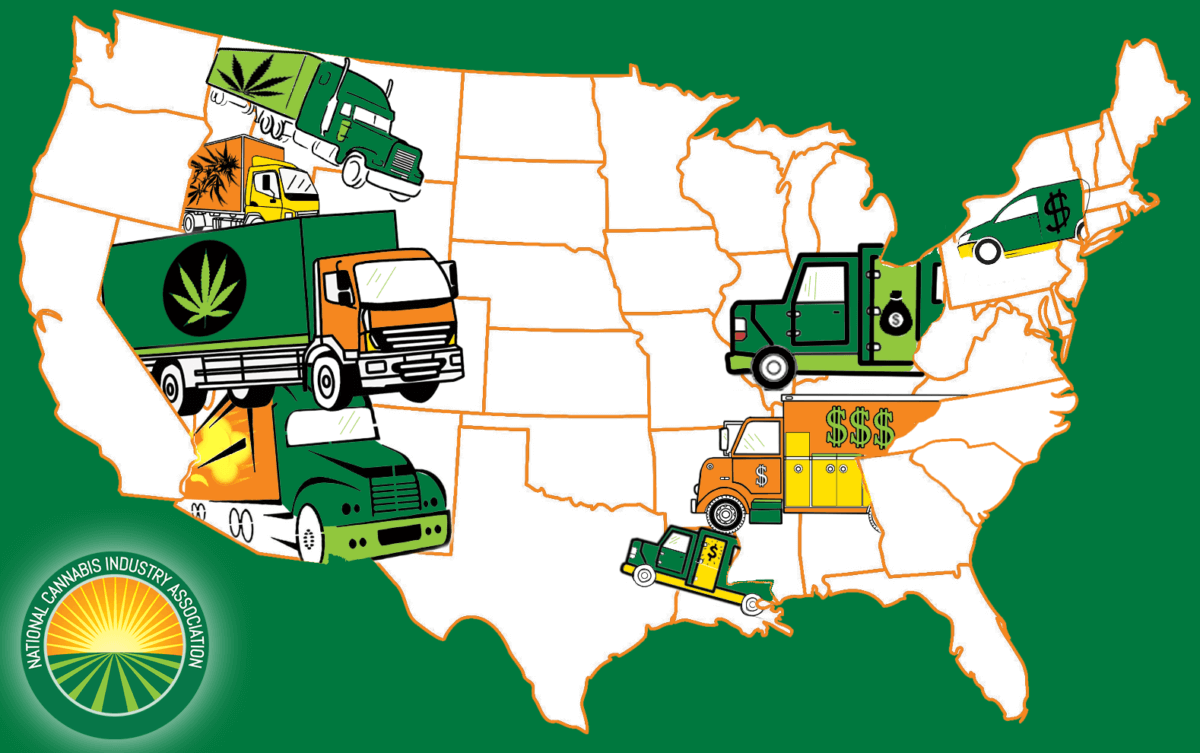
 by Morgan Fox, NCIA’s Director of Media Relations

 By
By 

 Following the presidential election, we’ve entered the lame-duck session. This occurs after an election, but before new members are sworn in, and allows for time on the legislative calendar for Congress to pass additional legislation. Before Congress heads home for the holidays, a new administration takes office, and the 117th Congress returns, let’s take a look at what to keep an eye on during the lame-duck session.

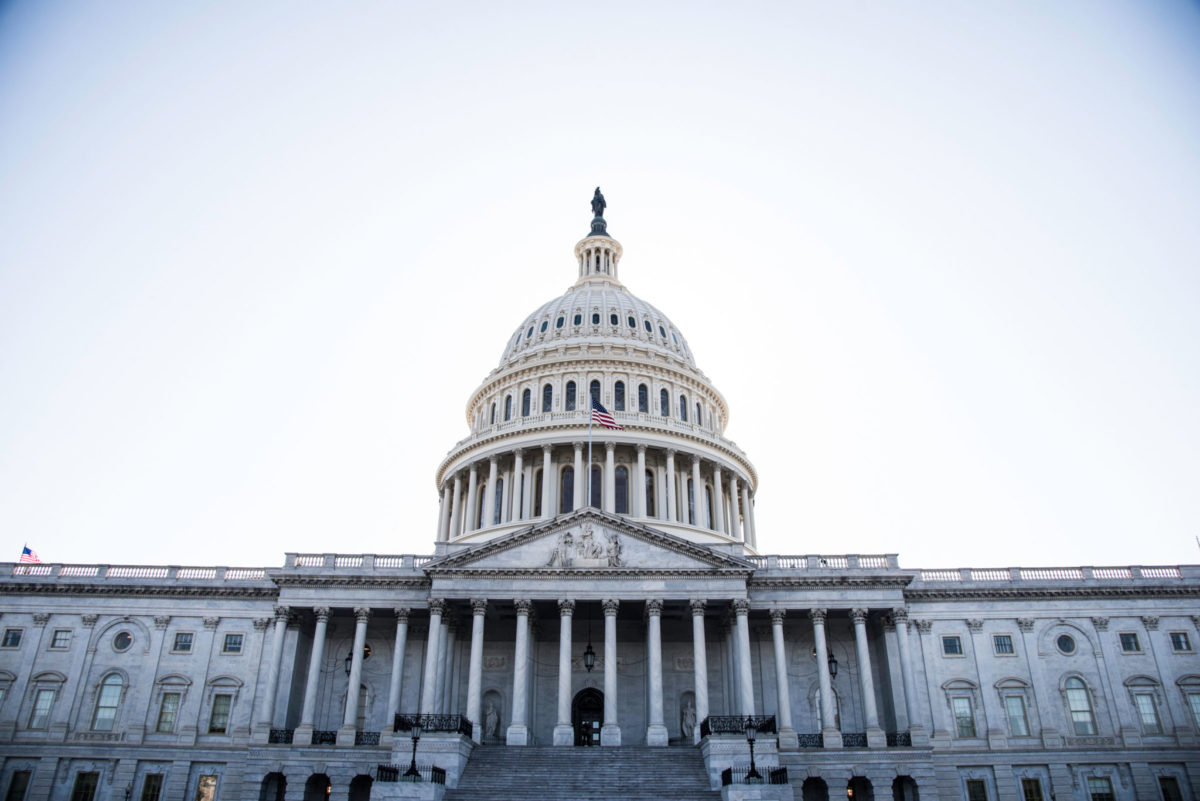


Follow NCIA
Newsletter
Facebook
Twitter
LinkedIn
Instagram
News & Resource Topics
–
This Just In
Member Blog: The Evolving Cannabis Legal & Regulatory Landscape in 2026
How THCa Vapes Are Changing Consumer