Committee Blog: NCIA Committee Work Provides Lasting Value To All – A 2022 Highlight Reel
by David Vaillencourt, The GMP Collective Facilities Design Committee Chair
NCIA Committees are one of the easiest ways that NCIA enables its members to make a positive impact on the cannabis industry. The Facility Design Committee is one of fourteen (14) committees. We are all member-led, meeting monthly (if not more frequently) to discuss needs and to work together to create resources for the community and industry at large. This translates into blogs, webinars, and more. As the new Committee term gets underway, this article provides a recap of our 2022 term. Who are we? What did we accomplish? How can you as an industry operator or NCIA member leverage these resources? Read on!
“As the outgoing Chair, it was an honor to work alongside over a dozen experts ranging from business management solutions, architects, engineers, construction companies, quality management experts, equipment vendors, and more. I want to thank each and every one of you for your tireless contributions.” – David Vaillencourt, The GMP Collective
Accomplishments and key member takeaways
Now entering our fourth year, the FDC put together a significant amount of content for the industry to utilize. I have highlighted the top three impacts that our Committee felt we made. Seeing busy industry pioneers put aside valuable time in their days to consistently show up and create this content for the betterment of you all was a rewarding opportunity in itself and it’s impossible to do justice and recognition to the hours contributed by all.
“The knowledge and energy that is gained from this collection of experts who all have one overriding goal to advance cannabis as an industry both educates and motivates me… The cannabis industry evolves extremely rapidly, by participating in NCIA committees you ensure that you do not get left behind and you have an opportunity to shape the future of cannabis.” – Cary Richardson, Miles Construction
What is VPD / HVACD and why should you care?
Understanding plant dynamics and how they impact the selection and sizing of HVAC systems is critical to the cannabis cultivation space. The design assumptions and directions made during early planning will impact plant quality, quantity, operational costs, and energy expenditures for the life of the facility. It should not be surprising to owners and shareholders that if the first steps of design are made incorrectly, costs to correct original mistakes may exceed the original project budget, and oftentimes that may be too late. It is easy to get lost in the technical details on paper, but our members broke this important topic down for decision makers to better understand in our blog article and webinar “WTF is VPD” (available for free to watch on demand!).
“The details of HVACD get lost at times on me and [Adrian and Kevin] can explain it in a way, that a layman can understand it. David, Brian, and Sean are the other members who are always showing up, we meet at events and they have valuable input on topics of the FDC. We all connected outside of the FDC multiple times and are working on common business opportunities.” – Chris Uhlig, Ceres Greenhouse Solutions
Social Equity is a major problem
Mike Lomuto who led NCIA’s Diversity Equity and Inclusion Committeemet with Shawn Cooney, our Vice-Chair early on to discuss sustainability and DEI issues in the space. Social equity applicants have so many additional hurdles that the FDC members prioritized how to steer our knowledge to solve real problems social equity applicants face. During several of our meetings, we invited a social equity applicant to share where they were stuck. They benefited from having a team of experts to listen, understand their problem, and offer direction and guidance.
“The most meaningful thing that occurred [for me] was participating in a hot seat with a social equity license recipient… We followed up with this individual and it led to us becoming more educated and aware of the issues surrounding social equity in the cannabis industry. Unfortunately, what we uncovered wasn’t that great. Social equity programs in several states are fraught with issues and there are often firms who are preying upon vulnerable people… I have a whole new sense of awareness. It’s opened me to educate myself and others as well.” – Eric Myers, COO, Omega Equipment Supply
But don’t take our word for it – hear it from one of our “hot seat” guests who came to us after having multiple setbacks getting their design plans for a dispensary approved by the city.
“Prior to our meeting with the Facility Design Committee, we had experienced so many setbacks. After my hotseat with the FDC, we were able to identify what we did wrong and why we were having so many delays with the city. [The FDC members] helped us prioritize what steps we needed to take to get our project back on track… We redesigned our floorplan and now we are closer than ever to getting our building permits. We are back on track and I am even more confident in our plan all thanks to the Facilities Design Committee.” – Adolfo “Ace” Castillo Founder/Chief Operating Executive Banyan Tree Dispensary
Networking
Not only do we meet monthly virtually, enabling volunteers from Maine to California and everywhere in between to connect and share knowledge – but many of us made time to connect in person to speak on panels and support each other throughout the year. While the pandemic wreaked havoc on conferences and in-person events, we were able to build lasting relationships thanks to the Committee structure.
“The most impactful aspect of this year was getting to know members at an individual level” – Kevin Quinlan, Mintropy
From left to right Jon Crozier, Chris Uhlig, Adrian Giovenco, Eric Myers, David Vaillencourt, and Cary Richardson all met up in person at MJBiz Con.
Looking forward into 2023
Stay tuned industry! Bookmark NCIA’s Blog page, and subscribe to the newsletterso you can take advantage of the latest webinars and resources published by the FDC and the other NCIA committees. The pathway to a harmonized and equity industry may seem daunting and far away, but rest assured that the hundreds of NCIA members participating in the diverse Committees are working hard to divide and conquer for a unified mission.
Committee Blog: VPD Topics for Cannabis Cultivation and Opportunities to Reduce Facility Energy Costs
Indoor cannabis cultivation facilities are complex environments, where a large number of variables interact to create an ideal ecosystem to grow cannabis. The upside of an indoor facility is it allows a year-long growing climate, optimized for each stage of the plant grow cycle. The downside, however, is creating this ideal climate is very energy-intensive.
There are three (3) main types of precision cooling equipment offered in the cultivation space. Those are Air Cooled DX, Water Cooled DX, and Chilled Water Units. DX stands for direct expansion systems. The immediate and most noteworthy difference between these systems is that DX units cool air using refrigerant, and Chilled Water units cool air utilizing chilled water. A DX unit uses refrigerant-based cooling and cools indoor air using a condensed refrigerant liquid. Typically, the decision regarding which cooling source is better for a cultivation facility is usually driven by the size of the cooling plant as well as other unique site conditions. Selecting the right HVAC system for your cultivation facility can be a challenging process driven by many factors, however this is beyond the topic of discussion for this article, it should be noted that the following analysis assumes an Air Cooled DX based system.
The total energy costs for indoor cannabis grow operations typically vary between 25%-50% of total operating costs (or approximately 150-200 kWh/sq.ft). In comparison, energy use in a typical commercial building environment is approximately 25 kWh/sq. ft. As indoor cultivation facilities increase, they can be a source of strain on electrical grids. A recent study showed indoor cannabis cultivation alone accounted for 4% of the energy grid usage in Denver. (IEEE, 2020)
With that context, any areas we can identify to improve energy efficiencies without introducing a negative impact to the grow environment can have enormous bottom-line impacts for cultivation owners and society at large.
In this article, we are going to be examining two ways we can optimize HVACD systems to improve energy efficiency. When HVACD systems are designed for grow facilities, the primary variables we are looking to influence are the following psychrometric properties: temperature (either wet or dry bulb) and relative humidity. Mechanical engineers will often refer to an information-packed graph called a psychrometric chart shown below.
This chart helps to visualize the relationships different properties of air like temperature, humidity (relative and absolute) and dew points along the saturation curve have with each other. This is useful to analyze, as these are direct inputs to a scientific measure often favored by growers called Vapor Pressure Deficit (VPD).
Vapor Pressure Deficit, simply described, compares these variables to determine how much additional room for water vapor there is in the air. This is important as it determines how readily cannabis plants can transpire. Controlling transpiration rates help to aid in healthy, robust growth through the plant life cycle. Growers tend to want lower VPD, and thus lower transpiration, early in plant maturity, and increase to higher VPDs, and thus high transpiration, at the flowering stage before harvesting.
So we know a successful indoor cultivation facility HVAC system will need to control temperature and humidity to ensure the desired VPD values. How can we do that efficiently?
Stand-Alone Dehumidifiers Are Inefficient
A cannabis plant can transpire up to 99% of the water absorbed through its roots. Due to this, we often tell people that designing an indoor cultivation facility is like designing a data center with a swimming pool inside. Because of the increased humidity introduced from plant transpiration, we must pay special attention to dehumidification strategies within the grow space. Humid air requires treating significant latent loads in the grow space, requiring additional energy to remove moisture from the airstream. This is one reason HVACD systems can consume up to 50% of the energy budget in a cultivation facility. As previously mentioned, higher humidity levels will lower the VPD in the room, preventing a plant from transpiring effectively to continue healthy growth. To combat this, sometimes stand-alone dehumidifiers are added into the grow room.
While these units can do the job of removing moisture from the room, it is a very energy-intensive process. One of the issues with stand-alone dehumidifiers is that they reject heat back into the grow room, thereby adding additional cooling load onto the main HVAC equipment.
Integral Hot Gas Reheat System
An air handling unit, sometimes called an air handler or AHU, is a piece of equipment that is used to condition and circulate air as a component of a heating, ventilating, and air conditioning system.
The air handler is usually a large metal box that contains a blower, heating and cooling elements, filter chambers, sound attenuators, and dampers. It then connects to ductwork that distributes the conditioned air throughout the space before returning it back to the AHU.
Of particular interest are the units cooling coil and reheat coil. These two components are namely responsible for controlling VPD levels in our grow space. In an AHU equipped with Integral Hot Gas Reheat, the cooling coil serves as a dehumidifier, by cooling the air thereby reducing its moisture/latent load (we recommend considering capturing this water for treatment and reuse: read more here). The hot gas reheat capability utilizes heat from grow space and compressor heat to reheat the air before returning to the grow space (without using additional heating energy).
While this may seem like a minor design change, it results in a considerable reduction in energy. As the chart below illustrates, leveraging Integral Hot Gas Reheat units can result in a 30-35% reduction in HVACD energy when compared with other dehumidification systems. Additional automation capabilities built-into these systems will ensure that the grow room will remain tightly controlled within the desired state points of your grow room to optimize VPD.
This reduction in energy quickly adds up to reduced utility bills. Despite marginally higher upfront costs as compared to standard HVAC equipment coupled with standalone dehumidifiers, this option results in a lower 5-year system cost than common HVACD systems installed in cultivation facilities, and these savings will only increase over time.
Maintaining Consistent VPD, but at higher Temperature / Humidity Ranges
The second energy-saving measure we would like to discuss goes back to the earlier discussion of VPD. Recall the equation for VPD is
V P sat – V P air = VPD
This is important, as it provides growers the flexibility to fall within desired VPD ranges, but at higher temperature and humidity ranges than typically used. Many growers target grow room setpoint temperatures around 72-75F and limit relative humidity to a maximum of 50 percent, but by allowing slightly higher room setpoint temperatures of 76-82F, with corresponding relative humidity increases, we can create identical VPDs at higher setpoint temperatures. The cost-benefit of this small adjustment is considerable. The HVAC system (including cooling and dehumidification) can be sized at roughly 20-30% smaller capacity, reducing the owner’s up-front equipment costs. In addition, the system’s energy consumption and costs during operations will be significantly lower, to the tune of 30-40%. In a theoretical 30,000 square foot facility, this could result in $1,125,000 savings in the first 5 years.
The case for a hybrid greenhouse, using VPD controls
Another way of growing instead of full indoor, is a highly efficient, sealed greenhouse. It is designed to maximize sunlight inside the growing environment, meaning energy used for lighting is dramatically reduced. And because it is sealed, energy-efficiency is maximized, as leakage is kept to a minimum. In order to make this work, these greenhouses need to be hybrid (using insulated walls and glazing) and the orientation and design play a bigger role.
In this hybrid greenhouse environment, the growing space typically heats up as soon as the sun comes out, no matter the outside temperature. Cooling in this instance would increase the power usage vs. increasing the humidity to keep the VPD level in the same range. When the sun goes down, the opposite happens. The grow environment starts to cool and it would be expensive to try and keep the temperature up.
In order to achieve VPD control, the control system needs to be able to variably adjust temperature and humidity, based on inputs like weather forecast, time of the day, day of the year, etc. Being able to control the grow environment by VPD level will significantly reduce the energy consumption for your HVACD system.
Committee Blog: The Importance of Feasibility Due Diligence Prior to Purchase of a Cannabis Facility
by Kathleen May, Sonny Antonio, Casey Rivero, David Vaillencourt NCIA’s Facilities Design Committee
In our previous blogs, the Facility Design Committee authors emphasized the importance ofdefining facility layout and design components during the planning phase of facility purchase, infrastructure, and operational flow of processes and materials. This blog dives further into the often overlooked variables that we have seen significantly impact operational timelines, and in some cases send business owners back to the drawing board at considerable cost. These critical areas are the capacity of your utilities – specifically a) Electrical Facilities, b) Gas Facilities, and c) Phone and Cable.
ELECTRIC FACILITIES
Do you know how much power your operation will require and whether the facility and utilities are capable of supporting your requirement? Facilities should be designed to meet the electrical demands of equipment operation, lighting, and accurate functionality of HVAC systems. Processes and procedures should be designed according to the requirements outlined in the National Electrical Code (NEC), Institute of Electrical and Electronics Engineers (IEEE), National Electrical Safety Code (NESC), International Building Code (IBC), International Energy Conservation Code (IECC), and any other relevant standards dictated by the Authority Having Jurisdiction (AHJ).
Key questions to ask:
Is the electric capacity adequate to support the operations planned in the facility?
Is primary (main) and secondary (meter) power installed?
Is there three (3) phase power?
If three (3) phase is required, is it available?
If it is not available, has the cost to supply the facility with three (3) phase been budgeted for?
Power Company Capacity
Does the local power company have the capacity to support the facility? Has there been discussion with the local power company to communicate capacity needs?
If the capacity is not supported, is there an opportunity that it will be?
Why does this matter?
Cannabis operations, especially growing plants require a significant amount of electrical capacity and existing buildings were rarely designed to handle these requirements. Further, just because you see power lines nearby, this does not mean that they can magically handle whatever power requirements you need. Our national power grid has many limitations, and depending on the jurisdiction and local power authority may not have the resources to meet your needs.
What can I do?
If you aren’t absolutely certain that you have sufficient power capacity, assess the proposed location with a Subject Matter Expert (SME) and a representative from the local Power Company.
Walking the site to confirm what has been verbally communicated is critical. Discrepancies are not uncommon.
GAS FACILITIES
The same types of questions that were asked for the Electrical Facilities should be asked when confirming gas facilities and capabilities. Key questions may include:
Is the existing gas service adequate for the operations planned for the facility? Just like with electrical power – confirming the presence of a gas meter does not guarantee that the gas capacity is adequate for the operation.
If upgrades are required or if a new gas line needs to be installed, have those costs been budgeted for?
Again, hiring a consultant with subject matter expertise in gas utilities, gas lines, and gas pressure would be beneficial when speaking with the local gas company.
PHONE and CABLE
While many across the country have ditched landlines in favor of cell phones, the same is far from true for new businesses, especially with the security requirements needed for a cannabis facility.
Are phone and cable required for the operation? If so, some key questions to consider are the following:
What size and speed are required to support specific needs (i.e., security)?
Is the existing wirelarge enough for my needs? If not, is it possible to get phone and cable to the site?
Is satellite an option if phone and cable are unavailable?
Have all costs been budgeted for?
Especially in rural or newly designated economic improvement zones, high-speed internet access may be limited. Service Level Agreements (SLAs) provide the assurance of minimum uptimes. A car crash into a nearby service line or other technical glitches can quickly put you out of compliance with 24/7 camera monitoring requirements, intrusion detection systems, and more. In many cases, it’s wise to consider redundancy from secondary providers where available.
In Conclusion…
Every site and facility is different and may or may not be sufficient for the overall operations planned. Site and facility capabilities should be assessed for each project and assumptions should not be made based on previous experience. Ask the critical questions upfront and invest in experts that understand these key components of facility layout and design. Proper planning will avoid project setbacks and unexpected obstacles, and will always save time and money.
The Facilities Design Committee focuses on providing NCIA members and regulators a framework and information about facilities design options through which legal producers can plan for GMP level production as the market transitions from a state to a federally regulated industry.
Committee Blog: Everything You Wanted to Know About Cannabis Facilities but Were Afraid to Ask Field Guide – Part 5 – General
by NCIA’s Facilities Design Committee Jacques Santucci, Brian Anderson, David Vaillencourt, and David Dixon
Continuing our five-part series on the behind-the-scenes workings of the legal cannabis industry. This series focuses on all of the inner dealings and industry advice from established professionals to craft this unlimited How-to-Guide to assist you in setting up your own facility. These articles cover cultivation, extraction, infused products, and retail facilities as well as support activities. In general, remember to be compliant with all local rules and regulations and contact a licensed contractor and industry expert.
Part Five, General: Top Things to Consider When Planning Your Support Area for Cannabis Facilities
All parts of a facility are important when you are planning and designing your project, including cultivation, extraction, and retail. And let’s not forget the general services and the core structure of the facility. Your design must account for safety and security as well as employee relations and administration. Listed below are a number of guidelines that an operator should consider from a general standpoint as they are in the process of designing their operation. Always remember to be compliant with all local rules and regulations.
Employee Lockers
Production and facility lockers need to be separate for male and female and it will have a minimum square foot per employee requirement. Knowing your employee count and the number of shifts will allow you to calculate the minimum space needed.
Employee Break Room and Locker Space
Consider a break room that can host all employees for breaks and lunches, with a sink, fridge, microwave, and tables and chairs. This will help employee productivity and retention. Where the break room is located is important to keep employees separated from internal business practices while eating and resting. This area can also be a space for coat hangers and small bag lockers when a specific locker is not required or available. The gowning area is used as the dividing line in a mix-used facility.
Employee Access Control
You need to limit doors access and key sets for employees as part of your overall security plan. Additionally, do not forget about appropriate labels for doors and the need for access to space only. The idea is to prevent unauthorized personnel from accessing the extraction space and complaining about the local regulatory body.
Safety and Injury Handing
An adequate number of First Aid and Burn Kits should be fully stocked and readily available to all of your employees, at all times. Ideally, these kits will be within a 10-15 second walking distance from workstations.
IT Rooms and Setup
Regardless of the facility type, you will need appropriate secured areas for servers, security equipment, and other IT racks, as well as camera systems with specific features for night, license plate reading abilities, and more. Specific HVAC might be needed for this room.
Safety and Employee Showers
Emergency showers are determined by code and the type of activities performed at the location. Eye wash stations may also be required or suggested.
Emergency showers are located in the facility where corrosives and skin irritants could pose harm to employees and require immediate remediation. It could be considered as a benefit to employees so they can eliminate any odors as they leave the facility. Calculate the number of employees and determine based on the code requirements for the number of showers needed.
Emergency Eye Wash
Eye wash stations are to be located within 10-15 seconds’ walking distance for a potential risk area. Check local requirements for additional needs.
Security Entrance: Facility Safety
Consider the flow at the entrance of your facility, to optimize not only security but also the comfort of the visitors and employees as well as environmental control. And think about the comfort of your employees as they enter the facility, such as awnings. Create a separate mantrap-style entrance to allow for better safety at the entrance point, to monitor visitors as well as avoid weather-related issues (i.e. wet areas due to rain or snow, temperature variance due to heat, etc.). Check for compliance with local rules and regulations.
Security Camera: Minimum Area of Coverage
You should have 100% minimum security coverage; any area where cannabis products will exist. And keep in mind it is best that the security room has its own dedicated HVAC system.
Security Camera: Minimum Data Storage
The basic security footage storage requires are 90-days of on-site storage, then five years of off-site storage. Off-site data storage for future legal needs is 1080p minimum.
Security Alarm: Monitoring
Make sure a reputable company is monitoring your facility’s security. Redundancy might not be needed. In compliance with local rules and regulations.
Office Space
Do not forget that your employees, at least at the management level and above will need space to do paperwork and hold staff meetings. Plan to have a minimum of 90 square feet of office space available for each manager and meeting space. Try not to underestimate the need for administrative space (i.e. payroll, human resources, accounting, marketing, etc.) and plan for general storage space. Your basic corporate services need the appropriate space to run the business efficiently, in a confidential manner.
Parking
When it comes to parking, consider the flow of the employees and your customers as you design your facility so you have adequate parking for all, in a safe and secure manner. Remember to reserve spaces for handicapped drivers as well as motorcycles.
Janitorial and Facility Maintenance
Keep in mind how you will keep your facility clean and in working order at all times. Avoid dusty surfaces, standing water, and all environmental and other hazardous issues. Consider enough storage for janitorial and facility maintenance items, including a workbench if necessary.
Landscaping
Remember considerations for the environment around your facility. Certain plant types and species are known to both harbor insects and pests that may be beneficial or harmful to cannabis plants. This will result in long-lasting effects on your plant health. Proper considerations of landscape design can become beneficial to your overall integrated pest management program and to your operation. Material used around your cannabis facility will also have an impact. We recommend using crushed stones around a building for example.
The cannabis industry is an emerging and dynamic industry, but just how leading edge is it in your community? If you are considering constructing a new facility it is important to understand the experience level and “hot buttons” of the Authority Having Jurisdiction (AHJ). Navigating the waters of a new market is different from that of an established market, but both can be treacherous.
In a new market, you may be part of the first round of projects that the AHJ has reviewed for this industry. Codes are meant to be interpreted and every AHJ has a different interpretation. Although this may seem like agriculture, it most likely is not seen that way in the eyes of the AHJ. The facility’s classification (commercial, industrial, agricultural, etc.) is key in driving the balance of the facility design, and it will have a significant impact on schedule and costs.
Many new markets will utilize established markets as a model and plan reviewers may be trained to emulate the existing model markets for code interpretation. It is well worth the research to understand if there is a model market being utilized, as it will create footsteps to follow even if you are the first one on the path.
Whether it is a new market or an existing market, each AHJ has its “hot buttons.” Do your homework to not only determine what these hot button issues are, but understand why, and how it is based in code. Many jurisdictions provide for a “round table” or a pre-submittal review. Take advantage of these processes to ferret out key issues. Do this early in the design stage to avoid surprises later in the process.
When the AHJ takes issue, or has a unique or overly conservative interpretation of the code, take a breath. Choose your battles wisely. If you have a strong case and it is a hill to die on then there are opportunities to work with the AHJ to find a more reasonable interpretation. However, this must be done with a positive and collaborative approach. Don’t win the battle and lose the war. If you have been in the cannabis industry but have not experienced a traditional entitlement process before, there will be many requirements that seem unreasonable. Common sense and past practices are always trumped by current code interpretation unique to each AHJ.
Pick your design and construction team wisely, spend smart money to assemble a seasoned group that has specific specialty knowledge in this industry. When assembled, listen to your team, know your strengths, and recognize theirs. Being part of an emerging industry creates many opportunities and challenges. Your ability to navigate these uncharted waters determines your success.
Construction: Making the best of properly zoned leftovers
In a perfect world, we would purchase existing facilities that are of the proper construction type or a green field site to construct a purpose-built facility. Given the nature of our industry this rarely, if ever, happens. Typically we must make do with the properly zoned leftovers. Understanding how your operations will interact with your existing building’s envelope is key to creating a successful facility.
Creating and maintaining the ideal environment is the ultimate focus, but how your plants function in this environment is only part of the equation. Understanding how your building will function in this unique environment is key to having a successful operation. A major component of this is water vapor – you may not be able to see it but it is all-powerful.
If you are contemplating constructing an indoor cultivation facility in a region that experiences cool temperatures, then you and your team need to understand the concepts and principles involved in a Hygrothermal Analysis. This analysis examines the movement of heat, air, and moisture flow through building enclosure assemblies (walls, roof, floors etc.). Without an understanding of these principles, you risk having significant condensation issues which can result in mold growth, deterioration of building components, and ultimately significant facility costs to properly address.
Since most existing building envelopes were not designed and are not suited to maintain this environment, in most cases the best solution is a “room within a room.” Constructing grow rooms out of insulated metal panels (IMP, think walk-in cooler panels) solves most of the issues. These panels not only provide a complete vapor barrier, but they reduce the volume that must be conditioned and provide ideal wash-down conditions. Thermal bridging is eliminated, and you are provided with an extremely well insulted, controlled, sanitized space.
You may not be able to select the ideal existing building for your facility, but knowing its limitations and appreciating the uniqueness of the environment that is being created is fundamental to your facility’s success. Utilizing products such as IMPs is just one of the methods to address the various pitfalls when working with existing buildings and making the most of the leftovers.
Financing – Show me the Money!
The structure of project funding is extremely important to not only manage a large number of funds properly but to foster an environment that encourages contractor interest while providing security for your investor partners. The continued federal prohibition has eliminated most of the financial mechanisms that other industries utilize when constructing facilities. This coupled with a less-than-stellar initial track record of timely payments to contractors has created a serious issue in our industry, however, there are solutions.
Show me the money… it is literally that simple and the mechanism for this is an escrow account. An escrow account is an account that is set up specifically for the project costs and funds can only be accessed with authorization from both parties (owner and contractor). This ensures that the funds are available and will remain available for the purpose intended. However, parking all the funds required for a project that will take many months or possibly a year to construct has a significant cost of money aspect, but there is a solution.
Contractors generally get reimbursed for work in place 30 days in the rears, if there is an issue with financing, it can take another month to two months to close down a project. Therefore, a contractor’s financial exposure is three months of project cash flow. In lieu of placing the entire project’s funds into the escrow account, three months of cash flow is deposited and then replenished with each monthly draw until the balance in the account equals the cost to complete of the project. This approach minimizes the amount of funds that must be parked in the account while ensuring the funds are available for the contractor.
This topic must be addressed at the onset of the project to ensure that you receive the full benefit of this approach. While you are in the process of selecting your general contractor partner this should be a topic of discussion. Knowing this mechanism is in place will increase contractor and subcontractor interest and may result in lower fees as the approach reduces contractor risk. The structure of project funding and utilization of financial mechanisms outside of mainstream financing is a key component of a successful project.
Committee Blog: Everything You Wanted to Know About Cannabis Facilities but Were Afraid to Ask Field Guide – Part 4 – Retail
by NCIA’s Facilities Design Committee Jacques Santucci, Brian Anderson, David Vaillencourt, and David Dixon
Continuing our five-part series on the behind-the-scenes workings of the legal cannabis industry. This series focuses on all of the inner dealings and industry advice from established professionals to craft this unlimited How-to-Guide to assist you in setting up your own facility. These articles cover cultivation, extraction, infused products, and retail facilities as well as support activities. In general, remember to be compliant with all local rules and regulations and contact a licensed contractor and industry expert.
Part Four, Retail & Dispensaries: Top Things to Consider When Planning Your Cannabis Dispensary and Retail Operations
Retail and dispensary design presents challenges that are distinct from the other areas of cannabis production and manufacturing. The biggest difference is that the design must now account for customers as well as employees. Listed below are a number of issues that an operator should consider as they are in the process of designing their retail or dispensary operations. Always remember to be compliant with all local rules and regulations.
Security Camera: Minimum Area of Coverage
Most states require a hundred percent minimum security coverage in any area where marijuana products are stored, displayed, or sold. Designing a camera system and placements to avoid “dead spots’ ‘ (i.e. areas with no camera coverage) can be challenging, especially if the operation is taking over an existing space, as opposed to building a new facility from scratch.
Bonus Consideration: Think about having an HVAC system specially dedicated to your security room. Security rooms for video monitoring and storage can sometimes be an afterthought. But these locations should be treated more like computer server rooms as opposed to standard office space. And with the amount of technology placed in a (typically) small space, things can overheat rather quickly. This can lead to damage to the system and ultimately, you could be out of compliance for video storage and retention.
Another Bonus Consideration: do not forget about placing security cameras to cover the entrance and exit points to the parking lot. Think about the field of view around doors, especially if the door is near the corner of the building or if there are other obstructions that can block the camera’s view of the area. Multiple cameras may be needed for this critical function. Contact a licensed professional.
Security Camera: Minimum Data Storage
Video storage and retention requirements for cannabis facilities are fairly stringent. Typical requirements include 90-days of on-site storage and up to five years of off-site storage. Off-site data storage is required for future legal needs. Many states require a minimum video resolution of 1080p. The video storage needs for even a moderately sized facility can amount to petabytes of data. For this reason, many facilities outsource this function at least in some measure. If you do decide to handle this all yourself, you should be sure that you have the technical expertise on your staff to handle this potentially complex technical issue.
Security Alarm: Monitoring
Like it or not, retail cannabis facilities will probably always be targets for crime. Having a security system probably seems like a no-brainer. But simply having an alarm system isn’t typically enough. You will need a system that is actively monitored. This allows the company to initiate actions on your behalf depending on the alarm status (e.g., call the police or fire department in response to a remote alarm). Your alarm should be monitored by at least one reputable company. Redundancy might not be needed, but check to be sure that you are in compliance with local rules and regulations. Talk to your licensed professional.
Security: Line of Sight
Customers should only see the public retail area of the location. Customers should not see the back-of-house operations. There is no need for them to see how business is conducted other than at the sales counter. Similarly, there is no need for customers to be able to view the offices, inventory areas, working areas, employee break room, etc. Keeping these areas private helps to avoid bad actors from learning operational routines that might make it easier for them to exploit.
Safety and Injury Handling
This is an easily overlooked area but can definitely get your dinged upon inspection. Be sure you have the appropriate amount of first aid kits and burn kits onsite as reunited by local regulations. Pay particular attention to the regulations about the placement of these kits as they are sometimes required to be within visual distance of specific rooms within your facility. It can be a hard pill to swallow to not be able to get your operation certificate for forgetting such a simple item, but it happens all too frequently.
Employee Access
Having a non-customer door or access point is a best practice. Non-customer access points are where employees and products are brought into the facility without customer line-of-sight. In some states, this is a requirement so check to be sure your facility is in compliance with laws and regulations.
Product Delivery
Getting cannabis products into a retail facility is a critical part of the merchandise flow and one of the most vulnerable points for theft. For maximum safety and control, consider the use of an air-lock/man trap/sally port door arrangement. If not possible due to location or architecture, planning for business hours separation and process can keep customers separated from deliveries.
Employee and Counter Safety
The counters where transactions occur in a cannabis retail setting can pose some risks especially since most facilities are cash-based operations. An open style counter can open up opportunities for theft. Consider a security barrier counter. The idea is to attempt to prevent customers from having access to products, cash, or employees where possible.
Security: Egress
Customer flow can be somewhat challenging, especially in facilities that have a registration lobby that is physically separated from the retail sales floor. Having separate entry and exit doors for customers can help with the flow of customers. Not a requirement but potentially a good customer experience design.
Customer Environment
Dispensaries and retail locations can be busy places at times. In COVID times, this can be a big issue. But even under non-pandemic circumstances, there may be a need to control the number and spacing of customers for both safety and privacy. Social distancing- the process of limiting the number of customers for the available space within the building- can be enhanced through various design elements. These can range from the use of rope and stanchion barriers, to signage and floor stickers.
Lobby design for restricted access – if access to the sales floor is restricted to registered customers, a secure lobby space should be provided with a separated check-in space and access-controlled doors both for customer entrance and egress.
And do not forget bathroom access for customers. You can have a single facility that is unisex but it should also be ADA compliant.
Environmental Consciousness
Unfortunately, like most other retail spaces, cannabis retail still generates a significant amount of waste. And much of it may be recyclable. Business recycling bins should be provided.
Energy-saving considerations can also be important for retail facilities. Motion detecting light systems can reduce energy consumption in non-occupied spaces. At the very least, interior lighting switches should be located in the same area for easy use upon space exit. HVAC systems should have an occupied and unoccupied night setback capability.
Parking Lot
Depending on the total number of employees and customers you anticipate visiting your business at its peak times, you will need to design a minimum number of accessible parking spots.
If curbside pickup is legally allowed in your area, be sure to map out and reserve spaces exclusively for this activity. It should be close to the exit door where the product will be delivered to the customer. Remember to keep parking spaces for handicapped people and even maybe for motorcycles.
Committee Blog: Everything You Wanted to Know About Cannabis Facilities But Were Afraid to Ask Field Guide – Part 3 – Extraction
by members of NCIA’s Facilities Design Committee Jacques Santucci, Brian Anderson, David Vaillencourt, and David Dixon
Continuing our five-part series on the behind-the-scenes workings of the legal cannabis industry. This series focuses on all of the inner dealings and industry advice from established professionals to craft this unlimited How-to-Guide to assist you in setting up your own facility. These articles cover cultivation, extraction, infused products, and retail facilities as well as support activities. In general, remember to be compliant with all local rules and regulations and contact a licensed contractor and industry expert.
Part Three, Food: 10 Things to Consider When Planning Your Manufacturing of Infused Products (MIPs) Operations
Food safety and handling practices are an issue for any industry working with or processing products for human consumption and often come with strict guidelines that need to be followed. In the cannabis industry, edibles and other processed or infused products Manufactured Infused Products (MIPs) are ready-to-eat foods, so many states are regulating them as foods under the cGMP requirements of 21CFR117. We feel this is likely the approach that will be appropriate when cannabis becomes federally legal. These 10 things should be considered as you begin to plan your facility. Always remember to be compliant with all local rules and regulations.
Sanitary Design and Operation
A production room is straightforward, conceptually: design the space so walls, floors, and ceilings can be washed and sanitized, then verified (ATP swabs) to confirm the cleaning process is effective. To facilitate cleaning, everything needs to be pulled away from the walls, the ceiling needs to be solid and the walls need to be sealed. Insulated metal panels (IMP) are a cavity-free construction that is seeing wide acceptance in the industry. To keep the space clean during operation, slope the floors to spot drains, install coves along with the floor/wall interface and avoid ledges and traps for water or dust.
Employee Hand Washing
A stringent internal process for sanitation and washing of hands is crucial. Make sure that lavatories are available throughout your facility for proper sanitation. Confer with the municipal board of health for locations and quantity. Generally locate any place where employees are handling consumable products or encounter the potential for microbiological.
Boot Washing
Sanitation includes making sure all boots/shoes are free of contaminants. Employee captive corporate footwear programs prevent contamination potential from non-business-related employee activities.
Cart Washing
For carts that transport ingredients and materials, it is important to prevent floor debris getting transferred from one area to another. Two areas of concern; are wheels and cart shelves. Either wheel or shelf area can be addressed from multiple washing devices specific to each type of cart used.
Product Storage
Food safety temperature and humidity separation of products are an important factor. The purpose is to store food products at such a temperature and humidity level to prevent the growth of undesirable bacteria.
Allergen cross-contamination
Make sure to arrange products to avoid cross-contamination of open and unopened products. Keep the first pallet off the floor at a height of 6” AFF to avoid picking up contaminants. OHSA SHARP may apply how to organize products.
You can design barriers to keep contamination from entering a room.
Limit contamination by having and always renewing Personal Protective Equipment (PPE), since the adjacent hallways may transport raw biomass. Test all ingredients, including THC, to ensure that everything is microbiologically safe. Wipe down, or unpackage ingredients, materials, and supplies before bringing them into the ‘clean environment’ room. Wear specific scrub, clean boots, and wash off any carts entering the room.
Employees entering the food production space
Contaminants can enter via the employees. It is essential to have all employees and agents clean up before entering the food production space. You must provide facilities to wash and sanitize hands as well as boots. Continuous training of employees and monitoring adherence to the procedures is important. Your procedure will include how sanitation is necessary, where are smocks hung, how are shoes cleaned, etc. Typical controls are in the FDA Food Code for jewelry, open sores, illness, etc.
Food Safety Inherent in the Recipes
Complete a Food Safety Hazard Analysis to know if you need to implement an upstream preventative control, such as for chocolate, or if you need to manage a thermal kill-step such as cooking the gummies mass. Low water activity, high acid, or a natural biocide additive, can all be considered.
Control for Allergens
MIPS often contain soy, flour, eggs, dairy, peanuts, tree nuts, coconut, and perhaps others. Each has special considerations for allergen separations and allergen cleaning.
Ware Washing and Clean Parts Storage Room
Don’t Underestimate the Ware Washing and Clean Parts Storage Room. Adjacent to your MIPs production room, consider building a washroom with a commercial dishwasher for utensils, kettles, wetted parts, trays, molds, etc. You might install a three-compartment sink. And make sure to safely store clean items, so they dry and do not get recontaminated prior to use. This room is maintained at negative pressure to the MIPs production room.
Plan for the Pantry
Store ingredients, materials, and supplies in a pantry off the MIPs room can be considered. It is much easier to clean the MIPs room if such items are stored outside production. If you pre-weight, or decant in the pantry, cardboard and plastic are kept out of production. It is a great idea to provide a door also to the adjacent hallway to drop off ingredients, then your staff can enter from the MIPs room. Special care is taken when storing opened products.
Keeping Final Products Food-Safe
The best practice might be to put products such as chocolate bars into primary film envelopes or fin-seal gummies while still in the MIPs room. Often, subsequent packaging is done where there are other possible contaminants such as open bud, pre-rolls, chipboard or corrugated, etc. If the food products are already protected by primary packaging, you will greatly reduce the risk of recontamination.
HVAC, Humidity Control, and Filtration
HVAC, Humidity Control, and Filtration are critical. The MIP production room should be air-conditioned and filtered to at least MERV 14. Cook kettles may be a source of humidity that could be placed under a commercial hood. Cooling and tempering of chocolates and cooling and drying of gummies/jellies have their own special considerations. And consider provide enough HVAC capacity to dry out the production room after a heavy cleaning.
Airlocks and Room Pressurization
Airlocks and room pressurization should be planned properly based on your goals, budget and facility. The MIPs room pressure should be positive to all other adjacent rooms: washroom, pantry, extraction, corridors, lab. There are a wide variety of approaches to airlocks, from a pharma approach with air showers down, to just a door with sufficient air supply to the production room to ensure that it is always positive to the adjacent hallway.
Committee Blog: Everything You Wanted to Know About Cannabis Facilities But Were Afraid to Ask Field Guide – Part 2 – Extraction Facilities
by members of NCIA’s Facilities Design Committee Jacques Santucci, Brian Anderson, David Vaillencourt, and David Dixon
Continuing our five-part series on the behind-the-scenes workings of the legal cannabis industry. This series focuses on all of the inner dealings and industry advice from established professionals to craft this unlimited How-to-Guide to assist you in setting up your own facility. These articles cover cultivation, extraction, infused products, and retail facilities as well as support activities. In general, remember to be compliant with all local rules and regulations and contact a licensed contractor and industry expert.
Part Two, Extraction: Top Things to Consider When Planning Your Cannabis Extraction Operation
The extraction environment is akin to an industrial process and should be approached away from a safety and chemical handling standpoint. Here are some general considerations as you begin to plan your extraction operation that we often see assumed or overlooked resulting in major unanticipated barriers that significantly impact decision costs and timelines. Always remember to be compliant with all local rules and regulations.
Interior Building Materials
The walls and floors should be designed to be easily cleanable. In areas with solvent use, should have floors and walls made with the material, and ultimately the method for effective and ease of cleaning such FRP (Fiberglas Reinforced Panels).
Facility Specifications
There are many established standards from organizations like the NFPA and ICC-IFC which are commonly cited and required by Fire Marshalls with appropriate fire engineering controls, room interlocks, etc. Knowing which classifications are required based on the room type has a major impact on facility specifications (e.g. C1D1, C1D2, etc.) and the ultimate design. This requires knowing which solvents you will be using (and equally important, solvents you will not be using) as well as identifying all of the activities you will be doing in your extraction/processing facility (winterization, purification, bulk or final product packaging, and more) and whether the rooms will be wet and dry (how will you be cleaning these rooms?). How you answer those questions will help you and your team select the appropriate room materials and overall design.
Electrical Power Ideal Recommendations
Evaluate your utility power infrastructure, including street transformers and available power to your site when designing your facility. The power demand for a cannabis facility is significant and grid limitations can destroy or significantly delay the ability for a business to operate.
Losing power due to weather or events outside of your control are another major risk. When considering alternative power generation, consider a generator with auto-transfer switching and the appropriate fuel type, depending on location and local weather. Contact a local licensed professional. A generator can be an invaluable insurance policy as even a short duration power outage can destroy an entire crop and any products that must be maintained at critical temperatures.
Equipment Rooms and Maintenance Rooms
Appropriate space for equipment and dedicated rooms for maintenance is commonly needed. These all come with different combustion air requirements, venting requirements, air exchange rates, vacuum lines, and more. You may consider a room for spare parts and tools.
Appropriate Storage Area: Biomass, Volatiles, Raw Ingredients, and More
Separation of raw materials with appropriate and dedicated storage areas is needed for the various types of raw ingredients and materials utilized within a cannabis facility. Volatile solvents require extremely specific storage requirements, which will become part of your Chemical Hygiene Plan once you are operational. Refer to your local Fire Marshall for code considerations and from code organizations like the ICC and NFPA.
Cleaning and sanitation agents should be segregated from materials that are utilized in final product formulations (e.i food ingredients, oils, etc.) and raw materials ahead of the design is critical to ensure appropriate storage requirements are met whether indoor or outdoor. Biomass storage can vary based on whether wet or dry and often require controlled temperature and humidity. Finally, do not forget the dedicated space needed for finished good inventory.
Electrostatic Discharge (ESD) Safety
Do you know that shock you get when you are in your car in the winter or flipping on a light switch? Innocent in everyday life, but potentially lethal in an environment such as extraction rooms where highly flammable solvents could be present. Consider rated and non-rated clothing and other personal protection measures.
Food Grade Oil Considerations and Inspections
Extracted oils that will be used downstream in edibles and beverages are akin to ingredients that require Food Safety endorsements such as cGMP.
Equipment Ratings
Before selecting equipment for use, evaluation criteria should be established based on your business needs and compliance. Some authorities having jurisdiction require extraction equipment to come with stamps, certifications, or endorsements from organizations such as ASME, UL, and NFPA as relevant to ensure equipment safety and fit for use.
Room Environmental Controls
Grinding rooms often need separate dedicated ventilation and filtration to be checked against grinding method/equipment and concentration of particulate (typically measured in parts per million (ppm) in the air. Dust collection systems for grinding equipment are effective ways to keep dust levels at manageable levels, reducing the need for time consuming cleaning procedures. Extraction and final product rooms may require additional ventilation considerations and monitoring sensors depending on the extraction method or final product type. Example: Solvents will require sensors and air exchanges located near the ground level since most solvent fumes tend to be heavier than air.
HVACD Management
Designing your facility involves HVACD (Heating, Ventilation, Air Conditioning, and Dehumidification) management that considers airflow controls areas, airflow, and fire protection within control areas. Rooms may require positive and negative pressures with calibrated pressure indicators. You should aim at having a leveled constant environment.
Safety and Injury Handling
Facilities need to have sufficient accessible First Aid and Burn Kits on site. Safety and Emergency Showers are often determined by code and the type of extraction solvent in use at the locations. Eye wash stations may also be required.
Spill and Solvent Safety
In areas where solvents are or may be used, you will need to have barrier/spill kits specific to the solvents and extraction materials on hand. This barrier can be built in or hand delivered per emergency. Solvent storage locations, depending on the type of solvent and hazardous rating.
Having one or two dedicated people to run point on spills can be part of a comprehensive spill procedure that would include evacuation of the area, assessment of the spill and of the clean up technique, disposal method, etc. There are many materials that are not compatible or properties that make them volatile under certain circumstances so having dedicated people to evaluate the situation will save you time, money, and any possible mishaps.
Solvent Storage
Indoor and outdoor solvent storage are dictated by NFPA, ICC-IFC, and local regulations. Storage types and limits are essential to check before buying or building a facility. Fire professionals base these limits on several factors of flammability including class and volatility. You may also need to adhere to SARA Type III reporting depending on the solvent and storage amounts. Do not forget about solvent tank types, whether they need to be mounted or chained to walls, security access controls, and SDS requirements.
Solvent Enclosure
C1D1, C1D2 is needed for solvent use. The actual type of solvents (e.g. CO2, Ethanol, etc.), and volume of solvent will dictate the different requirements for enclosures. This section pertains to areas in which the solvent would be transferred, mixed, extracted, recovered, etc. The type of enclosure is dependent on the type and class of solvent. Most enclosures will have volume limits, containment, vapor detector, electrical and ventilation requirements.
Emergency Ventilation
Ensure wall switch and fast ventilation, automated ventilation when sensors are activated during spill of contaminate.Sensors to be located where appropriate for the substance in use. Coordinated with the fire marshall to meet local requirements through design with architect and mechanical teams.
Employee Access Control
Limiting door access, proper security labeling, and key sets for employees need to be part of your overall security plan. LThe idea is to prevent unauthorized personnel from accessing the extraction space compliant with the local regulatory body.
Equipment Regulatory Listing
There are requirements such as UL certifications/marks which are dependent on the actual device and intended use. Always contact your local code enforcement office and a licensed contractor.
Committee Blog: Poor Project Planning – A Costly Mistake for Cannabis Entrepreneurs
by NCIA’s Facilities Design Committee
Facility layout and design are important components of overall operations, both in terms of maximizing the effectiveness and efficiency of the process(s) executed in a facility, and in meeting the needs of personnel. Prior to the purchase of an existing building or investing in new construction, the activities and processes that will be conducted in a facility must be mapped out and evaluated to determine the appropriate infrastructure and flow of processes and materials. In cannabis markets where vertical integration is the required business model, multiple product and process flows must be incorporated into the design and construction. Materials of construction and critical utilities are essential considerations if there is the desire to meet Good Manufacturing Practice (GMP) compliance or to process in an ISO certified cleanroom.
All these activities require a well-thought-out and documented project plan. Unfortunately, many cannabis entrepreneurs that embark on the journey into the industry fail to properly plan, and furthermore fail to understand that proper project planning is the most critical stage of the entire project. Inadequate planning is the primary reason projects spin out of control, take longer to execute, cost more money, and ultimately fail. Proper and effective project planning involves comprehensive mapping and organizing of project objectives and goals, identifying tasks and deliverables, maintaining schedules, proper allocation of resources, and defining roles and responsibilities of team members before the project even gets off the ground. Most problems that lead to project failure can be avoided with proper project planning.
Why is project planning so important? The answer is simple. Proper project planning:
Ensures project performance and success.
When tasks, deadlines, deliverables, and responsibilities are defined upfront, there is a better chance the project will run smoothly, efficiently, and be successful.
Saves money (and keeps investors happy).
Failed projects are expensive. Rework and delays may lead to project scope creep which subsequently leads to going over budget and missing deadlines.
Improves team communication.
When everyone is on the same page and understands the objectives and expectations, projects are effective and timely. Routine team meetings to discuss potential roadblocks to deadlines are key to a project’s success.
Ensures resources are properly allocated.
Identifying team members with the appropriate skillsets to lead and manage the various aspects of a project is critical to the success of the project. Assigning an overall project manager is highly recommended.
Project status is tracked and documented.
Documenting target dates, deliverables, and metrics is critical for keeping a project on track. This allows everyone to be aligned and informed on tasks, timelines, expectations, and workflow.
There are several considerations when designing a cannabis operation, whether it is a grow room or a product manufacturing facility. Regardless of what type of facility is needed or desired, applicable local, federal, and international regulations and standards must be reviewed to ensure proper design, construction, and operation, as well as to guarantee the safety of employees.
Materials of Construction
The materials of construction for interior work surfaces, walls, floors, and ceilings should be fabricated of non-porous, smooth, and corrosive resistant surfaces that are easily cleanable to prevent harboring of microorganisms and damage from chemical residues. Flooring should also provide wear resistance, stain, and chemical resistance for high traffic applications. Interior and exterior (including the roof) materials of construction should meet the requirements of the International Building Code (IBC), the National Fire Protection Association (NFPA), Occupational Safety and Health Administration (OSHA), and other applicable building and safety standards, particularly when the use, storage, filling, and handling of hazardous materials occurs in the facility.
Utilities
Critical and non-critical utilities need to be considered in the initial planning phase of a facility build out. Critical utilities are the utilities that when used have the potential to impact product quality. These utilities include water systems, Heating Ventilation and Air Conditioning (HVAC), compressed air, and pure steam. Non-critical utilities may not present a direct risk to product quality, but are necessary to support the successful, compliant, and safe operations of a facility. These utilities include electrical infrastructure, lighting, fire detection and suppression systems, gas detection, and sewage.
Water
Water quality, both chemical and microbial, is a fundamental and often overlooked critical parameter in the design phase of cannabis operations. Water is used to irrigate plants, for personnel handwashing, potentially as a component in compounding/formulation of finished goods, and for cleaning activities. Water quality should be tested and monitored to ensure compliance to microbiological and chemical specifications based on the chosen water type, the intended use of the water, and the environment in which the water is used. Overall water usage must be considered during the facility design phase. In addition to utilizing water for irrigation, cleaning, product processing, and personal hygiene, water is used for heating and cooling of the HVAC system, fogging in pest control procedures, and in wastewater treatment procedures. A facility’s water system must be capable of managing the amount of water required for the entire operation. Water usage and drainage must meet environmental protection standards. State and local municipalities may have water usage limits, capture and reuse requirements, and regulations regarding runoff and erosion control that must also be considered as part of the water system design.
Lighting
Lighting considerations for a cultivation facility are a balance between energy efficiency and what is optimal for plant growth. The preferred lighting choice has typically been High Intensity Discharge (HID) lighting, which includes metal halide (MH), and high-pressure sodium (HPS) bulbs. However, as of late, light-emitting diodes (LED) systems are gaining popularity due to increased energy saving possibilities and innovative technologies. Adequate lighting is critical for ensuring employees can effectively and safely perform their job functions. Many tasks performed on the production floor or in the laboratory require great attention to detail. Therefore, proper lighting is a significant consideration when designing a facility.
HVAC
Environmental factors, such as temperature, relative humidity (RH), airflow, and air quality, play a significant role in maintaining and controlling cannabis operations. A facility’s HVAC system has a direct impact on cultivation and manufacturing environments, and HVAC performance may make or break the success of an operation. Sensible heat ratios (SHRs) may be impacted by lighting usage and RH levels may be impacted by the water usage/irrigation schedule in a cultivation facility. Dehumidification considerations are critical to support plant growth and vitality, minimize microbial proliferation in the work environment, and to sustain product shelf-life/stability. All of these factors must be evaluated when commissioning an HVAC system. HVAC systems with monitoring sensors (temperature, RH, and pressure) should be considered. Proper placement of sensors allows for real-time monitoring and a proactive approach to addressing excursions that could negatively impact the work environment.
Compressed Air
Compressed air is another, often overlooked, critical component in cannabis operations. Compressed air may be used for a number of applications, including blowing off and drying work surfaces and bottles/containers prior to filling operations, and providing air for pneumatically controlled valves and cylinders. Common contaminants in compressed air are nonviable particles, water, oil, and viable microorganisms. Contaminants should be controlled with the use appropriate in-line filtration. Compressed air application that could impact final product quality and safety requires routine monitoring and testing.
Electrical Infrastructure
Facilities should be designed to meet the electrical demands of equipment operation, lighting, and accurate functionality of HVAC systems. Processes and procedures should be designed according to the requirements outlined in the National Electrical Code (NEC), Institute of Electrical and Electronics Engineers (IEEE), National Electrical Safety Code (NESC), International Building Code (IBC), International Energy Conservation Code (IECC), and any other relevant standards dictated by the Authority Having Jurisdiction (AHJ).
Fire Detection and Suppression
Proper fire detection and suppression systems should be installed and maintained per the guidelines of the National Fire Protection Association (NFPA), International Building Code (IBC), International Fire Code (IFC), and any other relevant standards dictated by the Authority Having Jurisdiction (AHJ). Facilities should provide standard symbols to communicate fire safety, emergency, and associated hazards information as defined in NFPA 170, Standard for Fire Safety and Emergency Symbols.
Gas detection
Processes that utilize flammable gasses and solvents should have a continuous gas detection system as required per the IBC, Chapter 39, Section 3905. The gas detection should not be greater than 25 percent of the lower explosive limit/lower flammability limit (LEL/LFL) of the materials. Gas detection systems should be listed and labeled in accordance with UL 864, Standard for Control Units and Accessories for Fire Alarm Systems and/or UL 2017, Standard for General-Purpose Signaling Devices and Systems and UL 2075, Standard for Gas and Vapor Detectors and Sensors.
Product and Process Flow
Product and process flow considerations include flow of materials as well as personnel. The classic product and process flow of a facility is unidirectional where raw materials enter on one end and finished goods exit at the other. This design minimizes the risk of commingling unapproved and approved raw materials, components, and finished goods. Facility space utilization is optimized by providing a more streamlined, efficient, and effective process from batch production to final product release with minimal risk of errors. Additionally, efficient flow reduces safety risks to employees and an overall financial risk to the organization as a result of costly injuries. A continuous flow of raw materials and components ensures that supplies are available when needed and they are accessible with no obstructions that could present a potential safety hazard to employees. Proper training and education of personnel on general safety principles, defined work practices, equipment, and controls can help reduce workplace accidents involving the moving, handling, and storing of materials.
Facilities Management
Facilities management includes the processes and procedures required for the overall maintenance and security of a cannabis operation. Facilities management considerations during the design phase include pest control, preventative maintenance of critical utilities, and security.
A Pest Control Program (PCP) ensures that pest and vermin control is carried out to eliminate health risks from pests and vermin, and to maintain the standards of hygiene necessary for the operation. Shipping and receiving areas are common entryways for pests. The type of dock and dock lever used could be a welcome mat or a blockade for rodents, birds, insects, and other vermin. Standard Operating Procedures (SOPs) should define the procedure and responsibility for PCP planning, implementation, and monitoring.
Routine preventative maintenance (PM) on critical utilities should be conducted to maintain optimal performance and prevent microbial and/or particulate ingress into the work environment. Scheduled PMs may include filter replacement, leak and velocity testing, cleaning and sanitization, adjustment of airflow, the inspection of the air intake, fans, bearings, and belts, and the calibration of monitoring sensors.
In most medical cannabis markets an established security program is a requirement as part of the licensing process. Facilities should be equipped with security cameras. The number and location of the security cameras should be based on the size, design, and layout of the facility. Additional cameras may be required for larger facilities to ensure all “blind spots” are addressed. The facility security system should be monitored by an alarm system with 24/7 tracking. Retention of surveillance data should be defined in a Standard Operating Procedure (SOP) per the AHJ. Motion detectors, if utilized, should be linked to the alarm system, automatic lighting, and automatic notification reporting. The roof area should be monitored by motion sensors to prevent cut-and-drop intrusion. Daily and annual checks should be conducted on the alarm system to ensure proper operation. Physical barriers such as fencing, locked gates, secure doors, window protection, and automatic access systems should be used to prevent unauthorized access to the facility. Security barriers must comply with local security, fire safety, and zoning regulations. High security locks should be installed on all doors and gates. Facility access should be controlled via Radio Frequency Identification (RFID) access cards, biometric entry systems, keys, locks, or codes. All areas where cannabis raw material or cannabis-derived products are processed or stored should be controlled, locked and access restricted to authorized personnel. These areas should be properly designated “Restricted Area – Authorized Personnel Only.”
Future Expansion
The thought of expansion in the beginning stages of facility design is probably the last thing on the mind of the business owner(s) as they are trying to get the operation up and running, but it is likely the first thing on the mind of investors if they happen to be involved in the business venture. Facilities should be designed so that they can be easily expanded or adjusted to meet changing production and market needs. Thought must be given to how critical systems and product and process flows may be impacted if future expansion is anticipated. The goal should be to minimize downtime while maximizing space and production output. Therefore, proper up-front planning regarding future growth is imperative for the operation to be successful and maintain productivity while navigating through those changes.
Committee Blog: Everything You Wanted to Know About Cannabis Facilities But Were Afraid to Ask Field Guide – Part 1 – Cultivation
by members of NCIA’s Facilities Design Committee
Jacques Santucci, Brian Anderson, David Vaillencourt, and David Dixon
Introducing our five-part series on the behind-the-scenes workings of the legal cannabis industry. This series focuses on all of the inner dealings and industry advice from established professionals to craft this unlimited How-to-Guide to assist you in setting up your own facility. These articles cover cultivation, extraction, infused products, and retail facilities as well as support activities. In general, remember to be compliant with all local rules and regulations and contact a licensed contractor and industry expert.
Part 1, Cultivation: The Top Things to Consider When Planning Your Cannabis Cultivation Facilities
As you are planning to start your own indoor cultivation facility, there are some often ignored basic parameters that should be taken into account in the design and decision-making process. We have listed the key parameters that will ease the process of going live and may save time and money while you design your facility and the building process. Always remember to be compliant with all local rules and regulations.
Lighting Recommendations
Depending on your goals, building setting, and local requirements, you have many options for lighting, from HPS light to LED lights. Lighting standards are measured in watts per square foot. Recommendations may vary per state or other criteria. For example, Massachusetts recommends an intensity of 36w/sft for energy consumption.
Water Recovery: Minimum Percentage
Cannabis is a water-intensive crop, and consideration of effluent capacity can be inefficient, expensive, and an issue for municipalities. Depending on your cultivation practices, you should consider a water recovery system and what percentage you are able to capture. There are two types of water recovery – leachate, and condensate. An effective system will recover at least 70% of the water for utilization, significantly reducing your water and sewer expenses. Your irrigation and fertigation selection will have an impact on your water consumption.
Generator Capacity: Minimum Recommendations
Your area or your business model may dictate for a generator – which is a critical Business Continuity consideration as a power outage, even if for a brief period of time can destroy a crop. Make sure to calculate the minimum capacity requirements of your facility. Do you plan to have it for emergency or stand-by usage? Typically, 50% of your short lighting load capacity of cultivation, 100% for AHU (air handling), and some back-office and security system, including cameras, access, and server needs.
Carbon Dioxide Enrichment: New Versus Recaptured
You can consider 75% new tanked- or generated- natural gas and 25% recaptured sources, for cultivation rooms, gas-fired chillers, and gas-fired boilers.
Carbon Dioxide Alarms Levels: Cultivation and Common Areas
Carbon Dioxide monitoring is critical for worker safety. You should be monitoring common areas to ensure that you are below 3,500 ppm. Monitoring should be tied to the fire alarm system for building evacuation, with 2,000 ppm alarm levels for the cultivation area. 5000 ppm limits are required by NFPA/OHSA. Alarms should contain visual strobes, red/green room access indicator lights and/or possibly an exhaust system that is triggered by an alarm
Renewable Energy: Minimum Energy Production Percentage
To demonstrate a commitment to sustainability, a minimum target of 10% of your facility’s energy consumption should be from renewable energy production: i.e. solar power, wind energy, geothermal, biomass, and/or battery energy.
Refuse Disposal: Recycling and Composting
Consider certified disposal of horticulture byproducts with a minimum of 25% recycling or composting by volume; rendered unusable. You will want to establish and verify that your shredder or equivalent system is capable of breaking up debris to a specified size.
Airlock Doors for In-Between Uses
You should install an airlock barrier, or at a minimum an air curtain, between the business and the production side, for outside and inside egresses, to keep a controlled environment. Keep in mind considerations for ventilation systems and cascading airflow.
Wall Material
For best performance to mitigate biological hazards and contamination, depending on your region, recommend installing insulated metal panels, that are non-porous, solid core wall, insulated metal panels (IMP), with surface mounted devices.
Security Entrance: Facility Safety
Consider creating a separate mantrap style entrance to allow for better safety at the entrance point, monitor visitors, keep a controlled environment as well as avoid weather-related issues, i.e. wet areas due to rain or snow, or temperature variance due to extreme heat or cold.
Limiting doors access and key sets for employees needs to be part of your overall security plan, with proper door labeling and authorization levels. The idea is to prevent unauthorized personnel from accessing specific spaces, for proper environment control and to be compliant with the local regulatory body. Remember to be compliant with local rules and regulations.
Security Camera: Minimum Area of Coverage
In most states, you will need security coverage for 100% percent of your faculty where cannabis products will be stored or displayed, with proper recording and monitoring. Keep in mind that your security room will likely need its own dedicated HVAC systems
Security Camera: Minimum Data Storage and Resolution
You will need to store all security camera footage on-site for a minimum of 90-days, or more depending on regulations. You may need to store the data offsite for five years for future legal needs. Footage quality may need to be shot in 1080p minimum. An ASTM International Standard Guide for Video Surveillance System provides additional parameters to utilize.
Security Alarm: Monitoring
Security alarm needs to be monitored by a reputable company. A service level agreement (SLA) or similar to ensure there are redundancies in the event of a failure should be considered, and redundancy or a backup system might be necessary.
Odor Control: Exhaust Air Management
Odor mitigation is a crucial part of all operations. All exhaust airflow must be oxidized or ionized. You also need a fogger system and carbon filtration. Refer to local municipal bylaws and regulations for more information.
For interior odor control and non-cultivation areas, consider cascading air flows from non-cultivation areas to provide a common method of control for pressurization control. Plan to control air flow and exhaust.
Fire Sprinkler: Maximum Bench Sizing
Sprinklers are designed to cover a limited surface area. When installed on cultivation tabletops wider than 48”, additional sprinkler coverage may be required.
Flooring Type: Continuous
Cultivation floors shall have continuous resin or epoxy coating with at least a four-inch lip onto the adjacent wall.
Energy Incentives: Minimum HVAC/D Efficiency Rating
Air Conditioning (AC) units should be no less than 16 SEER, High Point (HP) units no less than 9 HSPF. Incentives for this vary by state. Please check with your local utility company and regulatory commission for all available rebates.
HVAC Validation Requirements:
Bi-Annual Third Party Controlled Environment Validation using required Trend Data Metrics is the validation and calibration of control sensors, including temperature, humidity, CO2, and other devices such as scales, flow meters, integral valves, PPM sensors, EC meters, TDS meters, HVAC dampers and other applicable devices that may drift from factory or initial installation specifications.
Good Agricultural and Collection or Manufacturing Practices (GACP/GMP): Ready Versus Complaint
Your operation should be designed with documentation to prepare for GACP or GMP requirements. Depending on final product types, specific food-based GMPs with appropriate risk assessment programs (such as HACCP, and others referenced within the Food Safety Modernization Act) will prepare you for any federal or international trade opportunities in a federally legalized framework.
Employee Locker Access
Plan for gender-specific, male and female locker rooms, with six square feet per employee per shift expected to arrive at the facility at any given time. Employee supplied flock for locker or lock provided by the employer is a business decision. Keep in mind how you will keep the environment of your production facility under control. You might consider having locker access adjacent to the growing area with a proper gowning area.
Locker Room Type
Make sure your locker room is correctly set up for employees to be able to change in a safe way. Specifications for Locker Room and Gowning/PPE Areas should allow access to faucets for washing hands as well as bathrooms. Note gowning areas should be separate from the bathrooms directly off the locker room area.
Employee Shower Access
Per International Building Code (IBC) and State Plumbing Codes, calculate the number of employees and determine the number of showers based on code requirements as well as business policies. Having gender-specific showers is a recommendation as well as a business decision.
Emergency Eye Wash- Shower
For safety and based on OSHA standards, Integrated Pest Management (IPM), fertigation, and extraction operations must-have emergency eye wash showers. Eyewash stations need to be placed throughout the facility so that they are within 10-15 seconds walking distance from employees. Check local requirements for additional needs.
Note: in a facility where corrosives and skin irritants could pose harm to employees and require immediate remediations, you should consider emergency showers.
First Aid Kit Distribution
First aid kits should be available in all rooms where sharp tools and other hazardous materials are intended to be used. These kits need to be within 10-15 seconds of employee walking distances. Per OSHA requirements, first aid kits should be located in all trim, extraction, flower hallway, and shredding areas. This is overall a must-have in your facility.
Safety and Injury Handling
We recommend that you ensure that you have enough first aid and burn kits available throughout your faculty, based on your activity and the number of employees.
Staying ahead of the quick rollout of state, national, and international cannabis regulations is a huge and complex challenge. The patchwork of more than three dozen (and counting) different state regulatory regimes remains disconnected as cannabis remains federally illegal as a Schedule I drug. The framework of regulations and standards that guides allied sectors such as Foods, Dietary Supplements, Pharmaceuticals, or Tobacco is just beginning to take shape. Where do you look for guidance? How do you choose how to invest, how to design your operation, and how to produce?
There are a number of considerations and industry-relevant organizations to become familiar with when looking to conduct business in the cannabis space. In doing so, businesses can operate more successfully and mitigate risk. Risk should not be underestimated – many cultivation and manufacturing facilities will fall seriously short of the expectations of agencies such as the Federal Food and Drug Administration (FDA), Occupational Safety and Health Administration(OSHA), the Environmental Protection Agency (EPA), if risk, both business and consumer health and safety, is not considered upfront. Market pressures will build quickly as brand-savvy companies with significant capital and operational expertise enter the field. One way to avoid wiping out – is looking to national and international standards, guidelines and regulations already in place. For a comprehensive list of relevant standards regulatory bodies, refer to our recent blog post here.
As standards continue to be developed by industry experts for adoption by regulators, businesses can be empowered to run their operations with more predictability and reliability knowing that they demonstrate compliance with approved industry guidelines. Laboratories will have access to valid test methods and reference materials. Equipment specifications will require globally accepted certification marks or labels (such as CE or UL) which ensures safety and longevity of operations.
What is the cost of not adhering to established standards?
A simple batch loss can easily exceed tens of thousands of dollars of lost product, let alone the damage to your brand, labor costs surrounding rework, and relationships with your clients. Crop and batch losses due to subpar equipment sourcing, processes that are not validated, and worse – risk of fines or losing your license are all symptoms of a business lacking standardization.
Credible standards – they are data-driven, go through a rigorous and transparentprocess. In most cases, these standards were developed with input and guidance from federal and international regulatory agencies.
Here is the snapshot today. Read it fast, because it may be out of date next month:
The NCIA has several relevant committees sharing best practices and developing guidance for our industry.
ASTM International, one of the oldest and most recognized Standards Development Organizations (SDO) formed Committee D37 on Cannabis in 2017, and has already approved over 25 standards that provide guidance on key areas such as:
AOAC International, another 100+ year old SDO has a Cannabis Analytical Science Program (CASP) where cannabis standards and methods have also been developed – principally in the area of product standard method performance requirements (SMPRs) and methods of analysis such as:
You don’t have to put your business at risk of wiping out! The resources that NCIA Committees continue to create have your best interest in mind. Stay tuned to ensure you have the latest resources and guidance!
Committee Blog: Future-Proofing Your Business – How Adopting Industry Standards Improves Your Bottom Line and Reduces Your Risks
By developing and adopting standards now, operators in the cannabis space can avoid unnecessary future expenses they might incur when needing to rework established facilities to meet upcoming federal standards or third-party compliance
Upton Sinclair’s The Jungle in 1905led to the Pure Food and Drug Act in 1906. The food sector has matured through additional governmental regulations, industry-led initiatives, consumer and trade guidelines and standards, and more recently, the Food Safety Modernization Act. Over one hundred years of progress helped to ensure what is arguably the safest food supply in the world. By comparison California, in 1996, 24 years ago, legalized Medical Cannabis. Since then, 36 states have legalized cannabis for medical or adult use. Confusingly, that is 36 different sets of regulations, none harmonized. And no consensus on how FDA will regulate cannabis when it is descheduled.
But investors and producers in the cannabis sector are seeking direction on how to future proof their businesses so they can manage the transition from fragmented state-level regulations to rigorous federal oversight. Developing and adopting cannabis industry best practices may be the greatest insurance available.
NCIA’s Facility Design Committee is one of the few groups beginning this effort. The group has representatives from operations, regulatory compliance, quality, equipment vendors, design and construction, and allied industries.
Standards can focus on several areas. Because the cannabis industry deals with substances that are ingested into the human body, standards that support consumer health and safety are paramount. Much of the current practice in the food sector, organized under the topic of current Good Manufacturing Practices (GMPs), can port over to Cannabis with some adjustments. These practices protect consumers and your brand. GMPs have, as a foundation, many aspects of facility and process design, but standards for these don’t yet exist. However, by developing and adopting standards now, operators in the cannabis space can avoid unnecessary future expenses they might incur when needing to rework established facilities to meet upcoming federal standards or third-party compliance. They also can control their own destiny, in effect, by establishing approaches that later can be considered as regulators write the rules in the future.
As operators themselves, a number of our committee members have felt the direct impact of product recalls due to a lack of clear delineation at the intersection of cannabis and food safety regulations. Depending on the scope of the recall, a company can be crippled by not properly understanding and adhering to a common set of standards across the industry, especially when concerning safe food handling practices and similar regulations that control consumable product manufacturing. For example, one of our committee members had to recall a batch of infused gummies because public health regulators used safe food handling regulations to determine that the gummies were exposed for too long in a potentially contaminated environment during the setting process. Had the operator adhered to standards commonly used in food production, they would have avoided the costly impact of the product recall. With nearly 15% of flower failing tests for yeast and mold in Colorado, the cannabis industry has become no stranger to costly recalls.
Standards not only minimize risk to the consumer and the business, but also improve quality and consistency. Improve employee NPS (Net Promoter Scores). Reduce cost and production downtime. Increase the inherent value of the business. And offer a brand message that increases sales.
Nearly all related industries follow best practices, known as cGMPS (current Good Manufacturing Practices), which can be adopted for our industry. If we look to examples from the food sector, you find mature and professional regulations at the federal level and experienced inspectors from USDA, FDA and state departments of Health or Agriculture, as well as global standards from the International Organization for Standardization (ISO) and the World Health Organization (WHO), initiatives from trade customers such as Global Food Safety Initiative (GFSI), equipment certifications from European Hygienic Equipment Design Group (EHEDG), NSF International, and 3-A Sanitary Standards. This constellation of resources is not yet published for the cannabis sector.
Join us in this exciting journey. Become involved, and stay aware of and ahead of the pending regulations. We don’t have 114 years to get this right!
The Facilities Design Committee (FDC) focuses on providing NCIA members and regulators a framework and information about facilities design options through which legal producers can plan for GMP level production as the market transitions from a state to a federally regulated industry.
Committee Blog: An Introduction to HVACD for Indoor Plant Environments – Why We Should Include a “D” for Dehumidification
Transpiration and VPD are two fundamental components of plant vitality, and heating, ventilation, and air conditioning (HVAC) systems are one of the most critical considerations for an indoor cannabis cultivator. HVAC alone doesn’t tell the full story of environmental control for cultivation facilities. The term HVAC is typically used to refer to the cooling, heating, or ventilation systems in a building, and while it technically includes dehumidification in most forms, it does not directly highlight the significant dehumidification requirements necessary to maintain optimum plant health inside indoor cultivation spaces. In order to emphasize the importance of dehumidification in the mechanical equipment sizing and selection process, the controlled environment horticulture industry would benefit from moving toward the concept of heating, ventilation, air conditioning, and dehumidification (HVACD) as the common term for these systems.
“HVAC” Challenges
The term HVAC is typically used to reference conventional air conditioning and heating systems designed for temperature control to provide a comfortable environment for people. This is clearly demonstrated in the very design of these systems – for example, sensible heat ratios of commercial HVAC equipment are pretty high in order to meet the loads generated by people, lighting, and miscellaneous equipment found in offices. Plants grown in enclosed spaces have different needs than people do. Of particular interest is the large amount of dehumidification that needs to be performed on a daily basis to maintain an optimum vapor pressure deficit (VPD).
When you apply a standard HVAC system to indoor horticulture, the instant the sensible load is removed from the space (i.e. the lights turn off), the air conditioning unit reaches the lower deadband of the specified temperature set point and shuts off. In the process of bringing the temperature down, we have raised the relative humidity to the detriment of the plants. Further, despite being mostly sensible cooling machines, conventional HVAC systems provide most of the dehumidification capacity in an indoor cultivation space, and that capacity is now inactive during the dark period.
Traditionally, growers would install stand-alone, pocket dehumidifiers to handle the moisture removal requirements that the air conditioning units cannot meet. There are a handful of challenges with this approach that can negatively impact plant health when scaling into industrial-scale operations. Most standalone dehumidifiers dry the air with mechanical refrigeration and in the process add hot air into the room, which then needs to be cooled by additional cooling equipment to maintain temperature. Another challenge is the numerous condensate drains throughout the growing space that are high risk for clogging and quickly leading to pest and pathogen proliferation which are potential GMP and GFSI compliance risks. The separate cooling and dehumidification systems typically do not have communication and control amongst them and ultimately “fight” against each other for temperature and relative humidity setpoints. Additional pest vectors can come into play when the HVAC contractor enters the cultivation or curing space to make repairs on mechanical equipment that is mounted above plants. Above all, maintaining cleanliness in the space can be challenging with many mechanical units perched above a dynamic plant canopy.
Dehumidification, or removing humidity from a room that is filled with water vapor as a result of plant transpiration, is arguably the biggest environmental challenge in controlled environment horticulture. When you size an HVAC system for human comfort or server rooms, the primary focus is temperature control (or sensible load). When selecting and sizing an HVACD system for plants to thrive, it’s all about the latent load, plant transpiration and VPD. Excess humidity is roughly twice as difficult to remove as excess heat from lights, so an effective system needs to be designed as a dehumidifier first and an air conditioner second. Integrated dehumidification needs to be at the beginning of every HVAC conversation, and a primary focus of every system.
The benefits of including dehumidification as a critical component
To maximize plant vitality, two fundamental components to understand are transpiration and VPD. Put simply, VPD is the humidity difference (or deficit) between the inside of a leaf and the environmental conditions surrounding that leaf. It is this humidity difference that draws water from the roots of a plant, through the stem and out of the leaf tissue, otherwise known as transpiration. This process is critical to photosynthesis and optimizing plant production, and it’s all directly related to the levels of humidity in a given room. As humidity is drawn out of the leaf, dehumidification must be used to remove the humidity from the environment and maintain appropriate VPD levels. Without dehumidification, humidity builds inside the room, plant growth and plant health are negatively impacted, and conditions become ideal for pests and pathogens.
Properly-designed dehumidification creates consistent and precise environmental conditions across the plant canopy, mitigating risk against issues like powdery mildew and botrytis. Well-executed dehumidification allows growers to control their VPD and drive plant health. At the end of the day, a stable climate sets a strong foundation of cultural control for a facility to maximize quality biomass while limiting crop loss associated with pest and pathogen issues.
Why does this all matter? Because properly sized and commissioned HVACD systems empower the cultivator to maximize production efficiency, reduce the risk of production downtime, and promote growth.
HVACD will change industry standards and best practices
Collectively updating the industry’s knowledge and understanding surrounding dehumidification highlights the true challenges of growing plants indoors, and the need for purpose-built equipment and controls that optimize the environment based on every stage of the plant life cycle. Plants are living organisms that have different needs at different times, and mechanical equipment should be designed and manufactured around this concept.
We can draw a comparison to this concept by looking at indoor horticulture lighting systems. When the industry began to develop new terms like Photosynthetic Photon Flux Density (PPFD), the phrase “PPFD for plants because lumens are for humans” came to be. Meaning that if we are measuring lumens, we are prioritizing people in the space as opposed to the plants. This same mindset should apply to all mechanical equipment involved in a cultivation facility.
Now that more scientific studies and data are becoming available on topics like plant transpiration, dehumidification, and VPD as a driving force in plant vitality, it is clear that there is a better way to think about climate control when applied to controlled environment horticulture. HVAC focuses on the sensible (or temperature) cooling that keeps people happy indoors, while HVACD focuses on the latent cooling (or moisture removal) that keeps plants happy indoors. Both are critical concepts that must be considered during the design of an indoor cannabis cultivation facility to ensure both people and plants are happy indoors.
Critical Dehumidification Requirements for other Rooms in an Integrated Cannabis Grow/Manufacturing Facility
Extending the discussion downstream of horticulture to other areas of the facility, humidity control plays a critical role in profitability, food safety, asset utilization, and operating efficiency.
Humidity control in the Curing Room and the awareness of any air exchange with building areas adjacent to Cure is important. More broadly, any room-to-room pressure differentials can transfer air with different humidity levels.
Food safety is enhanced by considering humidity control, usually dehumidification. Any cold surfaces below the dew point of the room can cause condensation, which can lead to microbiological growth. Room environments controlled so that the water activity (aW) of the cannabis is maintained between 0.55 and 0.65, will also help limit mold growth and the associated mycotoxins.
In many cases, there are special dehumidification requirements, such as in an equipment drying room after warewashing, or to dry out a room and return it to operation after washing and sanitizing. HVACD designers need to coordinate closely with process or manufacturing specialists to be aware of any process exhausts, combustion air requirements, or high outside air exchanges. That additional outside air and the humidity carried in with it, must be considered.
And for Marijuana Infused Products (MIPs), specifically gummies and chocolates, the primary food safety control is low water activity, rather than a robust kill step, so precise humidity control is again a critical issue.
Even further, packaging machinery operates more efficiently if the flow characteristics of the cannabis are a key operating parameter. Moist cannabis will adhere to machinery and create other problems that slow run rates and cause downtime. This problem can occur with any weight fillers or the pre-roll machines.
All told, moisture can be both your friend and foe in a wide variety of cannabis endeavors. The ability to maintain the appropriate relative humidity, in addition to temperature, in each different type of room in a cannabis production facility is a key factor in a successful operation.
The Facilities Design Committee (FDC) focuses on providing NCIA members and regulators a framework and information about facilities design options through which legal producers can plan for GMP level production as the market transitions from a state to a federally regulated industry.
Committee Blog: Join Us On The Facilities Design Committee!
Make an impact in the cannabis industry!
Our Mission
NCIA’s Facilities Design Committee provides access to resources for the NCIA community and regulators that will inform the design and use of GMP-driven, sustainable and operationally efficient facilities to position our industry to compete in the global marketplace.
The FDC is open to all members of the National Cannabis Industry Association. If you have experience and passion in one of the following areas, we encourage you to apply:
Systems engineering
Controlled Environmental Agriculture
Facility Design
Environmental Systems & Controls
Cultivation Licensing
Cultivation Building
Governmental standards or Associations
Value to You
Gain recognition as a thought leader in the cannabis industry
Give back to the industry through education, advocacy, and community building
Network with other facility design experts across the U.S.
Participation Expectations & Required Commitment
Members who apply and are accepted must be willing and able to:

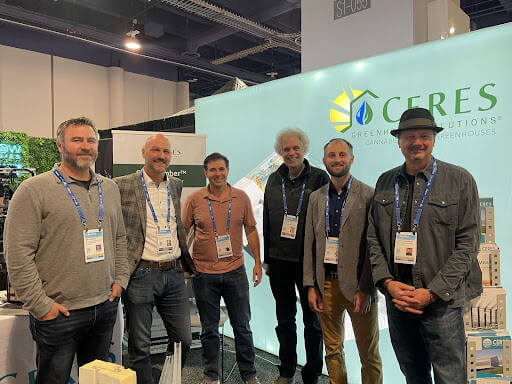
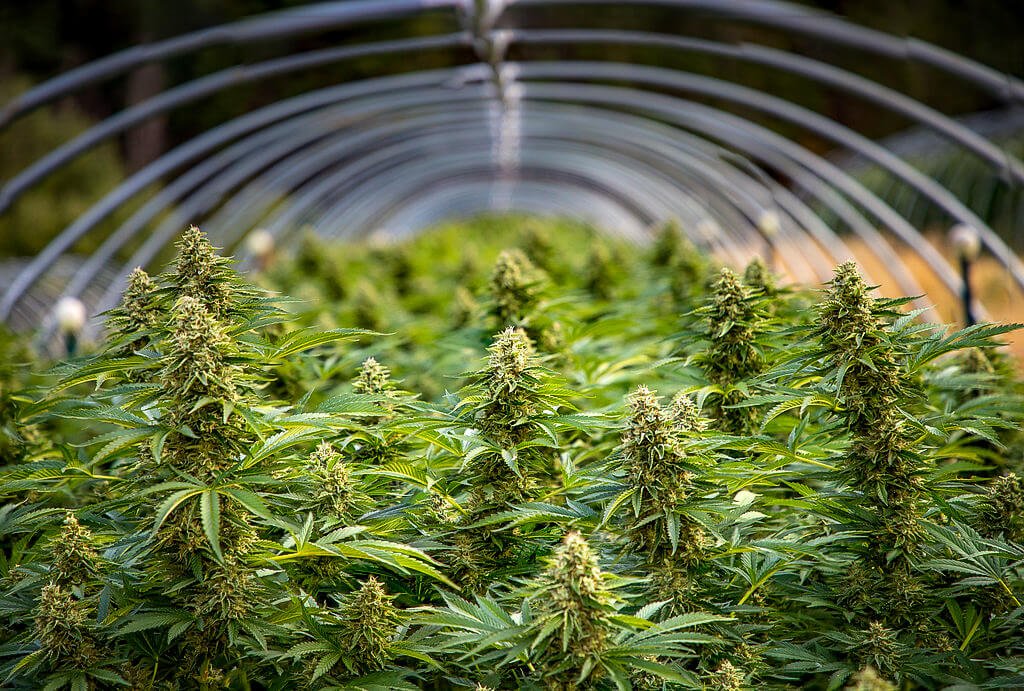
 by NCIA’s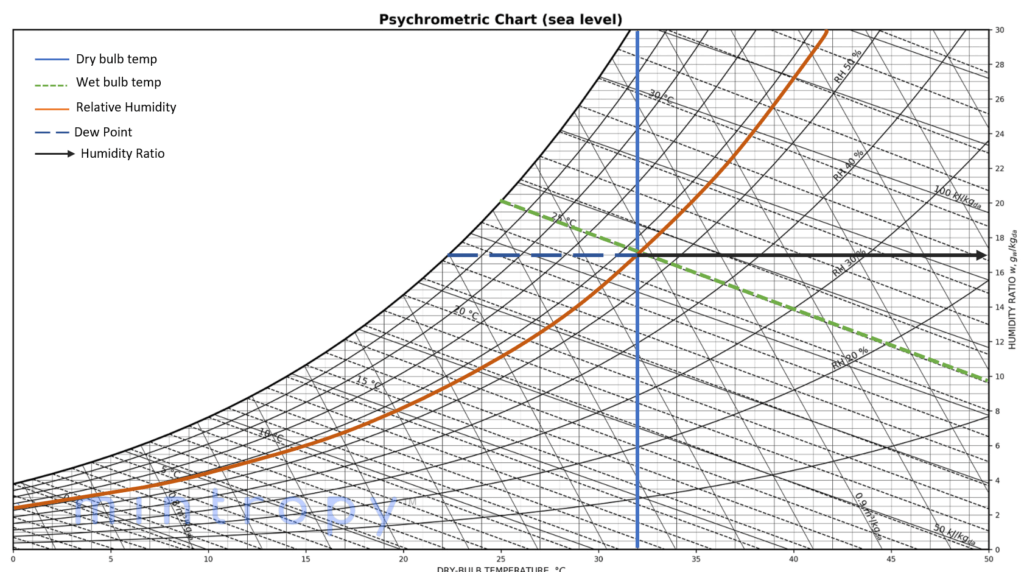
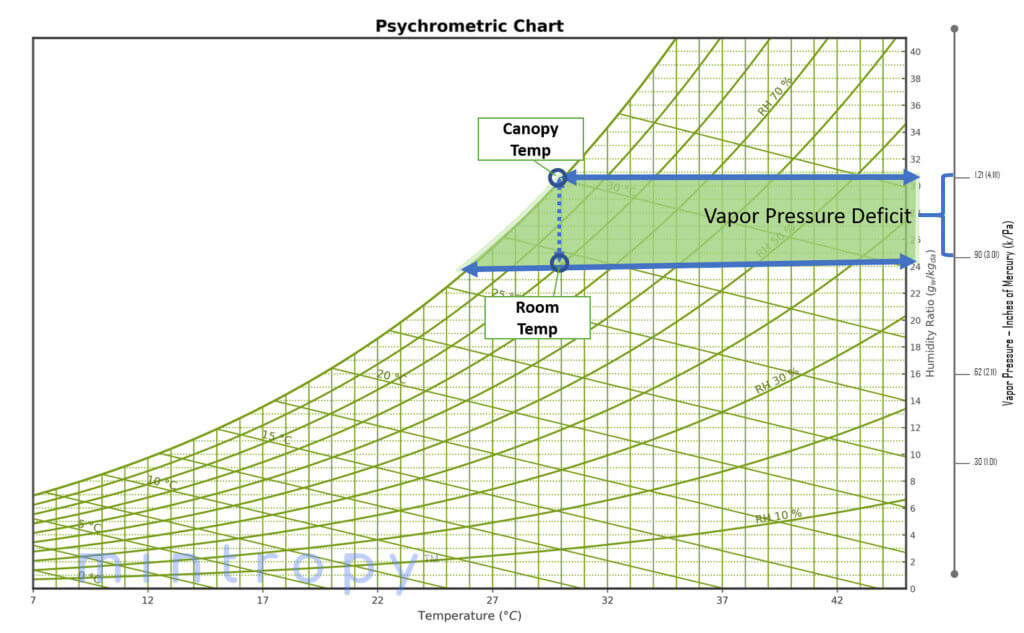
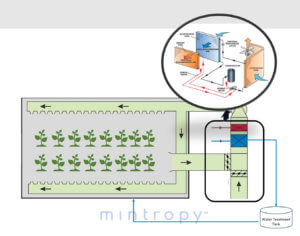
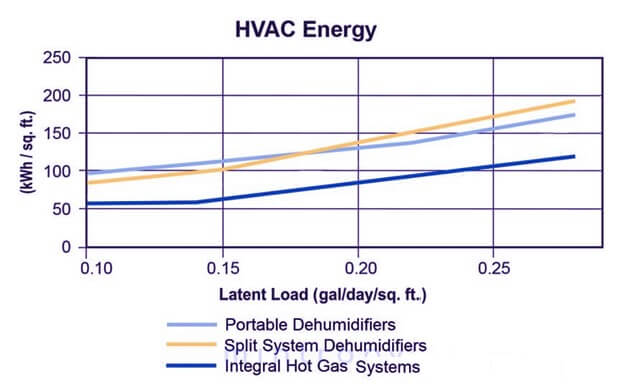
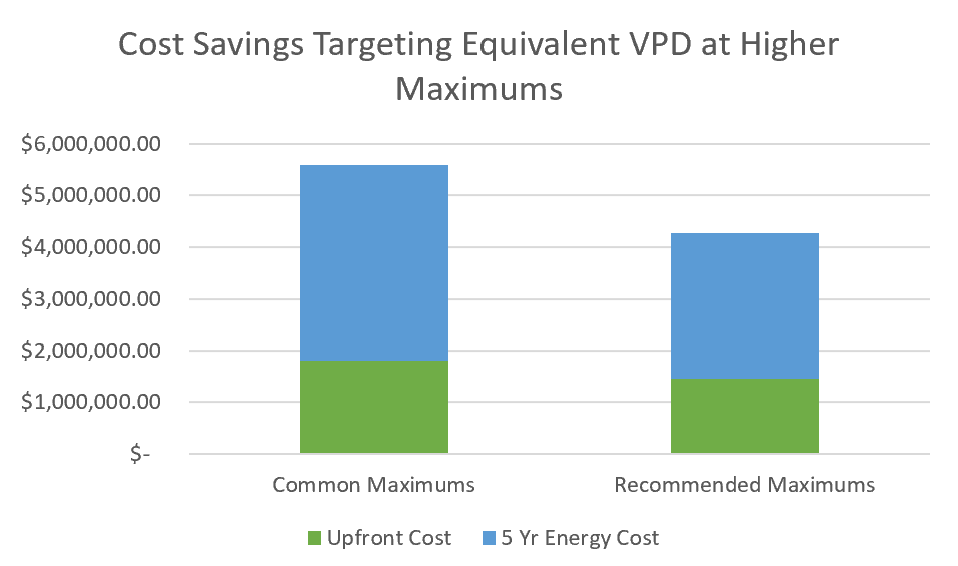
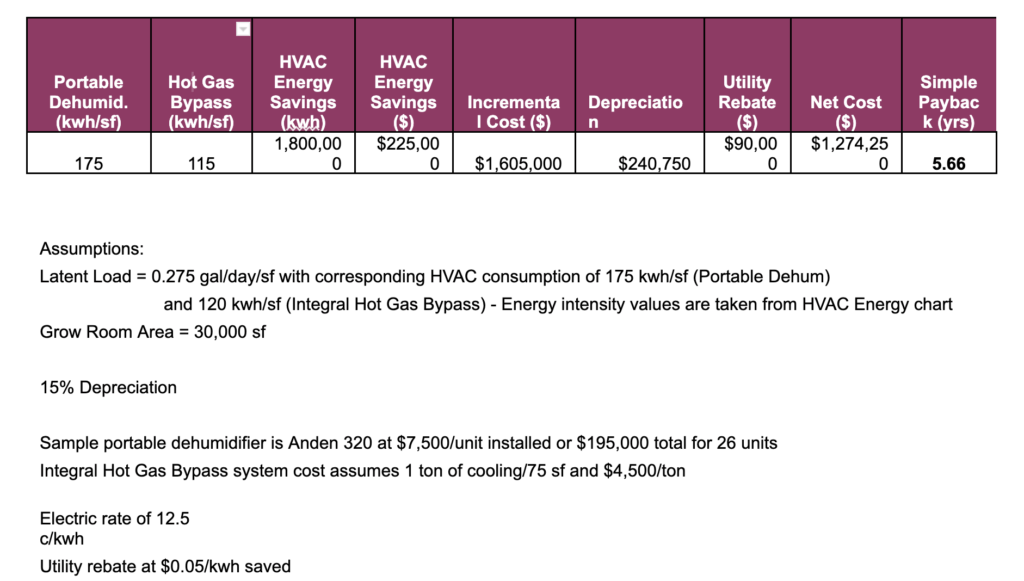

 by NCIA’s Facilities Design Committee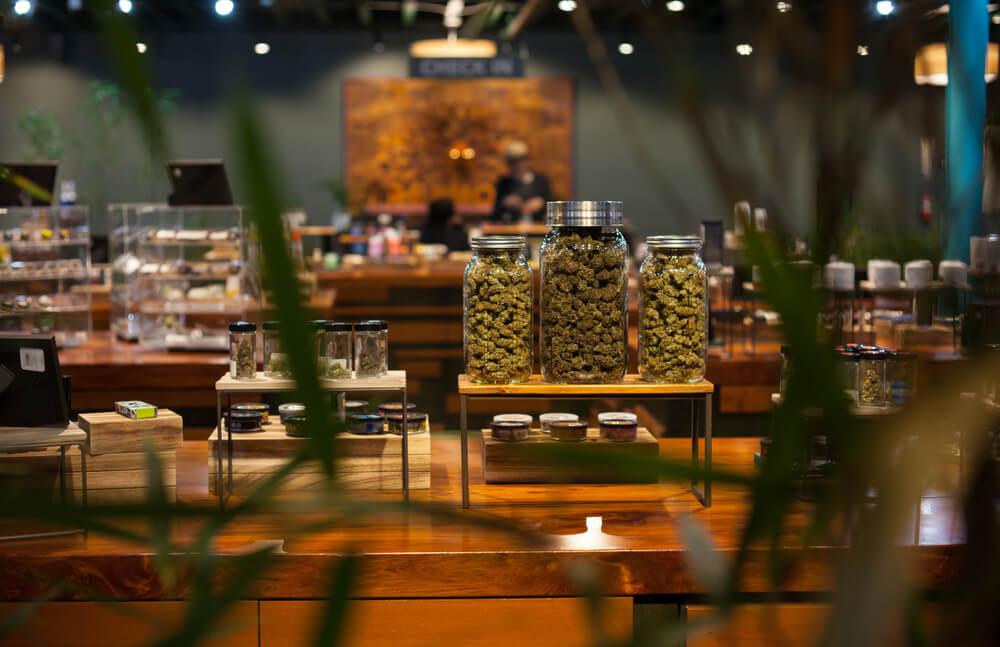


Follow NCIA
Newsletter
Facebook
Twitter
LinkedIn
Instagram
News & Resource Topics
–
This Just In
DOJ Reschedules Medical Cannabis to Schedule III & Announces June 2026 Hearing on Broader Rescheduling
National Cannabis Industry Association (NCIA) to Convene Industry Leaders in Washington for Annual Lobby Days, Bringing Together a Unified Voice for Federal Cannabis Reform