The state of Nevada has always been a unique place to do business. Not only is its economy fueled almost entirely by tourism, but its population is located almost exclusively within a few key urban centers. These factors influence nearly every type of business opportunity in Nevada – including cannabis.
While Nevada’s economic and geographic constraints are unique in themselves, the type of tourist industry found here is one of a kind. Las Vegas is famously known as “Sin City.” It is a place where people flock from around the globe to indulge their vices, such as gambling and clubbing.
As a microcosm of Nevada itself, the Nevada cannabis industry has its own set of challenges and opportunities.
Overview of the Nevada Cannabis Industry
Nevada boasts both medical and adult-use cannabis markets. The state voted to legalize medical cannabis back in 2000, although their first medical dispensary did not open until 2015. While the medical cannabis space in Nevada began with a crawl, the adult-use industry has been quite different.
Nevada voted to legalize adult-use cannabis in late 2016, with the first adult-use dispensary opening mid-2017. Nevada has both medical and recreational dispensaries, although certain stores service both customer bases.
One of the more exciting facets of the Nevada cannabis market has to do with home cultivation. Its unique program allows people 21+ years old to grow at home if they live more than 25 miles from a dispensary. Nevada put these rules in place to accommodate citizens living in rural areas who cannot access dispensaries.
Since Nevada’s legalization, cannabis has become a big business. Here are some statistics for the 2019-2020 fiscal year in the Nevada cannabis industry:
Total Sales: $684,959,149.00
Cannabis Taxes: $105,180,947.00
Licensing & Application Fees: $5,212,557
Nevada sales are ahead of other new adult-use recreational markets such as Illinois and Massachusetts to put these numbers in perspective. Nevada falls short compared to more established industries such as Colorado and Washington, but it holds promise for massive growth.
What is Unique About the Las Vegas Cannabis Market?
The tourism industry in Las Vegas makes for a unique market. Adult-use market regulations coupled with the global renown of the city lead to an environment where out-of-state visitors greatly influence cannabis sales.
The structure of a cannabis market directly influences business opportunities. In medical cannabis, qualifying conditions and patient counts dictate potential market growth. Conversely, adult-use markets are only limited by people’s age.
The interesting thing about the Las Vegas market is that anyone over 21-years can legally purchase cannabis – this includes out-of-state visitors. According to the Las Vegas Conventions and Visitors Authority website, the city saw 42,523,700 visitors in 2019 alone. These people spent over $10 billion in Las Vegas that year. Within these billions of dollars in tourist money lies an excellent opportunity for adult-use operators in Nevada.
Another fact worth noting is that people flock to “Sin City” to partake in activities inaccessible in other U.S. states. Cannabis fits nicely into this package of taboo activities that can only be done in Las Vegas, NV.
Is it Hard to Open a Cannabis Business in Las Vegas?
While the tourist money in Las Vegas makes for a very intriguing adult-use market, it is not easy to acquire a cannabis business license. Unfortunately, Nevada has put a cap on the number of licenses available in the state, making it much more difficult to enter than other adult-use states like Colorado.
There are five types of business licenses in the Nevada cannabis industry:
Cultivation Facility
Distributor
Product Manufacturing Facility
Testing Facility/Laboratory
Retail Store
It’s worth noting that both the medical and adult-use markets offer these same business licenses. Similarly, the licensing cap in the state includes both verticals.
As of early 2021, the state of Nevada awarded 132 dispensary licenses. However, these licenses did not go to 132 different operators. Certain businesses acquired multiple licenses, with some able to open as many as seven retail stores. While Nevada has issued 132 retail licenses, there are only 80 dispensaries operational at this point.
The licensing situation in Nevada is frustrating for local investors and outside interests alike. Namely, because studies show that the Nevada economy could support as many as 1,283 more dispensaries than it has issued licenses for. Aggravation mounts with a lack of expansion opportunities in the area.
The state of Nevada only accepts additional cannabis business license requests during “application periods.” These short windows are scheduled by the Nevada Cannabis Compliance Board and stay open for just ten days. However, there has not been an application opportunity since 2018, and it doesn’t appear there will be one anytime soon. As such, it appears that plant-touching opportunities in Nevada are limited to current license holders.
Where is the Most Opportunity in Nevada Cannabis?
While many believe there is ample room for new players in the Nevada cannabis market, the state does not agree at this point. As a result, if you are looking to get involved in the Nevada industry, you are well-advised to look into ancillary business models instead of plant-touching businesses.
With such promise in the Nevada market, you can rest assured that those cannabis companies that have won licenses will be extremely busy. Ancillary operators can take advantage of this climate by developing models that operate in the business-to-business (B2B) vertical. To help plant-touching companies in Nevada, both product-based and service-based ancillary businesses could prove profitable. Examples of product-based companies include business management software and cultivation technology, while service-based businesses work in marketing, staffing, and consulting.
Opening an ancillary cannabis company in Nevada gives you the ability to enter the market by circumventing the licensing process. Even more, you don’t have to worry about application fees, compliance mandates, and other stressors faced by plant-touching companies. You also have the option to operate across state and national borders if you so desire.
Summary
There is no doubt that the Nevada cannabis industry is one-of-a-kind. While there is a good deal of excitement surrounding the market, many feel it hasn’t even come close to reaching its potential. To this end, the adult-use market in Nevada was only 1.5 years old when the COVID-19 pandemic struck. The financial blow of the pandemic was cataclysmic in Las Vegas, as the tourism industry dropped to 50% below average in 2020.
With the pandemic on the downswing in 2021, there is an unmistakable air of excitement across the globe. Some economists feel that we are about to enter a new “roaring 20’s” period, where people celebrate by spending travel money that was unusable during COVID-19. With this celebratory outlook on the near feature, there is no doubt Sin City will see its share of visitors. With the casinos and hotels full again, maybe we will finally see what the Nevada cannabis market can really do.
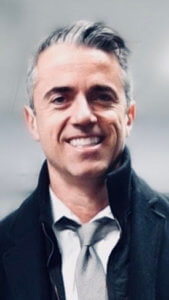
Dr. Monaco is the Director of Laboratory Operations for CLS Holdings’ newly opened approximately $4 million laboratory, and is responsible for all day-to-day operations inside the North Las Vegas facility. Dr. Monaco brings over 8 years of licensed & regulated cannabis experience, starting back in 2012 when medical marijuana first opened in Arizona, he has held numerous positions, with escalating responsibilities year over year. He graduated from the University of Arizona College of Pharmacy, in Tucson, Arizona, with a Doctor of Pharmacy in 2010.
There’s been a lot of positive press lately about the success of the cannabis industry in Nevada, and with good reason. The cannabis industry contributed more than $110 million dollars in FY19 to state coffers and is poised to overtake the mining industry in annual tax contributions; all of this in just its second year of operations. But while the tax-generating retail industry continues to steam ahead, much of the business and opportunity in the balance of the industry remains on hold (since early October). The responsible moratorium has largely been erased from public awareness by the intervening holiday season and the ongoing success of tax collections over projections.
Unfortunately, while this suspension was necessary in light of the surrounding circumstances, its indefinite duration has created market instability at a time when cannabis-friendly markets are competing for business and tax dollars. Regrettably, this uncertainty has made Nevada look more like the nearly paralyzed California market. The time has come to complete the necessary work, end this moratorium and let the critical behind-the-scenes elements of our nationally leading industry get back to work.
For those that don’t recall, the present moratorium was announced by the Nevada Department of Taxation on October 17, 2019 following the recommendations of a task force initiated by the Governor. The launch of the task force was in response to two scandals: one involving the awarding of retail licenses earlier in the year and the second being the discovery that the foreign nationals identified in a national campaign finance scandal (involving former New York Mayor Rudy Giuliani), had sought to invest in and seek influence over the local cannabis industry.
Few can argue the need for a regulatory pause given the state of affairs last October, and I believe the Governor’s response was the single most effective way to stifle inappropriate corporate activity. By the simple administrative step of freezing all pending and future license transfers, the state was able to get the lawyers involved in these transactions to shut them down. The final step in almost any merger or acquisition transaction became temporarily unlawful. There’s no need for a police force when every lawyer in the industry can be deputized.
This Friday will mark ninety days since the moratorium was put into place, and would be a fine time to release this de facto suspension of all mergers, acquisitions, sales, financing, etc. After a decade and a half of practice in transactional law, I can tell you that the “invisible hand” of the market that most of us rely upon to guide capitalism isn’t invisible to the people in the transactional trenches. If the machinery behind the scenes is seized up for too long, inevitably, even the very of the supply chain (i.e. retail) will suffer.
Many capital rich companies, who only recently became comfortable with the cannabis space, are looking to deploy resources into the cannabis industry. The mechanisms to do so, and to create the jobs and economic development desired by the state and its taxpayers, are restricted to mergers, acquisitions and equity investment. Capital markets are not static. They are as dynamic as the cultures they serve and forcing them all to the sidelines for an extended period owing to the misdeeds of a small number of them, is painting with too broad a brush. It is perhaps due to the recent legality of the cannabis industry and its vestigial stigma that a transactional moratorium has been tolerated for as long as it has. It is difficult to imagine a comparable capital markets freeze in any other industry.
In the ten years I have called Las Vegas home, I have watched our city and, indeed, our state, transform from side show to main event – as we are no longer content to ride shotgun to California’s success. We Nevadans have proven capable of, and even better equipped for, leading in multiple industries, including cannabis.
To that end, we are, or certainly should be, capable of completing an “extended review” of the license transfer process as well as developing a “more thorough and appropriate vetting process” in ninety days. Ostensibly, freezing all pending transfers was undertaken to ensure that those aspiring licensees were subject to such “more thorough” process. It is difficult to imagine, however, how this process could presently be incomplete. If anything, as the state is writing the rules as it goes, it makes sense to at least unlock the “pending” transfers and provide some guidance as to the expected timeline for future transfer approvals.
We spent most of 2019 advising clients to avoid cannabis transactions in California, as the regulatory structure there is widely agreed to be in disarray. During most of that time, we were able to credibly suggest Nevada as an alternative market, free from such chaos, and capable of sustaining robust merger and acquisition activity without issue. However, as large and popular adult-use markets (e.g. Chicago, IL; Detroit, MI) open and expand, and agriculturally experienced markets expand into hemp and CBD production, we are left to advising clients that their dollars are better spent elsewhere.
However, there is still time to start the new year and new decade with a local cannabis market that is looking to lead and provide prototypical regulatory and compliance guidance, as it was prior to last October. If we don’t, we can’t expect other cannabis-legal states or businesses choosing between them to wait for us to figure it out. And when federal legalization undoubtedly arrives, the loss of time in developing the Nevada market will no longer be treated trivially.
Glenn H. Truitt, Esq. is the Managing Partner of Ideal Business Partners, a boutique multi-disciplinary professional firm focusing on serving businesses in the cannabis, hemp and CBD spaces. He is a graduate of the U.S. Naval Academy and Stanford Law School, is licensed to practice in California and Nevada and has been practicing for 15 years.
VIDEO: Member Spotlight – Silver State Wellness
Get to know NCIA members Silver State Wellness in this month’s video spotlight. We speak with co-founder Ed Bernstein and general manager Emmett Reistroffer to learn more about their state-of-the art infused product manufacturing facility based in Las Vegas, Nevada. Their facility produces both medical and adult-use brands ranging from edible products, topicals, and infused beverages including beer, coffee, and tea. Silver State Wellness has also formed a joint venture agreement with Dixie Elixirs & Edibles, a Dixie Brands, Inc. company. Hear about how IRS Tax Code 280E and lack of access to banking impacts their business.
If you’re not yet a member of the National Cannabis Industry Association, log on today and join the movement.
VIDEO: Member Spotlight – Silver Sage Wellness
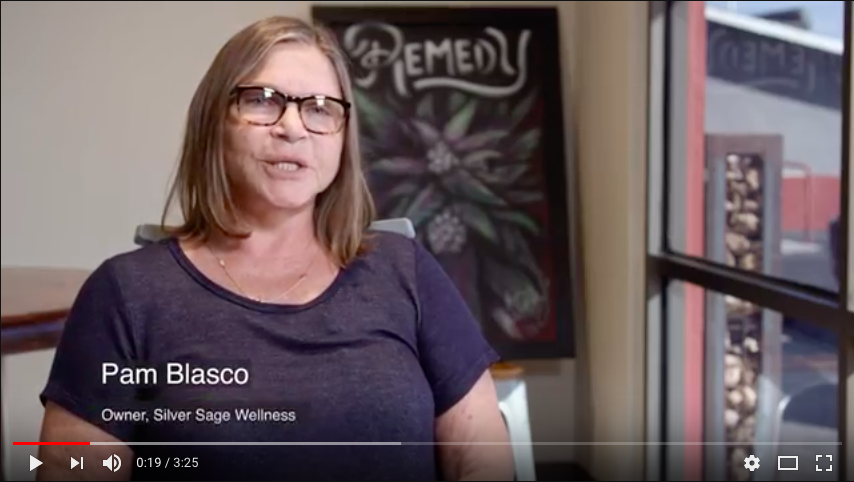
We’re kicking off the month of March with this video spotlight on NCIA members Silver Sage Wellness based in Las Vegas, Nevada. Meet husband-and-wife team Jim and Pam Blasco, special-needs patient advocates with a powerful story about how cannabis changed their lives, as well as the challenges they experience running a cannabis dispensary in the face of unfair tax burdens caused by Section 280E of the IRS Tax Code.
Five Reasons Why NCIA’s Industry Socials Were A Huge Success
At the end of 2018, NCIA’s events team looked ahead at how to make our line-up of 2019 events even better and respond to an increasingly popular demand for more networking opportunities. As a team we dreamed up how to make a B2B networking series that was not only delivered maximum ROI, but was super fun and fit the cannabis industry culture.
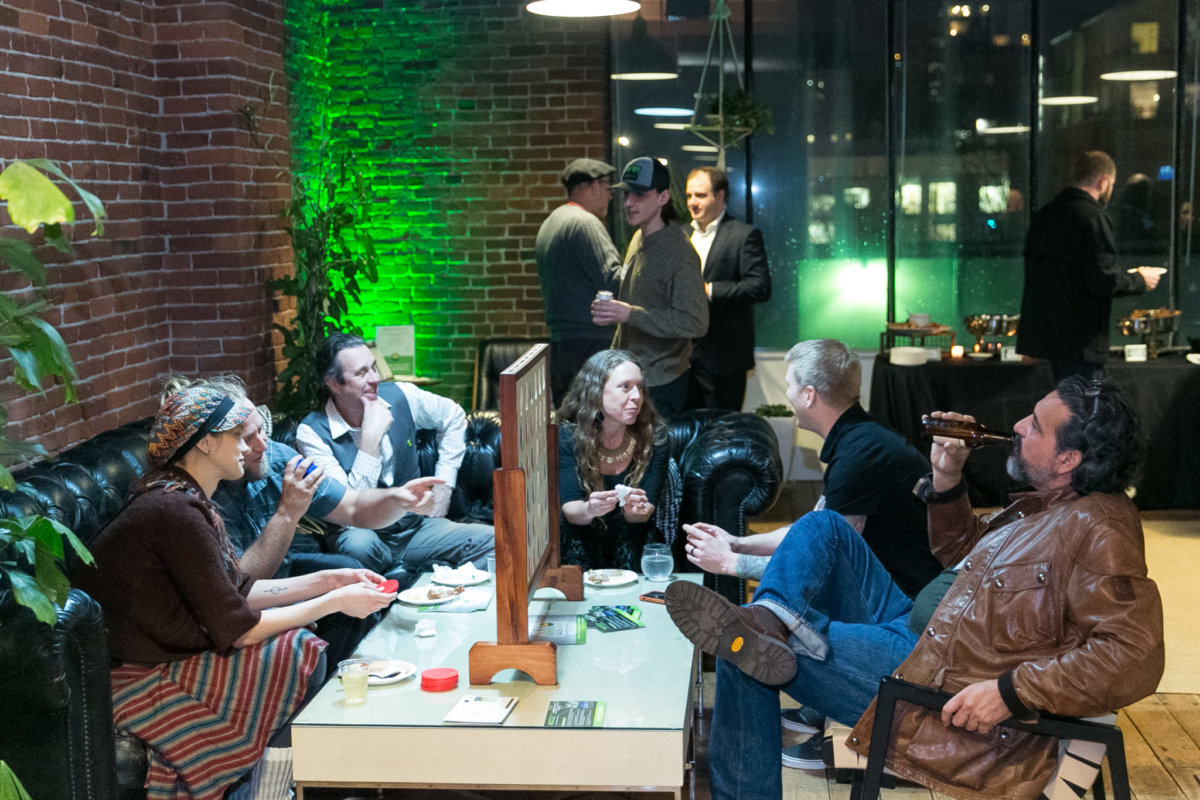
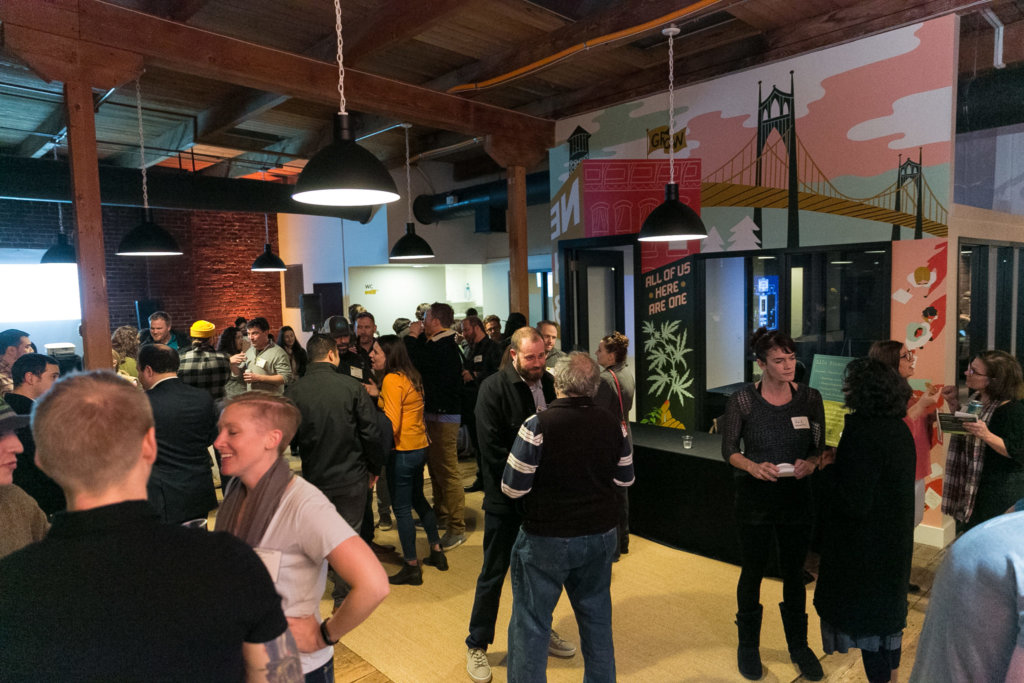
Ultimately, we devised what might be the magic elixir of networking events. Artsy venues, delicious drinks and food, live local music, old-school Nintendo, giant Jenga and Connect Four. We even threw in a raffle-wheel contest to win limited edition NCIA merchandise. The result? NCIA’s January Industry Socials were a total hit. Although there are many, here are the top five reasons why NCIA’s Industry Socials were a huge success.
1. Impressive Attendees
Throughout January, Industry Socials kicked off with a West Coast Tour in Seattle, WA, Portland, OR, Las Vegas, NV, Salt Lake City, UT and Phoenix, AZ. We were excited (and a bit nervous) about the turn-out for the Utah Industry Social in Salt Lake City, since the exciting passage of Utah’s Proposition 2 happened only a few months before the event. As NCIA’s Aaron Smith remarked “we’re excited to bring our world-class industry events to new markets like Utah, and later this year in Missouri, North Dakota, and Texas!”
Overall, January’s Industry Socials turned out about 500 impressive cannabis industry professionals and advocates, representing 250 current NCIA member companies! Even better? We saw more than 75 attendees in the brand new Utah market!
2. Incredible Feedback
The post-event survey results are in and they are stellar! The majority of survey respondents reported that they would highly recommend the event series to a friend or colleague.
More than 50% of survey respondents said they made between 11-20 new contacts at the event and that at least three of these contacts were potential sales deals.
When asked what the biggest return on investment of the event was attendees stated:
“Getting to know our local business community.”
“The low key but targeted exposure in our local market.”
“Continued relationship building and network expansion.”
“We gained a lot of insight into the industry and where we fit as a company… the insights we gained were invaluable.”
“Foot in the door to get involved in rule making and learning about the application process in Utah.”
Kyle Rooney from Have A Heart, Sustaining Members with adult-use dispensaries in four states, says that “attending NCIA’s new Industry Socials is a chance to network in a more personal and low-key environment. National conferences are great, but these events provide a platform to talk to people in the regions that you want to connect with.”
RizePoint, who became members of NCIA just a week before the event in Salt Lake City, attended with several team members. Ed McGarr, RizePoint’s Vice President of Sales and Marketing says, “We began working with cannabis companies last year to advise on food safety, quality control and management for adult-use and medical cannabis edible products. NCIA’s Industry Socials provide a forum for us to connect with the industry and learn from them, as well as gain new business contacts. The event was priceless relative to networking and establishing ourselves further in the cannabis industry. It was refreshing that NCIA helped to establish the networking opportunities in a new, emerging market like Utah.”
3. Innovative Networking and Entertainment
Introducing a retro arcade station including Super Mario and PAC-MAN at our Industry Socials was the brilliant idea of our events team. Now that we know how fun it was, we’re seriously considering having it as an NCIA event standard.
But seriously, we now know that a cash bar is not the only way of lubricating conversation and community building. Adding fun games like Nintendo, giant Jenga and Connect Four is another way cannabis industry professionals can “connect” in an authentic, fun, and meaningful way. If more networking happened while playing a competitive game of PAC-MAN, the business world would be a much better place.
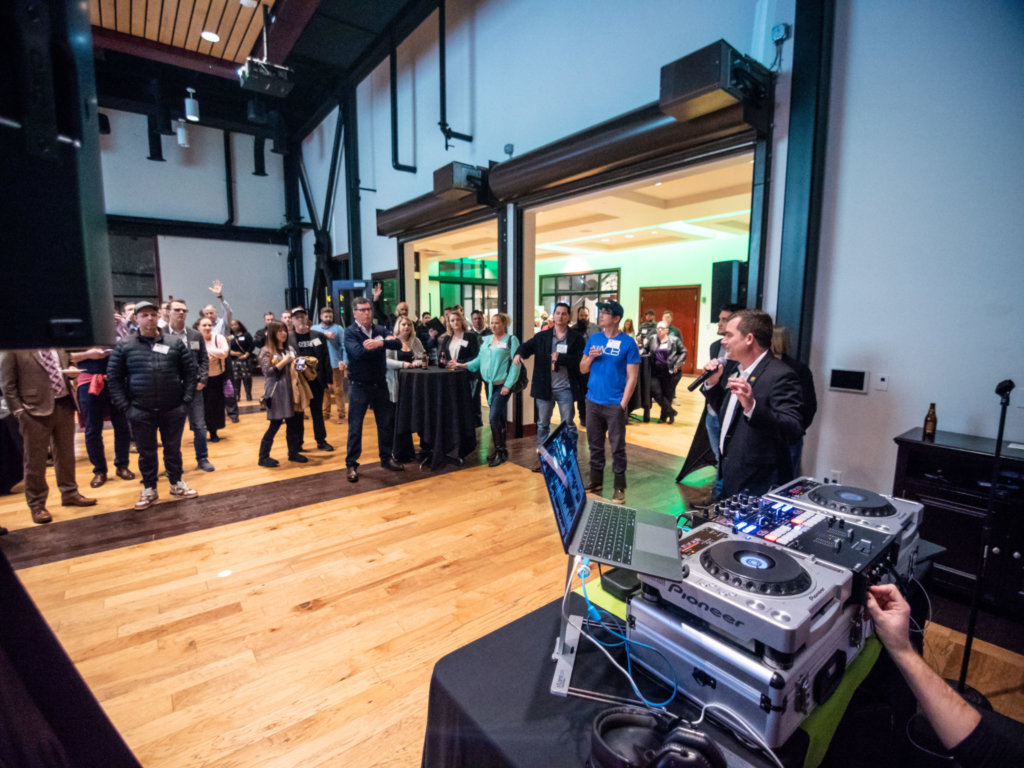
Additionally, at every event we had talented local DJ sets and interactive activities like a raffle-wheel and Polls Everywhere with cannabis industry trivia. As a value-added complimentary activity at our Nevada Industry Social, attendees had the opportunity to participate in two private tours of the world’s only immersive cannabis museum, Cannabition!
4. Our Sponsors and Partners
From helping us spread the word, to investing in NCIA’s Industry Socials, none of these amazing events could have happened without the help of our sponsors and partners.
Lastly, a huge thank you to our promotional partners: Growers Network, Cannabis Collaborative Conference, Utah Patients Coalition, Epilepsy Association of Utah, Marijuana Policy Project and TRUCE Utah.
5. Setting the Stage for 2019 Events
To kick off 2019 with a successful inaugural event series sets the stage for an incredible year of NCIA events. We are looking forward to hosting the next tour of Industry Socials in new cities and markets again in April and August.
But, you don’t have to wait until April to attend more NCIA events. NCIA’s March Cannabis Caucus series is kicking off soon, followed by the most impactful cannabis industry advocacy event of the year – NCIA’s 9th Annual Cannabis Industry Lobby Days.
Lastly, thank you to our nearly 2,000 member-businesses and to all event attendees for supporting NCIA’s mission. NCIA’s event revenues support the work we are doing to lobby at the federal level on your behalf on Capitol Hill and to build public support for the cannabis industry.
If you were at the January Industry Socials, be sure to check out our Facebook album and tag yourself!
VIDEO: Member Spotlight – NuLeaf Dispensary
In this month’s video member spotlight, we visit with NuLeaf Dispensary in Las Vegas, Nevada. Adult-use cannabis was legalized in the state on January 1, 2017, though licensed dispensary sales were slowly implemented throughout the year. Learn more about how NuLeaf’s marketing team overcomes the many challenges to both print and online advertising through in-store events and content marketing in tourist-friendly Las Vegas.
Expand your network and cultivate community with us in a fun, relaxed, cocktail-hour setting at NCIA’s new Industry Socials event series this year!
Our West Coast tour includes a stop in Las Vegas on January 22, 2019. Register now to secure your spot!
Note: NCIA member profiles highlight members and stories within our cannabis industry community. They do not constitute an endorsement or recommendation of specific products or services by NCIA.

 Dr. Monaco is the Director of Laboratory Operations for CLS Holdings’ newly opened approximately $4 million laboratory, and is responsible for all day-to-day operations inside the North Las Vegas facility. Dr. Monaco brings over 8 years of licensed & regulated cannabis experience, starting back in 2012 when medical marijuana first opened in Arizona, he has held numerous positions, with escalating responsibilities year over year. He graduated from the University of Arizona College of Pharmacy, in Tucson, Arizona, with a Doctor of Pharmacy in 2010.
 Glenn H. Truitt, Esq. is the Managing Partner of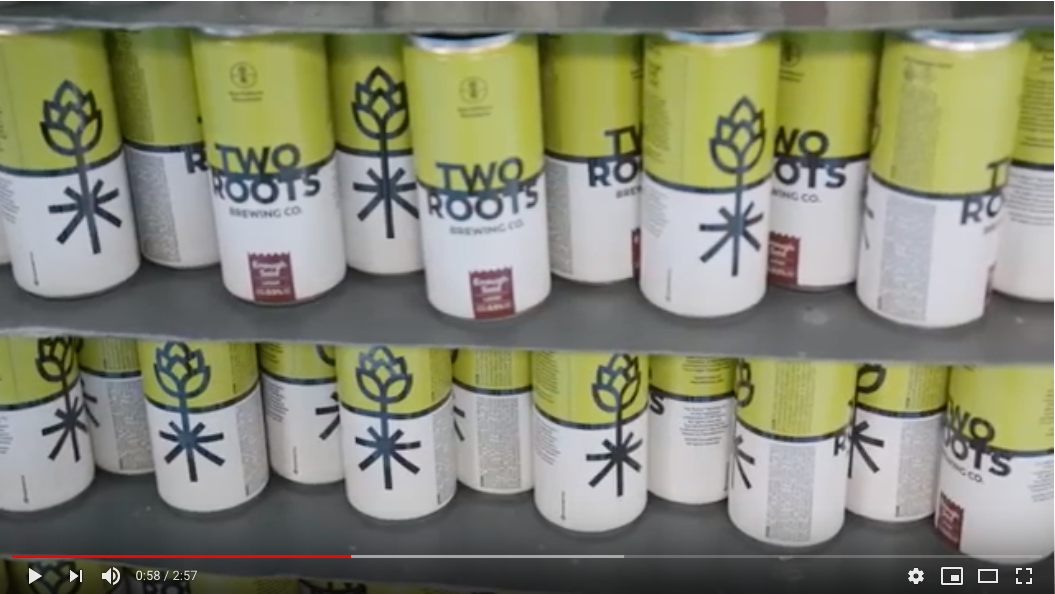


Follow NCIA
Newsletter
Facebook
Twitter
LinkedIn
Instagram
News & Resource Topics
–
This Just In
DOJ Reschedules Medical Cannabis to Schedule III & Announces June 2026 Hearing on Broader Rescheduling
National Cannabis Industry Association (NCIA) to Convene Industry Leaders in Washington for Annual Lobby Days, Bringing Together a Unified Voice for Federal Cannabis Reform