Member Blog: Colorado’s Evolving Cannabis Testing Regulations

Among the first two states to legalize and the first market to open, Colorado has had adult-use cannabis regulations in place for more than a decade now and helped set a standard for all the programs that came after it.
But Colorado’s testing regiment, like the industry, is ever evolving, with the state testing for additional pesticides beginning this year, for example. In addition, the state’s new “reduced testing allowance” could make the whole process easier for manufacturers in good standing.
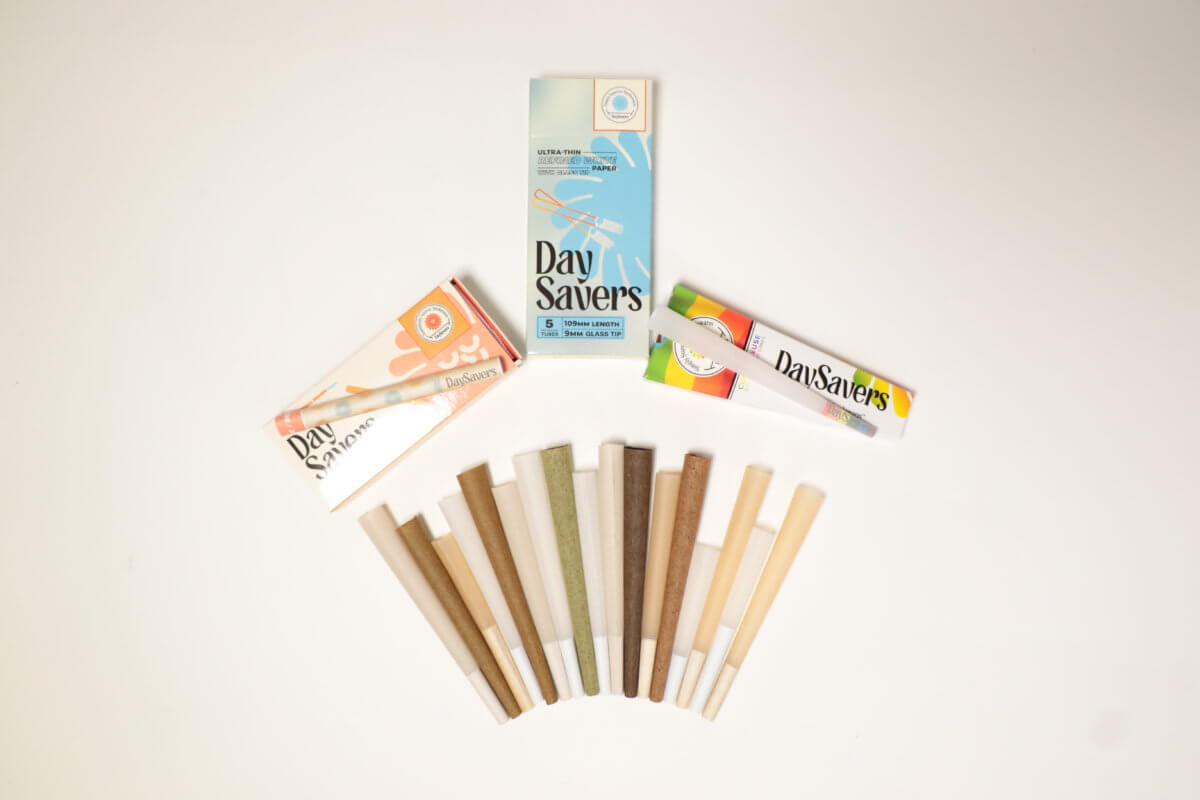
Like many states, Colorado requires testing of the final product, be it flower, edible or pre-roll, which means not only must your flower be clean, but everything else you put into your products as well. In the case of pre-rolls, that means the paper used in the pre-rolled cones, as well as the filter tip.
All products must be screened by a state-licensed and accredited laboratory for the following:
- Moisture Content and water activity;
- Residual solvents and processing chemicals;
- Residual pesticides;
- Microbial impurities;
- Mycotoxins;
- Foreign materials;
- The “big four” heavy metals (arsenic, cadmium, lead and mercury); and
- Cannabinoid potency.
WATER ACTIVITY
Like every state, Colorado testing requires laboratories check for water activity because high amounts of moisture can create an environment with the potential for mold growth.
Any water activity above 0.70 Aw creates the conditions for mold to grow, which can be harmful if consumed, which is why Colorado caps water activity at 0.65 Aw in flower and pre-rolls.
PESTICIDES AND SOLVENTS
Colorado also requires testing for residual pesticides and other chemicals and has been slowly ramping up its required pesticide testing.
For example, on January 1, 2023, the state tested for a total of 13 different pesticides. By July 1, 2023, that number had increased to 28. But new regulations going into effect this year drastically increase that number.
Beginning July 1, 2024, state law requires labs to test cannabis products, including completed pre-rolls, for 99 different pesticides, each with their own actionable limits that can cause a whole batch to be destroyed.
Additionally, the state requires cannabis concentrate products, including those used in infused pre-rolls that combine flower with a concentrate for increased potency and flavor, to be tested for residual solvents.
The state requires testing and provides actionable limits for 13 specific solvents that can be used to make extracts and concentrates, as well as requiring “none detected” for “any other solvent not permitted for use.”
HEAVY METALS
The Centennial State also requires testing for the heavy metals mercury, cadmium, lead and arsenic. All four metals are toxic to humans, even at small doses, and can damage all the body’s vital systems, including pulmonary, reproductive and even the central nervous system.
Testing for heavy metals is especially important because cannabis plants are a well-known bio-accumulator that absorbs and collects heavy metals from the soil in which it grows.
For all inhalable products, including pre-rolls, the state sets the pass/fail actionable level at 1.5 parts per million (PPM) for mercury and arsenic, 0.5 PPM for cadmium and 1 PPM for lead.
MICROBIALS AND MYCOTOXINS
But while heavy metals are dangerous, they do not pose the greatest risk to human health among the testing. That distinction is reserved for microbials and mycotoxins.
Among the microbes – bacteria and fungus – for which Colorado requires testing are salmonella, Staphylococcus aureus and e coli. There is also a total yeast and mold limit.
Mycotoxins are a toxic compound produced by molds, such as Aspergillus, and can suppress the immune system and cause liver damage. Testing for mycotoxins help ensure cannabis products are safe for human consumption.
Colorado requires testing for two classes of mycotoxins, Aflatoxins and Ochratoxin A, each with an actionable limit of 20 PPM. Both have properties that can alter DNA and potentially cause the formation of cancer cells.
PRE-ROLL TESTING
But it’s not just the flower that needs to be tested in Colorado. Products must be tested in their final form, which means that pre-rolls, for example, must be tested after they have been packed, so the paper has to be as clean as the flower. And with no regulations or requirements on the testing of rolling papers themselves, several manufacturers have run afoul of the rules because of untested rolling papers or wraps. And testing by SC Labs, one of California’s licensed testing labs, found that 11% of rolling papers tested during a recent study would fail testing. So even if you are packing your own pre-rolls, it’s important to make sure the paper you choose is tested and clean.
Colorado has also had issues with this in the past, particularly in palm leaf wraps and blunts. In 2022, the states Marijuana Enforcement Division issued a recall for King Palm products due to unsafe mold and yeast levels found in the products.
“Take due diligence to make sure your product is viable,” says Custom Cones USA Compliance Manager André Bayard, noting that manufacturers should work with suppliers that are working to set industry standards. “Any one issue can be detrimental to your brand reputation.”
REDUCED TESTING ALLOWANCE
Recognizing the unique challenges and cost of testing, Colorado has introduced new reduced testing allowances, including one tailored for pre-roll cannabis products. This allowance enables cannabis manufacturers to submit composite samples for testing, rather than subjecting each individual batch of pre-rolls to separate testing.
For example, a manufacturer may achieve a Reduced Testing Allowance for contaminant testing for a specific product, like pre-rolls, if every production batch that it produced during at least a four- to eight-week period passed all contaminant tests. However, if those pre rolls are produced using different input materials, such as a different cannabis category (e.g. flower or trim), different wrapper materials, different processes or different equipment, they must get a separate Reduced Testing Allowance.
Additionally, effective July 1, 2024, to achieve or maintain a Reduced Testing Allowance for microbial contaminants, a cultivation facility must have a Hazard Analysis and Critical Control Point (HACCP) System in place. An HACCP must contain elements defined in ASTM D8250-19: “Standard Practice for Applying a Hazard Analysis Critical Control Points (HACCP) System for Cannabis Consumable Products” that addresses each product type for which a microbial contaminant Reduced Testing Allowance is sought.
It’s important to highlight that not all cannabis products qualify for this reduced testing allowance, and pre-roll manufacturers must meet specific criteria to be eligible for this exemption. For example, to get a reduced testing allowance for microbial testing, a company must maintain cleaning records and maintenance records.
Reduced testing allowances are valid for one year.
It’s a complicated program to be a part of, but well worth it for manufacturers who have their procedures locked in, as well as a supplier that also tests their pre-rolled cones and tubes to the highest standards to ensure passage of these important tests.
FINAL THOUGHTS
Colorado’s pre-roll cannabis testing regulations play a vital role in safeguarding public health and ensuring consumer confidence in the state’s legal cannabis industry. And from a business standpoint, a testing failure can be costly, especially for smaller businesses, and can follow a company and its products even after the issue is corrected.
Make sure your suppliers take the same care as you do to ensure passage of all required tests. And always ask for COAs.
Navigating Missouri’s Stringent Cannabis Testing Requirements: A Deep Dive

When it comes to cannabis testing requirements, Missouri absolutely lives up to its nickname as the Show Me State, requiring its licensed cannabis businesses to run a wide series of tests to prove the cannabis they are sending to store shelves is safe.
As a relatively new state to join the cannabis industry, with voters approving medical marijuana in 2018 and recreational cannabis in 2022, Missouri has had the benefit of watching several other states develop programs ahead of it and its testing regulations reflect that.
Among the strictest testing regiments in the industry, Missouri’s regulations require all cannabis products produced for the medical or recreational market to be tested in its final form, including pre-rolls. That means not only is the flower subject to testing, but your paper and any other ingredients as well, since anything can cause a failure that can see the whole product lot destroyed.
In Missouri, both flower and pre-rolls, for example, must be tested by one of 10 state certified labs for:
- Moisture Content and water activity;
- Residual solvents and processing chemicals;
- Residual pesticides;
- Microbial impurities;
- Mycotoxins;
- Foreign materials;
- The “big four” heavy metals (arsenic, cadmium, lead and mercury) + Chromium;
- Cannabinoids; and
- Terpenes (if requested).
The majority of these tests are designed to protect consumers from potential dangers hidden in their cannabis products, so it is important that any rolling paper or pre rolled cones you buy – even for personal use – should pass these tests.
For example, moisture content and water activity can point to the potential for mold growth. Any water activity above 0.70 Aw creates the conditions for mold to grow, which can be harmful if consumed, which is why Missouri, like many states, caps water activity at 0.65 Aw in flower and pre-rolls.
THE BIG FOUR HEAVY METALS PLUS CHROMIUM
Like many states, Missouri requires testing for the “big four” heavy metals mercury, cadmium, lead, and arsenic, which are toxic to humans, even at small doses. Heavy metals are absorbed into the plant from the soil and can damage all the body’s vital systems, including respiratory, central nervous and even the reproductive system.
Missouri, however, is one of a handful of states that also include chromium in their testing regiment, another dangerous heavy metal. Once chromium reaches the bloodstream, chromium can damage the kidneys, liver, and blood cells with the potential for renal and liver failure if untreated. So, you can see why states have begun adding it to their testing requirements.
MICROBIALS AND MYCOTOXINS
While heavy metals are dangerous, microbials and mycotoxins pose the greatest risk to human health.
Mycotoxins are a toxic compound produced by molds, such as Aspergillus, and can suppress the immune system and cause liver damage. Missouri requires testing for two classes of mycotoxins, Aflatoxins and Ochratoxin A. Both have properties that can alter DNA and potentially cause the formation of cancer cells. Testing for mycotoxins help ensure cannabis products are safe for human consumption.
Missouri regulations require a total mycotoxin concentration of less than 20 micrograms per kilogram for cannabis to receive a passing mark.
Missouri also requires testing for other microbials like Pathogenic E. Coli, Salmonella and Pathogenic Aspergillus Species including A. fumigatus, A. flabus, A. niger and A. terreus.
PESTICIDES
Missouri also requires testing for residual pesticides and other chemicals. The state allows some pesticides to be used on cannabis – tracked by the Missouri Department of Agriculture’s Pesticide Program – but cultivators are required to report in the state track and trace system all pesticides, fertilizers and other chemicals applied to the plants, as well as all the ingredients contained in each of those.
State law requires tests for 61 chemicals and 20 residual solvents, with actionable limits, and foreign matter screening.
LABELING LAWS
Missouri also has a very strict labeling law for its cannabis packaging that requires specific information in a specific order, beginning with the state’s diamond THC logo, the letter “M,” all ingredients, license number of the producer and where the products passed their testing, as well as the track-and-trace number for the samples and the THC potency, among others.
LAB LICENSING AND LAB SHOPPING
Aside from specifics for testing, the Show Me State goes even further when it comes to which labs can be used and how those labs get licensed.
Missouri law contains provisions for exactly who at the labs can conduct the tests, requiring the labs to be employ a laboratory director with a degree in a natural science and at least five years’ experience in a regulated lab environment or a degree in “another applicable field” with 10 years’ experience. It also requires the person performing the test to have a bachelor’s degree in natural science and at least two years of lab experience.
But recent updates to Missouri’s regulations go even a step further than most states in an attempt to stop the process known as “lab shopping” to get desired results. Normally aimed at trying to limit THC potency inflation, the new law requires producers and labs to submit their samples to other labs so results can be compared.
For example, the new regulations say that up to 10 times per year, the state will require one lab to pick up samples from another lab and re-perform a test. The state will review all the results to make sure they have similar potency results and to see if one lab is passing samples for pesticide residue while another one is failing it.
According to Custom Cones USA Compliance Manager André Bayard, while the main focus of the new law appears to be THC potency inflation, which, of course, is a major driver of sales for cannabis companies, that too is a safety concern, especially in the medical market or for low-dose patients and consumers.
ENSURING PRE-ROLL COMPLIANCE
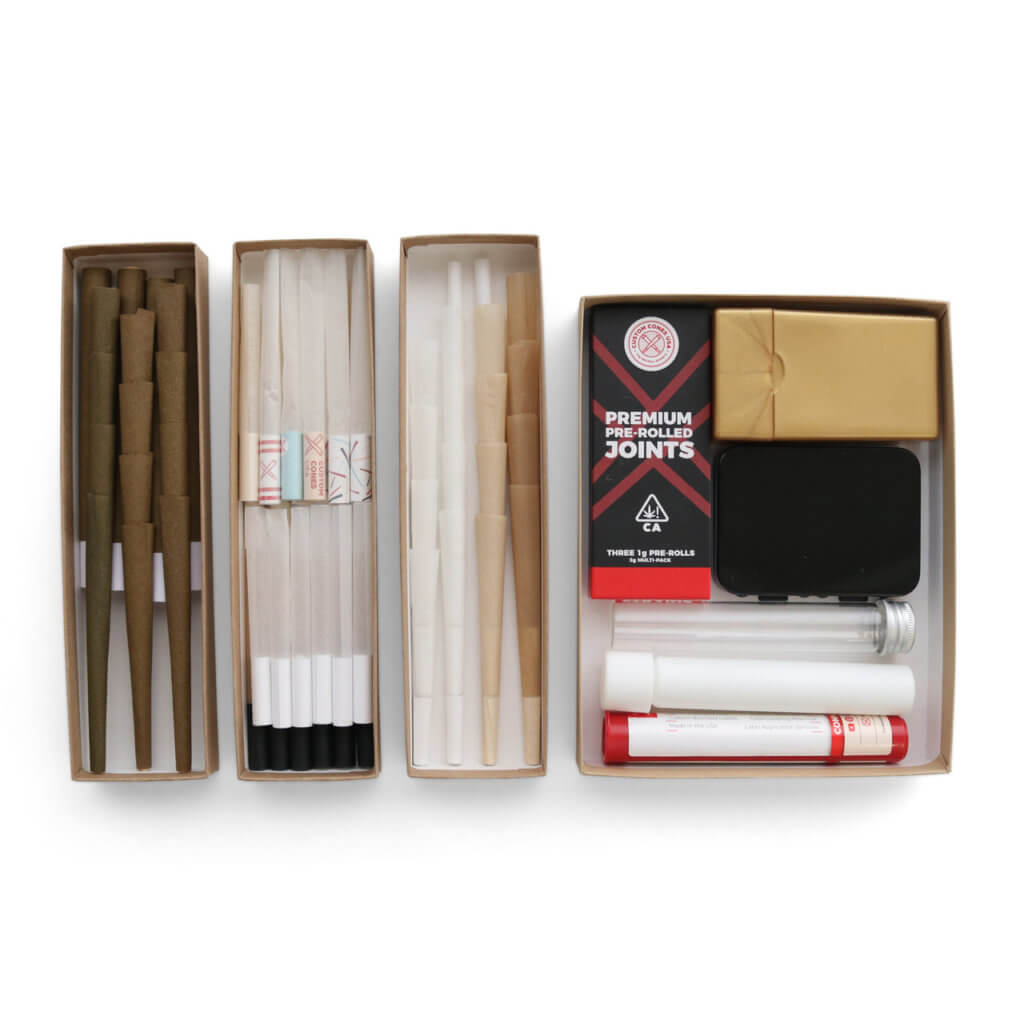
As noted, the Missouri law requires all products be tested in their final form, including pre-rolls. That means even if your cannabis is clean, your products can fail and be destroyed if your rolling papers are not.
Because of that, manufacturers need to protect themselves – and their customers – by carefully selecting suppliers. After all, a study from California’s SC labs found that 11% of rolling papers they tested would fail that state’s testing regiment, which doesn’t even include Chromium, and that 90% of rolling papers contained heavy metals with more than 8% containing them at a rate above the allowable limits.
Pre-roll manufacturers in particular need to pay attention to their suppliers and make sure that the company from which they buy their paper takes testing as seriously as they do. Bayard recommends making sure your pre-roll paper supplier is a partner.
“Find a supplier that is willing to work with you and do the due diligence to make sure you know ahead of time whether your paper will pass,” Bayard says.
Bayard notes that when contacted by a manufacturer in Missouri in 2022 about chromium content causing failures, Custom Cones USA sent samples ahead of time so the manufacturer could pack and test a handful of their completed pre-rolls to make sure the products were clean before committing to a full order.
If your pre-roll supplier is not willing to go through that step, it may be a red flag.
Testing failures can be expensive, so make sure you not only keep up on the latest changes to your states regulations, but also work with a Pre-Roll Expert to get the cleanest, best-tested pre rolled cones you can find. And always ask to see COAs.
Engage with Missouri’s Cannabis Community: Join Us at the Summit!
As you navigate through Missouri’s stringent cannabis testing requirements, it’s imperative to stay informed and engaged with the latest developments in the industry. To further your understanding and involvement, consider joining us at the upcoming Missouri Stakeholder Summit, hosted by the National Cannabis Industry Association (NCIA). The Missouri Stakeholder Summit serves as a crucial platform for industry leaders, policymakers, and stakeholders to convene and discuss the pressing issues shaping Missouri’s cannabis landscape. Each event will host a wide range of programming including interactive panel discussions, intimate fireside chats, and live Q&A to provide participants the opportunity to make the Voice of Main Street Cannabis heard by key decision makers.
All industry professionals are invited; NCIA members attend free and have exclusive access to Q&A sessions. From regulatory updates to market insights, this summit offers a comprehensive view of the opportunities and challenges ahead. From regulatory updates to market insights, this summit offers a comprehensive view of the opportunities and challenges ahead.

Ready to elevate your involvement in the cannabis industry? Explore the benefits of NCIA membership and gain access to exclusive resources, networking opportunities, and advocacy initiatives. Join online today or schedule a meeting with our team to learn more about membership and how NCIA can support your professional growth and business success.
Whether you’re a seasoned professional or new to the industry, the summit provides invaluable networking opportunities, expert panels, and discussions tailored to meet your needs. It’s a chance to connect with like-minded individuals, gain strategic knowledge, and contribute to the growth of Missouri’s cannabis market. Don’t miss out on this unique opportunity to be part of the conversation that drives change and innovation in Missouri’s cannabis industry. Register now to secure your spot and take an active role in shaping the future of cannabis in the Show Me State!

Follow NCIA
Newsletter
Facebook
Twitter
LinkedIn
Instagram
News & Resource Topics
–
This Just In
NCIA Applauds Reintroduction of SAFE Banking Following Lobby Days
Beyond Rescheduling: Inside NCIA’s 14th Annual National Cannabis Industry Lobby Days