Member Blog: Think Your Disposable Gloves are Clean? Think Again.
by Justine Charneau, Eagle Protect
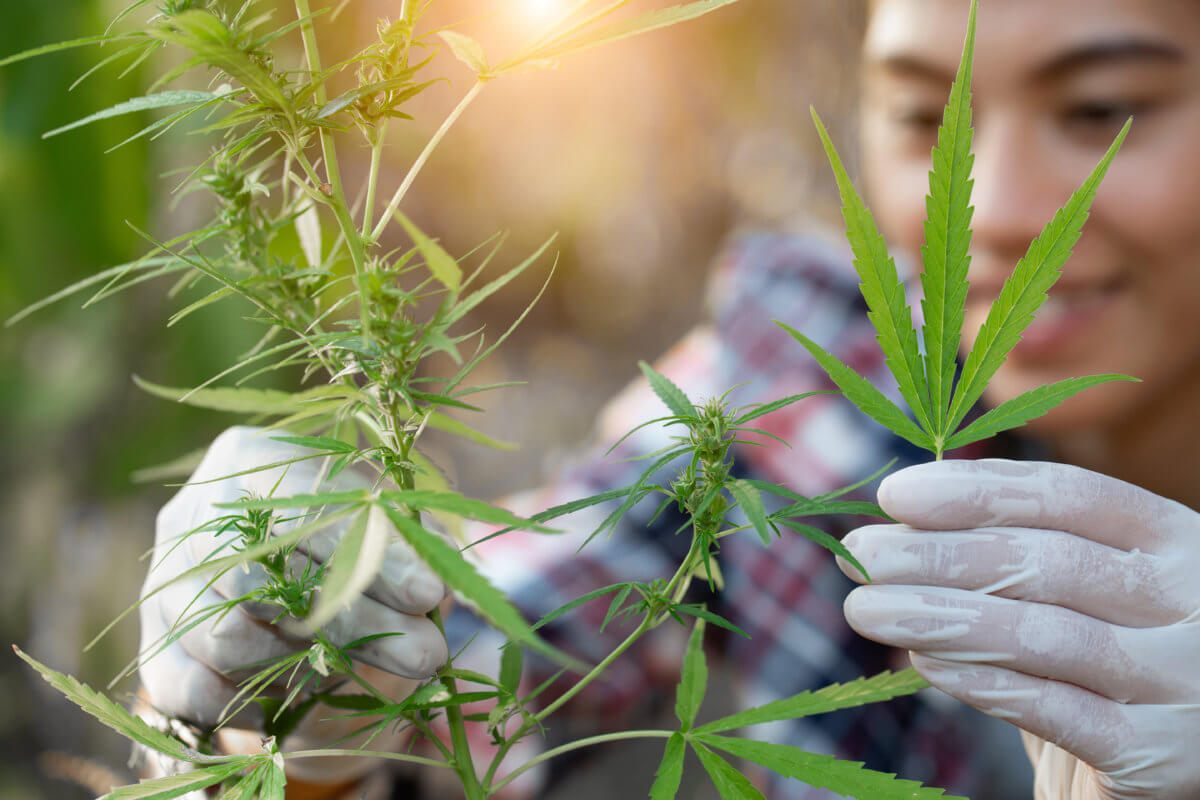
For those working in the cannabis industry, disposable gloves provide a protective barrier when working with products during the cultivation, harvesting, and processing stages. The benefit to wearers is essentially twofold. While “food-safe” rated gloves can greatly reduce the threat of cross-contamination between the wearer and products, they also help keep employees safe from dermal threats such as THC exposure, chemicals, fertilizers, and a wide variety of pesticides, especially if utilized during the growing season. In one well-documented incident, the culprit for a costly product recall turned out to be cross-contamination from single-use gloves, when O-Phenylphenol (OPP) – a cancer-causing chemical compound – was discovered in a seemingly pesticide-free cannabis operation.
If cannabis employees are under the impression that all disposable gloves are clean, intact, and contaminant-free right out of the box, you may want to reevaluate your perception.
Recent Study Identifies Glove Contaminants
The recent findings from a multi-year study on the potential for glove contamination revealed some alarming results about new and unused gloves. 2,800 gloves from 26 brands were subjected to four separate metagenomic testing sequences to determine the presence of contamination on both interior and exterior surfaces. Of all the samples analyzed and tested, 50% of the gloves contained traces of human fecal matter. In addition, the testing also detected other harmful pathogens which can lead to cross-contamination in cannabis supply chains. These included various yeast species, and a wide range of distinct genera of fungi – including Penicillium, Cladosporium, and Aspergillus.
How Can This Happen?
You may be wondering how it’s possible for unused disposable gloves to be contaminated right out of the box. Because the contamination occurs during manufacturing, before they are packaged in their box – and there are two root causes that contribute to the potential threat. First, not every glove supplier manufactures their products in a clean and hygienic environment. Putrid water sources, unsafe raw materials, and inadequate processes for quality control plague many of the factories where single-use gloves are produced. Compounding this problem is the lax oversight and enforcement of the FDA’s current regulatory policies, which actually don’t require imported food-compliant gloves to be pathogen-free or tested for performance such as rips, tears, and holes.
All Glove Suppliers are Not Equal
Before you adopt a defeated mindset about the safety and quality of gloves you wear, there are suppliers and distributors that go the extra mile to make sure their product lines are free from harmful contaminants. Glove suppliers that adhere to the highest industry standards for performance, quality, and safety are known for self-policing their manufacturing processes, ensuring that products are produced with proper raw materials, absent of unsafe chemicals, toxins, or microbial contaminants. They also conduct routine audits to test the effectiveness of their manufacturing process, and some have even adopted product traceability to ensure a contamination-free supply chain from initial production to final shipping and delivery.
Buying the cheapest gloves may save you a little on the front end, but also come with elevated contamination risk. In the long-run, premium quality gloves are much more cost-competitive than you think. And you’ll have peace of mind in knowing that your required PPE will probably never be the cause of a costly product recall that can be damaging to your organization’s profitability and reputation.
 Justine Charneau is the head of cannabis industry sales at Eagle Protect, a disposable glove supplier dedicated to the responsible sourcing of quality products that ensure customer safety and impact reduction, ultimately mitigating customers’ risk. Eagle Protect is the only global PPE supplier that is a Certified B Corporation, a designation that a business has met the highest standards of verified glove safety and performance, accountability, and transparency. She can be reached at justine@eagleprotect.com
Member Blog: The Delicate Issue of Dermal Considerations
by Justin Charneau, Eagle Protect
Skin-related (dermal) issues from the constant wearing of disposable gloves were among the top complaints revealed in various cannabis workplace surveys. Many employees required to don single-use gloves to conduct a variety of job-related tasks – in the cannabis cultivation process and several other industries – remain unaware of the distinct types and qualities on the market, and how they differ. The quality, fit, durability, and functionality of disposable gloves are determined by several factors, including the type, application, raw materials, and manufacturing processes used to produce them.
Gloves by Type and Dermal Risk
Among disposable gloves, there are three primary types – latex, vinyl, and nitrile, each with differing qualities and risks. Here is a snapshot of each variety, along with their associated dermal risks:
Latex – these gloves are constructed of rubber, a snug fit like second skin that is both highly elastic and resilient. They are mostly worn in the medical industry, where a high level of dexterity and tactility is warranted. However, latex gloves can trigger a Type I hypersensitivity reaction to latex and Type IV hypersensitivity reaction to rubber chemicals. Latex-free nitrile gloves have generally superseded this option in the market.
Vinyl – these cheap gloves are manufactured from brittle polyvinyl chloride (PVC) material, prone to a high rate of defects (rips and holes) in the glove barrier, an immediate cross-contamination risk.
Vinyl gloves are manufactured with plasticizers to soften the PVC, which often contain toxic phthalates and chemicals. Many of these ortho-phthalates have been shown to harm reproductive health and brain development. These threats can be absorbed into the glove wearer’s skin, and leach into the food handled which, in turn, can later be ingested by customers. Phthalates in vinyl gloves are highly restricted in Europe and Japan for food handling and were recently banned by the state of Maine.
Vitrile – a blend of vinyl and nitrile. These gloves should be stronger than plain vinyl gloves and less expensive than nitrile. Due to pandemic-related price increases in gloves, the vitrile option has recently grown in popularity. Buyers should beware of cheap nitrile gloves, blended with cheaper vinyl, yet still marketed as nitrile. Vitrile gloves carry the same risks to the wearer, and the products they handle, as vinyl gloves.
Nitrile – these gloves are among the best choice for the cannabis industry, as they protect against harmful chemical substances, and their puncture and tear-resistant qualities are ideal for complex cultivation and processing tasks. They also provide the highest level of protection and durability as a barrier to harmful chemicals and pesticide exposure.
However, nitrile glove allergies can also occur, posing potential problems for the glove wearer. Cheap and toxic raw material ingredients, which reduce glove manufacturing costs, can also cause occupational skin disease (OSD), such as contact dermatitis and Type IV hypersensitivity to rubber chemicals. Accelerators, added to speed up rubber vulcanization during the manufacturing process, are the typical cause of glove contact allergies.
For glove wearers prone to skin allergies and irritation, higher quality gloves and accelerator-free options are a necessity.

Keeping Your Workforce Safe
There are ways and means of reducing the risk of dermal disorders caused by single-use, disposable gloves. The more frequently gloves are worn, the higher the risk. Below are several ways to mitigate the risk of dermal disorders:
- Choose quality nitrile gloves, marketed by reputable suppliers with an extensive history of glove sourcing and experience. Look for well-established company websites, including industry-related blogs, published articles, and resources that demonstrate the supplier’s commitment to quality
- Request proof of factory and third-party audits, as well as HACCP compliance certifications
- Plan to undergo a commercial trial of glove products prior to committing to bulk purchasing. Any established and reputable supplier should be more than happy to ship glove samples for trial usage
- If possible, choose accelerator-free nitrile gloves
- Consider your options for glove types. Be wary of vinyl / nitrile-mixed gloves passed off as nitrile – always sample first before you buy
- If alternatives are available, avoid vinyl gloves
For more information on how disposable gloves can affect your business and productivity due to skin disorders and repetitive hand movement injuries, please read our recent NCIA blog post, “PPE and Staff Efficiencies – How Much Do the Quality of Your Disposable Gloves Matter?”
Justine Charneau is the head of cannabis industry sales at Eagle Protect, a disposable glove supplier dedicated to the responsible sourcing of quality products that ensure customer safety and impact reduction, ultimately mitigating customers’ risk. Eagle Protect is the only global PPE supplier that is a Certified B Corporation, a designation that a business has met the highest standards of verified performance, accountability, and transparency. She can be reached at justine@eagleprotect.com.
Member Blog: PPE and Staff Efficiencies – How Much Do the Quality of Your Disposable Gloves Matter?
by Justine Charneau, Eagle Protect
Single-use nitrile gloves are a required necessity of personal PPE in the cannabis industry. But cheap, ill-fitting gloves can lead to workplace injuries, the most common of which include restricted hand mobility, occupational skin disease, and even reduced dexterity. Aside from promoting hygienic practices, quality gloves can reduce, limit, and even prevent repetitive motion stress injuries that can lead to further disorders and damage to the hands and fingers.
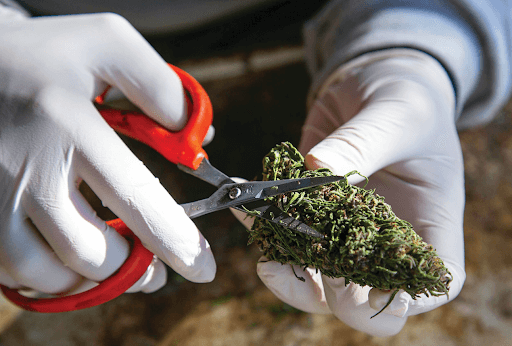
In the cannabis industry, problems such as cuts, pinches, and sprains occur during the intricate trimming actions undertaken during the harvesting and processing stages. These hand-related cultivation stages typically include wet trimming, dry trimming, and pre-harvest trimming. While it’s true that machine-based automated trimming is a faster option, some cannabis cultivation operations prefer hand trimming, which they believe produces more attractive-looking buds and flowers for the final presentation. Speaking strictly from a hygienic perspective, gloves offer and provide two-way protection – helping to prevent cross-contamination from user to product. But quality gloves also protect the wearer from dermal exposure to THC, fertilizing chemicals, and pesticides used in the growing process.
Below is a list of common disorders that the use of cheap disposable gloves can cause.
Occupational Skin Diseases (OSDs)
Occupational skin disease, such as dermatitis, is one of the most common non-trauma related occupational illnesses in the U.S. Just how common are these concerns? Each year, among all industries, approximately 1.8 million American workers suffer from OSD at a total annual cost of up to $2 billion. The hand is the most common site affected by OSD, and protective gloves were found to be the most common primary cause.
Work-Related Musculoskeletal Disorders (WMSDs)
As noted, the cannabis cultivation process includes worker safety considerations to prevent injury from awkward posturing, as well as the excessive, repetitive effort necessary during the trimming process. These repetitive motions can lead to strains of the muscles, tendons, ligaments, and even damage to blood vessels. These undesirable outcomes are all classified as work-related musculoskeletal disorders, or WMSDs. According to industry studies of on-the-job cannabis injuries, occurrences involving the fingers and hands happen with the most frequency. But these maladies aren’t just common in the cannabis industry. In the food industry, the median time away from work for repetitive-motion WMSDs associated with grasping, holding, carrying, or turning objects was 17 days. Considering all industries combined, $90 million in indirect costs (hiring, training, overtime, and administrative costs) are incurred annually in the U.S.
Other Common Hazards of Poor Quality Gloves
When cannabis cultivation operations select cheap disposable gloves over a more quality product, there are six primary hazards of concern. These include glove failures and inconsistencies such as ripping and tearing (a common complaint), glove contamination risk, glove waste/disposal costs, hand injuries, WMSDs, and even reduced productivity. At the heart of the issue is the inclusion of poor quality raw materials and cost-cutting in the manufacturing processes, both reducing the quality of products available to customers.
The primary cause of OSDs, WMSDs, and other common hazards related to the use of poor quality gloves is directly attributable to the raw materials used in the glove manufacturing processes. Simply put, cheap toxins and chemicals in gloves can leave users more susceptible to skin irritations and dermatitis. In many cases, because these raw materials are so poor, the manufacturer must produce thicker gloves to prevent ripping and tearing. But in the majority of cases, the increased thickness won’t make much of a difference, and leads to glove bulkiness and reduced flexibility, causing unnecessary muscle stress and strain among users.
What are the consequences of OSD and WMSD-related injuries? While the specific data isn’t as commonplace within the cannabis industry, workers in the food-handling industry with OSD take much longer periods to return to work than in other glove-wearing professions. It’s estimated that 40% of all worker’s compensation claims involve problems related to exposed skin. As much as 65% of those claims involve hands or upper extremities, with 25% of these workers affected missing up to 10-12 days of work annually. WMSDs account for one-third to one-half of all occupational injuries and illnesses and $15-20 billion in workers’ compensation costs each year.
Cannabis cultivation operations must put more thought and consideration into the gloves they purchase for their workforce. Rather than purchasing decisions based solely on pricing, disposable glove providers should be thoroughly vetted and reviewed. To reduce the risk of skin irritation, good quality gloves that meet the improved standards for low chemical and toxic exposure should be used. Due to the high quality of materials found in the new tech lightweight gloves, the wearer will find that they can be more durable than their thicker counterparts. In the end, the quality of glove you choose to purchase may end up saving you up-front costs but could wind up costing your product budget and staffing needs dearly on the back end.
Justine Charneau is the head of cannabis industry sales at Eagle Protect, a disposable glove supplier dedicated to the responsible sourcing of quality products that ensure customer safety and impact reduction, ultimately mitigating customers’ risk. Eagle Protect is the only global PPE supplier that is a Certified B Corporation, a designation that a business has met the highest standards of verified performance, accountability, and transparency. She can be reached at justine@eagleprotect.com.
Member Blog: “Food Safe” Gloves Cause Cannabis Recall
by Steve Ardagh, CEO of Eagle Protect
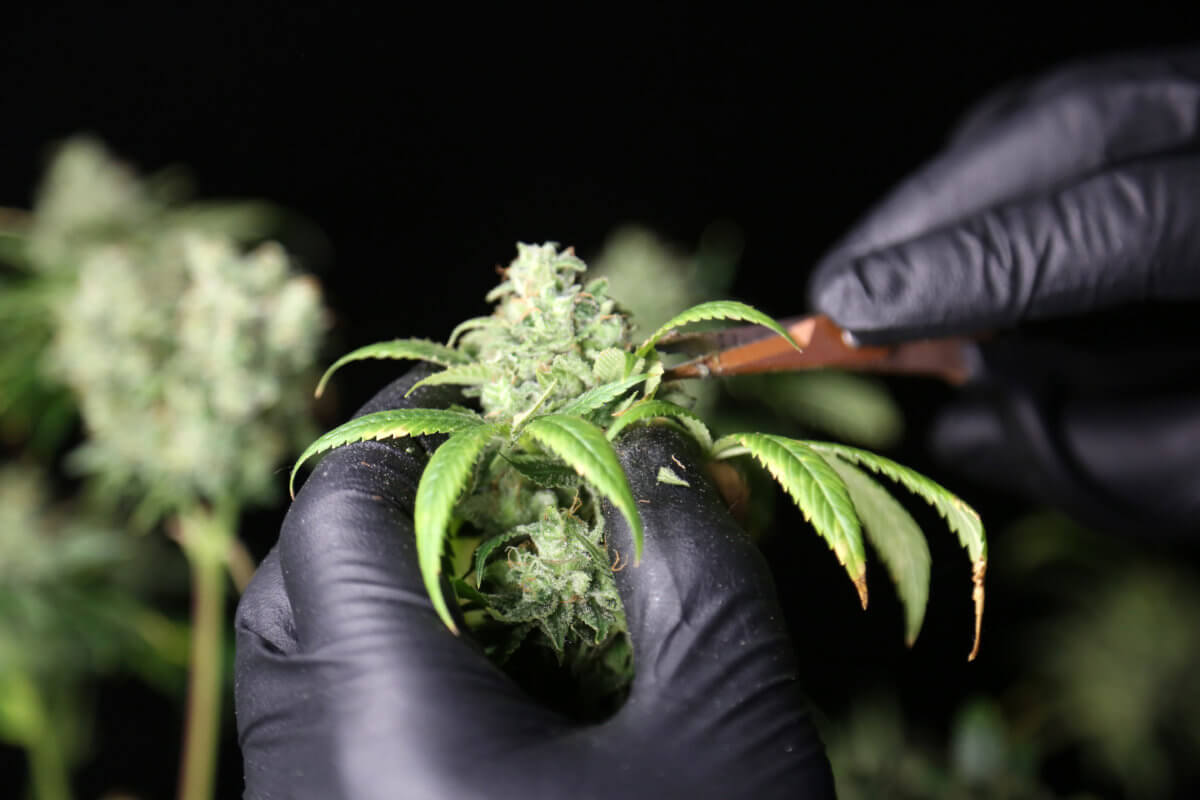
A pesticide-free cannabis producer and processor from Washington was recently forced to issue a recall after the chemical o-Phenylphenol (OPP), traced back to their “food safe” gloves, was found on its products. OPP, listed under California Proposition 65 as a chemical known to cause cancer, was found in the food-safe gloves they were using to handle their crop.
In a statement announcing the recall, the company said, “Nothing ruins your day like testing your product, confident it will be clean, only to find it contaminated with some crazy, toxic chemical. The gloves were the last thing we tested, we just never imagined something sold as food safe could transfer such nastiness. The discovery was just the beginning… recalls are costly in more ways than one.”
Why “food safe” gloves can cause a recall
After initial approval, non-sterile FDA compliant food grade gloves are not subject to ongoing controls to ensure the reliability and consistency of raw material ingredients or quality processes during manufacturing. Opportunity exists for glove manufacturers to use cheap raw materials which lower glove durability and can introduce toxic compounds, which can transfer not only to products handled but also to glove users.
Demand for lower costs from the end-user pressures glove manufacturers to sacrifice quality, and substitute other compounds to meet these demands. This can include increased levels of cyanide, fungicides, inexpensive phthalate plasticizers, or others on the Prop. 65 list of chemicals known to cause cancer.
Steve Ardagh, CEO of Eagle Protect, a specialist glove supplier explains, “People assume ‘food grade’ gloves are clean and toxin free, but that’s not necessarily the case. The actual FDA Compliance does not even require gloves to be tested clean or sanitary which surprises most people. Having tested 25 different brands of gloves, we’ve found everything from feces, fungicides, Staphylococcus, yeast, and mold,” says Ardagh, “due to putrid water sources and unhygienic manufacturing conditions.”
Recalls & brand reputational damage
Single-use gloves, even those FDA compliant, can be a risk to product recalls and brand reputation. Peer-reviewed scientific studies have identified harmful toxins and contaminants in and on single-use gloves. These “food handling” gloves pose risks for companies producing consumer products, especially in industries such as organics and cannabis whose products must be clean if tested.
Staff & consumer risks
In addition, staff wearing contaminated gloves are at risk of absorbing toxins, as are the consumers of products contaminated by gloves. The contaminants have often been identified as causing cancer, and reproductive and hormonal damage.
Mitigating glove contamination risks
Gloves are often purchased with little thought or foresight into their risks. Cost is commonly the determining factor in their procurement decision-making. However, sourcing gloves from established companies who partner directly with glove manufacturers to ensure consistent quality is essential for all cannabis companies. Gloves may seem trivial, but can cause fines up to $200,000, put consumers and staff at risk, and damage brand reputation.
This is especially important currently in the post-COVID world as the glove market is being flooded with counterfeit and reject quality gloves. The new glove suppliers, traders, and brokers who came into the COVID PPE space with little or no experience, with an intention to simply trade and make quick money, are now bailing out of their poor quality junk gloves and dumping them into the U.S. market. Consider the following before purchasing gloves:
Is your glove supplier reputable, with a long history of glove sourcing direct from the manufacturer and proven quality control processes in place?
Can your glove supplier ensure your glove quality is consistently high through documented factory audits, HACCP compliance certifications and quality processes?
Have you undergone a commercial trial of products prior to committing to purchasing to ensure glove quality is consistently high?
 After establishing Eagle Protect as an industry leader in New Zealand, where the company supplies approximately 80% of the primary food processing industry, Steve Ardagh relocated with his family to the U.S. in January 2016 and launched Eagle Protect PBC. Steve brought with him Eagle’s values of providing products that are certified food safe, ethically sourced and environmentally better. Steve is driven to keep consumers safe, one high-quality disposable glove at a time, and has been instrumental in developing Eagle’s proprietary third-party Fingerprint Glove Analysis glove testing program.
Eagle Protect, the world’s only glove and PPE supplier to be a Certified B Corporation®. Eagle Protect supplies disposable gloves and protective clothing to the food processing, food service, cannabis, medical and dentistry sectors in both the U.S. and New Zealand.
Eagle is implementing a proprietary third-party glove analysis to ensure a range of their gloves are of consistent high-quality, and free from harmful contaminants, toxins, and pathogens.
Member Blog: How To Expand Or Renovate Your Cannabis Facility While Observing Social Distancing
by Andy Poticha, Principal at Cannabis Facility Construction
Keeping employees safe is on everyone’s mind, as we continue to operate under social distancing protocols. Even as our communities open, we still need to be mindful of disease transmission when constructing any facility — especially cannabis industry real estate. Cannabis is an industry under endless scrutiny; the COVID-19 pandemic is an opportunity to show the world our true colors, as respectful and responsible business operators. The most visible way this responsibility shows up is in dispensaries, where across the U.S., cannabis companies have shown true innovation in shifting how they distribute product to customers — and continue to improve their facilities — while complying with social distancing requirements.
We can lead by example for other industries by continuing to build on the momentum we have, without sacrificing worker safety. Most cannabis companies are in ‘grow or die’ mode, understanding that opening new facilities and expanding operations is essential to survival in this rapidly evolving business.
Let me be clear: you don’t need to interrupt your forward progress, even if it may take slightly longer to deliver. From new licensees that have committed funds to build their first dispensary, to established cannabis companies with capital to expand operations, the good news is that construction activity is still going strong. We are currently renovating cannabis facilities in more than nine states, continuing to achieve operational milestones despite the necessary restrictions of social distancing measures.
Here are some ways cannabis companies can keep everyone working and shopping in your facility safe, while also making sure your building or renovation projects make progress:
1. Practice social distancing best practices on the job site.
Regardless of state-by-state differences in social distancing regulations, it simply makes sense to be ‘better safe than sorry’ right now. If you are renovating, construction workers will in most cases be working within your facility; this location means that they will have to comply with all the rules for your facility in general as well as with construction regulations and best practices. Your contractors should be clear about the social distancing practices they have put in place; you can cross-check to make sure that they are also in compliance with other guidelines and regulations you are required to follow within your facility.
2. Plan for scheduling that allows for less workers on-site at one time.
Generally speaking, placing workers six feet apart means you’ll need to have less workers per shift. When you can have fewer workers on-site at once, you’ll need to either extend your timeframe or make allowances for longer days. At our firm, we’ve implemented staggered shifts to keep the number of workers on a cannabis facility job site low; sometimes this means we arrive before the start of the day for the cannabis company employees then a second crew leaves long after the retail or cultivation workday is done.
3. Cleaning and disinfecting are essential; signage is key to ensuring success.
Special attention should be applied to more stringent disinfecting and cleaning processes needed during this pandemic. The cannabis company, the contractor, or both should ensure the availability and use of hand sanitizer. Additionally, signage will remind people to develop habits that keep everyone safe. Proper signage with construction site guidelines (e.g., signs urging trade partners employees cut employees to wash their hands, maintain six-feet distance, etc.). To ensure our teams are compliant, we’ve created a “safety bucket” that goes to all our job sites and is restocked regularly with updates to its safety guidelines binder; safety signs, first aid kit supplies, caution tape, blue tape, hand sanitizer, face masks and gloves. It also contains a fire extinguisher, so we are covering general safety as well as doing our best to contain the COVID-19 spread.
4. PPE is no longer optional.
Wearing protective face coverings (masks) and using gloves where they make sense is no longer a “nice to have.” Cities and states across the United States are enforcing social distancing rules and apparel requirements; job sites are at risk of being shut down if construction firms don’t comply. Additionally, since cannabis companies are so visible to many regulators, practicing over-compliance in this area will ensure that your overall compliance remains buttoned-up and inspection-ready.
5. Make as much progress working remotely as possible, before, and during onsite work.
It is clearly advisable to delineate between activities that can be done remotely versus on the job site. We’ve found that nearly the entire pre-construction process can take place via video conference calls. That includes conversations around budget, constructability, timeframe, and most design dialogues. Allowing the design and construction teams to collaborate together from the beginning encourages joint problem solving and streamlines communication throughout the project—an essential element because unusual circumstances like the pandemic nearly always require real-time troubleshooting.
Cannabis leaders’ and employees’ resourcefulness during the COVID-19 pandemic is a testament to the resiliency of this industry. While situations beyond the control of cannabis companies like a more conservative funding environment may damper capital outlay in the short-term, the continued strong demand for product even in times of great upheaval means the future is bright. Construction, like cannabis, is open for business and standing by to help support your long-term expansion goals.
 Andy Poticha is principal at Cannabis Facility Construction. Since 2015, CFC has been involved in more than 30 cultivation facilities, processing centers, and dispensary projects in nine states, making them one of the longest-operating design-builders in the cannabis industry.
Member Blog: While You Are At Home – Time To Prepare For Achieving GMP Certification

by Merril Gilbert, CEO of Trace Trust and David Vaillencourt, CEO of The GMP Collective
Why Adoption of GMPs Is More Important Now
COVID-19 has altered everyone’s day to day life and has put a strain on the healthcare, food, distribution, insurance, and financial industries in ways we did not think possible just a few short months ago. It will be a slow process to get our lives and businesses moving forward. Having Good Manufacturing Processes (GMPs) in place will ensure that your business will rise from this stronger and more profitable, in addition to the trust and safety that it will display to customers.
The lifeblood of your organization starts and ends out on the production floor – whether that is in the greenhouse, the extraction and formulation room, or in packaging. This can be reduced to a series of processes with inputs and outputs. It should go without saying that without product moving through your processes, you have no output and thus no revenue.
Enter Good Manufacturing Practices (GMPs). Don’t confuse GMP as just the latest buzzword in the cannabis and hemp industry. It is a system of best practices that have proven themselves the world over through continuous improvement and refinement for several decades!
These best practices provide significant value to your employees, risk managers, investors, and customers as they enforce your company’s commitment to their safety. While you continue to keep your business afloat during these uncertain times, whether it is from the safety of your home or from the front lines if you are in a market that has recognized cannabis as the essential business NOW is the perfect time to review documents and take the next step to becoming GMP compliant.
Why GMPs for the Cannabis or Hemp Industry?
Good Manufacturing Practice (GMP) is a system for ensuring that products are consistently produced and controlled according to quality standards. It is designed to minimize the risks involved with any manufacturing production that cannot be eliminated through testing the final product.
GMP covers all aspects of production from the starting materials, premises, and equipment to the training and personal hygiene of staff. Detailed written procedures are essential for each process that could affect the quality and safety of your final product. These are complemented by systems to record and store data, to provide tangible proof that these procedures have been consistently followed – every time a product is made.
If your cultivation, extraction, manufacturing, laboratory, or distribution business is still operating you have probably had to modify your daily operating procedures. This may include implementing staggered schedules, limiting production runs, and providing frontline employees with revised hygiene guidelines and protective gear. Have you updated your standard operating procedures (SOPs) to reflect these changes?
Your SOPs are living breathing documents and are fundamental to every business, and a business built on Good Manufacturing Practices is no exception. To understand the value, let’s ask a few simple questions.
First, have any of these events happened within your business recently?
- A change in PPE requirements
- New or more stringent sanitation practices
- Additional steps for end of day facility closing
- New vendors or suppliers of ingredients (hand sanitizer? bleach?)
- Employee leave requirements
Assuming the answer is yes to at least one of those questions (and if it isn’t, go back and read it again or call another colleague and ask them), your SOPs need to be updated.
Have you or someone in your organization reviewed your SOPs since any of those changes were made?
If you answered yes, how do you know that? Is there written evidence (a record or log) of this review somewhere?
For many of you, it is likely that someone somewhere performed some level of review, but whether it was documented in a clear traceable manner is another story.
Give Credit Where Credit is Due
It is common that within many organizations, the activities required to establish a robust Quality System, including GMPs largely exist, yet most likely not being documented. Unfortunately, the lack of documentation or poor documentation is nearly just as bad as not having done it in the first place. Why? Because an organization is a large fluid operation with many people moving in different directions. Without a record of changes, this change quickly gets lost in the shuffle.
By now it should be clear that the redundancies and miscommunications from a lack of documenting your activities can quickly multiply. By taking a few minutes to record everything properly provides tangible evidence of the activity (get credit for the work you did!) and will save time and money in the long run!
Now what?
Remember those questions earlier on in the article? Everywhere you had a “No”, go back and make it a “Yes”! And record it. At the end of the day, give yourself a pat on the back. You just conducted your first internal audit! You are well on your way to increasing your operational efficiency, and being able to show the world you care about product safety and quality by demonstrating Good Manufacturing Practices!
Stay tuned for our next post where we will dive deeper into the functional areas and programs that are the core components of a GMP system.
 Merril Gilbert, is CEO of Trace Trust.
Co-Founder & CEO of TraceTrust and A True Dose™ and hGMP™ the first universal independent certification programs for dose accuracy in legal cannabis and hemp-derived ingestible products. Always at the forefront of emerging trends on the future of food, technology, health and wellness, she leverages 25 years of experience of creative development, operations and investment for everything food and beverage. Current Chair of the NCIA Education Committee.
 David Vaillencourt, is CEO of The GMP Collective.
David and his team at The GMP Collective bring decades of pharmaceutical and food industry best practices to cannabis and hemp. He holds a Master’s Degree, is a Certified Food Systems Auditor, and brings a decade of experience in various governmental scientific work. David supports the industry in many ways, including serving as an Officer on ASTM International’s D37 Cannabis Standards Development Committee, participation in NCIA’s Facility Design Committee, and has also developed cannabis training content for college courses.
Contact the authors to learn more about how your business may benefit from implementing GMPs.
Follow NCIA
Newsletter
Facebook
Twitter
LinkedIn
Instagram
News & Resource Topics
–
This Just In
Member Blog: The Evolving Cannabis Legal & Regulatory Landscape in 2026
How THCa Vapes Are Changing Consumer