Member Blog: THC 911 – Cannabis for Emergency Workers
By Corey Morrill, Dragonfly Wellness
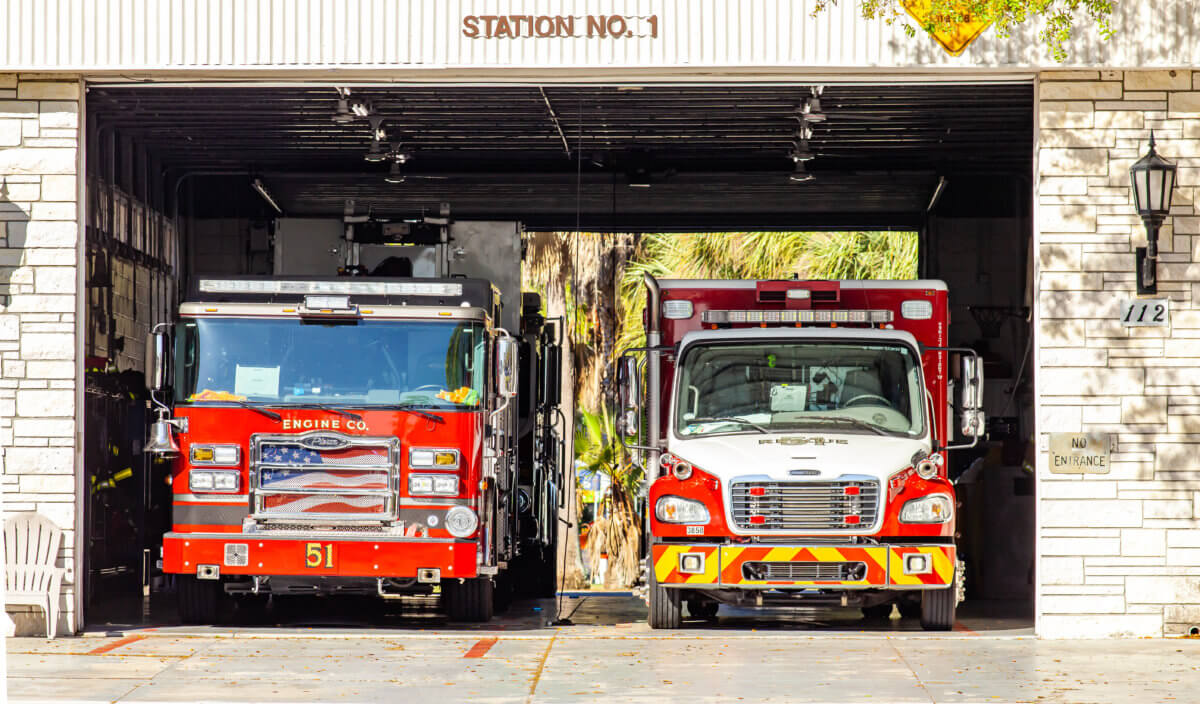
Did you know that as of this writing, Utah is the only state that allows firefighters to use medical cannabis during their off-hours?
The January 2022 Utah legislative session passed SB 46. This closed a loophole in prior cannabis laws and allowed for all State employees, including firefighters, to consume medical cannabis on their off hours with a valid medical card. So, while Utah may not have the freedom to grow its own medicine as other states do, Utah is continually pushing to improve access to medical cannabis for those who severely need it.
To better understand how the passing of SB 46 affects our patients, I spoke with Connor Carpenter. He is a specialist for the Sandy City Fire Department, a hemp grower, and a medical cannabis advocate.
Carpenter became a firefighter after meeting the woman who would become his wife. Her father, grandfather, and uncle had all been firefighters themselves and inspired him to devote himself to a new line of work. After marrying, Carpenter and his wife began growing their own CBD-rich hemp to create sleep-aiding medicine. Although he was finding moderate relief with CBD alone, he began adding a ratio of THC to the mixture and found the right balance his body needed to rest effectively – firefighting is no walk in the park and that extends to their off-duty hours.
“Firefighters don’t have great sleep habits,” Carpenter explained. Although THC and CBD products are a much safer alternative for helping induce healthy sleep, Carpenter says many other firefighters have routinely turned to alcohol or opioids to self-medicate on their off-hours.
Eighty-five percent of career firefighters reported drinking within the past month, up to ten days a month, which is about half of their off-duty days, according to surveys by the Center for Fire and Rescue and EMS Health Research. And although there is no hard data on opioid use among firefighters, their high rate of injury and constant exposure to stress and trauma-inducing events puts them at higher-than-average risk of developing a substance use disorder, according to indicators from the Substance Abuse and Mental Health Services Administration (SAMHSA) in a research bulletin from 2018. With over 2000 firefighters working for the State of Utah according to the website Firefighter Now, those addiction statistics could affect the lives of not only the firefighters, their families, and their friends, but also the lives of those in the communities they serve.
Carpenter saw this problem affecting his colleagues and knew he had to act. He started to provide CBD-rich topicals and tinctures through his family-run business TriCombzzz & Cripple Juniper Farms. As a cannabis patient himself, he also encourages them to apply for medical cards to reduce their dependence on alcohol and opioids. He explains:
“I can see a huge difference in their personality when they show up in the morning or even talking to them outside of work and talking to their families. To see some of the turnarounds for these people is huge.”
The top two qualifying conditions for medical cannabis in Utah have consistently been chronic pain and PTSD, according to monthly reports released by The Utah Department of Health. Both conditions afflict firefighters, and emergency services workers in general, at a much higher rate than the average person, according to data from the CDC and SAMHSA. Which should not come as a surprise. Firefighters, EMTs, and other first responders witness sights that an average person would recoil at, often under circumstances that are already stressful and/or physically demanding enough.
Former Fort Worth Texas EMT Aaron Gann, now a Utah Medical Cannabis patient working the ski industry in Park City, says: “We would start to develop pretty dark senses of humor to make up for it. But at the end of the day that only gets you so far. I’m pretty sure we all got some kind of PTSD from it but smoking at night always helped more than drinking.”
But opponents of SB 46, including an Ogden City attorney and former Ogden City police chief, fear that allowing state first responders to participate in the medical cannabis program will put the public at risk. That fear is unfounded according to Carpenter:
“I just don’t know anyone that would risk it. There’s not anything stopping one of us from coming in drunk either, we just wouldn’t risk it. The job is hard enough already, to try to do it high would just be stupid.”
It makes sense for firefighters to be allowed to use cannabis in their off-hours – as it does for all EMS employees. These people put their lives at risk every day to ensure that our communities are safe and stable. They are not seeking to do anything that would put the public, the very people they are supposed to protect, at risk. If they can provide for us during our emergencies, shouldn’t the state allow the same for them?
 Corey Morrill is the Copy Editor at Dragonfly Wellness, Utah’s first medical cannabis pharmacy. Corey started out as a passionate budtender in the pharmacy but quickly used his background with a BA in Creative Writing from Southern Utah University to move towards writing product descriptions, and eventually worked his way into the marketing department. Corey is the chief content writer and editor and additionally serves as an SEO expert for the company. Follow the Dragonfly newsletter to see more of his work.
Dragonfly Wellness is Utah’s first and largest, vertically integrated medical cannabis company. Wellness opened its doors in March of 2020, sharing its anniversary with the birth of the state medical cannabis program and becoming the first of what is now 15 medical cannabis dispensaries in Utah. Wellness is constantly offering its patients the best service and features an ever-expanding catalog of products, and a delivery market that continues to grow as well. Dragonfly is a state-wide staple but aims to make itself a national one.
Member Blog: Anne’s Journey with Multiple Sclerosis and Medical Cannabis
by Anne Davis, Bennabis Health
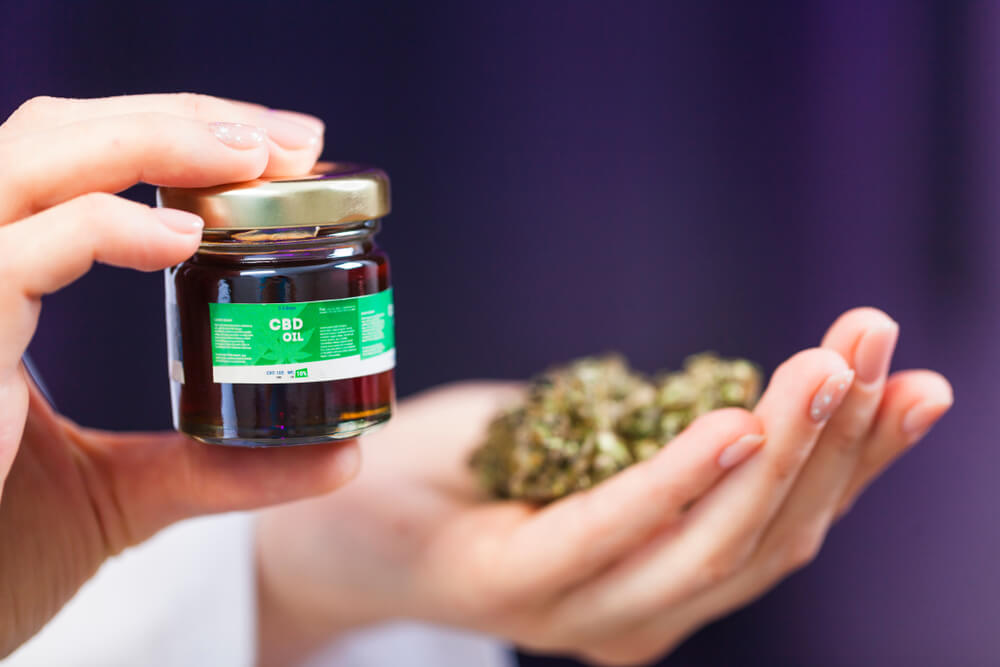
The use of medical cannabis in chronic conditions is well-known, and some estimates are that medical cannabis can be an adjunct to more than 100 medical conditions. Frequently mentioned conditions include neuropathic disorders such as multiple sclerosis, neuropathy, PTSD, anxiety and depression and certain epilepsies among young children.
Although cannabis is still federally illegal, multiple studies of patients with multiple sclerosis and their providers have acknowledged that cannabis may have a role in improving symptom control, particularly pain, muscle spasticity, and more.
Anne Davis is a successful attorney, mother and community leader in New Jersey. In 2007, she focused her practice on the legal, regulatory, and advocacy issues surrounding use of medical cannabis. In this role, she became a national figure, presenting at conferences, and a sought-after contributor to health care law and advocacy initiatives.
Fast forward to 2013: Anne was thriving in her career and caring for her 2 daughters, ages 8 and 19-a critical time for her young family, whose needs were typical of busy and actively involved children and parents. In 2013, Anne was diagnosed with relapsing-remitting MS.
Devastated by the diagnosis, Anne began to research the impact of the medical regimen, prescribed medications and ongoing testing and lab work that would be required. Anne would need frequent lab tests to ensure treatment was not harming her vital organs, a potential side effect of many medications used in treating MS.
After careful consideration, Anne decided to use her professional knowledge about medical cannabis for herself, a decision not supported by her neurologist and care team.
Much like Anne, studies indicate that most patients conduct their own research when considering medical cannabis. The advice from friends and family are the most frequently cited resources when considering cannabis. A 2014 study indicated that only 18% of patients discussed use of cannabis with their healthcare provider, and less than 1% received assistance from their healthcare team on the kinds of formulations available. This leaves patients in a precarious and potentially harmful situation. Patients rely on and trust their healthcare team.
Surprisingly, despite lack of support and collaboration with their healthcare team, a survey of MS patients conducted in 2019 showed that more than 40% of patients said they used medical cannabis in the past 3 months. This is a striking number, indicating that patients are seeking non-traditional resources in managing their care. These data beg the question: Why are MS patients trying medical cannabis? Are their current prescriptive medicines not working? Do they have ongoing and unresolved symptoms that interfere with their quality of life? What is motivating patients to pay out of pocket costs for medical cannabis on top of their co-pays and health insurance premiums?
For Anne, the answer was “to avoid potential side effects” of her prescription medicines.
“I knew from my years in the industry cannabis was effective and had zero side effects. I was well aware of the research that indicates that cannabis has neuroprotective qualities, in addition to symptom relief. For that reason, I decided to use it every day as part of my treatment plan.
As an MS patient, cannabis is an integral part of my daily life. I use it every night before bed to help with fatigue, muscle cramping and spasticity. It also significantly helps elevate my mood, especially on days when I feel a sense of overwhelm. For me, I struggle with cognitive issues the most from MS. It depends on where the lesions occur in your body, or specific regions of the brain that determines what is impacted the most. It is important to live a healthy lifestyle. For me, that consists of exercise, nutrition, avoiding saturated fats, sugars, beef and dairy. I have reduced stress in my life, get enough sleep, meditate and stay positive. Add cannabis, and I feel like I am doing everything in my power to live my best life.”
Anne is often asked what strains work best? The fact is, there is not one in particular. “I prefer to change strains often. It seems that you build up a tolerance when you use the same strain every day. The therapeutic benefits are best from a blend of strains. I prefer high THC as my use is primarily in the evenings. The level of relaxation that I can experience helps me to fall asleep, stay asleep and get a good night’s rest. I have heard of pharmaceutical companies getting in the cannabis industry and making the argument that cannabis should be mass-produced and you should have the same consistent THC and CBD levels with every plant. Nothing can be further from accurate. Patients need and want variations.”
What can the industry do for patients?
“First, celebrate and recognize your work, no matter if it is behind the counter, in the boardroom, growing, cultivating, and supporting advocacy that directly benefits patients like me. No matter your role in this industry, behind at the end of the supply chain is a patient seeking resolve from one or more symptoms. It could be the nausea associated with cancer, the pain from glaucoma, the night terrors from PTSD.”
What can the industry do to better serve patients?
“Continue to grow and produce quality products. What is a quality product in the opinion of a patient? In my experience, it consists of large green or purple buds with aromatic terpenes. I strongly believe in the “entourage effect “so I like both high THC and CBD combined, another reason that I prefer to mix cultivars and create blends.”
The industry can also advance healthcare and consumer knowledge about cannabis in all its forms. Although peer reviewed articles and scientific evidence are less available than we would like, helping patients and their providers understand what and how to use medical cannabis is essential to its acceptance as an alternative treatment option.
Anne continues to successfully use medical cannabis today. Anne’s neurologist, who was originally against her decision, has since advised her that she made the right choice.
 Anne M. Davis, Esq. has been practicing law for 20 years. For the past 12 years, she has been recognized as one of the state’s leading experts in marijuana law and policy. In that role, Davis has presented workshops and seminars nationally about marijuana law reform. Since her diagnosis with MS, she has dedicated her skills and experience to create programs and expand access for medical marijuana patients. As part of that mission, she is a Patient Advocate for Bennabis Health, the first health care plan in the nation covering medical marijuana.
As a community leader, Anne serves as a CASA (Court Appointed Special Advocate) working with foster children; she teaches CCD at her local Church, and has served as a Girl Scout leader for 11 years. Anne was recognized as a “Woman of Distinction” by the Girl Scouts at their annual Gala in 2020. Working with children, keeping them safe and giving them the best opportunities possible are some of her top priorities.
Committee Blog: Why Insurance Companies Should Cover Medical Cannabis Now

 by Carol Welch & Jim Gerencser
NCIA’s Risk Management & Insurance Committee
Cannabis was legalized for medical use in California in 1996. Since then, 47 states, the District of Columbia, and three territories (Puerto Rico, Guam, and CNMI) have legalized some form of cannabis, leaving only three states with no legal use. Thirty-six states have an effective medical use law in place. The main reason insurance companies haven’t had to consider providing coverage for patients is because federally cannabis is still listed as a Schedule 1 drug. Even though the likelihood of cannabis being legalized nationally seems bound to happen within the next few years, insurance companies should start planning to incorporate new cannabis policies into their plans now.
Here are five great reasons to cover medical cannabis:
SAVES MONEY
Science has proven that cannabis helps over 60% of epilepsy patients decrease the frequency and severity of seizures. Cannabis products should cost less than traditional epilepsy medications, especially when taking into account the added prescriptions often needed to combat the side effects of currently available prescription drugs.
Compared to the traditional cost of cancer treatment, patients opting to skip conventional treatments for cannabis could save their insurance companies thousands in initial cancer treatment, and potentially will have less recurrence and costly maintenance prescriptions.
Insurance companies are paying billions in healthcare costs to include doctor visits, lab tests, hospital admissions and prescriptions for conditions that cannabis has shown to improve dramatically. Chronic pain, depression and PTSD are all treatable with cannabis, and cannabis is much less dangerous than the opioids that are commonly prescribed in chronic pain cases.
SAVES LIVES
There are no known deaths reported from cannabis consumption alone. According to the CDC, there were 70,630 deaths due to drug overdose in 2019. In addition, there are estimates of over 1.5 million hospitalizations per year from adverse drug reactions that don’t cause death but are still costly to many people. Insurance companies can avoid some of the negative PR, potential litigation and upset related to deaths caused by pharmaceuticals, while providing patients with a solution that works for many conditions.
Research is increasingly showing that certain strains and compounds within the cannabis plant can have a significant positive effect on several conditions. For instance, breast cancer responds very well to FECO (full extract cannabis oil), with lab tests showing how cannabis causes cancer cell death. More study is still needed, and that is currently being conducted in Israel where there are fewer legal barriers to research.
REDUCES MEDICARE SPENDING
Data from all prescriptions filled by Medicare Part D enrollees from 2010-2013 showed a significant decrease in prescriptions being filled for symptoms for which cannabis could serve as an alternative treatment. Overall reduction in Medicare spending in states that implemented medical marijuana laws were estimated to be $165.2 million per year (2013). This one difference alone could mean billions in savings for insurance companies in the coming years.
IMPROVES SATISFACTION RATINGS
Let’s face it, insurance is a competitive business. Several large health insurers cover most of the country and will likely be the last to jump on board to cover medical cannabis. But for the smaller, regional or state-specific insurers out there, adding cannabis to the coverage lineup in legal states can provide a competitive advantage with employers and group plans.
Medical cannabis is listed as an eligible expense in many Canadian companies’ HSAs and is listed as an eligible medical expense by the Canada Revenue Agency. Since our northern neighbors are starting to cover it, hopefully that will encourage U.S. insurers to do the same.
IT’S THE RIGHT THING TO DO
Cancer is the #2 leading cause of death in the United States and can cost several thousand dollars for treatment. Using cannabis as a complementary treatment to traditional cancer therapies could decrease the cost of treating cancer to the patient, to the insurance companies and in the end to all of the people across the United States that contribute to Medicare and Medicaid.
If you would like to take action, contact your legislators to push for the federal legalization of cannabis or sign this petition calling on all U.S. insurers to step up and cover medical marijuana for their patients. Here’s a link to the Care2 petition: Health Insurance Companies Should Cover Medical Marijuana Now.
Member Blog: Sleep-Focused Brands Are Seeing Bottom Line Dividends
By Jackie Berg, HealthHub
Nearly 40% of the nation’s top 100 CBD brands focus on need states. Chief among them is sleep, something the American Academy of Sleep Medicine (AASM) reports that 85% of Americans are falling far short of.
The 7.2 million sleep-related Google searches logged this past year provide ample evidence of interest. according to NBC News, which reports that 9 million Americans take prescription drugs to help them fall asleep.
Others prefer more natural solutions.
Nearly 11 million rely upon CBD and/or cannabis-based products to manage insomnia or sleeplessness, according to a 2021 report issued by High Yields Insights. Among them, almost 70% are women considered statistically more likely to suffer from insomnia.
YOUNG AND RESTLESS
Millennials are driving the bulk of market growth. Together, with a smaller percentage of Gen Z consumers, these severely stressed consumers represented 48% of the U.S. CBD market in the fourth quarter last year, according to High Yields Insights President Mike Luce.
Regardless of age or gender, brands like CBDfx are discovering that an ever-increasing number of their customers are using CBD to treat sleep-related issues. The Brightfield Group reports more than 58% of CBDfx customers purchased sleep products in the fourth quarter.
Collectively, 40% (4 in 10) of consumers, rely upon CBD to manage insomnia or sleeplessness, according to a recently issued High Yield Insights and InnovateMR 2021 sleep trend report.
FIGHTING FOR SLEEP
Growing pandemic-related uncertainty, anxiety, and associated sleep deprivation issues have kept sleep specialists like Colorado-based Pulmonologist Dr. Julie Whitaker, struggling to manage ever-increasing patient loads.
“We’re not seeing everyone we should,” says Dr. Whitaker, who sees the need to elevate the understanding of the importance of sleep, particularly among Americans.
The pandemic helped to elevate awareness of the importance of good sleep and has softened the momentum of the “sleep is for suckers” mantra, according to the pulmonologist.
CBD and cannabis brands are seeing significant growth, most notably among 25 to 35 year-olds. Although millennials dominate the growth trends, one brand reported moms 40 – 50 years of age are among its fastest-growing demographic.
Veterans, known to experience higher levels of insomnia (57% veterans) than the general population (30%), face elevated pandemic-related risks. Among veterans with Post-traumatic stress disorder (PTSD) or a traumatic brain injury (TBI), the rates are even higher — 93%, according to the Department of Veteran Affairs in San Diego.
Sleep specialists, like Whitaker, are particularly concerned about the stress levels in at-risk populations, particularly women- and veteran-headed households, whose support needs are more imminent.
When it comes to sleep, routines are important, according to the specialist who recommends patients develop healthy and consistent sleep routines, avoid consuming alcohol and OTC products known to disrupt sleep cycles, particularly antihistamines known to disrupt healthy sleep patterns.
CBD AND CANNABIS EFFICACY GROWING
In regard to other solutions, Dr. Whitaker says there’s “reasonable scientific evidence,” that CBD, particularly when combined with a small amount of THC, can help promote sleep.
Two in five working moms use cannabis, according to a newly minted survey released by San-Francisco analytics firm Lucky Analytics.
Women are helping cannabis brands like Ganja Goddess achieve record-breaking triple-digit sales growth. The cannabis company reports a 635% increase in its sleep lines last year, according to its SVP of Marketing Heidi Genrich.
Gummies provide a popular entry point, according to Incredible Edibles Brand Director Jessica Benchetrit, whose company helps make cannabis more accessible via entertaining and informative educational sessions.
“Consumers are looking for an enhanced sleep experience, says Benchetrit. “The majority (78%) are actively seeking out ‘indica-like’ edibles.
Incredibles’ Snoozzzeberry gummies climbed to the number one infused gummy product in the markets it sold in, during the fourth quarter of last year, according to BDS analytics reports.
REVEALING RESEARCH
A 2019 study published in the Journal of Alternative and Complementary Medicine, found cannabidiol (CBD) improved the sleep quality and reduced nightmares of 38% of the participants, all of whom had PTSD.
Joseph Maroon, M.D., a clinical professor and neurosurgeon at the University of Pittsburgh Medical Center who has researched the effect of cannabis on the brain, says that CBD has properties that could help some people sleep better. Most notably, he says, it appears to ease anxiety and pain, both of which can make it harder to fall asleep or stay asleep, according to a published statement in Consumer Reports.
“CBD is safe,” says Dr. Daniel Clauw, an internationally known pain expert and head of the University of Michigan Director of Chronic Pain and Fatigue Center, who frequently collaborates with the Arthritis Foundation on education efforts.
Among sleep associations, the American Sleep Association has indicated that cannabis may help induce sleep in people with insomnia, anxiety or post-traumatic stress.
A MEANINGFUL IMPACT
“People are interested in better ways to relax at the end of the day,” says Ginrich. “And they are increasingly concerned about safeguarding their well-being over the long term.
“Stress and anxiety are not going away, so products and rituals that help people sustainably manage these pressures are in high demand,” adds the Ganja Goddess Marketing Director.
We all have a role to play in helping put America’s sleep issues to bed.
 Author Jackie Berg is the publisher of the Health Hub, a publication division of CBD Marketing Hub, as well as the publisher of TheHUB Detroit, TheHUB Flint and recipient of the Association of Women in Communications 2018 Vanguard award. To learn more CBD Marketing Hub, a cultivator of CBD and cannabis clients, visit its website or reach out at hello@cbdmarketinghub.com.
New Bill: VA Medicinal Cannabis Research Act
by Michelle Rutter, NCIA’s Government Relations Manager
The 116th Congress just recently began, but there’s already been a flurry of new cannabis bills filed. Let’s take a look at this new piece of cannabis legislation that was introduced simultaneously in both chambers:
Bill: H.R. 493/S. 179: VA Medicinal Cannabis Research Act of 2019
Introduced by: Rep. Lou Correa (D-CA) and Sen. Jon Tester (D-MT)
Additional cosponsors: Reps. Steve Cohen (D-TN), Don Young (R-AK), Dina Titus (D-NV), Matt Gaetz (R-FL), Eleanor Holmes Norton (D-DC), Salud Carbajal (D-CA), Peter DeFazio (D-OR), Katie Hill (D-CA), Janice Schakowsky (D-IL) and Sen. Dan Sullivan (R-AK)
What it does: This bipartisan, bicameral bill requires research into the safety and efficacy of medicinal cannabis usage on veterans diagnosed with PTSD and chronic pain. This legislation would:
- Require VA to conduct a double-blind clinical trial with varying forms of cannabis on specified health outcomes of veterans with PTSD and veterans with chronic pain
- Authorize a long-term observational study of participating veterans
- Require the VA to preserve all data collected or used for the purposes of conducting future research related to medicinal cannabis
- Require the VA to submit annual reports to Congress on the implementation of this bill for five years.
NCIA is proud to have endorsed this legislation for two congressional sessions.
Many more (possibly dozens!) of cannabis bills are expected to be filed in the next few months. NCIA will continue to track these pieces of legislation and endorse critical cannabis reforms on Capitol Hill.
Follow NCIA
Newsletter
Facebook
Twitter
LinkedIn
Instagram
News & Resource Topics
–
This Just In
Member Blog: The Evolving Cannabis Legal & Regulatory Landscape in 2026
How THCa Vapes Are Changing Consumer