Committee Insights | 7.26.23 | Concepts for Regulatory Consideration – Shifting the Conversation from “Cannabis vs. Hemp” to “The Cannabinoids”
NCIA’s #IndustryEssentials webinar series is our premier digital educational platform featuring a variety of interactive programs allowing us to provide you timely, engaging and essential education when you need it most.
In this edition of our NCIA Committee Insights series, originally aired on July 26, we were joined by leading cannabinoid product manufacturers and Cannabis Regulators Association (representing cannabis and hemp regulators across more than 40 states and U.S. territories) to examine different approaches to regulating consumer products containing cannabinoids across the US and discuss the potential for harmonized regulations in the future.
Regulating the cannabinoids is difficult enough, but throw in the challenges associated with cannabinoids derived from marijuana or hemp and the challenges can get even more complicated. Not to mention the debate between intoxicating and non-intoxicating cannabinoids and how to address the risks to public health and safety from these different types of cannabinoids. Then you have the proverbial “cherry on top” with how to address cannabinoids, both naturally occurring and novel, being produced by genetically modified organisms and scientists in the lab. There has got to be a logical way to solve this problem.
One potential solution is shifting the conversation away from cannabis vs. hemp and toward the constituents of concern, the cannabinoids. By regulating the cannabinoids, we can focus the debate on what matters, how to regulate cannabinoid ingredients in a way that is proportional to the level of risk to public health and safety. This ensures we have both a functional and vibrant cannabinoid products market and the means to protect consumers.
Learning Objectives:
• Learn about the similarities and differences between marijuana and hemp regulations for consumer products containing cannabinoids
• Find out what a consumer product containing cannabinoids is and how this concept can be used to promote more common sense regulations
• Listen to new perspectives on the challenges facing the cannabinoid-containing consumer products space and how to more efficiently regulate this marketplace
Curious about the complex world of cannabinoid regulation? Sit back and settle in for an insightful webinar where we delve into the challenges (and solutions!) surrounding cannabinoids derived from marijuana and hemp.
The cannabis industry has experienced rapid growth in recent years, with more and more states legalizing its use for medical and recreational purposes. As a result, cannabis dispensaries are becoming increasingly popular, with many people visiting them for the first time. For dispensary owners, managers, and budtenders, it’s essential to provide a positive customer experience to build brand loyalty and attract repeat business. This blog will discuss the importance of focusing on the customer experience at cannabis dispensaries and how understanding terpenes, cannabinoids, and THC percentages can improve the overall experience for both new and experienced users.
Understanding the Customer Experience
What makes a great customer experience at a cannabis dispensary? A positive experience can be characterized by:
Knowledgeable Staff:
Budtenders and other staff members should be well-trained and able to provide accurate and easily digestible information on various cannabis products, including their effects and appropriate dosages.
Welcoming Atmosphere:
Dispensaries should be clean, well-organized, and aesthetically pleasing, making customers feel comfortable and at ease during their visit.
Product Selection:
A wide variety of high-quality cannabis products should be available to cater to the diverse preferences and needs of customers.
Personalized Recommendations:
Budtenders should be able to make personalized recommendations based on the customer’s preferences, desired effects, and level of experience with cannabis.
Terpenes, Cannabinoids, and THC: Key Components of Cannabis
To provide an exceptional customer experience, it’s essential for dispensary staff to understand the key components of cannabis, including terpenes, cannabinoids, and THC percentages. These components play a significant role in the overall effects of cannabis and can help staff make tailored recommendations for customers.
Terpenes:
Terpenes are aromatic compounds found in many plants, including cannabis. They give each strain its unique aroma and taste, and they can also have therapeutic effects. There are over 100 different terpenes in cannabis, with some of the most common ones being myrcene, limonene, and pinene. Understanding the terpene profile of a specific strain can help staff recommend products based on the desired flavor and aroma, as well as the potential therapeutic benefits.
Cannabinoids:
Cannabinoids are the chemical compounds found in cannabis that interact with the body’s endocannabinoid system, producing various effects. Many Cannabis products advertise “full-spectrum” CBD, meaning that the product not only contains CBD, but can also contain the other cannabinoids as well as terpenes, essential oils, and up to 0.3% THC. There are over 100 different cannabinoids in cannabis, with THC (tetrahydrocannabinol) and CBD (cannabidiol) being the most well-known. THC is responsible for the psychoactive effects of cannabis, while CBD has various therapeutic effects without causing a “high.” Dispensary staff should be familiar with the different cannabinoids and their effects to help customers choose products based on their desired experience.
THC Percentages:
The THC percentage of a cannabis product indicates the concentration of THC, which largely determines the psychoactive effects of the product. Generally, higher THC percentages lead to more potent effects. However, it’s important to note that the overall effects of a cannabis product are influenced by other factors, such as the terpene profile and the presence of other cannabinoids. Dispensary staff should be able to explain the significance of THC percentages and guide customers in selecting products with appropriate potency levels.
Educating Customers and Tailoring Recommendations
Dispensary staff should prioritize educating customers about terpenes, cannabinoids, and THC percentages to help them make informed decisions about their purchases. By understanding these components, customers can better tailor their cannabis experience to their preferences and needs.
For example, a customer looking for a relaxing experience may be interested in a strain high in myrcene, a terpene known for its sedative and relaxing effects. In contrast, someone seeking a more uplifting and energizing experience might prefer a strain with a higher concentration of limonene, which is associated with elevated mood and increased energy. Additionally, customers with little to no experience with cannabis may prefer strains with lower THC percentages to avoid overwhelming psychoactive effects.
When assisting customers, dispensary staff should ask about their preferences, desired effects, and experience level with cannabis. Based on this information, they can recommend strains and products that align with the customer’s goals while considering the terpene profile, cannabinoid content, and THC percentage. This personalized approach can help customers feel more confident in their purchases and lead to a more satisfying experience.
For HR Professionals: Training and Development
To ensure that dispensary staff can effectively educate customers and provide tailored recommendations, it’s crucial for HR professionals to invest in comprehensive training and development programs. Training should cover a wide range of topics, including:
Cannabis Fundamentals:
Staff should have a solid understanding of cannabis basics, such as the differences between indica, sativa, and hybrid strains, and the various forms of cannabis product, methods of ingestion and their varying timing of effects (e.g., flower, edibles, concentrates, tinctures, and topicals, vaping, eating, and drinking).
Terpenes, Cannabinoids, and THC:
As discussed earlier, staff should be well-versed in the role of terpenes, cannabinoids, and THC percentages in determining the effects of cannabis products.
Customer Service Skills:
Staff should be trained in effective communication, active listening, and empathy to better understand and serve their customers.
Compliance and Regulations:
Dispensary staff should be knowledgeable about state and local regulations regarding cannabis sales, as well as safety protocols and best practices for handling cannabis products.
By providing thorough training and development opportunities, HR professionals can ensure that dispensary staff are equipped to deliver an exceptional customer experience.
The Role of Technology in Enhancing the Customer Experience
As the cannabis industry continues to grow and evolve, technology is playing an increasingly important role in enhancing the customer experience at dispensaries. In this section, we’ll explore several innovative technologies and tools that can help dispensary owners, managers, and staff provide an even better experience for their customers.
Point-of-Sale (POS) Systems:
Modern POS systems designed specifically for cannabis dispensaries can streamline the sales process and improve the customer experience. These systems can track customer preferences, manage inventory, calculate taxes, and ensure compliance with state and local regulations. By investing in a robust POS system, dispensaries can provide a more efficient and personalized service for their customers.
Digital Menus:
Instead of relying on printed menus that can quickly become outdated, dispensaries can use digital menus to display their product offerings. These menus can be easily updated to reflect current inventory, and they can also include detailed information about each product, such as terpene profiles, cannabinoid content, and THC percentages. By providing customers with easy access to this information, digital menus can help them make more informed decisions about their purchases.
Online Resources and Mobile Apps:
Dispensaries can enhance the customer experience by offering online resources and mobile apps that provide valuable information and tools related to cannabis consumption. For example, they can develop educational content about terpenes, cannabinoids, and THC percentages or create interactive tools that help customers determine their ideal dosage based on their preferences and experience level. By providing customers with access to these resources, dispensaries can support them in their cannabis journey and help them make more informed decisions.
Customer Engagement and Community Building
Another crucial aspect of providing an exceptional customer experience at cannabis dispensaries is fostering a sense of community and engagement among customers.
Events:
Hosting events such as product launches, tastings, and guest speaker sessions can provide customers with an opportunity to learn more about cannabis, sample new products, and connect with other like-minded individuals. These events can also help establish a dispensary as a trusted source of information and a hub for the local cannabis community.
Educational Workshops:
Dispensaries can offer workshops that focus on various aspects of cannabis, such as understanding terpenes, cannabinoids, and THC percentages, cooking with cannabis, or cultivating cannabis at home. These workshops can help customers gain a deeper understanding of cannabis and its various uses, ultimately improving their overall experience.
Social Media:
Actively engaging with customers on social media platforms can help dispensaries stay connected with their audience, provide real-time updates on products and promotions, and gather valuable feedback. Dispensaries can also use social media to share educational content, answer customer questions, and participate in industry-related conversations.
Loyalty Programs:
Dispensaries can implement loyalty programs that reward customers for their repeat business, encouraging them to return and further engage with the dispensary. Loyalty programs can include discounts, exclusive promotions, or early access to new products, and can be an effective way to strengthen the customer-dispensary relationship.
Focusing on the customer experience at cannabis dispensaries is crucial for building brand loyalty, attracting repeat business, and maintaining a competitive edge in the growing cannabis industry. Dispensary owners, managers, and budtenders must prioritize educating customers about terpenes, cannabinoids, and THC percentages to help them make informed decisions and tailor their cannabis experience to their preferences and needs. HR professionals play a key role in ensuring that staff receive comprehensive training and development, enabling them to provide exceptional service and create a positive customer experience. By investing in the customer experience, dispensaries can set themselves apart and thrive in the competitive cannabis market.
Member Blog: Quality Over Quantity – Why Stronger is Not Always Better
by Andrew Kaye, Sweet Leaf Madison Capital
Over the last 15 years, cannabis has seemingly catapulted away from the days of schwag and dirt weed. Today, we are seeing THC levels well beyond percentages that were displayed in dispensaries 10 years ago when cannabis first became legal in certain states. Advancements in technology, a better understanding of growing cannabis, and strain cloning has allowed for growers and chemists alike to fine-tune the plant to offer more bang for our buck – but not everyone needs to blast off every time they light up, right?
Right.
Recently, there has been a shift in the way we approach cannabis use, especially for medicinal purposes – proper dosing is everything. These stronger strains that have been Frankensteined together to ensure a potent one-hit high making it nearly impossible to provide a controlled dose for someone just looking for a chill evening or relief from their chronic pain. Granted, these strains have their place among seasoned tokers, but for others who are novice cannabis enthusiasts or patients looking for a treatment, stronger does not necessarily mean better. More intention should be put toward partaking, and it is as simple as asking yourself a few questions: How do I want to feel? What do I want to do? Where am I going? What hurts? Who is part of the experience?
Realistically, when was the last time you went to the bar to enjoy a casual night out with friends and started throwing back tequila shots until your knees buckled?
Hopefully, you are not recounting a night where that happened, but if so, you can probably guarantee that you would not put yourself in that situation again, at least not right away. Be honest with yourself, answer the questions above and chat with budtenders to find the best solution for you.
Knowledge is Your Best Friend
For a lot of people entering dispensaries for the first time, they see these high THC numbers and equate it to a better high, but the reality is that cannabis potency can be attributed to more than the THC percentage. Terpenes, differing cannabinoids and other compounds found within the plant also play a major role in how strong the strain is and what effect it has on your body and mind. Think of the subtlety of wine versus the kick of jello shots.
This is why it is important to talk with budtenders to better understand which strain is going to work best for what you are seeking. The problem today is that dispensaries are experiencing high turnover rates, as 55% of budtenders who held jobs over the last year left within 12 months of starting, according to a Headset market report. Losing seasoned employees not only impacts the store itself, but customer service tends to take a hit (no, not that type of hit). Inexperienced budtenders might be rushed to the counter without proper training, leading to misguided direction and customers walking away with flower or edibles that will send them to space, or to a space that they did not intend to go. Again, there is nothing wrong with having highly potent strains, but making and distributing them comes with a responsibility toward customer and patient care. As more states migrate to adult use cannabis, many are abandoning the medical dispensary model and focusing on high-profit strains, not curative or palliative care. Dispensaries need to ensure they are properly onboarding and training new employees to provide the best service possible.
The Future of Cannabis
As science improves and technology becomes more refined, cannabis potency is going to continue to go up, but it also means that mid- and low-potency strains will get better. If you look at the craft beer industry, the days of high abv IPAs and stouts are slowly fading and more focus is being put on taste and balance.
Since 2014, there has been an almost “gold rush” mentality where growers were fine-tuning their product at a high rate to offer a better punch than their competitors, but in 2023, after nearly 10 years of legal cannabis, customers are looking to refine their tastes and highs.
For most, the quality of the strain is going to be far more beneficial than the quantity of THC, but at the end of the day it is all preference. So do yourself a favor the next time your supply is low and chat with budtenders – lean on their expertise and compare with your own research. Try different strains along the potency spectrum and really consider taste. No one consumer is the same; make your experience yours. The higher the price is not always the nicer the nice.
Andrew Kaye has been involved in all aspects of the financial services industry, as a fund portfolio investment manager, investment banker, family office investor and attorney. He has worked with start-ups on their first raise through global enterprises undertaking billion-dollar stock offerings, and has significant investment experience in the cannabis industry. Currently, Andrew works as Sweet Leaf Madison Capital’s Chief Commercial Officer. Lending his expertise toward the creation of middle market financing solutions for real estate and equipment financing needs in the cannabis space.”
“Sweet Leaf Madison Capital provides non-dilutive, asset-based lending solutions to the underserved middle market of the cannabis industry by originating real estate loans, equipment financing, securitized term loans, and more for entrepreneurs and businesses. The company is based in Denver, Colorado and has offices in New York City and West Palm Beach, Florida. To learn more or complete a loan application, visit Sweet Leaf Madison Capital online, or continue the conversation on LinkedIn, Twitter and Facebook.”
Andrew J. Kaye is Chief Commercial Officer of Sweet Leaf Madison Capital. He can be reached at akaye@sweetleafmadison.com.
Member Blog: The Importance of Genetic Studies for Identifying Plant Mutations
by Angel Fernandez, Joselyn Guadamuz, and Maria de Catarina of MyFloraDNA
The cannabis industry has experienced significant growth in recent years, highlighting the importance of quality control measures. One of them is the utilization of laboratory partners to ensure the genetic integrity of the products. However, the connection between cannabis and genetic studies is often underappreciated.
A genetic study or test is a type of analysis that is carried out on a tissue or cell to search for essential traits in the genetic material of the plant. The results obtained from these analyses can provide a lot of information that helps confirm or refute many theories.
In recent years, genetic studies of cannabis have played a crucial role in the industry by providing growers with more advanced tools and techniques. These studies have enabled growers to improve crop yields by identifying key traits and characteristics for reproduction. Furthermore, genetic testing has been instrumental in quickly and effectively detecting diseases that affect crops and identifying the gender of the plant well in advance of flowering, thus saving growers time and resources.
Even more, genetic testing also allows cannabis workers to detect changes or damages in the genetic material of their plants.
Plants, like all living organisms, have a complex genetic makeup that plays a crucial role in their growth and development. However, the genetic material of plants can be susceptible to mutations, which are changes in the DNA sequence that can occur naturally or be caused by external factors. These mutations can have varying effects on the plant, from having no impact to causing serious detrimental effects on its growth and development.
One of the main factors that can cause mutations in the genetic material of plants is found in controlled environments such as in vitro culture laboratories. In these environments, plants are exposed to chemicals and UV radiation that can cause mutations in their DNA. However, not all mutations are harmful to plants. For decades, scientists have been making changes to the genetic material of plants with the goal of improving crop quality and characteristics.
While controlled environments can cause mutations in the genetic material of plants, it’s also important to consider the impact of environmental factors in uncontrolled environments, such as outdoor crop plantations. Factors like air (oxygen) and sunlight (UV rays) are two of the main factors influencing mutations in the genetic material of plants. Because these two factors are part of the normal conditions in which a crop lives on a plantation, mutations can be expected to occur at some point in the growth process of plants.
The damage caused by these factors can not only generate simple changes in the genetic material of the plants but can also have serious detrimental effects on the plant, such as growth inhibition. Even subsequent cumulative damage to genetic material can not only prevent plant cells from dividing and growing but can seriously damage tissue and ultimately kill the plant.
Although some of these mutations can be subtle and go undetected, the composition of the plant could have changed at a molecular level, which may mean that, for example, in the case of cannabis, a mutation causes the cannabinoid content to be of poor quality or even non-existent, but to the naked eye the plant looks normal. This is why genetic and molecular studies have played a key role in this industry.
Additionally, if a grower obtains a particularly outstanding trait in their plant, the only way to obtain information on that trait and validate its function is through genetic studies, allowing them to obtain a genetic profile of the plant as proof that it is unique. These studies also work to detect unique, outstanding traits, such as high THC or CBD production in cannabis, which would not be possible without laboratory analysis, as these traits cannot be measured visually.
It is crucial for growers to have a good understanding of the genetic material of their crops in order to ensure that they are of good quality and to detect any mutations that may have a negative impact on the plant. Genetic and molecular studies play a vital role in this industry by providing growers with the necessary information to make informed decisions about their crops, and to ensure that the plants they grow are of the highest quality and free of mutations that could have a negative impact on the final product.
About MyFloraDNA: We are a genomic laboratory based in Woodland California, delivering modern genomics for the cannabis industry.
Our services include Trait detection (cannabinoid profile and sex/gender ID), Pathogen Detection, and Genetic Validation Services. We offer breakthrough solutions using the inner power of your plants.
Angel Fernandez, author. CEO & Co-Founder at MyFloraDNA. Member of the NCIA’s Scientific Advisory Committee. “It is time to fill in the gap between DNA Sciences and Agriculture. MyFloraDNA is willing to show the huge opportunities that exist for modern genetics in agriculture. Now, it is time for another agricultural revolution”.
Joselyn Guadamuz, co-author. Scientific Researcher and Content Writer at MyFloraDNA.
Maria de Catarina, editor. Public Relations Specialist at MyFloraDNA.
Member Blog: Payment Processing In The Cannabis Space
There is a lot of confusion about payment processing in the cannabis space because payment processing is somewhat confusing to begin with, and because, in the cannabis space, ambiguity is a way of life.
The title of this very blog post could, realistically, seem misleading to some.
So, to be clear, when I say, “Cannabis Space,” I mean the entire industry — from plant-touchers (CBD included) to the ancillary businesses built up around it.
The passage of the 2018 Farm Bill marked an exciting new chapter for the industry. Suddenly, CBD, or, more specifically, any ingestible cannabis product containing .3% THC or less by volume, was classified as hemp. And since it is marijuana, and not hemp, that is defined as a Schedule I substance under the United States Controlled Substance Act, the Farm Bill, technically, made products like CBD as legal as cow milk — federally, anyway.
The upshot of this new classification is that now, at least some players in the cannabis space can market their products to a national base of consumers and clients, and they can do so by accepting credit cards as payment.
However, the myriad Acquiring Banks across the United States have not exactly jumped for joy at the prospect of providing credit card processing in the form of merchant accounts to CBD retailers. Reticence rules. CBD is considered high risk, and four years on, only a handful of them have thrown their hat in the ring.
Jargon Alert I: Acquiring Banks and Issuing Banks
In merchant processing parlance, banks fall into two categories: Acquiring Banks and Issuing Banks. Acquiring Banks, or, Acquirers, provide merchant processing accounts to businesses wishing to accept credit card transactions. Issuing Banks, short for Card Issuing Banks, are banks that offer branded payment cards directly to consumers. For example, if your bank has ever offered you a Visa card, it is an Issuing Bank (not that it couldn’t also be an Acquiring Bank, too).
Jargon Alert II: CBD is ‘High Risk’
CBD is deemed high risk by the card associations (i.e., Visa, MasterCard, American Express), and when the card associations deem a product or industry high risk, most Acquiring Banks tap out. This is because financial institutions are, by nature, risk averse (subprime mortgage crisis notwithstanding).
So let’s talk for a minute about risk. High risk, that compound term, is a truncation of a longer phrase: ‘Higher risk of fraud or chargebacks.’
Why are CBD products at higher risk of fraud? It’s impossible to say for sure since the Visas and MasterCards of the world are publicly traded companies with their own trade secrets and IP, but there are several characteristics unique to CBD, or any cannabis product now federally legal, that likely figured into that decision.
Those FDA disclaimers that CBD retailers must print or paste on all product packaging and webpages are as good a place as any to start. They are mandatory because none of the benefits assigned to CBD have been clinically proven. There just isn’t enough data or testing at this point, and no big story there. That’s what happens when you demonize a plant for 100 years.
Consequently, from the perspective of the FDA, and the card associations, by extension, consumers are making CBD purchases with baked-in expectations based, exclusively, on word-of-mouth advice and anecdotal data. That’s a recipe for dissatisfied customers. And dissatisfied customers tend to charge back transactions.
The card associations, and the banks who provide merchant accounts, worry incessantly about fraud and chargebacks.
Too Close for Comfort
Dissatisfied customers aside, there are onerous legal nuances that make the prospect of boarding cannabis merchants, even those selling products that are federally legal, daunting for banks.
Selling a product with .31% THC across state lines is felonious. It is a federal offense. Violating a law like that could get a bank’s charter revoked, or, at a minimum, result in massive fines.
On the other hand, selling a product with .30% THC across state lines is 100% federally legal. As stated above, safe as milk, federally.
That is a heck of a distinction. If any product contains more than .3% THC by volume, it is ‘marijuana’ in the eyes of the federal government. From the perspective of the banks, that’s a little close for comfort. Furthermore, banks don’t operate laboratories. They must rely on testing data presented to them in the form of third-party lab reports — Certificates of Analysis or COAs for short — to verify that the products being sold are federally legal.
The last thing an Acquiring Bank wants to do is violate a federal law EVER. It could result in a loss of their charter, lawsuits, and massive fines. And it’s important to keep in mind that the Acquiring Banks out there offering merchant accounts to CBD retailers are not giant, publicly traded institutions like Bank of America or Wells Fargo. They tend to be much smaller, and therefore, have infinitely smaller war chests for court cases.
Still, separating the federally legal Tier I cannabis product from the federally illegal Tier I cannabis product should be pretty cut-and-dry. If the product you’re selling is .3% THC by volume or less, it is exempt from the Controlled Substance Act (CSA). If that threshold is documented in the product’s Certificates of Analysis (COA), you ought to be able to sell it.
Unfortunately, it’s not that simple. When bank underwriters look at percentages of Delta 8, Delta 9, and Delta 10 on the COAs that cross their desks, they’re frequently at sixes and sevens trying to figure the whole thing out.
From the perspective of the 2018 Farm Bill, a cannabis product is hemp if it contains .3% Delta-9 THC or less by volume, but what everybody says is “.3% THC or less by volume.” Consequently, when the compliance officer at the bank is performing her due diligence by inspecting the COAs corresponding to each product, she may encounter a lot of crooked numbers, and she may blanch at the results.
Those results, often, look something like the following:
00.195% D9-THC
52.475% d8-THC.
Federally, the Delta-9 threshold is the only threshold that matters. The 2018 Farm Bill says as much, and the 9th Circuit Court of Appeals in California affirmed it in a ruling this past May. Therefore, in the example above, the Delta-9 threshold has not been crossed. It’s not even close. It is textbook HEMP, even if the Delta-8 threshold is off the charts.
However, if the compliance officer was provided the remit, “.3% or lower,” he’s likely to look at this and say, “Fail,” without realizing that the Delta-8 THC information is irrelevant as far as federal law goes.
Complicating the underwriting further is the fact that there is, to date, no standard template for COA reports. Every lab presents them differently. Bank compliance officers rarely moonlight as scientists. Like most of us, these CBD COAs are probably the first lab reports they’ve looked at since high school chemistry.
Furthermore, the banks can set their own rules. They don’t have to board CBD merchants. Few do, and those few that do have their own standards and practices.
Todd Glider has been an e-Commerce leader since the start of the Internet age. He has an MFA in Creative Writing from the University of Miami, and has served as CEO for small and medium-sized technology companies in Spain, Austria and the United States. As our Chief Business Development Officer, Todd introduces MobiusPay’s suite of award-winning financial services to new industries, and implements the development strategies and key partnerships needed to bring value to new customers.
MobiusPay, Inc. is a U.S.-based global financial services organization that is committed to empowering individuals and businesses. For more than a dozen years, MobiusPay has leveraged state-of-the-art secure billing technology, long-standing relationships with financial institutions and award-winning customer support to provide merchant processing and payment solutions to brick and mortar and digital businesses around the world.
Committee Blog: An Introduction to Minor/Novel Cannabinoids
In our rapid advance in cannabis science through recent years with the easing of restrictions of handling and experimenting on cannabis and cannabinoids via legalization and regulation efforts across the country, we have discovered and re-discovered cannabinoids that hold potential for great advancement in cannabis chemistry and potential for many beneficial health and wellness benefits along with identifying via production methodology, the safe and cost-effective means of producing these cannabinoids themselves.
We define these new cannabinoids, different from the standard ones identified and required to be noted on regulated cannabis products (i.e. THC-A, THC, and CBD) in a number of ways, all being used in this article to define Minor/Novel cannabinoids. Minor cannabinoids are simply defined as every other cannabinoid that is found in cannabis besides THC and CBD. Science has identified over 100 outside the two standards, and more are discovered each year. Defining “Novel” cannabinoids; we look at five major classifications; Classical, Non-Classical, Hybrids, Aminoalkindoles, and Eicosanoids. Finally, we use the term “Synthetic” cannabinoids to define compounds related to cannabinoids, but not naturally found in any concentration in the cannabis plant or related plants themselves. Realistically, the term Synthetic could be replaced by Novel, Classical Synthetics, and Non-Classic Synthetic compounds. For the sake of this article, we will be defining and discussing the basics of the generalized “Minor” cannabinoid family along with touching briefly on possible “Synthetic” compounds of interest in the future.
It would be easy to dismiss all these compounds outside THC and CBD as so rarely found in the natural cannabis plant, that they would not impact the industry or growth/focus on regulatory affairs in the space for discussion. However, one thing that these compounds have been found to cause is not only true intoxication in individuals, but also potential workarounds between State and Federal law regarding restrictions around classic cannabinoids THC and CBD, which have been the main focus of lawmakers and regulators in the past. One of the most prevalent and important that has made its way into many small gas stations and head shops across the country would be a compound such as Delta-8-THC. Often described as “THC light” Delta-8 has been produced through semi-synthetic means to achieve intoxicating effects while still skirting around the laws regarding Delta-9 THC. Delta-8 is not a new compound, having been known for years in the organic chemistry field and now being produced via widely available and federally legal CBD isolate. Compounds such as “Delta-10” and others are now becoming available to market in a large way and generalized knowledge of the substance and its effects are becoming widely discussed.
Overall, the compounds themselves have years of real research behind them, showing that when produced correctly and tested for efficacy, there are real potential benefits to use in the human body for a variety of reasons or conditions. Many more years of research are to be done to learn proper testing methodology based on production methods, but overall, we are seeing many potential benefits of these compounds for human use.
The human body internally operates and relies on what is called the endocannabinoid system. The system affects the human body’s ability to heal/regenerate, regulate body temperature, and many other positive background systems in the body. Humans are built to process and use cannabinoids and the deficiencies of those can lead to imbalance in the body’s systems. One effect of cannabinoids in the human body is also that of intoxication. Scientists rely on various interacting chemistries in the body and brain to determine the concept of intoxication. There is no doubt in the argument against any intoxication, however, we tend to view intoxication through a negative light while simultaneously ingesting a cup of coffee in the morning for the intoxicating effects of caffeine. Looking at intoxication through this light, down to the way in which a cup of tea can calm, soothe, rejuvenate, or stimulate; we seek to define and examine the potential benefits of these minor cannabinoids in the human experience while studying and researching their potential uses in the future.
Taking a brief look at overall results from studies around minor cannabinoids, we find a variety of effects and use in minor cannabinoids that far outstrips the standard belief of what THC or CBD can do for the body. THC-V, for instance, that is found in higher concentrations of strains from specific parts of the world, including the south part of the continent of Africa, has been shown to work towards appetite suppression and could potentially be a lesser harmful compound in the quest for weight loss in individuals. Looking at the compound CBG, it has been shown in studies to improve focus and cognition, a very different outcome than its relative THC. THC-O has even been shown to have a greater intoxicating effect than Delta-8 or 9 due to the ability of the human body to uptake the compound more efficiently. Finally, one compound that is making waves in the field of sleep science is CBN, an oxidized molecule of CBD that could help people find non-habit-forming relief in the quest for better rest. While all of these compounds are and can be created from various forms of THC and CBD, much more research is needed (and thankfully finally becoming allowed in this country) to judge their effectiveness and side effects.
All these modifications via organic chemistry with existing cannabinoids, while yielding beneficial results in the lab and clinical research; should be examined and tested like any other regulated product being consumed by humans. One very real potential danger is not only the continued prohibition and extreme regulation of research into cannabinoids leading to clandestine production methods in markets that do not require testing (i.e., “Bathtub” Delta-8 production using strong and dirty acid compounds) but the continued chasing of new compounds outside the current regulatory structure that exists with the DEA here in America. Cannabis has been through this struggle before; with THC highly regulated and tested for in individuals in the military, probation, transportation, or heavy equipment operation; there was a desire to still feel the effects while “complying” with the strict THC ban. These compounds were developed at a rapid rate, leading to “Synthetic THC” or “Spice”-type compounds. While the legislation was aware of the issue, the methodology of banning a single compound led underground chemists here and around the world to tweak the molecular structure to have a similar effect while essentially testing their new blends on the unsuspecting masses, resulting in many injuries and developing long-lasting negative effects in individuals.
One of our biggest tools to combat another “Spice” development cycle that outpaces the research done on these compounds is to deregulate and lessen the difficulties in studying these compounds in highly regulated scientific settings (i.e., universities and scientific institutions). Following that initial change, there needs to be significant development through those institutions regarding establishing long-term studies and testing methods to examine the effects on the human body. Regarding final product testing; in the regulated market, all cannabis products sold through licensed dispensaries from licensed producers need to undergo stringent testing for potency/solvents/heavy metals contamination/microbial contamination, and other potential hazards before the product are deemed safe to sell to customers. Allowing other minor compounds, such as Delta-8-THC, to be sold to consumers via untested pathways and through unregulated channels opens the possibility of harm either through incorrect dosing or contamination via shoddy production methods or less-than-clean packaging standards. Labs need to continue to modify and develop their means to accurately test these compounds and regulators need to hold manufacturers accountable in following the health and safety testing requirements as are currently being done in the regulated cannabis markets across the country.
Not only do these compounds have a significant potential for health and human wellness but could even assist in the development of significantly cleaner production methodology for the main cannabinoids like THC, allowing for lower costs of production and for much more market competitiveness and development by lowering hurdles like highly regulated cannabis agriculture. If you do not need to spend valuable resources to grow the plant itself and the compounds can be safely produced with higher consistency, it will be a boon to manufactured products that require them for their formulations.
In no way should we shut the door on the potential future of these compounds but embrace the study and research to re-invigorate the development and growth of the use of a plant that has been part of the human consciousness for over 3,000 years. While the names sound scary and different, we are just cracking the code on the depth of this plant and what it can do after so many years in the shadows.
The Cannabis Manufacturing Committee focuses on reviewing existing business practices and state regulations of concentrates, topicals, vaporizers, and edibles, ensuring the manufacturing sector is helping shape its destiny.
As we make our way closer to 2022, the world is also entering a new paradigm for the cannabis industry. Due to advancing global legalization efforts, cannabis use is gaining mainstream acceptance for the first time in history. With these shifting perspectives also comes the rapid deterioration of traditional stereotypes.
Today, cannabis is not only widely regarded as a legitimate medicine, but many people also look to it as a performance tool. To this end, the endorsement of the herb by pro athletes, media icons, and high-powered executives has again turned our conceptions of cannabis on its head.
With such rapidly shifting perspectives, we are witnessing a monumental moment in time where propaganda is being replaced with factual evidence. As things evolve, active people are not only endorsing legalization, but many swear by cannabis as a performance tool.
Indica and Sativa
The more places that legalize cannabis around the world, the more opportunities we have to study cannabis in controlled settings. As our knowledge expands, so does our ability to use specific compounds in cannabis to aid particular activities.
In the early days of legalization, broad terms such as “Indica” and “Sativa” were used to describe just about every attribute of cannabis – including both product descriptions and psychoactive effects. To this end, Indicas are widely accepted as calming, while Sativas are known to be energetic.
Terpenes & Strains
While the effects of Sativas and Indicas are still widely accepted across the industry, we are also beginning to see a much more nuanced approach to cannabis consumption. Especially when it comes to performance, a more granular perspective of cannabis is necessary.
To maximize the performance benefits of cannabis, it’s critical to understand the constituent parts of the cannabis flower. By understanding the effects of different strains and cannabinoids, and terpenes, people can better choose the right products for their performance needs.
Notable cannabinoids and terpenes and their effects:
Tetrahydrocannabinol (THC): Cannabinoid that provides energy and focus during activities helps boost creativity. Pain reliever after physical activity.
Cannabidiol (CBD): Cannabinoid that relieves anxiety before and during performances. Pain reliever and anti-inflammatory agent after physical activity.
Cannabigerol (CBG): Cannabinoid, which promotes motivation and stimulates pleasure. Pain reliever and anti-inflammatory agent after physical activity.
CLS Holdings’ own City Trees developed several popular products based on the effects of certain cannabinoids and terpenes. Their Calm, Relief, Rest, and Energy distillate vape cartridges offer simplified shopping experiences for new cannabis consumers. By building product messaging around the effects of the products, they help people understand exactly what they are purchasing.
Physical & Mental Performance
While a detailed assessment of the compounds found in cannabis can go a long way, you must also account for your specific performance needs when finding the right cannabis product. Depending on how your body and mind react with cannabis, you can utilize it to help with physical activities and cerebral pursuits.
Whether you are interested in feeling more energized for your workout routine or getting the creative juices flowing for a writing assignment, there is likely a cannabinoid and terpene combination to suit your needs.
Olympic gold medalist snowboarder Ross Regalati swears by cannabis during both training and competition. The famous Canadian snowboarder feels cannabis “improves concentration” and is great for training because flowers are both “fat-free and calorie-free.” While no longer a professional snowboarder, Regaliti is still a world-class athlete. Today, his choice cannabis strain for exercise is the Sativa-dominant hybrid Bruce Banner.
The famous female vocalist Alanis Morisette swears by cannabis as part of the creative process. In an interview with High Times, she states, “As an artist, there’s a sweet jump-starting quality to [marijuana] for me… So if I ever need some clarity… or a quantum leap in terms of writing something, it’s a quick way for me to get to it.” Morisette can utilize the right cannabis product for her needs and push through creative boundaries and explore new territories.
Tips for Finding the Perfect Fit
While studying different terpene profiles and cannabinoids is a great way to learn about the effects of cannabis, you also need to consider your physiology. Notably, a cannabis product that works well for one person won’t necessarily do the same with another.
For example, if you are an introverted, anxiety-prone person, using an energetic strain like Diesel for a social situation might not be a good idea. In this case, a mellow Indica CBD hybrid like Cannatonic might be just what you need to feel relaxed and engaged. Yet, a naturally extroverted person would likely enjoy an energetic strain for social situations and need the CBD hybrid to wind down at the end of the day.
If you aren’t sure what cannabis products will work for you, we recommend visiting a credible dispensary with well-trained budtenders. Once you have sound recommendations, always start small when experimenting with new cannabis products. With a bit of careful trial and error, you will likely discover cannabis products that can help you with anything from enhancing your workout to stimulating your sex life.
Summary
Having been on pain management therapies since the age of 17 for my Kyphosis, I now rely solely on concentrated cannabis extracts to manage my pain and keep my Activities of Daily Living at peak performance. Being diagnosed at 17, I was prescribed 1x Hydrocodone per day to manage my pain. By the time I graduated from Pharmacy School, I was taking 18 pills a day (540/month) to manage my pain and the side effects of other medications. It’s been 8 years since I’ve taken a prescribed medication and cannabis and cannabis products have replaced every medication that I was on prior. I’m grateful and humbled to be a key member of a team that produces the very own products I use to manage my health and wellness.
Looking back just a few short years to the genesis of legal cannabis, it’s remarkable to see how far we have come. In the industry’s early days, people didn’t have the luxury to match a specific cannabis product to a particular performance need. Not only was our knowledge of cannabis not sophisticated enough to accomplish this task, but Good Manufacturing Practices (GMPs) were still lacking in the early days.
As our knowledge of cannabis continues to expand, so does our ability to make informed decisions on the products we use. Whether you are a trail runner who enjoys a Sativa before you head to the mountains, or a musician who likes to settle into practice with hybrid flowers, some careful study will lead you to the right products for your performance needs.
During this period of rapid change, it’s exhilarating to see negative stereotypes of lazy cannabis users finally being upended. Even more, it’s incredible to witness pro athletes, high-powered executives, and famous artists not only advocate for legalization but openly promote cannabis as a performance tool.
Dr. Monaco is the Director of Laboratory Operations forCLS Holdings’ newly opened approximately $4 million laboratory, and is responsible for all day-to-day operations inside the North Las Vegas facility. Dr. Monaco brings over 8 years of licensed & regulated cannabis experience, starting back in 2012 when medical marijuana first opened in Arizona, he has held numerous positions, with escalating responsibilities year over year. He graduated from the University of Arizona College of Pharmacy, in Tucson, Arizona, with a Doctor of Pharmacy in 2010.
What would it take for cannabis to become a commodity? To answer this question, we must first understand what a commodity is. Commodities are often raw materials, such as mineral ores, petroleum, sugar, rice, corn, wheat, etc., traded in large quantities, with little restriction, with prices fluctuating based on supply and demand. These commodities are often traded on exchanges to facilitate transactions, as price and availability are the main factors, not product differentiation or branding. Thus, standardization of the commodity and minimum quality standards are essential to commoditization. Currently in the EU and UK, hemp raw materials and finished goods must be compliant with the Novel Food Regime to be sold. To be compliant, manufacturers must apply for Novel Food status which will then be approved by the Food Standards Agency. This is a perfect example of standardization beginning to take place. However, globally, there are ~800 recognized strains of cannabis, although realistically, that number is likely in the thousands. This is in comparison to most commodity markets which usually have less than a dozen different variations. We can break this down into three main sub-sectors: industrial hemp, medical cannabis, and adult-use cannabis, and the challenges to commoditization for each.
Industrial hemp is cultivated primarily for its seeds or fibers to make clothing, paper, biodegradable plastic, building materials, etc. Most CBD extracts also come from industrial hemp, so the hemp farmers can potentially be seen as commodity producers while the buyers, who then use the CBD extracts to produce their differentiated products, are not. However, one major issue is the lack of price stability and transparency for differentiation seen in other commodities. In the United States, prices for high-CBD cannabis biomass declined up to two-thirds in value in 2020 compared to the previous year.
Medical cannabis, which can be over the counter or pharma-grade, has various medical applications, some still yet to be discovered. On the pharma side, GW Pharma has the only cannabis drug that has been approved by the FDA, which treats different types of epilepsy. Cannabis is also being researched for its effectiveness in treating Alzheimer’s, cancer, eating disorders, mental health disorders, seizures, and many more. However, firms focused on medical cannabis often attempt to produce products with specific ratios of THC and CBD through crossbreeding and generating unique terpene profiles. However, for a company to develop pharma-grade products, the product must meet the minimum standards required by its prospective country. These are usually for a particular type of treatment, making commoditization difficult.
Adult-use cannabis has seen tremendous growth and legalization in the past years; however, products differ between producers. While there are thousands of strains of cannabis, even the same strain can vary widely between producers depending on cultivation methods and conditions. Naturally occurring terpenes also allow for differentiation. It can come in a wide range of different potencies, even due to farming techniques, thus making it challenging to produce premium quality cannabis at scale consistently. At the same time, countries are beginning to implement minimum requirements for its products, like the EU and UK’s Novel Food Regime explained above. As countries continue implementing these requirements, the ability to differentiate products will decrease.
As you can see, the most likely to be commoditized would be industrial hemp, as standardization would be a massive obstacle for both recreational and medical cannabis. However, other factors need to be resolved before cannabis can reach commodity status, including price transparency and legalization. There are benchmark prices for commodity products that are easily accessible, and currently, a platform to publish these benchmark prices has not been fully developed yet. Regarding legalization, in the US, cannabis with a THC content over 0.3% remains federally illegal, despite individual states allowing growth, processing, and sale. Multi-state operators cannot transport THC products across state lines, preventing the national distribution of branded products. The problem with interstate commerce would disappear when cannabis becomes federally legal, but it is currently a challenge and simply put, for now, a surplus in California stays in California.
While there are still many hurdles for cannabis to become a commodity, many tailwinds could lead to its successful commoditization. Federal legalization in the U.S. would likely remove restrictions in transactions, allowing for the free trade of cannabis within the country. On a global scale, the real barrier to global trade centers around the United Nations Drug Treaty. In December 2020, the U.N. Commission on Narcotic Drugs transferred cannabis from a Schedule 4 to a Schedule 1 drug. Schedule 1 drugs are still prohibited substances but are seen as having medicinal value. For cannabis to trade freely, the United Nations must move cannabis to a U.N. Schedule II or III drug. This is because countries must be compliant with the 1961 U.N. Convention to import and export cannabis, which requires a narcotic license. Additionally, once regulators such as the FDA come out with specific rules, CBD will begin to act more like a commodity with significant supply and demand. One World Pharma, The Cannabis Mercantile Trading Exchange (CMTREX), Panexchange, and Canxchange have begun developing exchanges for cannabis to trade on, with One World Pharma even beginning to offer limited futures contracts. On the positive side, cannabis has a head start in testing to meet minimum quality standards. Most jurisdictions already require it, although the threshold levels needed to sell the product still vary between locations. The regulations between different countries vary greatly, as countries in South America and places like Canada and Israel are very open to cannabis. However, in others, such as most EU and Asian nations, there is still a lot of stigma surrounding cannabis, which will likely take much longer to gain widespread acceptance. While there are still many hurdles to cross until commoditization, the current Biden administration has shown a willingness to legalize cannabis federally, the first and most crucial step towards cannabis becoming a commodity.
Ms. Della Mora is the Co-founder ofBLC, a financial advisory and investment firm based in Los Angeles with satellite offices in Houston, New York, London, Hong Kong, and Melbourne. During her tenure at BLC, she successfully invested, assisted in the capitalization, and helped business develop small cap oil companies in Kentucky, Texas, Louisiana, Illinois, Colorado, California, Wyoming, North Dakota, and Alaska. She has also structured oil & gas partnerships in several U.S. states, and in Ecuador, Central America. Ms. Della Mora has been involved in many LNG (Liquid to Natural Gas) projects in the U.S., as well as many commodity trades worldwide. She has personally advised also Chinese conglomerates in their U.S. oil & gas investments.
Black Legend Capital is a leading Merger & Acquisition boutique advisory firm based in California with offices worldwide. Black Legend Capital was founded in 2011 by former senior investment bankers from Merrill Lynch and Duff & Phelps. We provide M&A advisory services, structured financing, and valuation services primarily in the cannabis, technology, healthcare, and consumer products industries. Black Legend Capital’s partners have extensive advisory experience in structuring deals across Asia-Pacific, Europe, and North America.
FDA Punts on Regulating CBD Again
by Morgan Fox, NCIA’s Director of Media Relations
Last week, the hemp and CBD industries took another blow from the Food and Drug Administration when the agency refused to grant a request from prominent CBD producer Charlotte’s Web to regulate the substance as a dietary supplement. This is the latest in a series of delays and setbacks on the part of the FDA when it comes to regulating hemp-derived cannabinoids and products since they became technically legal at the federal level under the 2018 Farm Bill.
Bloombergreports: “The company’s bid to sell its full-spectrum hemp extract with CBD as a dietary supplement won’t be considered because of the FDA’s own prior decision to treat CBD as a drug, according to a letter posted on the agency’s website Wednesday. This shouldn’t disrupt the business of Charlotte’s Web or prevent other companies from continuing to sell such products, which already exist in a gray area without the agency’s oversight. The decision shows the agency’s ongoing hesitancy to regulate cannabidiol, the non-psychoactive ingredient in cannabis plants better known as CBD… The FDA’s objection rested in part on its prior approval of Epidiolex, a CBD drug to reduce seizures, which the agency said precludes it from authorizing CBD for dietary purposes. Even if the drug hadn’t been approved, though, the FDA said in the letter to Charlotte’s Web dated July 23 that it “has concerns about the adequacy of safety evidence” that the company submitted.”
This position is likely to create serious problems for the CBD industry. Without allowing CBD products to be regulated as dietary supplements or food additives, the FDA will be forcing producers to get federal approval for their products under the Investigational New Drug program. This process can often take years and cost applicants millions of dollars.
This casts even more doubt on what the future of the CBD market will look like as producers continue to operate in an uncertain landscape. The legality of CBD combined with the lack of federal regulations has created a lot of opportunities for responsible producers to bring products to market without dealing with the often overly strict state cannabis programs, but it has also opened the door to irresponsible operators who have been accused of actions from making misleading or unsubstantiated health claims to selling mislabeled or adulterated products.
Furthermore, the lack of federal regulations has discouraged many larger retailers from selling CBD or hemp-derived products altogether, drastically limiting the market options for producers. Some industry insiders have theorized that lack of access to those retailers has directly led to some producers desperately searching for ways to unload their excess CBD, including processing it into unregulated Delta 8 THC and flooding the markets in both legal and prohibition states, creating concerns among regulators, lawmakers, licensed cannabis operators, and consumers.
This troubling news follows on the heels of another memo issued by the Farm Credit that suggests that financial institutions that provide financing to hemp businesses should only do so if the company is operating under the auspices of a USDA-approved state hemp program.
“While many states and federally recognized tribes have since submitted those plans, 20 states are still operating under an earlier provision: a hemp pilot program created by the 2014 Farm Bill. That program, which is still valid and would befurther extended under pending legislation that has passed the House and is pending in the Senate, requires less federal oversight than the new USDA-approved programs,” Marijuana Momentreports.
Some in the industry are concerned that the memo will lead to lenders dropping their hemp clients operating under the pilot programs, but others have suggested that it will not have a significant impact on the lenders who are already working with hemp businesses given the amount of reporting that they must already complete for the federal government and the lack of federal prosecutions for doing so historically.
It seems pretty clear by this point that the FDA will not move forward with regulating CBD in a timely and reasonable manner without outside pressure. You can add your voice to the chorus calling for sensible CBD regulations by visiting RegulateCBDNow and urging Congress to take action.
Committee Blog: The Language Of the Cannabis Industry – Developing A Commercial Manufacturing Glossary
The language of the cannabis industry is crude. It’s not that the cannabis industry relies on vulgar or offensive words, but rather that modern cannabis vernacular remains raw, unrefined, incomplete, and sometimes contradictory, even in mature markets. Perhaps most generously described as “imprecise” or “fluid,” the current lexicon is changing as quickly as the industry, but not always for the better. Consistent and universal terminology are hallmarks of strong industries. As the cannabis industry (including both high-THC “marijuana” and low-THC “hemp”) continues to grow and prove its legitimacy, it is critical that everyone is speaking the same vocabulary.
Defining the issue
Out of necessity, the language of the cannabis industry took root in the dark. Decades of prohibition followed by state-led regulation has resulted in a fractured vocabulary where terms-of-commerce have fuzzy boundaries. The current landscape of murky terminology can inject ambiguity into everyday transactions and, in the worst of circumstances, mislead consumers. As some industry terms coalesce in particular regions, for example, other terms take on different meanings around the country. It is not a problem unique to the cannabis industry, but with its regulatory history, rapid product advancements, and diverse consumer base, the NCIA’s Cannabis Manufacturing Committee (“CMC”) felt it time to start a conversation about the words that define the industry.
With legalization comes a mass-consumer base and new forums to joust for consumer attention. Retail shelves, product packaging, and commercial advertising are the new arenas where cannabis companies try to describe their product to consumers and differentiate their brands from others. Out of this scrum comes a new marketing jargon that can be difficult to decipher. Shatter, crumble, butter, wax, sauce, diamonds, distillate, isolate, broad-spectrum, full-spectrum, partial-spectrum… and that is just in one section of the dispensary. Indeed, a huge swath of cannabis consumers fall into the infrequent or casual consumer demographics for which these terms mean next to nothing.
What’s the problem?
This linguistic haze is felt acutely in the manufacturing link of the supply chain. Manufacturing is the relatively nascent segment of the industry that converts raw cannabis plants into various medical, adult-use, and industrial products. In just the past two decades, new technologies have produced a glut of new products, each of which needs to be called something. But those new terms have ambiguous definitions that are easy vehicles for confusion. And where confusion is prevalent, both consumers and companies suffer.
For many cannabis customers, trying to decode a dispensary menu is like reading in an alien language. They frequently must rely on budtenders and marketing materials to understand some products’ basic characteristics. And even if they manage to become fluent in one dispensary’s menu, they may still find it difficult to predict how that menu will translate to other retailers across the country. The lack of vocabulary standardization would be untenable in the food or beverage industries. In the cannabis industry, where patients may rely on specific products for medical treatment, consumers should have a uniform vocabulary to describe products.
That challenge is not limited to retail consumers. Language is critical to the smooth functioning of intra-industry business relationships. As in any other industry, cannabis business relationships are far more successful when the parties’ expectations are aligned. When a dispensary orders tens of thousands of dollars in shatter, crumble, distillate, and tincture, they have certain expectations about the products they will receive. Even experienced extractors, operators, and executives have different understandings of where some products end and others begin.
Ambiguity in the commercial arena can lead to big problems. Among the best-case scenarios, a miscommunication results in a dissatisfied customer. More serious disagreements may require costly replacement shipments or refused deliveries. Of course, if the stakes are high enough and both parties are adamant in their positions, a linguistic quarrel may become a courtroom duel. Some advertising litigation, such as for “Refined Live Resin” vape cartridges, is already working its way through the court system. When it comes to cannabis terminology, fuzzy boundaries are not a standard the industry should embrace. But leaving cannabis industry terminology to the mercy of courts and regulators also holds little appeal.
And so…
…the CMC set out to create a working glossary. The goal of this document is to get the industry on the same page with published terminology standards as best understood by the NCIA’s Cannabis Manufacturing Committee. These standards are intended to facilitate commerce within the cannabis industry by increasing consistency and decreasing confusion.
The CMC developed a list of the most common terms that are currently utilized in the manufacturing segment. While the committee included some broad terms applicable to the industry at large, the focus was on those terms that most directly relate to cannabis extraction and refinement. From that list of industry terms, the committee drafted definitions that attempt to capture how those terms are currently being used throughout the legal cannabis industries. The CMC then shared those draft definitions with as many practitioners as it could to get a broad selection of perspectives. Wherever possible, the CMC sought to be inclusive of regional variations and note instances where terms are exceptions to a generally understood meaning. But the CMC understands that neither this process nor any other is guaranteed to represent all corners of an increasingly complex industry.
The document is not meant to be the ultimate word on cannabis terminology, but rather a snapshot in time and the starting page for a discussion about what the words of the cannabis industry should mean. Importantly, these definitions are the CMC’s attempt to capture how the terms are currently used, not how they should be used. Indeed, there are several well-qualified bodies debating the future of cannabis nomenclature, including ASTM’s D37 committee and the Emerald Conference.
Along with publication of this glossary, the NCIA’s Cannabis Manufacturing Committee is inviting comments from the entire cannabis community. Your constructive comments are a crucial part of forming the vocabulary of an industry. The CMC’s intent is to revisit these definitions approximately every calendar quarter, adding, revising, and annotating as new terms are invented and meanings inevitably shift.
Paul Coble is the founder and CEO of Thalo Technologies, a veteran intellectual property attorney, Vice-chair of the NCIA’s Cannabis Manufacturing Committee, and Chair of the Nomenclature Subcommittee.
The CMC focuses on reviewing existing business practices and state regulations of concentrates, topicals, vaporizers, and edibles, ensuring the manufacturing sector is helping shape its destiny.
Member Blog: Hemp and Marijuana Genetics – A Closer Look At The Differences
There are many ways to classify cannabis variants, but the most popular distinction is between hemp and marijuana. Although most of us take these classifications for granted, perhaps you’ve wondered if they are really legit? Put another way: are there real genetic and anatomical differences between marijuana and hemp? And, if so, what are they?
The hemp/marijuana classification is still a major debate within the cannabis community. Although up-to-date research suggests there are genetic differences, critics contend these distinctions have much more to do with legality than botany.
To better understand the complexity of the hemp v. marijuana classification, let’s quickly go through a primer on the cannabis genus. Afterward, we’ll take a closer look at the differences often associated with hemp v. marijuana and why these terms have gained such prominence.
The Basics Of Cannabis Distinctions
The first thing we should clear up is that the word “cannabis” is reserved for the plant genus. This means that both hemp and marijuana technically fall under the cannabis label. For many years, botanists have categorized the cannabis genus into the following three groups:
Cannabis sativa
Cannabis indica
Cannabis ruderalis
Of these three, sativa and indica are probably the most familiar to you. Usually, cannabis connoisseurs draw the sativa v. indica distinction to help differentiate the physiological effects of each strain. Sativa-heavy strains are said to be more energizing while indicas are supposedly more sedating.
It’s important to remember, however, that sativas and indicas were first split up due to their flowering patterns and features. Here are just a few of the key distinctions often ascribed to these two cannabis variants:
Indicas
Short
Fat leaves
Fast-growing
Enjoys mild climate
Sativas
Tall
Thin leaves
Slow-growing
Enjoys a humid climate
Ruderalis is a shrub-like variety of cannabis that evolved in harsh northern environments. Due to its history in regions with little light or warmth, ruderalis strains evolved unique genetics that allows them to flower automatically rather than relying on specific amounts of light.
Cultivators nowadays cross-breed ruderalis strains with indicas, sativas, or hybrids to create what are known as “autoflowering seeds.” These auto varieties are convenient due to their predictable flowering period, but they tend to have fewer cannabinoids than standard sativas or indicas. Most often new cannabis cultivators use auto seeds to gain valuable growing experience.
Hemp v. Marijuana: The Legal Distinction
So, why do we need a hemp v. marijuana distinction on top of all these cannabis varieties? A short answer is that drawing the line between hemp and marijuana helps a lot in the legal department.
You see, hemp is legally defined as a substance containing less than 0.3 percent of the high-inducing compound tetrahydrocannabinol (THC). Marijuana, on the other hand, could have 0.3 percent THC content or above.
Obviously, this makes it a lot easier for legal authorities to categorize what is and what is not legal. As of today, the U.S. legalized hemp at a federal level, but marijuana laws vary by state.
Beyond THC: The Different Uses Of Hemp V. Marijuana
This all doesn’t mean that the hemp v. marijuana distinction was arbitrarily drawn up to help legislators. OK, the 0.3 percent benchmark was pretty arbitrary, however, it’s true that hemp naturally produces less THC than marijuana strains. But there’s more to this story than just THC.
Now that the CBD market has skyrocketed, it’s often hard for us to imagine non-edible uses of hemp. However, for most of human history, hemp has been cultivated strictly for industrial purposes. Indeed, people have used the hemp plant’s fibrous stalks to make clothing and rope for thousands of years. Amazingly, hemp is now showing great potential in a variety of fields including papers, plastics, cosmetics, and even fuel.
Marijuana, on the other hand, has always been associated with recreational and medical use. Growers who cultivated marijuana were always interested in maximizing certain terpene and cannabinoid profiles for their chosen strain.
So, the distinction between industrial hemp and marijuana is still valid and useful as the cannabis industry expands. Growing hemp for industrial purposes is far more interested in quantity rather than quality. Marijuana cultivation, on the other hand, requires a greater degree of care and attention to detail.
Industrial hemp cultivators could often get away with planting their male and female seeds in rather tough environments. Professional marijuana cultivators, on the other hand, need to focus a lot of attention on making their environment hospitable for female seeds.
Of course, there are now many high-CBD hemp cultivators out there using similar marijuana grow methods. With that in mind, it’s still quite useful for cultivators to distinguish between industrial hemp and marijuana to better plan their growth cycle.
Does Hemp Look Different Than Marijuana?
Now we know how hemp and marijuana differ in THC content, growth features, and traditional uses… but do they look different?
To the untrained eye, mature hemp and marijuana might appear to be the same. Indeed, there are many cases of police accidentally arresting truck drivers for “marijuana possession” when they were actually transporting hemp. There are, however, a few key anatomical differences to look out for.
For instance, hemp plants are generally taller than most varieties of marijuana. Remember that many cultivators are interested in hemp’s fibrous stalks, which is why they’ve bred them to grow as tall as possible.
In addition to their height, hemp plants also tend to have thinner fan leaves compared with most strains of marijuana. These hemp leaves also tend to be concentrated at the top of the hemp flower with few leaves further down the stem. Marijuana plants, on the other hand, tend to have more leaves evenly spread throughout their branches.
Looking Into The Genes: Novel Research On Hemp v. Marijuana
After reading the above description, you might understandably conclude that hemp strains might lean more towards the sativa side. After all, sativas are typically associated with tall height and thin leaves.
While this makes logical sense, recent genetic research is changing how we think about the sativa v. indica theory. A team of Canadian researchers recently published a study examining the genetic makeup of over 80 marijuana and about 40 hemp strains. Shockingly, they found that hemp plants have a closer genetic tie to indicas rather than sativas. Most marijuana strains, however, showed a mix of sativa and indica influences.
The scientists concluded that there was enough of a genetic difference between hemp and marijuana strains to warrant the classification. Of course, more research will be necessary to understand these complex hereditary differences.
So, Is The Hemp v. Marijuana Distinction Valid?
While there will likely still be a debate about the hemp v. marijuana distinction, this classification system is popular for good reason. Also, there appears to be a scientific basis for grouping hemp and marijuana into separate genetic categories.
Distinguishing between hemp and marijuana can help consumers make a more informed decision when purchasing hemp flowers, hemp trim, oils, or other products. Plus, with the growing interest in hemp’s industrial uses, it’s important for farmers to separate out strains for industry and those for human consumption.
While it might not be a perfect classification system, “hemp v. marijuana” is still around because it continues to help cultivators and consumers make informed choices.
George Mouratidis is a cannabis writer and freelance contributor to Industrial Hemp Farms, Cannabis Tech, and Highlife Media.
IHF LLC is a Colorado-based, fully licensed & certified hemp farming and wholesale company. IHF wholesales CBD hemp biomass and many different cultivars of clones and seeds. The Company also wholesales CBD distillate, T-Free, Decarboxylated Crude, Isolate and other cannabinoids produced at our extraction facility. One of our primary goals is to make mutually beneficial deals, connections and contacts in the hemp industry.
Member Blog: The Differences Between Strain Specific Terpenes, Terpene Enhanced Flavors, and E-Juice Flavoring
As the nation’s largest wholesale terpene provider, we spend a lot of time getting to know the needs and wants of our customers. One of the biggest questions our new clients have refers to the flavor profiles of our terpenes. More specifically, people are wondering why our strain-specific terpenes (like Banana Sherbet, Cherry Pie, and Cookies & Cream) don’t taste like the real sugary sweet confections that go by the same name.
There is a slight misconception when it comes to terpenes. Many people expect terpenes to work like e-juice in a vaporizer to make whatever you’re smoking taste like something else. While it isn’t uncommon for vape juice to taste like Skittles, cinnamon rolls, mojitos, and orange juice, terpenes don’t. There are no additional additives like sugar or artificial flavors in the terpenes that’ll make a hash pen or oil taste just like fruit, candy, and cake. It’s best to only use what nature gives us!
Here’s the difference between isolated terpenes and wholesale versus e-juice for vaporizers, as well as a quick rundown on flavor enhanced terpenes to help you or your customer make a more educated purchase:
What are terpenes?
Terpenes are organic compounds found in all plants that are responsible for giving the plant – from blueberry bushes to pine trees – its distinct smell. The unique smell helps plants existing in the wild to attract pollinators and ward off predators. Terpenes are the primary source of the resin and trichome production in cannabis, and they are created in the same glands that produce CBD and THC. That being said, marijuana can create its own combinations of terpenes. No two plants smell exactly the same.
Terpenes are also responsible for several medical benefits and adult uses. When they’re combined with some of the different cannabinoids found in cannabis, they can create what is known as the entourage effect. The entourage effect is what gives strains of cannabis a variety of different effects since the flavor profiles can come about from an almost infinite number of terpene combinations.
In layman’s terms, terpenes are so useful because they can be blended seamlessly with each other. This gives enthusiasts more control over what they taste and feel when they vape. Cannabis contains over 100 different terpenes that offer unique effects.
Liquid terpene products and extracts typically contain a combination of terpenes found in cannabis. Some products will have more of an indica profile (like Blackberry Kush) while others will have more of a Sativa (Clementine) or Hybrid (Banana Kush) profile. This helps to encourage the specific physical effects you’ve come to expect from cannabis.
What is e-juice?
The e-juice, vape juice, and e-liquids can be used in vapes and electronic cigarettes to create actual vapor. Most of the time, e-juice contains nicotine though many flavored e-juices don’t contain any. E-juices come in a ton of different flavors that cater to just about everyone, from people with intense tobacco cravings to people with a sweet tooth. E-juice is made with propylene glycol or vegetable glycerin, flavoring (often with terpenes, but usually artificial) and water. Vape juices that are made with propylene glycol are more likely to irritate your throat while you smoke it. On the other hand, e-juices made with vegetable glycerin are more likely to add a thick layer of sweetness to the vapor.
This is where a lot of the misconception kicks in. Since some vape juices made with vegetable glycerin are sugary sweet and taste like candy, many people assume that terpenes by themselves are responsible for the flavoring. By adding terpenes to e-juice, you can achieve a variety of different and new flavors. However, the terpenes won’t add anything artificial.
Natural terpenes vs. artificial flavors
E-juice, hash oil and CBD isolate can all benefit from adding terpenes and flavonoids to the mix. While marijuana has one of the most extensive ranges of flavor profiles in the plant kingdom, it will never naturally taste like cake, blue raspberry, or piña colada. Those are artificial flavors that have no natural terpene representation in the plant kingdom. Essentially, that just means that if you want blue raspberry vape cartridges, you’ll need to get artificial flavoring and avoid terpenes. Terpenes won’t be able to come close in taste and umami to that artificial flavor that doesn’t exist anywhere naturally.
Natural terpenes are becoming increasingly popular to add to cartridges, oils, and vaporizers. These are natural flavors that mimic the natural terpene profiles of cannabis strains. Natural terpenes are an excellent option if you’re trying to give your products an extra burst of flavor. For example, a processor wants to make the perfect Blue Dream cartridge, though the cannabis used for the extraction didn’t taste as vibrantly blueberry as the processor hoped. To achieve that ideal Blue Dream flavor profile, they could add a close match of terpenes found in the Blue Dream strain profile. The terpenes can add the sweet, summer-berry flavor the cannabis extract may be missing to the mix. That will allow the processor to create a tastier product with no side effects.
Overall, you should choose terpenes if you want to mimic natural flavors found in cannabis. You should select artificial flavors if you want something to taste like something unnatural or extra sweet.
What are flavor-enhanced terpenes?
Flavor-enhanced terpenes are the best of both worlds. While e-juice is more often artificially flavored, it often tastes better than terpenes alone. Flavor enhanced terpenes are terpenes extracted from cannabis with extra flavoring added in. Flavor enhanced terpenes offer the natural health benefits of natural terpenes but with the added benefit of tasting delicious. Our line of flavor enhanced terpenes includes fruit flavors like Ripe Strawberry and Berries and Cream as well as non-fruit flavors like breakfast cereals and pastries.
Do strain-specific terpene flavors really taste like the strain they’re based on?
Flavor is subjective and depends on things like classic tastes, aromatic chemicals, and the taster’s mood and physiology. Strain-specific terpenes are scientifically formulated to mimic the real strain’s natural terpene ratios.
To create strain specific terpene extracts, we primarily identify the terpene ratios commonly found in the strains and reverse engineer the process while removing the cannabinoids from the mix. It’s best to start by testing real cannabis at a certified lab. Then recreate that flower’s terpene profile in the lab and test the formula against real cannabis flowers. If the terpene profile doesn’t make the cut, it doesn’t get sold.
Our strain-specific terpenes are designed to match the terpene profiles of the flowers we extract these essential oils from. Just because they’re named Birthday Cake and Biscottidoesn’t mean they’ll taste like the real thing. However, they do taste like the real cannabis strain since their terpene profiles match.
Terpenes Vs. E-Juice: TL;DR
If you’re just here for a quick answer, here’s the difference between natural terpenes and vape juice.
All plants naturally produce terpenes.
E-juice or vape juice is often artificially flavored
Artificial flavors are not terpenes. They don’t exist anywhere naturally and are created synthetically.
Strain-specific terpenes are reverse engineered to mimic natural terpene profiles of cannabis strains
Strain-specific terpenes contain no artificial flavorings
Strain-specific terpenes will taste like the cannabis strain, not the food or fruit it’s named after. For example, Chocolate Cookies tastes like hash, spice, and coffee, just like the cannabis strain. It doesn’t taste sugary sweet and chocolatey.
If you want the best of both worlds, try flavor enhanced terpenes to get the benefit of terpenes and the flavor of e-juice.
Everyone has different taste and smell preferences, but now you should be able to find the best fit when looking for that perfect terpene blend.
Nicole Flanigan is one of the newest additions to the Peak Supply Co family. Her knowledge base on terpenes and cannabinoids has helped throughout the educational process. Nicole is a Colorado-based content marketing professional who has dedicated her life to cannabis awareness, advocation, and education. When she’s not writing or developing something groundbreaking for her clients, she enjoys growing cannabis organically and hiking all over Colorado with her two huskies. Peak Supply Co provides the first true all in one solution providing terpenes, vape cartridges, package design and production, helping clients progress from starting creative to finished product.
Committee Blog: Accurate Pasteur Pipette or Grandma’s Turkey Baster – Cannabis Dosing
by NCIA’s Infused Products Committee; contributors Todd Winter, Ashley Hansen, Danielle Maybach, Lee Hilbert, Trevor Morones, and Greg Scher
Where is cannabis in the journey of dosing edibles?
Edibles are growing as a market share only behind concentrates. It is essential to have accuracy across the industry to protect human health and stabilize the consumer market. Potency, homogeneity, absorption rate, interpretation of dose (by State, County, International), percentage error/variance, labeling, and source of raw materials are just some of the items always questioned.
While we are discussing this issue, there will be no right answer for everybody. What is the dose? What is a serving? A check of an operator’s shelves will show chocolate bars with 800 mg of THC and a similar sized bar with 80 mg of THC. If you walked off the street and bought the 800 mg bar with only experiencing the 80 mg bar; you are in for a trip, and not a good one.
BDS Analytics’ GreenEdge Retail Tracking Platform as presented by Tamar Maritz in February had shown that when California consumers purchased cannabinoid products in 2018, they often want to know the CBD and THC content.
Label requirements vary state by state on the THC side and are often inaccurate both in the reporting of potency and the way they are displayed on CBD products. Extracts used as raw ingredients in product formulation come in various forms, it is important for the manufacturers to know the percent of actual CBD or THC when making purchase decisions. CBD extracts can be in the form of isolates with low bioavailability, or full spectrum which means the cannabinoid retains more of the plant’s original components.
Additionally, there are infused products, where the flower is extracted by an infusion into an oil, retaining even more of the original cannabinoid profile. All these extracts have specific formulation and labeling nuances that need standardization. The medical community wants even more specific terpene profile information as individual levels of Limonene, Myrcene, and other terpenes gain recognition for properties that have some additional benefit.
Do the terpenes solely earn the credit for their benefits or is it in combination with the other chemical compositions?
There are many ways to add cannabinoids into edibles; for example, when developing cannabis-infused products, are the manufactures using the “sprinkle” method to add the raw material/additive by literally sprinkling isolate? Are they using a pipette for exact measurement from a reputable supplier that is approved for food contact having been third-party audited, or a turkey baster from grandma’s kitchen utensil drawer which has seen some years? Methods abound!
Perhaps the most accurate method to create a homogenous product is to incorporate the raw material during the mixing step; before cooking, gassing (CO2), or pasteurization. Not everybody that starts an edible factory comes from the food or pharmaceutical industry. A standard serving size or dosage, whichever you prefer, could make life easier for all stakeholders with a few exceptions. As yield models mature for extraction, markets will adjust, and prices can stabilize based on real data.
In Iowa, they have just legalized for medical use, but the flower is not legal. It is 100% treated as a drug. Any product needs to have no more than 3% THC to be permitted. We can’t forget our colleagues dealing with burdensome regulation. I doubt they can measure with turkey baster there, and if we saw a manufacturer in Iowa, we would probably see a pipette. Consensus on a dose can help elected officials know more and lift heavy restrictions.
Caffeine, like cannabis, is a naturally occurring alkaloid in 60+ plants. Cannabis produces THC and CBD, which are cannabinoids. The next step for the industry in supporting cannabinoid dosing of THC and CBD or any other cannabinoid is to increase general public recognition, routine toxicology studies, and develop appropriate data and work methods to obtain public recognition or certification for food safety, public safety, and documentation.
In the United States caffeine, when in soda, is limited to 65 mg per 12 liquid ounces of beverage. In pill form, the FDA allows 200 mg of caffeine. While this is about THC/CBD, the parallels are plain. While the Cannabis industry addresses dosing challenges are many. Stakeholders composed of consumers, operators, manufacturers, laboratories, distributors, and regulators would like to see the order in the industry.
The Federal Government does not yet consider cannabis as a food additive that is “Generally Recognized as Safe (GRAS).” Caffeine, a GRAS substance under current regulation, attained status under industry practices over 60 years ago. Within our industry, GRAS is not a deeply-rooted measurement for quality or safety standards. Cannabis has no history of being hazardous when infused in products and defining a serving, or a dose should not impact the operations of notable brands that provide excellent food safety and quality.
Each consumer (patient or recreational user) has their personal approach to cannabis dosing based upon their due diligence. Manufacturers are producing THC and CBD products that range from “micro-dose” to “mega-dose” because they understand that no one standard dose is the right for every individual.
Consumers look at labels to determine which product to buy. Manufacturers rely on testing to confirm THC and CBD content. CBD and micro-dose product categories are trending; unfortunately, many laboratories are not equipped to test CBD products accurately and consistently. THC Micro-dose products have similar problems. Not all laboratories have equipment that can report trace amounts accurately. Homogeneity, labeling, and raw ingredient sourcing are opportunities for manufacturers to set themselves apart to the retail operators in a wide-open market. Let us collectively work together towards clarifying the issue and work with all the stakeholders to define for the public some language that can be understood by all, encourage federalization, and develop a standard of excellence.
NCIA’s Infused Products Committee (IPC) focuses on edible and topical products, reviewing existing business practices and state regulations. Regulation of these products is the IPC’s initial key focus, but the committee’s purpose is to ensure the infused product sector is helping shape its destiny, rather than being driven by differing jurisdictional regulations. The IPC is also working with the Policy Council and Council on Responsible Cannabis Regulation (CRCR) to develop standardized regulations for legislators and regulators to adopt as their states legalize the industry.
The 2018 Farm Bill and the Return of Hemp to American Farms
by Michelle Rutter, NCIA Government Relations Manager
HISTORY
Farming and agriculture has long been a part of North American history. When the Great Depression hit in the 1930’s, both President Franklin Delano Roosevelt and Congress knew that the United States would struggle until the agriculture industry became prosperous again. As a result, many New Deal programs dealt with farming, but arguably the most notable agriculture related legislation was the Agricultural Adjustment Act of 1938, which was the first version of what we know today as simply the “Farm Bill” that is updated roughly every five years.
TODAY
Now, for the first time since the end of World War II, states are slated to soon be able to create federally legal hemp programs under the 2018 Farm Bill, which President Trump is expected to sign into law any day. The bipartisan legislation, which passed overwhelmingly in the Senate and House last week, would allow states to submit plans created by their respective Secretaries of Agriculture in coordination with their governors and chief law enforcement officers to the Department of Agriculture to grow and process hemp and hemp-derived products.
SEED TO SALE
As the law is written, state applications would need to include methods for tracking land used for hemp production and audit producers to make sure that the hemp they are growing contains less than 0.3% THC. Programs would also need to be approved by the Secretary of Agriculture, Sonny Perdue, in consultation with the Attorney General within 60 days of being submitted. Additionally, states would not be permitted to ban the transportation of hemp and hemp products through their jurisdictions, but production and sales would only be permitted in states with approved programs. The bill also contains a number of directives for research on hemp and hemp cultivation.
SCHEDULING
Hemp-derived cannabidiol (CBD) would be exempted from the Controlled Substances Act (CSA) in states with approved programs, but CBD will remain a Schedule 1 substance under the CSA and illegal at the federal level. The Farm Bill also does not impact the current Food & Drug Administration ban on CBD products or its ability to regulate the substance in the future.
INDUSTRY EMPLOYMENT
The law prevents anyone with a drug-related felony from working in legal state hemp industries, preventing many people who have been impacted by the unequal enforcement of cannabis prohibition from participating in the economic opportunities created by new programs. However, a late compromise led to the inclusion of a ten-year sunset period from either the date of conviction or the start of the state program, whichever is more recent.
THE FUTURE
Marijuana’s “cousin,” hemp, is generally barred because it is part of the cannabis plant, despite the fact that it contains very little of that drug’s key psychoactive ingredient, THC. In 2014, Majority Leader McConnell (R-KY) secured a hemp pilot program in that year’s farm bill. Since then, at least 35 states have taken up the offer and developed industrial hemp programs, and those states will be eligible to pursue a legal, regulated market when the bill is signed into law. The passage of this provision will surely bring about a new era for the agricultural industry, and the cannabis industry — when hemp returns to American farmlands.
New Study Proves CBD Helps with Addiction, Anxiety, Impulsivity
by NCIA Editorial Staff
A new study reveals CBD (cannabidiol) can be used as a treatment in curbing cocaine and alcohol relapse in lab animals. The Neuropsychopharmacology study from Nature Journal serves as further proof that cannabinoids do, in fact, have therapeutic value.
Much of the cannabis-focused scientific community and business owners are well aware of these benefits. However, this study is a welcomed addition to the mounting evidence in favor of treating patients with CBD- as well as calling cannabis medicine.
Mary’s Medicinals is a trusted leader in the therapeutic CBD industry. Their Chief Scientific Officer, Jeremy Riggle Ph.D. isn’t surprised with the study’s outcome but hopeful it may result in human clinical testing in the future. “While the outcome of this study is exciting, there are literally hundreds of other animal/preclinical studies that have demonstrated the potential of CBD for human health,” he said to NCIA in an exclusive interview. He added, “Until the federal government allows comprehensive double blind randomized placebo-controlled studies on human populations these studies will continue to pile up without any action or validation.”
The Executive Director of California marijuana dispensary, A Therapeutic Alternative, agrees its a step in the right direction. “When a study like this comes out it corroborates the decade of anecdotal evidence that I have been seeing first hand,” said Kimberly Cargile. One of the top reasons members come to her shop is to reduce their use of pharmaceuticals, street drugs, alcohol and cigarettes. Her go-to recommendations for new members: CBD products.
Cargile said she sees it as the fastest growing market because anyone can use CBD without the psychoactive effects of products with THC. You can learn more about the differences between THC and CBD as well as how CBD helps patients with debilitating conditions in our recent MarijuanaDoctors.com blog post.
Facts from the published study:
CBD attenuated context-induced and stress-induced drug seeking without tolerance, sedative effects, or interference with normal motivated behavior
Following treatment termination, reinstatement remained attenuated up to ≈5 months
CBD also reduced experimental anxiety and prevented the development of high impulsivity in rats with an alcohol dependence history
Mary’s customers and patients can shop online for vaping oil, topical muscle freeze, and their CBD-releasing transdermal CBD gel pen – the same method of delivery used by researchers for the new study.
Unlike products with THC, CBD can be shipped across America because CBD is found in industrial hemp. As Dr. Riggle explained, “Industrial hemp is legal across the United States and most of the world so that gives hemp-infused product manufacturers more freedom than cannabis product manufacturers. Being able to sell products online and ship them nationwide is a game changer, and it allows for plant-based remedies to quickly and easily reach those who need it most.”
The team at Mary’s is also breaking new ground in the scientific community as they were the first to release products with lesser known compounds of the plant including; THCa, CBN, and CBC. “We dedicate a significant amount of resources to R&D so that we’re able to stay ahead of the curve and pave the way in releasing products that target different human indications,” said Dr. Riggle.
This new era of cannabis research is great for patients and for business. Savvy small business owners like Cargile know that by providing consumers with the option of CBD products, their business can increase sales. In addition to providing a higher level of customer satisfaction, “CBD products hold a higher sales value and will give a larger return as opposed to high-THC products,” she explained.
In the past decade, the medical community has seen more cannabinoid-related studies than any other time in history. As the industry and medical communities continue to establish cannabis as medicine, it’s only a matter of time until the U.S. Government removes cannabis from it’s list of banned substances without medical benefits.
The political implications of the study aren’t lost on the authors. They wrote, “the findings also inform the ongoing medical marijuana debate concerning medical benefits of non-psychoactive cannabinoids and their promise for development and use as therapeutics.” For Dr. Riggle, the issue of marijuana legalization and the medical application of CBD are completely separate. “I’d like to think that the vast number of studies being conducted, and the mounting amount of evidence can help move the needle,” he told NCIA.

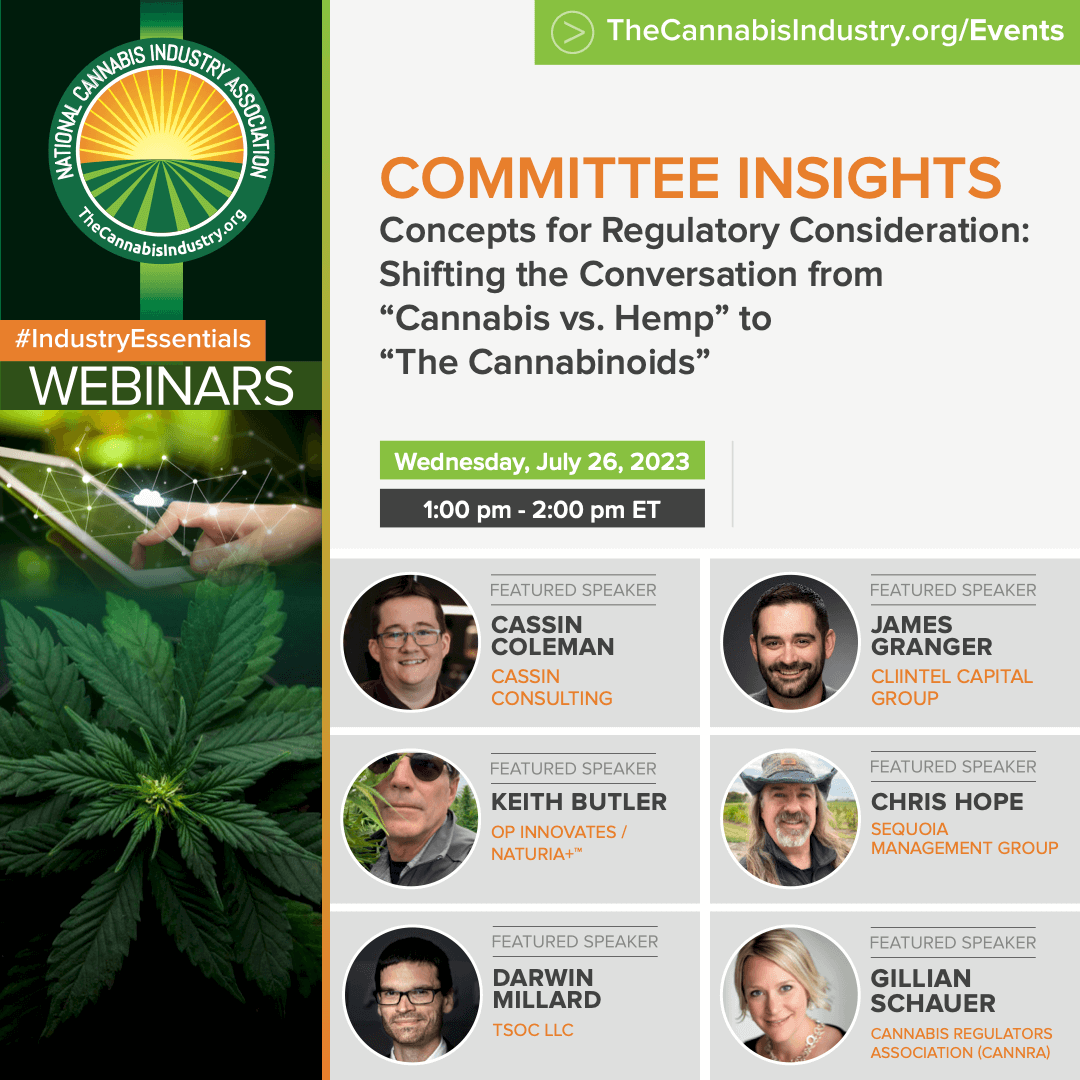
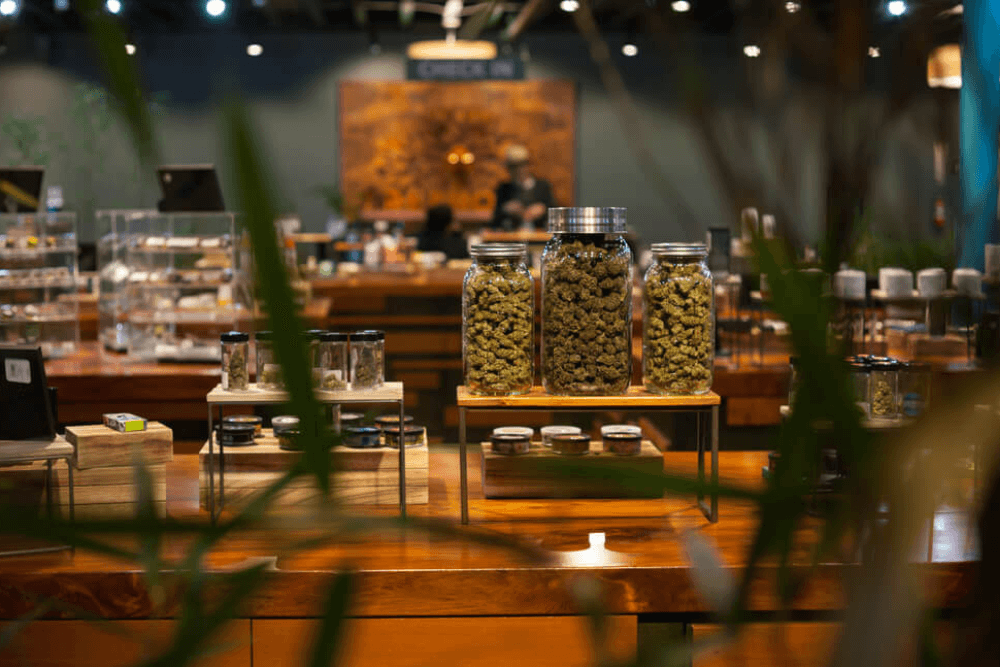

 Andrew Kaye has been involved in all aspects of the financial services industry, as a fund portfolio investment manager, investment banker, family office investor and attorney. He has worked with start-ups on their first raise through global enterprises undertaking billion-dollar stock offerings, and has significant investment experience in the cannabis industry. Currently, Andrew works as Sweet Leaf Madison Capital’s Chief Commercial Officer. Lending his expertise toward the creation of middle market financing solutions for real estate and equipment financing needs in the cannabis space.”

 Todd Glider has been an e-Commerce leader since the start of the Internet age. He has an MFA in Creative Writing from the University of Miami, and has served as CEO for small and medium-sized technology companies in Spain, Austria and the United States. As our Chief Business Development Officer, Todd introduces MobiusPay’s suite of award-winning financial services to new industries, and implements the development strategies and key partnerships needed to bring value to new customers.
 Dr. Monaco
 Ms. Della Mora
 by Morgan Fox, NCIA’s Director of Media Relations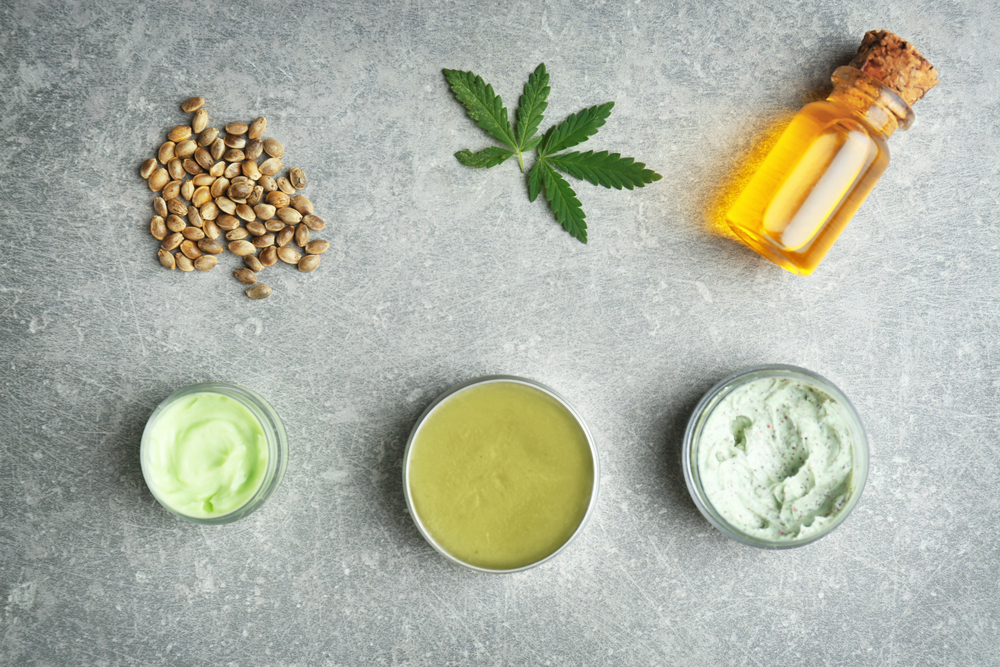
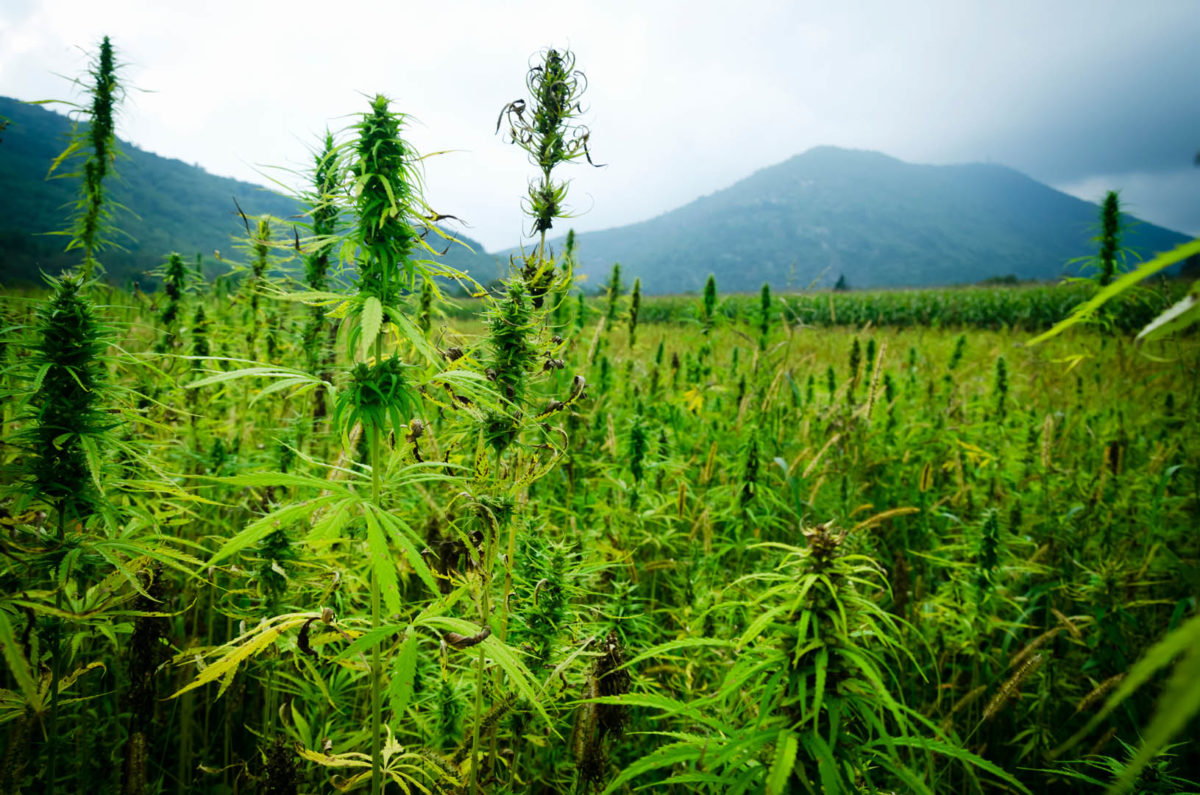

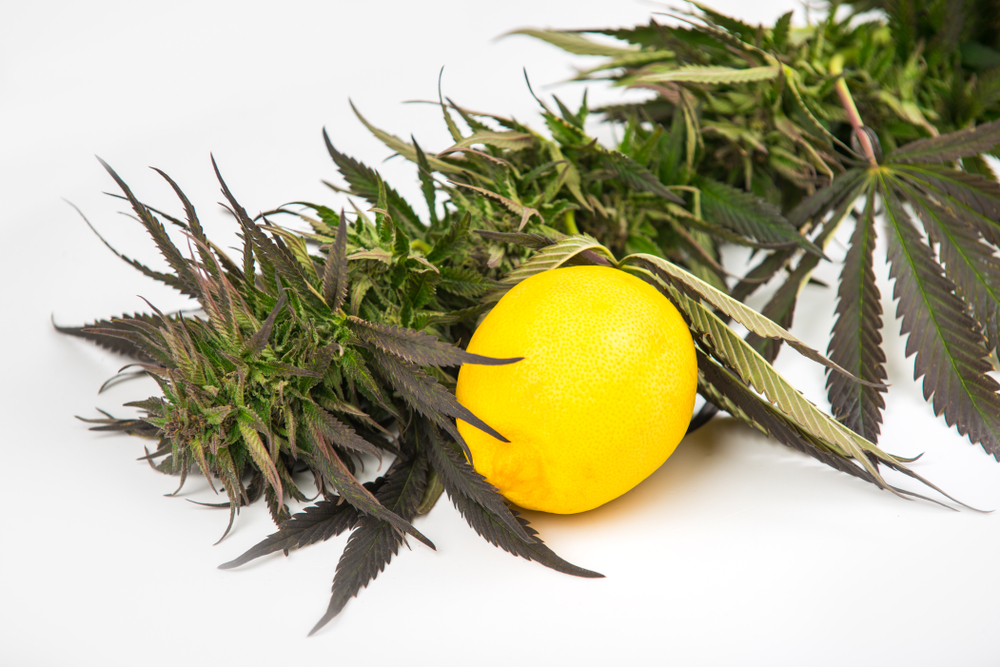
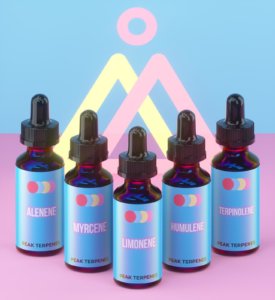
 Nicole Flanigan is one of the newest additions to the
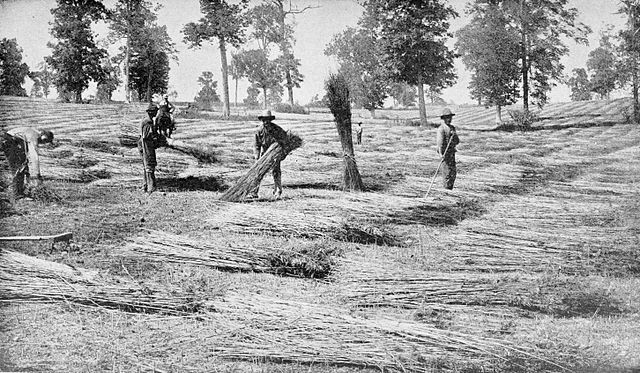
Follow NCIA
Newsletter
Facebook
Twitter
LinkedIn
Instagram
News & Resource Topics
–
This Just In
Committee Blog: Access to Capital in the U.S. Cannabis Market Outlook
Member Blog: The Risks of Removing a Regulated Cannabis Market