Welcome to the National Cannabis Industry Association’s (NCIA) insightful webinar recording, “Committee Insights: Where Risk Assessment Integrity Meets Policy.” Hosted by NCIA’s Cannabis Manufacturing Committee and originally broadcast on Tuesday, October 24th, 2023, this session provided a deep dive into the complex but critical intersection of cannabis industry risk assessment and policy development. This blog post will highlight key discussions and insights from the panel, offering a condensed overview of the critical issues explored during the webinar, continue reading and view the full recording below.
Comprehensive Risk Assessment for Vape Product Manufacturers
The panelists underscored the importance of thorough risk assessments for vape product manufacturers, especially in the highly regulated cannabis and hemp sectors. The conversation centered on essential areas of concern, including the potential for fraud, liability, and the significance of ingredient selection, particularly terpenes. Material of construction and employee safety were also key factors that were addressed.
Hardware Risks and Due Diligence
The webinar uncovered the risks associated with hardware components and vendors. It shed light on the due diligence required when introducing new vape products, which includes vetting hardware suppliers and partners. Addressing concerns related to shrinkage and theft was another significant aspect of risk management. Additionally, the panel stressed the importance of setting safety guidelines based on industry standards such as ASTM.
Safety Standards and Ingredient Considerations
The discussion dived into the implications of safety standards, especially ASTM, and their role in determining acceptable safety levels within the industry. The panel emphasized the importance of ingredient considerations, particularly in preventing E-cigarette or Vaping Product Use-Associated Lung Injury (EVALI). Risk assessment for ingredients was a major focus, as it plays a critical role in product safety and integrity.
Implications of Fraud and Counterfeit Products
A crucial point discussed was the far-reaching implications of fraud, counterfeit products, and negligence within the cannabis and hemp industry. The panelists delved into the legal considerations when unknowingly selling dangerous products. They also highlighted the industry’s ongoing struggle with counterfeiting and the need for robust prevention measures to protect consumers.
Regulatory Challenges and Industry Growth
The webinar touched upon the challenges of navigating regulatory environments for both regulators and operators. The panelists emphasized the need for striking a balance between regulation and innovation to ensure the industry’s growth while maintaining product safety. The conversation also addressed the evolving landscape of marketing and advertising regulations, emphasizing the need for clear guidance in these areas.
Essential Insights from Industry Experts
Learn more about our distinguished panel of NCIA member experts including hardware & product manufacturers, toxicologists, legal professionals and regulators each of which brought their unique perspective and insights to our comprehensive exploration.
This is the third of five in a multi-part series of #IndustryEssentials webinars. You can watch Parts I & II plus register Part IV & V at the links below.
Episode I – Committee Insights: Mapping the Vape Landscape: Where are We and Where Do We Go from Here?” – [Watch Here]
Episode II – Committee Insights: Cannabis Vaping – Avoid Being an Easy Target – [Watch Here]
Episode IV: Committee Insights: Cannabis Vaping – Beyond the Pen – [Date & Time TBD]
Episode V: Committee Insights: Dabinar Special Edition – Dabbing 101 – [Date & Time TBD]
For access to our full webinar recording archive, featuring 100+ episodes from five separate recurring series, head here.
Join NCIA and Be Part of Future Speaking Opportunities
If you’re eager to share your expertise and insights with our dynamic cannabis community, we encourage you to consider becoming a member of the National Cannabis Industry Association (NCIA). Our member-led committees, such as the Cannabis Manufacturing Committee, offer numerous opportunities to participate in our webinars and events as a speaker. By joining NCIA, you’ll be well-positioned to become a part of our expert panelists in the future. Don’t miss the chance to contribute to meaningful discussions that help shape the cannabis industry.
Learn more about NCIA membership and the benefits it offers here.
Explore Sponsorship Opportunities
For those interested in sponsoring future webinars and events to reach a broad and engaged audience within the cannabis industry, we invite you to fill out our sponsorship inquiry form. Our team will be happy to provide you with more details on how you can collaborate with NCIA to promote your brand and engage with our community.
Your involvement with NCIA opens doors to a wealth of opportunities in the ever-evolving cannabis industry. We look forward to having you as part of our vibrant community!
A Valuable Resource for Industry Professionals
NCIA’s “Committee Insights” series serves as a comprehensive resource for cannabis and hemp industry professionals and this episode offers valuable insights into the critical role of risk assessment and policy development in shaping the future of cannabis operations. By exploring our full recording, you’ll gain invaluable insights and stay informed about the latest developments in the ever-evolving cannabis industry.
Stay Connected with NCIA
Thank you for being a part of our dynamic cannabis community. NCIA’s #IndustryEssentials webinar series is our premier digital educational platform, offering timely and essential insights precisely when you need them. This session is part of our Committee Insights series, produced in collaboration with our member-led committees. Sign up today to receive more industry insights and updates to stay ahead in the evolving cannabis and hemp sectors.
Committee Insights | 7.26.23 | Concepts for Regulatory Consideration – Shifting the Conversation from “Cannabis vs. Hemp” to “The Cannabinoids”
NCIA’s #IndustryEssentials webinar series is our premier digital educational platform featuring a variety of interactive programs allowing us to provide you timely, engaging and essential education when you need it most.
In this edition of our NCIA Committee Insights series, originally aired on July 26, we were joined by leading cannabinoid product manufacturers and Cannabis Regulators Association (representing cannabis and hemp regulators across more than 40 states and U.S. territories) to examine different approaches to regulating consumer products containing cannabinoids across the US and discuss the potential for harmonized regulations in the future.
Regulating the cannabinoids is difficult enough, but throw in the challenges associated with cannabinoids derived from marijuana or hemp and the challenges can get even more complicated. Not to mention the debate between intoxicating and non-intoxicating cannabinoids and how to address the risks to public health and safety from these different types of cannabinoids. Then you have the proverbial “cherry on top” with how to address cannabinoids, both naturally occurring and novel, being produced by genetically modified organisms and scientists in the lab. There has got to be a logical way to solve this problem.
One potential solution is shifting the conversation away from cannabis vs. hemp and toward the constituents of concern, the cannabinoids. By regulating the cannabinoids, we can focus the debate on what matters, how to regulate cannabinoid ingredients in a way that is proportional to the level of risk to public health and safety. This ensures we have both a functional and vibrant cannabinoid products market and the means to protect consumers.
Learning Objectives:
• Learn about the similarities and differences between marijuana and hemp regulations for consumer products containing cannabinoids
• Find out what a consumer product containing cannabinoids is and how this concept can be used to promote more common sense regulations
• Listen to new perspectives on the challenges facing the cannabinoid-containing consumer products space and how to more efficiently regulate this marketplace
Curious about the complex world of cannabinoid regulation? Sit back and settle in for an insightful webinar where we delve into the challenges (and solutions!) surrounding cannabinoids derived from marijuana and hemp.
Safeguarding Consumers in the Cannabinoid Product Landscape (Part III):
Know Your Hazards – Occupational Health and Safety Considerations in Cannabinoid Ingredient Manufacturing (Part IV): https://bit.ly/3rEUeKP
Committee Insights | Safeguarding Consumers in the Cannabinoid Product Landscape
NCIA’s #IndustryEssentials webinar series is our premier digital educational platform featuring a variety of interactive programs allowing us to provide you timely, engaging and essential education when you need it most.
In this edition of our NCIA Committee Insights series, originally aired on June 13, we were joined by members of NCIA’s Cannabis Manufacturing, Scientific Advisory and Hemp Committees for an in-depth discussion of the current cannabinoid testing & labeling landscape alongside complications compounding consumer safety and product manufacturing concerns.
Consumer products that contain cannabinoids are a popular new consumer product category sweeping the United States. Whether these consumer products are manufactured using cannabinoids derived from cannabis or hemp, consumers deserve to know what they are consuming.
Truth in labeling is critical to providing cannabinoid content information to a consumer so they can make an informed purchase decision and in ensuring consumer safety. However, with so many different label content requirements from state to state for consumer products containing cannabinoids, this lack of consistency can lead to potential risks to the end consumer.
This is especially true when the majority of cannabinoid product manufacturers are dependent on third-party data during product manufacturing and compliance testing. This interdependence between testing laboratories and product manufacturers makes it all the more important that label content requirements are both achievable from a manufacturing standpoint without being overly burdensome for regulators to verify and do not endanger public health and safety.
In this webinar, our panelists explored about the current state of America’s somewhat-monitored cannabinoid-product marketplace, and examined several of the issues related to cannabinoid quantification, cannabinoid content declarations, and label claim verification and how these relate to consumer safety.
Learning Objectives:
• Learn about the potential risks associated with untested, unlabeled products both for the business owner and as a consumer
• Review the current landscape of cannabinoid testing requirements, how they vary state to state and the role 3rd party labs play in the picture
• Understand the nuances with label content compliance and implications on label claims
• Explore data integrity issues preventing consumers from making informed decisions
• Share best practices for what the the industry should do, what consumers can do and what regulators need to do
Panelists:
Paul Coble
Technology Attorney
Harris Bricken Sliwoski LLP
Matthew Johnson
Vice President, Risk Services
QuadScore Insurance Services
NCIA’s #IndustryEssentials webinar series is our premier digital educational series featuring a variety of interactive programs allowing us to provide you timely, engaging and essential education when you need it most.
In this edition of our NCIA Committee Insights series, originally aired on December 14 and produced in collaboration by NCIA’s Cannabis Manufacturing Committee, Scientific Advisory Committee and Hemp Committee we introduced and framed the myriad regulatory, scientific, linguistic, and ethical issues that come with the rise of minor, novel, and synthetic cannabinoids.
Learning Objectives:
• Understand the role of minor, novel, and synthetic cannabinoids in the cannabis industry and the unique issues relating to their current status.
At the conclusion of the discussion our panel hosted a lengthy moderated Q&A session so our network could get all their burning questions answered by these leading manufacturing, biochemical, and legal professionals from the hemp and cannabis industries.
Panelists:
Scott Seeley
Biochemist and Patent/TM Attorney @Eastgate IP
Cassin Coleman
Founder
Cassin Consulting
Keith Butler
CEO
OP Innovates / Hemp Mellow
Paul Coble
Intellectual Property Attorney
Harris Bricken Sliwoski LLP
There is more to cannabis than THC and CBD. As our understanding (and commercialization) of cannabis evolves, new compounds like CBG, delta-8-THC, THCv, and others are coming onto the scene. These various “minor” cannabinoids, however, bring with them a host of new issues.
Over the next few months this collaboration will continue to explore these issues with various subjects ranging from basic and advanced overviews of these molecules, regulatory recommendations, risk management and compliance concerns all the way to consumer and manufacturer safety. Stay up to date and be the first to know when additional follow-up sessions are scheduled by signing up via the form below.
From Lab to Label: Safeguarding Consumers in the Cannabinoid Product Landscape (Part III): https://bit.ly/3Xc9Lx6
Know Your Hazards – Occupational Health and Safety Considerations in Cannabinoid Ingredient Manufacturing (Part IV): https://bit.ly/3rEUeKP
Concepts for Regulatory Consideration – Shifting the Conversation from “Cannabis vs. Hemp” to “The Cannabinoids” (Part V): https://bit.ly/3P3r5AW
Service Solutions: Taking Your Profits Higher – Navigating the Maze of Cannabis Marketing
NCIA’s Service Solutions series is our sponsored content webinar program which allows business owners the opportunity to learn more about premier products, services and industry solutions directly from our network of established suppliers, providers and thought leaders.
In this edition originally aired on Wednesday, July 20, 2022 we were joined by Fox Rothschild LLP whose national cannabis team discussed discussed how agencies and companies can comply when marketing products.
A successful business relies on marketing and advertising to grow and bring in new customers. But what happens when those promotional efforts are heavily regulated or even restricted? These are questions and hurdles cannabis businesses face, but there are ways to navigate this maze.
04:04 – How is marketing & advertising cannabis different than other industries?
07:45 – How is marketing & advertising for cannabis different from state to state?
13:40 – Are these state restrictions for cannabis OK under the First Amendment and do similar state constitutional free speech protections exist or apply here?
15:25 – Virginia State Board of Pharmacy & Thompson Case
16:26 – Central Hudson Case & The Four-Part Test for Commercial Speech
19:57 – Equal Protection Challenges on the Horizon
26:00 – California Cannabis Consumption Event Permitting Process
31:39 – How is marketing & advertising for hemp-based CBD products different than other industries?
37:28 – What is a curative healthcare claim and how can cannabis (or CBD-based) companies develop creative methods to comply while still distinguishing themselves?
41:40 – What trends and challenges do you see on how cannabis products are being advertised and sold?
The FDA’s position on the use of CBD in dietary supplements and foods is steadfast. In 2021, five warning letters about CBD-containing dietary supplements and foods went out – three based on website reviews and two based on facility inspections. All cited violations relate to pain relief claims. The products are therefore unapproved new drugs. Two warning letters emphasize the FDA’s position that CBD does not meet the definition of a dietary supplement, from which it is excluded due to the authorization for investigation as a new drug.
In November 2019, the FDA published 15 warning letters in a “catch-all” effort regarding cannabidiol products. The products range from articles sold as dietary supplements, conventional foods, cosmetics, and animal food. The FDA sent out the 15 warning letters to companies in a number of states, including California, Texas, Oklahoma, Colorado, Oregon, New York, Florida, North Carolina, Arizona, and Kentucky based on the content of websites and social media sites. This was not the first time the FDA had sent warning letters regarding cannabidiol [CBD]. The first seven CBD warning letters were issued in March 2019, so attentive manufacturers could have been aware of t the FDA’s position and that enforcement actions might be taken.
In the 2019 warning letters, the FDA states that CBD in products sold as dietary supplements does not meet the definition of dietary ingredients in the Federal Food, Drug, and Cosmetic Act (321(ff)(B)(i)(ii)). This provision clarifies that a dietary ingredient cannot be a substance that has been approved as an active ingredient in a drug. The FDA has confirmed that CBD is an active ingredient in the approved drug Epidiolex.
Products containing CBD and sold as conventional food often worry the FDA even more, because they are often advertised for toddlers and infants. FDA clarified that CBD does not have an authorization as a food additive. Food additives need to be pre-approved by the FDA and there is no such regulation for CBD. CBD also is not a GRAS substance. This is based on the FDA’s review of publicly available data, which shows that CBD is potentially harmful and may cause liver injuries and interact with other drugs. Furthermore, studies in animals have shown that it might impair sexual behavior in males.
Similarly, the FDA states in relevant warning letters that CBD is an unapproved new animal drug because of the disease claims. The products are also adulterated animal foods because there is no animal food additive regulation that authorizes the use of CBD and there is no basis to conclude that CBD is GRAS for use in animal foods.
Besides the illegal status of CBD as a dietary ingredient, the warning letters regard the products as unapproved new drugs, because they claim that CBD cures, mitigates, treats, or even prevents diseases. Most warning letters are very long because the manufacturers cite numerous diseases for which CBD might be helpful. CBD is often depicted as a “cure-all.” Some of the popular disease claims involve pain relief, anti-inflammatory, diabetes, acne, anxiety, depression, and cancer. For example, one warning letter cites 45 diseases. Simultaneous to being unapproved new drugs, all products are regarded as misbranded drugs.
Most 2019 warning letters were signed by three FDA compliance directors from Center for Drug Evaluation and Research, Center for Veterinary Medicine, and Center for Food Safety and Applied Nutrition. In some of the earlier warning letters, the FDA also involved FTC – Federal Trade Commission – because of unsubstantiated claims. Both agencies are concerned that some of the efficacy claims may not be substantiated by competent and reliable scientific evidence.
There are clearly more than 27 companies in the market selling CBD. My thought is that the FDA has picked some of the worst offenders with respect to claims to establish impressive examples. Throughout the years in articles and press notifications, the FDA has always stated the regulatory position that CBD does not meet the definition of a dietary ingredient. This position has been challenged by industry and is a controversial topic. Some plaintiffs’ lawyers have initiated class-action lawsuits on the basis that clients were harmed by buying an illegal product and paying too much for it. It appears that the FDA is currently only enforcing against CBD products with disease claims. So far, the FDA has not written warning letters solely because a dietary supplement uses CBD. All of the mentioned warning letters could have been written to any dietary supplement making obvious disease claims.
So, what can be learned from the FDA’s actions? The first and most important step for manufacturers would be to “clear” all web pages, social media pages, and third-party referrals of disease statements. A second approach should be to not use CBD as a food ingredient or as an animal food ingredient. As a regulatory strategy, this may buy some time until the controversy about the legality of use in dietary supplements is clarified. For dietary supplements – in a conservative regulatory approach – a next step could be not using CBD as a dietary ingredient, because it is an approved drug.
A possible alternative legal ingredient is a full spectrum hemp extract which contains all hemp components – not just isolated CBD. Hemp-derived ingredients are eligible for use as dietary ingredients by virtue of being “botanicals.” However, hemp-derived substances must submit a New Dietary Ingredient notification 75 days prior to first marketing the hemp supplement. A less conservative regulatory approach for dietary supplements could be to wait and see what the FDA decides under the pressure from industry and consumers. Hopefully soon, the FDA will clarify the legality of use in dietary supplements.
Gisela Leon brings in over 33 years of experience in international labeling. She is well-experienced in USA labeling requirements of food, dietary supplements and cosmetics, in European food laws and multi-language labeling. As a regulatory consultant, she focuses on a concise review process, having reviewed hundreds of labels for U.S. compliance and helped international products to come into compliance with U.S. regulations. Her international labeling background allows her to point out differences or similarities with other countries.
After receiving her Master’s degree in Food Technology Engineering, Ms. Leon received her DGQ Audit-Specialist Certification from the German Institute for Quality, and her Master’s in Business Administration from George Mason University. For over 20 years she worked at Schöller Lebensmittel GmbH & Co KG as Director of Quality Management and Labeling Compliance. Ms. Leon speaks English, German, and French.
EAS Consulting Group, as part of the Certified Group of companies, merged with Food Safety Net Services, (FSNS), to become the global leader in testing and regulatory solutions for the FDA and USDA regulated industries.
EAS’ network of 200 independent advisors and consultants enables us to provide comprehensive consulting, training and auditing services, ensuring proactive regulatory and quality compliance for food, dietary supplements, pharmaceuticals, medical devices, cosmetics, tobacco, hemp and CBD.
The merger of FSNS (FSNS.com) with the Certified Laboratories group of companies, (certified-laboratories.com), has created a leading, national testing and regulatory consulting platform. EAS can assist with your regulatory and quality requirements and challenges, while offering access to a robust scope of testing services to meet your organization’s sophisticated needs.
From regulatory strategy, auditing, training, FDA inspection preparation, 483 & Warning letter remediation, quality system implementation, labeling compliance, preparation of technical submissions such as GRAS, Food Additive Petitions, DMFs, NDIs, 510(k)s and more; to FSMA compliance, expert witness services and due diligence assessments, EAS offers the expert knowledge and experience your company requires to ensure compliance through accurate and timely assistance. With our vast expertise in FDA’s and USDA’s policies and enforcement, EAS is the proven choice for assistance with product testing and other regulatory and quality consulting solutions. easconsultinggroup.com
Video: NCIA Today – August 20, 2021
Deputy Director of Communications Bethany Moore checks in with what’s going on across the country with the National Cannabis Industry Association’s membership, board, allies, and staff. Join us every Friday on Facebook for NCIA Today Live.
FDA Punts on Regulating CBD Again
by Morgan Fox, NCIA’s Director of Media Relations
Last week, the hemp and CBD industries took another blow from the Food and Drug Administration when the agency refused to grant a request from prominent CBD producer Charlotte’s Web to regulate the substance as a dietary supplement. This is the latest in a series of delays and setbacks on the part of the FDA when it comes to regulating hemp-derived cannabinoids and products since they became technically legal at the federal level under the 2018 Farm Bill.
Bloombergreports: “The company’s bid to sell its full-spectrum hemp extract with CBD as a dietary supplement won’t be considered because of the FDA’s own prior decision to treat CBD as a drug, according to a letter posted on the agency’s website Wednesday. This shouldn’t disrupt the business of Charlotte’s Web or prevent other companies from continuing to sell such products, which already exist in a gray area without the agency’s oversight. The decision shows the agency’s ongoing hesitancy to regulate cannabidiol, the non-psychoactive ingredient in cannabis plants better known as CBD… The FDA’s objection rested in part on its prior approval of Epidiolex, a CBD drug to reduce seizures, which the agency said precludes it from authorizing CBD for dietary purposes. Even if the drug hadn’t been approved, though, the FDA said in the letter to Charlotte’s Web dated July 23 that it “has concerns about the adequacy of safety evidence” that the company submitted.”
This position is likely to create serious problems for the CBD industry. Without allowing CBD products to be regulated as dietary supplements or food additives, the FDA will be forcing producers to get federal approval for their products under the Investigational New Drug program. This process can often take years and cost applicants millions of dollars.
This casts even more doubt on what the future of the CBD market will look like as producers continue to operate in an uncertain landscape. The legality of CBD combined with the lack of federal regulations has created a lot of opportunities for responsible producers to bring products to market without dealing with the often overly strict state cannabis programs, but it has also opened the door to irresponsible operators who have been accused of actions from making misleading or unsubstantiated health claims to selling mislabeled or adulterated products.
Furthermore, the lack of federal regulations has discouraged many larger retailers from selling CBD or hemp-derived products altogether, drastically limiting the market options for producers. Some industry insiders have theorized that lack of access to those retailers has directly led to some producers desperately searching for ways to unload their excess CBD, including processing it into unregulated Delta 8 THC and flooding the markets in both legal and prohibition states, creating concerns among regulators, lawmakers, licensed cannabis operators, and consumers.
This troubling news follows on the heels of another memo issued by the Farm Credit that suggests that financial institutions that provide financing to hemp businesses should only do so if the company is operating under the auspices of a USDA-approved state hemp program.
“While many states and federally recognized tribes have since submitted those plans, 20 states are still operating under an earlier provision: a hemp pilot program created by the 2014 Farm Bill. That program, which is still valid and would befurther extended under pending legislation that has passed the House and is pending in the Senate, requires less federal oversight than the new USDA-approved programs,” Marijuana Momentreports.
Some in the industry are concerned that the memo will lead to lenders dropping their hemp clients operating under the pilot programs, but others have suggested that it will not have a significant impact on the lenders who are already working with hemp businesses given the amount of reporting that they must already complete for the federal government and the lack of federal prosecutions for doing so historically.
It seems pretty clear by this point that the FDA will not move forward with regulating CBD in a timely and reasonable manner without outside pressure. You can add your voice to the chorus calling for sensible CBD regulations by visiting RegulateCBDNow and urging Congress to take action.
The Agricultural Improvement Act of 2018 (the “2018 Farm Bill”) helped to further define the pathway by which “hemp-derived” ingredients can be legally incorporated into food. Since then, hemp-ingredient companies have materialized selling purified cannabinoids that are found naturally-occurring in hemp. Despite the young market, these companies are facing difficult times as the buyers for these ingredients are few and manufacturers mostly compete on price. The GRAS path offers a route out of this conundrum.
What is GRAS?
The Generally Recognized as Safe (GRAS) for food-use pathway was established by the 1958 Food Additives Amendment to the Federal Food, Drug, and Cosmetic Act (FD&C Act). It delineated how substances that are GRAS for their defined conditions of use in food are different from food additives.
Others have previously delved into why firms might consider pursuing GRAS notifications and/or New Dietary Ingredient Notifications (NDIN) independent of hemp and hemp-derived ingredients so I will refrain from wholesale repetition. Two key points on specificity are nonetheless worth repeating: 1) a substance is deemed GRAS for a specific use under specific conditions and 2) a GRAS notification is specific to the company filing the notification.
Why GRAS?
There are a number of practical reasons why firms that produce cannabinoids would seek to pursue the GRAS pathway. Here are five:
Market Expansion
Currently, firms that produce purified hemp cannabinoids are mostly selling their wares to businesses operating in state-regulated delta-9 tetrahydrocannabinol (THC) markets or to operations that may not be in full-compliance with dietary supplement regulations. Almost all firms that produce food products, including beverages, and most dietary supplement manufacturers, will not use ingredients that do not have a history of use in food or that cannot be legally marketed.
For ingredients such as purified hemp cannabinoids that do not have a history of use as articles used for food, the only way to open-up the food, beverage, and dietary supplement markets is via the GRAS/NDIN pathways.
Safety Demonstration
An integral part of any GRAS dossier is the basic demonstration of acceptable risk (cf. safety) for the named substance and impurities. This includes any byproducts that may be introduced by the manufacturing process. Whether one is interested in pursuing a GRAS Notification for submission to FDA or for a self-affirmed GRAS conclusion, the process involves an evaluation of safety for the conditions of use (e.g. serving size, no-observed adverse event level, etc.).
Beyond the ethical necessity of understanding the hazards of a product meant for human consumption, pursuing GRAS helps protect a firm from product liability in the event that harm is created. But more importantly, GRAS helps guard against product liability by seeking to prevent the potential hazard in the first place. That is always good for business.
Avoiding Drug Preemption
FDA has described in numerous forums, including the Administration’s own website, why it has concluded that cannabidiol (CBD) cannot be used as an ingredient in food or dietary supplements. The key is section 201(ff)(3)(B) of the FD&C Act. This section disqualifies an ingredient from use in food or dietary supplement products if the ingredient is 1) an active ingredient in an approved drug or 2) if substantial clinical investigation of the substance as a drug has been conducted AND made public.
While the situation remains unclear for CBD, the only way to avoid a similar murky situation for other cannabinoids (e.g. cannabigerol, CBG) is for those ingredients to be marketed as a food or dietary supplement prior to the public disclosure of clinical trials directed at the development of that substance as a drug.
It is FDA’s position that “legal” marketing entails more than simple inclusion of the substance in marketed products — the substance must have been the subject of GRAS, food-additive, or NDIN pathways, if required, to be legally marketed. To that point, FDA is highly unlikely to conclude that legal marketing includes the marketing of products in state-regulated cannabis systems while THC remains federally illegal.
Side-Stepping Price Wars
The nascent hemp-derived ingredients market is experiencing significant downward price pressure. The reasons are simple. There is currently more supply than demand (see #1 above) and all commercial offerings are essentially generic.
The GRAS pathway is a mechanism out of this me-too trap. A GRAS cannabinoid would be a premium ingredient by virtue of GRAS status alone. Premium ingredients command premium prices. And the types of sophisticated customers that firms like to do business with do not mind paying premium prices for compliance.
Regulatory Intelligence
While we wait on FDA to draft regulations for manufactured hemp-derived products, it is difficult for businesses to make decisions about what products to pursue. Some firms may not care about internal FDA thinking for hemp-related issues like delta-8 THC or proposed New York State in-process hemp material THC limits of 3%, because they are going to seek to exploit the here-and-now.
For forward-looking firms, engaging with FDA through GRAS or other regulated ingredient pathways can help illuminate what lay around the bend. Effectively navigating bends in a fast-paced, regulated marketplace can be the difference between knowing when to brake… and going broke.
How GRAS?
There are a few ways to go about this, but simply asking the question within your company and with your legal and regulatory counsel will help generate more of a groundswell. There are a few hemp- and cannabinoid-specific intricacies that must be navigated in practice, including FDA’s own policies on hemp. But there is no reason why this cannot be done.
EAS Independent Consultant, Brad Douglass, Ph.D., evaluates FDA and FTC compliance of dietary supplement materials including review and audit of dietary supplement labels and labeling. He is experienced in multiple technical, quality, and formulation roles in the dietary supplement and cannabis industries which lends perspective not only regulatory requirements but also the realities of real-world business. Brad’s previous positions include VP of Regulatory Affairs and Director of Advanced Botanical Strategy at the Werc Shop in Los Angeles. He has a doctorate in Organic/Medicinal Chemistry from USC. EAS Consulting Group, a member of the Certified Group of companies, is a global leader in regulatory solutions for industries regulated by FDA, USDA, and other federal and state agencies. Our network of over 150 independent advisors and consultants enables EAS to provide comprehensive consulting, training and auditing services, ensuring proactive regulatory compliance for food, dietary supplements, pharmaceuticals, medical devices, cosmetics, tobacco, hemp and CBD. easconsultinggroup.com
If you represent a firm that creates hemp-derived cannabinoids, are a regulator that has responsibility over products that incorporate non-THC cannabinoids, or are just an interested reader that has been intrigued by this blog post, do not hesitate to reach out to me at bdouglass@easconsultinggroup.com.
Product safety isn’t an endpoint, it’s a journey. That’s what we told you in the 2021 series premiere, and it continues to hold true. In the last post, we revisited the Vaporizer Liquid Formulations portion of the NCIA’s policy council white paper to provide guidance to the industry. This time, we’re republishing the Vaporizer Delivery Devices section below. We’ve learned more about EVALI since its original publication, and while some of the specifics may be a little dated, the principles remain relevant to helping you understand vapor product safety.
Over the course of the next several months, we’ll bring you new content with the following working titles.
The Importance of Testing Vapor Products as a System
Edibles Stability – Microbial Growth Due to Insufficient Packaging
Terpene Limits Across Multiple Product Formats
So, while we wait with bated breath for this exciting new content, enjoy the excerpt below!
Excerpted from The Key To Consumer Safety: Displacing The Illicit Cannabis Market Recommendations For Safe Vaping. Access the full report and citations.
Background
While the technology used to vaporize cannabis extracts have been around for many years, advancements in vaporization technology and supply chains over the past decade have led to widespread adoption and growth of vaporization as a preferred method of cannabis consumption. Vaporizer devices offer the benefits of being discreet, allowing for metered consumption, and eliminating carbon associated with combusting cannabis flower. However, not all vaporizer devices are created equal and manufacturers should develop an understanding of the nuances of different vaporizer devices to ensure the delivery of a safe and high-quality experience. Aside from considering experiential qualities such as taste and the amount of vapor produced, manufacturers should consider at least the following three categories of issues that can present safety risks.
Physical Design Considerations
Vaporizer devices should be mechanically and electrically safe. This starts with relatively basic considerations that include ensuring the device is mechanically sound, does not leak alkaline or heavy metals, and is not configured in a manner that presents a safety hazard. In the early 2010s, there were many reported instances of vaporizer devices exploding. This was primarily due to improper electrical design and battery cell protection. Battery cells that are not protected from drawing current beyond their rated capacity or are allowed to drain too deeply present a safety risk. In fact, this risk led to the development of the UL 8139 standard for e-cigarette battery safety and the FDA recently relaxed its prohibition on e-cigarette battery changes in order to allow manufacturers to comply with this standard. UL 8139 is applicable to vaporizer devices and anyone who sources or develops a vaporizer device for the cannabis market should voluntarily comply.
Contamination by Hardware
Vaporizer device hardware should be tested for the presence of heavy metals. Currently, some manufacturers use Restriction of Hazardous Substances (RoHS) testing or rely on vendor representations that the components and materials being used are certified as FDA food-grade. The California Bureau of Cannabis Control mandated heavy metals testing standards for the three categories of cannabis products, including inhalable cannabis products, starting on December 31, 2018.
Vaporizer device hardware that comes into contact with cannabis formulation should also be free of other contaminants. It is important to consider both contaminants that could be immediately detectable in vaporizer devices as well as those that can be released or created over time. Vaporizer devices are designed using a variety of industrial manufacturing processes, some of which can leave residual oils, biological agents, or other substances in the device. It is important that device manufacturers clean incoming components, assemble them in a clean environment, then store and ship them in a manner that prevents re-contamination. Depending on the nature of the component, one or more of a cleaning bath or ozone treatment may be used for cleaning. After cleaning, assembly of vaporizer components should be performed in a cleanroom environment under appropriate current Good Manufacturing Practices (cGMP). Unfortunately, simply asking a device manufacturer whether it operates in such a manner is not sufficient to be certain that it does. There is no substitute for first-hand inspection of manufacturing processes. While it may not be practical for U.S.-based cannabis manufacturers to maintain a constant presence in the country of manufacture, it is possible to hire local agents who are skilled in audit practices and can perform unannounced inspections to verify that desired practices are implemented within the supply chain.
As noted above, hardware may also introduce contamination into the formulation over time, either through the process of leaching heavy metals or through chemical reaction. Leaching is a process whereby soluble constituents that may be present in materials dissolve into a formulation. A well-known example was the discovery that plasticizers present in certain plastic food and beverage containers were leaching and then being consumed. As a result, new types of plastics were developedfor improved food safety. Vaporizer components that contact cannabis formulations may present a similar issue and leaching may be tied to metals, ceramics, plastics, or other materials. In addition to leaching, certain materials may react with cannabis formulations, especially those with high terpene content which tends to be more volatile. Moreover, metal components in contact with formulations may be especially susceptible to leaching and lead to contaminants such as heavy metals in the formulation.
The good news is that it is possible to address this risk of leaching through the use of appropriate base materials and or plating. Base materials such as stainless steel are good candidates because of their low tendency to react with formulations. Plating other materials with corrosion-resistant metals is also possible; however, care must be taken to specify the right material and plating thickness while also ensuring the plating is not damaged during assembly.
With proper material selection and design, it is possible to reduce the risk of such contamination, including through conducting stability tests. In a stability test, a formulation is placed into the vaporizer device for a period of time, then removed and tested for contaminants. A good guide is to design the stability test to align with the desired shelf life of the product. That doesn’t necessarily mean the test needs to be as long as the rated shelf life. Typically, elevated temperature tests are used to determine stability and can cut the duration of the test to 50% or less of the desired shelf life. In addition, by taking measurements at intermediate intervals, stability can be better characterized and the point at which contaminants would exceed their respective limits can be projected.
Device Impact on Formulation: Control the Heat
The most fundamental, yet perhaps the most underappreciated aspect of vaporizer devices is how they vaporize cannabis formulations. Setting aside dry herb vaporizers, all liquid cannabis vaporizers basically work by bringing the formulation into contact with a hot surface in order to heat it and thus create vapor. While this may seem straightforward, there are a number of subtleties that affect the outcome. First, the temperature of the hot surface must be hot enough to heat the liquid, yet not so hot as to cause components of the formulation to degrade into byproducts that could be harmful. In fact, one study demonstrated how changing the voltage, and thus the temperature of an unregulated vaporizer device can affect the production of such degradants. While more advanced vaporizer devices attempt to control vaporization temperature by using heating elements made of specific materials that indirectly measure temperature and regulate the power delivered to the heating element, the majority do not.
Different formulations have different compositions and contain constituents that vaporize and degrade at various temperatures. This means that to fully control vaporization, the vaporizer device must be configured precisely to the requirements of the formulation in use. Second, many vaporizer devices do not heat uniformly. Rather, the heated surfaces heat unevenly, creating hot spots that can locally trigger thermal degradation. Temperature control circuits typically measure an average temperature and do not prevent such hot spots. Finally, the majority of vaporizer devices, whether they contain fiber wicks or ceramic, rely on capillary action to bring the formulation into contact with the heated area or surface. During a puff, capillary action is also what replenishes the formulation at the heated surface, and such capillary replenishment takes time. Depending on the viscosity of the formulation and the duration of the puff, a heated surface that was initially saturated with the formulation can become dry and hot during the course of a puff. Experienced users sometimes refer to this as a “dry hit,” which can be perceived when a cartridge runs dry or during a long puff. Dry hits can result in increased thermal degradation.
Armed with this understanding of the nuances of vaporizer devices, one can appreciate how the common business model of selling cartridges with a universal 510 threaded connection that can be used in conjunction with any number of batteries, any number of power settings, and filled with a variety of formulations makes it difficult to guarantee what is produced during vaporization. In order to understand and control the output of a vaporizer device, the system should be designed, configured, and tested as a whole; cartridge and battery, plus formulation. Closed systems with proprietary connectors and one-piece designs do not face the cartridge-battery mismatch challenge, but should still be tested in conjunction with the target formulation using a reasonable worst-case puff duration. And while new systems under development that employ non-contact heating methods may not present the same temperature control challenges, they too should be validated as a whole.
The Cannabis Manufacturing Committee (CMC) focuses on reviewing existing business practices and state regulations of concentrates, topicals, vaporizers, and edibles, ensuring the manufacturing sector is helping shape its destiny.
What To Watch: The Executive Branch Edition
by Michelle Rutter Friberg, NCIA’s Deputy Director of Government Relations
Photo By CannabisCamera.com
Last week, I wrote about what to expect during the 117th Congress. This week, I want to highlight the incoming Biden Administration, and the various agencies and Cabinet officials that could affect cannabis policy going forward over the next four years.
The tradition of the Cabinet dates back to the beginnings of the Presidency itself. Established in Article II, Section 2, of the Constitution, the Cabinet’s role is to advise the President on any subject he may require relating to the duties of each member’s respective office. The Cabinet includes the Vice President and the heads of 15 executive departments — the Secretaries of Agriculture, Commerce, Defense, Education, Energy, Health and Human Services, Homeland Security, Housing and Urban Development, Interior, Labor, State, Transportation, Treasury, and Veterans Affairs, as well as the Attorney General.
Here’s my breakdown of the top three agencies I’ll be watching:
Treasury Department
In February 2014, the Treasury Department issued guidance to clarify Bank Secrecy Act (BSA) expectations for financial institutions seeking to provide services to marijuana-related businesses. However, over the last seven years, the policy landscape surrounding cannabis has changed dramatically — at the time this guidance was issued, only Colorado and Washington had legalized adult-use cannabis. Now, there are 15 states plus the District of Columbia that allow for the adult-use of cannabis and 36 states with medical cannabis laws.
Incoming President Biden has nominated former Federal Reserve Chairwoman Janet Yellen for the post of Treasury Secretary. Though her position on cannabis is relatively unknown, it’s definitely possible that this guidance could be updated or expanded. Additionally, if the SAFE Banking Act is passed by Congress, the Treasury Department would then be in charge of ensuring that the implementation of that legislation goes smoothly.
Department of Justice (DoJ)
Here’s the big one everyone in cannabis will be watching: the Department of Justice. President Biden has selected Merrick Garland as his nominee for Attorney General, and everyone seems to be wondering the same thing: could there be a new “Garland Memo” ala the Cole Memo?
If you’ll remember, during the Obama Administration in 2013, the Department of Justice issued the Cole Memo, which outlined enforcement priorities for the Department as states were beginning to set their own cannabis policies. Under the Trump Administration, that memo was rescinded in January 2018 by then-Attorney General, Jeff Sessions.
It’s certainly possible that a Garland DoJ could unveil a new cannabis-related memo. Outside of enforcement priorities, the Department could also direct other agencies to reevaluate their policies around cannabis and housing, immigration, and the armed forces.
Small Business Administration (SBA)
In 2018, the Small Business Administration (SBA) came out with a notice to all employees and lenders that updated their policies surrounding marijuana businesses. They stated, “Because federal law prohibits the distribution and sale of marijuana, financial transactions involving a marijuana-related business would generally involve funds derived from illegal activity. Therefore, businesses that derive revenue from marijuana-related activities or that support the end-use of marijuana may be ineligible for SBA financial assistance.” They then went on to outline the ineligibility of direct and indirect marijuana businesses, as well as hemp-related businesses (this was pre-2018 Farm Bill) to participate in SBA programs.
This could all change under a Biden Administration, however. The President-elect has tapped Isabel Guzman as Small Business Administrator — she currently serves as the director of California’s Office of the Small Business Advocate. While her position on marijuana is unknown, I’m incredibly hopeful for reform under Guzman — her familiarity with small businesses in California means she is surely well informed on the struggles the cannabis industry faces.
These are just a few of the agencies that I’m watching, but there are many others to keep an eye on: the Veterans Administration, Health and Human Services, and FDA, just to name a few. And, as always, NCIA will be working to advance positive reforms within the executive branch at every opportunity.
Make sure you’re subscribed to NCIA’s CannaBusiness Leader to stay up to date on the latest and find me over on NCIA Connect with any questions or feedback!
Member Blog: Hemp Production, Testing, and the FDA
The new U.S. Domestic Hemp Program will approve cultivation plans issued by states and Indian Tribes and can approve plans submitted by producers that live in a state or Tribe where plans are not already submitted and where hemp production is not forbidden. According to the USDA website, 28 states and Puerto Rico and U.S. Virgin Islands have had their hemp plans approved by the USDA, 11 states have plans under review, 5 states have obtained a license from USDA, 5 are electing to continue under the 2014 Hemp Pilot Program, Colorado is resubmitting their plan, Alaska is drafting their plan, and Idaho is awaiting state legislation. What is surprising is that some of the biggest hemp growing states, such as Montana (44,910 acres), Colorado (20,330 acres) and Kentucky (18,910 acres) do not yet have their plans approved by the USDA. Montana is choosing to operate under the 2014 Hemp Pilot Program, Colorado is resubmitting their plan to USDA and Kentucky’s plan is still under review.
While there has been a rush to plant hemp by farmers eager to cultivate a high-priced crop with enormous demand, there has not been the same rush to set up extraction facilities. This is a critical step for the manufacture of cannabidiol (CBD) raw material. Hemp must be dried properly before extraction or it will rot so cultivating a plant that is susceptible to rot without an assigned material manufacturer (extractor) is risky. The impact of the differences between hemp and typical crop cultivation for farmers and the lack of extraction companies has been disastrous for some farmers. Hemp must be monitored for THC levels as the crop grows because any hemp harvested with an amount of THC over 0.3% must be destroyed. This is completely different from soy or cotton cultivation. And when the cost of clones to plant in a large field is included, the potential loss increases dramatically.
Then there are the Food and Drug Administration (FDA) hemp/CBD product issues. While there has been positive movement towards the legal sale of hemp products on the USDA cultivation side, the FDA has authority over foods and dietary supplements, and the FDA’s position is that the addition of hemp/CBD to a food or dietary supplement is “violative.” There is speculation that dietary supplement FDA rules are imminent but until the FDA makes those rules public, sales of finished product is still illegal.
In a Consumer Update statement revised on November 25, 2019 the FDA clearly stated that “it cannot conclude that CBD is generally recognized as safe (GRAS) among qualified experts for its use in human or animal food.” Numerous warning letters have been issued by FDA to CBD manufacturers for disease claims about their products. Whether sold as dietary supplements, conventional foods, cosmetics, animal food, so of the violative disease claims include pain relief, anti-inflammatory, diabetes, acne, anxiety, depression, and cancer. For example, one Warning Letter issued by FDA on November 22, 2019, cites 45 diseases. FDA has stated that CBD in products sold as dietary supplements does not meet the definition of a dietary ingredient in the Federal Food, Drug, and Cosmetic Act (321(ff)(B)(i)(ii)). This provision clarifies that a dietary ingredient cannot be a substance that has been approved as an active ingredient in a drug. FDA has approved CBD as an active pharmaceutical ingredient in the drug Epidiolex. Although the FDA is only taking enforcement action on companies making products that contain disease claims, once the disease claim is made the FDA will cite other regulatory enforcement issues. Companies not making disease claims have not been targeted for enforcement yet. Several states, including New York and Oregon, are following the FDA’s lead by banning some products containing CBD, mostly infused food.
In addition to these challenges, there have been a series of class-action lawsuits filed against hemp/CBD manufacturers. These are based on the fact that the FDA has stated hemp and CBD is illegal in food and dietary supplements. The lawsuits claim the plaintiffs suffered economic loss because the products were not dietary supplements according to the FDA. The 11th Circuit Court of Appeals is allowing the consumer injury requirement necessary to sustain a complaint to be satisfied by the allegation that an FDA product is “illegal.” This ruling may open the floodgates for more class-action lawsuits.
All testing of hemp must be performed by a laboratory with a Drug Enforcement Agency (DEA) license. This is because hemp that does not meet the less than 0.3% tetrahydrocannabinol (THC) does not fall under the industrial hemp definition and is still under the jurisdiction of the DEA. A list of U.S.-based licensed laboratories is available on the DEA website and also on the USDA website. Pesticide screening is one of the tests dictated for hemp in the US Domestic Hemp Program. Ten pesticides have been approved for use on hemp by the Environmental Protection Agency (EPA). The latter is a notable step since the EPA could not do this before the removal of hemp from The Controlled Substances Act. Nine of the allowed pesticides are biopesticides and one is a conventional pesticide.
Then there is the matter of CBD as either a full-spectrum oil vs. an isolate. Unlike marijuana flower which is a very popular product, hemp flower is very rarely sold at the retail level. Full-spectrum oil is extracted from the plant, and depending on the solvent used, produces an oil with the same, or close to the same, naturally occurring chemicals from the plant. The oil, therefore, includes all the cannabinoids present along with any terpenes, lipids, or other compounds present in the plant. Full-spectrum oil is a botanical extract and is a dark thick oil. Isolate is produced by separating the constituents of the full spectrum oil by molecular weights or boiling points to have very pure chemicals in the 95%+ purity range. CBD isolate is a white crystalline substance and bears the greatest resemblance to synthetic raw material and at its purest form cannot be distinguished as coming from a plant in the dirt or a synthesized chemical. Full-spectrum oil bears the greatest resemblance to a botanical dietary supplement. It remains to be seen what the FDA will allow in the future.
I believe in this industry and I am rooting for the pioneers who have taken all the risk thus far, but am concerned about the lack of understanding over FDA’s authority particularly as this industry aims to transition to a regulated future. Most don’t understand FDA’s purview or don’t think it applies to them or their products. When that day comes, bringing the hemp industry into compliance with federal regulations will be challenging.
Hemp pioneers deserve to benefit from their labor and the risk they have taken. For those hemp product companies that do not think compliance is worth the effort or cost, there are many FDA compliant human food, animal food, dietary supplement, pharmaceutical, or cosmetic companies that are waiting to take your business…
Charlotte Peyton supports EAS Consulting Group hemp, CBD and hemp clients as well as that of dietary supplement and pharmaceuticals. As an independent consultant she assists with projects ranging from startup through manufacturing and support. Her expertise includes quality, regulatory and management, method development and method validation for FDA regulated drug, dietary supplement, and bioanalytical samples. She has extensive experience in writing validation protocols, reports and SOPs and assists with implementation of stability programs and report writing for finished products.
EAS Consulting Group, a member of the Certified family of companies, is a global leader in regulatory solutions for industries regulated by FDA, USDA, and other federal and state agencies. Our network of over 150 independent advisors and consultants enables EAS to provide comprehensive consulting, training and auditing services, ensuring proactive regulatory compliance for food, dietary supplements, pharmaceuticals, medical devices, cosmetics, tobacco, hemp and CBD. www.easconsultinggroup.com
Committee Blog: First The Vaping Crisis, Now COVID-19 – A Cannabis Physician’s Perspective
The vaping crisis was first reported in June 2019. In October 2019, the U.S. Centers for Disease Control and Prevention (CDC) coined a new medical term describing the cases of severe pulmonary disease that have occurred among e-cigarette and vape users, E-Cigarette and Vaping Associated Lung Injury, or EVALI. EVALI’s primary cause was determined by the CDC to be vitamin E acetate contamination, mostly in illicit market vaping products, although research into this condition continues.
By the early fall of 2019, the National Cannabis Industry Association (NCIA) formed a Safe Vaping Task Force to respond to the crisis. Together with NCIA’s Policy Council, they released a white paper in January 2020 detailing information about vaporizer components, formulations, testing, governmental response, and recommendations for the industry.
As the COVID-19 health pandemic takes front and center stage on the world scene, vaping related issues and EVALI, becomes even more of a health concern as the novel coronavirus causes respiratory issues. While reported cases of EVALI are slowing down, this public health crisis still looms over us, and it’s been very challenging to fully solve this mystery illness associated with vaping e-cigarettes, and other electronic nicotine delivery systems (“ENDS”). Furthermore, it’s been more difficult to stop the primary root cause: the illicit market.
VAPING, EVALI, AND COVID-19
We’re experiencing a worldwide public health crisis with coronavirus and it’s also affecting the Marijuana industry, as we face “stay at home” orders, slower production or reduced access in some areas, and fear from the community about vaping related respiratory illnesses, EVALI, and death due to COVID-19. It begs the question: Is vaping safe and could vaping put you at greater risk of severe illness during this coronavirus pandemic?
Some health experts say vaping can increase the risk of developing COVID-19 complications and spreading the virus to others because many people share vaping devices. A Bloomberg articlewas published last month, stating the FDA says “vaping could compound health risks tied to virus.” The Attorney General of Iowa along with scientists sent the FDA a letter commenting that they should be more careful giving advice at a time like this, especially given “the pronounced difference in risk between smoking and vaping.”
The Food and Drug Administration (FDA) has supported both positions on vaping but now says there is a lack of evidence to support the worsening of health in conjunction with vaping and COVID-19, while also considering that underlying conditions could be the real culprit.
According to the CDC, those with chronic lung disease are at higher risk for severe illness. The conditions listed with the CDC do not include EVALI, but perhaps vaping behaviors should be considered when determining risk. I am a member of Doctors for Cannabis Regulation (DFCR), an organization that supports the legalization and use of cannabis. DFCR cautions against smoking and vaping during the COVID-19 pandemic because we just don’t have enough research yet.
After reviewing the limited literature, it must be noted that “e-cigarette use” and vaping have cardiovascular risks. Buchanan and colleagues reviewed the limited available preclinical and clinical data and concluded that “E-cigarette use is associated with inflammation, oxidative stress, and haemodynamic imbalance leading to increased cardiovascular disease risk.” Current evidence is available primarily from acute studies and the effects of chronic exposure remain an urgent research question.
PERSONAL PHYSICIAN RESPONSE
As an emergency physician, functional medicine specialist, and medical cannabis doctor, I’ve examined, certified, and managed patients for medical marijuana use in Michigan since 2014. As a cannabis physician, I routinely review cannabis-related science and research and its therapeutic effects, based on forms of consumption, frequency of use, and limited data on patient dosing. I evaluate patients for their therapeutic benefits and patient outcomes obtained by using marijuana in various forms of consumption, in conjunction with their other medications.
As a cannabis physician, I work very hard to get to the source of my patients’ medical issues or problems related to their medical need for cannabis. This also means giving them direction about the use of cannabis, cannabis products, and noting any side effects related to their method of consumption and use of marijuana, hemp, and CBD.
Perceiving the same thing as the general public, my patients frequently say, “I thought vaping was safe.” This is still the case even during this ongoing public health crisis with EVALI and now, COVID-19.
Pertinent health questioning should always involve asking patients about their forms of usage of cannabis, their daily intake, and noting if a person has any side effects related to cannabis usage or any other medications. Since vaping related illnesses were first reported, I continue to educate patients about the possible side effects of vaping. For some people, problems related to vaping may have been present since they started vaping, but were disregarded because they thought it wasn’t serious or of much concern. We need more research to better inform educational programs so patients and consumers can make better-educated decisions on which marijuana products they should use.
HEALTHCARE, THE CDC. AND COMMUNITY RESPONSE
“Do you vape? Do you smoke? Do you have an underlying lung disease such as asthma, chronic obstructive pulmonary disease (COPD, e.g. emphysema), heart disease, or any respiratory problems?” These are the most important questions doctors and healthcare providers should ask patients who present with respiratory symptoms, especially during the worldwide COVID-19 pandemic. All healthcare providers, whether on the frontlines or not, must change their assessment of patients to ask about their lifestyle and any respiratory-related health conditions (past and present). This includes addressing smoking, vaping, and potential side effects.
Patients often delay seeking treatment and the biggest challenge doctors face is that patients might lie about vaping out of fear they will be identified publically or criminally charged if they procured their vaping products from the illicit market. Doctors and other health care providers need accurate information to make a diagnosis and should maintain a non-judgmental attitude and confidentiality when asking patients about their lifestyle and social history.
Detailed information has been created by the CDC for ongoing updates regarding EVALI and related illnesses. Specific information for healthcare providers can be found here.
New tools for physicians include an updated algorithm for the management of patients with suspected EVALI and a Discharge Readiness Checklist. These documents are recommended for use by doctors, hospitals, clinics, and health care professionals and should be followed to help with systematic care and prevention. These tools have been used for EVALI. There have been major updates since the COVID-19 pandemic as of December 2019.
THE FUTURE OF EVALI: CONTAMINANTS AND CONSUMER RESPONSE
According to the CDC and available data, it appears that vitamin E acetate is primarily associated with EVALI, but there could be other substances that are responsible. We now know the illicit market is using vitamin E acetate to dilute their products, but they could use other harmful chemicals in the future. To reduce the risk of lung injury, consumers should purchase vaping products from the regulated market, where products are tracked and tested.
Because there is still so much research to be done, I recommend that anyone who continues to use e-cigarettes or vaping products should monitor themselves for symptoms related to EVALI and see a healthcare provider as soon as possible, especially if you are experiencing the symptoms below.
Patients have reported symptoms such as:
Respiratory symptoms, including cough, shortness of breath, or chest pain;
Gastrointestinal symptoms, including nausea, vomiting, stomach pain, or diarrhea; and
Nonspecific constitutional symptoms, like fever, chills, or weight loss.
Exposure to COVID-19, testing positive or hospitalized and placed on a ventilator
Some patients have reported that their symptoms developed over a few days, while others have reported that their symptoms developed over several weeks.
The American College of Cardiology also released Cardiac Guidelines for cardiac implications of COVID-19, which may mimic respiratory symptoms.
As I mentioned earlier, the FDA previously stated that vapers were at an elevated risk of developing complications tied to COVID-19. However, the FDA also admitted there is actually no “evidence” that vaping makes COVID-19 outcomes worse as noted in this article outlining the FDA’s stance on vaping and COVID-19.
So the jury is out and we are still waiting for evidence on the long term safety of vaping. Asa member of NCIA and the Scientific Advisory Committee, I believe that vaping and it’s long term effects due to acute and chronic exposure remains an urgent and ongoing research question. Is vaping safe, does vaping cause higher risk if you contract the novel coronavirus, and do synthetic flavorings, diluents, or possible contaminants within vaping devices cause harm? More research is warranted.
Committee Blog: Facts About Current Good Manufacturing Practices (cGMPs) And Their Role In The Cannabis Industry
Good Manufacturing Practices (GMP) are minimum requirements to ensure that products are created in a manner that ensures they are of consistent quality and safe for their intended use. If a product is found to be produced in a facility that does not meet GMPs, they can be considered adulterated and unsafe. In the U.S., the U.S. Food & Drug Administration (FDA) regulates the manufacture and sale of food and beverages, dietary supplements, pharmaceutical products, and cosmetics by requiring adherence to GMPs. The “c” in cGMP stands for current, meaning that how companies conform to GMPs must continually evolve with the development of new scientific research and industry best practices. Today, the two terms are used interchangeably. While cannabis is not recognized as a legal product at the federal level, federal legalization will inevitably result in the requirement for cannabis producers to conform to cGMPs.
cGMPs can be broken into six major sections (1) Management Commitment, (2) Risk Management, (3) Quality Management Systems, (4) Site & Facility Management, (5) Product Controls, and (6) Staff Training (Figure 1).
Figure 1 Major elements of any system that follows Good Manufacturing Practices
Why are cGMPs important?
cGMPs are important for every industry to ensure manufacturers are producing safe products. A site that isn’t following the minimum requirements for cGMPs in their specific industry is putting the basic well-being of consumers around the world at risk, which the FDA terms adulterated. cGMPs provide assurance that steps within the manufacturing process result in passing final product testing. Final product testing alone is not enough to ensure the safety of consumers. In most cases, final product testing is completed on a small sample batch, so that manufacturers are not wasting the final product on sampling and testing. For example, if the manufacturer is producing 1 million dietary supplements, the manufacturer might only test 100 tablets from that batch. This means that if cGMPs are not being followed and there is no consistency in the safety of producing that product, then some of the products may be safe for consumption, while others may not. This results in product recalls or withdrawals, damage to brand reputation, and lawsuits. A recent study by the Denver Department of Health found that 80% of cannabis products on dispensary shelves failed testing despite passing final batch testing prior to sale.
What do cGMPs include?
Every industry regulated by the FDA has its own guidelines for cGMPs, which are found within Title 21 of the Code of Federal Regulations. Unique differences between cGMP requirements for each industry exist. If your company has multiple product lines that fall into any of these different industries, understanding how these differences will impact you are critical. Figure 2 provides a high-level overview of the major GMP topics that are required by industry.
Figure 2 Summary table of major FDA cGMP regulations by industry sector
Industry Type
Location of primary GMPs within 21 CFR
Food & Edibles
21 CFR 117
Dietary Supplements
21 CFR 111
Pharmaceutical
21 CFR 211
Cosmetics
See Draft Guidance for Cosmetic Good Manufacturing Practices
Figure 3 Table of the major industry types regulated by the FDA and where one can find the major cGMP requirements
Not all GMP topics are referenced in the primary section of the CFRs, which can make it difficult for people who are new to GMPs to ensure they are appropriately prepared. For example, the food and beverage cGMPs (21 CFR 117) does not include packaging and labeling controls, whereas the pharmaceutical cGMPs (21 CFR 211) does include packaging and labeling controls. 21 CFR 101 is home to packaging and labeling statues for the food and beverage industry.
Each sector regulated by the FDA has overlap which contributes to talent acquisition/recruitment from other industries.
THIRD-PARTY cGMP AUDITS
What are Third-Party cGMP Audits?
A third-party cGMP audit is a systematic independent and documented activity in which objective evidence is gathered and assessed to determine if the site’s cGMP system is appropriate and effective. In the 1990’s third-party GMP audits were like an inspection you would receive from the FDA or local health department. This means there was a heavy focus on the building itself and what was happening on the production line during the time of the audit. Nowadays, cGMP audits typically include much more than what is required from the Code of Federal Regulations (CFR). Examples of this include extra requirements for Hazard Analysis Critical Control Points (HACCP) and a much heavier review of documentation to ensure best practices are being followed all the time and not just on the audit day.
Benefits of Using an Experienced and Accredited Certification Body
One thing to keep in mind when considering a third-party cGMP audit is whether or not the audit is accredited. Certification Bodies are accredited (approved) by an Accreditation Body, to ensure their internal procedures and audit processes follow strict guidelines for different audit standards. If approved, the CB gets accredited to that specific audit standard. This along with direct oversight of the audit Scheme Owner and the Accreditation Body ensure that the Certification Body has qualified auditors and that the entire audit process goes through several quality checks before it becomes “final.” In the U.S., the three major accreditation bodies approved to do this are:
WHY SHOULD MY COMPANY RECEIVE A 3rd PARTY cGMP AUDIT?
Unlike the food & beverage, dietary supplement, pharmaceutical, and cosmetics industries, cannabis is federally illegal in the United States. This means there are no federal regulations for cGMPs in the cannabis industry. However, some states, such as Florida, have taken the initiative and implemented requirements to have all cannabis facilities become audited to a cGMP standard before they can receive their license to begin manufacturing.
As the cannabis industry continues to evolve, retailers and others downstream in the supply chain will demand that cannabis manufacturers provide evidence of a certain level of quality and safety in their products. An attestation or certificate from a third-party demonstrating that your facility meets cGMP requirements is an internationally recognized way to provide that evidence and establish trust. Globally, third-party cGMP audits are crucial to maintaining product safety and quality by providing a third set of eyes to verify what is working and what is not. Besides regulatory requirements and customers requiring your facility to get a third-party cGMP audit, there are numerous other benefits to receiving a cGMP audit. Some of these benefits include the following:
Reduction in failed product testing
Improvement of product safety
Improvement of product quality and consistency
Eliminating potential risks and possible recalls
Marketing advantages over competitors who are not audited by a third-party
Improvement to consumer confidence and an increase in brand loyalty
ROADMAP TO cGMP CERTIFICATION
Management Commitment
It is essential to the entire cGMP system to have commitment from top-down. Without this, your site will not receive the resources (e.g. people, equipment, tools, budgets) it needs to implement an effective cGMP system. The culture of an organization requires everyone to practice what is lectured. Simply; Say what you do, do what you say.
Start Preparing Early
Be realistically courteous to the timeline by generating an internal analysis. Using the scheme, the audit will be against, create a list of programs you currently have, and which are missing. Working towards a better score early will provide greater long-term value.
The very first thing you need to do before you start making major changes to your facility or procedures is to identify which GMP standard or standards you intend to meet. With this established, you can select a Certification Body and obtain a copy of the audit form or checklist that they will use to assess you.
Assess Your Current Level of Conformance
Establish an audit team and conduct a thorough assessment of your current organization. If this is new to your organization and staff, it is beneficial to work with a GMP expert that has experience in both cannabis and the cGMP program you are going to be audited against. Review your entire system against the audit checklist and highlight or markup items your site is already doing. This allows you to focus on the things you are missing and close any “gaps”.
Implementation and Teamwork
The preparation of an audit should never rest on the shoulders of one person. Your site should establish a multidisciplinary/interdepartmental team to implement the various tasks based on the findings from your initial assessment. Collaboration is key to successfully preparing for a cGMP audit, especially when timelines set by upper management are very stringent.
Training
Training is essential in preparing for your cGMP audit and business in general. This helps close the gaps between what your safety and quality department has developed and what your front-line employees are applying. All employees should understand what cGMPs are and how it applies to and benefits their daily activities.
Establish Your Internal Audit Program
Conducting internal audits is an effective way to not only prepare for your cGMP audit but to continually improve your organization. Breaking down your entire audit checklist into department or process-specific sections, you can establish the frequency of auditing these bite-sized sections. Should they be reviewed annually, semiannually, quarterly, monthly, or continuously throughout day-to-day operations? Some things, like reviewing your suppliers, may only need to be done annually, while things such as pre-operational inspections should be performed daily. Always use the actual audit checklist to observe your documents and facility to see if there are any gaps. Whenever possible, the person or team conducting the internal audit should never review their own work. Establishing any issues or non-conformances should be noted, evaluated, corrected, and closed out.
Schedule Your Third-Party Audit
A third-party mock audit is the closest thing you can get to an actual audit. This is where a third-party company would come in and evaluate your site to the specific cGMP standards and give a formal report over any deficiencies found during the assessment. This is a great way to test your preparedness before the actual audit.
Address Non-Conformances and Celebrate!
Your auditor will almost certainly identify areas where you are not fully compliant, known as non-conformances. Depending on your level of preparedness, you will hopefully have only a few Minors, but non-conformances can be classified as Major or Critical. You will work with your auditor to establish actions and a timeline to effectively resolve these non-conformances and provide follow up evidence of their closure. After successfully closing out your non-conformances, you will be rewarded with a certificate or attestation. Sit back, relax, celebrate! With a cGMP system in place, the established intervals to audit your system will ensure you have the tools and knowledge to maintain your cGMP status!
Former FDA Commissioner Calls For Descheduling And Federal Regulation
by Andrew Kline, NCIA’s Director of Public Policy
With uncertainty about the proximate cause of the vaping crisis continuing to roil state regulators, and state governors trying to determine the right short-term solution to protect the public health, the former Commissioner of the FDA has a longer-term plan. Former Commissioner Scott Gottlieb is rightly calling for descheduling and federal regulation in an op-ed in the Wall Street Journal. NCIA made the same argument in our Policy Council’s recent white paperon regulating cannabis post-legalization and in our public responses to the vaping crisis.
While no one yet knows for certain what has been causing these injuries and deaths, it is readily apparent that unregulated and untested products are extremely dangerous and continue to infiltrate the market. Just last week, a mother and her two sons were arrested for allegedly illegally filling over 30,000 vape cartridges in Wisconsin from their home. That burgeoning illicit and untested market poses real risks to American consumers. And the best way to eliminate the illicit market is to create opportunities for consumers to purchase products from legal dispensaries and market awareness of the benefits of purchasing from those regulated markets.
For example, if consumers know that legal dispensaries are selling regulated products that have been tested to improve consumer safety, then they will be more inclined to stop purchasing from the illicit market. People already know that when they step foot into a grocery store, the foods they eat and the drugs and dietary supplements they take are part of a supply chain designed to improve safety. That is because they have placed trust in the USDA and FDA. And no better way to build consumer confidence, than to make sure that trusted federal agencies are in charge of promoting public health in the cannabis industry.
We can’t continue to leave the cannabis industry in a state of uncertainty. It’s time to deschedule, regulate at the federal level, and require mandatory lab testing. We must displace the illegal, unregulated and untested illicit market. There is no plan B.
Andrew Kline is Director of Public Policy for NCIA and Chair of NCIA’s Safe Vaping Task Force
FDA Rulemaking on Hemp/CBD – Hurry Up And Wait?
by Andrew Kline, NCIA’s Director of Public Policy
In April of 2019, the National Cannabis Industry Association (NCIA) formed a coalition of more than 100 CBD/Hemp entrepreneurs, scientists, medical doctors, and FDA lawyers to inform and influence FDA rulemaking on cannabis and cannabis-derived compounds. Over the past two months, coalition members worked tirelessly to draft public comments. Our goal was to answer all of the questions posed by FDA (including scientific questions), to be helpful to FDA by informing their rule-making process, and to influence the direction of their rule-making.
NCIA Files Public Comment And Testimony
On May 30, 2019, we filed 60 pages of formal comments which can be found here. I’m really grateful for the coalition’s collaborative work and quite proud of our final product. I’m also extremely grateful to the authors, including Alena Rodriguez of RM3 Labs, Dr. Paul Murchowski of Dr. Pauls, Khurshid Khoja of Greenbridge Corporate Counsel, Vanessa Marquez and Chris Elawar of CBD Care Garden, Jonathan Havens from Saul Ewing, Andrew Livingston from VS Strategies, and many others who devoted time to produce a great submission.
On May 31, I testified before the FDA and listened intently as dozens of others spoke. My takeaways were that most of the industry echoed our sentiment – that CBD is generally safe, but that safety issues do arise with adulterated products and with irresponsible manufacturing and marketing practices. I spoke about the need for consensus-driven industry standards, to include marketing and labeling practices, and for mandated lab testing. These practices will go a long way toward making certain that the industry is safe for consumers.
Concerns And Misinformation
I am genuinely concerned that there is currently great confusion in the market. People seem to think that CBD is federally legal as a result of passage of the Farm Bill of 2019. But, that is only partially true. While CBD was de-scheduled, the FDA still retains the authority to regulate the industry as a result of their prior approval of a prescription drug for epilepsy, Epidiolex. In the absence of clear regulatory guidance, people are making health claims that violate federal law. And banks and payment processors are shutting off accounts for CBD businesses because they are having difficulty assessing whether a particular business is operating lawfully.
We hope that FDA will act with deliberate speed in drafting regulations for the industry. If FDA takes its time in crafting regulations, there is danger that many CBD companies will shudder because of a lack of banking and payment processing. And we will inevitably lose market share to Canada and other international players. As always, NCIA stands ready to help.
Learning objectives for the panel include, (1) what the FDA was interested in learning about and why, (2) understanding how our industry coalition responded to the FDA’s scientific questions, (3) predictions for how the FDA will regulate CBD/Hemp and what it might mean for cannabis regulation in the future. Panelists will include members of the coalition who drafted our public comments to FDA.
In the coming weeks, NCIA will be releasing some new policy papers via NCIA’s Policy Council – the think tank for the state-legal cannabis industry. As always, if you’re interested in joining the Policy Council or have any thoughts about how we can propel this industry, please reach out me at andrew@thecannabisindustry.org.
Member Blog: Cannabis Edibles – Preparing for Government Regulations & Inspections
by Martha Ostergar, Content Marketing Manager of RizePoint
Advice from RizePoint, a leader in the quality assurance and regulatory compliance space for over 20 years.
As more states legalize medicinal and recreational marijuana, more companies are getting into the business of cannabis infused food products (CIFPs), more commonly known as edibles. These food products can take many different forms such as baked goods, sweets, oils, capsules, and tablets. As an alternative to smoking or vaping, cannabis-infused products are already on track to become a 5.3 billion-dollar industry over the next five years.
But if cannabusinesses want to get into the edibles production industry, their products need to comply with new cannabis-related city, state, and federal regulations, as well as established regulations for food and pharmaceutical products. The cannabis edibles industry is still in its infancy, and many states are still deciding how to best regulate these new products for public health and safety. This means navigating regulations can be tricky, but there are a few things to keep in mind to stay above board in this developing market.
Evolving Cannabis Edibles Regulations
Cannabis is considered a Schedule 1 controlled substance according to the U.S. Drug Enforcement Administration (DEA), and an “adulterated food product” under the U.S. Food and Drug Administration (FDA). However, the cannabis edibles industry as a whole lacks systematic federal oversight. At this stage, this means that states must decide on how to best regulate these products once voters and legislators have agreed to legalize recreational or medicinal marijuana in each respective state.
This lack of federal oversight can lead to a great deal of confusion in the industry. Nearly 100,000 packages of CIFPs have been recalled over the last few years due to inaccurate labeling, the use of banned pesticides, and other regulatory hiccups. In fact, a recent study of edible label accuracy revealed that 83% of CIFP labels differed from the actual contents of the product by over 10%, and only 17% were labeled correctly.
Key Regulatory Concerns
If cannabusiness owners want to avoid similar quality and compliance issues, they need to make sure they are following their state’s laws and regulations regarding CIFPs. That being said, some states have yet to decide how they will regulate this industry, which can leave businesses on unsure footing or without a viable quality management plan. However, the cannabis industry isn’t totally in the dark — they can look to other industries and resources to create quality-related processes that will help them protect their products, their customers, and their bottom line.
For example, cannabusinesses can look to the National Environmental Health Association (NEHA) for guidance. The NEHA has established a list of regulatory guidelines that states and other regulatory bodies can use as a reference point when drafting legislation.
Here are some examples of regulatory guidelines from NEHA’s list:
All ingredients used in CIFPs should be from FDA-approved sources, including suppliers that maintain good agricultural, manufacturing, and processing practices.
All CIFPs should be safe for public consumption and should not exceed the Code of Federal Regulations tolerance levels for controlled substances such as THC.
CIFPs should be handled in a manner similar to the methods used by the pharmaceutical industry, including accurate product labeling, product homogeneity, and accurate information regarding dose concentration per serving and as a total.
CIFPs should comply with the food laws laid out by the regulatory body, including portions, labeling, processing, and packaging.
CIFPs should not be made to appeal to children or those under the age of 21, such as using words like “candy” on product labels and in product advertising.
Additionally, looking to established federal and state regulations in the food and pharmaceutical industries can help businesses proactively understand and set important quality standards until cannabis regulations become more consistent and clear.
CIFP Quality Assurance Management
With these regulatory concerns in mind, cannabis companies can start adjusting their business operations. Proactively creating a quality management plan with high standards and consumer safety in mind is the most important step businesses can take to prepare for official regulations.
The next step is to focus on the supplier quality management process. Whether suppliers or vendors are supplying cannabis ingredients or raw agricultural ingredients, suppliers also need to meet outside regulations as well as internal brand standards that reflect a company’s specific business goals. An edibles business will need to make a plan that includes auditing suppliers at least once a year, collecting relevant and current certifications, and tracking supplier performance.
After that, quality assurance falls to the production process. As mentioned above, government regulations are only part of the quality management process. Each company will have different internal standards they wish to meet that reflect their goals as a brand, including how to produce each product consistently for a better customer experience. This process involves collecting data from yearly or quarterly audits and daily checks as well as taking corrective action when those audit questions or daily checks fail. Best practice includes reviewing and analyzing quality data to proactively understand and improve any failings in the process.
Tools for Cannabis Quality Management
That brief overview may sound like a lot, and frankly, it is. The good news is there are already tools and resources available to help the cannabis industry create and manage quality and compliance processes.
Technology is key. It’s tempting for new CIFP companies to manage everything with pen and paper and spreadsheets as a cost-saving measure. But if you look at the food industry (among many others), it becomes quickly apparent that tech and software are needed to keep up with ever-changing regulations and to properly scale a growing business. Quality management software (QMS) helps businesses gather data efficiently to create a single source of truth. But the right QMS can also help you easily analyze that data so you can spot trends, gain actionable insights, and proactively fix issues before they become bigger problems.
These types of software have helped many other industries with regulatory compliance as well as quality consistency and brand standards. However, not every QMS is created equal, so it’s important to take your time in finding a digital solution that is right for your compliance and quality needs as well as your budget.
Consultants can help. Several cannabis consultancies already exist to help new and seasoned business owners set up and maintain internal programs for regulatory compliance and quality management. Most consultancies will be able to assess and advise cannabusinesses in cultivation, manufacturing, or dispensary management, and some have resources to do all three.
Consultants are not there to set goals for you, but the right consultant can help you achieve your goals. Before contacting a consultant, it’s crucial to think about your specific needs based on your business goals so each party can manage expectations about responsibilities and deliverables. Choose a consultant that gives you a plan upfront that includes a clear timeline as well as the detailed steps you will each take in your partnership to achieve success. It’s also a good idea to be wary of consultants in any industry that ask for payment with equity.
Takeaways
No matter how much rules and regulations change, you can keep a competitive edge with little disruption to you business. If you model your quality management system on other regulated industries — such as food safety and pharmaceuticals — you’ll proactively create a robust, government-friendly plan. Additionally, when you have a comprehensive plan in place, it’s easier to pivot when there are changes, to train new employees to meet the required standards, and to scale your efforts as your business grows.
Martha Ostergar is the marketing content manager at RizePoint, a quality management software company that has helped top brands to digitally manage compliance, quality assurance, corporate social responsibility, and supplier quality management for over 20 years. VisitRizePoint.com for more information.
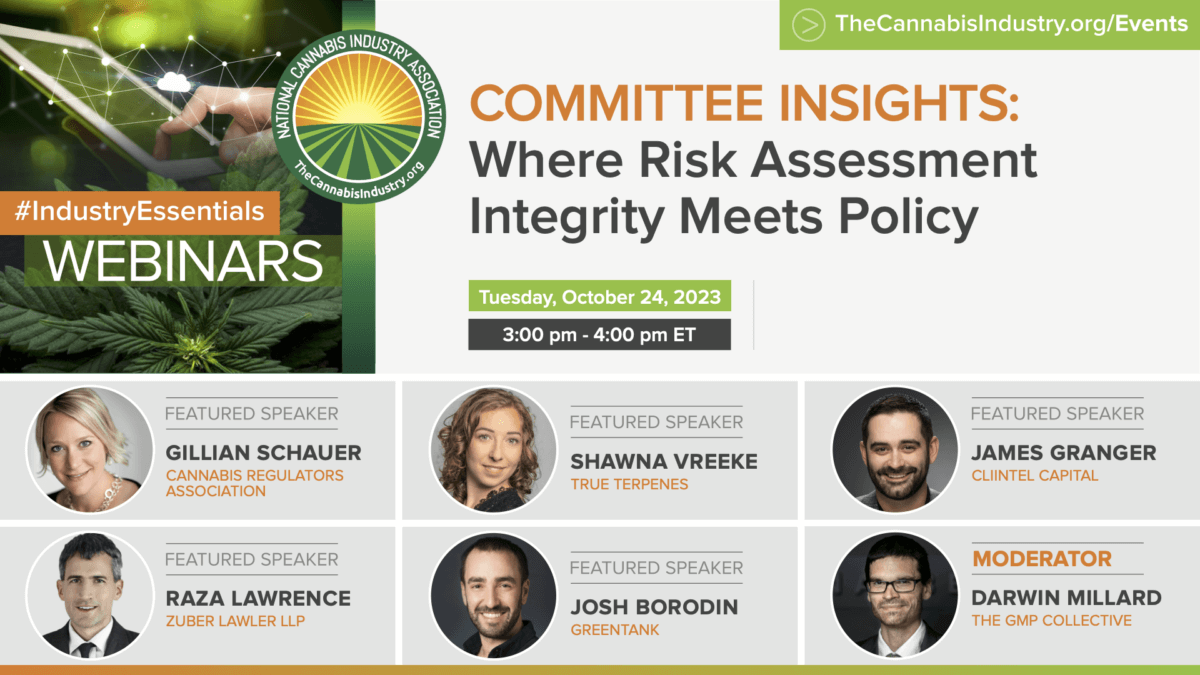
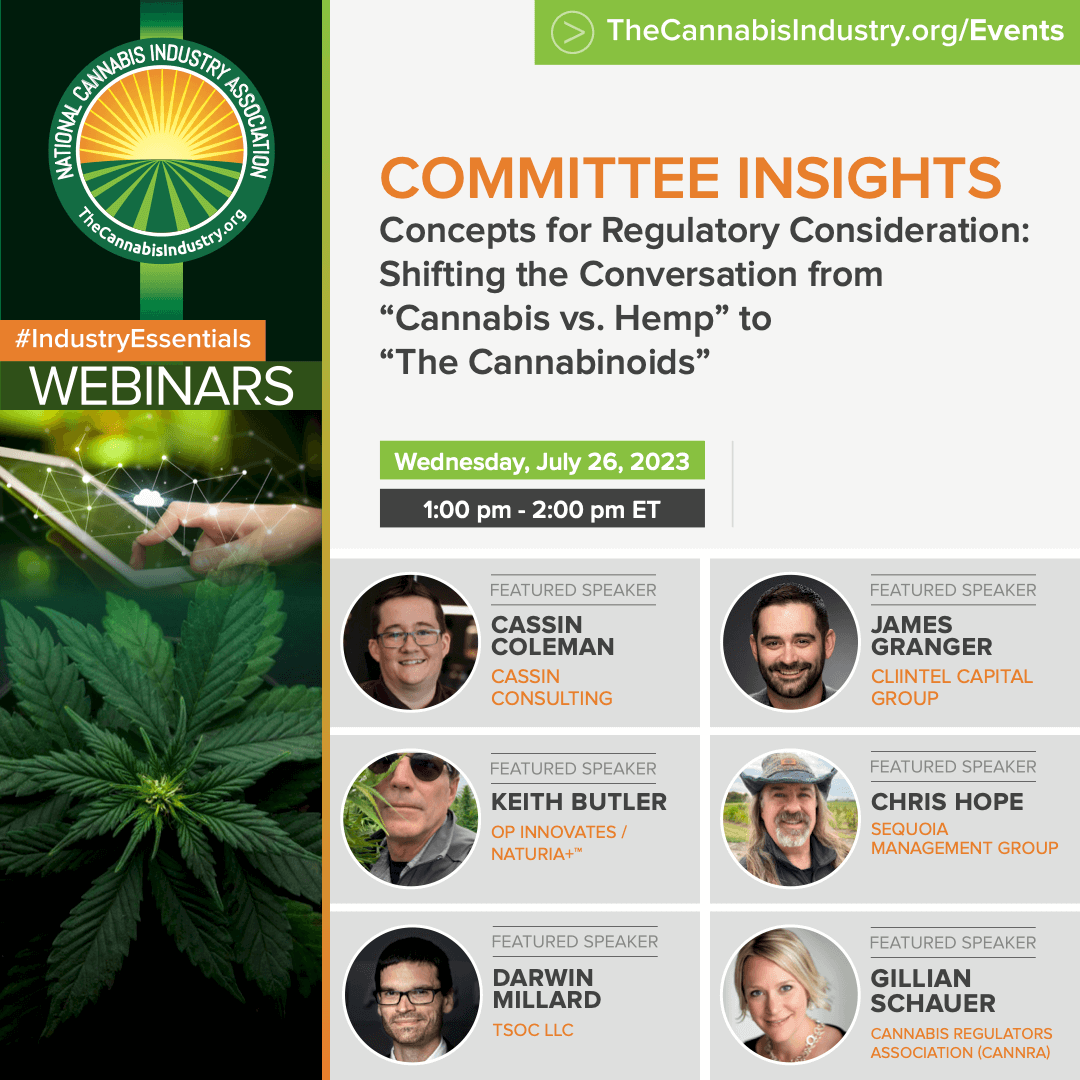
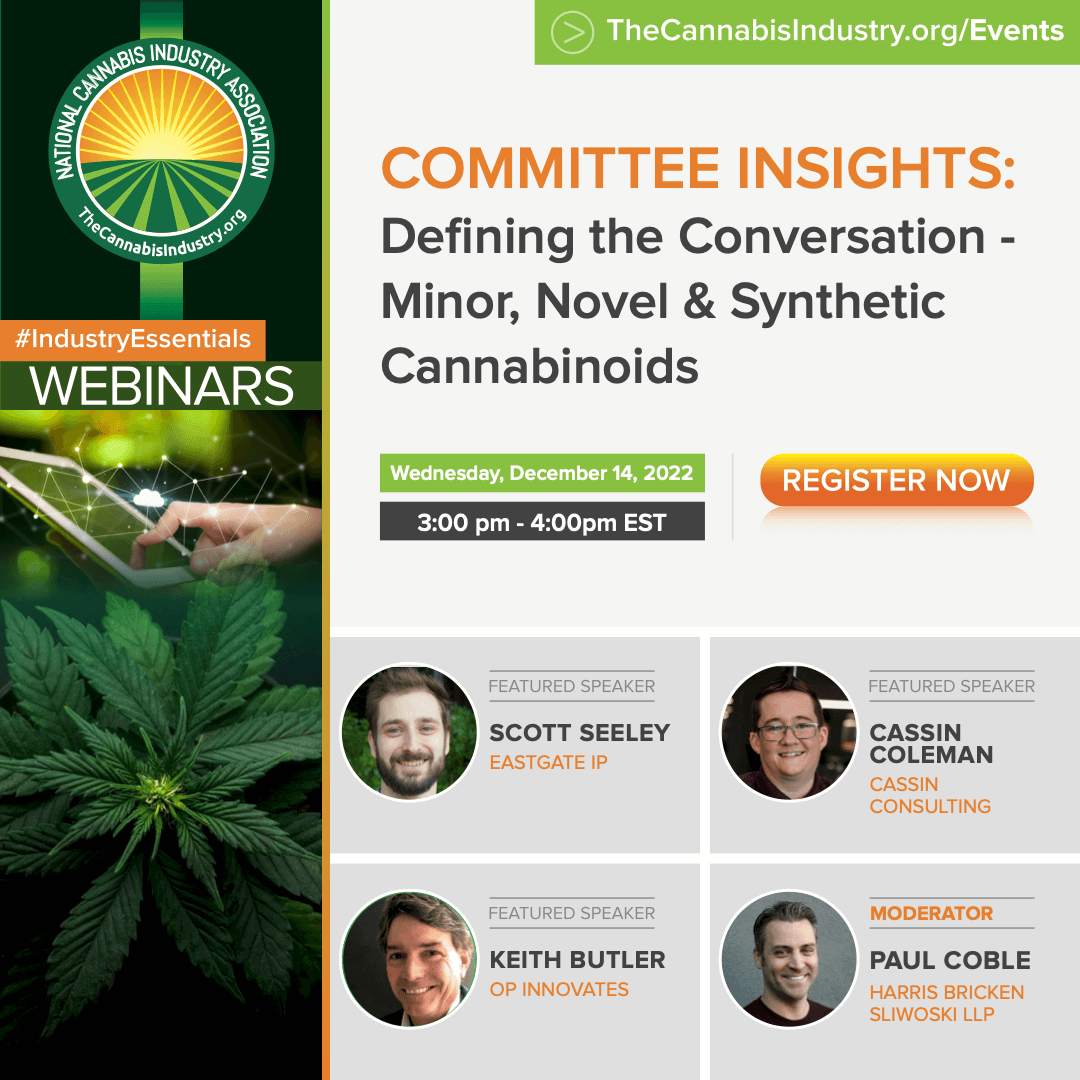
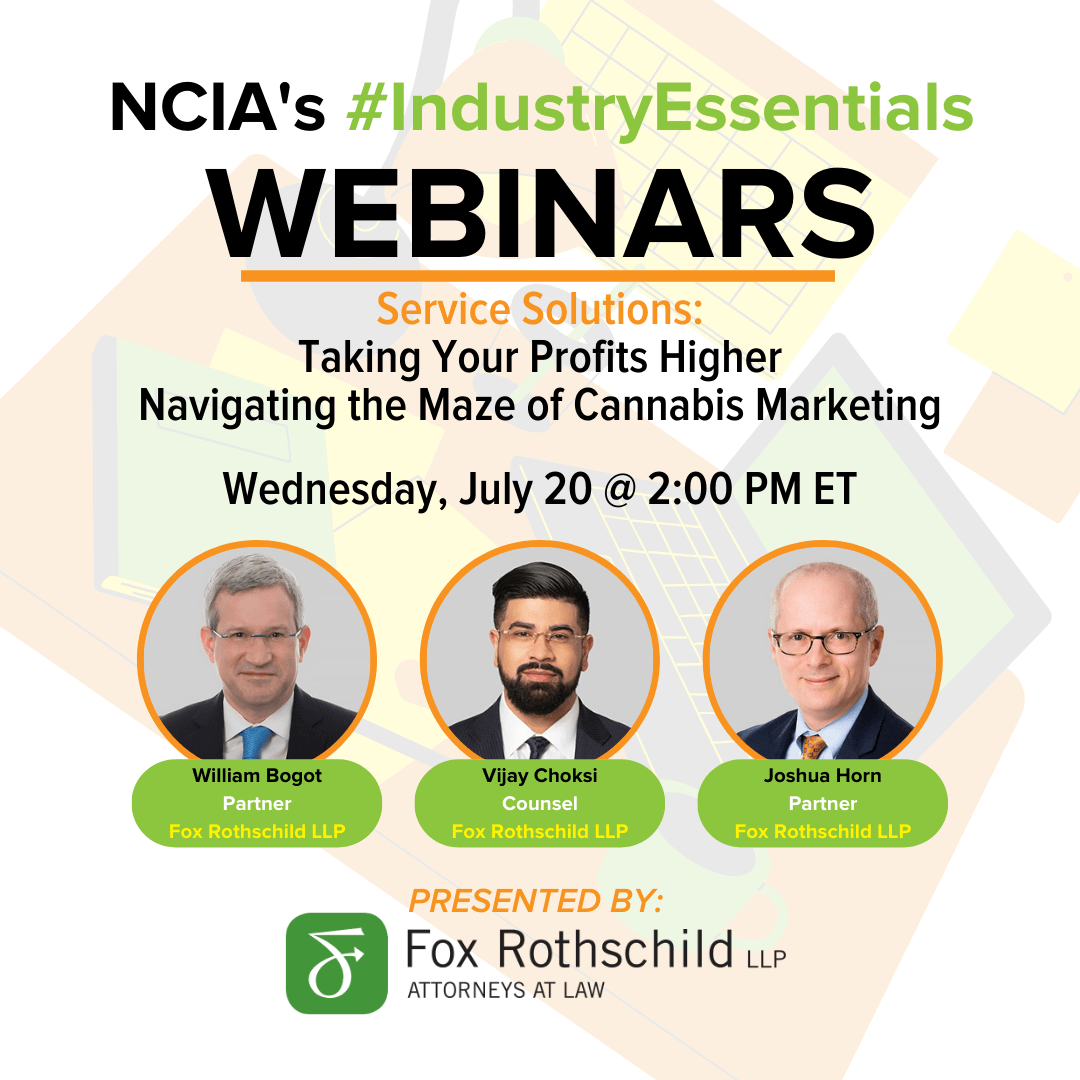


 Gisela Leon brings in over 33 years of experience in international labeling. She is well-experienced in USA labeling requirements of food, dietary supplements and cosmetics, in European food laws and multi-language labeling. As a regulatory consultant, she focuses on a concise review process, having reviewed hundreds of labels for U.S. compliance and helped international products to come into compliance with U.S. regulations. Her international labeling background allows her to point out differences or similarities with other countries.

 by Morgan Fox, NCIA’s Director of Media Relations
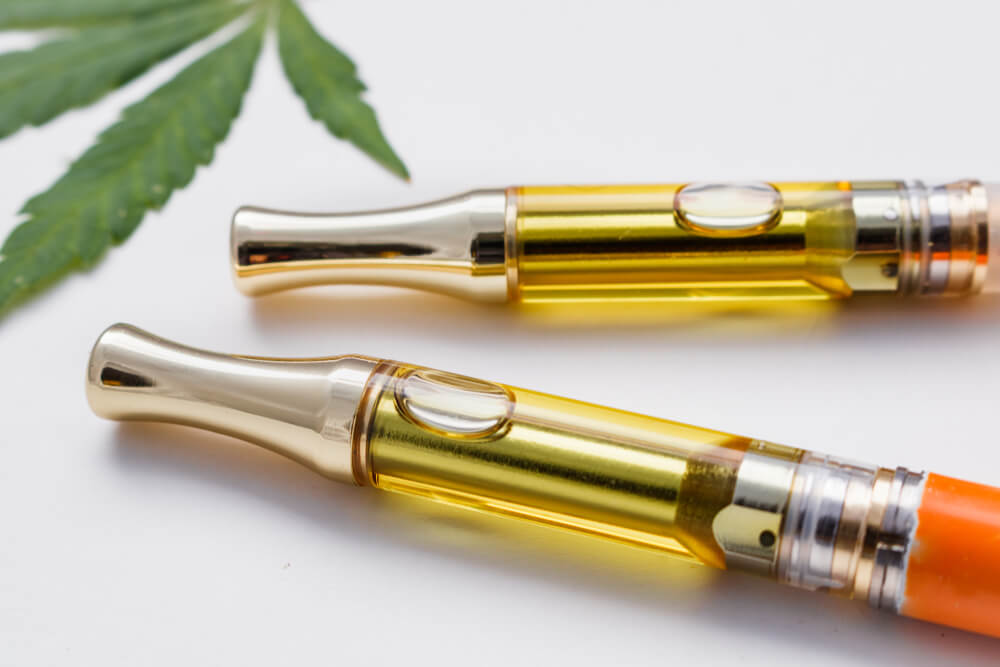
 Product safety isn’t an endpoint, it’s a journey. That’s what we told you in the


 Charlotte Peyton supports
  The vaping crisis was first reported in June 2019. In October 2019, the U.S. Centers for Disease Control and Prevention (CDC) coined a new medical term describing the cases of severe pulmonary disease that have occurred among e-cigarette and vape users, E-Cigarette and Vaping Associated Lung Injury, or EVALI. EVALI’s primary cause was determined by the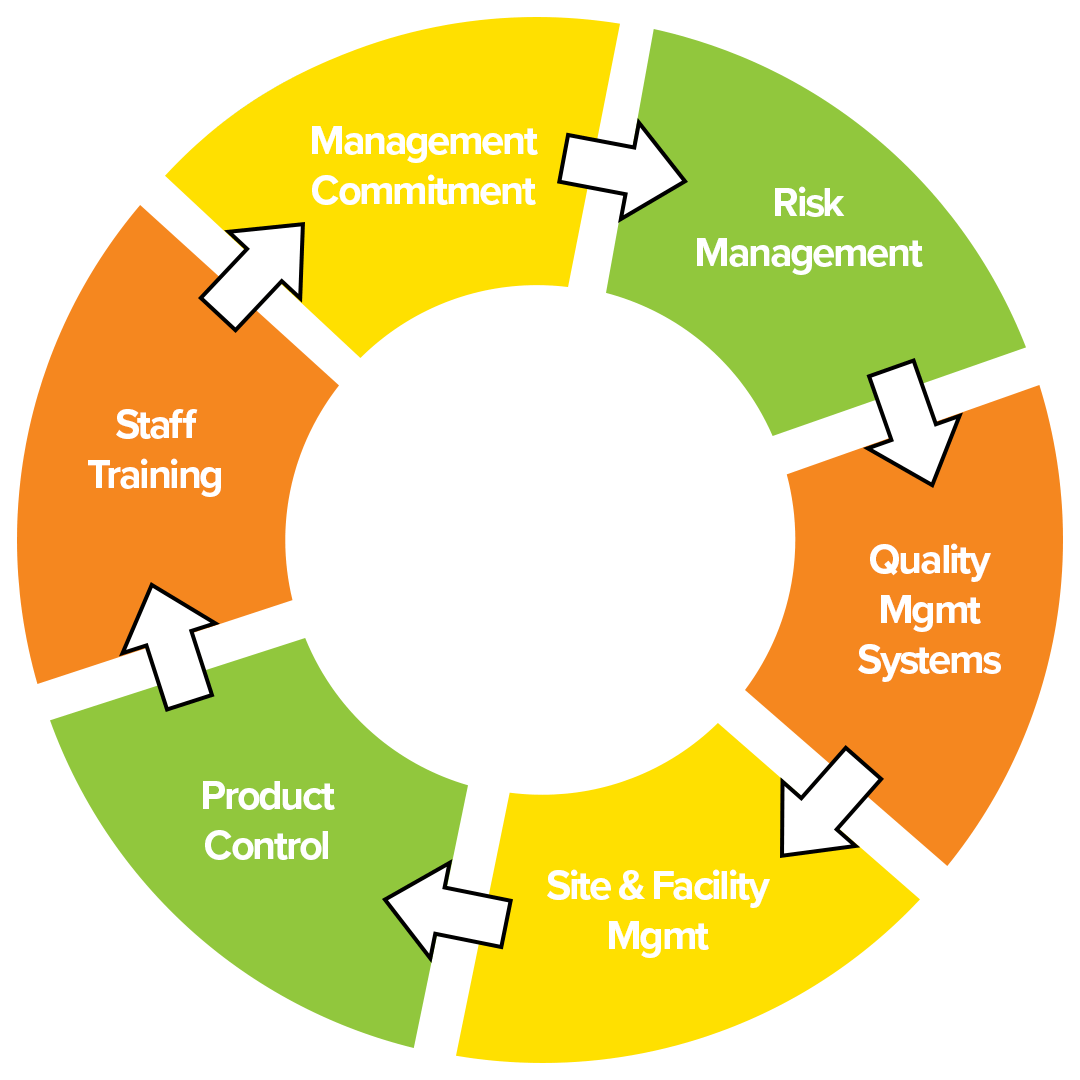
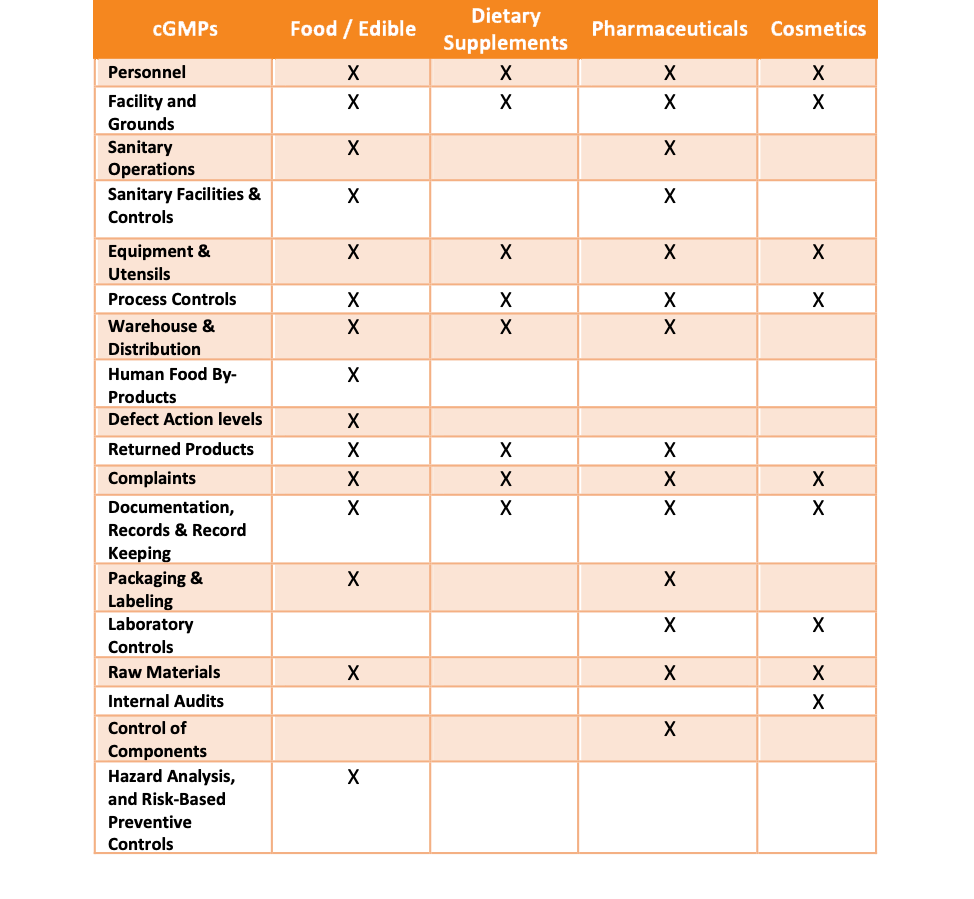


 Martha Ostergar is the marketing content manager at RizePoint, a quality management software company that has helped top brands to digitally manage compliance, quality assurance, corporate social responsibility, and supplier quality management for over 20 years. Visit
Follow NCIA
Newsletter
Facebook
Twitter
LinkedIn
Instagram
News & Resource Topics
–
This Just In
Committee Blog: Access to Capital in the U.S. Cannabis Market Outlook
Member Blog: The Risks of Removing a Regulated Cannabis Market