Committee Blog: International GxP Considerations When Cultivating Cannabis – Part 1
Published by NCIA’s Facilities Design Committee
As the global cannabis industry continues to expand, the importance of international GxP standards becomes increasingly vital. GxP is an umbrella term used to describe the various forms of compliance/standards available: GMP, GACP, GMCCP (Bedrocan), etc. While GMP is typically associated with the manufacturing of pharmaceuticals and other consumer products, it can also be applied to plant cultivation (GACP). These guidelines were developed by the World Health Organization (WHO) in 2003; they help ensure the quality, safety, and consistency of products, fostering consumer trust and facilitating international trade. In this blog post, we will explore the key considerations and requirements for cultivating cannabis in accordance with international GxP standards, allowing cultivators to meet the stringent regulatory expectations across borders.
GMP vs. GACP: What’s the difference?
First, it is important to explain the difference between GMP and GACP: GMP (Good Manufacturing Practice) is a set of quality management and manufacturing guidelines and regulations that ensure pharmaceutical, food, and medical device products are consistently produced and controlled according to quality standards. It aims to minimize risks involved in production and ensures the safety, efficacy, and quality of the final product. GACP (Good Agricultural and Collection Practices) is a set of guidelines and principles used in the cultivation and harvesting of medicinal and aromatic plants. It ensures that the plants are grown, collected, and processed in a manner that maintains their quality and prevents contamination, ultimately ensuring the safety and effectiveness of herbal products derived from these plants.
GxP Best Practices for Cannabis Facilities
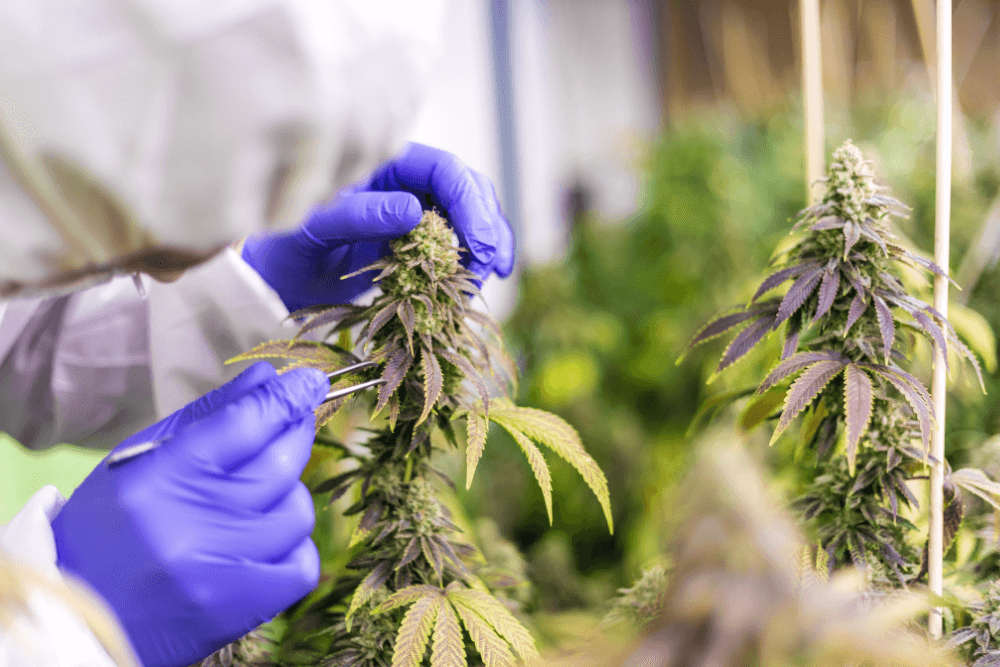
Generally speaking, GACP applies to the “cultivation zone” and is less expensive to implement; GMP standards should be used in all “post-harvest zones” and is considered pharmaceutical grade. Below you will find a set of considerations and best practices used in most compliant cannabis facilities.
- Compliance with Regional Regulations: Before embarking on cannabis cultivation, it is essential to understand and comply with the specific regulations governing cannabis production in a specific region. Different countries have varying laws and requirements surrounding cannabis cultivation/export, including licensing, permitted cultivation methods, quality control, and product labeling. Familiarize yourself with the applicable regulations (in the country you intend to cultivate in and the country you intend to supply) to ensure full compliance with international GxP standards. Then organize a meeting (pre-audit) with your local audit provider (e.g. ASTM) to develop a proper gameplan.
- Facility Design and Maintenance: A crucial aspect of GxP compliance is having a well-designed cultivation facility that prioritizes cleanliness, efficiency, and product integrity. Considerations include proper airflow and cannabis specific HVACD systems (e.g. InSpire.ag or Ceres GH Solutions), dedicated cultivation and processing areas, appropriate lighting, appropriate drying space, automation and adequate pest control measures. Maintaining a clean and organized facility with strict hygiene protocols is essential for preventing contamination and ensuring the quality of the final cannabis products. Water quality, flexible cultivation integration, and sustainability should be top priority when in the design phase of your project.
- Crop Management System (CMS): Incorporating an all-inclusive CMS into your agricultural practices brings numerous benefits to crop monitoring and management. Real-time data collection, remote monitoring, disease detection, true seed-to-sale tracking, employee workflow tracking, certificate of growth analysis, predictive analytics, automated irrigation (based on real time plant weight), and historical data analysis collectively enhance a cultivator’s ability to monitor crop progress effectively. By making informed decisions based on accurate data and insights, cultivators can optimize crop growth, increase productivity, and promote sustainable farming practices. Embracing a good CMS (e.g. WeightSense Adapt), while leveraging the power of a Building Management System (BMS) is undoubtedly the best step forward towards advanced compliance, safer product and higher consistency/quality.
- Seed and Genetics: Selecting high-quality seeds or clones with desirable traits is vital for successful cannabis cultivation. When sourcing genetics internationally, it is crucial to consider the origin and reputation of the supplier. Ensure that the genetics comply with regional regulations and are free from pests, diseases, and genetic abnormalities. Match phenotypes with your specific environment to naturally defend against some of these risks. Proper documentation and traceability of seed sources are essential for GxP compliance and product consistency. In-house tissue culture labs bring a host of complexity to your propagation department although provide true consistency and reduced disease if carried out properly.
- Cultivation Practices: GxP-compliant cultivation practices focus on ensuring consistency, purity, and traceability (e.g. CMS) throughout the cultivation process. Considerations include standardized cultivation techniques, such as appropriate nutrient management, integrated pest management (IPM), water quality control, and sanitation procedures. Documentation of cultivation activities, such as crop inputs, environmental conditions, and pest management interventions, is essential for traceability and quality control purposes. As an example, under-canopy lighting (e.g. Thrive Agritech) can help reduce pests, disease, and labor input, all while increasing your yield and product quality.
- Post Harvest Practices: GxP in post-harvest forms the cornerstone of ensuring the quality and safety of agricultural products after harvesting. These practices use a range of vital considerations, including stringent hygiene and sanitation protocols to prevent contamination, comprehensive worker training to uphold proper handling techniques, implementation of effective traceability systems for accountability, meticulous quality control measures for sorting and grading, and the maintenance of optimal storage conditions encompassing temperature and humidity control. The integration of pest and disease management strategies, robust packaging selection, documentation upkeep, and cross-contamination prevention further validate the post-harvest GMP framework. By focusing on these key principles, producers safeguard product integrity, enhance shelf life, and contribute to the overall safety of cannabis in the supply chain.
- Quality Control and Testing: International GxP standards emphasize robust quality control measures throughout the cultivation process. Implementing comprehensive testing protocols for cannabinoid potency, microbial contaminants, heavy metals, residual solvents, and pesticide residues is crucial. Regularly analyze samples from each batch to ensure compliance with international quality standards and regulatory requirements. Establishing relationships with accredited testing laboratories can aid in obtaining accurate and reliable test results. Consider SAP analysis and run-off testing if you would like to maximize your situational awareness and plant health.
- Documentation and Record Keeping: Accurate documentation and record-keeping are essential components of GxP compliance. Maintain detailed records of cultivation activities, including seed sourcing, cultivation inputs, environmental conditions, pest management, testing results, and batch-specific information via proper SOP (standard operating procedures) development. These records serve as evidence of adherence to GxP standards and facilitate regulatory inspections, product recalls, and traceability in the event of any issues. Most importantly, they help cultivators maintain a safe and stable facility.
- Additional Considerations Include: Worker training, regulated plant-tracking system, inventory control, storage conditions, packaging, handling and cross-contamination practice, waste management and continuous improvement.
In part two of this GxP blog, we explain the matrix between these interlocking subject matters and how/where they relate to GxP based on department (so keep a look out for part two).
GxP Standards: Bringing It All Together
Cultivating cannabis in accordance with international GxP standards is crucial for ensuring the quality, safety, and consistency of cannabis products across borders. Adhering to regional regulations, designing and maintaining a GxP-compliant facility, selecting high-quality genetics, implementing standardized cultivation practices, conducting rigorous testing, and maintaining comprehensive documentation are all integral to achieving international GxP compliance. And of course, engage a local GxP specialist with experience in the cannabis field to help navigate your team to success. By prioritizing these considerations, cultivators can position themselves for success in the global cannabis market while meeting the requirements of regulatory authorities and ensuring consumer confidence in their products. It’s time to be a part of the solution, and help break the stigma that comes with cannabis cultivation and manufacturing.

Follow NCIA
Newsletter
Facebook
Twitter
LinkedIn
Instagram
News & Resource Topics
–
This Just In
Committee Blog: Access to Capital in the U.S. Cannabis Market Outlook
Member Blog: The Risks of Removing a Regulated Cannabis Market