Member Blog: Augmented Reality CBD, Cannabis Product Labels – Entertainment Paves Path to Education

by Gary Paulin, VP of Sales and Client Services at Lightning Labels
Everyone loves good, entertaining stories. In part, their value lies in information — and education — sticking with recipients long after the storytelling has ended.
There’s a correlation in this to the value of Augmented Reality (AR) CBD and cannabis labels — which provide a novel, entertaining way to capture and keep audience attention. Along the way, product-makers have an opportunity to provide credibility-enhancing education about products, trends, quality control, and the like.
More than ever, consumers want to feel their products protect them. Likewise, cannabis and CBD manufacturer reputation and revenues hinge on consumers feeling safe using their products, and clear about proper (and improper) uses.
Augmented Reality brings interaction and product labeling together, using smart device apps, and even your smart phone’s camera to create an enhanced user experience. When viewers download a related smartphone app and point it at the product’s label, they can see an array of different options including videos, 2D/3D content, social media sharing options, and content that enables seeing how products appear in the real world. A web-based interaction can be launched using your phone’s camera – just open your camera app and point it toward a QR code. In either case, the AR experience is initiated, and interacting with brand labels this way is fun, interesting, and can be extremely educational.
In many ways, it’s like hearing and seeing a story. When connected to useful, practical educational information, AR can fully address common and compelling consumer concerns at a time when fears about safety and health are at an all-time high.
In turn, this can assist manufacturers looking to gain another competitive edge when it comes to consumer awareness, preference, and sentiment. This further strengthens the labels’ role as the front door to product marketing and sales.
TrendHunter.com, dedicated to trend identification, notes that AR is gaining popularity in a variety of industries, ranging from food and beverage to cannabis. Regarding labels, the site notes: “The food and beverage industry adopts augmented reality-based labels… The use of AR in food labels is on the rise, with brands using such technology to both engage and educate their customers on the products they’re considering, or have already purchased. Such items cater to consumers’ continued interest in gamification, and add an element of interactivity that tends to be limited in product packaging.”
TrendHunter.com continues: “Though consumers tend to go online and research the details pertaining to products they purchase, the amount of information to sort through can be overwhelming. Thus, having brands do some of the work in relation to product education allows consumers the freedom to purchase in-person. With tech-integrations into labeling and packaging, this process is streamlined for consumers.”
Specifically targeting cannabis, TrendHunter.com emphasizes: “Virtual and augmented reality enters the cannabis space… The merging of augmented and virtual realities with the cannabis industry is on the rise as brands look to offer immersive experiences for connoisseurs and beginners alike. These platforms offer benefits like virtual product libraries and augmented package engagement — prioritizing both informative and creative experiences for viewers… For novice consumers, being informed about this emerging space is crucial in order to alleviate some of the apprehension they feel when they’re considering consuming a substance that was once attached with stigma and misinformation.”
Here are some hands-on, straightforward ways that AR-powered cannabis and CBD product labels can engage and educate consumers:
- Show products being manufactured, establishing quality controls, purity and other credibility-building examples along the way;
- Relate customer stories and reviews endorsing products, benefits and efficacy;
- Address claims and controversies within the industry or involving the company itself;
- Document complete tracking of products from seed to shelf, proving authenticity and quality control;
- Provide ways (and encouragement) for consumers to interact with a brand via AR;
- Offer easy social media sharing options, so that individual consumers can become brand information hubs via their networks.
 Gary Paulin is VP of Sales and Client Services at Lightning Labels, a Denver-based custom label printer that uses state-of-the-art printing technology to provide affordable, full-color custom labels and custom stickers of all shapes and sizes. Contact: sales@lightninglabels.com; 800.544.6323 or 303.481.2304.
Member Blog: The Ultimate List of Must-Have Cannabis POS Hardware

by Heidi Orpilla, Digital Content Specialist at Star Micronics
The cannabis industry is booming – and it’s expected to continue doing so. According to Grand View Research, the global legal marijuana market is expected to reach $66.3 billion by the end of 2025, and each year brings new legalization across the world.
Whether you’re in the business of opening a cannabis business yourself or are looking to provide cannabis point of sale (POS) solutions to your customers, it’s important to understand the critical role cannabis POS hardware has and how to determine which products are right for your business.
Must-Have Cannabis POS Hardware
Receipt Printers
Receipt printers are extremely important in the cannabis market. When it comes to cannabis, proof of legal purchase is key – and there’s no better way to provide it than with a receipt printer. In some places, like Canada, it is illegal to possess cannabis deemed illicit, and without proof of purchase, all cannabis is assumed to be illicit. Carrying that illicit cannabis could result in a $5,000 fine or a five-year prison sentence! In the US, laws vary greatly by state and must also be carefully obeyed.
Along with providing proof of purchase, it’s important to note that depending on your region, receipts must also contain other information, like store name and address, product category/name, and the appropriate tax code/identifier.
Label Printers
Next on the list is another kind of printer: the label printer. An important part of seed-to-sale tracking, printed labels have an important role in the entire cannabis production and retail process. Seed-to-sale tracking is a key requirement in cannabis regulatory models, and refers to the process of tracking plants and their byproducts from planting all the way through to the plant’s sale.
Custom Cannabis Labels
As mentioned above, labels are incredibly important for the cannabis industry. It’s critical to ensure your cannabis labels come pre-printed with official, state-required universal symbols. These pre-printed cannabis labels are available in various sizes for all recreational markets.
Scales
Yet another critical piece of cannabis POS hardware is the scale – but not just any scale will do. First, you must ensure the scale you are considering is legal to use in your state and NTEP-certified. Being certified means that the scales are ensured to charge the correct amount for the product being weighed. Another great feature to look for is a scale that is integrated directly into the POS. Why? Reduced risk of human error that is associated with standalone scales that cannot integrate with the POS.
To make the process of adding a scale to an existing system a simple process, look for scales which are compatible with Windows, iOS, and Android. It’s almost important to seek scales that include a waterproof and dust-proof cover, as well as Bluetooth, USB, and serial interfaces.
Cash Drawers
Chances are you’re aware that the cannabis industry is currently predominately powered by cash. While marijuana is legal in many parts of the country, it remains illegal under federal law, which means dispensaries’ access to credit card processing options is slim. Thus, a reliable, high volume cash drawer is key! Be sure to look for a cash drawer made of durable steel that’s available in colors to match the rest of your POS.
Scanners
Scanners are an important part of the entire seed-to-sale process, from back-end warehouse operations to scanning products at the point of purchase. Important features to look for are connectivity options and a design/color that matches the existing POS, if applicable.
Tablet POS Stand
As we discussed above, dispensary aesthetics are extremely important, not only from a branding and customer experience perspective but also to legitimize the business to outsiders and newcomers. A great place to tie in style is at the POS, and an easy way to do that is by incorporating a sleek, space-saving POS stand into your arrangement. Choosing a stand that features clean cable management is an added bonus.
Self-Service Kiosks
Dispensaries are sometimes limited to how many people they can allow inside at one time because budtenders need to be able to pay special attention to customers, and make sure they are recommending the right products. Some dispensaries are using kiosks to allow waiting customers to pick out what they want on screen, take the slip to the budtender, and simply just collect and pay for their items.
Value-Added Marketing Services
Just like other businesses, cannabis dispensaries need to advertise, but what sets them apart is that they must adhere to strict advertising laws. For example, in multiple states including California and Colorado, over 70% of cannabis advertisement audiences must be over the age of 21.
An easy way to ensure marketing efforts are being communicated only to the intended audience is by printing those promotions on your receipts. By leveraging receipt marketing tools – some of which can be provided by certain receipt printer manufacturers as a value-added service – dispensaries can create custom promotions from templates which increase customer engagement and retention and can be used to promote sales, new products, loyalty programs, and more.
The POS as a Dispensary’s Backbone
In the cannabis industry, accuracy, a professional aesthetic, and responsible marketing are of utmost importance. When properly implemented, the POS can become a dispensary’s backbone to success. By choosing the correct printers, scales, labels, cash drawers, and value-added marketing services, cannabis industry professionals can focus more on growing and selling and spend less time worrying.
 Heidi writes for and manages the blog and social media at Star Micronics, a point of sale manufacturer that specializes in POS printing – and more – for the cannabis industry and beyond. Star Micronics offers a full portfolio of cannabis point of sale hardware including receipt printers, cash drawers, NTEP-certified Class II scales, label printers, mobile printers, tablet POS stands, and more. A true one-stop shop, Star provides all the hardware solutions a dispensary could need, from front of house dispensary sales to labeling and weighing product during curation. Additionally, Star has integrations with approximately 85% of all cannabis POS software on the market today.
Member Blog: Know Your Regulations, Know Your Labels

by Gary Paulin, Director of Sales of Lightning Labels
Agility, timely data and printing performance drive cannabis label compliance
Ability to move quickly, accurately, and competitively is the lifeblood of cannabis purveyors. Timely compliance in such areas as labels and packaging is critical to staying in business; agility in grabbing a competitive edge is crucial to profitability.
To help make that happen, cannabis-savvy label experts must be able to provide near real-time information and clear, straightforward guidance to ensure full and timely compliance. With labeling and packaging regulations constantly changing across the land, getting and staying current is much easier said than done.
Sweeping changes include revising labels to make cannabis products less appealing to children, listing THC and CBD amounts, designating “hemp” versus “marijuana” products, and establishment of label regulations in states with new marijuana legalization laws. Then, there’s the entire country of Canada, which will legalize recreational marijuana effective October 2018.
California purveyors in particular are feeling the heat. New packaging and label regulations went into effect July 1, and Proposition 65 rules impacting all product labeling and packaging are now in force (full compliance deadline was Aug. 30).
Critical consequences of non-compliance
California’s July 1 requirements alone proved difficult for a variety of cannabis companies. A report on KPIX, the San Francisco Bay Area CBS affiliate, pointed out: “Empty Shelves At Some Bay Area Pot Dispensaries After New July 1 Label Law… Many California marijuana dispensaries seeing their profits are going up in smoke. Their shelves are sitting empty ever since a new labeling law took effect Sunday… the Associated Press estimated the entire industry would lose nearly $400 million because of unsold product.”
Obviously, lack of knowledge and compliance can carry severe penalties, crippling operations and hobbling profits. Here are a few tips to help cannabis companies stay on top of evolving labeling and packaging regulations and avoid regulatory repercussions:
Partner with companies providing accurate and complete label and packaging guidance, both on the information and hands-on production and printing fronts. There are companies dedicated to maintaining current and complete databases about rules and regs in municipalities and states where both medical and recreational marijuana laws are in effect. And there are label production and printing companies with extensive track records in creating cannabis labels. Make sure you get up to speed in both areas.
Confirm “agility ability” of these entities. All the information and capabilities in the world can be for naught if the capacity for executing quickly and competently doesn’t exist. As the cannabis industry continues to twist and turn all over the place, including labeling and packaging requirements, it’s absolutely critical to be able to move with—or optimally ahead of—developments. Having consistent, reliable resources in place can make the difference between plentiful shelves and profits and the emptiness associated with non-compliance—as many California purveyors discovered the hard way.
Use these established resources for predictive modeling. While predicting the future of cannabis rules and regulations may be difficult, cannabis companies with access to ample intel, experience and expertise may be able to better prepare for the future. Information showing trends, innovative ways to address what’s ahead with labels and packaging that “think ahead of the curve,” and overall insights into a variety of marketplaces can help make this happen.
 To address both branding/printing and business/legal intelligence requirements at state and local levels, Denver-based strategic partners Lightning Labels and Highmark Data are giving cannabis purveyors fast and agile one-stop access to much-needed resources pertaining to labels and packaging. Lightning Labels is a Denver-based label printer that has been offering state-of-the-art affordable, full-color custom labels and custom stickers of all shapes and sizes to cannabis purveyors for more than a decade. Highmark Data provides comprehensive business and legal intelligence needed to make the smartest and most compliant decisions in municipalities and states nationwide.
Gary Paulin is Lightning Labels’ Director of Sales and Client Services.
Member Blog: Cannabis Branding Faces Uncertain Future
 by Mark Lusky, Lightning Labels
When it comes to cannabis labels and cannabis packaging, and for that matter everything branding-related, the marijuana industry is a many-splendored riddle. On one hand, the industry’s avant-garde nature and offerings lend themselves to eclectic and eccentric designs. On the other hand, a demand-heavy marketplace, lack of branding sophistication, and fears about sinking too much branding money into federally illegal enterprises have stifled forward progress.
 At the same time, states with the longest track record of legal use have evolved in many cases to higher levels of professionalism and panache on such important elements as marijuana labels and packaging.
An August 2016 article in HighTimes.com assesses the state of the struggle: “A lot of goofy business names, awkward brand identities, poor design execution and amateur packaging solutions have been the norm…for cannabis companies up until recently, when increasing sophistication among those investing and working in this nascent industry resulted in more slick presentations, upscale appeal and mass market sales. After all, research suggests that 33 percent of all sales are influenced by branding and packaging.”
An article published on Entrepreneur.com in January points to hiccups across the board, noting that, “Businesses traditionally developed strong brands in logos, typography, color and composition. The idea was to become as ubiquitous and familiar as Hershey, Band-Aids or Scotch Tape. Left to web designers, cannabis businesses have yet to produce that attention grabber.”
Federal illegality creates consternation, conservative strategies
All along, marijuana has remained illegal under federal law, creating lots of confusion as well as a conservative approach to spending money on such branded items as marijuana labels and marijuana packaging. Illegality has impacted a wide swath of practices in such sectors as taxation and banking.
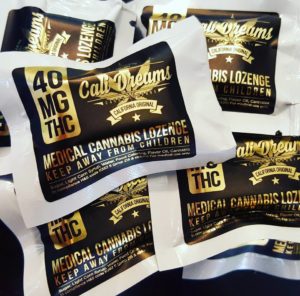 Cannabis companies have been reticent to sink too much money into endeavors that can’t be federally trademarked or patented for fear of being copied. Notes the Sacramento Record-Bee in a January article, “Branded pot products gained footing in recent years as California sanctioned medical use of marijuana, and other states began permitting recreational use. Now that California voters have approved a ballot measure allowing all adults to use the drug, cannabis businesses want more authority to brand their products…But officially trademarking marijuana is a tricky legal task. The federal government still considers it an illegal drug, and won’t grant patents or trademarks for pot or anything made from it. Cannabis brands fear they are at risk of being copied. So marijuana businesses in California—eyeing what could become a $6.4 billion industry—have turned to the state government for help.”
Given the uncertain direction that federal enforcement will take under the new administration and anti-marijuana attorney general, it’s anyone’s guess about if, how, when, and where cannabis branding will move forward.
Following are tips for cannabis companies addressing or reviewing their branding currently:
- Look at purveyors/competitors in “pioneering” states that have the longest track record–to see how they have evolved their branding. Typically, Colorado and Washington are at the top of states where both recreational and medicinal are legal; California is a strong state for medicinal. After seeing what’s out there, decide on a path for yourself;
- Match the design sophistication to the appropriate graphics team. In most cases, this means finding a branding specialist—not a one-size-fits-all web developer whose shingle includes the word “design;”
- Protect the intellectual property through state and other non-federal regulations/laws where possible.
Given the omnipresent threat of federal intrusion in the overall operation, figure out what you can stand to lose upfront, spend accordingly, and keep your fingers crossed.
Lightning Labels uses state-of-the-art printing technology to provide affordable, full-color custom labels and stickers of all shapes and sizes. From small orders for individuals, to the bulk needs of big businesses, Lightning Labels is equipped to handle and fulfill custom label and sticker projects of all types. Lightning Labels was established in 2002 and based in Denver, Colorado. Mark Lusky is a marketing specialist who has worked with Lightning Labels since 2008.

Follow NCIA
Newsletter
Facebook
Twitter
LinkedIn
Instagram
News & Resource Topics
–
This Just In
Beyond Rescheduling: Inside NCIA’s 14th Annual National Cannabis Industry Lobby Days
DOJ Reschedules Medical Cannabis to Schedule III & Announces June 2026 Hearing on Broader Rescheduling