U.S. Cannabis Business Conditions Survey Report Reveals Critical Concerns for the Cannabis Industry in 2022
by Beau Whitney, NCIA’s Chief Economist
 As the largest national trade association of the cannabis industry, NCIA works to advocate for and advance the interests of hundreds of member businesses. The recent publication of the Whitney Economics U.S. Cannabis Business Conditions Survey Report offers a granular look at how respondents are feeling, and what they are worried about.
Survey description
There were a total of 396 respondents to the Whitney Economics U.S. Cannabis Business Conditions Survey. Respondents were either licensed cannabis businesses or ancillary businesses to the cannabis industry, and were from 20 states across the country. According to the report, the objective of the survey was to “establish a baseline of data, and identify the successes and the challenges that operators in the industry are facing.”
The survey examined policy, regulatory issues, industry successes, and overall industry sentiment using questions around demographics, questions intended to definitively answer a specific question, and questions with the opportunity to offer multiple responses or comments. We are pleased that NCIA members participated in the survey. Because this survey is intended to be conducted on a quarterly basis moving forward, we expect that a growing number of the NCIA membership will want to participate.
Key Takeaways From the Survey
- Only 42% of respondents are turning a profit. Further, in terms of profitability, female respondents and non-white respondents are faring much worse than white, male respondents.
- While 58% of businesses overall are not making a profit (either breaking even or losing money), 62.5% of female-run businesses are not turning a profit and 67.8% of BIPOC businesses are not turning a profit.
- Lack of banking, market volatility, and state & federal taxation are the key issues facing cannabis operators.
- 72% of respondents stated that access to banking and other financial services was the top issue facing them.
- Smaller operators are struggling by being pulled in two different directions. On one side is the competition from the illicit market that competes for the same customers as the smaller operators and the other side is the ever presence of big businesses looking to consolidate the market.
- Taxation is an issue that impacts all businesses regardless of size. Cannabis operators run the risk of being taxed out of business. State policymakers are focused on state issues without considering the impact of federal policy and federal policymakers are not considering the state policy. This lack of a unified tax policy is creating strain on business operators.
- The concerns of the industry are weighing heavier on the minds of operators than are the successes, and this is impacting industry sentiment.
- Business owners are quite proud of their accomplishments over the past year, from increasing opportunities for women and minorities, to doing more for their workers and educating an ever-increasing clientele.
- Despite this success though, cannabis operators’ concerns far outweigh their feeling of success and this is impacting the overall sentiment.
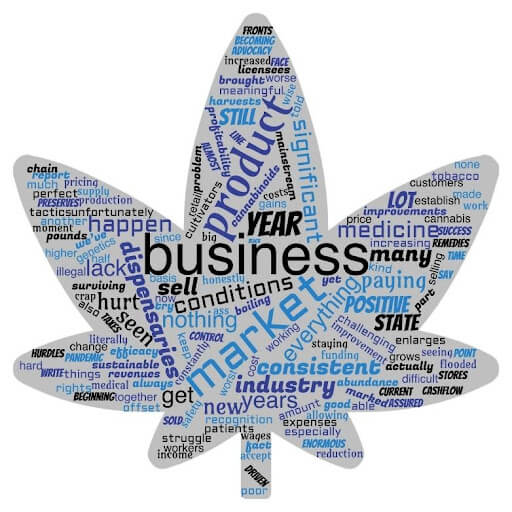
- The word cloud on the successes tells a compelling story.
We are very excited that we have now established a baseline of new data that reflects operator sentiment and business conditions. This can help support the narratives with data when having policy discussions at the state and federal levels and to help shape strategy for operators in this space.
“We are delighted on how this initial survey turned out and look forward to surveying the cannabis landscape regularly in the future. We really appreciate the support we received from leading national cannabis organizations such as NCIA.” – Beau Whitney
Member Blog: The Responsibility of Cannabis Companies to Further Equality

By Lissa Lawatsch, CLS Holdings
Currently, in the cannabis industry, we find ourselves in a unique position. We are at an important crossroads of policy changes, advocacy efforts, and business opportunities. Within the dynamics of cannabis legalization, certain people seized new market openings, while others scramble to get a foothold in the business.
As legal cannabis continues to normalize, we must ask ourselves whether the industry affords everyone equal opportunities. While certain U.S. states have established social equity programs within their cannabis laws, many people don’t feel it is enough to correct the current imbalances.
Entrepreneurs and professionals alike are asking essential questions about our responsibility to minorities in cannabis. This movement is an excellent opportunity for cannabis businesses to help shape the industry’s future in a way we can be proud of.
The Consequences of the War on Drugs
The imbalances of equality in cannabis can be traced back to the War on Drugs. Since the War on Drugs was enacted in 1971 by President Nixon, it has had detrimental impacts on minority communities.
Increased drug arrests in minority populations are not the result of increased drug use. The nonprofit Brookings Institution tells us, “All along, one consistent target for the nation’s cannabis laws [in the War on Drugs] were communities of color. Despite cannabis usage rates between whites and non-whites being similar, Black Americans were arrested for cannabis offenses at a rate of nearly 4:1, compared to whites.”
For many, it is difficult to comprehend how impactful these cannabis convictions have been on minorities. Many families have suffered for a generation due to the head of household going to prison for cannabis crimes. In these unfortunate situations, there is no opportunity to spread the intergenerational wealth enjoyed by most families.
Status of Social Equity in the Cannabis Industry
From the outside looking in, it is easy to assume the cannabis industry offers equal opportunities. However, if you peer just beneath the surface, you will find several elements at play that keep minorities from starting cannabis businesses. Due to these factors, only 1 in 5 cannabis businesses today is owned by minorities.
In nearly all cannabis markets in the U.S. states, strict laws prevent people with drug convictions from applying for business licenses. Yet, we have already established that far more minorities than whites get arrested for cannabis. This fact immediately creates a lopsided pool of applicants that favors white people as the winners of cannabis business licenses.
Another factor that has led to imbalances in the cannabis industry is that white people are better off financially than minorities. This can be a real handicap, as cannabis businesses are costly to start. To illustrate, MJBizDaily gives us the following cannabis business startup costs:
- $2,500,000 – Vertically integrated dispensary
- $500,000 – Cannabis processing facility (MIP)
- $312,000 – Stand-alone retail dispensary
As can be seen, it takes serious capital to finance a new cannabis business. Yet, many minorities do not have access to this sort of funding. This fact is partially attributable to the damage done in minority communities by the War on Drugs.
State Mandated Social Equity Programs in Cannabis
The early pioneers of legal cannabis did not anticipate the social inequalities that would arise in the industry. However, as places like Washington and Colorado have had functioning industries for over five years, we can now take a more granular perspective on the market.
As imbalances in social equity are now recognized across the industry, individual U.S. states are enacting legislation to help “level the playing field” for minorities. The states taking meaningful steps for social equity in cannabis include New Jersey, Virginia, California, Illinois, Massachusetts, Michigan, Maryland, Ohio, and Pennsylvania.
The breadth and scope of social equity programs in cannabis vary from state to state. To illustrate, California has established an initiative that provides financial support and training to minority cannabis business owners. Also, Michigan, Illinois, and Massachusetts have put controls on the application process to give minorities better chances to win licenses.
Charitable Efforts & Business Groups
While state-mandated social equity programs are a big step forward in cannabis, there is still a lot of work to do. To this end, modern cannabis professionals have taken it upon themselves to start dialogues about social equity. Even more, these people have branched out to join nonprofit groups and business organizations which promote social change in cannabis.
Some noteworthy groups include:
- Last Prisoner Project
- Minority Cannabis Business Association (MCBA)
- Veterans Cannabis Project
- Women Grow
Last Prisoner Project is a particularly impactful nonprofit that seeks to overturn unjust cannabis convictions. Their team is composed of lawyers and legal experts – the organization also enjoys support from such cannabis icons as Jim Belushi and Steve DeAngelo. For their part, Women Grow spreads the message of equality in cannabis by empowering females. They are focused on connecting different women in the cannabis space to create powerful alliances.
Company Ethics and Hiring Practices
To truly affect change in the social fabric of cannabis, businesses must also take proactive measures within their operations. By promoting racial sensitivity within your business, you help plant the seeds of change in your employees and customers.
To help your employee team better appreciate people from other backgrounds, we recommend enrolling them in diversity training. According to Cornell University, “An organization is only as good as its culture — and abiding that culture is not only a role for HR, it’s every manager’s and employee’s responsibility.” Diversity training is a great way to promote equality within your company culture. Specific training programs also educate your HR department on non-discriminatory hiring practices.
Summary
In the few short years that we have had legal cannabis, the industry has taken some fantastic strides. While it seems that the fight for legalization has finally swung in the right direction, there is still a good deal of work to do concerning social equity.
It is going to take a concerted effort to equalize opportunities for minorities in the cannabis industry. This process starts with addressing unjust cannabis convictions on a societal scale, and cannabis business HR departments must embrace these changes.
 Lissa Lawatsch currently serves as the General Manager of CLS’ Nevada retail subsidiary, Oasis Cannabis Dispensary. A Colorado native and graduate of Metropolitan State University of Denver, Ms. Lawatsch has served the Las Vegas market for 18 years. With 20 years of VP-level experience in the banking and finance sector, Ms. Lawatsch synthesized her business acumen with her passion for cannabis to effectively launch and manage several brands and retailers in the Nevada market for the last 5 years.
Committee Blog: Social Justice in the Cannabis Industry – Your Answers Will Take Minutes, But The Impact Could Be Long-Lasting
By Rudy Schreier, MMLG
NCIA’s Marketing & Advertising Committee’s Social Justice Subcommittee
The cannabis industry is evolving at light speed. From nationwide legalization, to massive corporations developing green thumbs, cannabis culture is shifting daily. Exciting, yes, but this rapid cultural shift poses a threat to social justice by disregarding the harms caused by the war on drugs. Now, more than ever, the cannabis industry needs to come together and determine a course of action to ensure that social justice isn’t brushed aside.
Where should we start? And how can all of us in the industry handle something as daunting as social justice with the appropriate sensitivity? Let’s review some of the basics.
Cannabis has been aggressively policed since the mid-to-late twentieth century. Minorities from marginalized communities were disproportionately punished for cannabis crimes, contributing to the rise of mass incarceration. Those same communities punished for past involvement with cannabis face an extremely high barrier of entry in the newly legal industry. Many cities and states are adopting social equity programs to lower the barrier. For example, Los Angeles recently approved $10.5 million in funding over the next three years for its social equity program. Initiatives like Los Angeles’ are a step in the right direction; however, there’s still a lot more to be done.
While social justice in the cannabis industry is a new focus for some, others have been fighting for decades. Omar Figueroa, a cannabis lawyer and advocate located in Northern California, helped to convince the Sonoma County District Attorney to clear cannabis convictions and has defended numerous activists pro bono over the years. When asked how the cannabis industry should address social justice, Omar replied, “[We need to] provide grants and loans to address disparities in access to capital, continue to advocate against cannabis prohibition, and create a leadership institute to empower people directly affected by the war on cannabis.” Omar, like many other committed ‘canna-pros’, are constantly fighting for fair and equitable practices in our industry. With so much work to be done, it can be challenging figuring out where to start. This is where you come in.
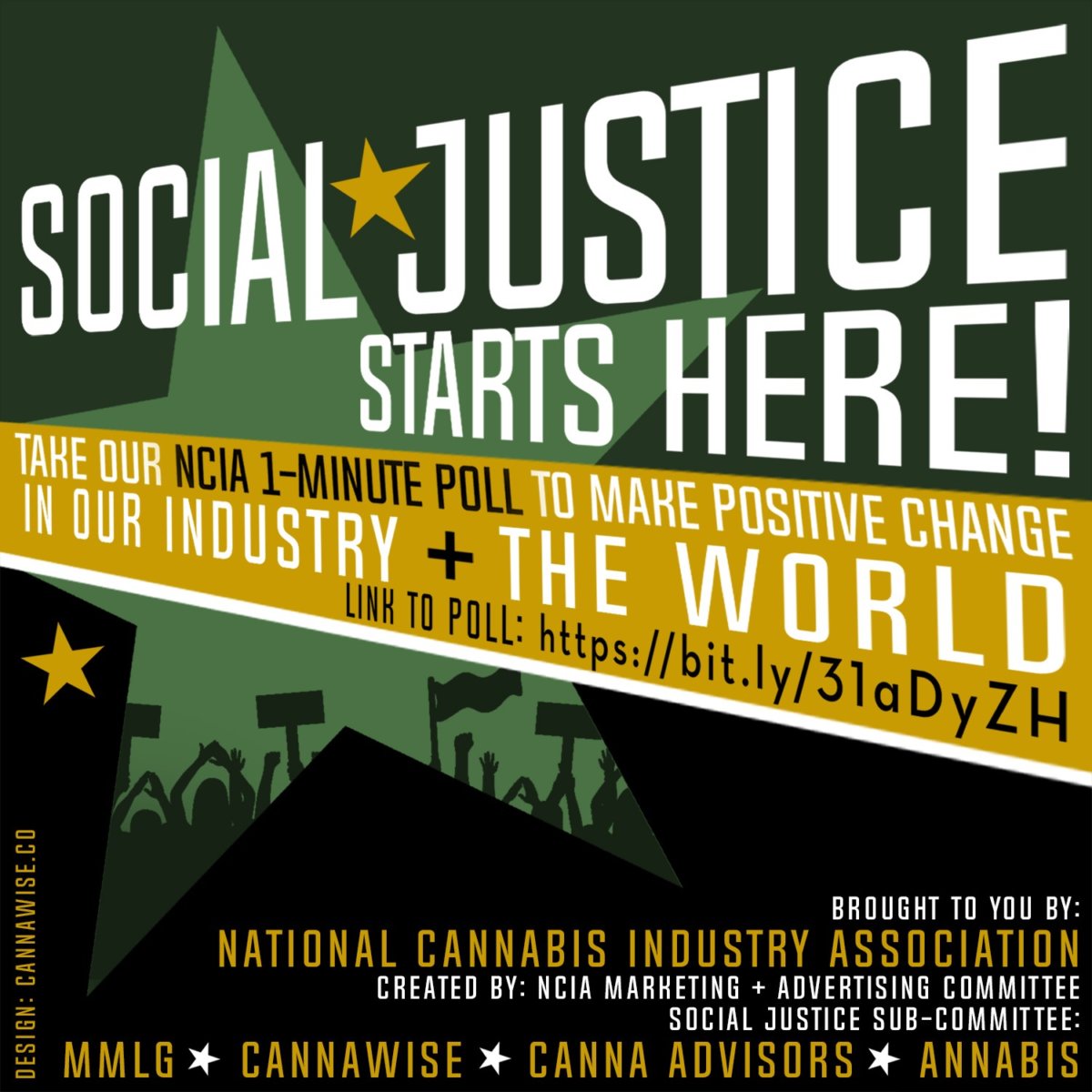
As we build the new cannabis culture, we have the unique opportunity to do things differently, ethically, and better. NCIA’s Marketing & Advertising Committee’s Social Justice Subcommittee is developing an approach to social justice for the cannabis industry, and we need your help. Since we can’t tackle everything, we’re asking you to make your voice heard and help us navigate the difficult terrain ahead. Please take this 4-question survey about what social justice should mean in the cannabis industry. Your answers will take minutes, but the impact could be long-lasting. Feeling ambitious? Share this ‘gram-sized graphic’ in your own social channels to spread the ‘poll power’ far and wide!
Interested in learning more? NCIA’s Social Justice Subcommittee will be hosting a panel titled “Cannabis Reform Stops Short: Why We Can’t Let Social Justice Get Lost” at NCIA’s Cannabis Business Summit & Expo in San Jose on Tuesday, July 23, from 1:30 PM – 2:30 PM. Register for the conference today!
Marketing and Advertising Committee: (MAC) of National Cannabis Industry Association (NCIA) — develops best practices in cannabis industry marketing /education, opening dialogues with media outlets that ban cannabis-related advertising.

Social Justice Subcommittee: An arm of the MAC committee, the aim is to ensure that social justice issues are positively addressed via cannabis reform. Team Members: MMLG, Cannawise, Canna Advisors, Annabis.
The Author: From operations and marketing, to office and project management, Rudy Schreier wears many hats for the Los Angeles-based licensing and compliance consultancy MMLG. Schreier co-founded the #StartsAtThePolls campaign, which utilized social media platforms to inform voters on how to register to vote, how to get to the polls, and pro-cannabis candidates running for the 2018 elections.
The Panel: Be sure to catch the Social Justice Subcommittee’s panel featuring Lisa Jordan (Canna Advisors), Omar Figueroa (Law Offices of Omar Figueroa), Shanita Penny (Minority Cannabis Business Association), and Felicia Carbajal (The Social Impact Center) at NCIA’s Cannabis Business Summit & Expo titled, “Cannabis Reform Stops Short: Why We Can’t Let Social Justice Get Lost.”
Partner Spotlight: Minority Cannabis Business Association
NCIA recently launched a partnership with the Minority Cannabis Business Association in order to address the gap in racial and ethnic diversity within the cannabis industry. We caught up with MCBA co-founder Jesce Horton from Oregon to talk about MCBA’s mission, which exists “to create equal access and economic empowerment for cannabis businesses, their patients, and the communities most affected by the war on drugs.”
 Cannabis Industry Sector:
Non-Profit Association
Jesce, tell us a bit about your background and why you launched MCBA?
After I received my degree in industrial engineering, I started working for a large corporate firm right out of college. There, I began my work of reducing energy usage and environmental footprint at industrial facilities in the Americas. Shortly after moving to Portland from Munich, Germany, I started growing medical cannabis for two elderly patients that were suffering from cancer and from that, Panacea Valley Gardens was born. I got really involved in the industry and started attending conferences and networking events. I started realizing that not many people in the industry looked like me and the issues plaguing the communities of people of color didn’t seem to be on anyone’s radar.
I collaborated with some other industry professionals and we formed the Minority Cannabis Business Association. We soon realized that the issues wasn’t just about morality or doing the right thing, but more about the health and sustainability of the entire industry.
What unique value does MCBA offer to the cannabis industry?
 MCBA firmly believes that not including communities of color in the industry or ensuring that these communities benefit from its prosperity is a major mistake!
Cannabis businesses across the country are missing out on a huge segment of consumers. By being so slow to utilize this opportunity to provide economic opportunity, social justice, and patient awareness in communities that have been targeted by cannabis prohibition, the people who live there are becoming bitter towards the burgeoning industry. Just like in any market, diversity is a major benefit. This is true even more so in the cannabis industry where preferences and perspectives on our primary product can be very culturally specific.
On the flip side, minority communities can benefit greatly from the cannabis industry, in multiple ways. Health issues that affect minorities disproportionately (Minority Health Disparity Gap: Cardiovascular disease, diabetes, cancer, mental health, etc.) can be greatly relieved and even reversed through informed and measured use of safe and tested cannabis products. Also, many would find that their cannabis expenses can be reduced through information and access to the right cannabinoid profiles, application methods, and dosages. Not to mention there is a huge pool of jobs and entrepreneurship opportunities that can be available given the right policies and regulations. These things simply aren’t available at nearly the same capacity in the traditional, illegal market.
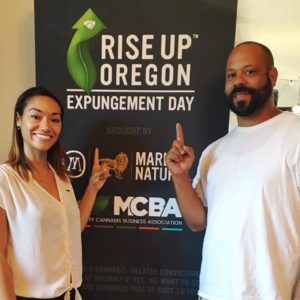 MCBA is uniquely positioned to serve as a bridge between the industry and communities that have been targeted by cannabis prohibition and the war on drugs. Our board of directors is made of up cannabis business owners, activists and legislators from across multiple cannabis markets in the country. Our programs are directly focused on
- Policy improvements that lower barriers to entry and uplift targets communities
- Educational experiences that increase access to information for people of color
- Connection with successful businesses and people who understand that this is an important issue for the sustainability of our industry
Cannabis companies have a unique responsibility to shape this growing industry to be responsible and treated equally as any other industry. How does MCBA help work toward that goal for the greater good of the cannabis industry?
At MCBA, our belief is that this industry is stronger and more sustainable when the barriers of entry are low and support small business development, not special interests. This should be the goal of any industry, especially new industries that thrive with innovation, problem solving, and community support. The policies for which we advocate and programs we execute represent equal access, responsibility, and fair taxation, not reparations or special privilege. It’s important that we work to reconcile the harms done by cannabis prohibition, but these efforts won’t be effective without a strong, dynamic, and thriving industry. They go hand-in-hand.
What kind of challenges do you face in the industry and what solutions would you like to see?
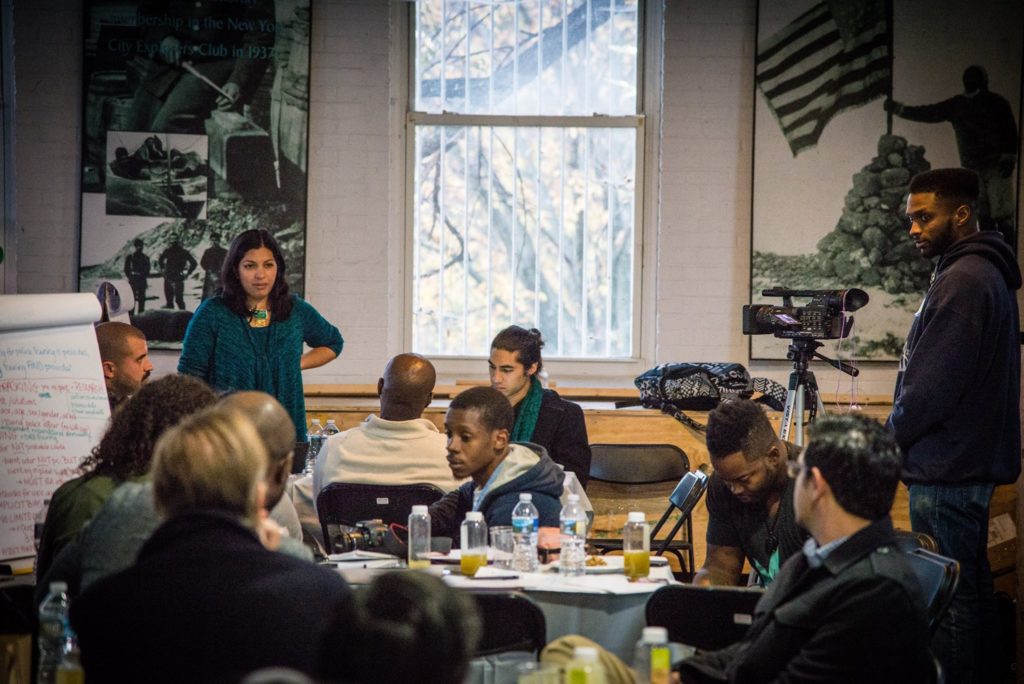 The challenges that affect communities of color from benefiting from the cannabis industry are mainly fair policies, lack of education about the industry, and limited networks to assist with raising capital and business development. We would like to see the industry stand as one to push for lower barriers to entry, tax allocation for communities targeted by the war on drugs, and community outreach regarding health education and employment opportunities.
Tell us about the partnership between MCBA and NCIA?
The partnership between MCBA and NCIA will assist us in working closer and more effectively on programs that complement each organization’s mission. Both organizations strongly believe that diversity and inclusion are principles that will guide our industry to sustainable and responsible growth. We are very excited to work closely with NCIA to ensure that this becomes a reality.
Contact:
MCBA Website
MCBA Facebook
Follow NCIA
Newsletter
Facebook
Twitter
LinkedIn
Instagram
News & Resource Topics
–
This Just In
Committee Blog: Budtenders Make or Break Your Business – A No-Nonsense Guide to Cannabis Retail Staffing
Member Blog: Guaranteeing the First Loan