An Optimistic Congress Aims to Legislate a Bipartisan Cannabis Omnibus Package
 By Sadaf Naushad, NCIA Intern
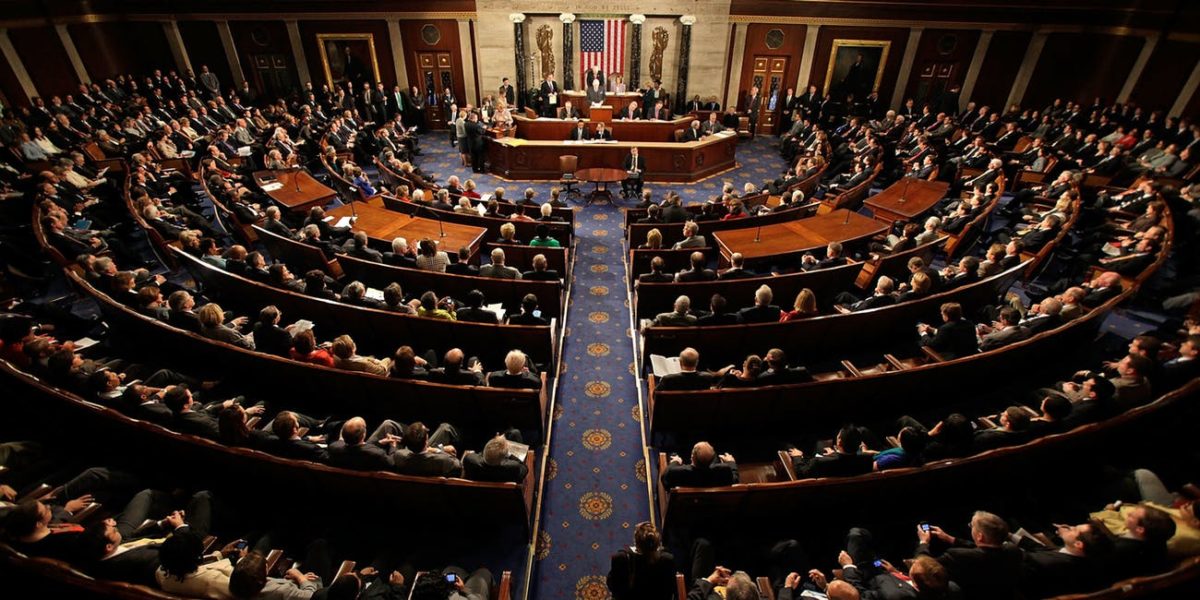
As the cannabis industry progresses nationwide, the public demands Congress to pass major cannabis reforms. After months of opposition met among Congress members, a breath of fresh air awaits cannabis advocates, lobbyists, and consumers.
Last Thursday, two crucial congressmen revealed objectives to establish an extensive package of incremental cannabis proposals.
While Senate Majority Leader Chuck Schumer (D-NY) expects to file the final version of the Cannabis Administration and Opportunity Act (CAOA) sometime this summer, lawmakers are using the draft language as a guide to propose an alternative backup bill in creating a cannabis “omnibus” package.
With the wide-ranging package garnering support across Democratic and Republican lawmakers, industry insiders have high hopes that both chambers could come together to endorse an effective, bipartisan bill by the end of this year.
Let’s discuss the potential inclusions within the bipartisan cannabis package.
Recently, a number of Congress members have discussed the possibility of creating a new cannabis bill that would comprise several incremental measures, including provisions focusing on banking, access to medical cannabis for veterans, research expansion, access to SBA programs, drug sentencing reformations, and more.
Lead sponsor of the Secure and Fair Enforcement (SAFE) Banking Act, Rep. Ed Perlmutter (D-CO) is hoping to incorporate protection for financial institutions operating with state-legal cannabis businesses in a potential package. According to Rep. Perlmutter, members also have interest in including Rep. Dave Joyce’s (R-OH) Harnessing Opportunities by Pursuing Expungement (HOPE) Act, a bill designed to expunge prior marijuana convictions. Additionally, lawmakers are deliberating over granting cannabis businesses access to SBA loans and services that are obtainable to every other industry, a reform initially advocated by Sen. Jacky Rosen (D-NV).
These four concerns –- veterans, research, expungements, and banking – constitute a small portion of the package’s considerations.
Congress will also potentially consider including a non-cannabis item as part of the wider deal, known as the EQUAL Act, which looks to alleviate racial disparities within the criminal justice system by eliminating the federal sentencing disparity between crack and powder cocaine.
Leader Schumer, however, faces the requirement of having a 60-vote threshold to pass legislation. Although the chamber comprises a slim majority of Democrats with the vast majority of GOP members opposing numerous past bills, the 60-vote requirement may be attainable. In contrast to Schumer’s CAOA, indications are that the incremental package has more broad bipartisan support.
Though members have not reached an official deal as these major reforms remain under deliberation, Congress members are not abandoning their efforts to push for a broader-based CAOA bill.
Currently in the bicameral conference committee remains the large-scale manufacturing bill, known as the America COMPETES Act. Leader Schumer has rejected attempts to integrate the SAFE Banking Act as currently written into the COMPETES Act, alleging that it may weaken the ability to approve a slightly larger cannabis reform package. Having passed the House six times, industry insiders feel certain that the Senate will authorize the SAFE Banking Act later this year.
Altogether, the above-mentioned legislation would come up short in federally descheduling cannabis; however, these provisions may acquire the support necessary to reach U.S. President Biden’s desk.
From The Hill: The Emergency Cannabis Small Business Health and Safety Act
by Morgan Fox, NCIA’s Director of Media Relations
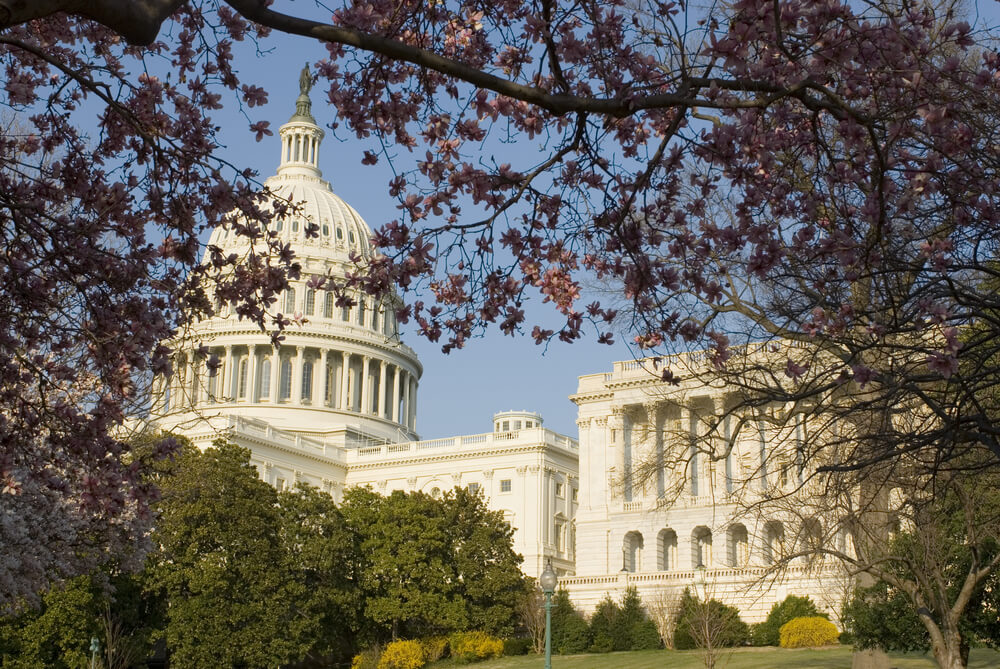
 Legislation to give legal marijuana businesses, which have been declared essential in a majority of states with regulated cannabis markets, access to resources being made available by congressional COVID-19 emergency response packages was introduced in the House of Representatives last week by Rep. Earl Blumenauer (D-OR) and Rep. Ed Perlmutter (D-CO).
The Emergency Cannabis Small Business Health and Safety Act would stop cannabis businesses and those that provide services to them from being excluded from further federal relief funding provided through the Small Business Administration (SBA).
Specifically, this bill would impact the following programs: Paycheck Protection Program (PPP), Economic Injury Disaster Loans (EIDL), and EIDL emergency grants. It would also protect SBA employees from prosecution for administering relief funds to cannabis businesses.
The full text of the bill is available here.
Under current policy, businesses that deal directly with cannabis production and sale, as well as many that provide services to them, are ineligible for most SBA programs. And the definition that the SBA uses to define which ancillary businesses are eligible is very vague. You can find a useful primer on federal relief eligibility from our friends at Vicente Sederberg LLP.
Let’s be clear: the fact that many cannabis businesses have been permitted to remain operating during this difficult time will not be enough to sustain the industry or allow for an effective and timely recovery once this nightmare is behind us. Lack of access to federal funds is just one of the many stressors facing cannabis businesses, which is why it is vital that we become eligible for relief as soon as possible.
Many indirect businesses have not been declared essential and have been forced to close. Cannabis businesses that have remained open must contend with declining sales, supply chain disruptions, onerous tax rates, lack of access to banking services, and the costs incurred by implementing additional health and safety measures to protect employees and customers.
Thankfully, the chorus of voices calling for fair access has been steadily growing. Earlier in April, Rep. Blumenauer and nearly three dozen of his colleagues sent a letter to House leadership urging them to make cannabis businesses eligible for SBA programs. Senators Jacky Rosen (D-NV) and Ron Wyden (D-OR) along with eight co-signers sent a similar letter to Senate leadership last week. They have been joined by cannabis industry advocates, the Marijuana Justice Coalition, the United Food and Commercial Workers International Union, state officials including Colorado Gov. Jared Polis, and others.
NCIA and our allies will continue to put pressure on Congress to treat cannabis businesses fairly during this crisis, but we need your help.
Please email and then call your congressional representatives today and ask them to support the legal (and essential) cannabis industry during this critical time. Talking points and instructions for calling your representatives are available on our website.
Email My Representative
Call My Representative
Here is a sample script you can use:
“Hi, I am calling/writing today to ask that you co-sponsor Congressmen Blumenauer and Perlmutter’s recently introduced Emergency Cannabis Small Business Health and Safety Act. This important piece of legislation would stop cannabis businesses and those that provide services to them from being excluded from further federal relief funding provided through the Small Business Administration. This current lack of access will undoubtedly lead to unnecessary layoffs, reduced hours, pay cuts, and furloughs for the workers of cannabis businesses who need support the most. As your constituent, I ask and urge that you sign on as a co-sponsor for this Act as soon as possible. Our industry, our businesses, and our employees cannot wait.”
The situation on Capitol Hill is extremely fluid as you might imagine. This bill could move forward as standalone legislation or could be incorporated into the next round of federal relief funds, which is being called CARES 2. Stay tuned for updates and be on the lookout for additional ways you can help us protect our essential industry.
Follow NCIA
Newsletter
Facebook
Twitter
LinkedIn
Instagram
News & Resource Topics
–
This Just In
NCIA Applauds Reintroduction of SAFE Banking Following Lobby Days
Beyond Rescheduling: Inside NCIA’s 14th Annual National Cannabis Industry Lobby Days